Emergency Numbers And Consulates In Bilbao
Bilbao, in Biscay province in the Basque Country of northern Spain, is one of Spain's safer major cities, and the single number every visitor should memorise is 112. This guide covers how emergency help works, where consular help comes from, and the local rules, taxes and transport basics that keep a trip from needing either.
Short answer
The EU-wide emergency number 112 works everywhere in Spain, including Bilbao, and reaches police, fire and medical services with interpretation support. Bilbao ranks among Spain's safer major cities per local crime reporting on 2025 data. Foreign consulates exist in the city, but their addresses and opening hours change, so confirm yours through your own foreign ministry before travelling. There is no tourist tax in 2026; a Bizkaia-wide tax starts 1 January 2027.
Bilbao, in Biscay (Bizkaia) province in the Basque Country (Euskadi) of northern Spain, is a calm, well-run city of 346,933 residents (Eustat, 1 January 2025), and the emergency infrastructure reflects that. One number, 112, reaches every emergency service in Spain, and it works from any phone, including locked foreign handsets in many cases and public phones. This guide sets out what to do when something goes wrong, how consular help works for foreign visitors, and the practical local rules, taxes and transport facts that stop most problems before they start. Nothing here requires a first visit to Bilbao to confirm: every figure comes from official sources, and where a detail is not officially published, this page says so rather than guessing.
What Is The Emergency Number In Bilbao, Spain?
The emergency number in Bilbao is 112, the EU-wide standard, and it connects the caller to police, fire and ambulance services anywhere in Spain, free of charge, at any hour, from any phone, with interpretation available for foreign callers who do not speak Spanish or Basque. There is no separate number a visitor needs to memorise for the Basque Country: 112 dispatches all three services from one call centre, and the operator routes the emergency to the right responder. Spain is a founding Schengen member, so travellers arriving from another Schengen country face no border check, but the emergency system is identical regardless of where a visitor comes from.
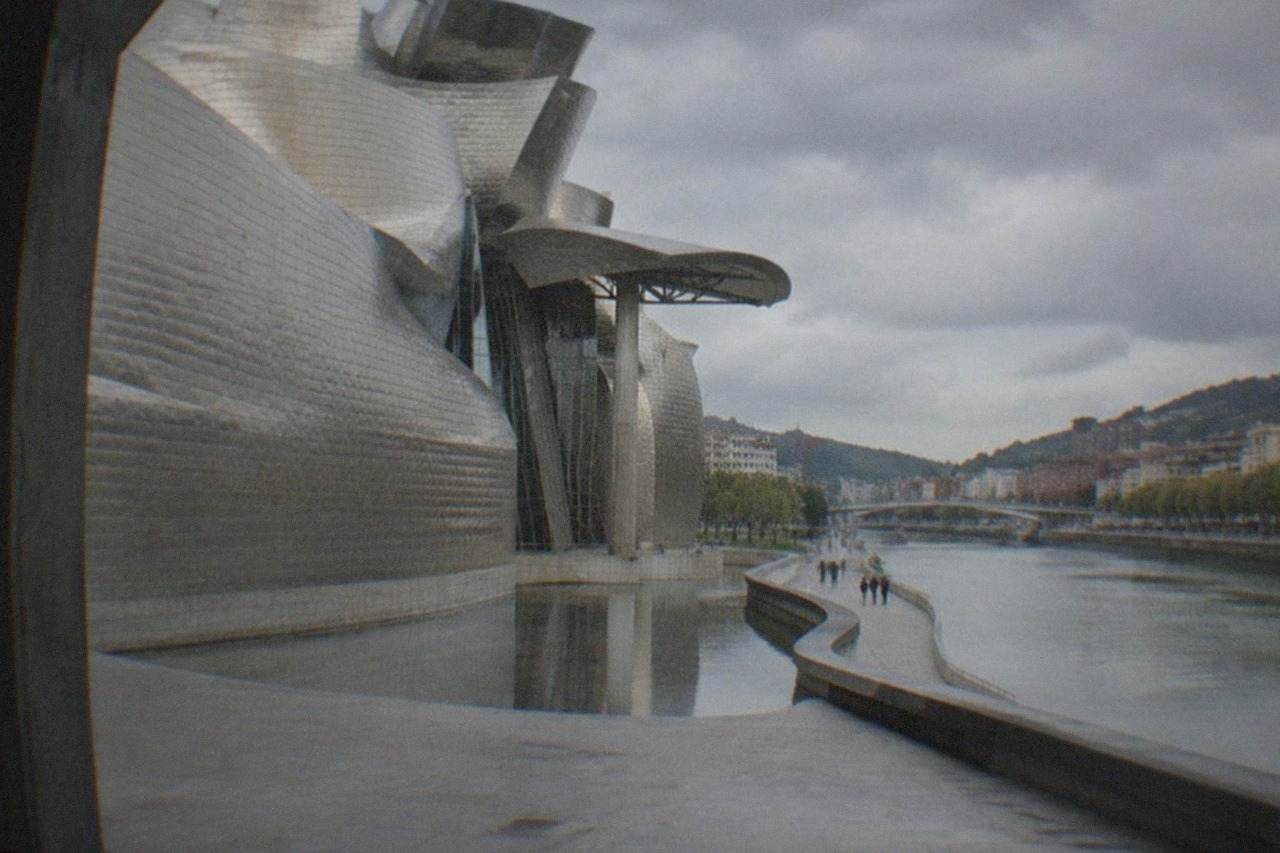
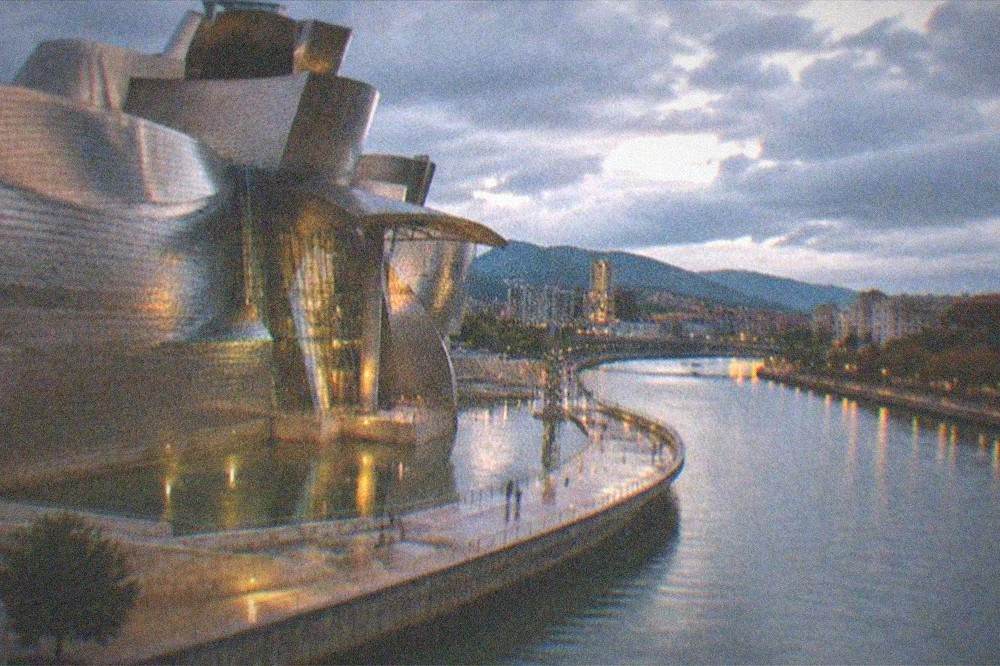
The strength of 112 in Spain is its universality. A caller who does not know whether a situation needs police or an ambulance simply dials one number and describes the problem. Operators handle calls in multiple languages, and the Basque Country's service is accustomed to foreign tourists, particularly around the Guggenheim Museum, the Casco Viejo, and the cruise terminal. Calls are free from mobile phones even without credit or a SIM in some configurations, though the reliable rule is: any working phone can reach 112.
What to say matters more than what number you dial. State the location first, because a dropped call with a known address still gets a response. Street names in Bilbao are posted in both Basque and Spanish, and either version works for the operator. If the emergency is on the Nervion riverfront, near the Zubizuri bridge or the Abandoibarra walkways, name the nearest landmark rather than hunting for a street sign under stress.
For non-emergency situations, the practical route for a foreign visitor is the front desk of their hotel or the staff at any Bilbao Turismo office, who can phone Spanish-language services on a visitor's behalf and explain the situation properly. Bilbao's tourism offices sit at Plaza Circular 1 and Alameda de Mazarredo 66, the same offices that sell the Bilbao Bizkaia Card, so help and practical planning share one counter. Deeper context on crime levels, scams and street safety sits in the site's dedicated safety in Bilbao guide.
How Do You Reach Medical Help And Pharmacies In Bilbao?
For any medical emergency in Bilbao, dial 112 and ask for an ambulance; the operator dispatches to the public emergency network, and treatment at public emergency departments is not refused for insurance reasons, while pharmacies, marked with green crosses and open on rotating shifts, handle minor ailments and can advise on the nearest open farmacia. Spain's public health system runs the emergency response, and 112 is the single entry point for it. Visitors from the EU should carry their European Health Insurance Card, and travellers from elsewhere should confirm their travel insurance covers Spain before departure, since private insurance speeds up non-emergency follow-up care.
Pharmacies are the first stop for minor problems, and Spain's farmacias do more consulting than many visitors expect: they advise on dosage, check whether symptoms warrant a doctor, and sell over-the-counter items that require prescriptions elsewhere. Each pharmacy posts its opening hours on the door, and every district posts a schedule of which nearby pharmacy is open late or on Sunday, a system called the farmacia de guardia. The staff at your accommodation can point to the nearest one on duty.
For hospital-level care, the emergency route is always 112, and non-urgent visitors are best advised by their insurer's assistance line, which directs to an appropriate facility and handles billing. Do not self-transport a serious case: Spanish ambulance dispatch through 112 is the correct channel. The site's hospital and pharmacy guide for Bilbao carries the fuller walkthrough of how the system works for visitors.
Two practical notes reduce risk before anything happens. First, carry a card or phone note listing allergies, medications and your insurer's 24-hour assistance number, because in an emergency you may not be the person making the call. Second, keep some cash: the euro is the only currency, cards are accepted almost everywhere, but a small cash reserve covers a pharmacy run or a taxi when systems are down. Money basics, tipping and card acceptance are covered in the currency, tipping and money guide.
Where Are The Foreign Consulates In Bilbao?
Bilbao hosts a small number of honorary foreign consulates, but their addresses, hours and consular districts change, so the only reliable procedure is to look up your own country's representation through your foreign ministry's travel advice before you travel, and in an emergency involving arrest, serious injury or a lost passport, call your ministry's 24-hour consular line rather than searching for a local office. Honorary consulates in a city of Bilbao's size are typically staffed part-time by local nationals, not career diplomats, and their powers are limited: they cannot get a traveller out of jail, pay hospital bills, or replace a passport on the spot. What they can do is liaise with local authorities and connect you to the full consulate, which for most countries sits in Madrid.
This page deliberately prints no consulate addresses, because none are verified in the official sources behind this site and an out-of-date address is worse than none. The pattern that works: check your government's travel advice for Spain before departure, save the 24-hour consular assistance number in your phone, and carry a photocograph or digital copy of your passport separate from the passport itself. A lost passport is the single most common consular problem for visitors to Spain, and a copy speeds up every report at a police station and every replacement application.
For lost or stolen cards, the sequence is the reverse of what most people instinctively do: phone the bank's freeze line first, then the police, then the insurer. Card freezes work from any phone within minutes. A police report, denuncia, is needed for insurance claims and passport replacement, and hotel staff can help arrange one; the report can also be filed online for many incident types, which is easier in a second language.
If you are planning days around the city while sorting out a document problem, the low-stress options are close at hand: the museums guide and the how many days in Bilbao planner both work for a changed schedule.
Is Bilbao Safe, And What Scams Should You Watch For?
Bilbao ranks among Spain's safer major cities per local crime-balance reporting on 2025 data, with the risk profile dominated by petty theft rather than violent crime, and the standard precautions that apply in any mid-sized European city, guarding valuables in crowds, watching bags on public transport, and checking bar bills, cover the great majority of what a visitor needs to do. No official travel advisory singles Bilbao out for elevated risk. The municipal reporting for 2025 shows street crime slightly down year on year, and resident surveys consistently place perceived neighbourhood safety above the citywide average.
The scam patterns reported by secondary sources are low-level and familiar. Pickpocketing concentrates where crowds do: the Siete Calles of the Casco Viejo, Ribera Market, the riverfront around the Guggenheim, and packed festival events. Distraction is the usual method, a bump, a spilled drink, a group surrounding a table. Fake plainclothes police asking to inspect a wallet is a known pattern in Spain; genuine officers do not ask to see your money. Overcharging in tourist-heavy pintxo bars happens occasionally, so glance at the chalkboard or menu prices before ordering. Rental-car damage disputes at the airport are best prevented with timestamped photos at pickup and return.
The city's own design helps visitors. Public transport is well-lit, frequent and busy into the night, and the getting around Bilbao transport guide covers the metro, tram, buses and Barik card that keep you off long walks after dark. For travellers with specific concerns, the accessibility in Bilbao guide documents step-free access across metro stations, the funicular and the Guggenheim, and the solo female travel and LGBTQ travel pages address the city from those angles directly.
Festival nights deserve one extra line of caution, not because they are dangerous, but because they are crowded. Aste Nagusia, running 22 to 30 August 2026 with its txupin opening at 19:00 in Plaza Arriaga, fills the centre every evening; the same pickpocket logic applies at any big gathering. The full programme context is in the Aste Nagusia festival guide.
What Local Rules And Taxes Apply To Visitors In Bilbao?
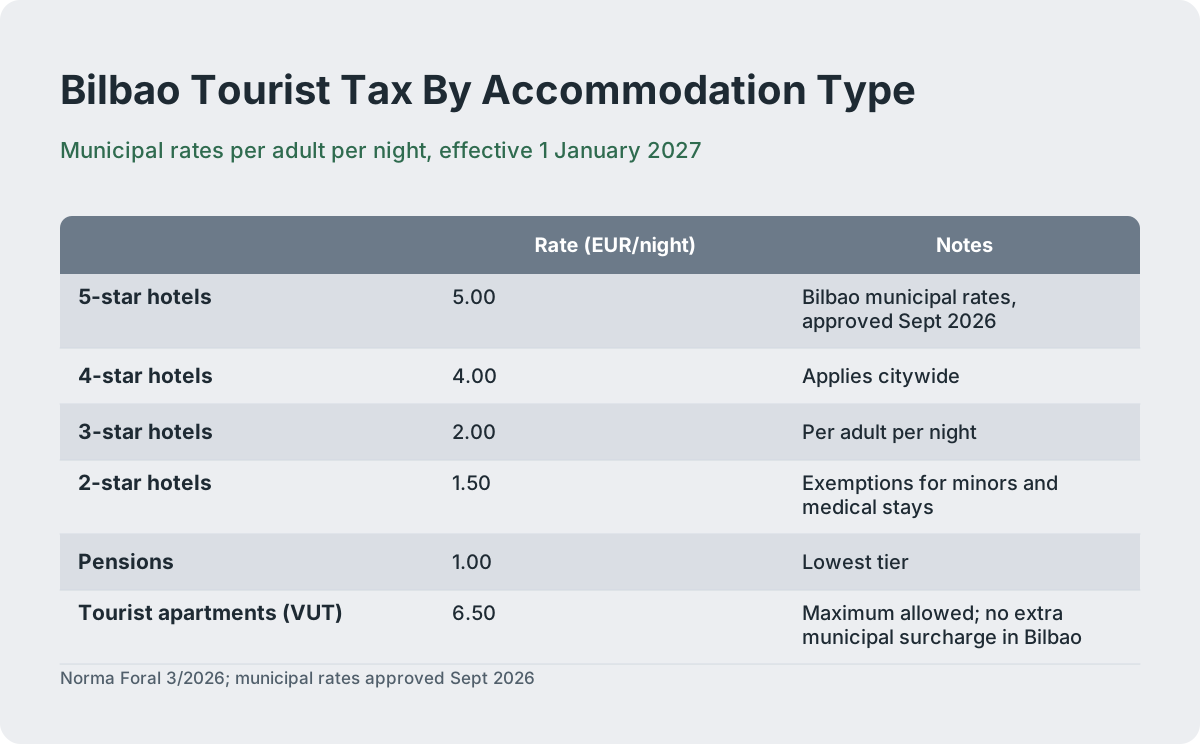
Visitors to Bilbao pay no tourist tax in 2026, and the Bizkaia-wide regional tourist tax approved under Norma Foral 3/2026 only takes effect on 1 January 2027, with Bilbao's own municipal rates set at 5 euro per night for 5-star hotels, 4 euro for 4-star, 2 euro for 3-star, 1.50 euro for 2-star, 1 euro for pensions, and 6.50 euro for tourist apartments, charged per adult per night with exemptions for minors and certain stays. Reservations made before early February 2026 are generally exempt, per the regional framework. Any guide or hotel quoting a current nightly tourist fee in 2026 is simply wrong about Bilbao; this is one of the few Spanish destinations where the charge is dated, published and not yet in force.
| Accommodation type | Rate from 1 Jan 2027 (EUR/night) | Notes |
|---|---|---|
| 5-star hotels | 5.00 | Bilbao municipal rates, approved Sept 2026 |
| 4-star hotels | 4.00 | Applies citywide |
| 3-star hotels | 2.00 | Per adult per night |
| 2-star hotels | 1.50 | Exemptions for minors and medical stays |
| Pensions | 1.00 | Lowest tier |
| Tourist apartments (VUT) | 6.50 | Maximum allowed; no extra municipal surcharge in Bilbao |
Beyond the tax, the local rules that touch visitors are few and gentle. Spain is a founding Schengen member, so there is no border check arriving from another Schengen country; the euro is the only currency; and smoking is restricted indoors in bars and restaurants as across Spain. Basque and Spanish share official status, and signage appears in both, which occasionally confuses map searches; the language guide explains what to expect on menus, street signs and announcements.
Opening hours follow the Spanish rhythm, with many small shops closing mid-afternoon and restaurants starting dinner late; the siesta and opening hours guide has the detail. Public holidays shift schedules more than visitors expect, and the public holidays guide lists the dates that close museums and thin out buses.
How Does Bilbao's Weather Affect Emergency Planning?
Bilbao has a temperate oceanic, Atlantic-influenced climate, with AEMET's 1981-2010 normals for the Bilbao Aeropuerto/Loiu station (1082) showing monthly means from 9.3 C in January to 20.9 C in August, an annual mean of 14.7 C, and 1,134 mm of rain spread across every month, so the weather risk a visitor actually faces is rain and slippery stone, not heat or cold extremes. July and August are the warmest and driest months, at 20.4 C and 20.9 C mean with 50 mm and 76 mm of rain respectively; November is the wettest at 147 mm. The city is roughly 15 km up a tidal estuary from the Bay of Biscay, which keeps temperatures moderate year-round.
| Month | Mean temp (C) | Mean precip (mm) | Planning note |
|---|---|---|---|
| January | 9.3 | 120 | Cool and wet; waterproof layers |
| February | 9.7 | 86 | Mildest of the winter trio |
| March | 11.5 | 90 | Changeable |
| April | 12.6 | 107 | Showers common |
| May | 15.7 | 78 | Pleasant, still showery |
| June | 18.4 | 60 | Warming fast |
| July | 20.4 | 50 | Driest month |
| August | 20.9 | 76 | Warmest; festival crowds |
| September | 19.2 | 73 | Settled early, wetter late |
| October | 16.4 | 111 | Rain returns |
| November | 12.4 | 147 | Wettest month |
| December | 9.9 | 122 | Short days, wet streets |
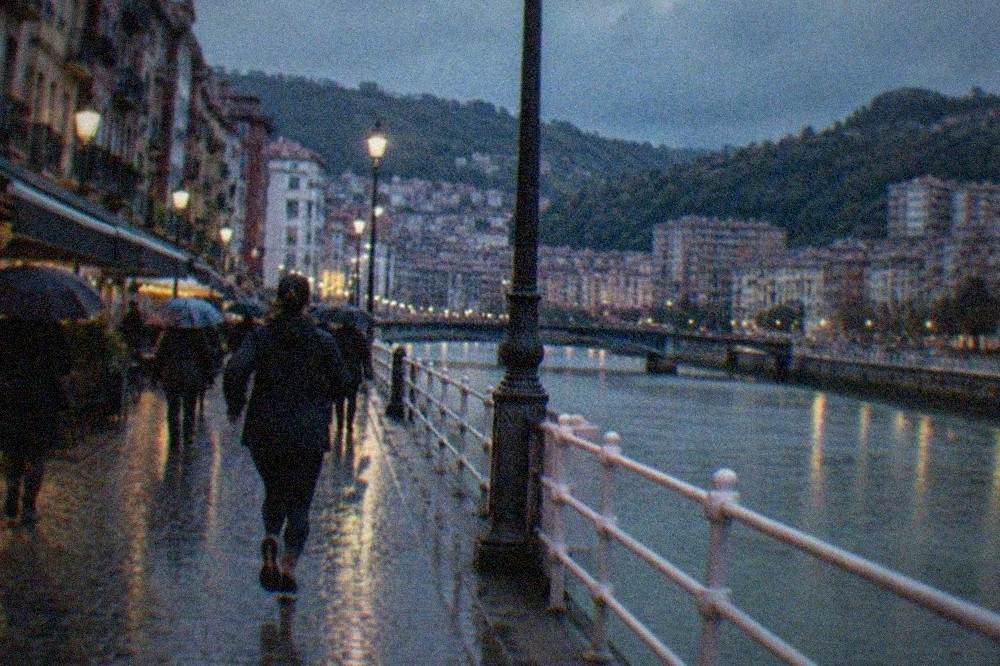
The emergency-planning relevance is concrete. Wet cobbles in the Casco Viejo and painted riverfront walkways are the city's most likely cause of minor injury, so shoes with grip matter more here than in drier Spanish cities, a point the packing guide makes in detail. Rain also concentrates people under awnings and inside bars, which is where pickpocketing conditions improve. The weather guide covers month-by-month planning, and the rainy day Bilbao itinerary keeps a washed-out day useful.
How Do You Get To Help Quickly: Transport And Airport Basics In Bilbao?
Bilbao Airport (BIO) is connected to the city centre by the Bizkaibus A3247, running every 15 minutes, roughly 06:10 to 23:40 from the airport and 05:00 to 22:00 from Bilbao, taking 15 to 25 minutes at a fare of 5 EUR without a Barik card, while a taxi to the centre costs approximately 24 to 29 EUR with no airport supplement, and there is no metro or train link to the airport, with the city council's own position that none arrives before 2035. In an urgent situation, a taxi is the fastest door-to-door option and the fare bands are regulated, with the Artxanda tunnel toll included in the guidance price. The full detail is in the Bilbao airport guide.
| Mode | Fare (EUR) | Key detail |
|---|---|---|
| Airport bus A3247, no Barik | 5.00 | Every 15 min; 15-25 min journey |
| Metro Zone 1, no Barik | 2.00 | 2-hour validity |
| Metro Zone 1, with Barik Creditrans | 1.02 | Discounted purse fare |
| Metro Zone 2, with Barik | 1.19 | Covers Getxo-area trips |
| Bilbobus single, no Barik | 1.70 | City buses |
| Bilbao Tram, with Barik | 0.74 | Flat urban fare |
| Funicular de Artxanda, one-way | 3.50 | Round-trip 6.00; under 6 free |
The Barik card itself is commonly reported to cost 3 EUR to purchase with a minimum top-up often of 5 EUR, though that purchase price comes from secondary sources rather than an official CTB page, so treat it as provisional and confirm at a station machine. The alternative for visitors is the Bilbao Bizkaia Card, a personal, non-transferable tourist card at 10 EUR for 24 hours, 15 EUR for 48 hours and 20 EUR for 72 hours, which bundles unlimited transport with attraction discounts and is sold at the Bilbao Turismo offices. The Bilbao Bizkaia Card guide compares the two options honestly.
| Card | Cost (EUR) | What it covers |
|---|---|---|
| Bilbao Bizkaia Card 24h | 10 | Unlimited Bizkaia transport + discounts |
| Bilbao Bizkaia Card 48h | 15 | Same, two days |
| Bilbao Bizkaia Card 72h | 20 | Same, three days |
| Barik Creditrans | Pay-as-you-go | Discounted fares across metro, tram, bus, Euskotren |
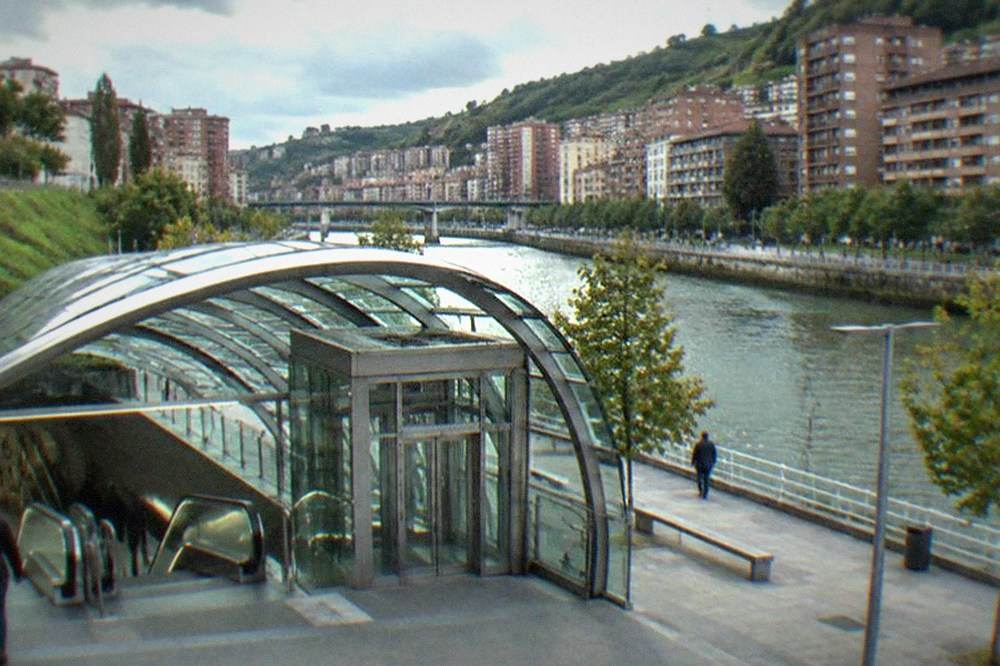
Metro stations are fully step-free with elevators at street and platform level, and the entire Bilbobus fleet is low-floor with ramps, which matters if an emergency involves someone with reduced mobility; the accessibility guide documents the network in full.
What Should You Do About Emergencies Outside The City?
If an emergency happens on a day trip outside Bilbao, the same number, 112, works across the whole of Spain, including rural Biscay, the Basque coast and the Rioja wine country, and it is the number to call from Gaztelugatxe's cliffs, the Urdaibai estuary or any coastal village, so the single most useful preparation is saving 112, your insurer's line and your consulate's 24-hour number in your phone before leaving the city. Coverage along the Bizkaia coast is good, and 112's operators dispatch to the local service wherever the caller is. What changes outside the city is response time: a road incident near Bermeo or a fall on the Gaztelugatxe steps will be handled by local responders, and precise location description, a car park, a trailhead, a village name, becomes the critical part of the call.
Day-trip emergencies are also where tour operators earn their value. A booked tour means a guide with local language, local knowledge of the nearest clinic and a company duty line, which is worth real money the moment something goes wrong on a coast walk. The site's day-trip planners cover the main routes: the Gaztelugatxe guide, the San Sebastián day trip, the Rioja wine day trip and the Getxo and Vizcaya Bridge guide.
One dated rule matters at Gaztelugatxe specifically. On official controlled-access days, roughly mid-June to about 20 September plus Easter and holiday weekends, a free timed reservation is required through tiketa.eus, capped at 1,462 visitors per day with a maximum of 10 people per reservation; on all other days access is free without booking. Certain romeria festival days, including 24 June, 31 July, 29 and 31 August, and 30 December, are reserved for local events and tourists are advised not to visit. As of the most recent reporting, access reverted to free and reservation-free from 21 September 2026 through the end of September. Check the current calendar before you go.
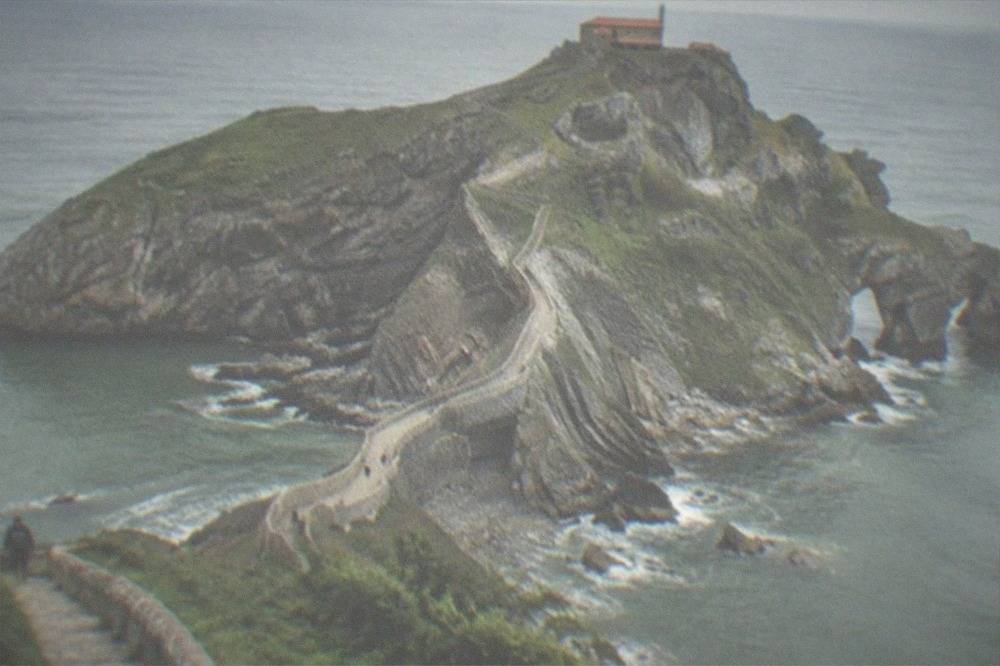
For travellers who prefer a guide on the coastal loop regardless, the Gaztelugatxe, Bermeo, Mundaka and Gernika route with a txakoli tasting is the fullest version, and the full-day coastal tour page has the detail, with live pricing and availability on the operator's listing. Check availability
Which Everyday Situations Turn Into Emergencies In Bilbao?
The everyday situations most likely to need help in Bilbao are lost or stolen documents and cards, minor slips on wet stone, too much sun or alcohol during festival weeks, and allergic reactions at pintxo bars where nuts, shellfish and fish are everywhere, and in every one of these the first call is either 112 for anything medical, your bank's freeze line for cards, or your hotel front desk for almost everything else. None of these are Bilbao-specific dangers; they are the ordinary frictions of travel, and the city's compactness makes resolving them easier than in most destinations.
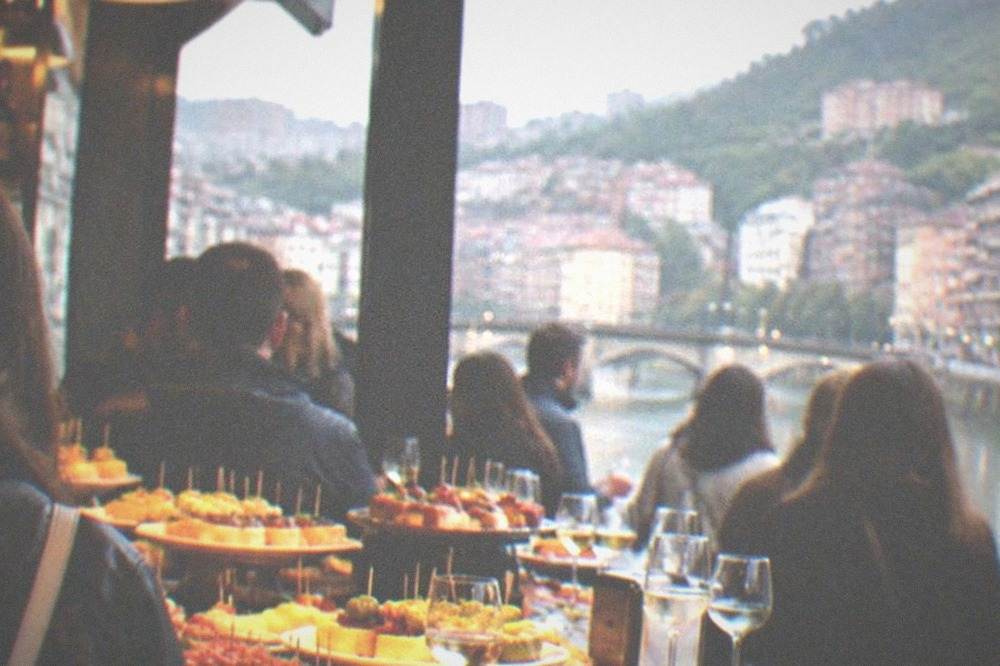
Food is the biggest hidden variable. Basque cuisine runs on fish, shellfish, cured meats, cheese and nuts, and pintxo bars display everything openly but label nothing systematically in English. Travellers with serious allergies should carry a written card in Spanish stating the allergy, show it before ordering, and know that cross-contact is common on busy bars. The food guide and the pintxos guide help choose bars where staff have time to answer questions, and the vegan and vegetarian guide covers plant-based eating.
Alcohol and heat intersect during Aste Nagusia and the summer months, when August's 20.9 C mean feels hotter on packed plazas and txosna crowds. Water, food and pacing prevent most of what the ambulances get called for. The nightlife guide maps the districts and the sensible routes home.
For a calmer angle on the city, a guided food walk with wine pairings keeps the evening structured, with a local who knows the bars and the portions; the Original Bilbao food tour page explains the format, and current pricing and times are on the operator's live listing.
How Do You Prepare Before You Travel To Bilbao?
Preparation that actually reduces emergency risk in Bilbao comes down to five things done before departure: travel insurance that covers Spain, your European Health Insurance Card if you have one, a digital and paper copy of your passport stored separately, your insurer's and consulate's 24-hour numbers saved offline, and shoes with grip for wet stone, and none of these take more than an evening. The city itself needs little risk management: it ranks among Spain's safer major cities, the tourist tax does not exist in 2026, and the infrastructure is modern and accessible.
| Preparation item | Why it matters in Bilbao | Priority |
|---|---|---|
| Travel insurance for Spain | Public emergency care is not refused, but insurance speeds follow-up | High |
| EHIC (EU travellers) | Access to the public system on insured terms | High for EU |
| Passport copy stored separately | Fastest fix for the most common consular problem | High |
| 112, insurer, consulate numbers saved offline | Works with no data or SIM issues | High |
| Grip-soled shoes | Wet cobbles are the top minor-injury cause | Medium |
| Written allergy card in Spanish | Pintxo bars label little in English | High if allergic |
Flight logistics are covered in the flights to Bilbao from the US guide, and the airport-to-centre transfer options, bus and taxi, in the airport transfer guide. Where to base yourself, by district and budget, is in the where to stay in Bilbao guide, and the broader question of whether the city justifies your days at all is answered, honestly, in is Bilbao worth visiting.
For a wider Basque itinerary, the best base in the Basque Country and Bilbao vs San Sebastián comparisons help place the city in context, and the first-timers guide stitches the essentials into one read. This site's Bilbao Travel Guide homepage is the full index.
What Should You Do If Something Goes Wrong On A Wine Region Day Trip?
If something goes wrong on a Rioja wine day trip from Bilbao, dial 112 first, since the number works across Spain including the Rioja Alavesa, then contact your tour operator's duty line if you are on a booked tour, and for anything involving documents or money, the same consular and bank-freeze sequence applies as in the city, with the added note that rural clinics are smaller and your insurer's assistance line is the best guide to where to go. The Rioja towns of Haro and Laguardia are an hour or more from Bilbao, so response times run longer than in the city and a booked tour's guide is often the fastest source of local knowledge. Wine-tasting days also carry the specific risk that people underestimate alcohol on a hot terrace, so food, water and a planned driver or tour bus matter.
The Rioja wine day trip guide covers the region's practicalities, and a booked tour handles the driving question entirely, which is the single best safety decision available on a tasting day. The Rioja wineries day trip page details a two-tasting itinerary from Bilbao, with live dates and prices shown on the operator's listing.
What Are The Emergency Numbers And Consulates In Bilbao, Summed Up?
The complete emergency toolkit for Bilbao is short: 112 for police, fire and ambulance anywhere in Spain; your bank's freeze line for lost cards; your insurer's 24-hour assistance number for medical direction; your foreign ministry's consular line for passport, arrest or hospitalisation situations; and the farmacia de guardia system for minor ailments, with no tourist tax in 2026 and the regional tax starting only on 1 January 2027. Bilbao is a safe, well-signposted city where the most likely mishap is a slip on wet stone or a stolen wallet, and both are handled better with preparation than with speed.
The city rewards the traveller who plans lightly but plans at all. Preparation, insurance, copies, saved numbers, sensible shoes, buy calm for the whole trip. Everything else in Bilbao, from the Guggenheim's titanium curves to the Siete Calles' pintxo counters, is there to be enjoyed without a second thought.
Common Questions About Emergency Numbers And Consulates In Bilbao
What is the emergency number in Bilbao?
112, the EU-wide emergency number, which reaches police, fire and ambulance services anywhere in Spain, free of charge, with interpretation support for foreign callers.
Does Bilbao have a tourist tax?
No tourist tax is charged in 2026. The Bizkaia regional tourist tax (Norma Foral 3/2026) takes effect on 1 January 2027, with Bilbao's municipal rates running from 1 EUR per night in pensions to 5 EUR in 5-star hotels and 6.50 EUR for tourist apartments.
Where are the foreign consulates in Bilbao?
Bilbao hosts a small number of honorary foreign consulates, but their addresses and hours change, so confirm your country's representation through your own foreign ministry before travel and save its 24-hour consular assistance number.
What should I do if my passport is lost or stolen in Bilbao?
Report it to the police for a denuncia, contact your consulate's 24-hour line for a replacement, and use a stored copy to speed up both steps. Never carry the only copy of your passport's details on the passport itself.
Is Bilbao safe for tourists?
Bilbao ranks among Spain's safer major cities per local crime-balance reporting on 2025 data. The main risks are petty theft in crowded areas and minor slips on wet stone; standard urban precautions cover nearly everything.
Does 112 work outside Bilbao, on day trips to the coast or Rioja?
Yes. 112 works across all of Spain, including the Bizkaia coast, Gaztelugatxe, San Sebastián and the Rioja wine region, and routes to the local emergency services wherever the caller is.