Pharmacies And Healthcare In Bilbao
Bilbao, in Biscay province in the Basque Country of northern Spain, runs on a European public healthcare system with a dense network of pharmacies, and this guide covers how visitors access it, what to prepare before travel, and how the city's transport and climate shape the practical side of staying well.
Short answer
Bilbao has a dense pharmacy network operating under Spain's national system, with duty pharmacies (farmacias de guardia) covering nights and Sundays on a rotating schedule posted at every counter. Visitors from the EU should carry a European Health Insurance Card, and all visitors should carry travel insurance; for urgent situations Spain uses the common European emergency number 112.
Bilbao, the largest city in Biscay (Bizkaia) province in the Basque Country (Euskadi) of northern Spain, is a compact, well-organised city of 346,933 residents (Eustat, 1 January 2025), and its everyday infrastructure includes one of the things visitors ask about least until they need it: pharmacies and healthcare. This guide covers how the Spanish system works for a visitor, how the pharmacy network operates, what to sort out before departure, and how Bilbao's transport fares, tourist card and famously damp oceanic climate affect the practical side of staying well. It is written as planning information, not medical advice; for anything clinical, the sources to rely on are the professionals at the counter and the emergency services themselves.
What Should Visitors Know About Pharmacies In Bilbao?
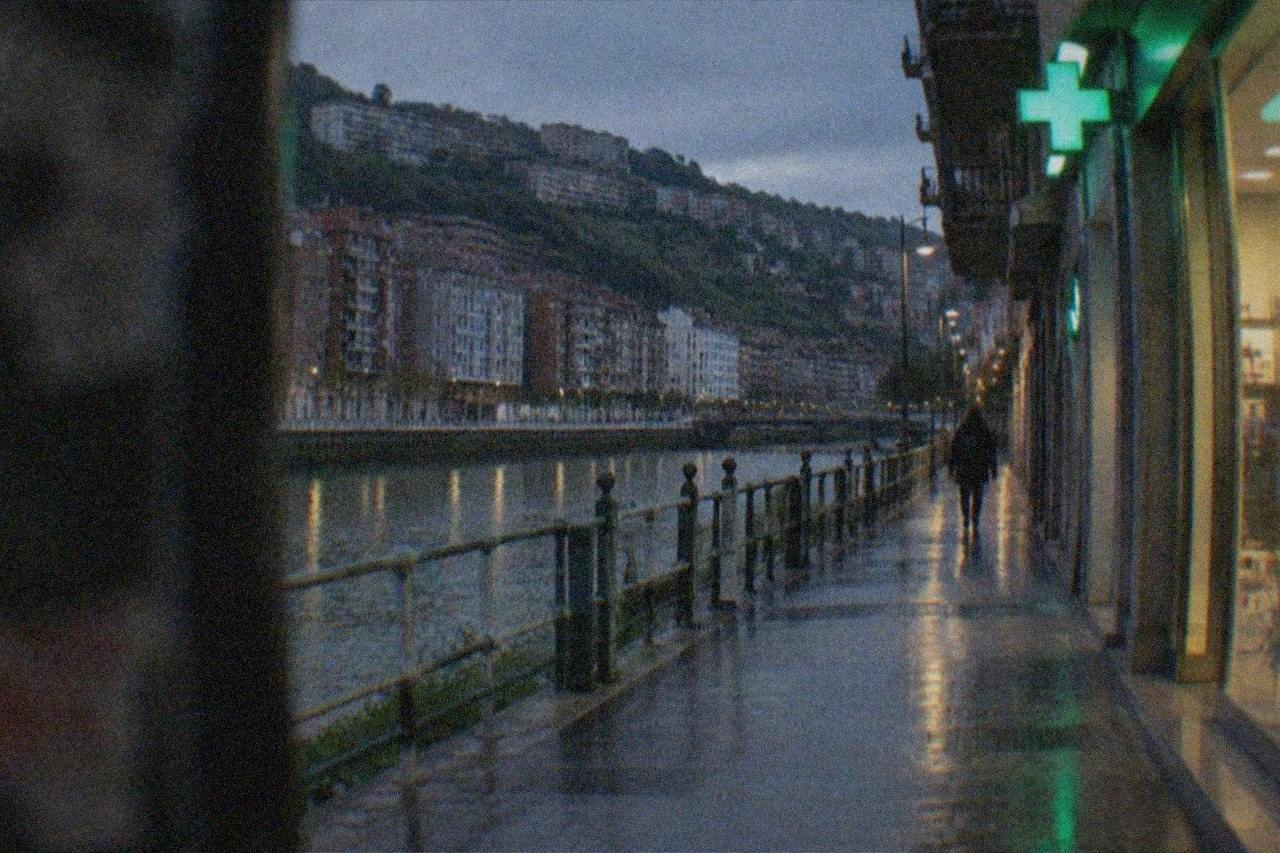
Pharmacies in Bilbao operate under Spain's national farmacia system, marked by the illuminated green cross that hangs over every counter, and they do far more than dispense prescriptions: staff advise on minor ailments, sell over-the-counter medicines that require a prescription elsewhere, and every district rotates a duty pharmacy (farmacia de guardia) that stays open nights, weekends and holidays. The duty rota is a legal obligation across Spain, and each pharmacy posts the current schedule of which nearby counter is on guardia in its window, so the nearest open pharmacy on a Sunday is always findable by walking to any closed one and reading the notice. Spain's pharmacies are privately run but tightly regulated, and pharmacists there are trained clinicians who routinely triage symptoms.
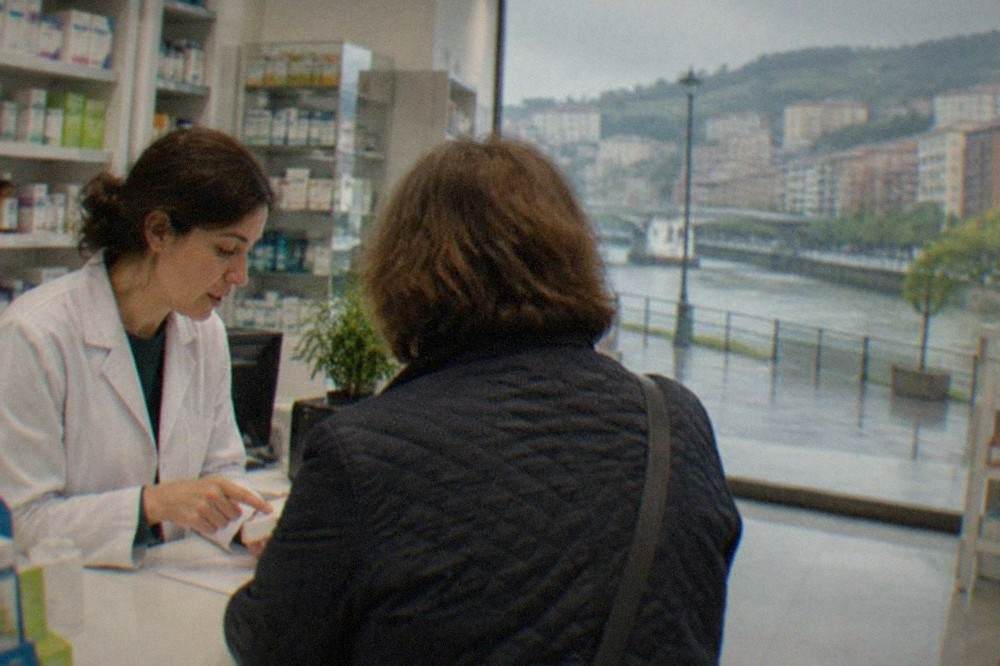
That triage culture matters for visitors. A pharmacist in Bilbao will commonly tell you whether a sore throat needs a doctor, sell you the Spanish brand equivalent of what you take at home, or suggest the local remedy the region actually uses. Language is rarely a blocker in the city centre; the Basque Country is bilingual in Basque and Spanish, and English is widely handled in the Ensanche and Abando areas, as covered in the site's guide to language in Bilbao.
One practical note for anyone arriving with a regular prescription: bring the medication itself, in original packaging, rather than only a paper prescription. Spanish pharmacies can only dispense against a prescription issued within Spain's system, so a supply from home plus a plan for a clinic visit if you run short is the reliable combination.
How Does Healthcare Work For Visitors In Bilbao?
Visitors from the EU, EEA or Switzerland can access Bilbao's public healthcare with a European Health Insurance Card (EHIC), which covers medically necessary state-provided care on the same terms as a local, while visitors from outside Europe rely on travel insurance, and in a genuine emergency anyone can be treated at a public hospital regardless of paperwork, with billing sorted afterwards. Spain's Sistema Nacional de Salud runs the public side, and the Basque Country's regional service, Osakidetza, operates the clinics and hospitals in and around Bilbao. For non-emergency care, the route for a visitor is a private clinic or a travel-insurance helpline, since registering for a public appointment requires the paperwork a tourist does not carry.
The distinction that matters is urgent versus routine. Urgent care (urgencias) at a public hospital does not ask for payment at the door; routine appointments, specialist visits and dental care do, and that is where insurance earns its keep. The US State Department currently rates Spain at Level 2, Exercise Increased Caution, and its standing advice for the whole country is that travelers should not defer medical treatment but should carry insurance that covers overseas care; the UK Foreign Office guidance for Spain similarly emphasises valid travel insurance as the baseline for any visit. Neither advisory singles Bilbao out; the city's own 2025 safety reporting places it among Spain's safer major cities, as covered in the site's safety in Bilbao guide.
For minor problems, the pharmacy-first habit is how the city itself works. Locals treat the green cross as the first stop before anything else, and visitors who copy that habit usually resolve small issues without ever seeing a clinic.
How Do You Get To A Pharmacy Or Clinic Using Bilbao's Transport?
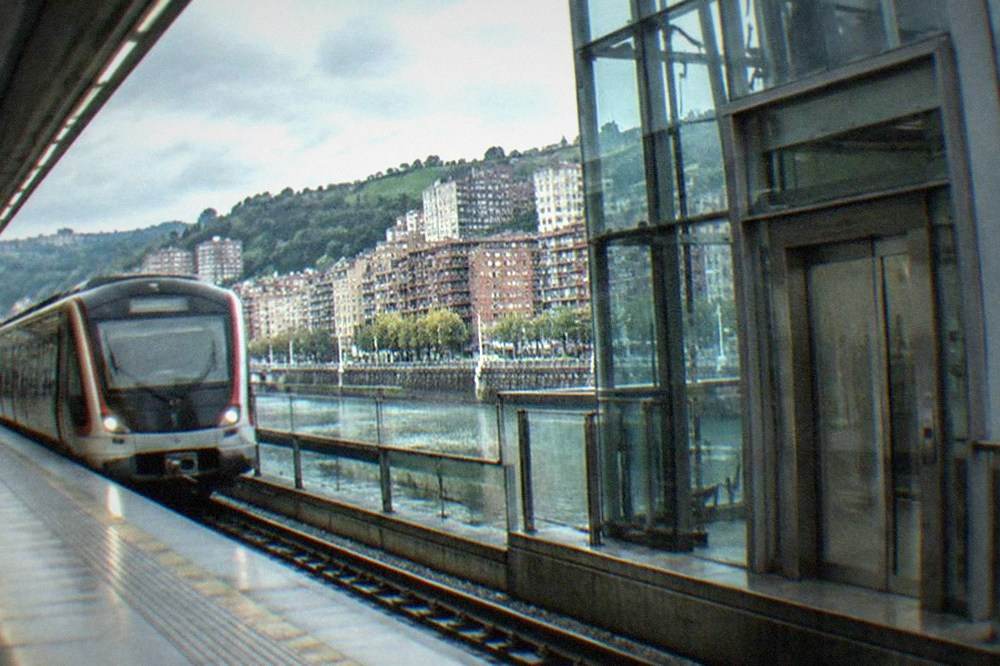
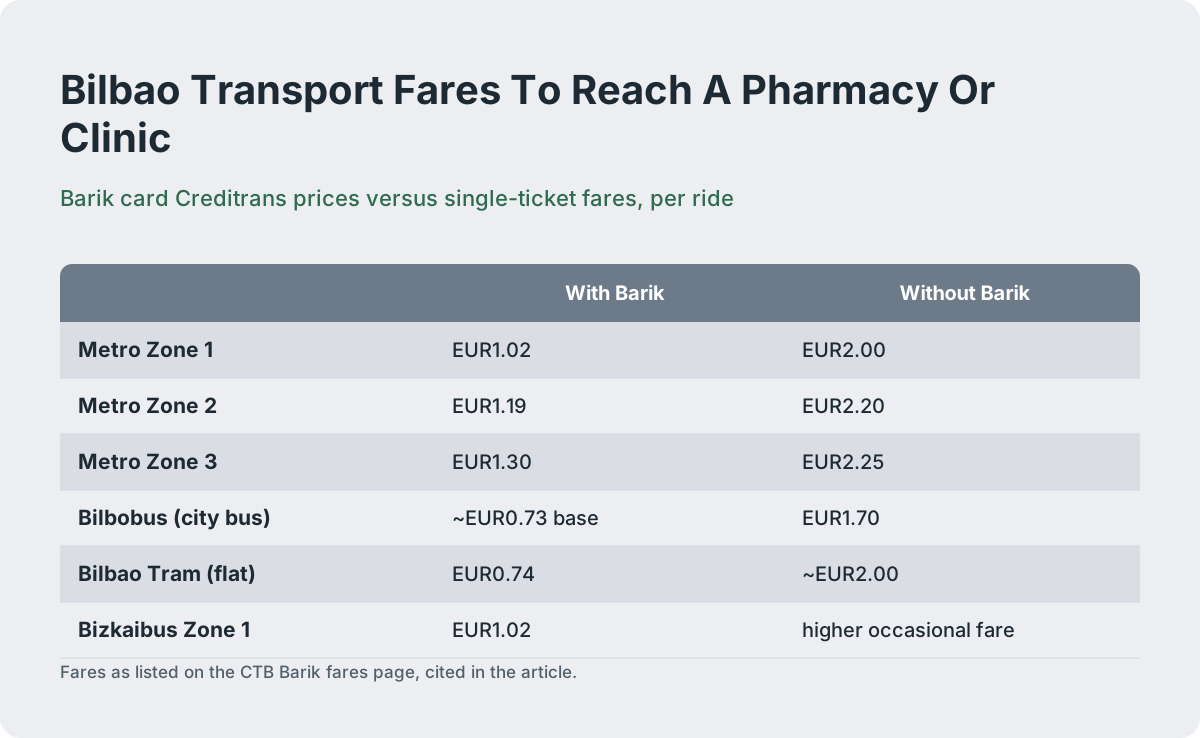
Bilbao's integrated transport system makes reaching any pharmacy or clinic cheap and fast: with a Barik card, Metro Zone 1 rides cost EUR1.02, Bilbobus city buses run at roughly EUR0.73 base fare, and the tram charges EUR0.74 flat, while the Bilbao Bizkaia Card adds unlimited transport for 24 hours at EUR10, 48 hours at EUR15 or 72 hours at EUR20. The CTB Barik fares page gives those Metro Creditrans prices directly, and the card is the single most useful object a visitor can buy for practical errands, health-related or otherwise. The city is also notably accessible: Metro Bilbao stations have elevators and tactile paving, the entire Bilbobus fleet is low-floor with wheelchair spaces, and the Guggenheim and the Artxanda funicular both have step-free access, details covered in the site's accessibility in Bilbao guide.
The fare structure is zonal, and the CTB's official page lists it clearly:
| Mode | With Barik (Creditrans) | Without Barik (single) |
|---|---|---|
| Metro Zone 1 | EUR1.02 | EUR2.00 |
| Metro Zone 2 | EUR1.19 | EUR2.20 |
| Metro Zone 3 | EUR1.30 | EUR2.25 |
| Bilbobus (city bus) | ~EUR0.73 base | EUR1.70 |
| Bilbao Tram (flat) | EUR0.74 | ~EUR2.00 |
| Bizkaibus Zone 1 | EUR1.02 | higher occasional fare |
The Bilbao Bizkaia Card site states the tourist card tiers and what they include:
| Card | Price | Includes |
|---|---|---|
| 24 hours | EUR10 | Unlimited transport plus attraction discounts |
| 48 hours | EUR15 | Same coverage, two full days |
| 72 hours | EUR20 | Same coverage, three full days |
For a visitor whose itinerary includes a clinic visit, a pharmacy run and sightseeing, the maths usually favours the Barik card for a short stay or the Bizkaia Card for a packed one; the site's Bilbao Bizkaia Card and transport guides break the comparison down. The Barik card itself is commonly reported to cost EUR3 to purchase, a figure from a non-official source, so treat it as provisional and check at the machine when buying.
What Should You Sort Out Before Travelling To Bilbao?
Before departure, four things cover almost every health scenario in Bilbao: valid travel insurance with overseas medical coverage, an EHIC if you are from the EU or EEA, your regular medications in original packaging with a bit of spare supply, and a paper or offline copy of your insurer's assistance phone number, because Spain's emergency number 112 works for everyone but insurance helplines are what arrange non-emergency care. None of this takes long, and all of it is cheaper than the alternative. It is also worth checking whether your policy covers the Basque Country specifically; it is Spain, a founding Schengen member, so there is no separate visa or health gate for European travellers, and no special health requirement beyond the standard European ones.
Packing deserves a word too, because Bilbao's climate is the single most under-estimated health factor in the city. AEMET's Bilbao Aeropuerto/Loiu station (1082), 1981-2010 normals, show a temperate oceanic pattern: 1,134 mm of rain a year, a November peak of 147 mm, and mild temperatures that never reach the extremes of Spain's interior. Rain, not heat, is what actually sends visitors to pharmacies here, for colds caught on wet evenings and for the aches of walking the city's steeper districts in the wrong shoes. Everything else covered here is indexed on Bilbao Travel Guide.
| Month | Mean temp (C) | Mean precip (mm) |
|---|---|---|
| January | 9.3 | 120 |
| February | 9.7 | 86 |
| March | 11.5 | 90 |
| April | 12.6 | 107 |
| May | 15.7 | 78 |
| June | 18.4 | 60 |
| July | 20.4 | 50 |
| August | 20.9 | 76 |
| September | 19.2 | 73 |
| October | 16.4 | 111 |
| November | 12.4 | 147 |
| December | 9.9 | 122 |
AEMET's normals show July and August as the warmest, driest months and November as the wettest, which shapes both what to pack and when pharmacy visits are likeliest. The site's weather guide and packing guide carry the season-by-season detail.
Does The New Tourist Tax Affect Healthcare Or Travel Costs In Bilbao?
No tourist tax is charged anywhere in Bizkaia in 2026; a regional tax under Norma Foral 3/2026 takes effect on 1 January 2027, with Bilbao's approved municipal rates running from EUR1 per night in pensions to EUR5 per night in 5-star hotels and EUR6.50 for tourist apartments, so health spending is unaffected but 2027 accommodation budgets are not. The rates were approved by Bilbao's plenary in September 2026, and reservations made before early February 2026 are generally exempt. For a visitor planning around a medical need or a companion's stay near a hospital, this is worth knowing a year in advance: a longer 2027 stay will carry a small nightly charge that a 2026 stay does not.
| Accommodation type | Approved rate from 1 Jan 2027 |
|---|---|
| 5-star hotels | EUR5 per night |
| 4-star hotels | EUR4 per night |
| 3-star hotels | EUR2 per night |
| 2-star hotels | EUR1.50 per night |
| Pensions | EUR1 per night |
| Tourist apartments (VUT) | EUR6.50 per night |
The tax applies per adult per night, with exemptions for minors and certain other categories, and Bilbao applies no additional municipal surcharge on top. The site's is Bilbao expensive guide puts the figure in the context of overall trip costs, which remain moderate by western European standards.
What Happens If You Fall Ill On Arrival Or At Bilbao Airport?
If you fall ill on arrival at Bilbao Airport (BIO), the practical options are the airport's own assistance point for immediate help, a taxi to the city centre at an indicative fare of EUR24-29 with no airport supplement, or the Bizkaibus A3247 into town for EUR5 without a Barik card, running every 15 minutes and taking 15-25 minutes. The A3247 is the only direct public link; there is no metro or train to BIO, and the city council's own position is that none arrives before 2035, so a sick traveller should not plan around a rail connection that does not exist. The airport's EUR364 million expansion, approved in September 2026, will enlarge the terminal substantially by around 2032 but changes nothing about ground transport in the near term.
| Airport option | Frequency / availability | Cost | Journey time |
|---|---|---|---|
| Bizkaibus A3247 | Every 15 min, ~06:10-23:40 from airport | EUR5 without Barik | 15-25 min |
| Taxi (rank, Arrivals Level 1) | On demand | ~EUR24-29 indicative | 10-15 min |
| Metro or train | Does not exist | - | - |
Once in the city, the pharmacy-first route applies again, and the site's Bilbao airport guide covers the arrival logistics in full. For visitors who fall ill mid-trip, the same fare table above applies to getting anywhere in the city quickly, and the metro runs frequently enough that the practical delay between noticing a problem and standing at a pharmacy counter is usually minutes.
Can You Combine A Health-Safe Trip With Sightseeing In Bilbao?
Yes, and the sensible way is to build recovery days around low-effort visits: the Guggenheim Museum Bilbao is open Tuesday to Sunday 10:00-19:00 with summer hours to 20:00 from 15 June to 13 September, the Bilbao Fine Arts Museum reopens on 6 October 2026 after its renovation, and the city's compact centre puts pharmacies, museums and pintxos bars within a short walk of each other. The Guggenheim's own site lists the EUR18 adult ticket, and the Fine Arts Museum's reported post-reopening admission is EUR12 from 14 October, with a joint Artean pass with the Guggenheim at EUR16. A traveller pacing themselves after an illness can do a museum morning, a pharmacy stop and a long lunch without ever crossing the city twice.
| Attraction | Admission | Hours / status |
|---|---|---|
| Guggenheim Museum Bilbao | EUR18 adult | Tue-Sun 10:00-19:00, to 20:00 in summer |
| Bilbao Fine Arts Museum | EUR12 adult (from 14 Oct 2026, as reported) | Reopens 6 Oct 2026, free week 6-13 Oct |
| Artean joint pass (both museums) | EUR16 general | Reported pricing |
| San Mames Museum self-guided | EUR15 adult | Mar-Oct Tue-Sun 10:00-20:00 |
Food is the other half of feeling well in Bilbao, since the Basque Country takes eating as seriously as any region in Europe. Pintxos bars are everywhere in the Old Town, and the site's pintxos guide and food guide cover where to eat; for a recovering traveller the relevant point is that small plates suit small appetites, and a crawl of two or three bars is a normal evening rather than an indulgence.
A gentle orientation walk is a good day-one activity even at less than full strength, and the free historical walking tour listed on this page is a GuruWalk free, tip-based tour, so there is no upfront cost if energy runs out early.
What Should A Day-By-Day Health Plan For Bilbao Look Like?
A practical plan is one preparation step per day before departure, then a simple rule on the ground: pharmacy first for minor issues, insurance helpline second for anything more, and 112 only for genuine emergencies, with the Barik card or Bizkaia Card in your pocket so transport to any of them is never the obstacle. Before departure, the checklist is insurance, EHIC if eligible, medication in original packaging, and an offline copy of key numbers. On the ground, the plan is mostly about not needing one: Bilbao's mild climate means the classic southern-Spain heat risks do not apply, and the real risks are rain-chill and over-ambitious walking on hills.
For a longer stay in the region, the Basque Country rewards exactly the kind of trip that suits a cautious traveller: small towns, short distances, and a bus network that reaches San Sebastián in about an hour and twenty minutes. A day out along the coast combines easily with a rest day afterwards, and the site's how many days in Bilbao and best base in the Basque Country guides cover the trade-offs.
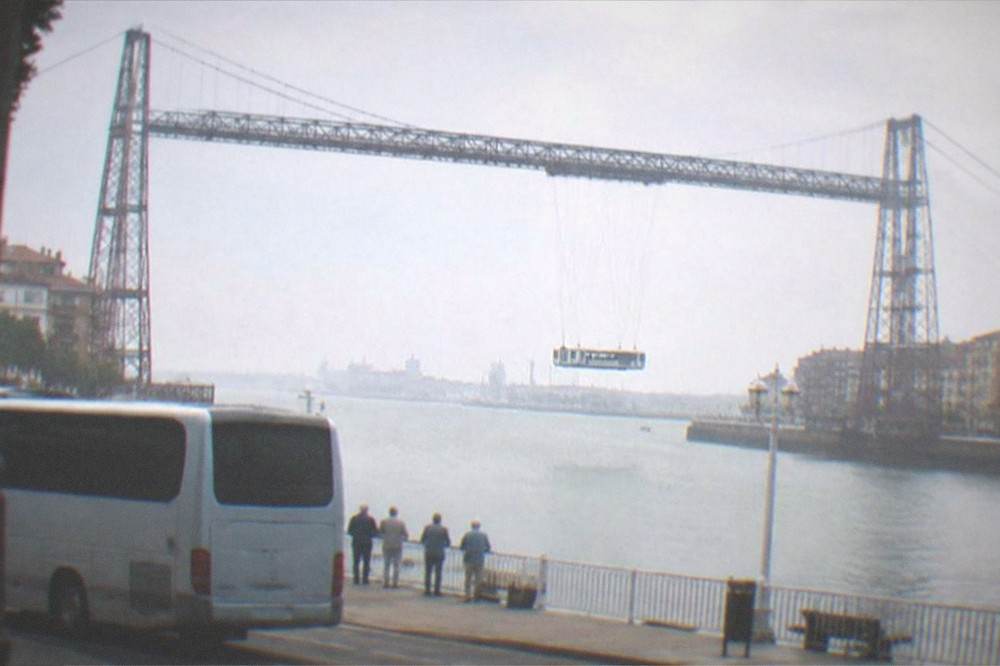
A coastal day trip that pairs the UNESCO-listed Vizcaya Bridge with Gaztelugatxe and a wine tasting, like the one above, is a good example of a plan that works for a group containing one member pacing themselves after illness: it is structured, seated for long stretches, and back in Bilbao by evening. Note that Gaztelugatxe requires a free timed reservation only on official controlled-access days, roughly mid-June to about 20 September plus holiday weekends, and is otherwise free without one; booking is via the official platform, capped at 1,462 visitors per controlled day.
The city's own numbers back up the idea that Bilbao is a low-stress place to be unwell. Bilbao Ekintza's 2025 tourism report cites 1,396,841 visitor entries and 2,723,725 overnight stays across hotels and tourist apartments, a scale large enough that every service a visitor needs exists in English-friendly form, yet small enough that nothing is far from anything. Eustat's hotel-only series shows the slightly lower ~1.2 million visitor figure on its narrower denominator, and the two are never the same number; the practical takeaway is the same either way.
Common Questions About Pharmacies And Healthcare In Bilbao
Are pharmacies in Bilbao open on Sundays?
Individual pharmacies close on Sundays on a rotating basis, but Spanish law requires every district to maintain a duty pharmacy (farmacia de guardia) open nights, weekends and holidays. Every pharmacy posts the current duty schedule in its window, so the nearest open counter can always be found by walking to any closed pharmacy and reading the notice.
Do I need to speak Spanish or Basque to use a pharmacy in Bilbao?
No, not in practice. The city is bilingual in Basque and Spanish, and pharmacy staff in central districts commonly handle English; pointing at symptoms or packaging is also completely normal. For anything complex, a translation app on the phone covers the gap.
Can I buy medicines without a prescription in Bilbao?
Spanish pharmacies sell a wide range of over-the-counter medicines, and several categories that require prescriptions in other countries are available over the counter in Spain. Prescription-only medicines still require a prescription issued within the Spanish system, so bring your regular medication from home in its original packaging.
What number do I call in a medical emergency in Bilbao?
Spain uses the common European emergency number, 112, which is free and works for anyone, including visitors without insurance or an EHIC. For non-emergencies, the route is pharmacy first, then your travel insurer's assistance helpline, which arranges clinic visits and guarantees payment.
Does the EHIC cover everything in Bilbao?
No. A European Health Insurance Card covers medically necessary state-provided care on the same terms as a local resident, which means co-payments may still apply, and it does not cover private clinics, repatriation or routine dental work. Travel insurance remains necessary for full coverage.
Is there a tourist tax that affects medical or hotel costs in Bilbao?
No tourist tax is charged in 2026. A Bizkaia-wide tax takes effect on 1 January 2027, with Bilbao's rates from EUR1 per night in pensions to EUR5 in 5-star hotels and EUR6.50 for tourist apartments, but it applies to accommodation, not to medical care or pharmacy purchases.
The through-line of healthcare in Bilbao is that the city makes the responsible path easy: a dense pharmacy network staffed by clinicians, an integrated transport system that costs about a euro a ride with a Barik card, and a mild oceanic climate that removes most heat-related risk from the equation. Prepare the four items before departure, carry the card on the ground, and the green cross signs over Bilbao's counters become what they are for locals: a routine convenience rather than a crisis resource.