Bilbao Weather By Month: A Month-By-Month Guide To Rain, Temperature And The Best Time To Visit
Bilbao sits on a tidal estuary about 15 km from the Bay of Biscay, and its temperate oceanic climate delivers mild summers, cool winters and rain in every month of the year.
Short answer
Bilbao has a temperate oceanic, Atlantic-influenced climate: monthly mean temperatures run from 9.3 C in January to 20.9 C in August, with an annual mean of 14.7 C and about 1,134 mm of rain per year. July and August are the warmest and driest months; November is the wettest. Rain falls year-round, so pack a light rain layer in any season.
Bilbao, in Biscay (Bizkaia) province in the Basque Country of northern Spain, has a temperate oceanic climate shaped by the Atlantic: mild rather than hot summers, cool rather than bitter winters, and rain distributed across all twelve months. AEMET's Bilbao Aeropuerto/Loiu station (1082), using the official 1981-2010 normals, records an annual mean temperature of 14.7 C and 1,134 mm of precipitation a year. That is more annual rainfall than many visitors expect, and it is the single fact that should shape both your packing list and your itinerary, because the same city that serves up a warm August afternoon also serves up a wet November week. This guide from Bilbao Travel Guide breaks the year down month by month, pairs each season with the plans that suit it, and flags the dated changes, from museum reopenings to the new tourist tax, that interact with when you go.
What Kind Of Climate Does Bilbao Have?
Bilbao has a temperate oceanic climate, Atlantic-influenced and genuinely tidal, never Mediterranean and never continental. The city sits on the Nervion/Ibaizabal estuary roughly 15 km from the Bay of Biscay, and that proximity keeps winters mild, summers moderate and rain present in every single month. AEMET's normals for station 1082 put the annual mean at 14.7 C, with monthly means ranging from 9.3 C in January to 20.9 C in August.
The oceanic label matters for planning. Unlike Spain's Mediterranean coast, Bilbao never bakes: the warmest mean daily temperature on record in the official normals is 20.9 C, and the driest month, July, still averages 50 mm of rain. Unlike interior Spain, it never freezes hard either; January, the coldest month, averages 9.3 C. The climate is the reason Bilbao is green, the reason the surrounding hills look like Ireland rather than Andalusia, and the reason locals carry folding umbrellas the way other Spaniards carry sunglasses.
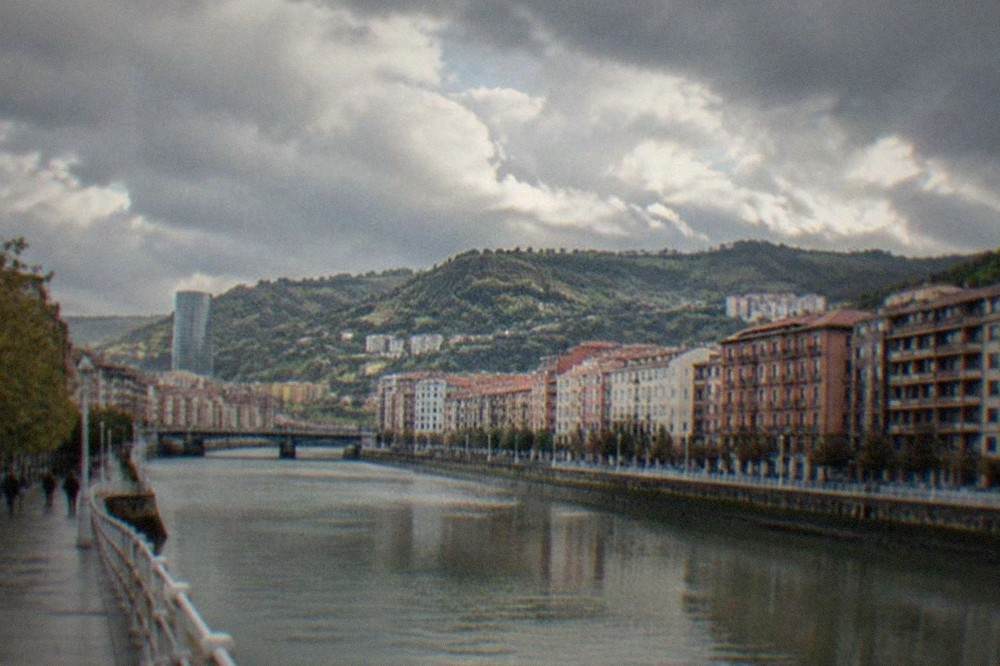
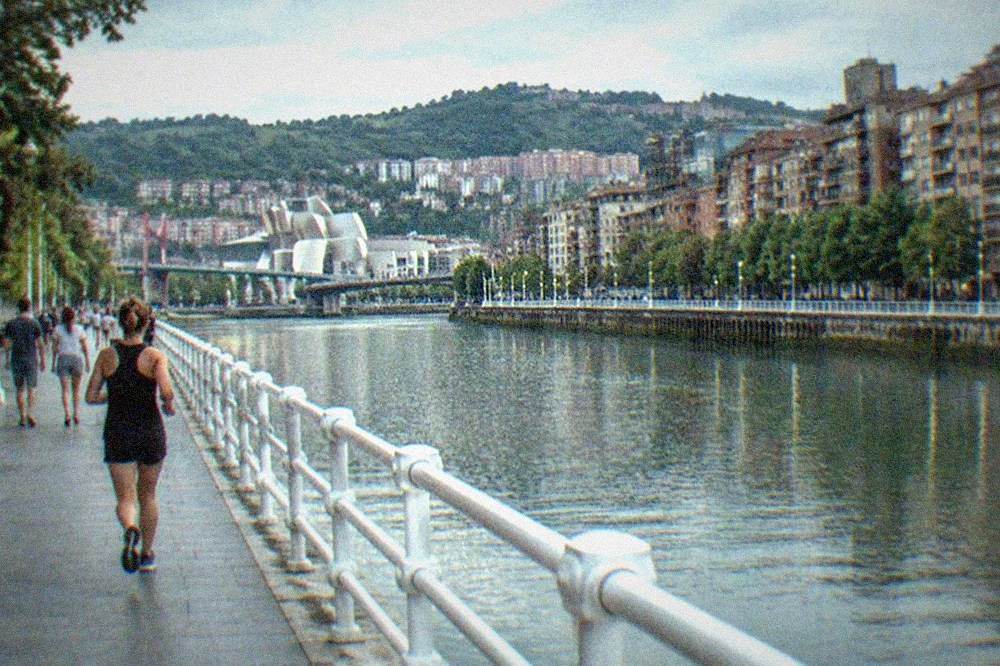
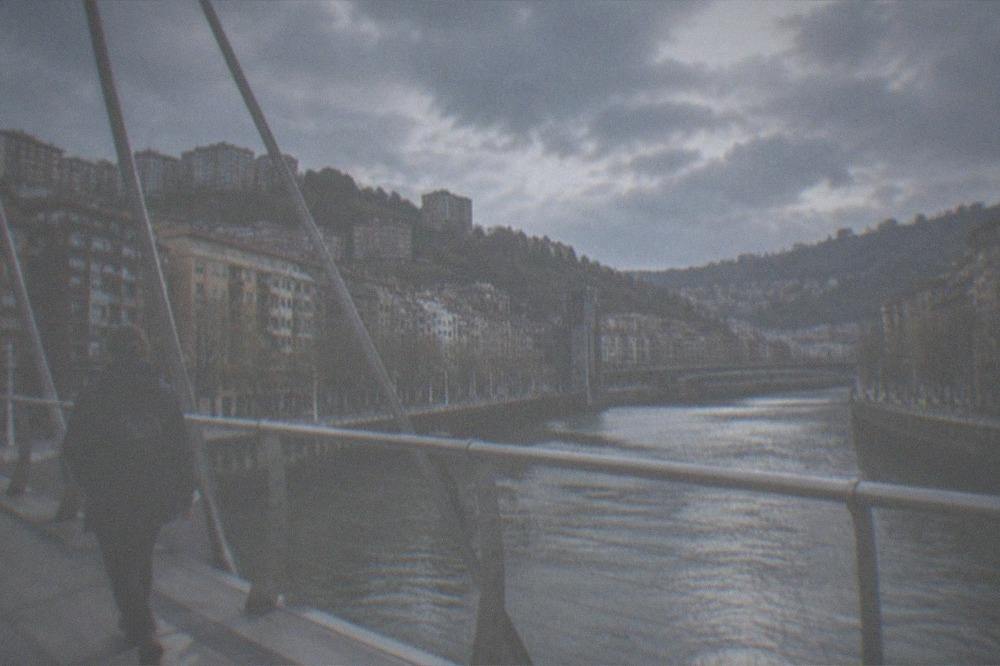
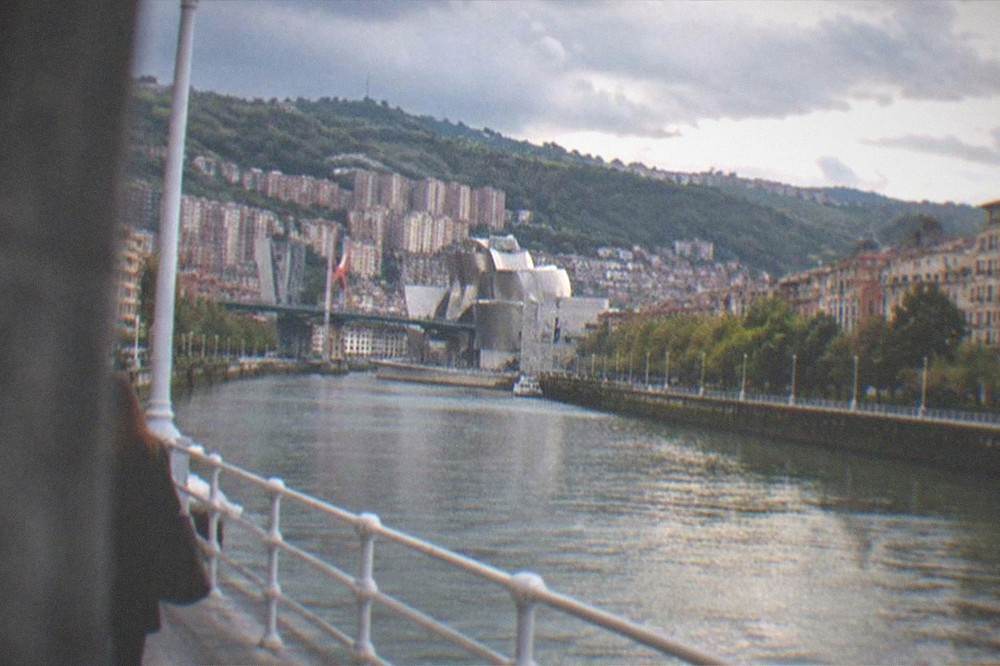
The estuary itself plays a role visitors often miss. Because Bilbao sits on a tidal river mouth rather than an open shoreline, the water moderates temperature swings in both directions: it cools summer afternoons slightly and keeps winter nights from dropping as low as they do inland. The same tidal character means riverside walks look different at different hours of the day, with the water level visibly rising and falling. Photographers who want the estuary at its glassiest usually aim for early morning, before the breeze picks up.
The table below is the backbone of this guide: AEMET's official monthly mean temperature and mean precipitation for Bilbao Aeropuerto/Loiu, the station that best represents the city area.
| Month | Mean temperature (C) | Mean precipitation (mm) |
|---|---|---|
| January | 9.3 | 120 |
| February | 9.7 | 86 |
| March | 11.5 | 90 |
| April | 12.6 | 107 |
| May | 15.7 | 78 |
| June | 18.4 | 60 |
| July | 20.4 | 50 |
| August | 20.9 | 76 |
| September | 19.2 | 73 |
| October | 16.4 | 111 |
| November | 12.4 | 147 |
| December | 9.9 | 122 |
Read the table before generalising: July is the warmest month at 20.4 C and also the driest at 50 mm, while November is the wettest at 147 mm and January is the coldest at 9.3 C. May's 78 mm sits between the two extremes, which is why late spring can surprise visitors who assumed "spring" means dry.
What Is Bilbao Weather By Month, From January To December?
Month by month, Bilbao runs cool and damp from November through March, warms quickly through April, May and June, peaks in July and August at 20.4 to 20.9 C with the lowest rainfall of the year, then cools and wets again through September, October and November. August averages 76 mm of rain despite being the warmest month, so even peak summer is not rain-free. December closes the year at 9.9 C and 122 mm.
Here is what each stretch of the year actually feels like on the ground.
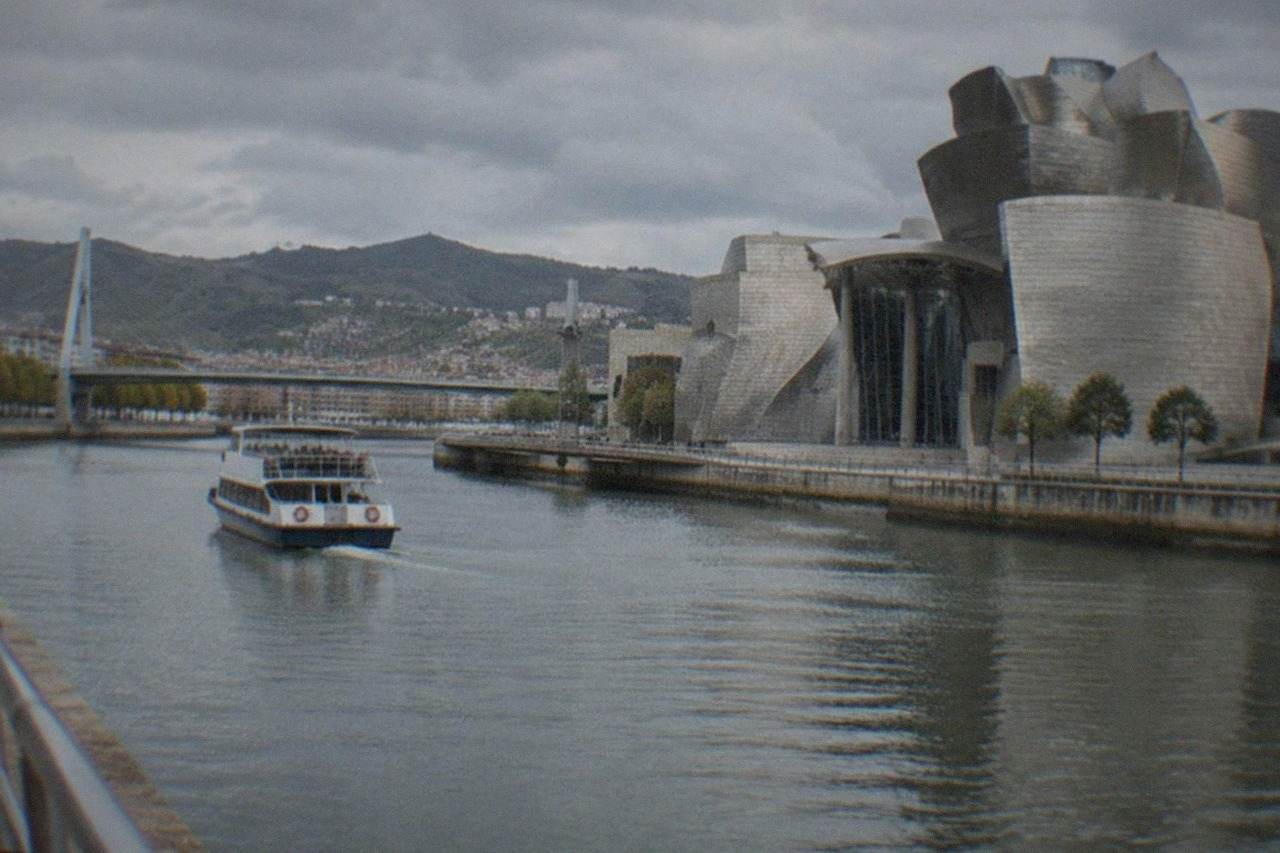
January to February: the coldest stretch, with means of 9.3 C and 9.7 C. Rain is frequent, 120 mm and 86 mm respectively, and daylight is short. This is the quietest visitor season, and the museums reward it. The Guggenheim keeps its Tuesday-to-Sunday 10:00 to 19:00 schedule through the winter, so a grey January day still holds a full museum afternoon.
March to May: a genuine spring warm-up, from 11.5 C in March to 15.7 C in May. Rainfall eases to 90 mm, then 107 mm in April, then 78 mm in May. April's 107 mm catches out visitors every year: April in Bilbao is wetter than May. The hills around the city turn their most vivid green in these months, and the parks, including the Doña Casilda park beside the Fine Arts Museum, are at their best.
June to August: the best weather window. Means of 18.4 C, 20.4 C and 20.9 C, with rainfall dropping to 60 mm, 50 mm and 76 mm. August is the wettest of the three summer months, but still far drier than any winter month. This is also when the Guggenheim extends its hours to 20:00, from 15 June to 13 September, which effectively adds an extra evening hour of sightseeing to every summer day.
September to October: the return of the rains, with 73 mm in September and 111 mm in October, though temperatures stay pleasant at 19.2 C and 16.4 C. Early September often feels like a bonus summer, and the sea is at its warmest after a full season of sun.
November to December: the wettest period of the year, 147 mm in November and 122 mm in December, with means of 12.4 C and 9.9 C. Christmas lights lift the short afternoons, and the indoor city, from pintxos bars to concert halls, takes over.
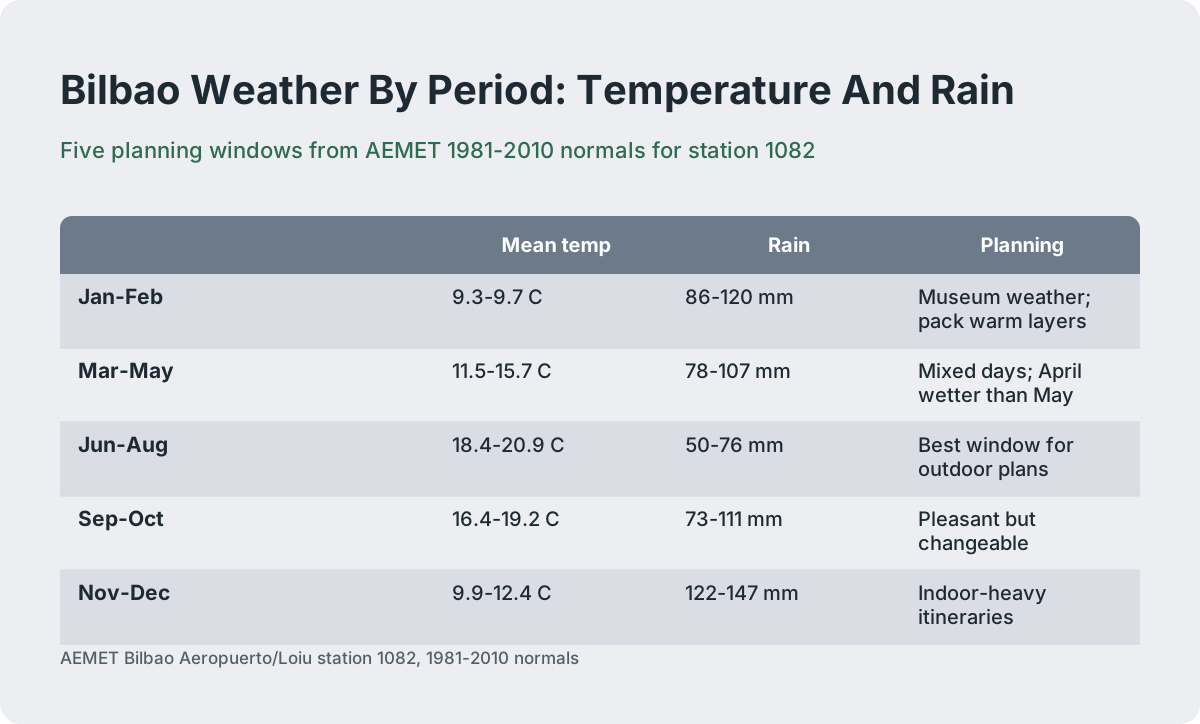
| Period | Mean temp range | Rain character | What it means for planning |
|---|---|---|---|
| Jan-Feb | 9.3-9.7 C | Frequent, 86-120 mm | Museum weather; pack warm layers |
| Mar-May | 11.5-15.7 C | Easing, 78-107 mm | Mixed days; April wetter than May |
| Jun-Aug | 18.4-20.9 C | Lowest of year, 50-76 mm | Best window for outdoor plans |
| Sep-Oct | 16.4-19.2 C | Returning, 73-111 mm | Pleasant but changeable |
| Nov-Dec | 9.9-12.4 C | Heaviest, 122-147 mm | Indoor-heavy itineraries |
Because Bilbao's weather rewards flexibility, plans that mix indoor and outdoor options work best in every season. A guided food and wine walk is exactly that kind of plan: it runs in sunshine or drizzle, and it is easy to fit around whatever the sky does.
When Is The Best Time To Visit Bilbao?
July and August are the best months for weather in Bilbao, with the warmest means of 20.4 C and 20.9 C and the year's lowest rainfall, 50 mm and 76 mm. June and September are close behind at 18.4 C and 19.2 C with 60 mm and 73 mm of rain, and they come with thinner crowds. November is the month to avoid on pure weather grounds: it is the wettest, at 147 mm, and cool at 12.4 C.
The trade-off in July and August is not heat, it is crowds and festival noise. Aste Nagusia, Bilbao's nine-day main festival, runs 22-30 August 2026, with the txupin opening at 19:00 in Plaza Arriaga, so late August means a lively, crowded, noisy city. If you want the best weather without the biggest crowds, target June or early July, or September once the festival crowds have gone.
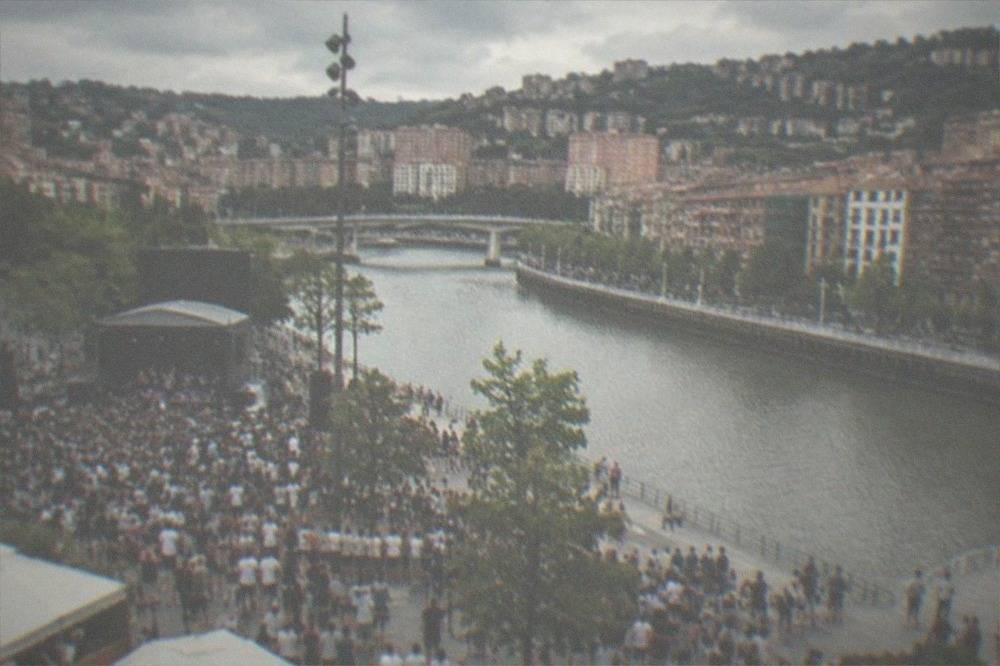
Shoulder-season visitors get real advantages in return for the rain. Hotel demand is softer, museum queues are shorter, and the green hills around the city are at their most photogenic. The Bilbao Bizkaia Card covers unlimited transport plus attraction discounts in any season, which softens the cost of a wet-weather museum day. Its fixed tiers, 10 euros for the shortest option, 15 for 48 and 20 for 72, make it easy to price a rainy two-day museum sprint before you arrive.
| Month | Verdict | Why |
|---|---|---|
| June | Excellent | 18.4 C, only 60 mm, pre-peak crowds |
| July | Excellent | Warmest-driest combo: 20.4 C, 50 mm |
| August | Very good | Warmest month, but festival crowds late in the month |
| September | Very good | 19.2 C, 73 mm, quieter after Aste Nagusia |
| October | Mixed | Mild 16.4 C but 111 mm of rain |
| November | Poorest | Wettest month, 147 mm, cool 12.4 C |
How Much Does It Rain In Bilbao, Really?
Bilbao averages 1,134 mm of rain per year, and every single month records measurable precipitation, from a low of 50 mm in July to a high of 147 mm in November. There is no dry season in the Atlantic sense: even the driest month collects measurable rain. Rain here tends to arrive in fronts off the Bay of Biscay rather than in brief thunderstorms.
The practical reading of those numbers: a week in Bilbao in any month has a real chance of at least one wet day, and in November that chance approaches certainty. But oceanic rain is rarely monsoon-like. Showers often pass through, and the same day can deliver a grey morning and a bright afternoon. Locals plan around it rather than for it.
| Ranking | Month | Precipitation (mm) | Character |
|---|---|---|---|
| Wettest | November | 147 | Persistent Atlantic fronts |
| 2nd wettest | December | 122 | Long grey spells |
| 3rd wettest | January | 120 | Cold rain, short days |
| 4th wettest | October | 111 | Autumn storms return |
| Mid | April | 107 | Showery, changeable |
| Driest | July | 50 | Still not rain-free |
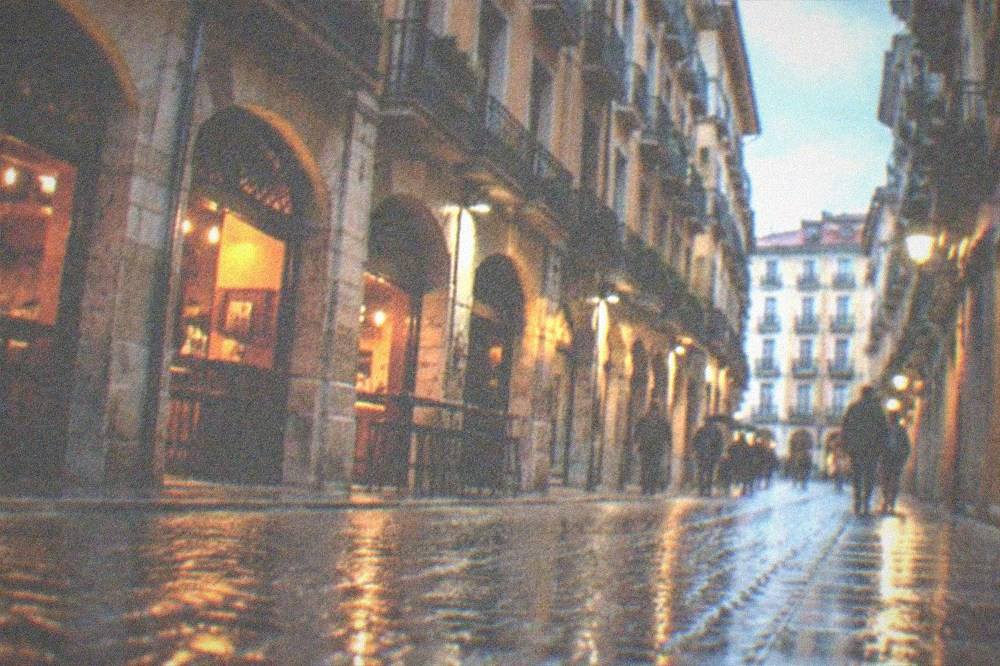
A useful mental model: think of Bilbao's rain as a rhythm rather than a risk. The wettest months do not mean constant downpour; they mean more frequent fronts separated by bright intervals. Travellers who check the morning forecast and slot their outdoor sightseeing into the driest window of the day routinely fit everything in, even in October. Travellers who lock a full outdoor day in advance, with no indoor fallback, are the ones who end up soaked and frustrated.
One planning note that has nothing to do with clouds: if your visit falls in 2027 or later, Bilbao will have a tourist tax. The Bizkaia regional tax (Norma Foral 3/2026) takes effect on 1 January 2027, with Bilbao's approved municipal rates running from 1 euro per night in pensions up to 5 euros in 5-star hotels and 6.50 euros for tourist apartments. Visitors travelling in 2026 pay no tourist tax at all.
What Should You Pack For Bilbao Weather?
Pack for mild, damp, changeable conditions in every season: a waterproof rain layer rather than an umbrella-only plan, layers you can add and shed within a single day, and comfortable water-resistant shoes for the city's stone streets. Summer means light clothing plus a light jacket for evenings near the estuary, while winter means a warm coat, since means sit near 9-10 C, not below freezing.
The layering advice is not generic. Oceanic climates swing within days: an August mean of 20.9 C can still produce a cool evening on the riverside, and a May afternoon at 15.7 C can feel warm in direct sun and cold in Atlantic wind. The full packing breakdown, including what to wear in each season, lives in the Bilbao packing guide.
| Season | Mean temp | Core items | Footwear |
|---|---|---|---|
| Winter (Dec-Feb) | 9.3-9.9 C | Warm coat, scarf, waterproof layer | Water-resistant boots |
| Spring (Mar-May) | 11.5-15.7 C | Layers, light rain jacket, sweater | Comfortable walking shoes |
| Summer (Jun-Aug) | 18.4-20.9 C | Light clothing, evening jacket | Breathable shoes |
| Autumn (Sep-Nov) | 12.4-19.2 C | Layers, compact umbrella, rain shell | Shoes with grip |
Footwear deserves its own sentence. Bilbao is a walking city with steep streets in the Casco Viejo and polished stone in the Ensanche, and wet stone is slippery stone. Shoes with real tread matter more here than in flatter, drier Spanish cities, and they matter most from October through March, when 111 to 147 mm of monthly rain keeps the pavement damp for days at a time.
What Can You Do In Bilbao When It Rains?
Bilbao is one of Europe's best-equipped rainy-day cities: the Guggenheim Museum Bilbao (open Tuesday to Sunday, 10:00 to 19:00, adult ticket 18 EUR), the Bilbao Fine Arts Museum, the Azkuna Zentroa and the Euskal Museoa all sit within a compact centre, and the metro and tram connect them cheaply with Barik fares from 1.02 EUR per Zone 1 trip. A full day of indoor Bilbao needs no car and no umbrella gymnastics.
The 2026 museum calendar has one big moving part. The Bilbao Fine Arts Museum closed on 31 August 2026 for final renovation works and is reported to reopen on 6 October 2026, with a free entry week from 6 to 13 October and adult admission of 12 EUR from 14 October, plus a joint Artean pass with the Guggenheim at 16 EUR. If your wet-weather plan leans on that museum, check the reopening date against your travel dates before you count on it.

Rain also suits Bilbao's food culture better than any other activity. Pintxos bars are compact, social and warm, and a crawl through the best pintxos spots turns a wet evening into the highlight of a trip. A guided version pairs the bars with Basque wine and a local's route.
For a deeper look at museum planning, the Bilbao museums guide ranks the full set, and the rainy day itinerary sequences a full wet-weather day from breakfast to last txakoli. Getting between all of it is cheap even in a downpour: the transport guide explains the Barik card, whose Zone 1 metro fare of 1.02 EUR and Bilbobus fare of roughly 0.73 EUR base make a rain-soaked day of hopping between museums cost less than a single coffee in some cities.
How Does Bilbao Weather Compare To San Sebastian?
Bilbao and San Sebastián share the same temperate oceanic climate, so the month-by-month picture is similar: mild, Atlantic-influenced and rainy in every season, with July and August the warmest, driest months. The practical difference is exposure, since San Sebastián faces the open ocean with its beaches and seafront promenades, while Bilbao sits inland on an estuary about 15 km from the Bay of Biscay, which softens the wind and makes its weather slightly less maritime at the edges.
That small difference shapes itinerary choices. Beach days belong more naturally to San Sebastián; museum-and-food days, to Bilbao. Many visitors do both in one trip, and the comparison, including which city suits which traveller, is laid out in Bilbao vs San Sebastian.
Coastal day trips from Bilbao inherit the same Atlantic weather, so the same packing rules apply whether you head to Gaztelugatxe or over the border. One date-sensitive detail matters for summer travellers: on controlled-access days at San Juan de Gaztelugatxe, roughly mid-June to about 20 September, a free timed reservation is required and daily visitors are capped at 1,462, so a hot July weekend needs booking ahead, not just good weather. A guided coastal excursion handles the logistics while you watch the sky change.
If a full coastal day feels ambitious in changeable weather, a private walking tour of Bilbao itself keeps you close to shelter while still covering serious ground.
Common Questions About Bilbao Weather
What is the weather like in Bilbao by month?
Monthly mean temperatures run from 9.3 C in January to 20.9 C in August, per AEMET's 1981-2010 normals for Bilbao Aeropuerto/Loiu. Rainfall falls in every month: from 50 mm in July to 147 mm in November. July and August are the warmest and driest months; November is the wettest.
Does it rain a lot in Bilbao?
Yes, by Spanish standards. Bilbao records about 1,134 mm of precipitation per year, and no month is dry. Even July, the driest month, averages 50 mm. The rain usually arrives in passing Atlantic fronts rather than all-day downpours.
What is the hottest month in Bilbao?
August, with a monthly mean of 20.9 C. July is a close second at 20.4 C and is drier, at 50 mm versus August's 76 mm, which is why many travellers rank July as the single best weather month.
What is the coldest month in Bilbao?
January, with a mean temperature of 9.3 C. Winters in Bilbao are mild and damp rather than freezing, because the Atlantic and the estuary moderate the cold that hits interior Spain.
Is Bilbao warm enough for the beach in summer?
Bilbao itself is an estuary city rather than a beach town, but nearby coastal spots such as Getxo and Sopelana are reachable by metro in warm months. With summer means of 18.4 to 20.9 C, expect pleasant rather than hot beach weather, and keep a layer for the breeze.
When is the worst weather in Bilbao?
November, which combines the year's highest rainfall, 147 mm, with a cool 12.4 C mean. December and January follow closely, at 122 mm and 120 mm. These months reward an itinerary built around museums, pintxos bars and covered markets.
Whatever month you choose, Bilbao rewards travellers who plan for variety: book the outdoor highlights for the clearer summer window if you can, keep a flexible indoor list for the wetter months, and treat the rain as the reason the city is this green in the first place.