Bilbao Vs San Sebastian
Bilbao and San Sebastián are two cities often shortlisted for the Basque Country, and they reward very different trips. This guide compares them on the figures this site has verified for Bilbao, plus the character a reader can judge for themselves.
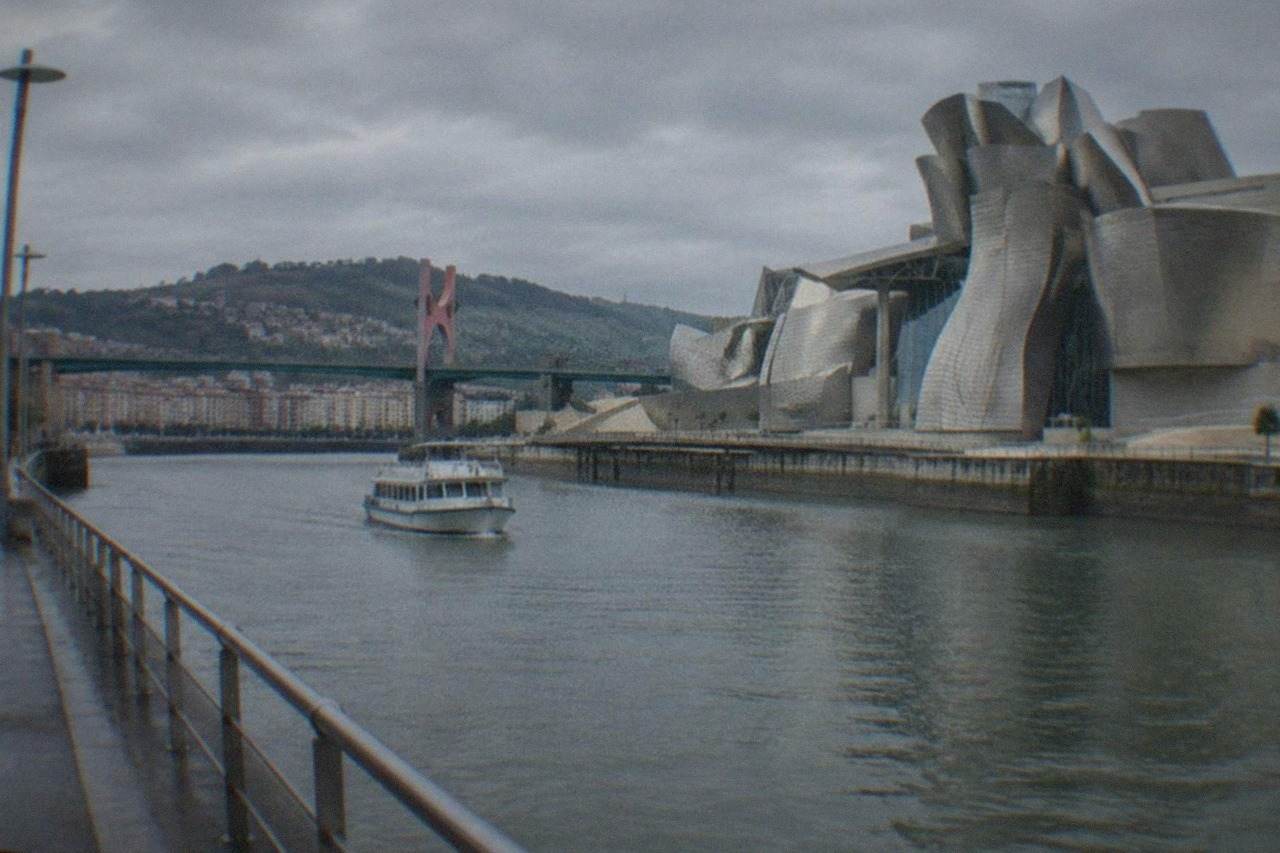
Short answer
Bilbao's figures, from an 18 EUR Guggenheim ticket to 1,134 mm of annual rain, appear throughout, and the two cities combine easily on one itinerary.
Bilbao, in Biscay (Bizkaia) province in the Basque Country of northern Spain, gets compared to San Sebastián more than to any other city, and the comparison is fair: they are the two destinations most international visitors shortlist for this region. The honest starting point is that this site's research desk has verified hard figures for Bilbao, its museums, its transport and its climate, and has not verified equivalent numbers for San Sebastián. So this guide compares the two cities on Bilbao's checked data and on qualitative character a reader can confirm for themselves, and it says plainly which side of every table belongs to Bilbao. What follows is a decision framework, not a verdict handed down from a visit nobody on this desk has made.
Which Basque City Should You Visit, Bilbao Or San Sebastian?
Pick Bilbao for a bigger, architecture-driven city trip built around the Guggenheim, a river estuary, major museums and a working port-town energy; pick San Sebastián for a compact beach city built around a crescent bay, a concentrated pintxos scene and a more resort-like pace. The two are complementary rather than competing, and a strong itinerary uses one as a base and visits the other on a day trip or an overnight.
The distinction comes down to scale and setting. Bilbao is an inland estuary city of 346,933 residents (Eustat's municipal register, 1 January 2025), roughly 15 km up the tidal Nervion from the open Bay of Biscay. San Sebastián sits directly on the coast and is dramatically smaller in feel, a city you can walk across in under an hour. Bilbao rewards a multi-day stay with museums, neighborhoods and day trips inland to Rioja and out to the coast at Gaztelugatxe. San Sebastián rewards a slower, food-centered stay.
That difference also drives the practical advice throughout this guide. If your trip is three days or fewer and food is the headline, San Sebastián as a base is defensible. If your trip is four days or more, or you want wine country, coastal hiking and stadium-museum variety, Bilbao is the stronger base, and the San Sebastian day trip from Bilbao is a well-trodden route. Travelers with a full week can do both properly, and the combined Bilbao and San Sebastian itinerary covers exactly that.
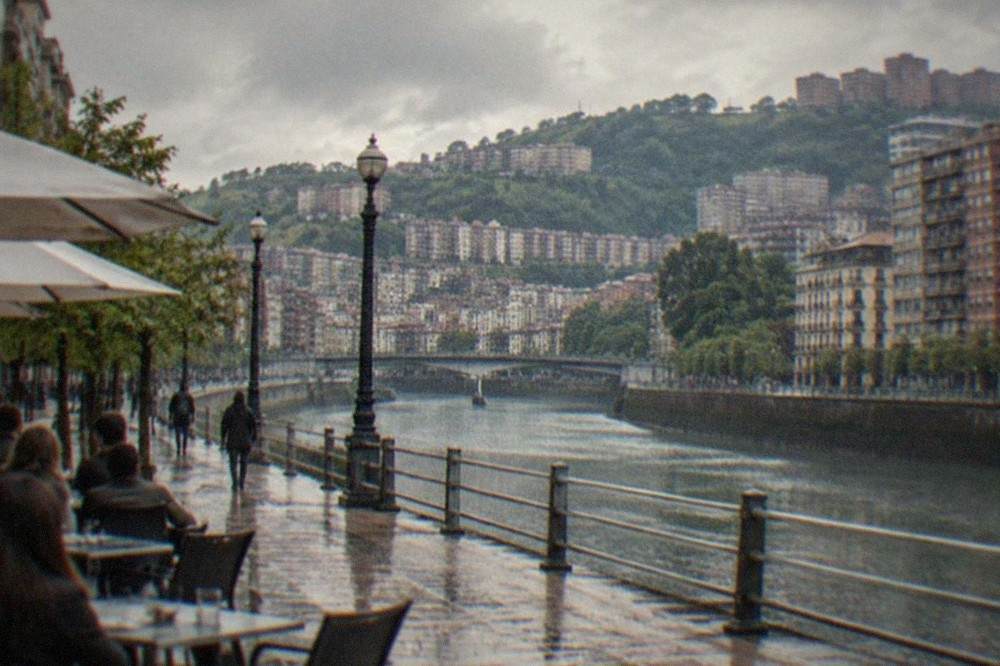
How Do The Two Cities Compare In Size, Setting And Character?
Bilbao is a mid-sized industrial-turned-cultural city on a tidal estuary, with a metro system, a stadium, a tram line and a museum district that took decades and billions of euros to build; San Sebastián is a compact belle-epoque beach resort whose whole visitor economy concentrates on a bay, an old town and a dining scene famous across Europe. Neither is a version of the other, and travelers who expect a small Bilbao in San Sebastián, or a seaside Bilbao, misjudge both.
Bilbao's character was forged by shipbuilding, steel and banking, then remade by the Guggenheim's 1997 opening, the event locals still credit with turning the city's post-industrial decline around. The result is a city of contrasts: the seven medieval streets of the Casco Viejo, the grand grid of the Ensanche, and the contemporary architecture of Abandoibarra along the river. San Sebastián's character is older-money resort: the Playa de la Concha, the Monte Igeldo views and a pintxos bar density that rivals anywhere in Spain.
On verified Bilbao figures, the scale gap is real. Eustat puts the municipality at 346,933 people. Bilbao Ekintza's 2025 tourism report counts 1,396,841 visitor entries and 2,723,725 overnight stays across hotels and tourist apartments (Eustat's hotel-only series shows a lower ~1.2 million visitors, a different denominator worth keeping straight). Those are big-city tourism numbers, and they show up in the infrastructure: a metro with zonal fares, a tram, a funicular and an airport bus every 15 minutes.
For orientation before choosing, the Bilbao first-timers overview lays out the city's districts and headline sights, and the where-to-stay planning pages map the neighborhoods against trip styles, with the where to stay in Bilbao guide the most direct place to start.
| Aspect | Bilbao (verified figures) | San Sebastián (character, unquantified) |
|---|---|---|
| Population | 346,933 (Eustat, 1 Jan 2025) | Far smaller; compact resort scale |
| Setting | Tidal estuary, ~15 km from the Bay of Biscay | Directly on a crescent bay |
| Signature building | Guggenheim Museum Bilbao (opened 1997) | Belle-epoque buildings around Concha bay |
| Transit | Metro, tram, Bilbobus, funicular, Bizkaibus | Walkable core; local bus network |
| Trip style | Multi-day city base with inland and coastal day trips | Slow food-and-beach stay |
| Best for | Architecture, museums, day-trip variety | Beach, pintxos concentration, promenades |
What Are The Best Bilbao Activities?
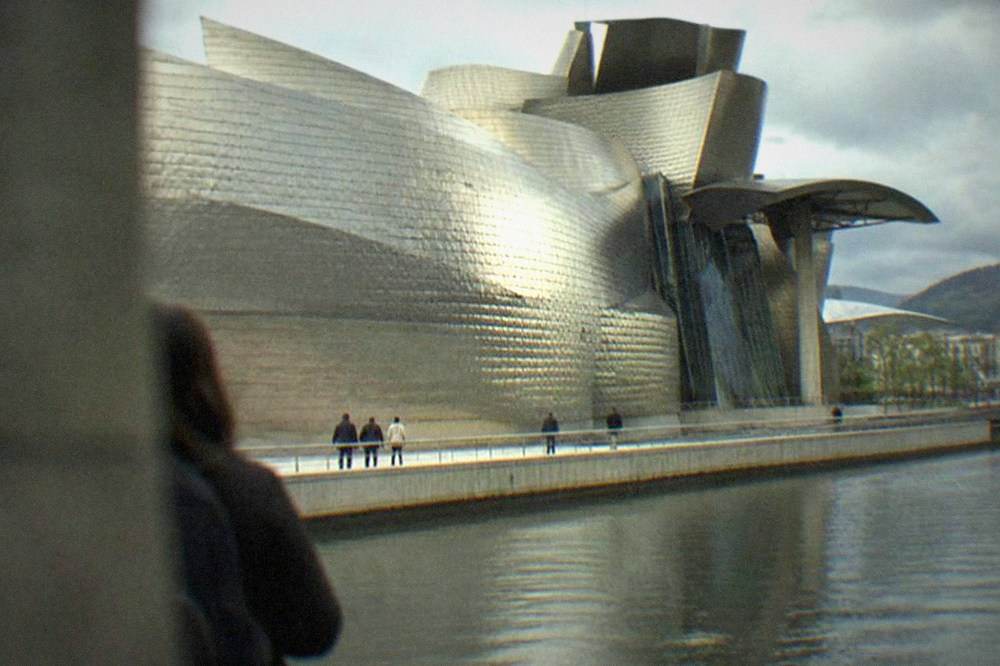
The unmissable Bilbao sights are the Guggenheim Museum Bilbao (18 EUR adult, open Tuesday to Sunday 10:00 to 19:00, later in summer), the Casco Viejo's seven streets, the Ribera Market building, the Vizcaya Bridge at Portugalete and the San Mames stadium and museum, with Gaztelugatxe and the Rioja wine region as the headline day trips. The museum district alone, Abandoibarra, can absorb a full afternoon.
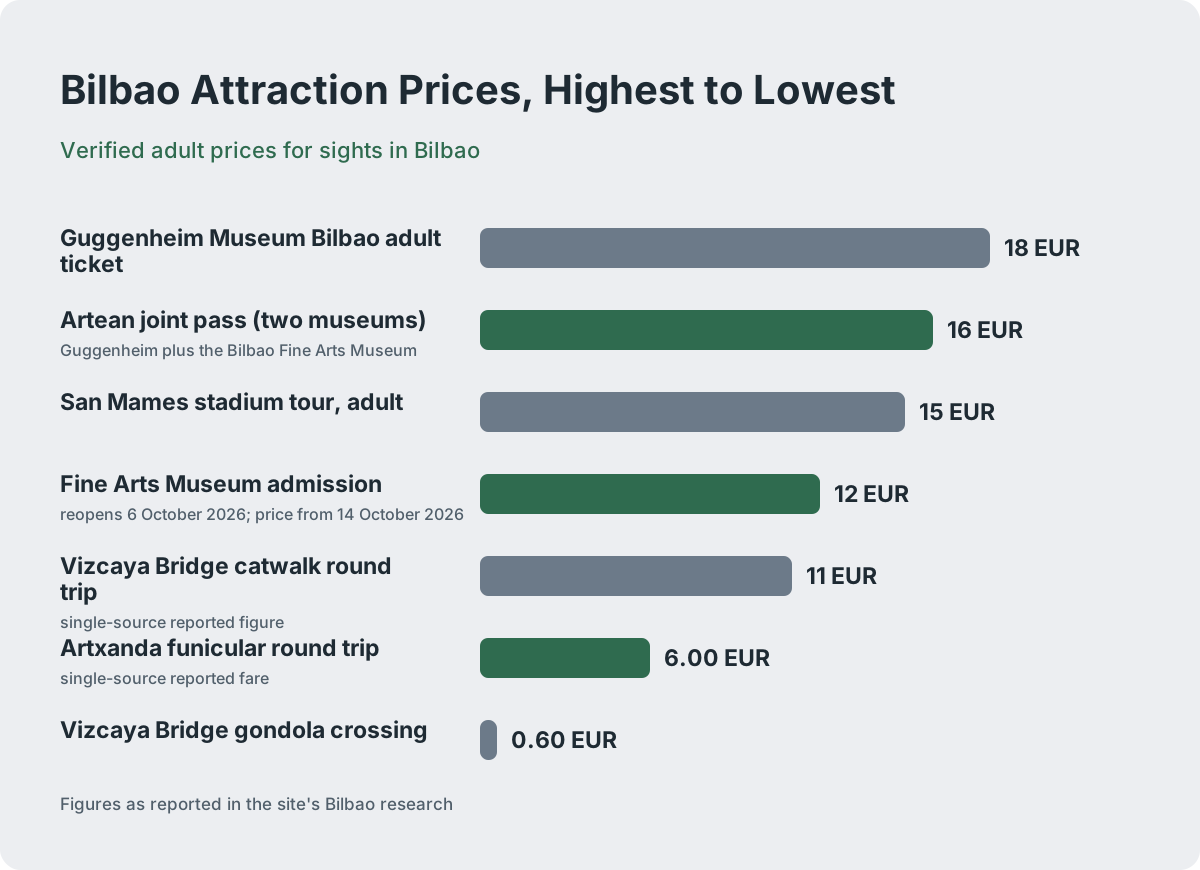
The Guggenheim anchors any Bilbao stay. The museum's own site lists the 18 EUR adult ticket, free entry for under-18s, and extended 20:00 closing during Easter week and from 15 June to 13 September. A joint Artean pass with the Bilbao Fine Arts Museum runs 16 EUR general, a detail worth knowing because the Fine Arts Museum reopens on 6 October 2026 after its renovation, with free entry 6 to 13 October and a 12 EUR adult admission from 14 October (a single-source reported figure, stated as such). The Bilbao museums guide ranks the full set.
Beyond the museums, the city's structure is the attraction. The Casco Viejo, the Ribera Market, Plaza Nueva and the Ensanche's grid make Bilbao a walking city with a clear shape. A good way to get that shape fast is the Small-Group Old Town Walk, which covers the medieval core with a local guide.
For the coastal side, the UNESCO-listed Vizcaya Bridge at Portugalete is the region's most distinctive structure after the Guggenheim: a 2006-inscribed transporter bridge, the first industrial World Heritage site in Spain, with a 0.60 EUR gondola crossing and an 11 EUR round-trip catwalk ticket (the walkway fare is a single-source reported figure). The Gaztelugatxe hermitage, the other coastal headline, uses a free timed-ticket system, required only on official controlled-access days, capped at 1,462 daily visitors.
How Do The Food Scenes Of Bilbao And San Sebastian Compare?
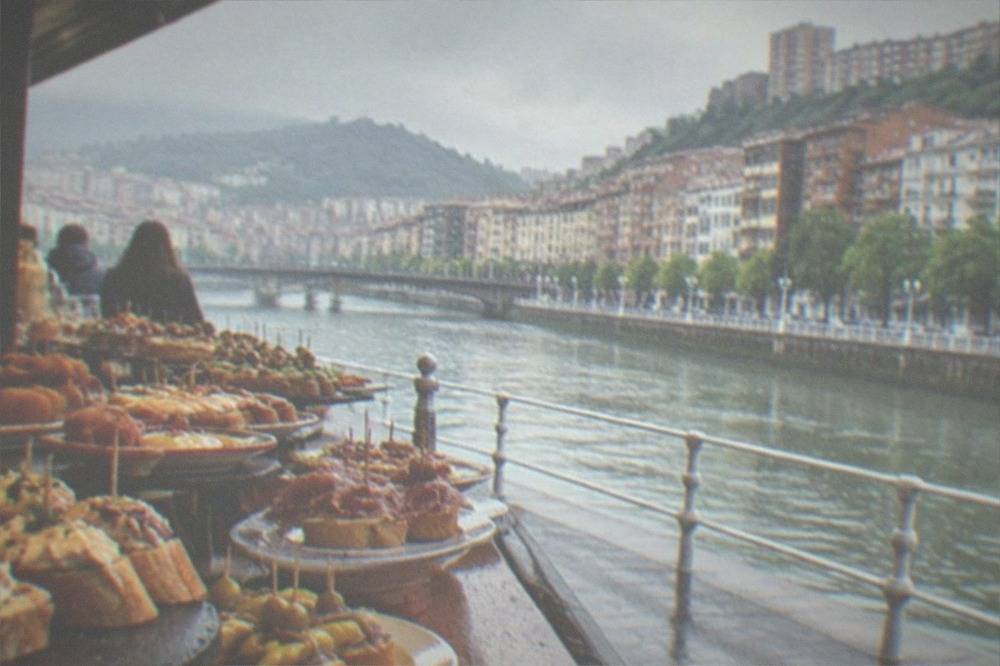
San Sebastián holds the stronger international reputation, built on a dense concentration of pintxos bars and famous restaurants within a few walkable blocks; Bilbao counters with a bigger, broader and cheaper eating city, from Plaza Nueva's traditional bars to Michelin-starred rooms near the Guggenheim, with three-star Azurmendi in the province and multiple one-star rooms inside the city itself.
The honest framing: this desk has verified Bilbao's food facts and not San Sebastián's, so the numbers here are Bilbao's. The Michelin guide for Bizkaia retained Azurmendi's three stars (Larrabetzu, just outside the city) and lists several one-star rooms in Bilbao itself, including Nerua at the Guggenheim and Mina. The province is regularly described in that coverage as leading Spain in stars per capita.
Everyday eating is where Bilbao's value shows. Pintxos at traditional bars generally run 2 to 5 EUR per piece in 2026 sources, with drinks around 2 to 3.50 EUR, and a typical crawl of four to six items plus drinks lands near 25 to 45 EUR per person. Plaza Nueva is the hub, with Gure Toki, Sorginzulo, Café Bar Bilbao and Víctor Montes all long-standing, and La Bodeguita del 12 in Abando won the 2025 Bizkaia traditional pintxo championship. The best pintxos in Bilbao guide maps the full route, and the city's broader restaurant coverage goes well beyond the bar scene.
San Sebastián's reputation rests on the opposite shape: fewer blocks, higher concentration, more international pilgrims per bar. That concentration is real and it is what the city is for. The trade-off a traveler should weigh is that Bilbao's scene spreads across more neighborhoods at generally gentler prices, while San Sebastián's compresses the same traditions into a smaller, more celebrated stage. Neither is wrong; they suit different trip rhythms.
| Food dimension | Bilbao (verified) | San Sebastián (character) |
|---|---|---|
| Pintxo price range | ~2-5 EUR per piece at traditional bars | Comparable tradition; prices unverified here |
| Starred dining | Multiple 1-star rooms in the city; 3-star Azurmendi nearby | Internationally famous fine-dining scene |
| Traditional hub | Plaza Nueva, Casco Viejo | Old town Parte Vieja |
| Championship pedigree | 2025 Bizkaia pintxo champion: La Bodeguita del 12 | Renowned pintxo competition city |
| Style | Spread across districts, more local crowd | Concentrated, more visitor-driven |
How Do Costs Compare Between Bilbao And San Sebastian?
No verified price index exists for San Sebastián in this site's research, so no cost comparison can honestly be made in numbers; what can be said is Bilbao's own verified price ladder, from a 1.02 EUR Zone 1 metro fare with a Barik card to an 18 EUR Guggenheim ticket and a 10 EUR 24-hour Bilbao Bizkaia Card, and that Bilbao is widely described as the more affordable of the two cities.
Start with what is checked. Bilbao's transport is cheap by any European standard: the CTB's official fare page gives Metro Zone 1 at 1.02 EUR with a Barik Creditrans card (2.00 EUR without), Bilbobus at roughly 0.73 EUR base with Barik against 1.70 EUR cash, and the tram at 0.74 EUR flat with Barik. The Bilbao Bizkaia Card bundles unlimited transport plus attraction discounts at 10 EUR for 24 hours, 15 EUR for 48 and 20 EUR for 72, personal and non-transferable per the card's own site.
Attractions stack up modestly too. The Guggenheim is 18 EUR, the Fine Arts Museum is reported at 12 EUR from 14 October 2026 (with the 16 EUR Artean joint pass as the better deal for museum-heavy trips), San Mames self-guided tours are 15 EUR for adults, and the Artxanda funicular round trip is 6.00 EUR, a single-source reported fare. A packed sightseeing day in Bilbao is therefore very countable, and the is Bilbao expensive guide works through a full daily budget.
One dated planning note matters for 2027 visitors: a Bizkaia regional tourist tax (Norma Foral 3/2026) takes effect on 1 January 2027, with Bilbao's approved municipal rates running from 1 EUR per night at pensions to 5 EUR at 5-star hotels and 6.50 EUR for tourist apartments. Visitors in 2026 pay no tourist tax. Reservations made before early February 2026 are generally exempt even for 2027 stays, though that should be confirmed with the accommodation, not assumed.
For San Sebastián, this guide publishes no price figure. The qualitative consensus across travel coverage is that San Sebastián's accommodation and dining skew more expensive, particularly in summer around the Concha bay, but a traveler should check current rates rather than budget from a comparison this site cannot source.
| Bilbao cost item | Verified price | Notes |
|---|---|---|
| Metro Zone 1, with Barik | 1.02 EUR | 2.00 EUR without a Barik card |
| Bilbobus single | 1.70 EUR | ~0.73 EUR base fare with Barik |
| Guggenheim adult ticket | 18 EUR | Under-18s free; audio guide included |
| Fine Arts Museum adult | 12 EUR (from 14 Oct 2026) | Single-source reported reopening pricing |
| Artean joint museum pass | 16 EUR | Guggenheim + Fine Arts, general |
| Bilbao Bizkaia Card 24h | 10 EUR | Unlimited transport + discounts |
| Artxanda funicular round trip | 6.00 EUR | Single-source reported fare |
How Do You Get From Bilbao To San Sebastian?
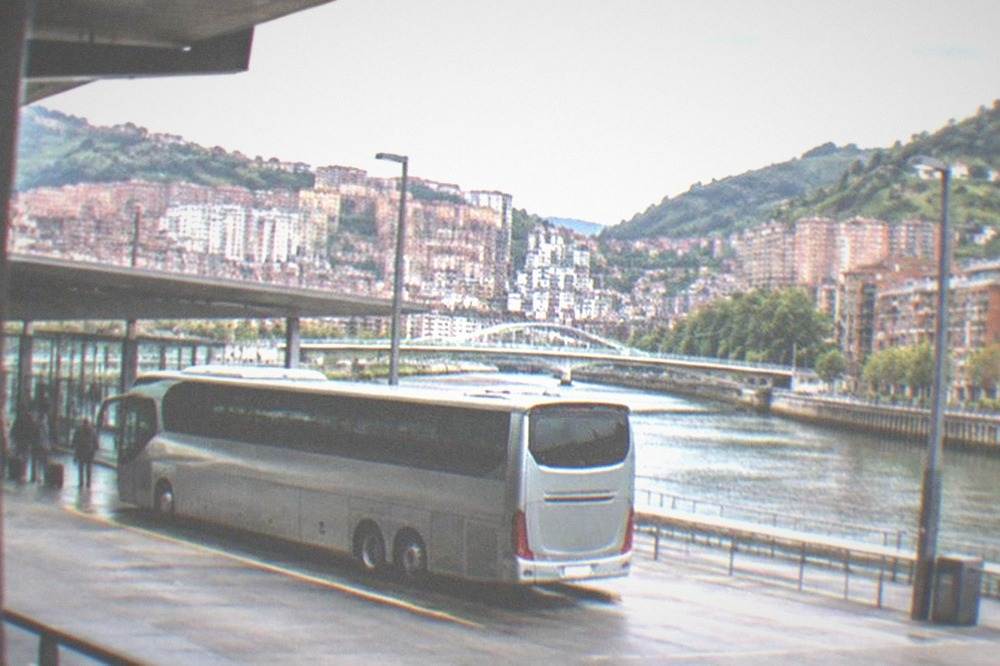
The practical public link between Bilbao and San Sebastián is the direct intercity bus, which runs frequently from Bilbao's Intermodal station and is the option travel coverage consistently recommends; there is no direct high-speed rail connection, and this site has verified no fare or journey time for the route, so check the operator's live listing rather than any figure quoted here.
What this pack does verify is Bilbao's end of the journey. Buses leave from the Bilbao Intermodal station, a modern hub combining local and long-distance services, and the city's own transport around that station is documented on this site. The Euskotren regional train also connects the Basque coast between the two cities on a slower, more scenic route from the Casco Viejo side, but no journey time or fare for that route is verified here, so treat any number you see elsewhere with caution until checked against the operator.
The decision travelers face is not bus versus train but guided versus independent. A guided excursion handles the transfer, the parking and the orientation in one booking, which matters for a long day in a second city. The 10-Hour San Sebastian and Getaria excursion adds the fishing villages of Hondarribia and Getaria to the same day, a combination that is genuinely awkward to assemble by public transport. Check availability
Driving is the flexible middle option, and renting a car in Bilbao is straightforward, with pickup at the airport and in the centre. What the pack does not give, and what no honest guide should improvise, is a drive time between the two cities; the tour's own listed duration is the only figure on this page that speaks to trip length.
How Does Bilbao's Weather Compare, And When Should You Visit Either City?
Bilbao's climate is temperate oceanic, Atlantic-influenced, with AEMET's 1981-2010 normals for the Bilbao Aeropuerto/Loiu station showing an annual mean of 14.7 C and 1,134 mm of rain, warmest and driest in July and August and wettest in November at 147 mm; San Sebastián shares the same Atlantic regime, so plan both cities for mild summers, cool winters and rain any month.
The single most common planning mistake is treating the Basque coast like Mediterranean Spain. It is not. AEMET's station 1082 normals put January at a 9.3 C mean and August at 20.9 C, with rain in every single month of the year. That is a mild, green climate, and it is exactly why the region looks the way it does. The Bilbao weather guide works through the seasons in detail, and the city's packing advice translates it into luggage.
For choosing between the two cities, weather is close to a non-factor, because both sit on the same Atlantic flank a short distance apart. The differentiator is what the weather is for. San Sebastián's product is the beach, so its peak season matters more: a beach city in a rainy week loses more of its appeal than a museum city does. Bilbao's indoor inventory, the Guggenheim, the Fine Arts Museum, the Euskal Museoa (reopened 10 June 2026 after a four-year, 20.3 million euro renovation) and the San Mames museum, makes it the more weather-proof base, and the city's rainy-day planning covers an entire day indoors.
| Month | Mean temp (C) | Mean precip (mm) |
|---|---|---|
| January | 9.3 | 120 |
| February | 9.7 | 86 |
| March | 11.5 | 90 |
| April | 12.6 | 107 |
| May | 15.7 | 78 |
| June | 18.4 | 60 |
| July | 20.4 | 50 |
| August | 20.9 | 76 |
| September | 19.2 | 73 |
| October | 16.4 | 111 |
| November | 12.4 | 147 |
| December | 9.9 | 122 |
Timing around events can matter more than timing around weather. Aste Nagusia, Bilbao's nine-day main festival, runs 22 to 30 August 2026 with the txupin opening at 19:00 in Plaza Arriaga, and it transforms the city's atmosphere, crowds and hotel prices alike; the Aste Nagusia guide covers it. BBK Live returns 8 to 10 July 2027 at Kobetamendi with no lineup announced yet.
Can You Visit Both Bilbao And San Sebastian On One Trip?
Yes, and for any trip of five days or more it is the best plan: base yourself in Bilbao for the museums, the day trips and the transport links, then give San Sebastián either a full guided day or a one-night stay, because the two cities are close enough that splitting a week between them costs little and dilutes neither.
The base decision is the one that matters. Bilbao's verified advantages as a base are structural: the airport with its 15-minute-frequency A3247 bus (5 EUR without a Barik card), the metro and tram network, the Bilbao Bizkaia Card, and the concentration of day trips that only work from Bilbao's side, including the Rioja wine region, Gaztelugatxe and the Urdaibai biosphere. San Sebastián's advantage as a base is simpler: you wake up on the bay and everything is a short walk away.
A practical split for a week is four or five nights in Bilbao with one or two of those days given to San Sebastián, either independently or on the excursion above. The city itself holds more than most first-timers expect, as any multi-day itinerary will show, and a weekend plan is the minimum viable version. Travelers who prefer San Sebastián as a base can simply reverse the logic, though they lose the inland day trips, which all radiate from Bilbao.
Which City Is Better For Museums, Beaches And Nightlife?
Bilbao wins museums decisively on verified inventory: the Guggenheim, the reopened Fine Arts Museum, the Euskal Museoa and the San Mames museum have no equivalent cluster in San Sebastián; San Sebastián wins beaches outright, since Bilbao is an estuary city with its swimming beaches in the nearby towns of Getxo and Sopelana; nightlife splits by style, with Bilbao's bigger bar-spread scene against San Sebastián's compact old-town crawl.
The museum case is not close. The Guggenheim alone, 18 EUR, open six days a week with summer hours to 20:00, is a global destination, and the 2026 reopenings add the Fine Arts Museum (6 October) and the expanded Euskal Museoa (10 June) to the same ticket economy. San Sebastián has cultural institutions worth a visit, but nothing on this scale is verified here, and nothing in the region matches the Abandoibarra district's concentration.
The beach case runs the other way just as clearly. Bilbao is tidal and estuarine, about 15 km from open water, and its swimming beaches are in nearby coastal towns such as Getxo and Sopelana, both on the metro line. San Sebastián's Concha bay is one of the most photographed urban beaches in Europe and is the city's defining feature. If a beach holiday is the goal, that decides it.
Nightlife is a genuine split. Bilbao's scene spreads from the Casco Viejo's pintxos bars to late venues in the San Francisco district, covered in the Bilbao nightlife guide. San Sebastián's is compressed into the old town, dense and early-to-late. Choose by temperament: spread-out and local, or concentrated and social.
| Category | Winner | Why |
|---|---|---|
| Museums | Bilbao | Guggenheim plus three major 2026 reopenings, verified |
| Beaches | San Sebastián | Bilbao is an estuary city; its beaches are in Getxo and Sopelana |
| Architecture | Bilbao | Gehry, Abandoibarra, the Vizcaya Bridge nearby |
| Pintxos concentration | San Sebastián | Famous old-town density |
| Day-trip range | Bilbao | Rioja, Gaztelugatxe, Urdaibai, French Basque Country |
| Cost control | Bilbao | Verified low transport and attraction prices |
| Weather-proofing | Bilbao | Deep indoor inventory for Atlantic rain |
So Which City Should You Actually Choose?
Choose Bilbao if your trip is four days or longer, if architecture and museums matter, if you want wine country and coastal day trips, or if you are watching costs; choose San Sebastián if your trip is short, if the beach is the point, or if you want a concentrated food pilgrimage; and if you have a week, choose both with Bilbao as the base, which is the plan this site's verified transport and day-trip data supports best.
For most first-time visitors to the Basque Country, the Bilbao-base plan is the more dependable one, and the reason is redundancy: when Atlantic rain arrives, and AEMET's normals say it arrives in every month, Bilbao has the indoor depth, and when the sun holds, the coast is a metro or bus ride away. San Sebastián is magnificent at what it does, but what it does is narrower, and a rainy week there is a harder trip to rescue.
Practicalities for the Bilbao base are covered across Bilbao Travel Guide: the Bilbao airport guide for arrivals, the Bilbao Bizkaia Card guide for transport bundling, and the safety guide for travelers who want that reassurance settled before booking. Whatever you choose, book the Guggenheim and any Gaztelugatxe controlled-access day in advance, and leave room in the plan for the pintxos bars, because in either city that is where the Basque Country makes its strongest argument.
Common Questions About Bilbao Vs San Sebastian
Is Bilbao better than San Sebastian?
Neither is objectively better. Bilbao suits longer trips, museum lovers, architecture fans and travelers who want day trips to Rioja or the coast; San Sebastián suits shorter, beach-and-food-centered stays. Many travelers visit both, using Bilbao as the base.
Is San Sebastian more expensive than Bilbao?
This site has verified no price figures for San Sebastián, so no honest numeric comparison is possible. Bilbao's verified costs, including a 1.02 EUR Zone 1 metro fare with Barik and an 18 EUR Guggenheim ticket, are documented in this guide, and travel coverage generally describes San Sebastián as the pricier of the two.
Can you do a day trip from Bilbao to San Sebastian?
Yes. Direct intercity buses run frequently from Bilbao's Intermodal station, and guided excursions cover San Sebastián plus Hondarribia and Getaria in a single day with transport handled. No verified journey time or fare for the route is published here, so check the operator's live listing.
Which city has better food, Bilbao or San Sebastian?
San Sebastián has the stronger international reputation for concentrated pintxos and fine dining. Bilbao counters with a broader scene at generally gentler prices, from Plaza Nueva's traditional bars to multiple Michelin one-star rooms, with three-star Azurmendi just outside the city.
Does Bilbao have beaches like San Sebastian?
No. Bilbao is an estuary city about 15 km from open water. Its swimming beaches are in nearby coastal towns such as Getxo and Sopelana, both reachable by metro, while San Sebastián's Concha bay is a central urban beach.
How many days do you need for Bilbao and San Sebastian together?
A week is comfortable: four or five nights in Bilbao with one or two days given to San Sebastián, either as a day trip or a one-night stay. Shorter trips of three to four days should pick one city, and the choice criteria in this guide apply.