Aste Nagusia, Bilbao's Big Week
Aste Nagusia, Bilbao's Big Week, turns the city in Spain's Basque Country into nine days of concerts, fireworks, txosnas and street parties each August. Here is what the 2026 edition holds, where everything happens, and how to plan it.
Short answer
Aste Nagusia 2026 runs 22 to 30 August in Bilbao, Basque Country, Spain. The txupin rocket opens the festival on 22 August at 19:00 in Plaza Arriaga, evening fireworks follow, and admission to the street programme is free.
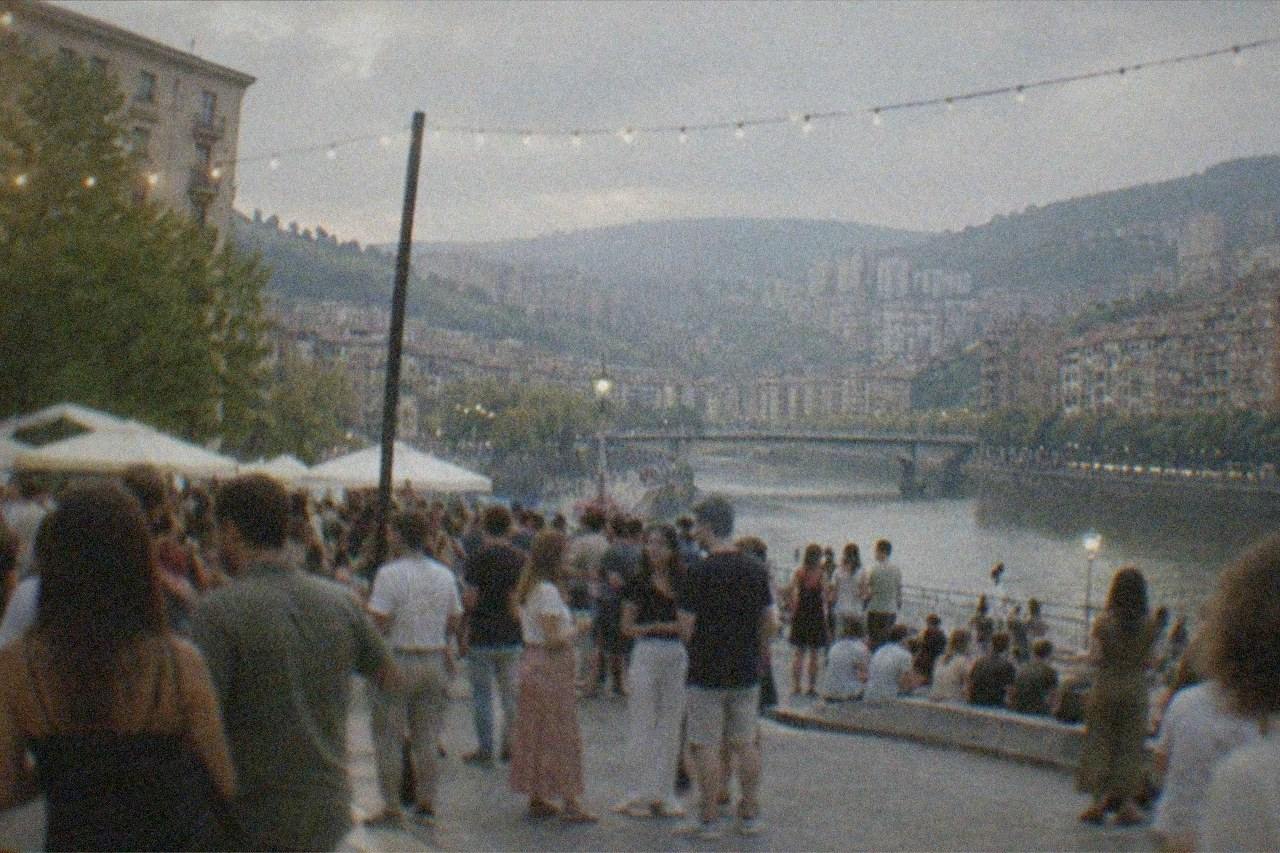
Aste Nagusia, Bilbao's Big Week, is the biggest festival in the Basque Country, and it lands every August in Bilbao, a city of 346,933 people (Eustat, 1 January 2025) on the tidal Nervion estuary in Biscay province, northern Spain. For nine days the whole town, locals and visitors together, moves outdoors: the txupin rocket fires from Plaza Arriaga on the first evening, fireworks crack over the river, txosnas (festival bars run by neighbourhood collectives) pour beer and txakoli in the streets, and free concerts run until the early hours. The 2026 edition runs 22 to 30 August, and this guide from Bilbao Travel Guide covers the verified schedule, the neighbourhoods where it all happens, what to eat and drink, and how to plan the practical side.
What Is Aste Nagusia In Bilbao?
Aste Nagusia, Basque for "Big Week", is Bilbao's main annual festival: nine days of concerts, fireworks, txosnas street bars, fairground rides and family events held across the city every August, organised around the municipal programme published by Bilbao city council. It is free to attend, citywide, and it is the single largest event on the Bilbao calendar, bigger in scale than any other festival covered on this site.
The name is Basque, and that matters. Bilbao sits in Euskadi, the Basque autonomous community, where Basque and Spanish coexist in official life. During Aste Nagusia you will hear both languages constantly, from the txupinera's Basque proclamation to the shouted "Gora Aste Nagusia" that opens the festival.
The structure of the week is unusually communal. The txosnas, the festival bars that anchor the party, are run by konpartsak, neighbourhood collectives that have held the franchise for decades. Each one has its own identity, its own decorations and its own soundtrack. This is not a festival staged for tourists; it is a festival locals build for themselves and happily share, which is exactly why visitors rate it so highly.
When Is Aste Nagusia 2026 And What Is The Schedule?
Aste Nagusia 2026 runs from Saturday 22 August to Sunday 30 August 2026, nine days in total. The txupin opening ceremony takes place on 22 August at 19:00 in Plaza Arriaga, with pregonera Onintza Enbeita and txupinera Ainhoa Urrejola, and the International Fireworks Competition fires at 22:30 on the nights of 22 to 29 August, plus an exhibition display on the 29th.
Those details come from the municipal programme on bilbao.eus and the dedicated festival site astenagusia.com, the two primary sources for the year's calendar. Daily concerts are staged in Abandoibarra, the riverside district between the Guggenheim and the Euskalduna Palace, alongside family activities programmed through the daytime hours.
| Festival anchor | 2026 date and time | Location |
|---|---|---|
| Txupin rocket and opening proclamation | 22 August, 19:00 | Plaza Arriaga |
| International fireworks competition | 22 to 29 August, 22:30 nightly | Over the city, per official programme |
| Fireworks exhibition display | 29 August | Per official programme |
| Daily concerts | Throughout the nine days | Abandoibarra |
| Txosnas street bars | 22 to 30 August | Neighbourhood sites across the city |
| Closing day | 30 August | Citywide |
One planning note worth flagging early: the dates shift each year because the festival is anchored to late August rather than a fixed week, so a 2027 trip needs the next official calendar, not this one. The fireworks competition is international, meaning visiting pyrotechnic companies compete, and the 22:30 slot is late enough that the whole evening programme runs on Spanish summer rhythms: dinner after the fireworks, txosnas until well past midnight.
Where Do The Main Aste Nagusia Events Happen In Bilbao?
The opening ceremony happens in Plaza Arriaga beside the Arriaga Theatre on the edge of the Casco Viejo, the Old Town; the main concert programme runs in Abandoibarra on the riverside by the Guggenheim and the Euskalduna Palace; and the txosnas spread across neighbourhood sites citywide, so the festival has no single venue, it takes over several districts at once.
The geography is walkable, which is the festival's quiet advantage. Plaza Arriaga, the Casco Viejo and the riverside Abandoibarra district sit within roughly twenty minutes of each other on foot, and the Casco Viejo Old Town area guide covers the Siete Calles, the seven original streets, where much of the street drinking and pintxos eating happens. Abandoibarra is Bilbao's modern showpiece district, and the architecture guide explains how the Guggenheim, the Euskalduna and the riverside promenade fit together.
| Festival zone | District | What happens there |
|---|---|---|
| Plaza Arriaga | Casco Viejo edge | Txupin opening, 22 August 19:00 |
| Abandoibarra | Riverside, Ensanche side | Daily concert programme |
| Casco Viejo | Old Town | Street crowds, pintxos bars, txikiteo crawls |
| Txosna sites | Various neighbourhoods | Collectively run festival bars |
| Fireworks viewing | Riverside and elevated spots | 22:30 displays, 22 to 29 August |
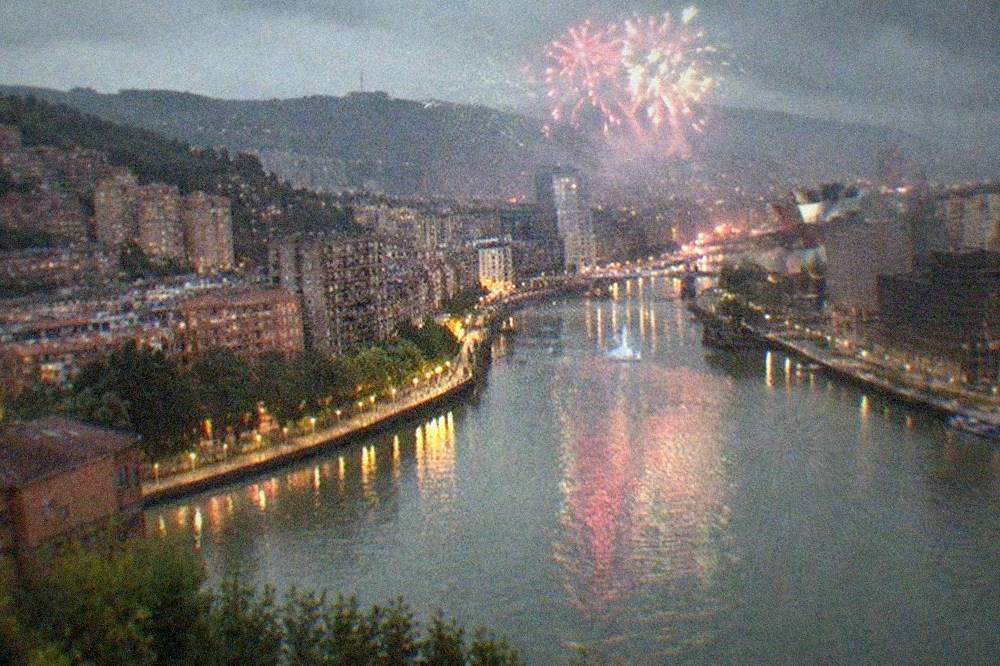
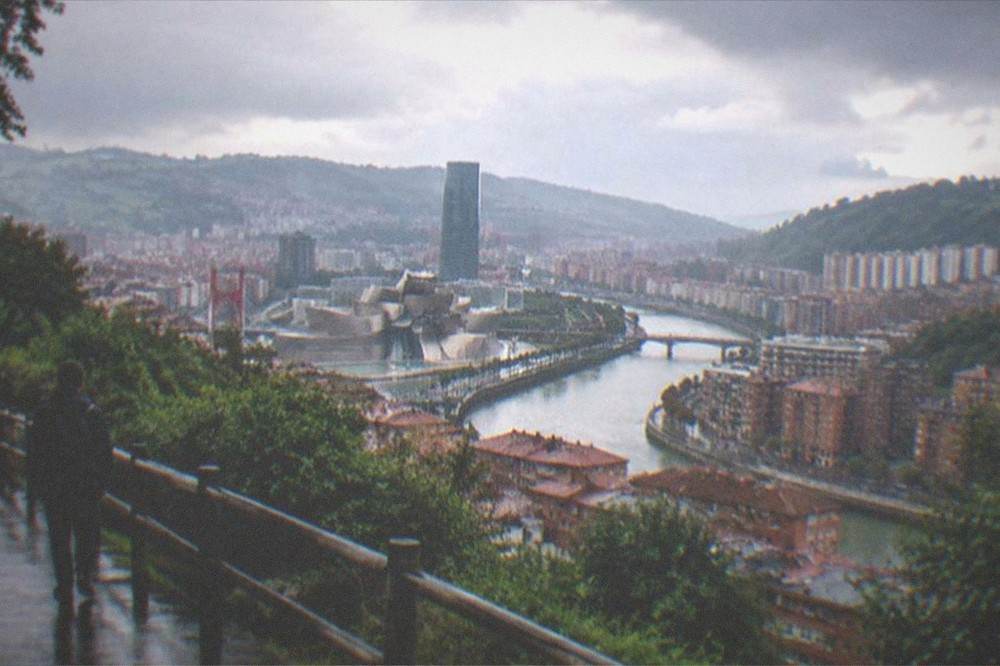
For first-time visitors the practical read is this: base yourself near the river between the Old Town and Abandoibarra and you can reach every headline event on foot. The riverside promenade is the natural place to watch the fireworks from, and the terraces fill early on competition nights. If you want a calmer angle on the city between festival nights, a guided walk is the efficient option, and the Chef-Led Wine and Food Walk pairs the Old Town with Basque wine in one evening.
The same walk works well as an early-evening warm-up before the fireworks at 22:30, since it finishes in the Old Town with the whole night still ahead of you. Slots during festival week fill faster than usual, so it is worth booking ahead rather than leaving it to arrival day.
What Should You Eat And Drink During Aste Nagusia In Bilbao?
Eat pintxos, the small Basque bar bites that anchor any Bilbao night out, and drink txakoli, the lightly sparkling local white wine, or zurito, the small beer poured at festival bars; during Aste Nagusia the txikiteo, the bar-to-bar pintxos crawl tradition, runs at full volume across the Casco Viejo, especially around Plaza Nueva where the classic bars cluster.
Recent local reporting puts typical pintxos prices at roughly 2 to 5 euro per piece at traditional bars, with a full crawl of four to six items plus drinks landing around 25 to 45 euro per person; drinks such as txakoli, zurito or wine typically run 2 to 3.50 euro. Those are planning ranges, not promises, so check the board in each bar. The best pintxos in Bilbao guide and the broader Bilbao food guide name the standout bars, several of them around Plaza Nueva, and the tapas versus pintxos explainer covers why the two words are not interchangeable.
| Festival food and drink | What it is | Typical planning cost |
|---|---|---|
| Pintxos | Small bar bites, cold or hot | Roughly 2 to 5 euro each |
| Txakoli | Lightly sparkling Basque white wine | Roughly 2 to 3.50 euro a glass |
| Zurito | Small beer, festival standard | Roughly 2 to 3.50 euro |
| Full txikiteo crawl | 4 to 6 pintxos plus drinks | Roughly 25 to 45 euro per person |
| Txosna drinks | Beer, kalimotxo and soft drinks at street bars | Priced at the bar, pay on the spot |
A food tour is the smartest shortcut during a festival week, when the best bars are loudest and hardest to read. The Chef-Led Wine and Food Walk runs three hours with a local chef leading the route; read about it on its own page or check the live listing. Check availability
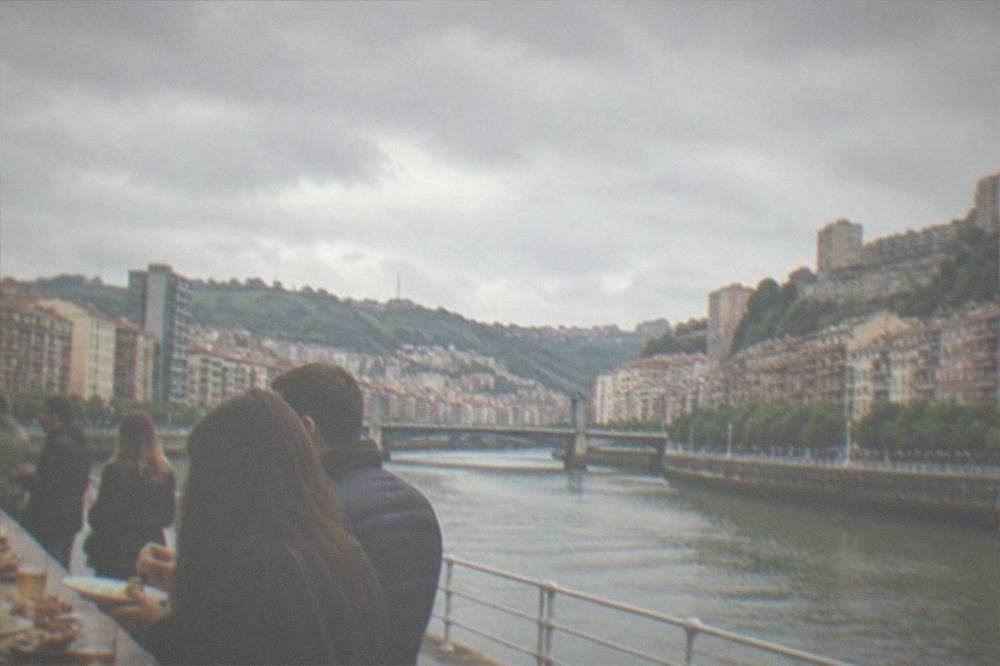
How Much Does Aste Nagusia In Bilbao Cost?
The street programme itself costs nothing: the opening ceremony, the concerts, the fireworks and the txosna atmosphere are all free to attend. Your real costs are food and drink, accommodation at peak-season rates, and transport, and a pintxos-heavy festival day budgets out at roughly 25 to 45 euro per person for eating and drinking, with accommodation the largest single line in any Aste Nagusia budget.
Accommodation during the last week of August is Bilbao's peak of the year, so book early and compare the trade-offs in the where to stay in Bilbao guide. For context on everyday costs, restaurant prices and museum tickets, the is Bilbao expensive guide breaks the city down against other Spanish destinations, and the currency, tipping and money guide covers cards, cash and how tipping works in pintxos bars.
One dated planning fact that affects 2027 bookings but not 2026 ones: a Bizkaia-wide tourist tax under Norma Foral 3/2026 takes effect on 1 January 2027, with Bilbao's approved municipal rates running from 1 euro per night at pensions up to 5 euro at five-star hotels and 6.50 euro for tourist apartments. Visitors in 2026 pay no tourist tax; visitors from 2027 onward should expect it, as reported in the September 2026 municipal approval.
| Budget line | Planning range | Notes |
|---|---|---|
| Street programme | 0 euro | Free: opening, concerts, fireworks |
| Pintxos day | Roughly 25 to 45 euro | 4 to 6 bites plus drinks |
| Museum add-on | 18 euro adult, Guggenheim | Official museum pricing |
| Tourist tax 2026 | None | Not in force before 1 January 2027 |
| Tourist tax 2027 | 1 to 6.50 euro per night | By accommodation category, as reported |
How To Get Around Bilbao During Aste Nagusia
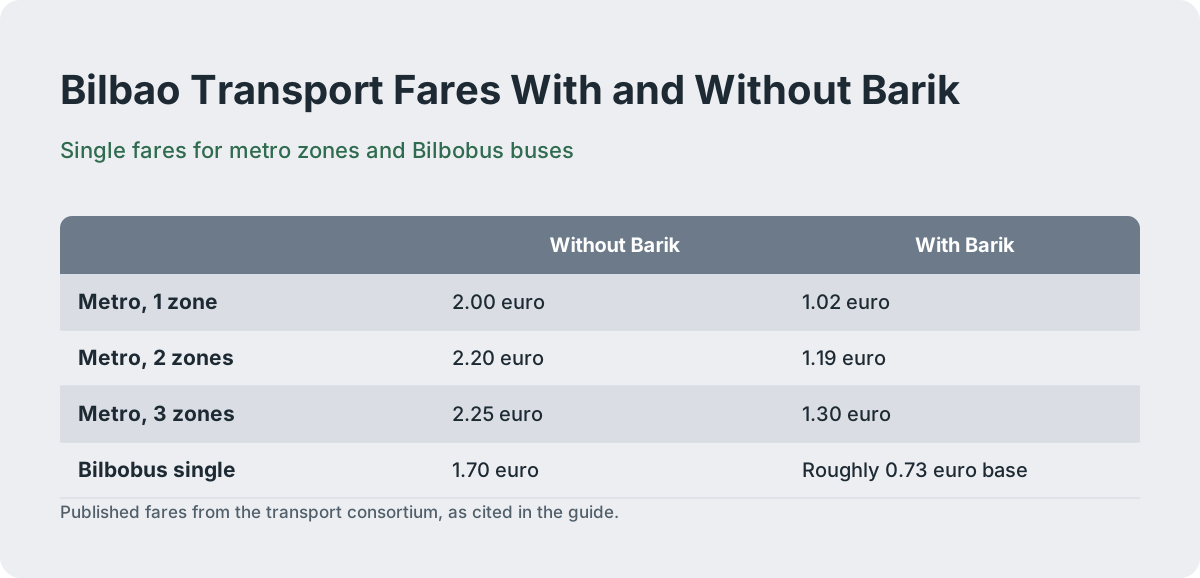
Bilbao's metro, tram, city buses and the Artxanda funicular all run during Aste Nagusia, and the cheapest way to ride them is the Barik card, which cuts a Zone 1 metro trip from 2.00 euro to 1.02 euro; the Bilbao Bizkaia Card adds unlimited transport for 10 euro per 24 hours plus attraction discounts, and during festival nights the riverside districts are close enough to walk between.
The fare figures come from the transport consortium's own published fares. Without a Barik card, metro singles cost 2.00 euro for one zone, 2.20 for two and 2.25 for three, valid two hours; with Barik Creditrans those drop to 1.02, 1.19 and 1.30 euro. A Bilbobus single is 1.70 euro without Barik, roughly 0.73 euro base with it, and the tram charges 0.74 euro flat with Barik. The Artxanda funicular, which lifts you to the hillside viewpoint over the city, costs 3.50 euro one way or 6.00 euro return, a single-source figure commonly reported from the operator's fares page. The getting around Bilbao transport guide and the Bilbao Bizkaia Card guide have the full detail.
| Transport | Without Barik | With Barik |
|---|---|---|
| Metro, 1 zone | 2.00 euro | 1.02 euro |
| Metro, 2 zones | 2.20 euro | 1.19 euro |
| Metro, 3 zones | 2.25 euro | 1.30 euro |
| Bilbobus single | 1.70 euro | Roughly 0.73 euro base |
| Tram, flat | Around 2.00 euro | 0.74 euro |
| Artxanda funicular | 3.50 euro one way, 6.00 return | Lower social tariffs reported |
Festival nights change the rhythm of the city: crowds pour out of concerts and txosnas at the same time, so allow longer for everything after 23:00. The nightlife guide maps the usual late-night geography, and the safety in Bilbao guide covers the standard urban precautions, which during Aste Nagusia mostly mean minding your phone and wallet in dense crowds.
What Is The Weather Like In Bilbao During Aste Nagusia?
Bilbao in late August is warm but not scorching, and rain is always possible: AEMET's 1981-2010 normals for Bilbao Aeropuerto station 1082 give August a mean temperature of 20.9 C with 76 mm of rain across the month, and September a mean of 19.2 C with 73 mm, so pack for warm evenings, occasional showers and late-night cool.
Bilbao's climate is temperate oceanic, Atlantic-influenced, never Mediterranean, and the numbers bear it out: the wettest month of the year is November at 147 mm and the driest is July at 50 mm, with 1,134 mm falling annually. August sits comfortably in the good half of that curve, which is one reason the festival is scheduled where it is. The Bilbao weather guide has the full monthly table, and packing light layers for the late evenings is the practical translation of those numbers.
| Month | Mean temperature | Precipitation |
|---|---|---|
| June | 18.4 C | 60 mm |
| July | 20.4 C | 50 mm |
| August | 20.9 C | 76 mm |
| September | 19.2 C | 73 mm |
How Does Aste Nagusia Compare With Bilbao's Other Big Events?
Aste Nagusia is Bilbao's largest festival, but the city's calendar has three other headline events: BBK Live, the rock festival at Kobetamendi confirmed for 8 to 10 July 2027 with no lineup announced yet, Bilboko Kalealdia, the street theatre festival that ran 29 June to 4 July 2026, and BIME Live, reported for 27 to 30 October 2026, so the choice between them is really a choice of month and mood.
The difference is scale and shape. Aste Nagusia is a city festival, free, diffuse, built around evenings and open to everyone without a ticket. BBK Live is a ticketed camping-site festival on the hill above the city, covered in full in the BBK Live festival guide. Kalealdia fills the streets with performance in early summer, and BIME Live, reported by a secondary aggregator rather than an official source, lands in late October.
| Event | Dates | Format | Ticketing |
|---|---|---|---|
| Aste Nagusia | 22 to 30 August 2026 | Citywide street festival | Free street programme |
| BBK Live | 8 to 10 July 2027 | Music festival, Kobetamendi | Ticketed |
| Bilboko Kalealdia | 29 June to 4 July 2026 | Street theatre festival | Free, as programmed |
| BIME Live | 27 to 30 October 2026, as reported | Multi-genre music, exhibition centre | Ticketed |
Travellers weighing the Basque Country's two big cities should also read the Bilbao versus San Sebastián comparison: San Sebastián has its own late-August Semana Grande, and the two festivals overlap, which matters if you plan to move between the cities during the same week.
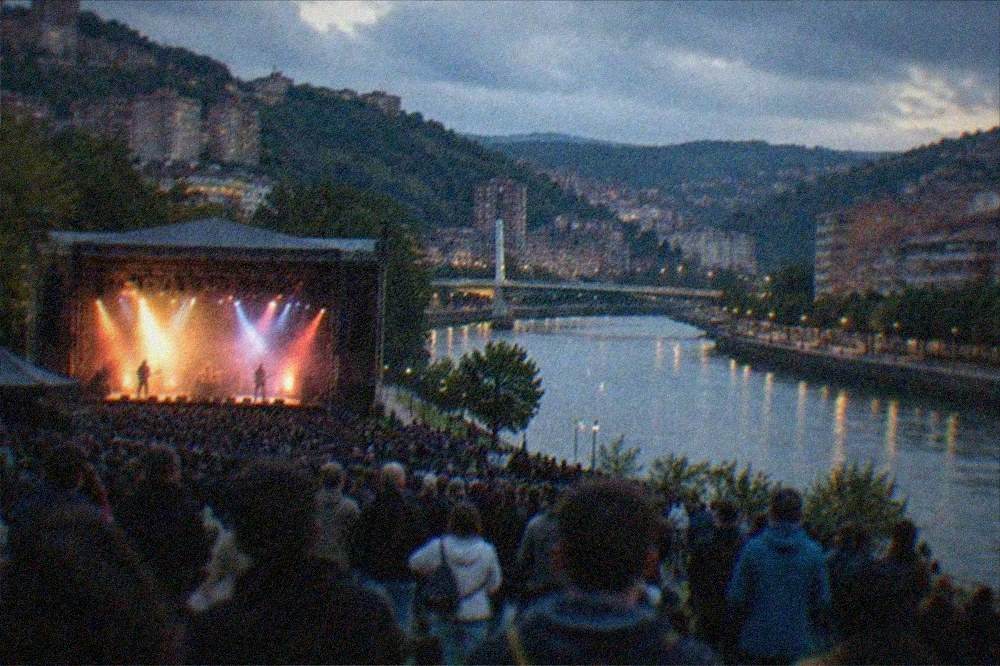
What Should You Know Before Booking A Trip For Aste Nagusia In Bilbao?
Book accommodation months ahead, fly into Bilbao Airport and take the A3247 Bizkaibus into town for 5 euro, arrive a day early to find your bearings, and plan a daytime escape such as a Rioja wine tour or a coastal walk to balance the late festival nights; Spain is a founding Schengen member, so travellers already inside the Schengen area cross with no visa gate at all.
The airport connection is simple and cheap: the A3247 runs every 15 minutes, roughly 06:10 to 23:40 from the airport and 05:00 to 22:00 from the city, taking 15 to 25 minutes, with the occasional ticket at 5 euro without a Barik card. A taxi to the centre runs approximately 24 to 29 euro depending on the fare band, with no airport supplement. There is no metro or rail link to the airport, and the city council's own position is that none arrives before 2035. The Bilbao airport guide has the full arrival picture.
For daytime recovery between festival nights, two wine-country day trips fit the week well. The Rioja and Laguardia tour runs eight hours into Spain's most famous wine region, and the Vitoria and Rioja tour pairs a winery visit with the Basque capital city.
Both trips return to Bilbao by early evening, which leaves the night free for the txosnas and the 22:30 fireworks, and neither requires any planning beyond a booking, since transport and tastings are handled by the operator.
If the hillside wine region appeals more than the city bars, the Vitoria and Rioja option is the one that adds a second city to the same day, with a winery stop built in.
Accessibility is worth planning too: the whole transport network, metro, buses and tram, is built for reduced mobility, and the accessibility guide details what to expect across the city.
Common Questions About Aste Nagusia In Bilbao
What Is Aste Nagusia In Bilbao?
Aste Nagusia, Basque for "Big Week", is Bilbao's main annual festival: nine days of concerts, fireworks, txosnas street bars and family events held across the city each August, with a free street programme organised by the city council.
When Is Aste Nagusia 2026?
Aste Nagusia 2026 runs from Saturday 22 August to Sunday 30 August 2026, nine days in total, with the txupin opening on 22 August at 19:00 in Plaza Arriaga.
Is Aste Nagusia Free?
Yes, the core street programme is free: the opening ceremony, the daily concerts in Abandoibarra and the nightly fireworks at 22:30 all cost nothing to attend. You pay only for food, drinks at the txosnas and any optional tours or museum visits.
Where Is The Best Place To Watch The Aste Nagusia Fireworks?
The riverside promenade between the Casco Viejo and Abandoibarra is the natural viewing ground for the 22:30 displays, and terraces fill early on competition nights from 22 to 29 August. Elevated spots such as the Artxanda hillside, reached by the funicular, offer a wider panorama.
What Should You Eat During Aste Nagusia?
Pintxos, the small Basque bar bites, paired with txakoli wine or a zurito beer. A typical txikiteo crawl of four to six pintxos plus drinks plans out at roughly 25 to 45 euro per person, with individual pieces typically 2 to 5 euro.
Is Bilbao Crowded During Aste Nagusia?
Yes, the last week of August is Bilbao's busiest of the year, with the whole city participating alongside visitors. Book accommodation well ahead, expect crowds around Plaza Arriaga, the Casco Viejo and Abandoibarra in the evenings, and allow extra time on transport after 23:00.