Getting Around Bilbao
Bilbao is a compact, walkable city with one of Spain's most integrated public transport systems, and almost every visitor can cover it on a single Barik card.
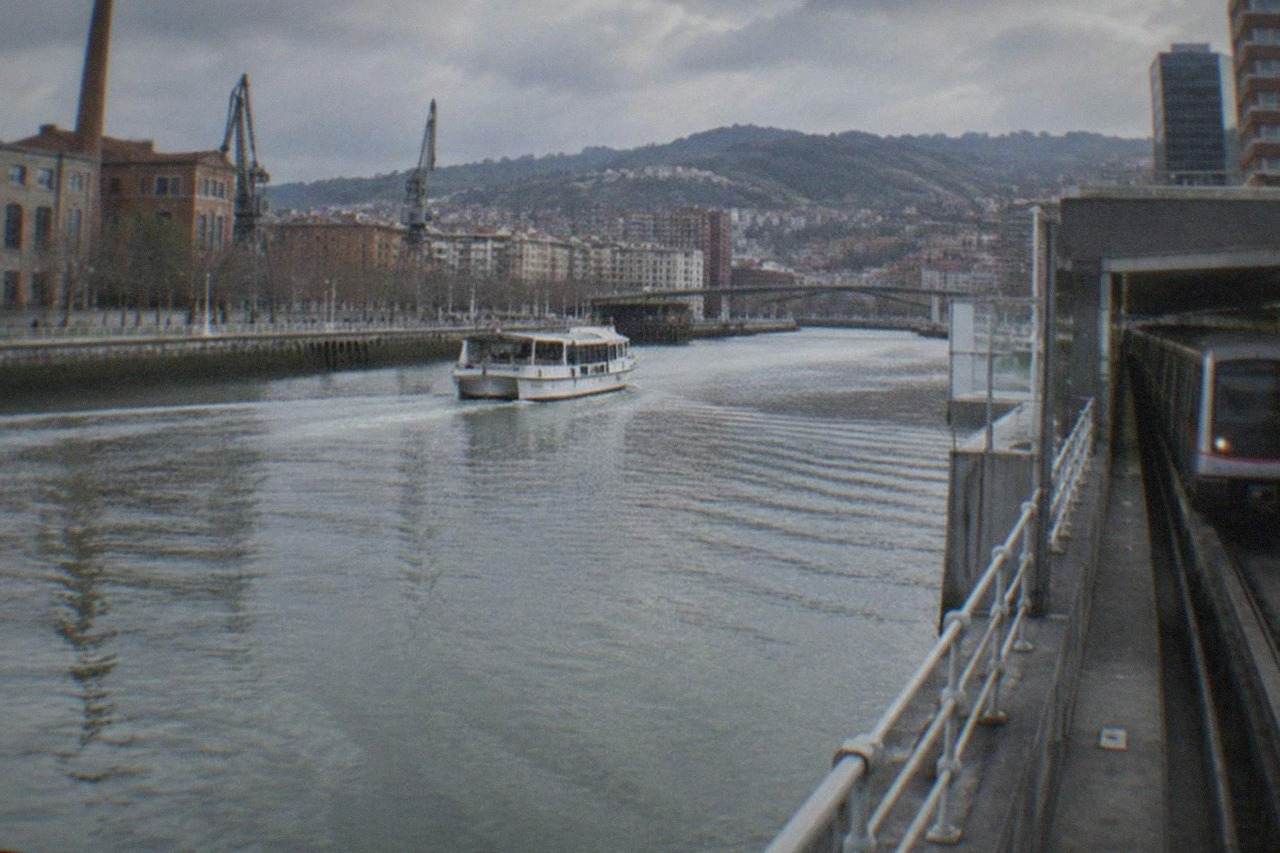
Short answer
Buy a Barik card on arrival, use Metro Bilbao and the tram for the core sights, and take Bizkaibus or Euskotren for coastal day trips. A single metro journey costs 2.00 EUR without Barik and 1.02 EUR with it.
Bilbao sits on the tidal Nervion/Ibaizabal estuary in Biscay (Bizkaia) province, Basque Country, northern Spain, and the city's transport network is one of the quiet reasons it works so well for visitors. The metro, tram, city buses, regional buses, suburban trains and two funiculars all sit under one fare consortium, one card and one tap-in system, which is rare for a city of about 346,933 residents (Eustat, 1 January 2025). This guide from Bilbao Travel Guide lays out every mode, every verified fare and the decisions that actually save money, whether the plan is a weekend in the Casco Viejo or a day trip to the coast.
How Does Public Transport In Bilbao Work?
Bilbao's public transport runs on one integrated system, the Consorcio de Transportes de Bizkaia (CTB), where a single Barik card pays for Metro Bilbao, the Bilbao Tram, Bilbobus city buses, Bizkaibus regional buses, Euskotren trains and the Artxanda funicular, all under one zonal fare structure covering the whole province. Fares are zonal across all of Biscay, so the same card and the same fare logic cover a two-stop metro hop and a bus ride to the coast. The CTB Barik fares page gives the numbers directly, and the discounts for using the card instead of cash tickets are large enough that almost every visitor should buy one on day one.
The card itself is the whole trick. The CTB's own tariff page lists the journey prices with and without Barik, and the gap is roughly half on the metro. The card purchase price is commonly reported at around 3 EUR, non-refundable, usually with a minimum top-up, though that purchase figure comes from secondary sources rather than an official CTB page, so treat it as reported rather than guaranteed. Top it up at machines in metro and tram stations.
One thing the pack of verified facts is clear about: there is no bike-share scheme confirmed for Bilbao in any official source here, so this guide stays silent on it rather than guessing. For cycling as an activity rather than a commute, the Bilbao cycling routes guide covers riverside paths and hire options that were checked separately.
| Mode | Operator | Coverage | Barik accepted |
|---|---|---|---|
| Metro | Metro Bilbao | City centre to both estuary banks, up the coast to Getxo and Plentzia | Yes |
| Tram | Euskotren Tranbia | Atxuri to Basurado via Casco Viejo, Abando, Guggenheim | Yes |
| City bus | Bilbobus | All Bilbao neighbourhoods | Yes |
| Regional bus | Bizkaibus | Whole Biscay province, including the airport line | Yes |
| Suburban train | Euskotren | Bermeo, Mundaka, Gernika, Donostia direction | Yes |
| Funicular | Funicular de Artxanda | Campo Volantin to Artxanda hill | Yes |
What Does The Metro Cost, And Where Does It Go?
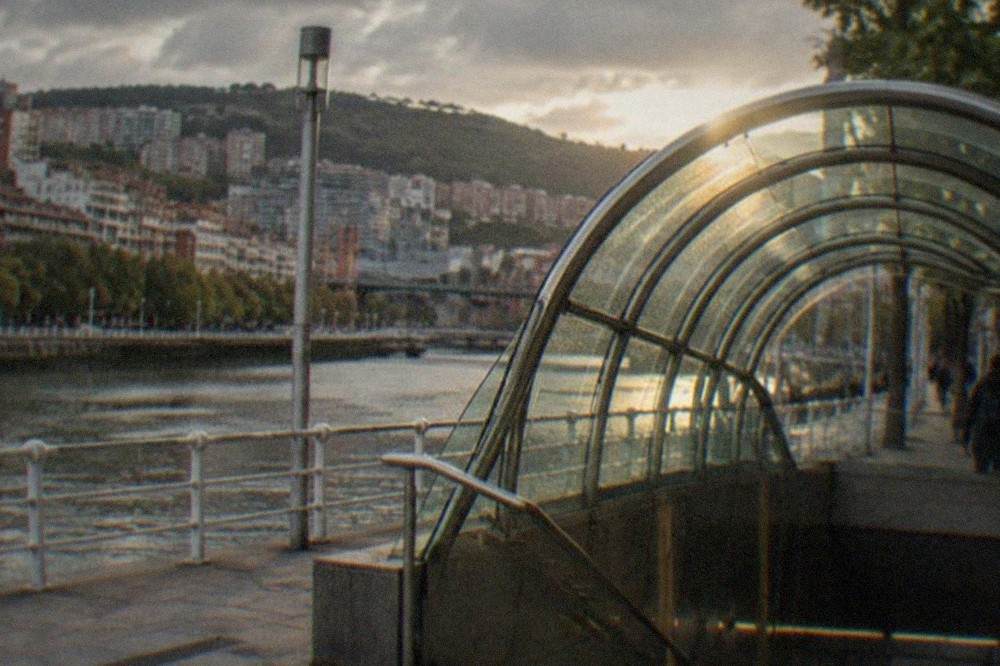
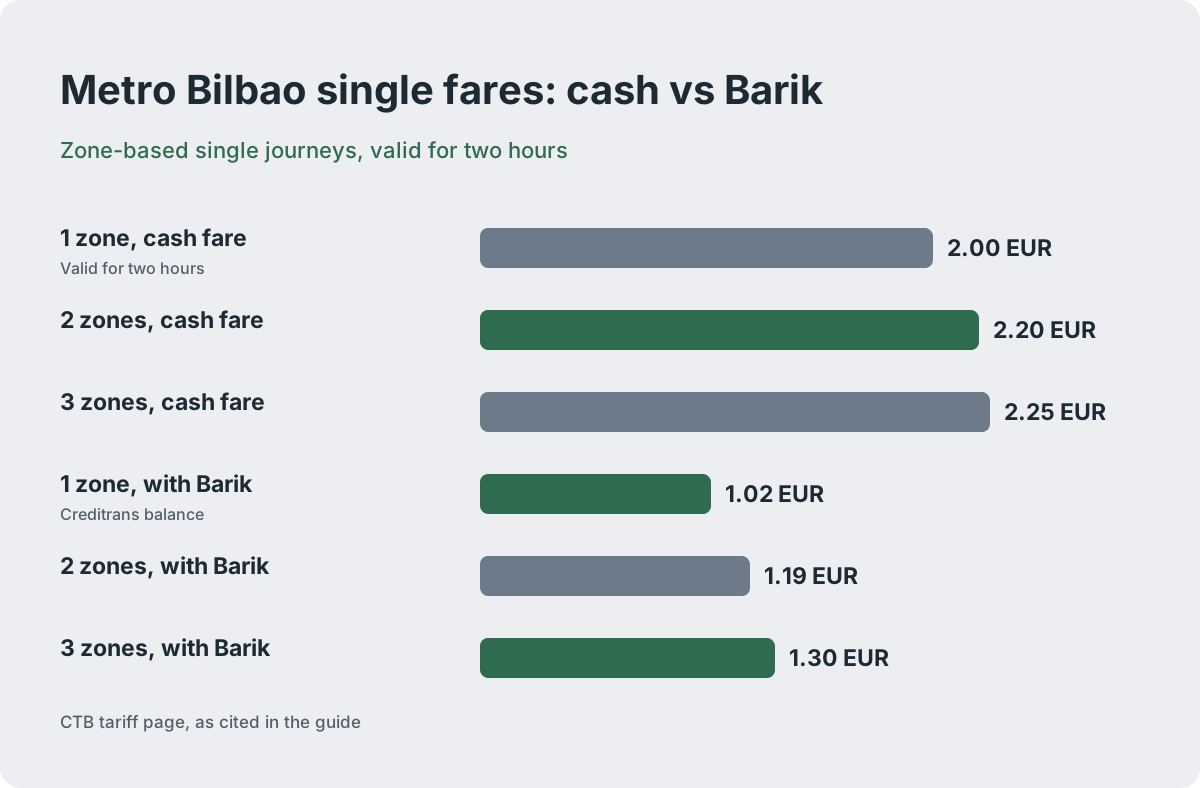
A Metro Bilbao journey without a Barik card costs 2.00 EUR for one zone, 2.20 EUR for two zones and 2.25 EUR for three zones, valid for two hours; with a Barik Creditrans balance the same journeys cost 1.02 EUR, 1.19 EUR and 1.30 EUR. Those figures come from the CTB's own tariff page, content-checked directly, and they are the single most useful numbers in this guide. The two-line network is genuinely pleasant to use, and its station entrances with curved glass canopies have become a city landmark in their own right.
Line 1 runs along the right bank of the estuary out to the coast at Getxo and Plentzia, which is exactly the ride for the Vizcaya Bridge or a beach afternoon at Sopelana. Line 2 crosses to the left bank and serves San Mames, useful on stadium-tour days described in the San Mames guide. Both lines share the central tunnel through Abando, Moyua and Casco Viejo, so the tourist core rarely needs a decision between them.
Zones matter more than lines for the fare. Central Bilbao to Getxo is a two-zone ride, which is why the Barik saving compounds fast on a coastal day. The metro is also the accessibility benchmark of the network: Metro Bilbao's own 2025 accessibility brochure details elevators at stations, tactile paving, wide validators and reserved wheelchair spaces in the first and last cars, all covered in more depth in the Bilbao accessibility guide.
Should You Get A Barik Card Or A Bilbao Bizkaia Card?
The Barik card is a pay-as-you-go purse for transport only, while the Bilbao Bizkaia Card is a fixed-price tourist pass at 10 EUR for 24 hours, 15 EUR for 48 hours and 20 EUR for 72 hours, adding unlimited transport plus museum fast passes and discounts. The Bilbao Bizkaia Card site states those prices and the benefit list directly, and the card is personal and non-transferable, sold at Bilbao Turismo offices at Plaza Circular and near the Guggenheim. The choice is pure arithmetic: heavy users and museum-goers benefit from the tourist pass, light users do better on Barik.
For a typical two-day visit, count the journeys. Four metro rides plus a tram plus a funicular round trip already pushes past the 48-hour pass price at cash fares, before any museum perk. But a visitor who walks the compact centre, as most do, and rides the metro twice might never clear the bar. The Bilbao Bizkaia Card guide works through the break-even sums with the full benefit list.
| Option | Upfront cost | What it covers | Best for |
|---|---|---|---|
| Cash single, metro | 2.00 EUR per 1-zone ride | One journey, 2h validity | One-off trips |
| Barik Creditrans | Card ~3 EUR as reported, plus balance | Discounted fares on every CTB mode | Stays of any length |
| Bilbao Bizkaia Card 24h | 10 EUR | Unlimited transport, discounts, fast passes | One packed day |
| Bilbao Bizkaia Card 48h | 15 EUR | Same, two days | Weekend visitors |
| Bilbao Bizkaia Card 72h | 20 EUR | Same, three days | City plus day trips |
How Do You Get From Bilbao Airport To The City Centre?
The Bizkaibus A3247 runs from Bilbao Airport every 15 minutes, roughly 06:10 to 23:40 from the airport and 05:00 to 22:00 from the city, takes 15 to 25 minutes and costs 5 EUR without a Barik card, with Barik paying about 1.19 EUR or less. Aena's own airport pages and the Bizkaibus site give those schedules and the fare, and the bus stops at Termibus, Gran Via, Plaza Moyua and Alameda Recalde, which covers nearly every hotel district. A taxi to the centre runs roughly 24 to 29 EUR with no airport supplement.
Two facts worth internalising before landing. First, there is no metro or train link to Bilbao Airport, and the city council's own position is that none arrives before 2035, so any itinerary that assumes a rail connection is wrong. Second, a 364 million euro terminal expansion approved in September 2026 will eventually double the boarding bridges, but completion is not expected until around 2032, so nothing changes for current visitors. The full arrival playbook, including the taxi fare bands, is in the Bilbao airport guide.
Is Bilbao Walkable, Or Do You Need Transport At All?
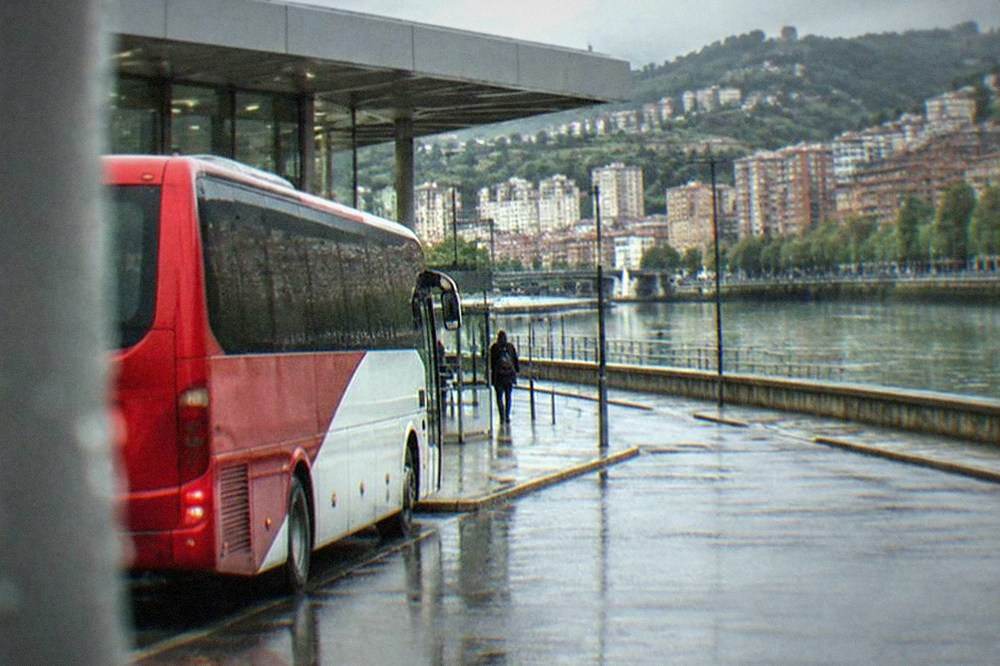
Bilbao's core is genuinely walkable: the Casco Viejo, the Abando centre, the Guggenheim and the riverside promenades sit within roughly a 30-minute walk of each other, connected by flat quays and a handful of bridges, so walking covers far more ground here than riding does. The one exception is the climb to Artxanda viewpoint, which is exactly what the funicular exists for. Steep side streets in Ibaiondo and the hills above the estuary reward the vertical-transport options the city has built.
The one day in Bilbao itinerary is doable entirely on foot with a single funicular ride. For two or three days, transport earns its keep on the coastal legs: the Getxo and Mundaka pages both describe estuary-mouth destinations that are metro or train rides, not walks. Rain shapes this decision more than distance, and the Bilbao weather guide explains why November, the wettest month at 147 mm in AEMET's station-1082 normals, is when the metro's covered stations matter.
Walking also happens to be how the city's food culture is consumed. Pintxos bars cluster in the Seven Streets and Plaza Nueva, and a txikiteo crawl is a walking route by definition, as the best pintxos in Bilbao guide lays out street by street.
What Does The Tram, The Bus And The Funicular Cost?
The Bilbao Tram charges a flat 0.74 EUR with Barik and about 2.00 EUR for an occasional single; Bilbobus charges 1.70 EUR cash or about 0.73 EUR base with Barik, effectively lower after the frequent-user discount; and the Funicular de Artxanda is reported at 3.50 EUR one-way and 6.00 EUR round-trip. The tram and bus figures come from the CTB and Bilbao city tariff pages, while the funicular fares are a single-source claim from the operator's fares page that was not independently fetched, so treat them as reported.
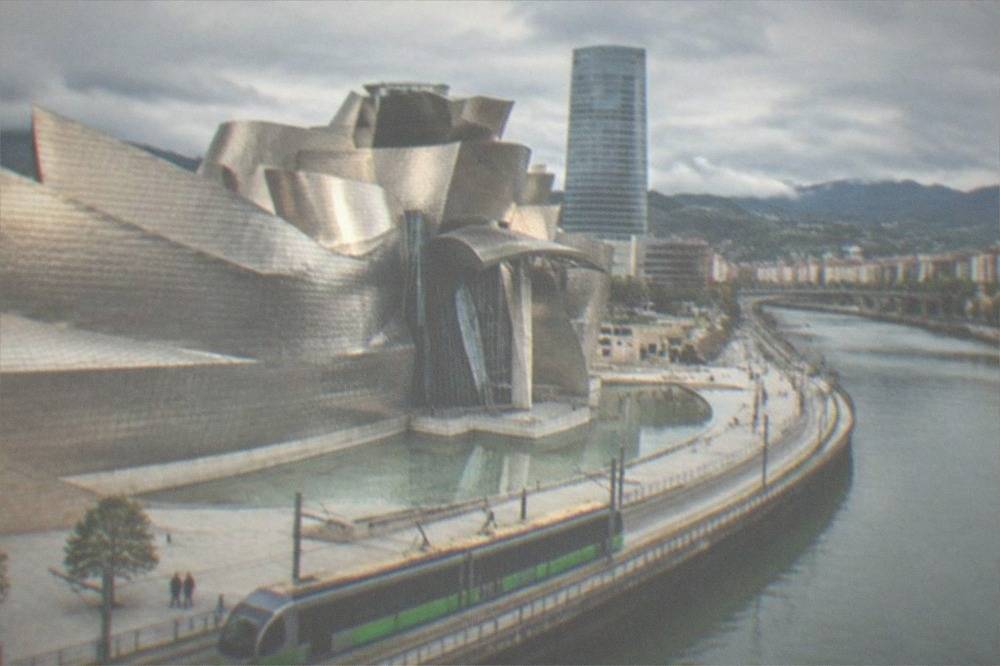
The tram is the tourist's friend: it runs from Atxuri through the Casco Viejo, past Abando station and the Guggenheim to Basurto, hitting most landmark doors directly. The ria de Bilbao boat tour guide covers the estuary itself, which is the other flat way to see the same stretch. Bilbobus fills the gaps on the hills and reaches neighbourhoods the rails skip, like the ones described in Basurto and Deusto.
The funicular deserves its fare. It climbs from Campo Volantin to the Artxanda ridge in about three minutes, running every 10 minutes at peak times and 15 otherwise, and the upper station has a lift to street level, with a companion of a wheelchair user travelling free per the accessible-tourism writeup. The view over the city is the single best orientation moment a first-time visitor gets, detailed further in the Artxanda funicular guide.
| Mode | Cash single | With Barik | Notes |
|---|---|---|---|
| Metro, 1 zone | 2.00 EUR | 1.02 EUR | 2h validity |
| Metro, 2 zones | 2.20 EUR | 1.19 EUR | Covers Getxo coast |
| Metro, 3 zones | 2.25 EUR | 1.30 EUR | Outer Biscay |
| Tram, flat | ~2.00 EUR | 0.74 EUR | Atxuri to Basurto |
| Bilbobus | 1.70 EUR | ~0.73 EUR base | Whole city network |
| Bizkaibus | Higher by zone | 1.02-2.45 EUR | Regional, incl. airport line |
| Funicular de Artxanda | 3.50 EUR one-way | Lower tariffs exist | Round-trip 6.00 EUR as reported |
How Do You Get To The Basque Coast And Day-Trip Towns Without A Car?
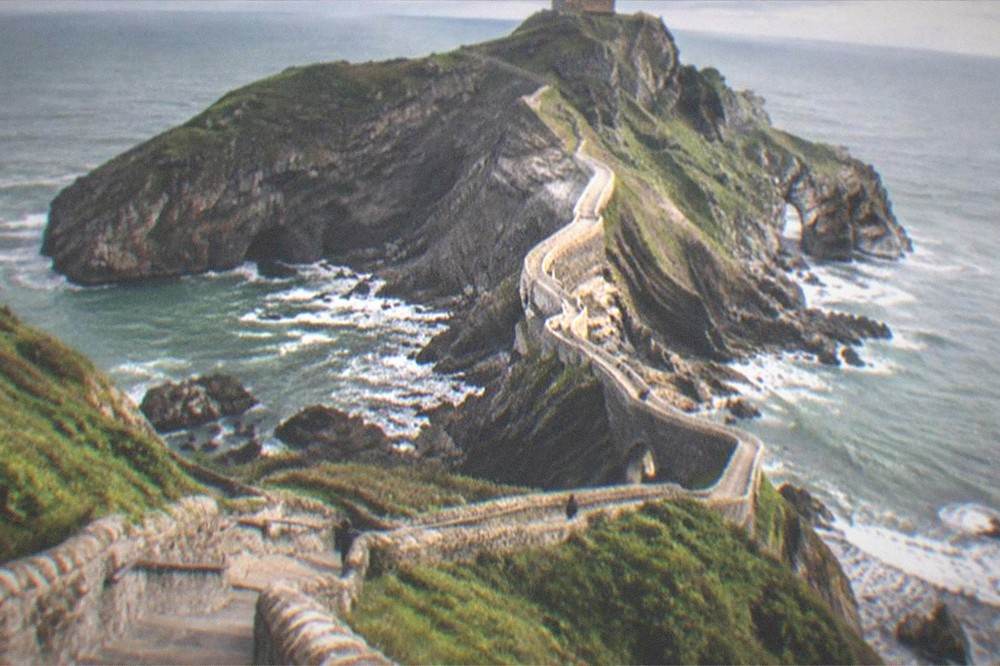
Euskotren reaches Bermeo in about 1h 21m and Mundaka in about 1h 16m from the Casco Viejo stations, Metro Line 1 reaches Getxo in under half an hour, and Bizkaibus lines serve Gaztelugatxe-area stops in roughly 1h 10m to 2h, all payable with the same Barik card. Those journey times come from the verified day-trip research in this site's facts pack, and they make the Urdaibai coast a genuine no-car proposition. The Urdaibai biosphere reserve guide and the Gaztelugatxe guide cover what to do at the far end.
The San Sebastián route is the one exception where the bus beats the train. Direct coaches from Bilbao Intermodal take about 1h 20m, while the Euskotren coastal route runs close to three hours, scenic but slow. The trade-offs are laid out in both the San Sebastián day trip guide and the Bilbao vs San Sebastián comparison.
Guided tours remove the timetable work entirely. The 3.5-hour coastal walk tour pairs Gaztelugatxe with a Basque coast hike, and its details live on the San Juan de Gaztelugatxe and Basque coast walk page, with live availability at Check availability. A longer option with access arrangements handled is the Gaztelugatxe access, Bermeo and Gernika guided tour, and the ten-hour coastal loop covering Mundaka and Gernika sells on its own listing.
| Destination | Best public option | Rough one-way time | Fare basis |
|---|---|---|---|
| Getxo / Vizcaya Bridge | Metro Line 1 | 28-29 min | 2 zones, 1.19 EUR with Barik |
| Bermeo | Euskotren | ~1h 21m | Zonal Barik fare |
| Mundaka | Euskotren | ~1h 16m | Zonal Barik fare |
| Gaztelugatxe area | Bizkaibus | ~1h 10m-2h | 2-4 EUR approx. |
| San Sebastián | Direct coach | ~1h 20m | ~8-19 EUR range, operator-set |
| Vitoria-Gasteiz | Coach | ~1h-1h 32m | ~6-7 EUR approx. |
Do You Need A Taxi Or Rideshare In Bilbao?
Taxis in Bilbao are metered under regulated tariffs, with an airport-to-centre ride costing roughly 24 to 29 EUR across the day and night fare bands, no airport supplement, and the Artxanda tunnel toll included in the guidance price, so a taxi is a short-hop tool rather than a daily transport plan. Those prices attach specifically to the airport run; ordinary in-city hops are metered and not quoted here because no in-city fare table exists for them.
Rideshare apps operate where available, but the pack confirms no dedicated premium airport express beyond the public A3247 bus, so there is no faster public option to pay up for. The practical taxi moments are few: late nights after the metro closes, reaching Lekeitio or Ondarroa where rail does not run, or luggage-heavy airport runs at 05:00 before the first bus. The Bilbao taxi and Uber guide covers the rest.
When Does Bilbao Public Transport Not Run, And What About Events?
Aste Nagusia, Bilbao's nine-day festival running 22 to 30 August 2026 with the txupin opening at 19:00 on 22 August in Plaza Arriaga, is the one period when normal transport assumptions bend, as the Aste Nagusia guide details, though the pack gives no specific altered timetable, so check operator notices for festival-week service changes. The same caution applies to BBK Live, held 8 to 10 July 2027 at Kobetamendi, where shuttle and extra-service arrangements are announced by the festival rather than fixed in any verified source here.
Ordinary service patterns are generous by Spanish standards: the metro runs late into the night, the A3247 airport bus spans 05:00 to 23:40 across both directions, and the funicular runs every 10 minutes at peak. What the pack does not give, and this guide will not invent, is exact last-train times per line, holiday reductions or engineering works. Those live on operator pages and change often enough that any printed number would be stale before the season turns.
Weather is the other schedule factor. With 1,134 mm of rain a year in AEMET's station-1082 normals and November the wettest month at 147 mm, the covered metro network is the mode that keeps a rainy-day plan, like the rainy day Bilbao itinerary, moving without umbrellas.
Is Driving In Bilbao Worth It?
Driving inside Bilbao is more burden than benefit, because the centre is compact, parking is scarce, and the metro, tram and bus network covers nearly everything a visitor needs, so a car only earns its cost for rural day trips at the pace of the Bilbao with a car and parking guide. The verified day-trip research gives drive times shorter than transit, roughly 30 to 45 minutes to Gaztelugatxe against over an hour by bus, which is the honest case for four wheels. Everything else points the other way.
The coastal rail-and-bus spine is good enough that most itineraries in the three days in Bilbao guide never need a ignition key. Where a car does pay, the renting a car in Bilbao guide covers the practicalities, and the Rioja wine day trip guide is the classic car-or-tour decision, since the wineries cluster around Haro and Laguardia.
For the tour-instead-of-wheel option, the ten-hour excursion covering San Sebastián, Hondarribia, Hendaye and Getaria handles all the driving, and its details live on the San Sebastian, Hondarribia, Hendaye and Getaria excursion page. Coach-based touring along the Basque coast costs about 50 EUR per person on the verified listings in this site's tour roster, with the exact price on each live listing.
For groups that prefer their coastal day at a slower walking pace, the second tour-pick band below stacks the three coastal options side by side, including the guided tour just above and the two long-haul excursions that also handle the driving question.
What Transport Mistakes Do First-Time Visitors Make In Bilbao?
The three mistakes that cost real money are paying cash fares on the metro instead of loading a Barik card, assuming a train runs to the airport when only the A3247 bus does, and booking coastal day trips without checking the Gaztelugatxe reservation calendar, where controlled-access days from roughly mid-June to about 20 September require a free timed ticket capped at 1,462 daily visitors. Every one of those comes from a verified source in this site's facts pack, and none is obvious from a first page of search results.
The Gaztelugatxe reservation is the one with teeth. Booking is always free through tiketa.eus, up to 10 people per reservation, and reservations are typically cancelled 60 minutes after the slot if you are late, but on non-controlled days access needs no ticket at all. As of the most recent reporting, access reverted to free and unreserved from 21 September 2026 through the end of September. A guided tour that includes access arrangements removes the calendar risk, which is exactly what the Gaztelugatxe access tour sells.
The airport assumption is the second. Every official source confirms no metro or train link to Bilbao Airport, and none is expected before 2035 per the city council's own position, so the 5 EUR bus or a roughly 24 to 29 EUR taxi are the only two options, both covered above. The third mistake is softer: visitors who never ride the funicular or the tram miss the two modes that give Bilbao its best views for pocket-change fares.
| Mistake | What it costs | The fix |
|---|---|---|
| Cash metro fares | ~2x every journey | Buy a Barik card day one |
| Expecting an airport train | No such link exists | A3247 bus, 5 EUR, every 15 min |
| Skipping the Gaztelugatxe calendar | Turned away on controlled days | Free ticket via tiketa.eus, or a tour with access |
| Ignoring the tram | Missing the Guggenheim doorstop ride | Flat 0.74 EUR with Barik |
| Walking to Artxanda | A long steep climb | Funicular, 3 min, as reported 3.50 EUR |
Common Questions About Getting Around Bilbao
How much does the metro cost in Bilbao?
A single metro journey without a Barik card costs 2.00 EUR for one zone, 2.20 EUR for two and 2.25 EUR for three, valid two hours. With a Barik Creditrans balance the same rides cost 1.02 EUR, 1.19 EUR and 1.30 EUR per the CTB's own tariff page.
Is there a train from Bilbao Airport to the city centre?
No. There is no metro or train link to Bilbao Airport, and the city council's own position is that none arrives before 2035. The Bizkaibus A3247 runs every 15 minutes for 5 EUR without Barik, and a taxi costs roughly 24 to 29 EUR.
Should I buy a Barik card or a Bilbao Bizkaia Card?
Barik is pay-as-you-go transport only; the Bilbao Bizkaia Card costs 10 EUR for 24 hours, 15 EUR for 48 and 20 EUR for 72, adding unlimited transport plus museum fast passes and discounts. Heavy riders and museum visitors clear the pass price; light riders do better on Barik.
Can you get to Gaztelugatxe by public transport?
Yes, Bizkaibus lines serve the area in roughly 1h 10m to 2h from central Bilbao, and Euskotren reaches nearby Bermeo in about 1h 21m. On controlled-access days, roughly mid-June to about 20 September, a free timed reservation via tiketa.eus is required, capped at 1,462 visitors a day.
Is Bilbao walkable without using transport?
The core is: the Casco Viejo, Abando and the Guggenheim sit within about a 30-minute walk of each other on flat quays. The Artxanda hill is the exception, which is what the funicular, reported at 3.50 EUR one-way, is for.
Do Bilbao taxis charge an airport supplement?
No airport supplement applies, and the Artxanda tunnel toll is included in the guidance price of roughly 24 to 29 EUR for a centre run across the day and night fare bands. In-city hops are metered under regulated tariffs.
The short version of all of this: buy a Barik card at the first machine, let the metro and tram carry the city legs, save the taxi money for the airport run, and let a guided coastal tour handle the one stretch where timetables get complicated.