Sopelana Beach
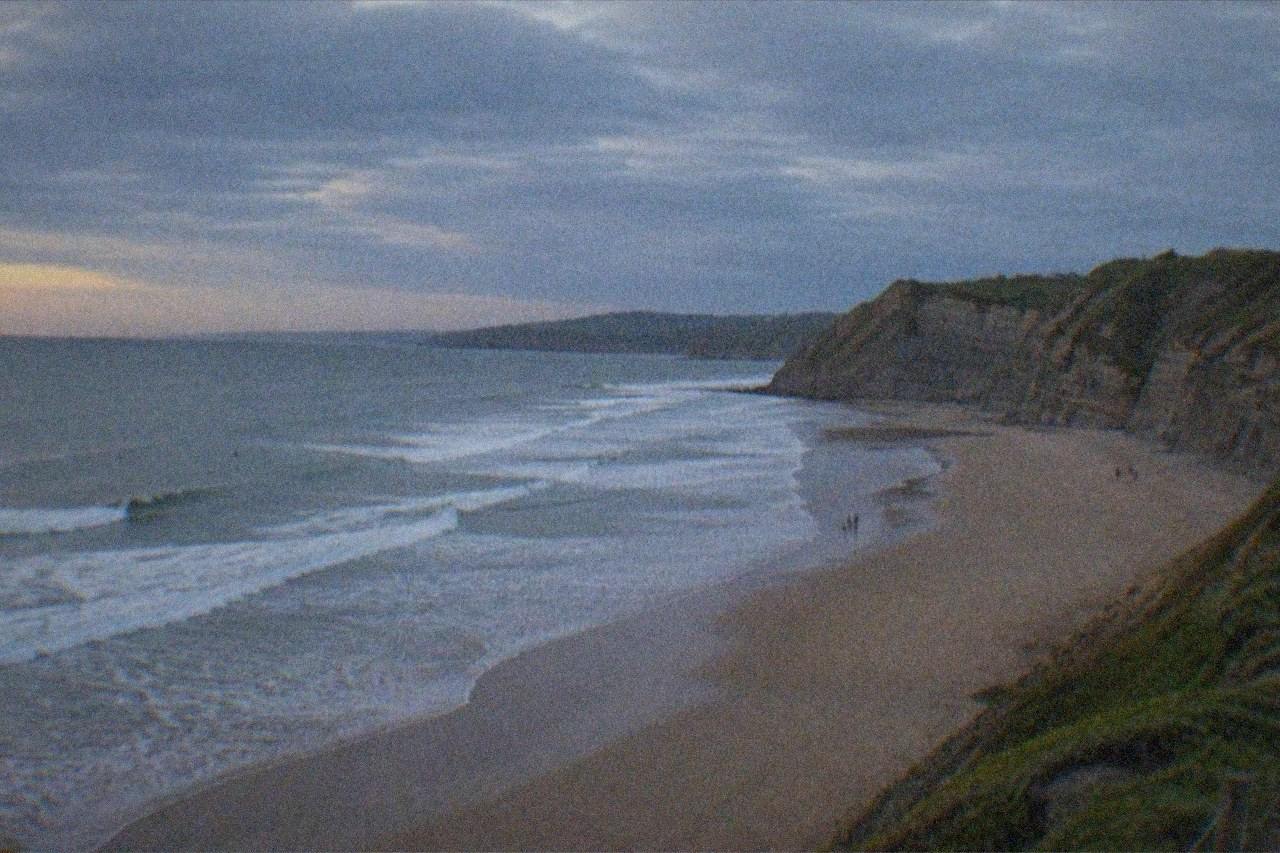
Sopelana Beach is the closest real surf coast to Bilbao, a stretch of Atlantic sand and cliffs in Biscay province, Basque Country, northern Spain, where the city comes to swim, surf and watch sunsets over the Bay of Biscay.
Short answer
Sopelana Beach is a broad Atlantic beach on Bilbao's metropolitan coastline in Biscay, about a short hop from the city, known for its surf scene, cliff walks and a more local, less polished feel than the beaches of San Sebastián.
Sopelana Beach is the stretch of Atlantic sand and cliffs that Bilbao, in Biscay (Bizkaia) province, Basque Country, northern Spain, claims as its own surf coast. The city itself sits on the tidal Nervion/Ibaizabal estuary roughly 15 km inland from the Bay of Biscay, and Sopelana is one of the places where that geography becomes useful: a real ocean beach, real waves and a horizon with nothing on it, close enough to the city that a half day is enough. It is not a resort. It is a working Basque coastal town with a strong local surf culture, wide sand at low tide and cliffs that glow in the late afternoon, and that combination is exactly why it lands on so many Bilbao itineraries. This guide, from the Bilbao Travel Guide editorial desk, covers what the beach offers, when to go, how to think about transport, and which other day trips slot naturally alongside it.
Where Is Sopelana Beach, And Why Do Bilbao Visitors Go There?
Sopelana Beach sits on the Atlantic coastline west of the Nervion estuary mouth, within Bilbao's metropolitan area in Biscay province, Basque Country, northern Spain, and visitors go there because it is the nearest stretch of open-ocean surf beach to the city. Bilbao itself is an estuary town about 15 km from the Bay of Biscay, so the beach gives the city what its own riverfront cannot: waves, sand and an unbroken Atlantic horizon.
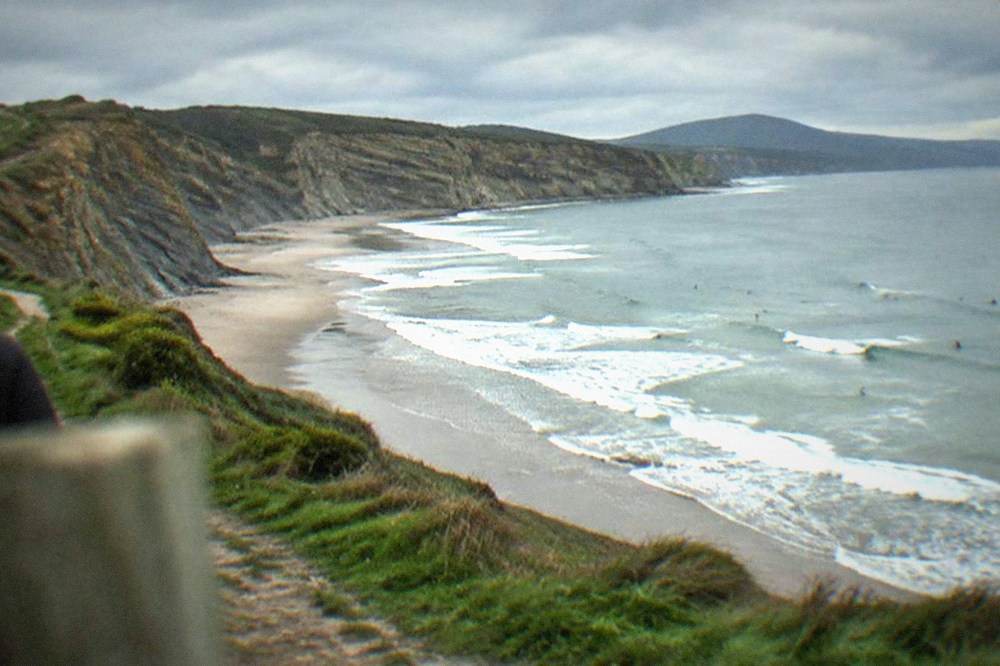
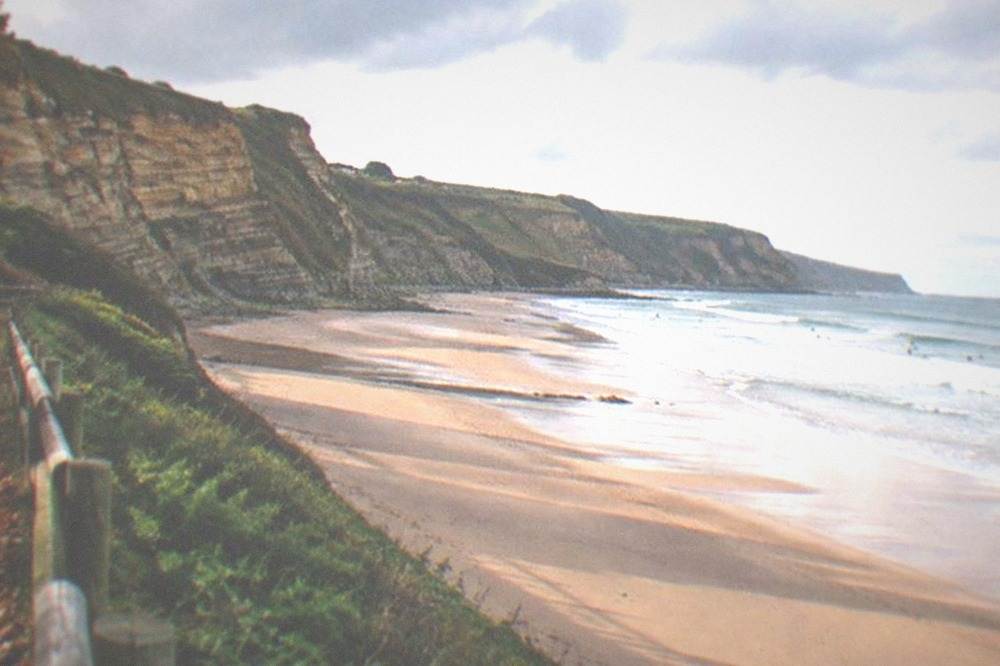
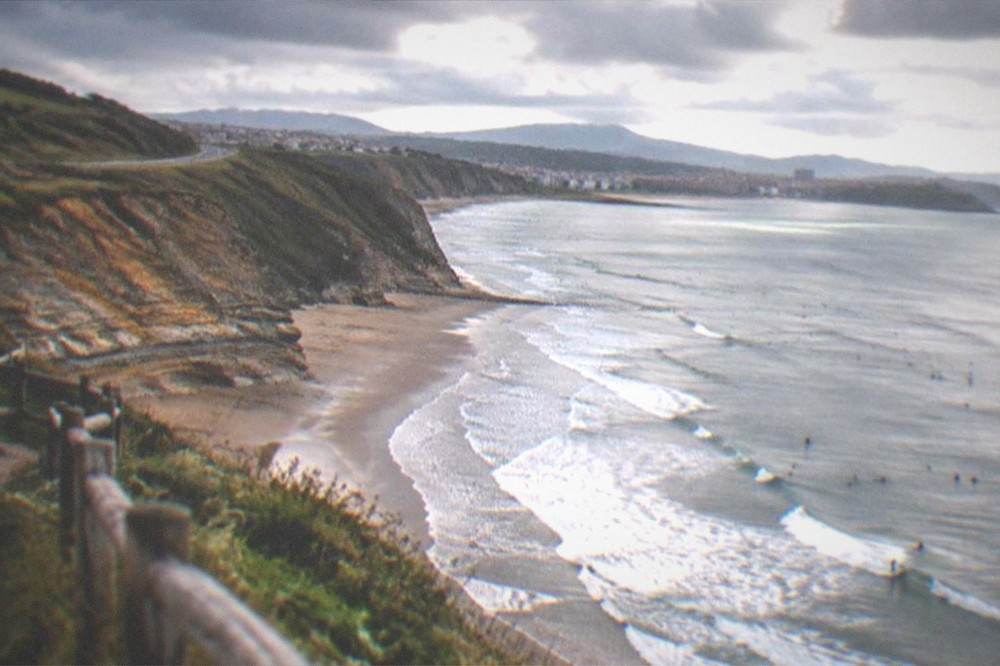
The geography explains the appeal better than any marketing does. Bilbao grew as a port city on a tidal river, and its waterfront is a promenade and a museum district rather than a swimming beach. The metropolitan coastline west of the estuary mouth is where the sand starts, and Sopelana is one of the main beaches along that coast, alongside the better-known stretches near Getxo and the quieter cove at Plentzia. The cliffs behind the sand are high, green and broken by walking paths, and they give the beach a rugged frame that photographs far better than the flat resort strands of the Mediterranean coast.
The crowd is a big part of the character. This is not a beach that exists primarily for tourists. On a summer weekend it fills with people from Bilbao itself, surfers in the water year-round, families on the sand, and the whole scene runs on Basque rhythms: late arrivals, long lunches, nobody in a hurry. Visitors who want a polished beach club experience will be disappointed. Visitors who want to see how this part of Spain actually uses its coast will not.
What Can You Actually Do At Sopelana Beach?
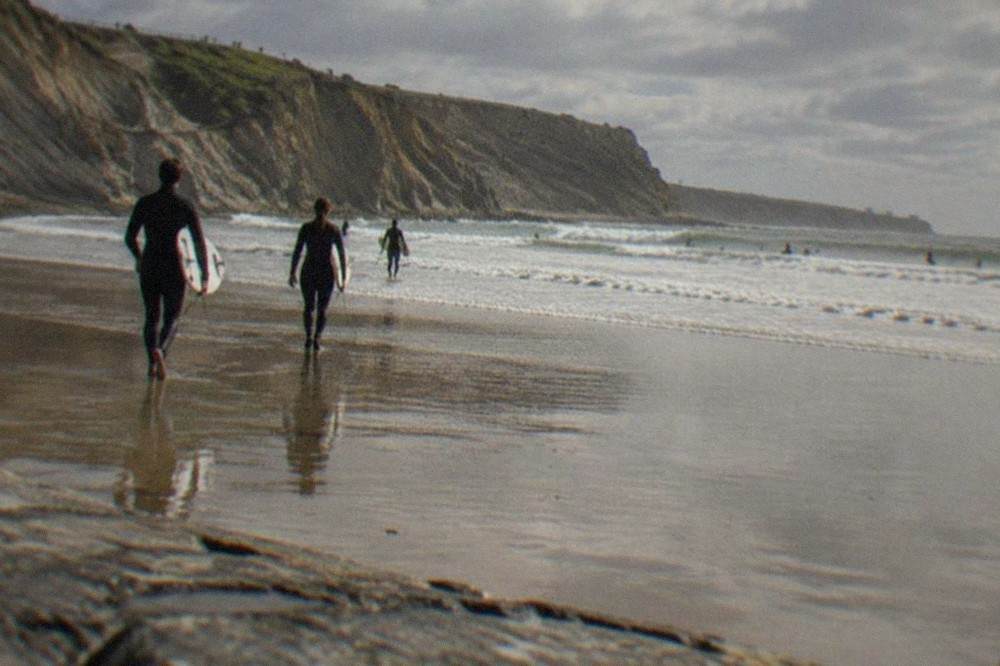
The core activities at Sopelana Beach are surfing and bodyboarding on the Atlantic breaks, swimming in summer, walking the clifftop paths that run above the sand, and eating and drinking in the small beachfront town behind it. The beach is broad enough that it absorbs crowds, the waves make it a genuine surf spot rather than a decoration, and the cliff walks connect the different sandy sections into an easy half-day loop.
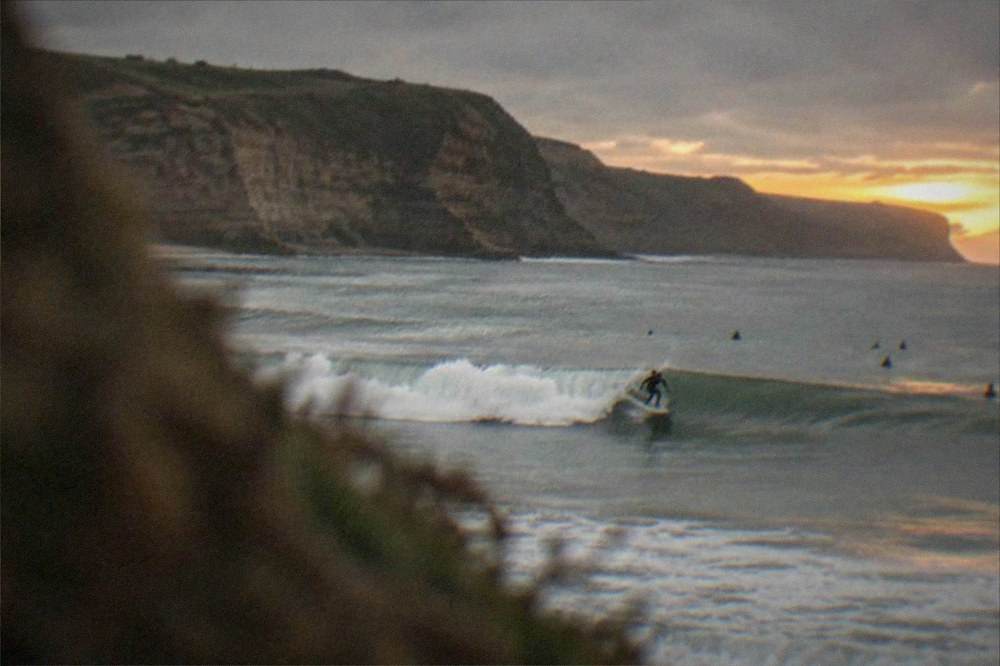
Surf is the headline act. Sopelana is one of the anchors of the Bilbao-area surf scene, and the beach faces open Atlantic swell, which means the waves are consistent enough to sustain a local surf community with schools, board rental and a year-round wetsuit culture. The water is cold even in August by Mediterranean standards, because this is an oceanic coast fed by the Atlantic, not a warm southern sea. That is precisely why the surf is reliable. First-timers can book lessons through local operators, and the site's dedicated surf page at Sopelana surf beaches near Bilbao goes into that side of the coast in detail.
Swimming is a summer activity, and a pleasant one. The sand is wide, especially at low tide, and the beach is long enough that the busiest section near the town never has to be the section you use. Beyond the sand, the clifftop walking paths are the underrated part of a visit. They run along the top of the green cliffs with views up and down the coast, they are free, and they work in almost any weather, which matters enormously on an oceanic coast where rain can arrive on any afternoon of any month.
The town behind the beach supplies the rest: pintxos bars, cafés, a handful of restaurants and a relaxed, local pace. A typical visit pattern is simple: arrive late morning, walk the cliffs, eat, then either surf or sit on the sand until the evening. Sunset here faces the open sea, and the late light on the cliffs is the moment most people remember.
| Activity | Best season | What to know |
|---|---|---|
| Surfing and bodyboarding | Year-round | Cold Atlantic water, wetsuit standard even in summer |
| Swimming | June to September | Widest sand and most services in high summer |
| Clifftop walking | Year-round | Free coastal paths above the beach, work in any weather |
| Pintxos and drinks | Year-round | Small beachfront bars, local crowd, casual pace |
| Sunset viewing | Year-round | Beach faces open Atlantic, cliffs catch the late light |
If a half day on this coast sounds good but the planning feels like work, guided options cover the coastal highlights without the logistics.
How Do You Get From Bilbao To Sopelana Beach?
Sopelana Beach is part of Bilbao's metropolitan coast in Biscay, connected to the city by the region's integrated public transport system, so visitors can travel out on the metro network with a Barik card and pay the standard zonal Creditrans fares that the CTB publishes for the whole network. The beach is close enough to Bilbao that it works as a half-day trip out and an evening back in the city, with no car needed.
The practical starting point is the transport system itself. The Consorcio de Transportes de Bizkaia runs the integrated network, and its Barik fare structure is the same whether you are heading to the coast or riding within the city. The CTB Barik fares page gives Metro Zone 1 at EUR1.02, Zone 2 at EUR1.19 and Zone 3 at EUR1.30 with a Barik Creditrans purse; without a Barik card, a metro single costs EUR2.00 for one zone, EUR2.20 for two and EUR2.25 for three, with two hours of validity. The coastal towns sit in the outer zones, so a Barik card pays for itself quickly if you plan more than a couple of rides. The card itself is commonly reported to cost around EUR3 to purchase with a minimum top-up, though that purchase price comes from secondary sources rather than the official CTB fares page, so treat it as a guideline rather than a guaranteed figure.
For visitors planning a packed few days, the Bilbao Bizkaia Card is the alternative: the card's own site lists 24 hours at EUR10, 48 hours at EUR15 and 72 hours at EUR20, covering unlimited transport across the network plus attraction discounts, and it is personal and non-transferable. Whether it beats pay-as-you-go Barik depends on how many museum visits you stack around your beach day. The site's transport guide for getting around Bilbao breaks that comparison down properly.
Two planning notes matter more than the fare arithmetic. First, check the weather before you commit: this is a temperate oceanic coast, and AEMET's Bilbao Aeropuerto/Loiu station (1082) normals show rain in every single month of the year, so a beach day here is a forecast decision, not a given. Second, go in the morning or stay for sunset rather than arriving at midday, because the light on the cliffs is the best thing the coast offers and both ends of the day deliver it.
| Transport option | With Barik Creditrans | Without Barik | Notes |
|---|---|---|---|
| Metro, 1 zone | EUR1.02 | EUR2.00 | City and inner-zone trips |
| Metro, 2 zones | EUR1.19 | EUR2.20 | Covers most metropolitan coast trips |
| Metro, 3 zones | EUR1.30 | EUR2.25 | Outer coastal zone, 2h validity on singles |
| Bilbao Tram (flat) | EUR0.74 | around EUR2.00 | City centre only, not the coast |
| Bilbao Bizkaia Card 24h | EUR10 flat | n/a | Unlimited network travel plus discounts |
| Bilbao Bizkaia Card 72h | EUR20 flat | n/a | Best value for a dense 3-day plan |
If the beach day is one idea among several and you would rather someone else handle the coastal driving, a booked day tour is the low-effort route. Check availability on the Biarritz and Saint-Jean-de-Luz coastal tour, or read more about it on its own page: Biarritz, Saint-Jean-de-Luz and San Sebastian tour from Bilbao.
When Is The Best Time Of Year To Visit Sopelana Beach?
The best months for swimming and sunbathing at Sopelana Beach are July and August, when AEMET's Bilbao Aeropuerto/Loiu station (1082) normals show the warmest means of the year at 20.4 and 20.9 C and the lowest summer rainfall, while May, June and September offer milder temperatures of 15.7 to 19.2 C with fewer people on the sand. Surf-focused visitors come year-round, because the Atlantic swell does not take a season off.
The climate here is temperate oceanic, Atlantic-influenced, and that has two consequences that shape every beach plan. The first is that summer is genuinely pleasant but never scorching: a mean of 20.9 C in August means warm days on the sand without the furnace heat of Spain's Mediterranean south. The second is that rain is a year-round companion. The same AEMET normals give 1,134 mm of precipitation annually, with the wettest month at 147 mm in November and even the driest summer months carrying 50 to 76 mm. A beach day in July can still meet a shower. Pack accordingly and check the forecast on the morning itself.
Shoulder seasons are the connoisseur's choice. June and September keep daytime means of 18.4 and 19.2 C respectively, with 60 and 73 mm of rain, and the beaches shed their peak-weekend crowds. September in particular is a sweet spot: the Atlantic has had all summer to warm, the surf community is fully active, and the light on the cliffs is at its best angle. Winter visits are for walkers and surf watchers, with January means of 9.3 C and 120 mm of rain, dramatic waves and almost nobody on the sand.
| Month | Mean temp (C) | Precip (mm) | Beach verdict |
|---|---|---|---|
| January | 9.3 | 120 | Walks and wave-watching, wrap up |
| March | 11.5 | 90 | Quiet cliffs, moody light |
| May | 15.7 | 78 | Pleasant walks, brave swimmers only |
| June | 18.4 | 60 | Good all-round month |
| July | 20.4 | 50 | Peak beach season begins |
| August | 20.9 | 76 | Warmest month, busiest sand |
| September | 19.2 | 73 | Local favourite, surf active |
| November | 12.4 | 147 | Wettest month, indoor backup needed |
The site's full Bilbao weather guide covers the seasonal logic in more depth, including why the oceanic pattern changes what you pack compared with southern Spain.
What Should You Pack For A Sopelana Beach Day?
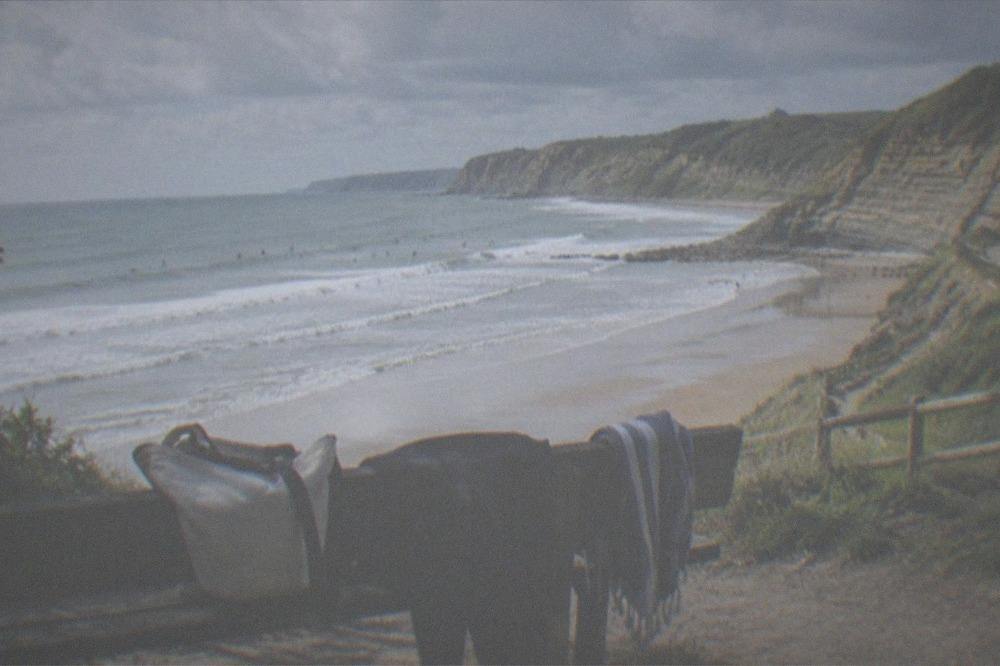
For a Sopelana beach day, pack for an oceanic Atlantic coast rather than a Mediterranean one: swimwear and a towel for summer, a wetsuit or a rental plan for surfing at any time of year, a windproof layer for the sea breeze, and a light rain shell in every season, because AEMET's normals show measurable rain in all twelve months at this station. Sunscreen still matters, but the packing error people make here is assuming heat, not assuming showers.
The wetsuit point deserves emphasis. Even in August, Atlantic water on this coast is cold compared with what most Spanish beachgoers expect, and the local surf community wears wetsuits through summer. Swimmers who just want to get wet for ten minutes will manage fine in July and August; anyone planning real time in the water, surfing or bodyboarding, should plan on neoprene. Rental gear and lessons through local surf operators solve that without buying anything.
The rest of the kit list is ordinary coastal sense with one Basque addition: something warm for the evening. Oceanic cools down fast once the sun drops, and the sunset that makes this beach special is best watched from a bench with a jacket, not shivering on the sand. The site's dedicated packing guide for Bilbao extends this to a full trip wardrobe.
| Season | Core kit | The extra that matters |
|---|---|---|
| June to August | Swimwear, towel, sunscreen | Wetsuit top or rental for longer swims |
| May and September | Layers, swimwear on warm days | Windproof layer for the sea breeze |
| March, April, October | Walking shoes, light rain shell | Binoculars for the clifftop paths |
| November to February | Warm layers, rain shell, boots | Camera for dramatic surf and skies |
Is Sopelana Beach Good For Surfing?
Sopelana Beach is one of the anchor surf spots on Bilbao's metropolitan coast in Biscay, with consistent Atlantic swell, a local surf community that operates year-round, and beach breaks that suit everyone from first-timers to experienced riders. The cold water and the oceanic climate are the trade-offs: reliable waves come with wetsuit temperatures in every month and rain possible on any given day.
The Basque coast as a whole is one of Europe's serious surf regions, and the stretch around Bilbao is its northern gateway. Sopelana's role in that ecosystem is accessibility: it is the near-to-city option, the beach where Bilbao's surfers go for an after-work session or a weekend morning, which means the supporting infrastructure, schools, rentals and surf shops, is real and active rather than seasonal. The swell comes straight in from the open Bay of Biscay, and the beach's length means the crowd spreads out.
For beginners, the setup is about as forgiving as Atlantic surfing gets: sandy bottom, beach breaks, and instructors who work with cold-water conditions every week of the year. For experienced surfers, Sopelana is a reliable session rather than a destination wave, and the more famous breaks of the region, at Mundaka up the coast, are the reason surfers travel to Biscay from all over the world. The site's pages on Mundaka near Bilbao and the Mundaka surfing guide cover that end of the spectrum.
Where Can You Eat Near Sopelana Beach?
Eating near Sopelana Beach means small beachfront pintxos bars and casual restaurants serving Basque coastal food, with pintxos at traditional bars in the Bilbao area typically running EUR2 to EUR5 per piece and drinks such as txakoli or a small beer at around EUR2 to EUR3.50, according to current local food guides. It is a txikiteo scene, a crawl from bar to bar, rather than a single sit-down restaurant culture, and the quality standard of the Bilbao area travels out to the coast with the weekend crowd.
The pintxo is the Basque Country's answer to tapas, and the distinction matters enough that the site has a whole piece on the difference between tapas and pintxos. In practice around Sopelana you order one or two pieces with a drink at each bar, pay, and move on. Cold counter items like gildas and simple tortilla tend to sit at the lower end of the range, while hotter, more elaborate pieces like seafood gratins run higher. A realistic crawl of four to six pintxos with drinks lands most people around EUR25 to EUR45 per person, based on the price ranges current local guides report for the Bilbao area.
The drink to know is txakoli, the lightly sparkling white wine of the Basque coast, poured from a height and made for seafood. A zurito, the short beer pour of the region, is the other default. Neither needs explaining at the bar; pointing works.
| Item | Typical range (EUR) | Notes |
|---|---|---|
| Simple cold pintxos | 2 to 4 | Gildas, jamon, basic tortilla |
| Elaborate hot pintxos | 3 to 6 | Seafood gratins, creative pieces |
| Premium bar pieces | up to 6 to 8 | Plaza-level and upscale spots |
| Txakoli or zurito | 2 to 3.50 | Standard pour at most bars |
| Full crawl, 4 to 6 pieces with drinks | 25 to 45 | Per person, planning range, check each bar |
For a deeper dive into the city's bar scene, including the championship-level pintxo kitchens of the Old Town, the site's best pintxos in Bilbao guide is the reference. And if a food-focused day in the city itself appeals more than a self-guided crawl, a guided walk with a local covers the ground efficiently:
Can You Combine Sopelana With Other Bilbao Day Trips?
Sopelana combines naturally with the other coastal destinations west and east of Bilbao, including Getxo and the UNESCO-listed Vizcaya Bridge, the quiet cove at Plentzia, the surf town of Mundaka and the dramatic hermitage of San Juan de Gaztelugatxe, because they all sit on the same Atlantic coastline of Biscay within day-trip range of the city. A two-stop day, one beach plus one landmark, is the pattern that works best.
The classic pairing is Sopelana with Getxo. The Vizcaya Bridge at Portugalete, the UNESCO World Heritage transporter bridge inscribed in 2006 and the first industrial heritage site in Spain on the list, is the coastal landmark that gives a beach day a second act. The operator's listed gondola fare for pedestrians is EUR0.60 one-way in regular daytime hours, and the walkway catwalk ticket is reported at EUR11 adult round-trip, EUR9 reduced, though that walkway figure is a single-source claim, so confirm on the operator's own site before planning around it. The site's Getxo guide and Vizcaya Bridge guide cover the logistics.
East along the coast, the Urdaibai Biosphere Reserve holds the big-hitter combination: Mundaka's famous wave, the fishing port of Bermeo and San Juan de Gaztelugatxe, the islet hermitage reached by a stone causeway and staircase. One planning fact matters more than any other for Gaztelugatxe: a free timed reservation is required only on official controlled-access days, roughly mid-June to about 20 September daily plus Easter and holiday weekends per the yearly calendar, with a daily cap of 1,462 visitors on those days, booking via tiketa.eus for up to 10 people per reservation, and free access with no reservation on all other days. The site's Gaztelugatxe guide has the full calendar logic.
| Combination | Character | Best for |
|---|---|---|
| Sopelana plus Getxo and Vizcaya Bridge | Beach plus UNESCO industrial landmark | First-time visitors, half-day plus half-day |
| Sopelana plus Plentzia | Two beaches, quieter second stop | Families, low-key days |
| Sopelana plus Mundaka and Bermeo | Beach plus surf-town coast | Surf-focused travellers |
| Sopelana plus San Juan de Gaztelugatxe | Beach plus iconic hermitage hike | Photographers, full-day energy |
| Sopelana alone, long lunch | Slow coastal morning | Repeat visitors, rest days |
For travellers who want the coast without self-driving, booked day tours cover the headline combinations. The Gaztelugatxe, Mundaka and Guernica circuit is the most-booked coastal option from Bilbao: . Inland alternatives exist too, and the Rioja wine country trip pairs well with a coast day on a two-day plan: .
Common Questions About Sopelana Beach
Is Sopelana Beach good for swimming?
Yes, in summer. July and August are the warmest months, with AEMET station 1082 normals showing means of 20.4 and 20.9 C, and the beach is a genuine swimming beach for Bilbao locals. The Atlantic water is cool by Mediterranean standards even at peak summer, so short swims are comfortable and long swims feel wetsuit-cold. Outside summer, swimming is for the hardy.
How far is Sopelana Beach from Bilbao?
Sopelana sits on Bilbao's metropolitan Atlantic coastline in Biscay province, close enough to the city to work as a half-day trip out and back. The coast is where the estuary geography of Bilbao, about 15 km from the Bay of Biscay, meets the open ocean, and the integrated CTB transport network connects the coastal towns to the city on standard zonal fares.
Can you surf at Sopelana Beach as a beginner?
Yes. Sopelana is one of the main beginner-friendly surf beaches on Bilbao's coast, with sandy beach breaks, a year-round local surf community, and schools and rentals operating on the Atlantic swell. Cold water is the main adjustment: wetsuits are standard in every month, and first-timers should book through a local operator rather than renting a board cold.
What is the best time of year to visit Sopelana Beach?
July and August for swimming and the fullest beach services; June and September for a milder, quieter version of the same, with means of 18.4 and 19.2 C and 60 and 73 mm of rain respectively; and any month for clifftop walking and surf-watching, since the paths and the waves do not close for winter. November is the wettest month at 147 mm, so keep an indoor backup handy then.
Do you need a car to visit Sopelana Beach from Bilbao?
No. The beach is part of Bilbao's integrated metropolitan transport network, and visitors can reach the coast on public transport using a Barik card, paying the standard CTB zonal Creditrans fares of EUR1.02 to EUR1.30 depending on zone, or the Bilbao Bizkaia Card at EUR10 for 24 hours of unlimited network travel. A car adds flexibility for combining multiple coastal stops in one day.
Is Sopelana Beach touristy?
Not in the resort sense. Sopelana is a local Basque coastal town whose beach fills mostly with people from Bilbao, surfers and families rather than package tourism. Summer weekends are busy, weekday mornings are quiet, and the bar and restaurant scene runs at a local pace. Visitors looking for polished beach-club infrastructure should look at the San Sebastian day trip instead.
Sopelana Beach delivers the one thing Bilbao's own riverfront cannot: open Atlantic waves on a broad sandy shore, twenty minutes of planning effort from the city, with cliffs, pintxos bars and a surf culture that runs all year. Pick the month with the forecast in mind, pack a layer for the sea breeze, and let the coast do the rest.