San Juan De Gaztelugatxe
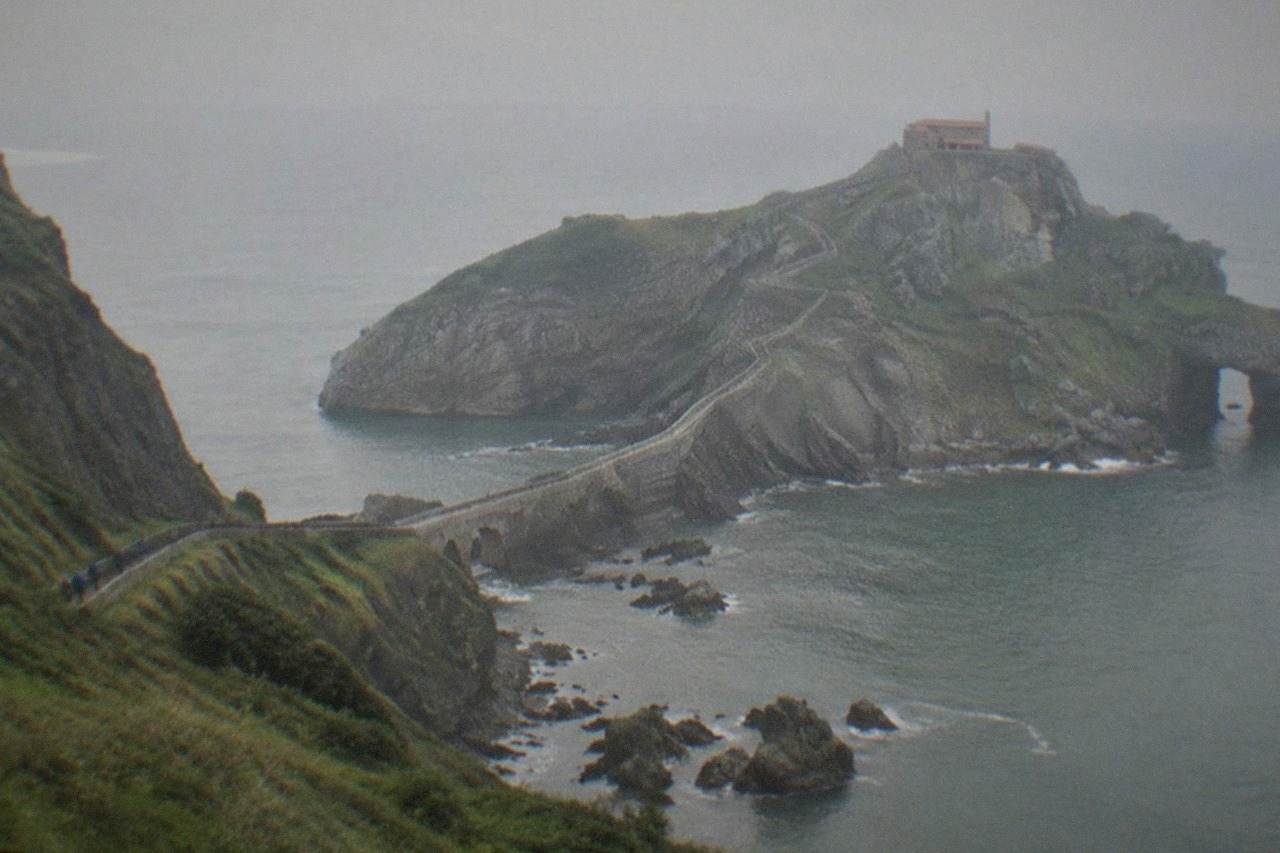
Bilbao, in Biscay province in the Basque Country of northern Spain, is the natural base for the region's most dramatic coastal sight: San Juan de Gaztelugatxe, a tidal islet crowned by a historic hermitage and reached by a stone causeway and a long staircase carved into the rock.
Short answer
San Juan de Gaztelugatxe is a small rocky islet on the Biscay coast, about a day trip from Bilbao, topped by the hermitage of San Juan and reached by a stone bridge and a long rock-cut staircase. A free timed reservation is required only on official controlled-access days (roughly mid-June to about 20 September daily, plus Easter and holiday weekends); on all other days entry is free with no booking, via tiketa.eus, capped at 1,462 visitors per controlled day.
Bilbao, in Biscay (Bizkaia) province in the Basque Country (Euskadi) of northern Spain, is the standard base for the most photographed stretch of the Biscay coast: San Juan de Gaztelugatxe, a rocky tidal islet crowned by the hermitage of San Juan, joined to the mainland by a stone causeway and a staircase that appears to hover over the Atlantic. The site sits inside the Urdaibai Biosphere Reserve area of the coast, and it became globally famous as a filming location: the islet stood in for Dragonstone in Game of Thrones, a connection covered in detail on our Gaztelugatxe Game of Thrones guide. This page covers what the site is, exactly when you need a free timed reservation, what the walk involves, and how to build the day around it.
What Is San Juan De Gaztelugatxe And Why Is It Famous?
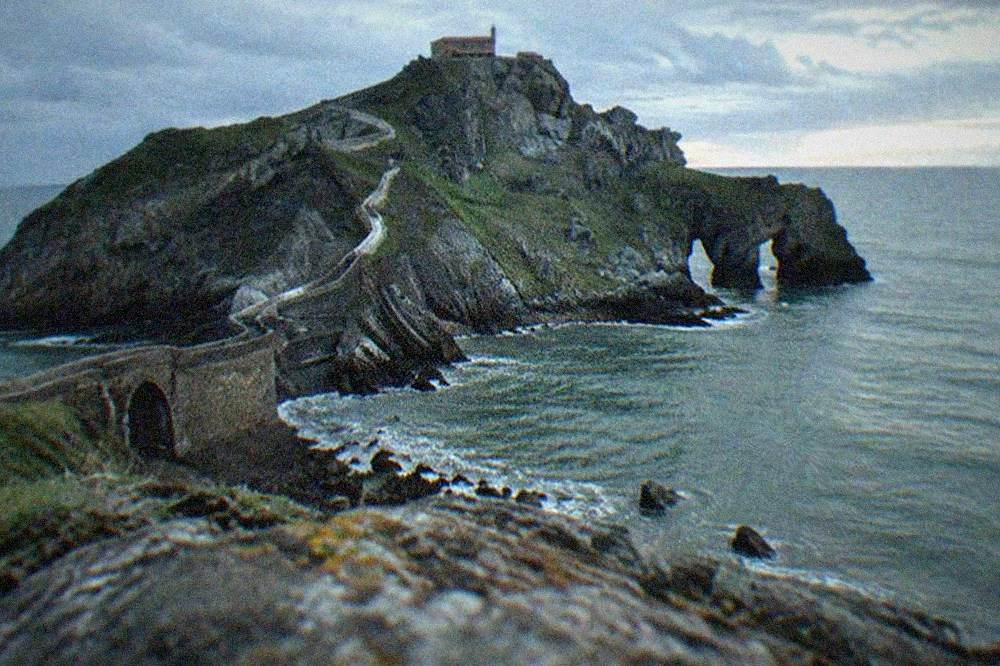
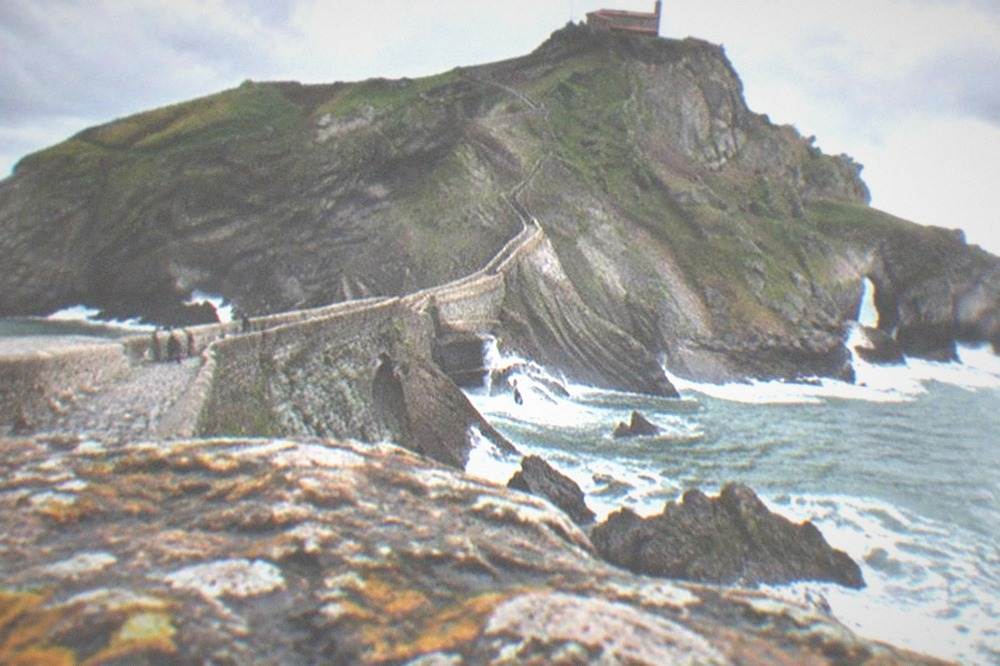
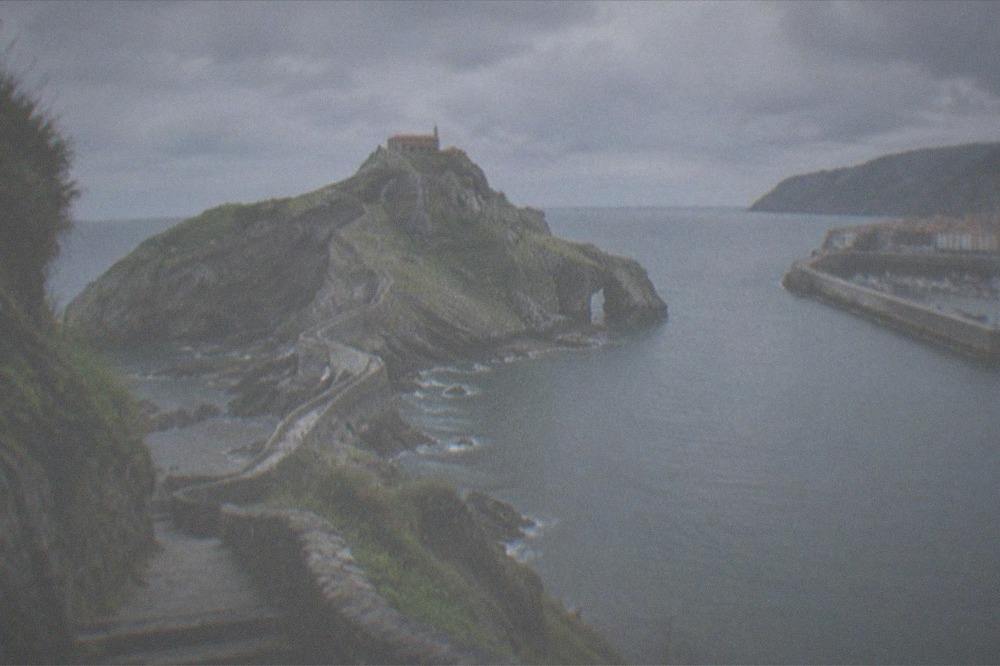
San Juan de Gaztelugatxe is a small rocky islet on the Biscay coast of northern Spain, topped by the hermitage of San Juan and reached from the mainland by a narrow stone bridge followed by a long rock-cut staircase. The setting is the heart of its fame: sheer cliffs, crashing Atlantic surf and a building that has been a pilgrimage destination for centuries, plus a modern claim to recognition as the Dragonstone filming location in Game of Thrones.
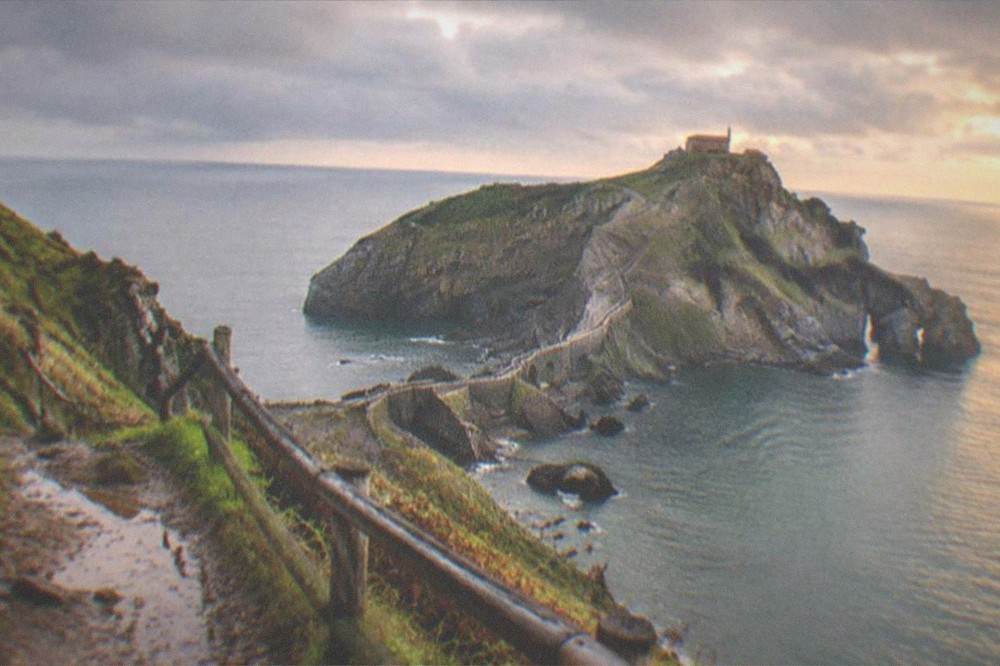
The hermitage is dedicated to John the Baptist, and the site has functioned as a religious destination for a very long time: local tradition holds that ringing the bell at the chapel three times after the climb brings good luck, a ritual still performed by many of the people who make the walk today. The name itself is Basque, roughly "castle rock" (gaztelu, castle; ugatxe, rock or crag), which describes exactly what the place looks like from the viewing points on the clifftops either side of the causeway.
The modern wave of visitors is largely a television effect. The islet's silhouette, with its single arch of rock and the chapel on top, was used as the exterior of Dragonstone in the series, and the site now draws a very different crowd from the pilgrims and local families who came before. The regional government, the Diputación Foral de Bizkaia, manages public access to the site, and its management system is what most first-time visitors need to understand before setting out. That system, and the free timed reservation behind it, is covered in the next section.
Do You Need A Ticket For San Juan De Gaztelugatxe?
A free timed reservation is required only on official "controlled access" days, which run roughly daily from mid-June to about 20 September and also cover Easter and holiday weekends on the yearly calendar. On every other day of the year entry is free with no reservation at all. Booking is always free, made through tiketa.eus, with a maximum of 10 people per reservation and a 60-minute no-show cancellation window. The daily visitor cap on controlled days is 1,462 people.
That cap is the single most important number in planning a summer visit. It is not a soft guideline: on controlled days, access to the causeway and steps is limited to 1,462 visitors across the day's timed slots, and the reservation system exists to enforce it. Reservations are made per date and time slot, you receive a QR code by email, and the code is checked at the access control point on the path. If you arrive more than an hour late for your slot, the reservation is typically cancelled, so the timing of the slot matters.
The calendar matters just as much as the cap. Controlled access applies to peak-demand periods: the daily summer window from roughly mid-June to about 20 September, plus Easter week and scattered holiday weekends through the shoulder seasons, with the exact dates published each year by the Diputación Foral de Bizkaia. As of 21 September 2026, access reverted to free and unreserved through the end of September, per a live news report, which is a good illustration of how the system switches on and off around the calendar rather than running year-round.
| Situation | Reservation needed | Cost | Notes |
|---|---|---|---|
| Controlled-access day (mid-June to ~20 Sept daily, plus Easter/holiday weekends) | Yes, timed slot via tiketa.eus | Free | Daily cap 1,462 people |
| All other days | No | Free | Walk up at any time within opening hours |
| Local festival days (24 June, 31 July, 29 and 31 Aug, 30 Dec) | Not advised | Free | Reserved for local romería events; tourists advised not to visit |
| Group larger than 10 | Yes, group booking | Free | Max 10 people per individual reservation |
A few practical points on the booking itself. The platform is tiketa.eus, reached through the official bizkaia.eus Gaztelugatxe page, and it only accepts bookings for the current year. You select a date, a time slot and the number of people (up to 10 per individual booking), provide contact details, and receive the ticket by email to show printed or on a phone. There is no paid tier, no fast-track product and no third-party ticket that does anything the free reservation does not already do. If your plans change, cancel the reservation so the slot returns to the pool, because summer slots do run out.
If you would rather not manage the reservation, the timing and the transfer yourself, a guided day tour from Bilbao folds the coast walk into one booking. The related tour below is built around exactly this stretch of shoreline.
How Do You Get To Gaztelugatxe From Bilbao?
Gaztelugatxe is reached from Bilbao as a coastal day trip into the Urdaibai area of Biscay province, either with a guided tour that handles the transfer and access rules, or independently using regional transport toward Bakio and Bermeo, the two towns closest to the site. No verified door-to-door distance or drive time exists in this site's research, so let the tour's own listed duration carry the trip length.
The independent route runs through the coast road towns. Bakio is the nearest town to the site on one approach, and Bermeo, a working fishing port, sits on the other side and is the more common base for combining the islet with a longer day. Regional buses and the Euskotren network connect Bilbao with these towns, and the site's car park and access path sit between them on the coast road. The final approach from the parking area to the islet is on foot, which is the part every visitor does regardless of how they arrived.
The guided option removes the two things that trip people up: the reservation calendar and the coastal logistics. Tours from Bilbao run as full coastal loops, often pairing Gaztelugatxe with Bermeo, Mundaka and Gernika in a single day, and the operator handles the timing around the access windows. The three options below are the strongest fits for this exact plan: the coast walk tour that is the focus of this page, plus two high-rated city experiences for the Bilbao days around it.
What Is The Walk To The Hermitage Actually Like?
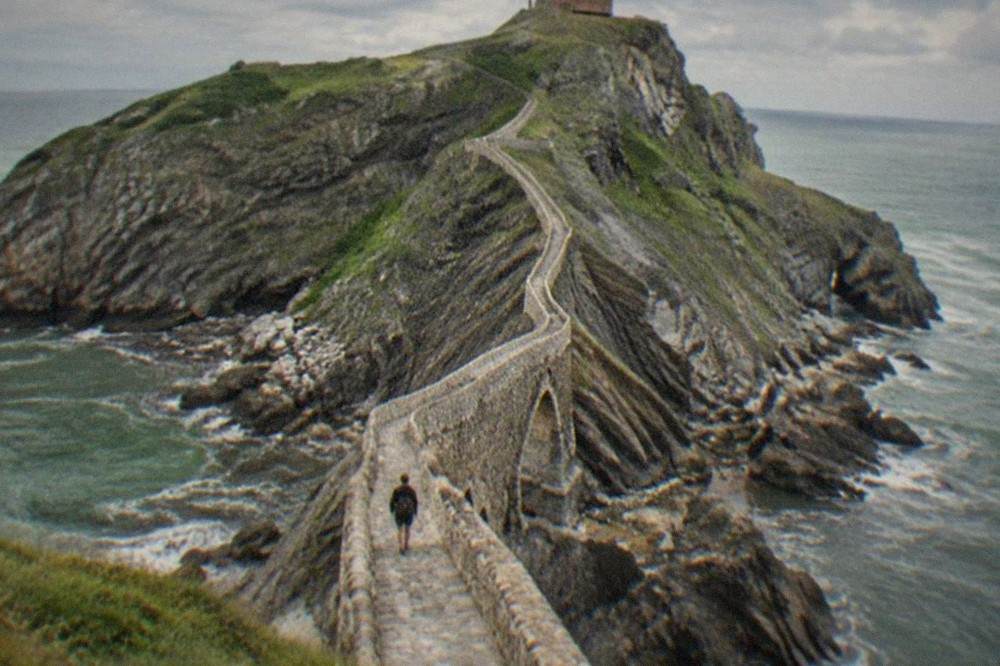
The walk to the hermitage is a short but demanding coastal path: from the parking area you descend to a stone causeway, cross a narrow bridge with the Atlantic on both sides, and then climb a long rock-cut staircase up to the chapel. The terrain is stone and rock the whole way, exposed to wind and sea spray, and the return trip repeats the descent and climb back to the clifftop, so a couple of hours should be planned for the round trip.
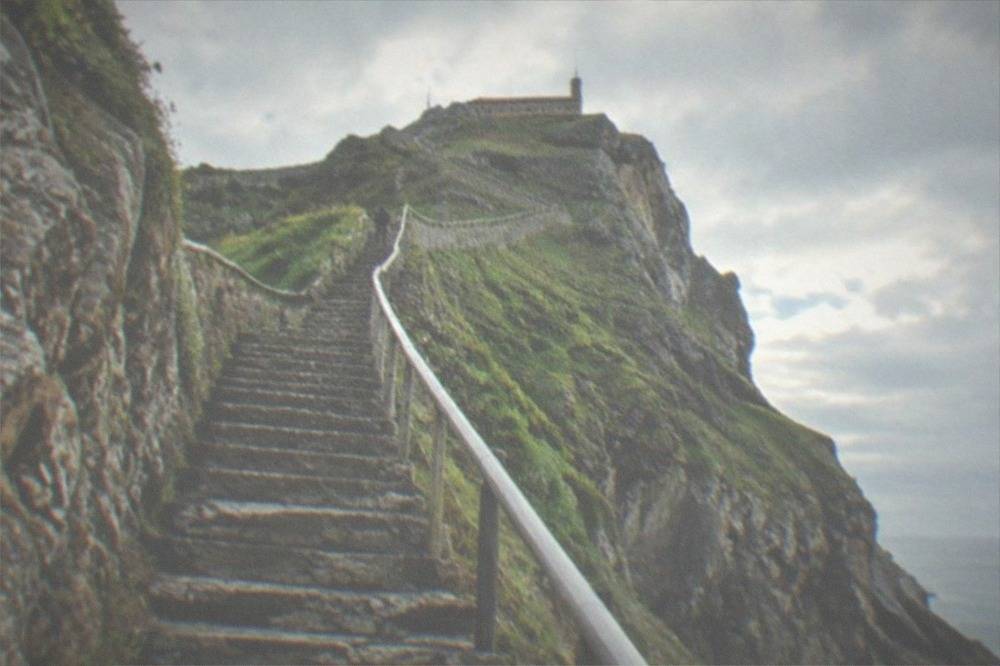
The staircase is the defining image of the place, and it deserves respect rather than fear. The steps are solid and maintained, with a handrail along much of the climb, but they are steep, uneven in places, and wet with spray when the sea is rough. Footwear matters more than fitness: grippy shoes with a real sole beat anything smooth-soled, and the surface is slick after rain even on a calm day. There is no shade on the path, so in summer the midday climb is the hottest and most crowded window.
Weather is the other half of the experience. This is the Atlantic coast of northern Spain, not the Mediterranean: AEMET's Bilbao Aeropuerto/Loiu station (1082) normals, the nearest long-term climate record for the region, show a temperate oceanic pattern with rain in every month of the year, from 50 mm in July to 147 mm in November. A visit here should assume the possibility of wind, drizzle or a passing shower even in the dry season, and the sea itself is part of the spectacle: on energetic days the waves breaking against the rock below the causeway are the best show on the coast.
| Section of the walk | Surface | Difficulty | Notes |
|---|---|---|---|
| Parking area to causeway viewpoint | Paved and gravel path | Easy | Main photo spots are on this stretch |
| Causeway and stone bridge | Rock and masonry | Moderate | Narrow, exposed to wind and spray |
| Staircase to the hermitage | Rock-cut steps | Moderate to demanding | Steep, uneven, handrail in sections |
| Hermitage and bell | Stone terrace | Easy | Ringing the bell three times is the local tradition |
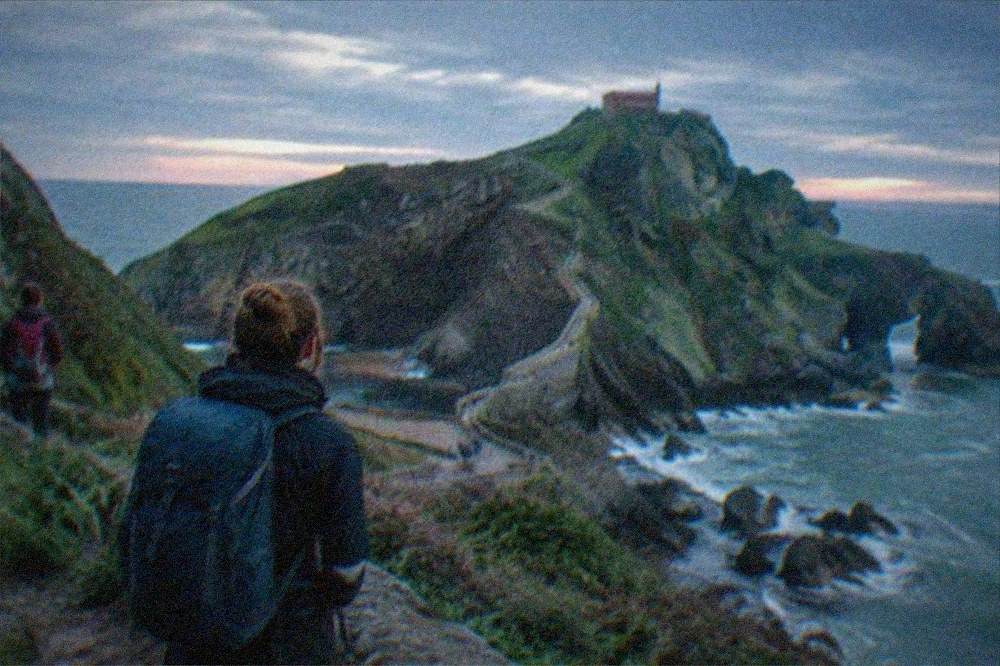
Allow more time than the distance suggests. The clifftop viewpoints on either side of the causeway are where the classic photographs are taken, and on a clear day the coastline stretches away north and south in both directions. Crowds concentrate in the middle of the day in high summer, so an early timed slot or an off-season visit buys a quieter path and better light.
When Is The Best Time Of Year To Visit Gaztelugatxe?
The best time to visit Gaztelugatxe is outside the controlled-access window if you want free, unreserved access, and inside it if you want the most reliable weather: July and August are the warmest and driest months in the region's AEMET record, but they carry the reservation system and the 1,462-person daily cap. May, June and September offer the best balance of decent weather, thinner crowds and simpler access, while November is the wettest month on the coast.
The climate numbers behind that advice come from AEMET's Bilbao Aeropuerto/Loiu station (1082), the authoritative long-term record for this part of Biscay. The monthly means run from 9.3 C in January to 20.9 C in August, with an annual mean of 14.7 C, and rainfall is present in every month: 50 mm in July at the driest, 147 mm in November at the wettest, and 1,134 mm across a typical year. This is a temperate oceanic, Atlantic-influenced climate, and the coast around Gaztelugatxe feels it more than the city does. More of these guides are collected on Bilbao Travel Guide.
| Month | Mean temp (C) | Mean precip (mm) | What it means for Gaztelugatxe |
|---|---|---|---|
| January | 9.3 | 120 | Cold, wet, quiet; no reservation needed |
| March | 11.5 | 90 | Green coast, possible Easter-week controls |
| May | 15.7 | 78 | Good balance of weather and crowds |
| July | 20.4 | 50 | Warmest, driest; daily controlled access |
| August | 20.9 | 76 | Peak season, controlled access, biggest crowds |
| September | 19.2 | 73 | Controls ease late in the month; strong choice |
| November | 12.4 | 147 | Wettest month; the exposed walk is least fun |
Two seasonal notes are worth planning around. The local festival days listed in the access rules, 24 June, 31 July, 29 and 31 August and 30 December, are reserved for local romería events and tourists are advised not to visit on those dates. And if you are travelling in 2026 rather than 2027, note that no tourist tax applies to your stay anywhere in Bizkaia this year: the regional tax takes effect on 1 January 2027, with Bilbao's approved rates running from 1 euro per night in pensions to 5 euros in 5-star hotels and 6.50 euros for tourist apartments, so a 2026 visit is genuinely the cheaper one.
What Should You Combine With Gaztelugatxe On A Day Trip?
The strongest combination is Gaztelugatxe with Bermeo, Mundaka and Gernika, three stops that sit close together on the same side of the Biscay coast and share the same transport corridor from Bilbao. Bermeo is a working fishing port with a harbour old town, Mundaka is a small surf town on the Urdaibai estuary, and Gernika carries the Basque Country's most significant modern history alongside its famous oak, so the four stops together make a full and varied day.
Bermeo is the natural lunch stop. The port town keeps an active fishing fleet, a compact old town behind the harbour, and the pintxo bars that come with a working port, and it sits close enough to the islet that most guided loops pair them by default. Mundaka, a short hop further along the estuary, is known internationally for its left-hand river wave, and the town's low-key character contrasts with the port bustle of Bermeo; our Mundaka day trip guide covers it in full, and the Urdaibai Biosphere Reserve guide explains the protected landscape that wraps around all of it.
Gernika completes the loop inland. The town's name resonates through Basque and world history, and its oak tree and assembly house tradition are covered in our Gernika day trip guide. A guided tour that strings the coast and Gernika together is the most efficient way to see all four without a car, and two strong options follow.
The longer Dragonstone loop below adds Mundaka and a included lunch to the same coastal corridor, which suits travellers who want the full four-stop day handled end to end rather than a shorter loop.
| Stop | Character | Best for | Pairing |
|---|---|---|---|
| San Juan de Gaztelugatxe | Hermitage islet, dramatic coast | The walk and the photos | Anchor stop of the day |
| Bermeo | Working fishing port | Lunch, harbour old town | Closest full stop to the islet |
| Mundaka | Surf town on the estuary | Watching the wave, slow afternoon | Short hop from Bermeo |
| Gernika | Historic inland town | History, the oak, Peace Museum | Inland leg on the return to Bilbao |
If the coast walk is the priority and you want a shorter day, the focused tour below is the cleanest fit: it is built around Gaztelugatxe and the coastal path rather than the full four-stop loop. You can also compare it against the broader things to do in Bilbao index when deciding how many days to give the region.
What Should You Bring And Know Before The Walk?
Bring grippy closed shoes, a windproof layer, water, sun protection and your reservation QR code if you are visiting on a controlled-access day, and plan the walk for the morning rather than midday in summer. The path is exposed stone with no shade and no services on the islet itself, the chapel's opening depends on the season and the day, and the sea conditions, not the calendar, decide how dramatic the causeway crossing feels.
The kit list is short because the walk is short, but every item earns its place. The steps are the one place where footwear genuinely matters: smooth soles on wet rock are the most common cause of slips here, and the descent back down is harder on the knees than the climb up. A windproof layer does more work than a rain jacket in summer, because the wind off the Atlantic is constant even on dry days, and sun protection matters more than people expect given the northern latitude, because there is nowhere to hide from it on the path.
| Item | Why | Priority |
|---|---|---|
| Grippy closed shoes | Wet rock-cut steps, uneven stone | Essential |
| Windproof layer | Constant Atlantic wind, no shelter | Essential |
| Water | No services on the islet or path | Essential |
| Sunscreen and hat | Fully exposed path, no shade | High in summer |
| Reservation QR code | Checked at the control point on controlled days | Essential if booked |
| Camera or phone | The clifftop viewpoints are the photo spots | Optional but you will use it |
A few things not to expect. There is no shop, cafe or toilet on the islet itself; the facilities sit at the parking area on the mainland side. The chapel is a small religious building, not an attraction with staff, and whether the interior is open varies with the season and the day. And the walk is not one for very small children in rough weather or for anyone unstable on steep uneven steps: the path is manageable for most people in decent conditions, but it is a genuine coastal walk, not a promenade.
Is A Guided Tour From Bilbao Better Than Going Independently?
A guided tour is the better choice if your Bilbao stay is short, if you are visiting inside the summer controlled-access window, or if you would rather not coordinate regional transport with a timed reservation, while independent travel suits visitors with a car, a flexible schedule or an off-season date. The tour carries the access logistics and the coastal routing in one booking; independence buys full control of timing and the chance to linger in Bermeo or Mundaka.
The honest case for the tour is the calendar. Between mid-June and about 20 September, the reservation requirement and the 1,462-person cap mean that a self-planned visit needs a booked slot, a transport plan that arrives on time for it, and a backup if the slot is missed. A tour operator runs this route daily and manages that machinery as part of the product, which is why the coast walk tour remains the most popular way to see the islet from Bilbao. Its live listing carries the current price and availability.
The honest case for independence is the shoulder season. On any day outside the controlled-access calendar, the site is free and unreserved, the crowds thin out, and a rental car or the regional transport network lets you set your own pace along the coast. That is the moment to combine the islet with a long lunch in Bermeo or an afternoon in Mundaka without a schedule pressing on you, and it is the version of the day that costs almost nothing beyond transport and food.
Common Questions About San Juan De Gaztelugatxe
Do you need a ticket for San Juan de Gaztelugatxe?
Only on official controlled-access days: roughly daily from mid-June to about 20 September, plus Easter and holiday weekends on the yearly calendar. On all other days entry is free with no reservation. Booking is always free via tiketa.eus, with a maximum of 10 people per reservation and a 60-minute no-show cancellation window.
How many steps is the walk to the hermitage?
The rock-cut staircase from the causeway to the hermitage is a long, steep climb, uneven in places with a handrail in sections. The full walk from the parking area includes the descent to the causeway and the bridge crossing before the climb begins, so allow a couple of hours for the round trip.
What is the daily visitor cap at Gaztelugatxe?
The daily cap on controlled-access days is 1,462 people, enforced through the free timed reservation system. On non-controlled days there is no reservation and the cap does not apply.
Is San Juan de Gaztelugatxe the Game of Thrones Dragonstone?
Yes, the islet served as the exterior of Dragonstone in Game of Thrones, which drove the site's modern surge in visitors. The hermitage itself is a much older religious site and a long-standing pilgrimage destination.
When is the best time to visit Gaztelugatxe?
May, June and late September offer the best balance of weather, thinner crowds and simpler access, while July and August bring the warmest, driest conditions but also the reservation system and peak crowds. November is the wettest month in the region's AEMET record and the least rewarding for the exposed walk.
Can you visit Gaztelugatxe from Bilbao without a car?
Yes, either with a guided coastal tour from Bilbao that handles the transfer and access rules, or independently using regional transport toward the nearby coast towns of Bakio and Bermeo. The tour is the simpler option inside the summer controlled-access window.
San Juan de Gaztelugatxe is the single most dramatic half-day on the Biscay coast, and it pairs naturally with Bermeo, Mundaka and Gernika for a full day out of Bilbao: book the free timed slot if your date falls in the controlled window, wear real shoes, and give the staircase the time it deserves.