Gernika (Guernica)
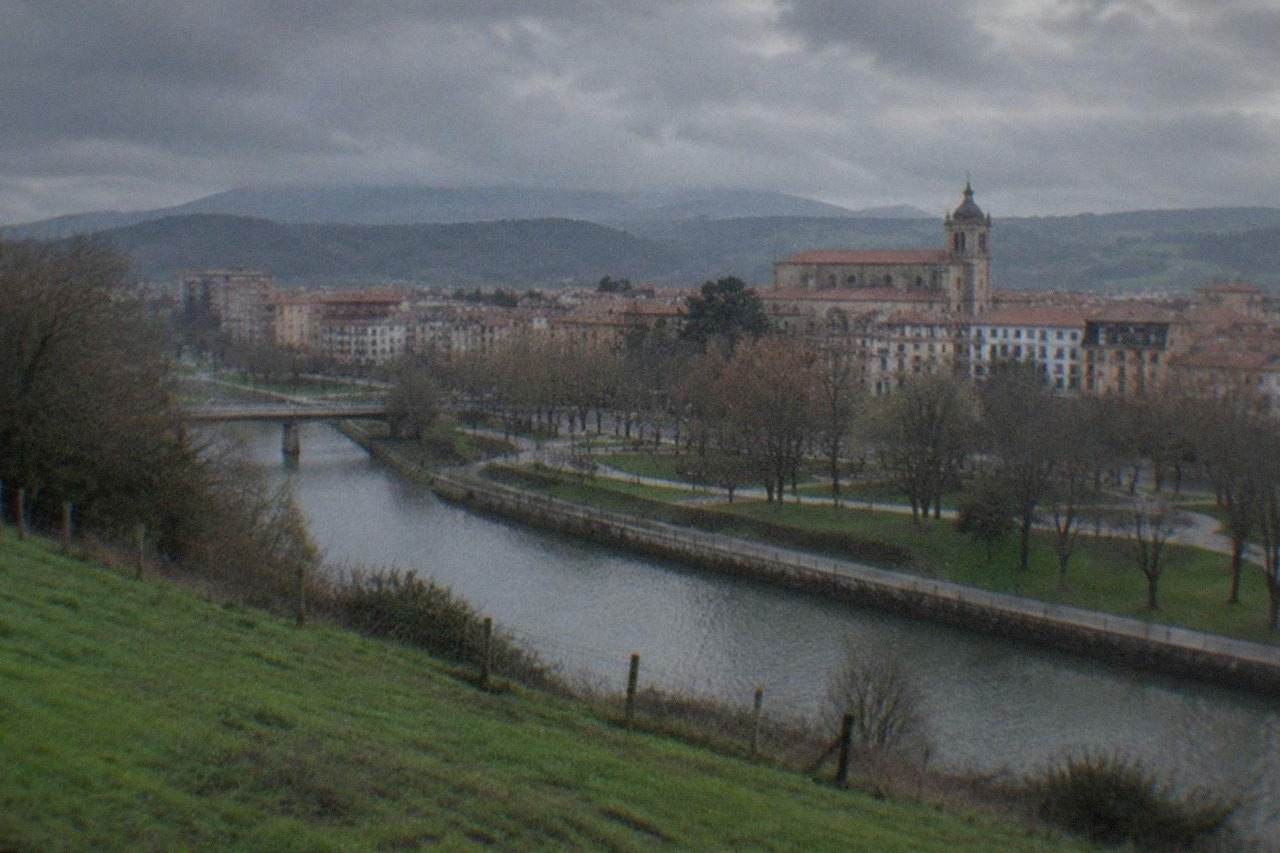
Gernika (Guernica) is the symbolic heart of Basque self-government, a small town in Biscay province a short road distance east of Bilbao, and one of the most meaningful day trips you can make from the city.
Short answer
Gernika (Guernica) is a small Basque town in Biscay province, northern Spain, reachable from Bilbao as an easy day trip. It is known for the Tree of Gernika, the Casa de Juntas assembly house, the Civil War bombing memorialised in Picasso's painting, and the Gernika Peace Museum.
Gernika (Guernica) sits in Biscay province, in the Basque Country of northern Spain, a short hop east of Bilbao and inland from the Urdaibai estuary. For a town of its size it carries an extraordinary weight: it is the seat of the historic Basque assemblies, the home of the Tree of Gernika under which Biscay's laws were once sworn, and the town whose bombing during the Spanish Civil War became one of the defining images of civilian suffering in modern European memory, immortalised in Picasso's painting. A day here is quiet, green and profoundly Basque, and it pairs naturally with the coast at Mundaka and the islet of Gaztelugatxe.
What Is Gernika (Guernica) And Why Is It Famous?
Gernika (Guernica) is a small town in Biscay province, in the Basque Country of northern Spain, famous for three things: the Tree of Gernika, the open-air assembly where Basque liberties were historically sworn; the Casa de Juntas, the meeting house of Biscay's parliament; and the bombing it suffered during the Spanish Civil War, which Picasso turned into one of the most famous paintings in the world. Together they make Gernika the symbolic capital of Basque self-government rather than a resort or a beach town.
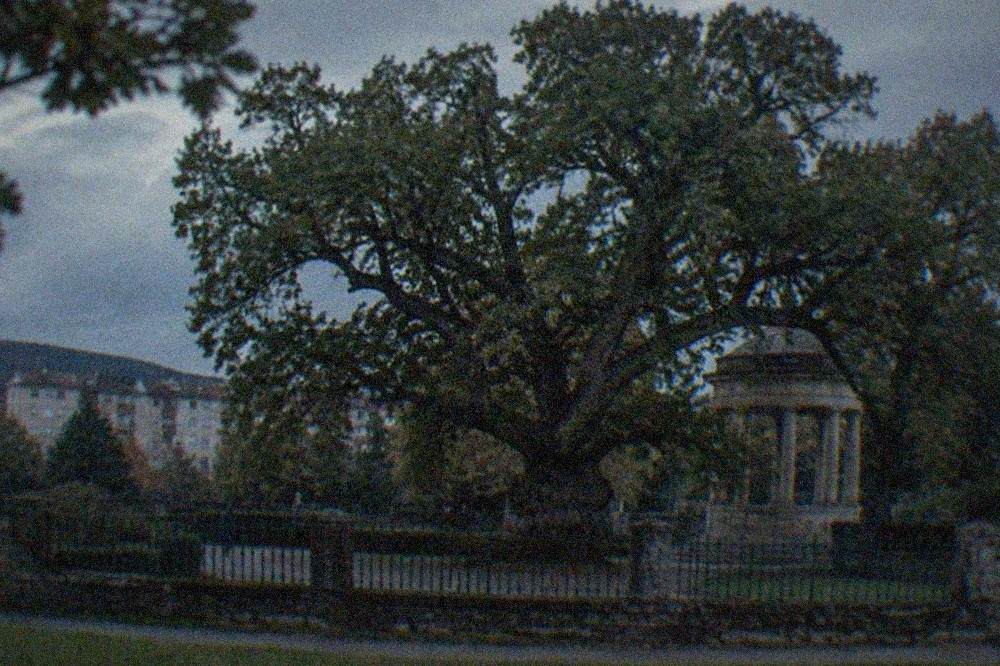
The town's fame is out of all proportion to its size, and that is precisely why it is worth the trip. Biscay's medieval lords and later the provincial government met here, and the oak tree in the assembly garden became the emblem of Basque freedom, an image that appears on the coat of arms of Biscay and the Basque Country to this day. The oak that stands there now is a descendant of an earlier one; the trunk of its predecessor, the "old tree," is preserved in a small temple-like pavilion beside it.
Then came the bombing. During the Spanish Civil War, the town was attacked from the air and burned. The event was reported worldwide, and Picasso, working on a commission for the Paris International Exposition, painted Guernica in response. The canvas now hangs at the Reina Sofía museum in Madrid, but its subject is here: a rebuilt town with a memorial culture that has deliberately chosen remembrance over revenge. For the full historical background, read the companion guide to the Tree of Gernika and Basque history.
How Do You Get From Bilbao To Gernika?
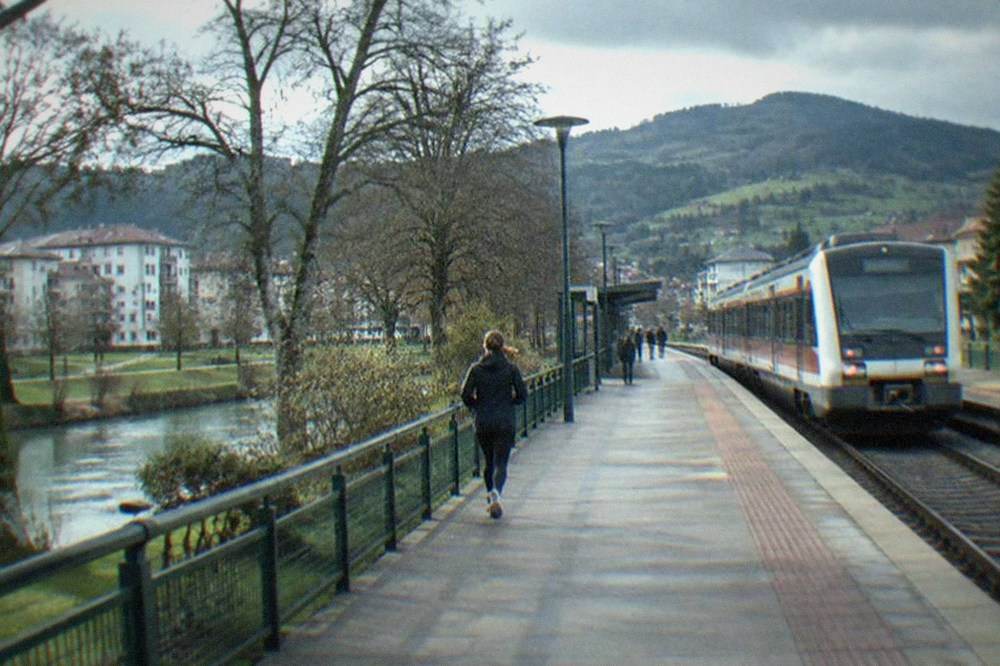
Gernika is an easy day trip from Bilbao by public transport, road or guided excursion. The town lies east of the city in Biscay province, connected by regional bus and rail services, and the CTB Barik card gives discounted fares across the whole Bizkaia network: Metro Zone 1 costs EUR1.02 with Barik versus EUR2.00 without, and the same Creditrans fares apply to Euskotren trains and Bizkaibus coaches. A Bilbao Bizkaia Card, at EUR10 for 24 hours, covers unlimited travel on all of it.
The practical detail that matters most is the fare structure. The CTB Barik fares page gives Creditrans prices of EUR1.02 for one zone, EUR1.19 for two zones and EUR1.30 for three zones across Metro, Euskotren and Bizkaibus, while occasional tickets bought without a card cost more at every step. The Barik card itself is commonly reported to cost EUR3 to purchase, non-refundable, though that purchase price comes from secondary sources rather than an official CTB page, so treat it as indicative and check at the ticket machine.
| Ticket / mode | With Barik Creditrans | Without Barik |
|---|---|---|
| Metro / Euskotren, 1 zone | EUR1.02 | EUR2.00 |
| Metro / Euskotren, 2 zones | EUR1.19 | EUR2.20 |
| Metro / Euskotren, 3 zones | EUR1.30 | EUR2.25 |
| Bilbao Tram (flat) | EUR0.74 | around EUR2.00 |
| Bilbao Bizkaia Card 24h | unlimited travel (EUR10) | n/a |
If you would rather not work out the timetables at all, a guided excursion from Bilbao bundles Gernika with the coast, and several of the best-rated options also cover Gaztelugatxe and the fishing ports. The trio below is a good starting spread: a San Sebastián and Getaria excursion for another day, the Gaztelugatxe loop that includes Gernika, and a small-group walk for your time back in Bilbao itself.
What Are The Best Things To See In Gernika?
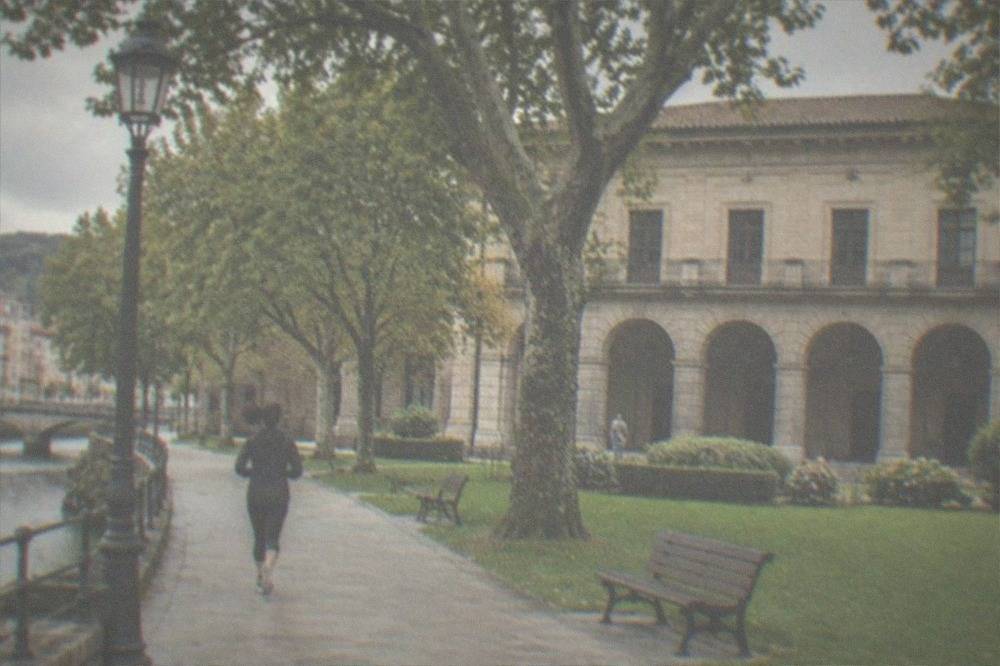
The essential sights in Gernika are the Casa de Juntas and the Tree of Gernika in the assembly garden, the Gernika Peace Museum, the Euskal Herria Museum inside the assembly complex, and the town's central streets and market tradition. All of the main sites sit within a short walk of each other, so a half day covers the town comfortably and leaves the afternoon free for the Urdaibai estuary or the coast at Mundaka.
The Casa de Juntas de Gernika is the ceremonial seat of Biscay's provincial parliament, the Juntas Generales. Sessions of the parliament are still opened here, and the building's church-like hall, the former church of Santa María la Antigua, is the room where Biscay's general assemblies have gathered for generations. The Tree of Gernika stands in the garden outside, fenced and shaded, with the porticoed pavilion that shelters the trunk of the old tree a few steps away. The whole ensemble takes an hour at a slow pace and costs nothing to view from the garden.
The Gernika Peace Museum, on the edge of the town park, is the town's account of the Civil War bombing and of peace-building more broadly. It is a modern, sober museum, well labelled in English, and it is the single best place to understand why this small town matters in European history. The Euskal Herria Museum, also within the assembly complex, covers Basque culture and the institutions of self-government, and it complements rather than duplicates the Peace Museum.
| Site | What it is | Why it matters |
|---|---|---|
| Tree of Gernika | Symbolic oak in the assembly garden | Emblem of Biscay's liberties and Basque self-government |
| Casa de Juntas | Ceremonial seat of Biscay's parliament | Where the Juntas Generales still open their sessions |
| Old tree pavilion | Shelter preserving the trunk of the earlier oak | The physical relic of the original tree |
| Gernika Peace Museum | Museum on the Civil War bombing and peace | The clearest account of the town's history |
| Euskal Herria Museum | Basque culture museum in the complex | Context on Basque institutions and traditions |
Planning a wider Basque itinerary around Gernika is straightforward. The town sits at the inland edge of the Urdaibai Biosphere Reserve, the tidal estuary that opens to the Bay of Biscay, and the reserve's beaches and marshes make an easy afternoon extension. If you are weighing this trip against other options from the city, the Gaztelugatxe day trip is the most photogenic alternative, while Mundaka pairs naturally with Gernika in a single coastal loop.
Can You Combine Gernika With Gaztelugatxe, Bermeo And Mundaka In One Day?
Yes, combining Gernika with Gaztelugatxe, Bermeo and Mundaka in one day is the classic Biscay loop, and it is exactly what most guided excursions from Bilbao do, because all four sit within the same stretch of coastline and estuary east of the city. A structured tour makes the combination practical in a single day; doing it independently works too, but the Gaztelugatxe reservation rules and the coastal bus connections reward careful planning.
The one hard constraint is Gaztelugatxe itself. A free timed reservation is required only on official controlled-access days, roughly mid-June to about 20 September plus Easter and holiday weekends per the yearly calendar, with a daily cap of 1,462 visitors on those days; on all other days access is free without a reservation. Booking, when needed, is always free via tiketa.eus, with a maximum of 10 people per reservation. As of the most recent reporting, access reverted to free and unreserved from 21 September 2026 through the end of September, which is a reminder that the calendar shifts year to year and must be checked before you commit to a date.
Guided tours handle that complexity for you, and the Gaztelugatxe loop that includes Gernika is one of the most popular day trips out of Bilbao precisely because it strings the hermitage, the fishing port of Bermeo, the surf town of Mundaka and the assembly town into one coherent route.
A longer variant adds Mundaka and Guernica with lunch included, which suits travellers who want the coast's big viewpoints and the town's history without pacing the day themselves.
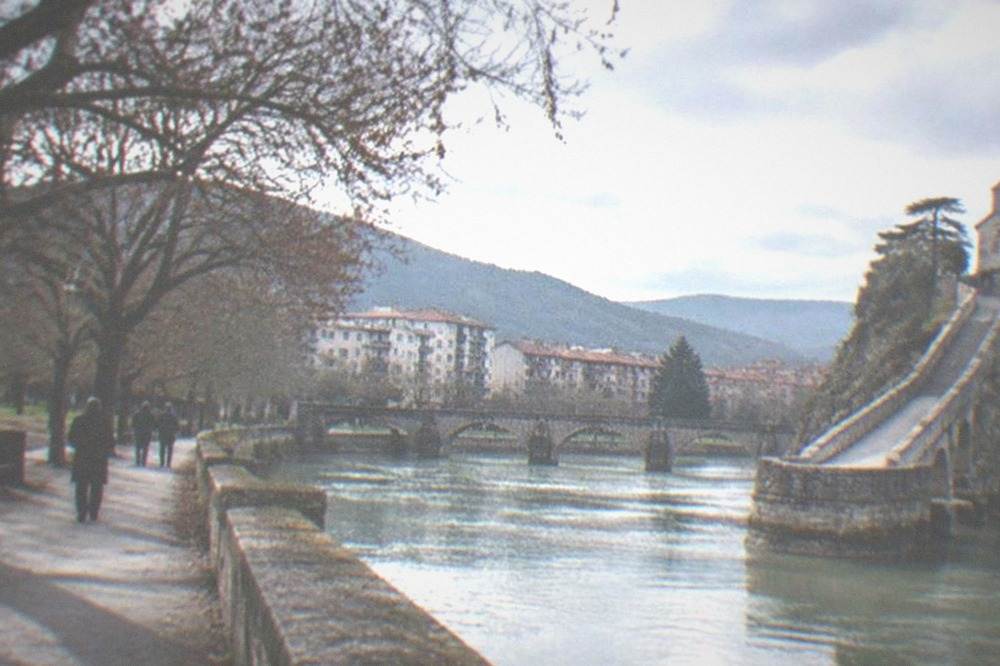
Where Is Picasso's Guernica Painting, And Can You See Anything Of It In Gernika?
Picasso's Guernica is not in Gernika: the painting hangs at the Museo Reina Sofía in Madrid, and Picasso never visited the town himself. What Gernika offers instead is the place the painting is about, the rebuilt streets the bombers destroyed, and the Peace Museum's permanent account of the attack, plus a full-size ceramic tile reproduction of the painting mounted on a street in the town.
That ceramic reproduction is one of the town's quiet surprises. A tiled mural version of Guernica hangs on a wall on Gernika's main street, and it has become a site of pilgrimage in its own right: visitors stand in front of a town's own copy of the painting of the town. The Peace Museum then supplies the documentary record, and the contrast between the canvas's screaming horses and the calm, green, rebuilt town around you is the entire point of the visit.
The Guggenheim Museum Bilbao, the city's flagship attraction, is the natural companion piece back in Bilbao: the museum's own site lists adult admission at EUR18 and opening hours of 10:00 to 19:00 Tuesday to Sunday, extended to 20:00 during Easter week and from 15 June to 13 September. Basque art and memory are recurring threads in its exhibition programme, and the museum's architecture, titanium curves beside the Nervión estuary, is itself a statement of what this region rebuilt itself into after the industrial century. If you are building a full week around the city, the overview at things to do in Bilbao ties the museums, the Old Town and the day trips together.
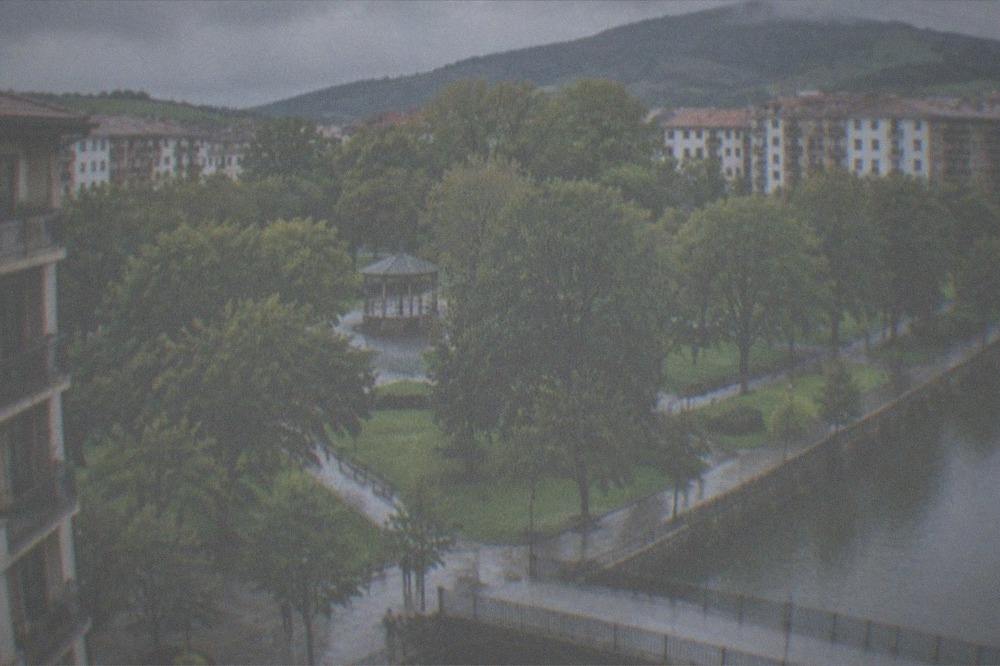
When Is The Best Time Of Year To Visit Gernika?
The best time to visit Gernika is June through September, when AEMET's Bilbao Aeropuerto/Loiu station (1082) normals show monthly means of 18.4 C in June, 20.4 C in July and 20.9 C in August, with rainfall dropping to its annual low of 50 mm in July. Spring and early autumn are quieter and green, while November is the wettest month at 147 mm and the least rewarding for a walking day built around gardens and viewpoints.
Bilbao's climate is temperate oceanic, Atlantic-influenced, and that shapes any day trip in Biscay: rain can arrive in any month, and the smart plan is an itinerary with indoor fallbacks. The Gernika Peace Museum and the Euskal Herria Museum are exactly that, and the assembly garden is pleasant even in drizzle, but the coastal half of the combined loop, the Gaztelugatxe stairway above all, is far better in dry weather. Check the forecast on the morning of the trip rather than the seasonal average.
| Month | Mean temperature (C) | Mean precipitation (mm) |
|---|---|---|
| March | 11.5 | 90 |
| June | 18.4 | 60 |
| July | 20.4 | 50 |
| August | 20.9 | 76 |
| September | 19.2 | 73 |
| November | 12.4 | 147 |
| Season | Conditions in Biscay | Suitability for the Gernika loop |
|---|---|---|
| Spring (Mar-May) | Mild, showery, very green | Good for gardens and museums |
| Summer (Jun-Aug) | Warmest, driest of the year | Best for the full coastal loop |
| Autumn (Sep-Nov) | Cooling, rain building from October | Fine early on, wet by November |
| Winter (Dec-Feb) | Cool, around 9-10 C mean, wet | Museum-focused visits work well |
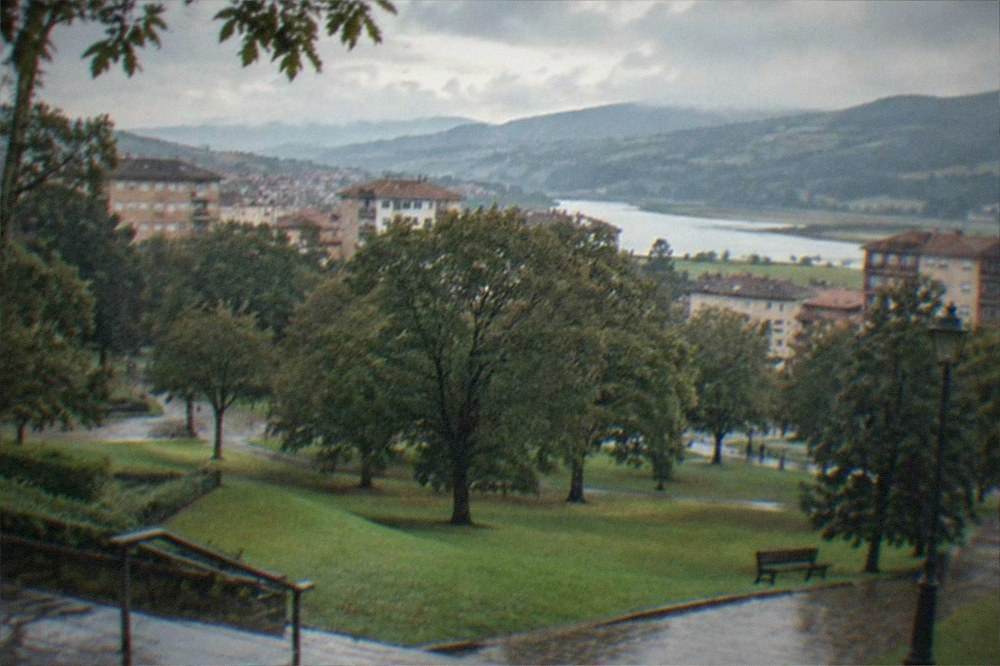
What Should You Budget For A Gernika Day Trip From Bilbao?
Budget for three things: transport, food and optional guiding. With a Barik card, Creditrans fares run EUR1.02 to EUR1.30 per zonal leg, so a return journey by train or bus costs only a few euros; the Bilbao Bizkaia Card at EUR10 for 24 hours, EUR15 for 48 hours or EUR20 for 72 hours, per the card's official site, covers unlimited transport plus attraction discounts. There is no tourist tax in force in 2026, so nothing is added to your hotel bill this year.
The tourist tax point deserves its own sentence because it is new and widely misunderstood. A Bizkaia-wide regional tourist tax (Norma Foral 3/2026) takes effect on 1 January 2027, with Bilbao's approved municipal rates running from EUR1 per night in pensions to EUR5 per night in 5-star hotels and EUR6.50 for tourist apartments. A 2026 visit pays none of it; a 2027 visit does, per adult per night up to roughly five or six nights, with reservations made before early February 2026 generally exempt. Budget accordingly if your trip slips into next year.
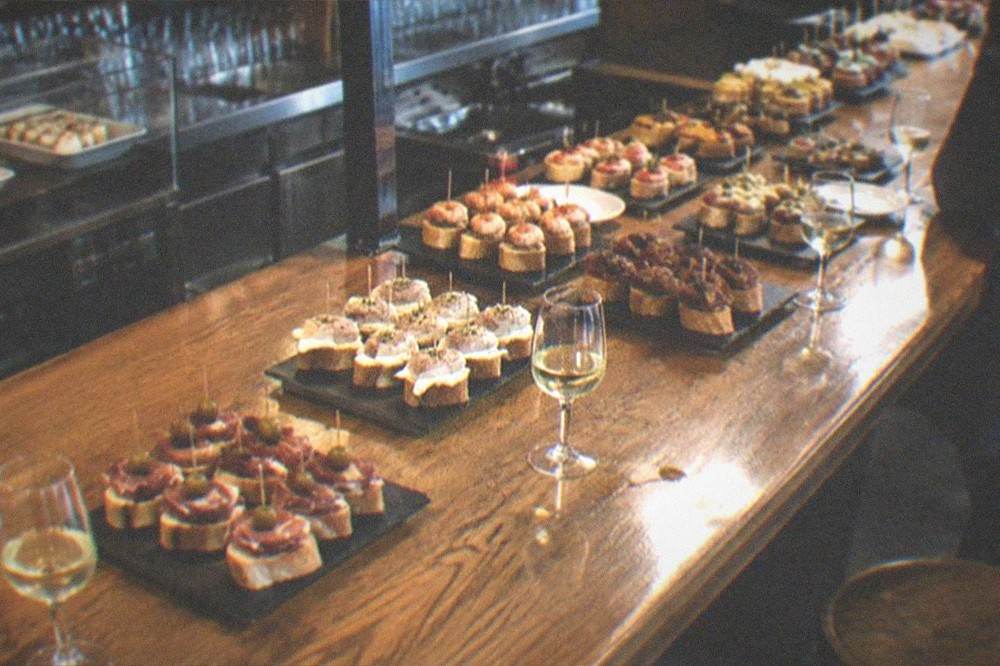
On the ground in Gernika, food costs what the rest of Biscay costs: pintxos at traditional bars generally run a few euros each, and a crawl of four to six items with drinks lands somewhere in the EUR25 to EUR45 range that local food guides commonly cite, though prices vary by bar, so check the board. Guided day trips that include Gernika render their own prices on their live listings, and the operator's listing is always the number to trust.
| Expense | Planning figure | Notes |
|---|---|---|
| Barik Creditrans, 1 zone | EUR1.02 | Metro, Euskotren, Bizkaibus |
| Barik Creditrans, 3 zones | EUR1.30 | Longer regional legs |
| Bilbao Bizkaia Card 24h | EUR10 | Unlimited transport, personal, non-transferable |
| Bilbao Bizkaia Card 48h / 72h | EUR15 / EUR20 | Same benefits, longer validity |
| Tourist tax | EUR0 in 2026 | EUR1-6.50 per night from 1 Jan 2027, by accommodation type |
Which Other Day Trips From Bilbao Pair Well With A Gernika Visit?
The pairings that work best are the same-basin coastal towns, Mundaka, Bermeo, Bakio and the Urdaibai estuary, plus Gaztelugatxe itself, because they share the same transport corridors east of Bilbao. Further afield, San Sebastián, Vitoria-Gasteiz and the Rioja wine country make full-day trips in their own right and are better saved for separate days than bolted onto a Gernika morning.
Think of Biscay as one compact basin: Bilbao sits at the estuary's head, Gernika sits inland of the Urdaibai mouth, and the coast strings out to either side. That geography is why the guided loops work so well and why a Getxo trip on the opposite, western bank of the estuary feels like a different day entirely. If your appetite is for more history and less surf, Vitoria-Gasteiz, the Basque capital, is a strong contrast, and the Rioja wine day trip swaps the Atlantic for vineyards in under two hours by road.
For a different flavour of the coast, the Basque Country's French side is reachable on a long but rewarding excursion, and the San Sebastián and Getaria route is the single most-booked trip out of Bilbao after the Gaztelugatxe loops.
If that southern itinerary tempts you, the full guide to the San Sebastian day trip breaks down the bus and train options, and the Santurtzi cruise terminal guide is worth a look if your Bilbao time begins at the port.
Common Questions About Gernika (Guernica)
Is Gernika Worth Visiting From Bilbao?
Yes, especially if Basque history interests you at all. The Tree of Gernika, the Casa de Juntas and the Peace Museum compress a remarkable amount of the Basque Country's story into one small town, and the trip combines easily with the coast at Mundaka and Gaztelugatxe. A half day in the town itself is enough for the main sites.
How Do I Get To Gernika Using Public Transport?
Regional Euskotren and Bizkaibus services connect Bilbao with Gernika as part of the Bizkaia transport consortium's network, and a Barik Creditrans card cuts the fare on every leg: EUR1.02 for one zone, EUR1.19 for two, EUR1.30 for three, per the CTB fares page. Timetables are zonal and integrated, so check the operator's app for your specific departure.
Where Is Picasso's Guernica Painting Now?
In the Museo Reina Sofía in Madrid. Picasso never visited Gernika, and the painting has never hung in the Basque Country, though a full-size ceramic tile reproduction of it is mounted on a street wall in Gernika itself, and the town's Peace Museum tells the story the canvas responds to.
What Is The Tree Of Gernika?
An oak tree in the garden of the Casa de Juntas, the ceremonial meeting place of Biscay's parliament, under which Basque liberties were historically sworn. The current tree is a descendant of an earlier oak, whose preserved trunk sits in a pavilion beside it, and the tree is an emblem of Biscay and of Basque self-government.
Do I Need A Reservation For Gaztelugatxe If I Combine It With Gernika?
Only on official controlled-access days, roughly mid-June to about 20 September plus Easter and holiday weekends per the yearly calendar, when a free timed ticket is required and daily visitors are capped at 1,462. On all other days access is free without a reservation. Booking, when required, is always free via tiketa.eus, with up to 10 people per reservation.
Is There A Tourist Tax In Bilbao Or Gernika?
Not in 2026. A Bizkaia-wide tourist tax takes effect on 1 January 2027, with Bilbao's approved rates running from EUR1 per night in pensions to EUR5 in 5-star hotels and EUR6.50 for tourist apartments, charged per adult per night. A visit this year pays nothing; a visit next year should budget for it.
Gernika rewards a slow pace and a bit of reading before you arrive, but it asks very little planning beyond that: a Barik card in your pocket, a forecast check in the morning, and a free afternoon if the Gaztelugatxe stairway is calling. This Bilbao Travel Guide rates it among the region's most meaningful day trips, and the town's quiet, green assembly garden is a fitting place to end any Basque itinerary.