Santurtzi Cruise Terminal
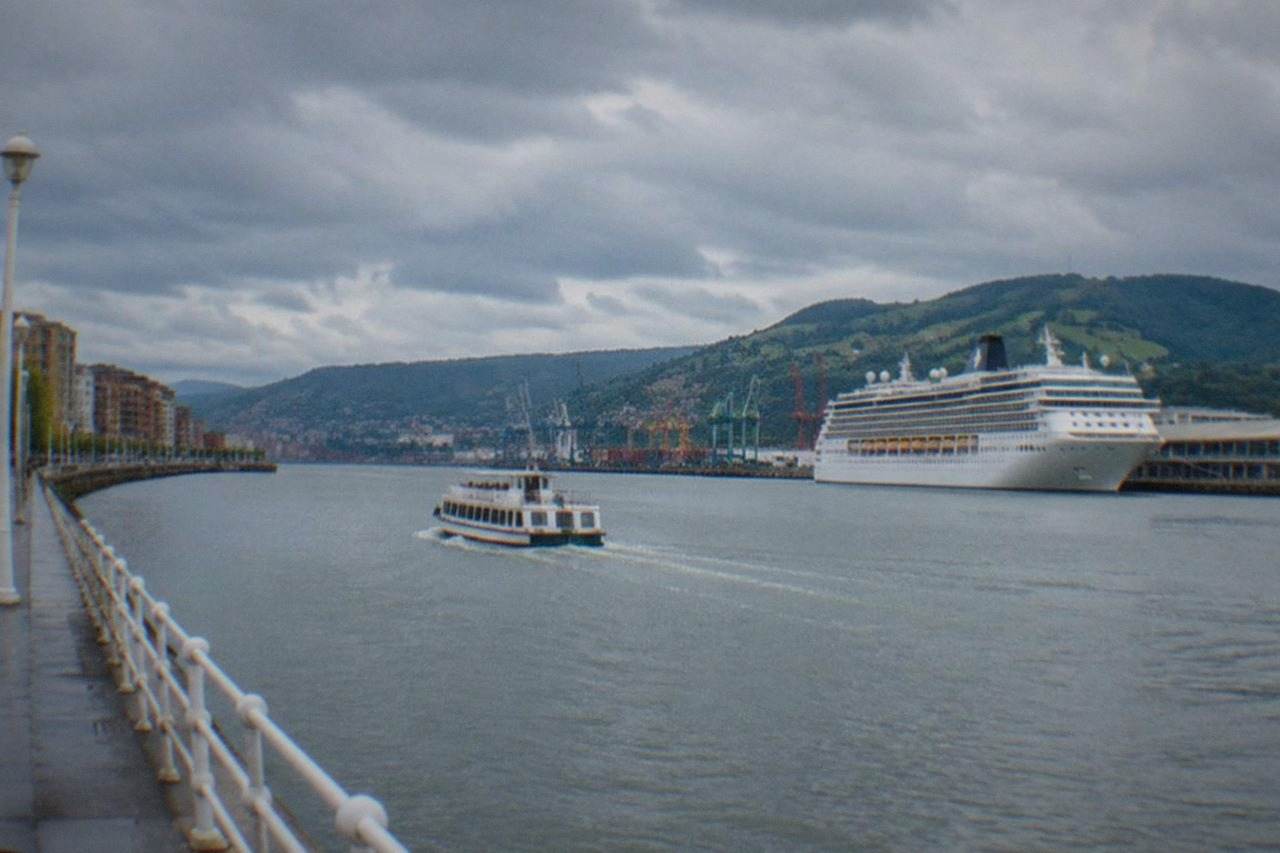
Cruise ships calling at Bilbao in Biscay (Bizkaia), Basque Country, northern Spain, berth at the Santurtzi Cruise Terminal on the left bank of the Nervion estuary, a short hop from Portugalete and its UNESCO-listed Vizcaya Bridge and about fifteen kilometres up the tidal river from the open Bay of Biscay.
Short answer
The Santurtzi Cruise Terminal is the cruise berth of the Port of Bilbao, on the left bank of the Nervion estuary in the town of Santurtzi, west of central Bilbao. Ships dock beside Portugalete and the UNESCO Vizcaya Bridge, with central Bilbao and the Guggenheim reachable by metro, bus, taxi or boat along the estuary.
Cruise ships that call at Bilbao do not dock in the city itself. They berth at the Santurtzi Cruise Terminal, on the left bank of the Nervion (Ibaizabal) estuary in the town of Santurtzi, in Biscay (Bizkaia) province, Basque Country (Euskadi), northern Spain. The terminal sits in the outer estuary, downstream of central Bilbao and right beside neighbouring Portugalete, whose UNESCO-listed Vizcaya Bridge is the single most remarkable structure on this stretch of water. The estuary here is tidal, roughly fifteen kilometres from the open Bay of Biscay, and the port town atmosphere around the berth is a very different Bilbao from the glass and titanium of the Guggenheim upstream.
That geography is the whole story of a day in Santurtzi. You arrive in a working port town with a fishing heritage, and the two headline sights of the region, the Vizcaya Bridge and the city of Bilbao itself, sit one on each side of your berth. This page from Bilbao Travel Guide covers what the terminal is, how to reach the city centre, what sits within reach of the gangway, and which shore excursions are worth booking before the ship arrives.
Where Is The Santurtzi Cruise Terminal And Why Do Cruise Ships Dock There?
The Santurtzi Cruise Terminal is the cruise berth of the Port of Bilbao, located on the left bank of the Nervion estuary in the municipality of Santurtzi, in Biscay (Bizkaia), Basque Country, northern Spain. Cruise ships berth here because Bilbao's city centre quays sit well upstream on a tidal river, so ocean-going vessels tie up in the outer estuary beside Portugalete, roughly fifteen kilometres from the open Bay of Biscay.
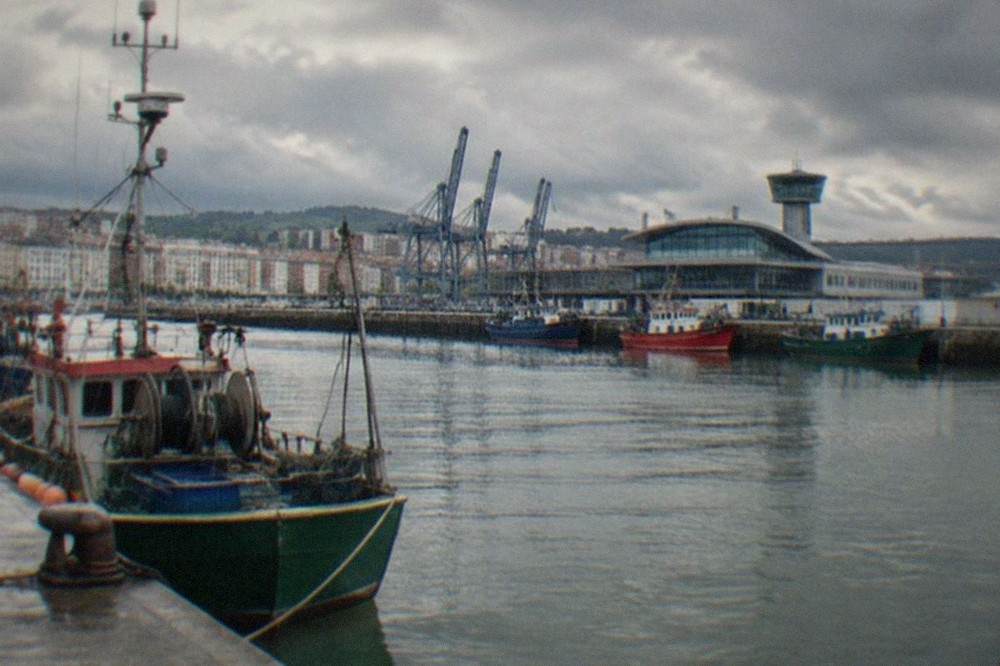
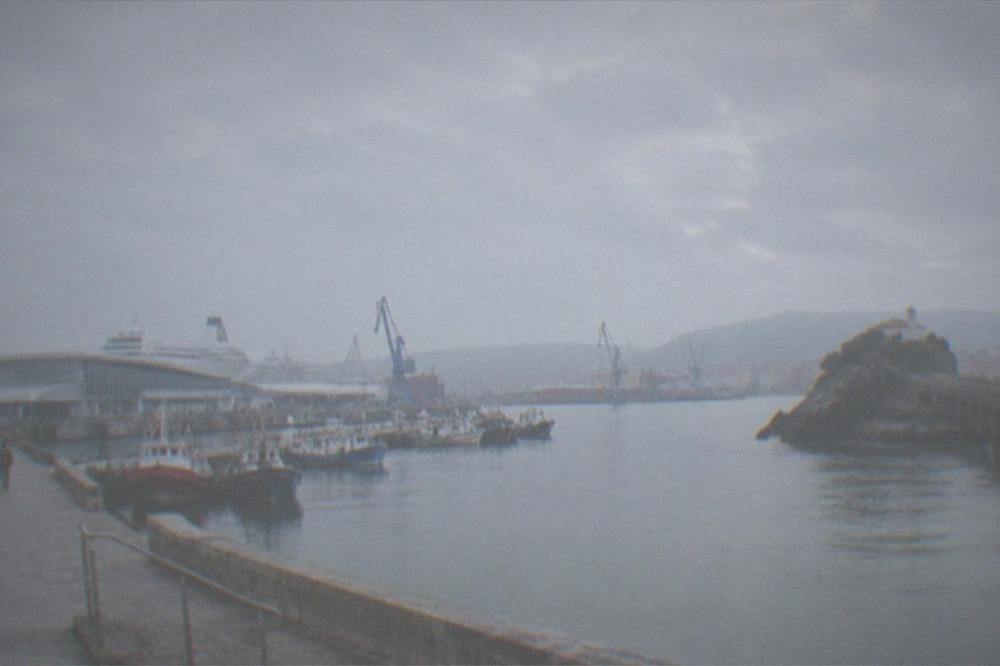
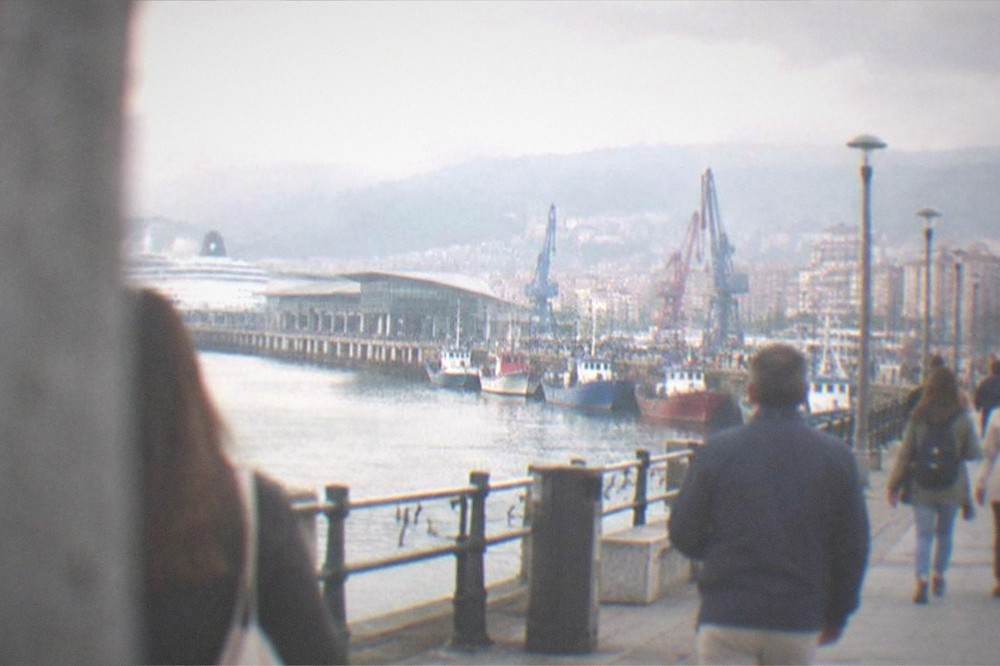
Bilbao is not a coastal city in the beach-holiday sense. It sits inland on the Nervion/Ibaizabal estuary, and the river's mouth opens into the Bay of Biscay about fifteen kilometres downstream of the centre. The port infrastructure, cargo terminals, cruise quays and all, sits in that outer stretch, on the left bank, in Santurtzi. The town itself is a genuine fishing and port community in Biscay province, part of the Basque Country's autonomous community of Euskadi, and its waterfront faces Portugalete directly across the water.
The arrangement works in a visitor's favour more than most cruise ports. Many terminals strand passengers in industrial docks an hour from anything interesting. Santurtzi does not: the Vizcaya Bridge, a UNESCO World Heritage Site inscribed in 2006 and the first industrial heritage site in Spain on the list, stands at Portugalete a short distance from the berth, and central Bilbao with the Guggenheim Museum is upstream. Eustat's municipal register puts Bilbao's population at 346,933 as of 1 January 2025, and the city's tourism pull is real: Bilbao Ekintza's 2025 tourism report cites 1,396,841 visitor entries and 2,723,725 overnight stays in hotels and tourist apartments combined for the year, on that all-accommodation basis.
The essentials of the terminal and its setting, in one place:
| Detail | What applies |
|---|---|
| Country and region | Spain; Basque Country (Euskadi); Biscay (Bizkaia) province |
| Terminal location | Left bank of the Nervion estuary, Santurtzi, outer port area |
| Nearest town centre | Santurtzi, with Portugalete directly across the estuary |
| Headline sight beside the berth | Vizcaya Bridge, UNESCO World Heritage Site since 2006 |
| City upstream | Bilbao, population 346,933 (Eustat, 1 January 2025) |
| Estuary character | Tidal, roughly 15 km from the open Bay of Biscay |
| Climate | Temperate oceanic, Atlantic-influenced, rain in every month |
| Tourist tax | None in 2026; regional tax starts 1 January 2027 |
How Do You Get From The Santurtzi Cruise Terminal To Central Bilbao?
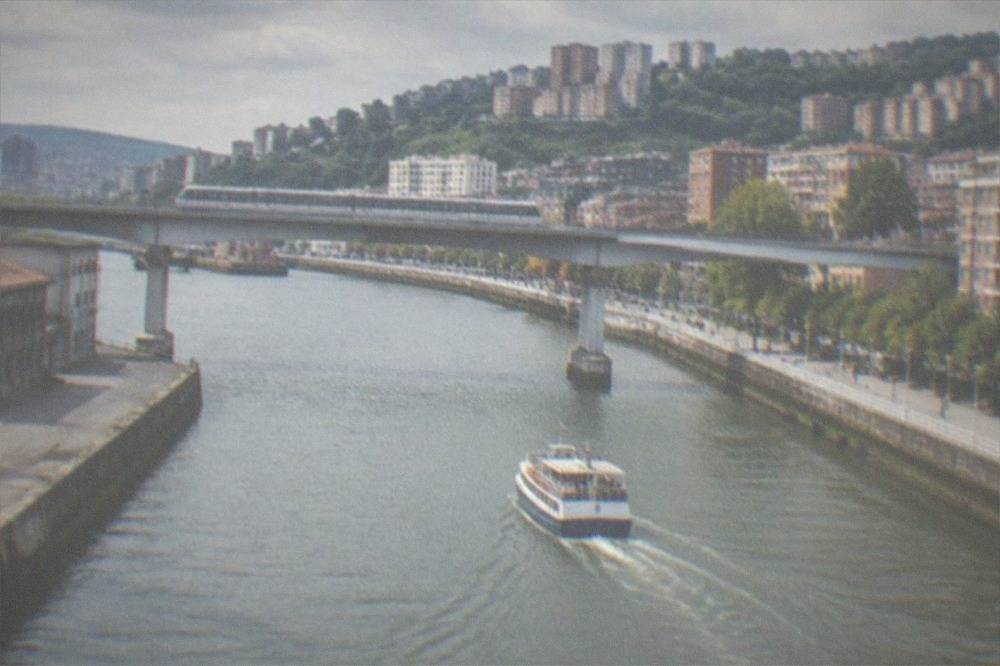
Cruise passengers reach central Bilbao from Santurtzi by metro, bus, taxi or boat along the estuary, all of which run on the Bizkaia transport consortium's integrated fare system. A Barik card cuts a Metro Zone 1 trip to 1.02 EUR from the 2.00 EUR occasional single, and the whole journey runs along the river corridor into Abando and the Guggenheim district, so the transfer is part of the sightseeing rather than dead time.
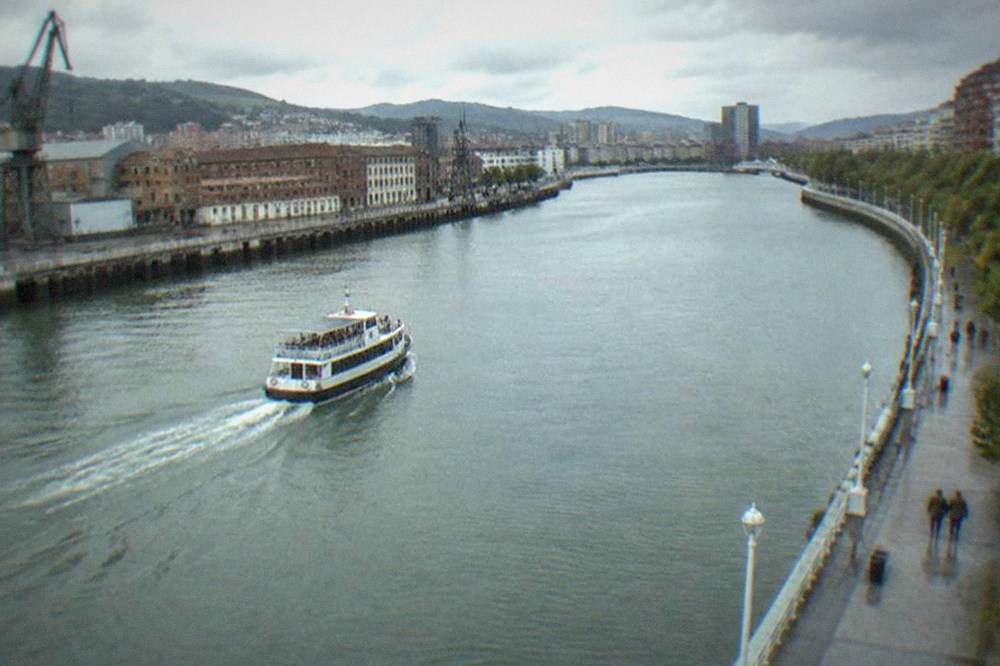
The estuary is the corridor everything follows. Rail, road and river transport all run along it, which means whichever mode you pick, you travel the same stretch of water the city was built on. The CTB Barik fares page gives the Metro's Creditrans prices as 1.02 EUR for one zone, 1.19 EUR for two and 1.30 EUR for three, against occasional singles of 2.00, 2.20 and 2.25 EUR with two hours' validity. Bilbobus city buses charge 1.70 EUR without a card and roughly 0.73 EUR base with Barik Creditrans, effectively near 0.44 EUR after the discount on multiviaje titles. The tram charges 0.74 EUR flat with Barik, around 2.00 EUR occasional. Bizkaibus interurban buses run 1.02 to 2.45 EUR by zone on Creditrans. The Barik card itself is commonly reported to cost 3 EUR to buy, non-refundable, usually with a 5 EUR minimum top-up, though that purchase price comes from secondary sources rather than an official CTB page.
Taxis are the simple option for a port day, and Bilbao's regulated fares carry no airport-style supplements on regular urban trips. For orientation on fares across the region, the official figures the CTB publishes are these:
| Mode | Occasional single (no Barik) | With Barik Creditrans |
|---|---|---|
| Metro, 1 zone | 2.00 EUR | 1.02 EUR |
| Metro, 2 zones | 2.20 EUR | 1.19 EUR |
| Metro, 3 zones | 2.25 EUR | 1.30 EUR |
| Bilbobus city bus | 1.70 EUR | approx. 0.73 EUR base, near 0.44 EUR effective |
| Bilbao tram | approx. 2.00 EUR | 0.74 EUR flat |
| Bizkaibus interurban | higher by zone | 1.02 to 2.45 EUR, zones 1 to 5 |
There is also a tourist card that sidesteps the arithmetic entirely. The Bilbao Bizkaia Card site states the card costs 10 EUR for 24 hours, 15 EUR for 48 hours and 20 EUR for 72 hours, is personal and non-transferable, and covers unlimited travel on Metro Bilbao, the tram, Bilbobus, Bizkaibus, Euskotren trains in the region and the funiculars, plus fast-track access at the main museums and discounts at partner businesses. For a single long port day the 24-hour tier is the one that usually makes sense. For a fuller breakdown of the whole port-day plan, including how to sequence the Guggenheim, the Old Town and lunch, see the Bilbao cruise port day itinerary, and for the full range of options across the city, things to do in Bilbao is the site's master list.
If your call falls on a short port window, a pre-booked excursion removes the transfer question altogether, because you are collected and returned rather than negotiating the estuary yourself. These are the three options most port callers compare first:
What Sits Within Reach Of The Santurtzi Cruise Terminal Itself?
The Vizcaya Bridge at Portugalete, a UNESCO World Heritage transporter bridge inscribed in 2006, is the landmark closest to the Santurtzi Cruise Terminal, and it is one of the few sights anywhere that you can both ride across and walk over. The gondola crossing costs 0.60 EUR one-way for pedestrians in daytime hours, and the high-level walkway ticket is reported at 11 EUR adult round-trip, 9 EUR reduced for over-65s and students, with under-5s free and an audio guide for a further 3 EUR.
The bridge, known locally as the Puente Colgante, was the first transporter bridge ever built and carries its gondola slung beneath the span, ferrying passengers and a few vehicles across the estuary between Portugalete and Getxo. UNESCO inscribed it in 2006 as the first industrial heritage site in Spain on the World Heritage list, which is a genuinely odd distinction for what looks, at first glance, like a piece of Victorian engineering in a Basque port. The gondola fare is 0.60 EUR one-way in regular daytime hours, higher at night and in extended operating hours. The walkway price is a single-source figure, reported from the operator's fares page rather than double-confirmed, so treat it as stated-but-checkable rather than gospel.
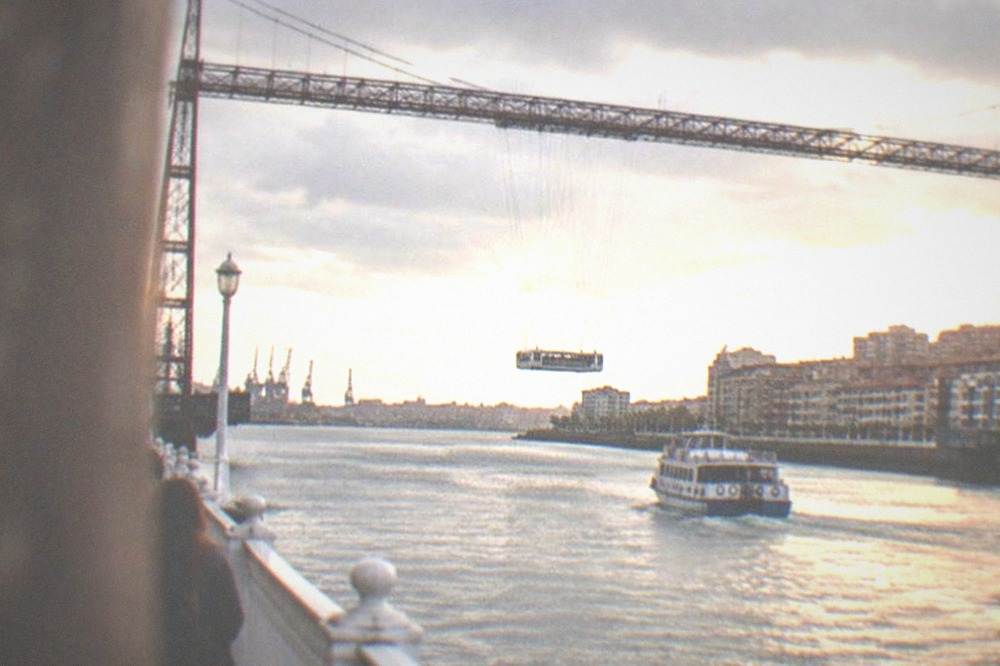
Across the water on the right bank sits Getxo, the estuary's residential coast town, with its promenades and old beachfront quarter. The Getxo day trip guide covers it in full. For passengers who want a first hour ashore without touching Bilbao at all, Portugalete's old town, the bridge, and the Santurtzi waterfront make a walkable triangle around the berth.
| Vizcaya Bridge option | Price | Notes |
|---|---|---|
| Gondola crossing, pedestrian | 0.60 EUR one-way | Daytime hours; higher at night |
| Walkway (catwalk) ticket | 11 EUR adult round-trip | Reported figure, single source |
| Walkway reduced | 9 EUR | Over-65s and students |
| Walkway under-5s | Free | |
| Audio guide | +3 EUR | Optional add-on |
For a port call measured in hours rather than days, the single most efficient use of the berth's geography is a coastal excursion that collects you at the terminal and returns you before all-aboard. The strongest-rated option in the roster does exactly that, pairing the Dragonstone hermitage with a walk along the Basque coast: read the Gaztelugatxe and Basque Coast walk tour page or Check availability.
Which Shore Excursions And Day Trips Work Best From Santurtzi?
The best shore excursions from the Santurtzi Cruise Terminal split into three groups: the Basque coast and Gaztelugatxe hermitage to the east, the inland cultural triangle of Gernika and the Urdaibai estuary, and the big-name city escapes to San Sebastián or the Rioja wine country. All are reachable as organised day trips from Bilbao, and the coastal options in particular are timed itineraries that suit a port call far better than independent travel with a fixed all-aboard time.
Gaztelugatxe is the region's signature image: a rocky islet off the coast at Bakio, crowned by a hermitage and reached by a stone causeway and a long flight of steps. It is the Dragonstone filming location from Game of Thrones, and it is the single most-booked excursion from Bilbao. Access has a rule worth knowing before you book anything: the Diputacion's official system requires a free timed reservation only on designated "controlled access" days, roughly mid-June to about 20 September daily plus Easter and holiday weekends on the yearly calendar, with a daily cap of 1,462 visitors on those days. On all other days entry is free without a reservation, and as of the most recent reporting, access reverted to free and unreserved from 21 September 2026 through the end of September. Booking, when required, is always free via tiketa.eus, with a maximum of 10 people per reservation. The Gaztelugatxe guide carries the full detail.
The coastal string continues east through Bermeo, a working fishing port, and Mundaka, the surf town at the mouth of the Urdaibai estuary, both covered in the Mundaka and Urdaibai biosphere reserve guides. Inland, Gernika carries the weight of Basque history and a name recognised worldwide through Picasso's most famous painting; the Gernika guide explains what to see. Further afield, San Sebastián is the region's other great city, and the San Sebastian day trip is the standard port-day upgrade for food-focused travellers, while the Rioja wine day trip heads south into Spain's most famous red-wine country. Vitoria-Gasteiz, the Basque capital, is a quieter alternative covered in the Vitoria-Gasteiz guide.
| Excursion direction | Headline stops | Best for |
|---|---|---|
| Basque coast east | Gaztelugatxe, Bermeo, Mundaka | The iconic photo, fishing ports, surf coast |
| Urdaibai estuary | Gernika, Mundaka, biosphere reserve | History, nature, birdlife |
| Rioja wine country | Wineries, Laguardia | Wine, inland towns, a full day |
| San Sebastián | Old town, beaches, pintxos bars | Food-led travellers with a long port call |
| French Basque coast | Saint-Jean-de-Luz, Biarritz | A second country in one day |
| Portugalete and Getxo | Vizcaya Bridge, promenades | A short call, or the first hour ashore |
For cruise passengers weighing a guided excursion against going alone, the honest comparison is this: the coastal sights are reachable independently, but Gaztelugatxe's reservation calendar, limited bus connections and the walk itself eat time a port call does not have. A guided trip with entry handled is the safer format for a ship day, and the Dragonstone-focused version is built exactly around that constraint.
How Much Do Bilbao's Main Attractions Cost From The Cruise Terminal?
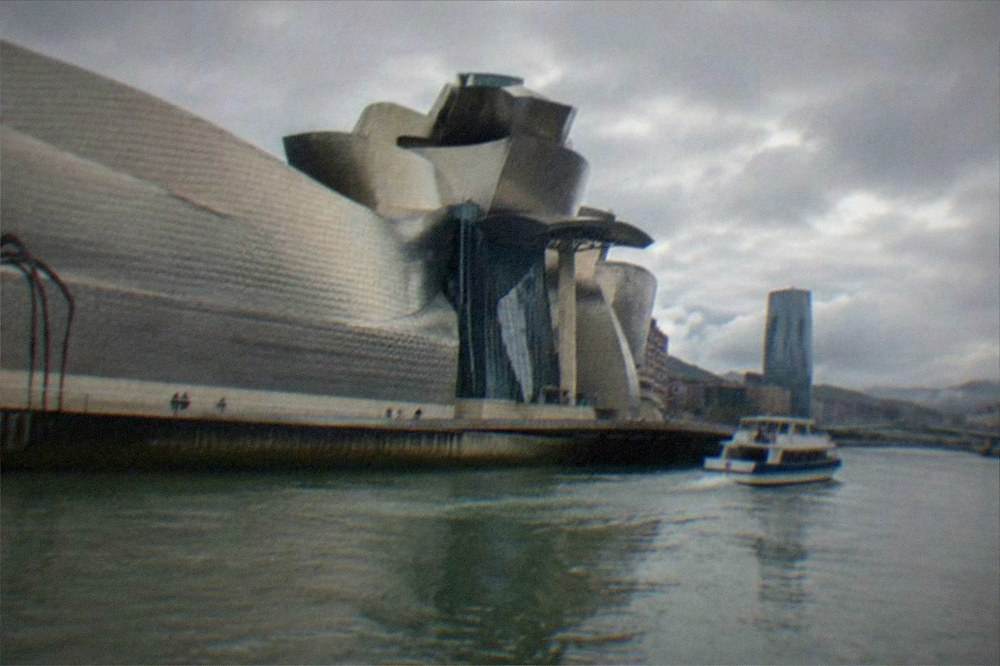
The Guggenheim Museum Bilbao charges 18 EUR for a standalone adult ticket and opens Tuesday to Sunday from 10:00 to 19:00, extending to 20:00 during Easter week and again from 15 June to 13 September. The Bilbao Fine Arts Museum reopens on 6 October 2026 after renovation closure with a free week from 6 to 13 October, then charges 12 EUR general admission from 14 October, with a joint Artean pass covering both museums for 16 EUR.
The Guggenheim's own site lists those hours and prices, and the museum's summer extension matters for port planning: a July or August call gives you a museum that stays open to 20:00, which turns a late-afternoon second visit into a real option. Reduced tickets are 9 EUR for students aged 18 to under-26 and for over-65s, under-18s enter free, and every ticket includes the audio guide. The Fine Arts Museum figures, the 6 October 2026 reopening, the free week and the post-14-October pricing, are single-source claims reported from the museum's planning page rather than double-confirmed, so state them to yourself as reported and verify on the day. The Artean joint pass at 16 EUR general and 8 EUR reduced covers both museums and is the obvious buy if your call is long enough for two.
Football fans have a third headline option. San Mamés, the home of Athletic Club, runs stadium experiences on non-match days: the Athletic Club site lists self-guided audio visits at 15 EUR for adults and 5 EUR for children aged 5 to 14, and guided Museum Plus Tour visits at 22 EUR and 8 EUR. Hours run Tuesday to Sunday 10:00 to 20:00 from March to October, daily in July and August, and 10:00 to 19:00 from November to February with Monday closures.
| Attraction | Adult price | Key condition |
|---|---|---|
| Guggenheim Museum Bilbao | 18 EUR | Tue-Sun 10:00-19:00; to 20:00 Easter week and 15 Jun-13 Sep |
| Guggenheim reduced | 9 EUR | Students 18-25, over-65s; under-18s free |
| Bilbao Fine Arts Museum | 12 EUR from 14 Oct 2026 | Reopens 6 Oct 2026; free week 6-13 Oct; reported figure |
| Artean joint pass | 16 EUR | Both museums; 8 EUR reduced |
| San Mamés self-guided | 15 EUR | Audio guide in ES/EU/EN/FR |
| San Mamés guided Museum Plus Tour | 22 EUR | Non-match days |
One cost that does not apply to you yet: the tourist tax. A Bizkaia-wide regional tourist tax under Norma Foral 3/2026 takes effect on 1 January 2027, with Bilbao's approved municipal rates running from 1 EUR per night for pensions up to 5 EUR for five-star hotels and 6.50 EUR for tourist apartments. Visitors in 2026 pay no tourist tax, and reservations made before early February 2026 are generally exempt even once the tax starts. If your sailing is in 2027 or later, budget for it; if it is this year, do not let anyone add it to your bill.
What Is The Weather Like When Your Ship Docks In Santurtzi?
Santurtzi shares Bilbao's temperate oceanic, Atlantic-influenced climate, which AEMET's Bilbao Aeropuerto/Loiu station (1082) records as an annual mean of 14.7 C with 1,134 mm of rain spread across every month of the year. July and August are the warmest and driest months, at 20.4 C and 20.9 C mean with 50 mm and 76 mm of rain, while November is the wettest at 147 mm, so a summer call is a different experience from an autumn one.
This is not Mediterranean Spain, and packing for it is the difference between a good day and a soggy one. Rain is possible in every single month, including July, and the Atlantic keeps summer temperatures moderate, with August's mean maximum around 26 C rather than the 30-plus figures of the south. Winter calls are mild rather than cold, with January's mean at 9.3 C, but wet, with 120 mm across the month. The practical reading of the table below: bring a light rain layer in any season, and do not plan a port day around guaranteed sunshine.
| Month | Mean temperature (C) | Mean precipitation (mm) |
|---|---|---|
| January | 9.3 | 120 |
| February | 9.7 | 86 |
| March | 11.5 | 90 |
| April | 12.6 | 107 |
| May | 15.7 | 78 |
| June | 18.4 | 60 |
| July | 20.4 | 50 |
| August | 20.9 | 76 |
| September | 19.2 | 73 |
| October | 16.4 | 111 |
| November | 12.4 | 147 |
| December | 9.9 | 122 |
The figures are AEMET's 1981-2010 normals for station 1082, the official published table for Bilbao's airport station. The wettest month is November at 147 mm and the driest is July at 50 mm, but the honest takeaway for a cruise passenger is that the estuary is green for a reason, and the region's scenery, the cliffs at Gaztelugatxe, the hills above the terminal, the Urdaibai estuary, is at its most photogenic under the broken sky that produces that rainfall.
Which Tours Should You Reserve Before Your Cruise Arrives?
Reserve before you sail anything with a timed entry, a small group size or a seasonal window: the Gaztelugatxe coastal excursions, a guided Guggenheim visit, and the food tours that anchor a short city call. Booking ahead matters most in July and August, when the museum stays open until 20:00 and Gaztelugatxe's controlled-access season is in force, and a pre-booked tour with a fixed meeting point removes the biggest risk of a port day, which is losing the transfer back to the ship.
The logic is time, not money. A port call gives you a fixed number of hours, and every queue, wrong bus and missed connection comes out of sightseeing. The Guggenheim's timed ticketing and summer crowds make a guided visit the efficient format, and the museum-focused option in the roster is built around exactly that: a short, expert-led visit that fits inside a half-day ashore.
For the coast, the comparison worth making is between the long full-loop excursion that adds wine tasting and the tighter half-day formats. The full version is the roster's most-reviewed coastal trip and suits a full-day call; shorter Dragonstone-focused trips suit a morning-only window.
And for the complete picture of what the region can offer when the ship gives you a full day, these are the three formats port callers book most:
Common Questions About The Santurtzi Cruise Terminal
Is the Santurtzi Cruise Terminal in Bilbao itself?
No. The terminal is in the town of Santurtzi, on the left bank of the Nervion estuary in Biscay (Bizkaia), Basque Country, northern Spain, downstream of central Bilbao and beside Portugalete. Cruise ships berth there because the city's quays sit well up a tidal river, roughly fifteen kilometres from the open Bay of Biscay.
How far is the Vizcaya Bridge from the Santurtzi Cruise Terminal?
The Vizcaya Bridge at Portugalete is the closest major landmark to the berth, on the same stretch of the outer estuary. It is a UNESCO World Heritage Site inscribed in 2006, the first industrial heritage site in Spain on the list, with a pedestrian gondola crossing at 0.60 EUR one-way in daytime hours.
Do I need a ticket for Gaztelugatxe on a shore excursion?
Only on official "controlled access" days, roughly mid-June to about 20 September daily plus Easter and holiday weekends, when a free timed reservation is required and the site caps daily visitors at 1,462. On all other days access is free without a reservation. Booking, when needed, is always free via tiketa.eus, maximum 10 people per reservation.
Is there a tourist tax for cruise passengers in Bilbao?
Not in 2026. A Bizkaia regional tourist tax under Norma Foral 3/2026 takes effect on 1 January 2027, with Bilbao's approved rates running from 1 EUR per night for pensions to 5 EUR for five-star hotels and 6.50 EUR for tourist apartments. Cruise passengers ashore for the day do not pay it in any case, since it is charged per night of accommodation.
What is the best time of year for a cruise call at Santurtzi?
July and August are the warmest and driest months, at 20.4 C and 20.9 C mean with 50 mm and 76 mm of rain, and the Guggenheim stays open until 20:00 from 15 June to 13 September. June and September are close behind and slightly quieter. November is the wettest month at 147 mm, but Bilbao's attractions are largely indoors and the city handles rain well.
Can I visit the Guggenheim and the Old Town in one port day?
Yes, on a typical full-day call. The Guggenheim charges 18 EUR for adults and opens Tuesday to Sunday from 10:00 to 19:00, later in summer, and the Old Town's Seven Streets sit a short walk or tram ride from the museum district. The cruise port day itinerary on this site sequences both with a pintxos lunch between them.
A port call at Santurtzi is, in the end, a two-for-one: a UNESCO engineering landmark at the gangway and one of Europe's most talked-about small cities up the river. Plan the transfer once, book anything with a timed entry, and leave slack in the afternoon for the walk back along the water.