Urdaibai Biosphere Reserve
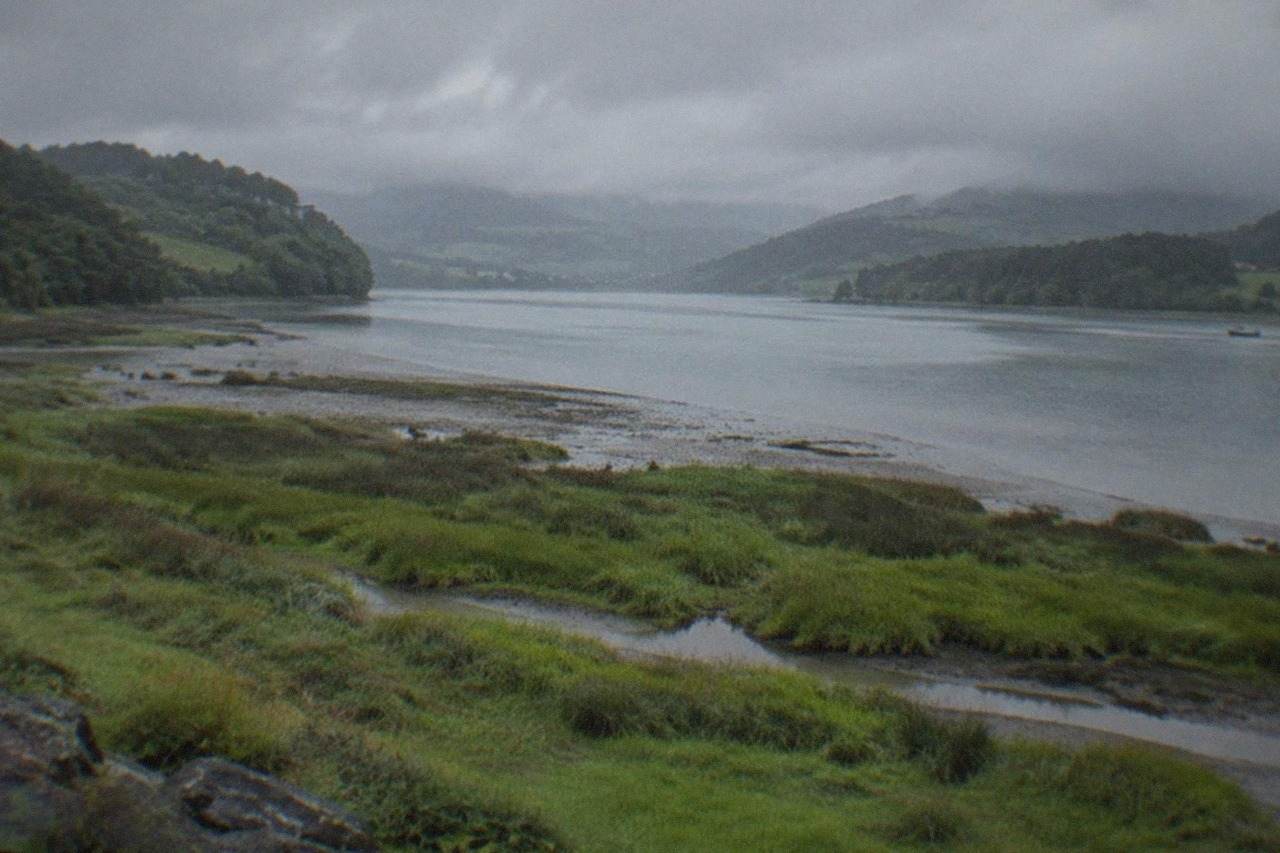
The Urdaibai Biosphere Reserve is the protected estuary and coastal basin east of Bilbao in Biscay (Bizkaia), Basque Country, northern Spain, and it packs Gaztelugatxe, Bermeo, Mundaka and Gernika into one UNESCO-recognised day out.
Short answer
Urdaibai is a UNESCO Biosphere Reserve covering the Oka river estuary east of Bilbao in Biscay, northern Spain. A day trip covers the hermitage islet of San Juan de Gaztelugatxe, the fishing port of Bermeo, the surf town of Mundaka and the historic town of Gernika, reachable by Euskotren train and Bizkaibus in under 90 minutes from central Bilbao.
The Urdaibai Biosphere Reserve sits east of Bilbao in Biscay (Bizkaia) province, Basque Country (Euskadi), northern Spain, and it is the single richest day-trip basin the region offers. UNESCO designated it a Biosphere Reserve around the Oka river estuary, and within its boundaries stand some of the most photographed and most historically weighty places in the Basque Country: the hermitage islet of San Juan de Gaztelugatxe, the fishing port of Bermeo, the surf mecca of Mundaka and the town of Gernika, whose name is known worldwide. The estuary opens onto the Bay of Biscay roughly 15 km from Bilbao's own tidal Nervion/Ibaizabal river mouth, and the whole basin is reachable by train and bus in well under two hours. This guide lays out what the reserve is, how to get there from Bilbao, what to see in what order, when to go and how a guided tour compares with doing it yourself.
What Is The Urdaibai Biosphere Reserve Near Bilbao?
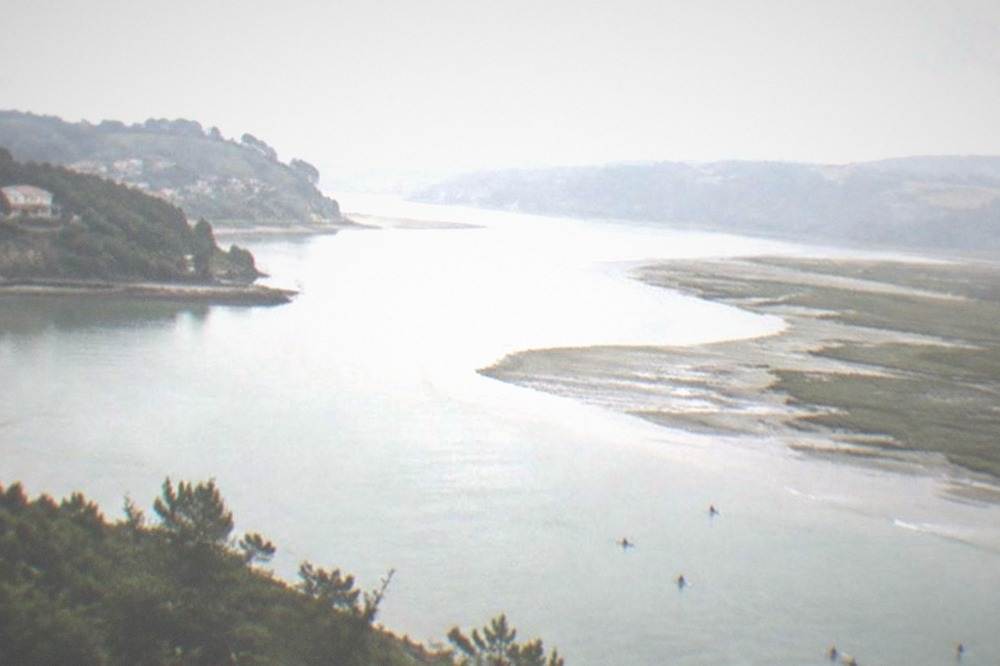
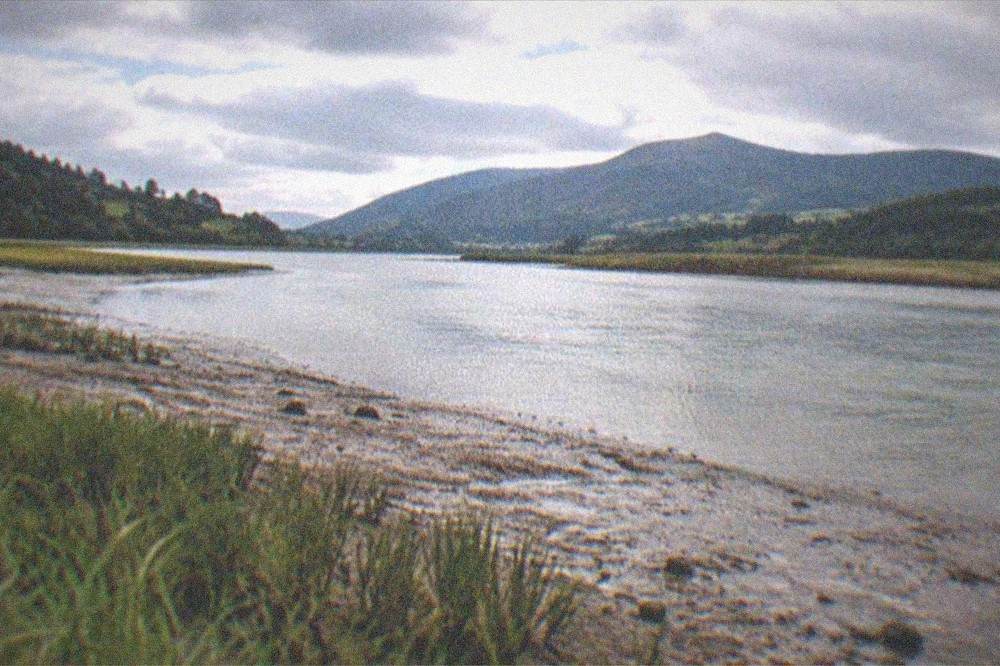
The Urdaibai Biosphere Reserve is a UNESCO-recognised protected area covering the Oka river estuary and its surrounding basin in Biscay (Bizkaia), Basque Country, northern Spain, east of Bilbao. It combines tidal marshes, Atlantic oak woodland, coastal cliffs and the towns of Gernika, Bermeo and Mundaka, and its best-known monument is the rocky hermitage islet of San Juan de Gaztelugatxe.
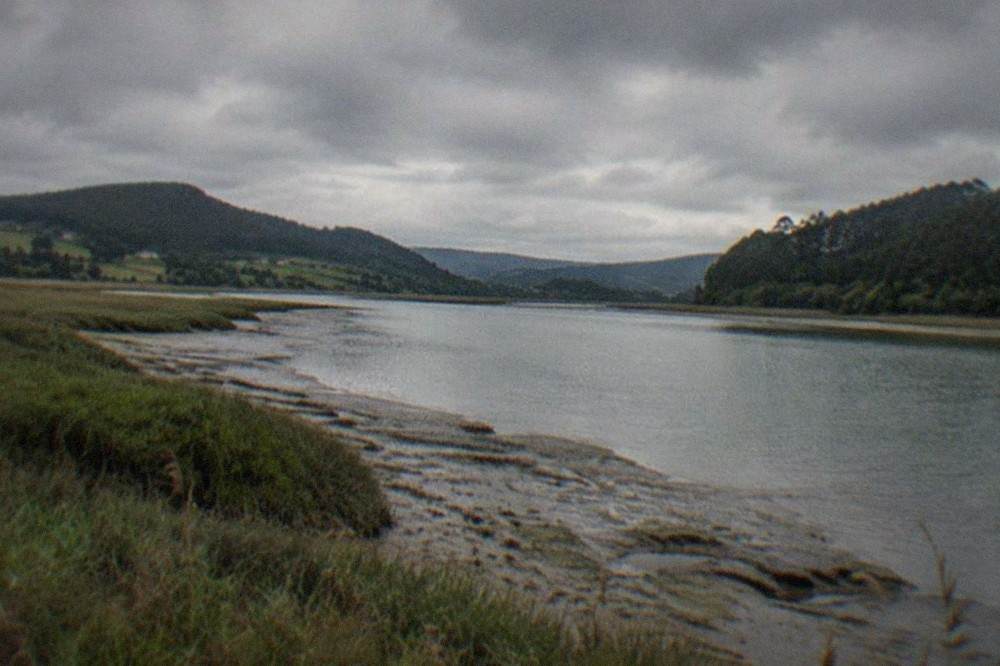
The reserve's full name in Basque is Urdaibai Biosfera Erreserba, and it is one of the reasons this stretch of coast feels so different from the city an hour west. Bilbao itself is an estuary city on the tidal Nervion, about 15 km from the open Bay of Biscay, but Urdaibai is where the Basque coast shows its rawer face: marshes that flood and drain with the tide, sandy spits at the river mouth, and an ancient hermitage reached by a stone causeway and a long flight of steps cut into the rock. The municipal population of Bilbao was 346,933 as of 1 January 2025 per Eustat's register, and a large share of the region's visitors now pair the city with this reserve, because the two complement each other so neatly: museums and pintxos bars in town, cliffs and surf in the reserve.
Bilbao Ekintza's 2025 tourism report cites 1,396,841 visitor entries and 2,723,725 overnight stays in Bilbao hotels and tourist apartments combined for that year, and the reserve's headline sights sit on the standard itinerary of a large portion of those trips. The Biosphere designation matters in practice: building along the estuary is tightly controlled, the marshes are a protected bird habitat, and the visitor cap at Gaztelugatxe on controlled-access days, 1,462 people, exists precisely because the site was being loved to death after it appeared on screen as Dragonstone. The reserve is not a park with a gate and a ticket booth. It is a lived-in landscape of small towns, and you move through it by train, bus, car or guided tour.
How Do You Get From Bilbao To Urdaibai?
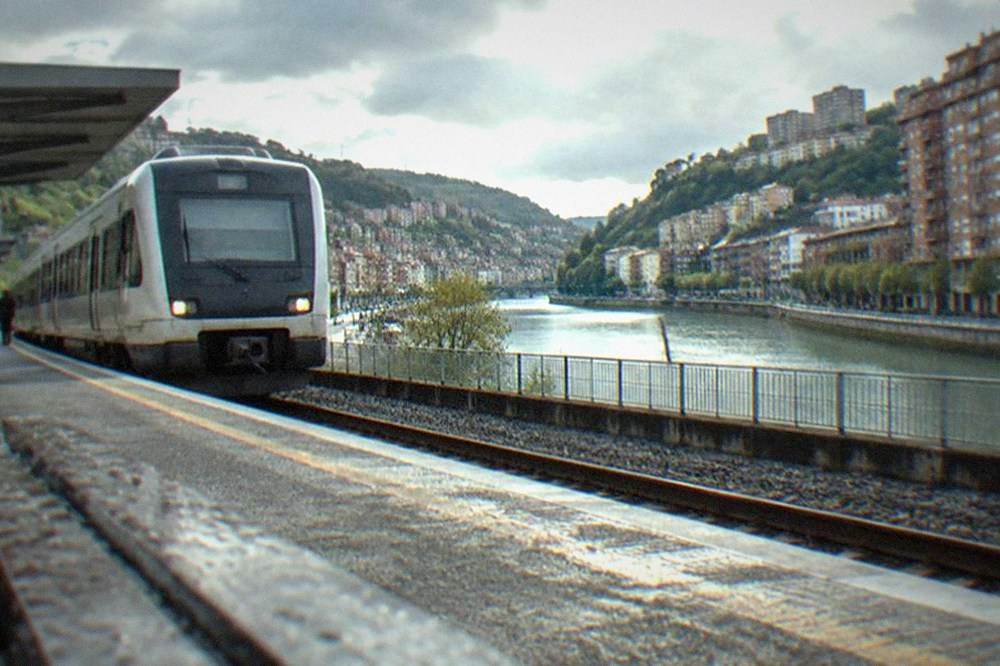
The practical route from Bilbao to the Urdaibai Biosphere Reserve is the Euskotren train from Casco Viejo station to Bermeo, which takes about 1 hour 21 minutes and costs roughly 2 to 5 euros with frequent departures, while Mundaka on the same line is about 1 hour 16 minutes, and Bizkaibus services reach the coast from central Bilbao in roughly 1 hour 10 minutes to 2 hours depending on the stop.
Bermeo is the rail terminus and the natural base. From there, Mundaka is a short hop of about 4 minutes by train or 11 minutes by bus at around 1.90 euros, so the two towns work as a single combined stop. Gaztelugatxe itself has no station: you reach it by Bizkaibus lines from Bilbao (roughly 1 hour 10 minutes to over 2 hours depending on routing, at 2 to 4 euros) or by car in about 30 to 45 minutes from the city. Many independent travellers take the train to Bermeo or Mundaka and treat Gaztelugatxe as a separate car or bus leg, because the islet's trailhead parking and access road sit away from the rail line.
| Journey from Bilbao | Mode | Typical time | Typical fare |
|---|---|---|---|
| Bilbao to Bermeo | Euskotren train from Casco Viejo | ~1h 21m | ~2-5 EUR |
| Bilbao to Mundaka | Euskotren train (Bermeo line) | ~1h 16m | ~2.70-4.50 EUR |
| Bermeo to Mundaka | Train or bus | ~4-11 min | ~1.90 EUR |
| Bilbao to Gaztelugatxe area | Bizkaibus | ~1h 10m-2h+ | ~2-4 EUR |
| Bilbao to Gaztelugatxe area | Car | ~30-45 min | fuel + parking |
A Barik card cuts every one of those public-transport fares: the CTB Barik fares page gives Zone 1 at 1.02 EUR, Zone 2 at 1.19 EUR and Zone 3 at 1.30 EUR with Creditrans, against 2.00 to 2.25 EUR for occasional Metro singles, and the same zonal Creditrans fares apply on Euskotren. The card itself is commonly reported to cost 3 EUR to buy (non-refundable, minimum top-up often 5 EUR), though that purchase price comes from a secondary source rather than an official CTB page. If you are doing several day trips, the Bilbao Bizkaia Card is the other option: the card's own site states 24 hours at 10 EUR, 48 hours at 15 EUR and 72 hours at 20 EUR, covering unlimited transport plus attraction discounts. Our fuller getting around Bilbao transport guide breaks down which pass pays off for which itinerary.
What Are The Best Things To See In Urdaibai From Bilbao?
The four headline sights of the Urdaibai Biosphere Reserve are San Juan de Gaztelugatxe, the hermitage islet reached by a stone causeway and steps; the fishing port of Bermeo; the surf town of Mundaka at the estuary mouth; and the historic town of Gernika with its Assembly House and peace museum, and all four sit close enough together to combine in a single long day trip from Bilbao.
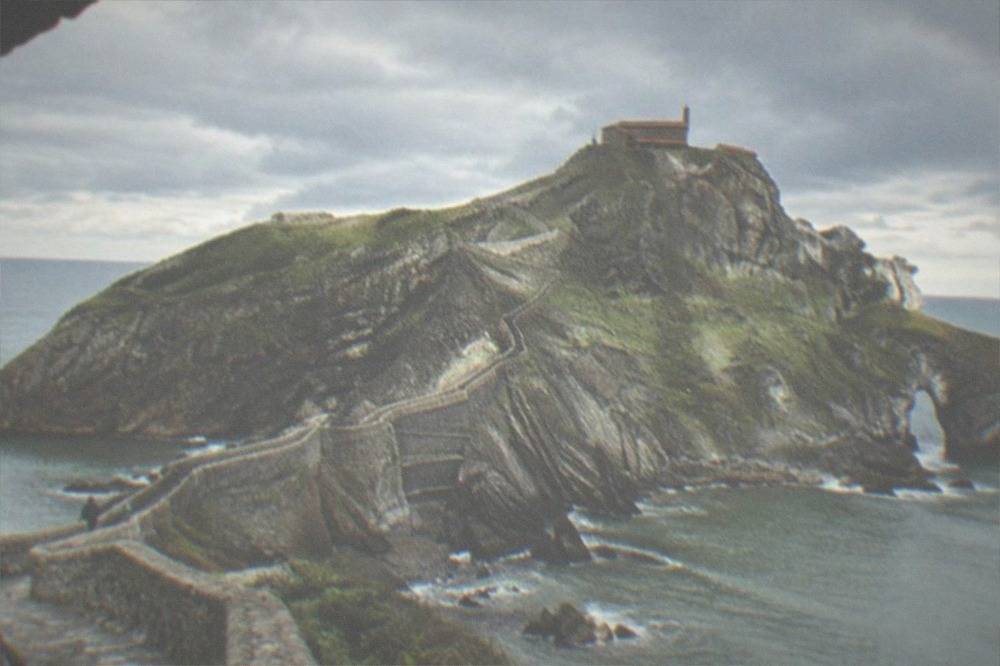
Gaztelugatxe is the one almost nobody skips. The islet, crowned by a small hermitage dedicated to John the Baptist, connects to the mainland by a narrow stone causeway and a stepped path, and it became globally famous as Dragonstone. Access rules matter more than the walk itself. A free timed reservation is required only on official controlled-access days, which run roughly daily from mid-June to about 20 September plus Easter and holiday weekends on the yearly calendar; on all other days entry is free with no reservation. The daily cap on controlled days is 1,462 visitors, booking is always free via tiketa.eus with a maximum of 10 people per reservation, and slots are typically cancelled if you are more than 60 minutes late. As of the most recent reporting, access reverted to free, no-reservation from 21 September 2026 through the end of September. Our dedicated Gaztelugatxe day trip guide carries the full calendar detail.
Bermeo is the working heart of the reserve's coast, a port town whose harbour walls and old fishermen's quarter reward an unhurried loop, and it doubles as the practical rail terminus. Mundaka, a few minutes up the line, sits on the left bank of the estuary mouth and faces one of Europe's most famous left-hand surf waves, with the river channel and marshes spread out below the town viewpoint. Gernika, inland at the head of the reserve, carries the weight of Basque history: the town whose bombing during the Spanish Civil War entered the world's memory through Picasso's painting, and home to the Assembly House and the Tree of Gernika beneath which Basque institutions historically met. Our Gernika and Guernica day trip page covers the museums and memorials in depth.
| Sight | What it is | Access detail from verified sources |
|---|---|---|
| San Juan de Gaztelugatxe | Hermitage islet, causeway and steps | Free timed ticket only on controlled days; daily cap 1,462; max 10 per reservation via tiketa.eus |
| Bermeo | Fishing port and old town | Euskotren terminus, ~1h 21m from Bilbao |
| Mundaka | Surf town at the estuary mouth | ~1h 16m by train from Bilbao; ~4 min onward from Bermeo |
| Gernika | Historic town, Assembly House, peace museum | Inland at the head of the reserve |
If you would rather not stitch trains, buses and a timed access system together yourself, the guided option is strong here. The Gaztelugatxe, Bermeo, Gernika day trip is the related pick for this page, and it exists precisely because the reserve's logistics bite hardest in high summer:
The booking panel for that day trip carries its live price, rating and review count from the operator's listing, and the cancellation terms shown there are the ones that apply to your date, so check them at the moment you book rather than relying on secondhand summaries.
Two other reserve-focused variants are worth comparing at the same decision moment. The Gaztelugatxe, Mundaka, Guernica tour trims the day for travellers with an evening back in Bilbao, and it suits anyone who wants the core loop without the longest time commitment:
For travellers who would rather have lunch handled, Dragonstone, Mundaka and Guernica from Bilbao runs the same core sights with a meal included, which removes the one variable that is hardest to control on a port-town day:
When Is The Best Time Of Year To Visit Urdaibai?
The best months to visit the Urdaibai Biosphere Reserve from Bilbao are July and August, when AEMET's Bilbao Aeropuerto/Loiu station (1082) normals show the warmest and driest weather of the year at 20.4 and 20.9 degrees Celsius mean with 50 and 76 mm of rain, but those are also exactly the months when Gaztelugatxe's controlled-access reservation system runs daily, so late June or September trade thinner crowds for a slightly higher rain risk.
The reserve shares Bilbao's temperate oceanic, Atlantic-influenced climate, never Mediterranean and never continental. AEMET's 1981-2010 normals for station 1082 put the annual mean at 14.7 degrees and annual rainfall at 1,134 mm, with November the wettest month at about 147 mm. What that means for planning: this coast is green because it rains, and no month is reliably dry. The practical trade-off is between warmth and access friction. Mid-June to about 20 September brings the best walking weather and the sea at its most inviting, but it also brings the daily timed-ticket regime at Gaztelugatxe and the 1,462-visitor cap. Spring and autumn weekends can still fall on controlled-access dates per the yearly calendar, so checking the official calendar before any visit outside deep winter is the one habit that saves disappointment. The wider set of guides lives on Bilbao Travel Guide.
| Month | Mean temp (C) | Mean precip (mm) | Planning note for Urdaibai |
|---|---|---|---|
| March | 11.5 | 90 | Possible controlled-access weekends around Easter |
| May | 15.7 | 78 | Greenest marshes, shoulder-season quiet |
| June | 18.4 | 60 | Controlled daily access begins mid-month |
| July | 20.4 | 50 | Warmest-driest, reserve at peak demand |
| August | 20.9 | 76 | Peak season; Aste Nagusia in Bilbao 22-30 Aug 2026 |
| September | 19.2 | 73 | Access reverted to free from 21 Sept 2026 per latest reporting |
| November | 12.4 | 147 | Wettest month; indoor Gernika focus |
One event worth building a whole trip around lands in late August: Aste Nagusia, Bilbao's nine-day festival, runs 22-30 August 2026 with the txupin opening at 19:00 on 22 August in Plaza Arriaga, so a late-summer Urdaibai day can be paired with festival evenings back in the city. Our Bilbao weather guide unpacks the climate month by month if you are weighing a wider window.
Do You Need A Tour Or Can You Explore Urdaibai Independently?
You can explore the Urdaibai Biosphere Reserve fully independently from Bilbao using Euskotren trains and Bizkaibus services, and the train-and-bus combination to Bermeo, Mundaka and Gernika is straightforward, but a guided day trip earns its price at Gaztelugatxe, where the free timed reservation system, the 1,462-visitor daily cap on controlled days and the islet's distance from the rail line make self-organised access the single hardest leg of the day.
The honest breakdown looks like this. Gernika, Bermeo and Mundaka are easy by public transport: the Euskotren line from Casco Viejo handles the coastal pair, connections are frequent, and Barik fares keep costs at a couple of euros a leg. Gaztelugatxe is the leg that punishes improvisation. On controlled-access days you need a free timed ticket booked in advance, you need to arrive inside your window, and the trailhead is not on a rail line, so the independent route means a Bizkaibus leg of roughly 1 hour 10 minutes to over 2 hours or a car with parking at the trailhead. In July and August, when the daily cap bites, a guided tour that has already handled access is less luxury and more insurance. Outside the controlled season, a confident traveller with a Barik card and a morning start can do the whole reserve solo comfortably.
For travellers who prefer the city legs of their trip guided too, the same roster carries a Gourmet Tapas and Pintxos Tour for the Bilbao evening before or after, and a 2-Hour Highlights Walk with a local guide for the city morning. The trio below covers coast, table and old town:
Free-walk lovers have a genuine option as well: the Basque Free Tour: Historic Bilbao runs on GuruWalk, tip-based, never pay a printed price for it, and it covers the city's old quarter rather than the reserve. Pair it with an independent Urdaibai day and you have a budget skeleton for a full Bilbao week. If you are weighing the reserve against other day trips from the city, this comparison table uses the same verified transport figures:
| Day trip from Bilbao | Typical public-transport time | Typical fare |
|---|---|---|
| Urdaibai: Bermeo (train) | ~1h 21m | ~2-5 EUR |
| Urdaibai: Mundaka (train) | ~1h 16m | ~2.70-4.50 EUR |
| Getxo and the Vizcaya Bridge (metro) | ~28-29 min | ~2-3 EUR |
| San Sebastián (direct bus) | ~1h 20m | ~8-19 EUR |
| Vitoria-Gasteiz (bus) | ~1h-1h 32m | ~6-7 EUR |
Our San Sebastian day trip guide and the Mundaka page cover those alternatives in detail, and the Rioja wine day trip guide is the inland counterpoint if the coast draws rain.
Where To Eat Around The Urdaibai Biosphere Reserve
The best eating strategy around the Urdaibai Biosphere Reserve is to base lunch on the port towns, where Bermeo and Mundaka serve the fish and squid the estuary and Bay of Biscay are famous for, while Gernika's specialities include its namesake peppers, and a typical pintxos crawl in the region runs roughly 25 to 45 euros per person for four to six items with drinks, with individual pintxos generally at 2 to 5 euros in traditional bars.
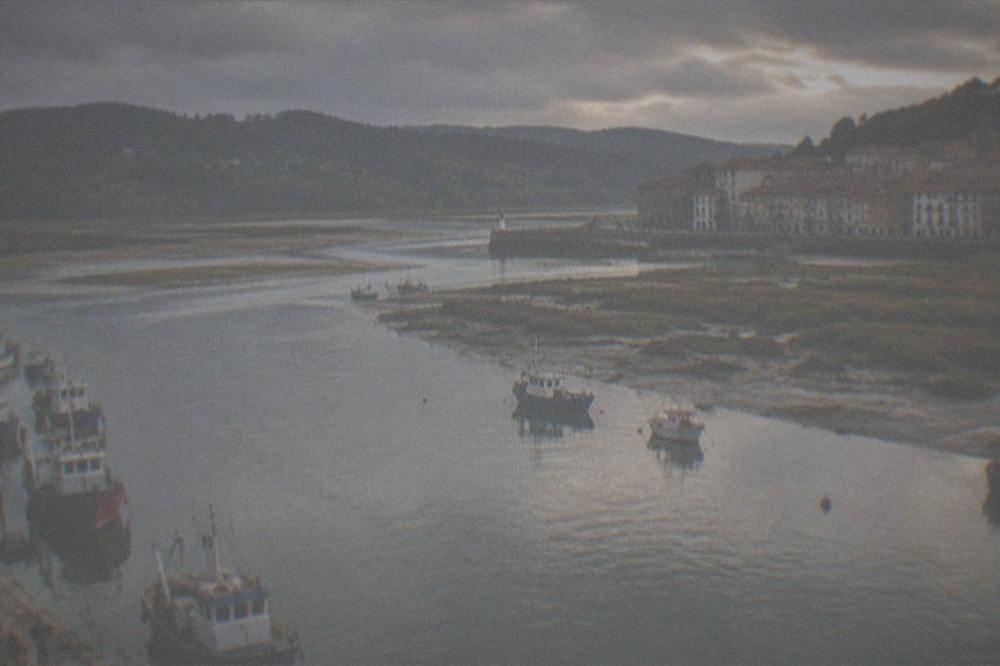
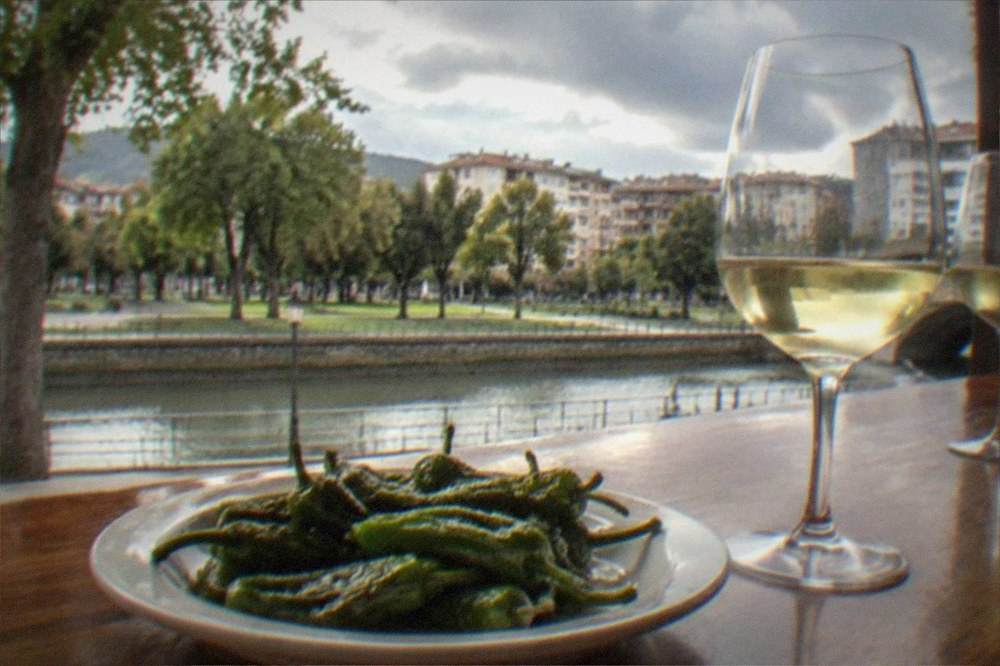
Bermeo is the strongest food stop on the reserve loop, a genuine working port where the day's catch lands a few hundred metres from the bars that cook it. Grilled squid and black-rice dishes anchor the local menu, and the town's harbourfront stretch makes an easy lunch between Gaztelugatxe and the train home. Mundaka skews smaller and surf-fed, with terrace bars facing the estuary channel. Gernika's claim is its pepper: small green Gernika peppers, fried and salted, appear on bar tops across the whole Basque Country and taste best a few kilometres from where they are grown. For context on the city side, our best pintxos in Bilbao guide names the bars that recent Basque championship juries rated highest, including the 2025 Bizkaia traditional pintxo winner in the Abando district.
| Eating stop | Local speciality | Typical pintxo price range |
|---|---|---|
| Bermeo harbourfront | Grilled squid, black rice, fresh catch | ~2-5 EUR per pintxo |
| Mundaka terraces | Fish and surf-town bar food | ~2-5 EUR per pintxo |
| Gernika old town | Fried Gernika peppers, market produce | ~2-5 EUR per pintxo |
| Typical full crawl (4-6 items + drinks) | Region-wide | ~25-45 EUR per person |
Drinks follow the region's pattern everywhere: txakoli, the lightly sparkling white wine of nearby coastal Bizkaia, and zurito, the small local beer pour, typically run 2 to 3.50 euros a glass. One wine note for planners: several Urdaibai day trips from Bilbao include a txakoli or Rioja tasting in their itinerary, and the Rioja country itself, reachable in about an hour by car or a bit more by tour coach, is the reserve's most natural second-day inland pairing.
How Does Urdaibai Fit Into A Longer Bilbao Stay?
The Urdaibai Biosphere Reserve fits a Bilbao stay best as either one full day of a three-to-four-day trip, pairing naturally with a city day for the Guggenheim and old town, or as the coastal half of a two-day coast-plus-city break, and travellers staying longer can add the Vizcaya Bridge at Getxo, San Sebastián or the Rioja wine region as separate day trips using the same transport network.
A common and sensible shape is: day one in Bilbao for the Guggenheim Museum Bilbao, whose own site lists an 18 EUR adult ticket and Tuesday-to-Sunday 10:00-19:00 hours, extended to 20:00 during Easter week and from 15 June to 13 September; day two for Urdaibai with an early train and a late return. The Guggenheim's summer evening hours are genuinely useful here, because a reserve day that ends back in Bilbao around 18:00 still leaves two hours of museum time on summer weekdays. Families and mixed-energy groups can split differently: the reserve's flat estuary paths and harbour towns suit slow travellers, while the Gaztelugatxe steps demand a real walk, so groups often let one half take the guided day trip while the other lingers in Bermeo.
Budgeting note for 2027 planners: a Bizkaia-wide regional tourist tax (Norma Foral 3/2026) takes effect on 1 January 2027, with Bilbao's approved municipal rates running from 1 EUR per night at pensions to 5 EUR at 5-star hotels and 6.50 EUR for tourist apartments. Visitors in 2026 pay no tourist tax; the tax is dated and reported, not yet a current fee, and reservations made before early February 2026 are generally exempt. The overall cost question is covered in our is Bilbao expensive guide, and the full list of options lives on the things to do in Bilbao page.
Common Questions About The Urdaibai Biosphere Reserve
What Is The Urdaibai Biosphere Reserve Near Bilbao?
The Urdaibai Biosphere Reserve is a UNESCO-designated protected area around the Oka river estuary in Biscay (Bizkaia), Basque Country, northern Spain, east of Bilbao, containing the towns of Gernika, Bermeo and Mundaka and the hermitage islet of San Juan de Gaztelugatxe. It combines tidal marshes, Atlantic woodland and coastal cliffs with working fishing ports, making it the region's densest concentration of day-trip sights.
How Do You Get From Bilbao To Urdaibai?
The Euskotren train from Bilbao's Casco Viejo station to Bermeo takes about 1 hour 21 minutes at roughly 2 to 5 euros, Mundaka is about 1 hour 16 minutes on the same line, and Bizkaibus services reach the Gaztelugatxe area in roughly 1 hour 10 minutes to 2 hours, while a car covers the Gaztelugatxe drive in about 30 to 45 minutes. A Barik card discounts all public-transport legs to the CTB's zonal Creditrans fares of 1.02 to 1.30 EUR for zones 1 to 3.
Do You Need A Ticket For Gaztelugatxe Inside The Reserve?
A free timed reservation is required for San Juan de Gaztelugatxe only on official controlled-access days, roughly daily from mid-June to about 20 September plus Easter and holiday weekends per the yearly calendar, with a daily cap of 1,462 visitors and booking always free via tiketa.eus for up to 10 people per reservation. On all other days access is free with no reservation, and as of the latest reporting access reverted to free, no-reservation from 21 September 2026 through the end of September.
When Is The Best Time Of Year To Visit The Urdaibai Biosphere Reserve?
July and August are the warmest and driest months, with AEMET's Bilbao Aeropuerto/Loiu station 1082 normals showing 20.4 and 20.9 degrees Celsius means and 50 and 76 mm of rain, but they coincide with Gaztelugatxe's daily controlled-access season, so late June or September offer thinner crowds with only a modest rain trade-off. November is the wettest month at about 147 mm, and the climate is temperate oceanic year-round, never Mediterranean.
Can You Visit Urdaibai Without A Tour?
Yes, the reserve is fully reachable without a tour using Euskotren trains to Bermeo and Mundaka and Bizkaibus services toward Gaztelugatxe, but the islet's timed-ticket system, its 1,462-visitor cap on controlled days and its distance from the rail line make a guided day trip the lower-friction choice in peak summer. Outside the controlled season, an independent loop with a Barik card is straightforward for a confident traveller.
How Many Days Do You Need For Urdaibai From Bilbao?
One full day covers the reserve's core loop of Gaztelugatxe, Bermeo, Mundaka and Gernika from Bilbao, and two days allow a slower split with the coast towns on day one and Gernika plus the estuary marshes on day two. Guided day trips run roughly six to eleven hours door to door, so the independent pace is yours to set.
Whatever shape the trip takes, the reserve repays the early start: the estuary light, the empty causeway before the mid-morning arrivals and a harbour lunch in Bermeo are the moments that make Urdaibai the day trip Bilbao visitors most often say they would repeat.