Mundaka From Bilbao: Surf Village Day Trip In The Basque Country, Spain
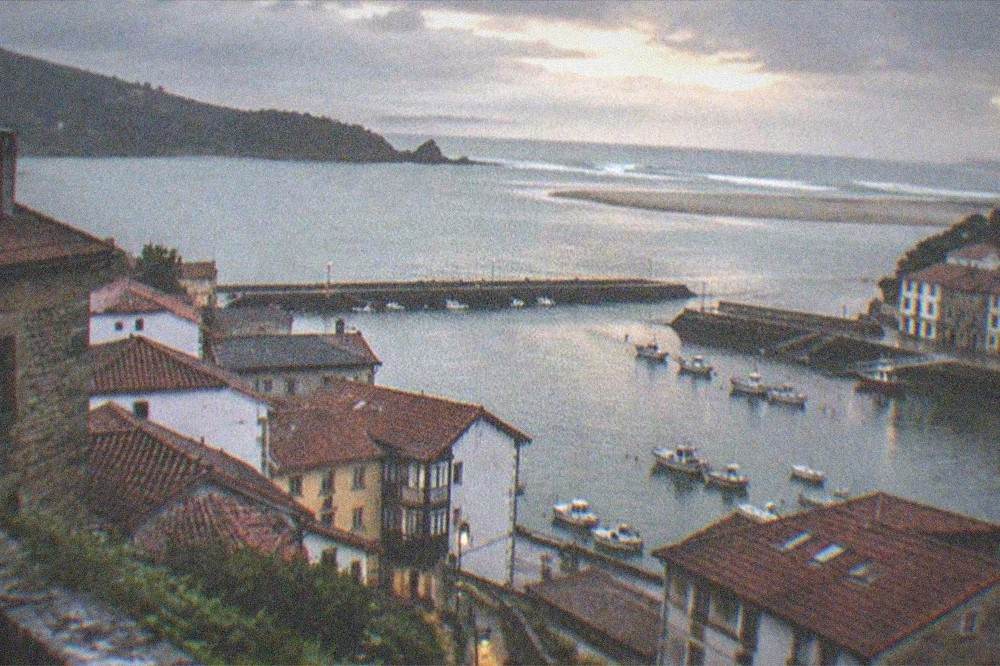
Mundaka is the small Urdaibai fishing village, about an hour and a quarter from Bilbao by train in Biscay province, Basque Country, northern Spain, that surfers put on the map and day-trippers now put on their itineraries.
Short answer
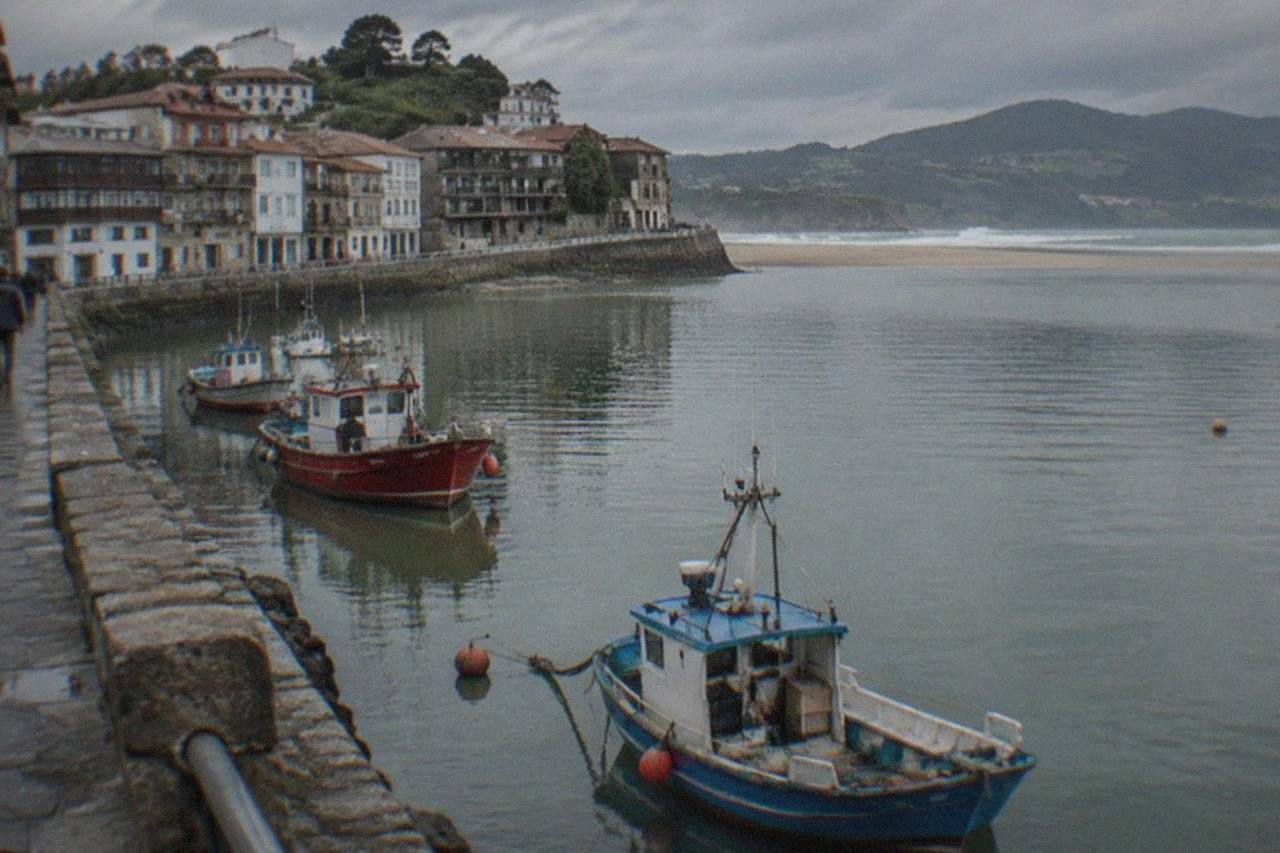
Mundaka sits on the left bank of the Urdaibai estuary in the Urdaibai Biosphere Reserve, reachable from Bilbao by Euskotren in roughly 1 hour 16 minutes. It is a compact village best known for its surf scene and estuary views, easily combined with Bermeo, Gernika or Gaztelugatxe.
Mundaka is a small fishing village on the left bank of the Urdaibai estuary in Biscay (Bizkaia) province, Basque Country (Euskadi), northern Spain, roughly an hour and a quarter from Bilbao by train, and it has spent decades trading on a single natural asset: a river-mouth wave that surfers travel across oceans to ride. For visitors based in Bilbao, it works as something rarer than a beach stop. The village sits inside the Urdaibai Biosphere Reserve, a tidal estuary of mudflats and holm oak woods, so the scenery changes visibly with the tide twice a day. This guide covers how to get there from Bilbao, what a realistic day looks like, what it costs, and how to bolt it onto Gaztelugatxe or Gernika without a car.
Where Is Mundaka And Why Do Surfers And Day-Trippers Make The Trip From Bilbao?
Mundaka is on the Bizkaia coast at the mouth of the Oka river, inside the Urdaibai Biosphere Reserve, roughly 1 hour 16 minutes from Bilbao by Euskotren train from the Casco Viejo side of the city. Its estuary-front position gives it a tidal river-mouth wave that has made it a reference point in European surfing, and the same geography makes it a genuinely different landscape from anything in Bilbao itself.
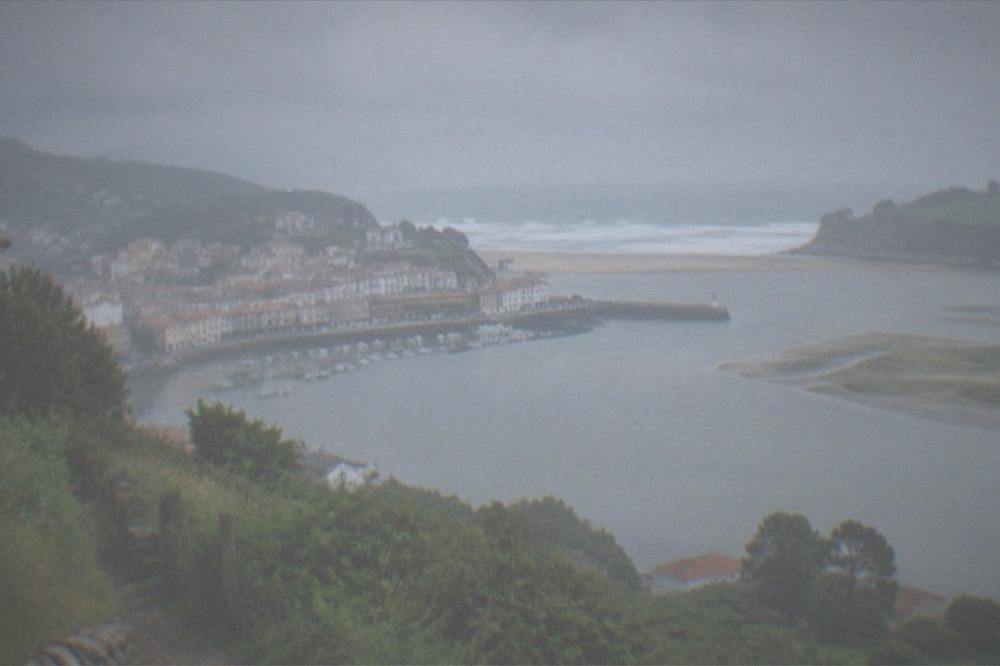
The village is small enough that you will walk its full length in under twenty minutes, which is precisely its appeal. Houses stack up a slope above a harbour, the estuary opens to the Bay of Biscay to the north, and the viewing points above the village look out over channels of water shifting with the tide. The Urdaibai estuary is one of the richest wetlands on the Cantabrian coast, and Mundaka occupies its left bank at the narrowest, most photogenic point.
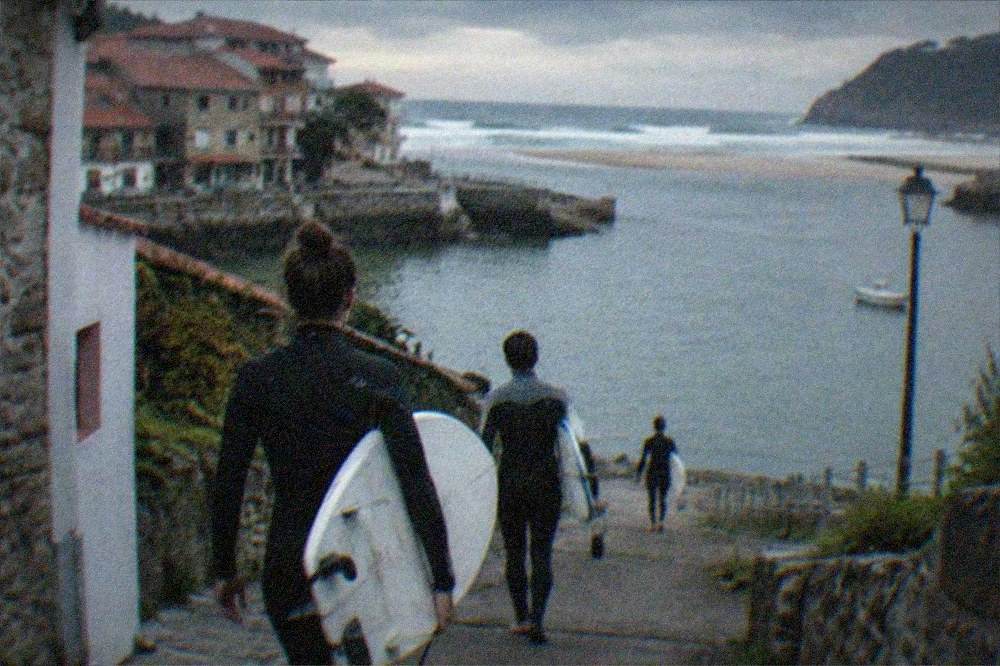
Surfing is the reason most non-locals first heard the name. The wave at the river mouth breaks over a sandy bottom shaped by the tidal current, and it behaves very differently at low tide and high tide, which is why surfers time their sessions to the tide tables rather than the clock. You do not need to surf to enjoy any of this. Watching experienced surfers read a fast, shifting wave from the rocks above is one of the free pleasures of the Basque coast, and the village's bars fill with people doing exactly that whenever the swell is working.
For Bilbao-based travellers, Mundaka also solves a common itinerary problem: it sits on the same Euskotren line as Bermeo, within easy reach of Gernika, and close to the trailhead logistics for Gaztelugatxe, so a single well-planned day can cover a fishing port, a surf village and one of the most photographed islets in Spain. The Mundaka surfing guide on this site covers the wave in depth; this page is about the day trip itself.
If you would rather leave the coastal logistics to a guide, the most direct option is a small-group tour that strings Mundaka, the Dragonstone islet and Gernika into one day:
How Do You Get From Bilbao To Mundaka Without A Car?
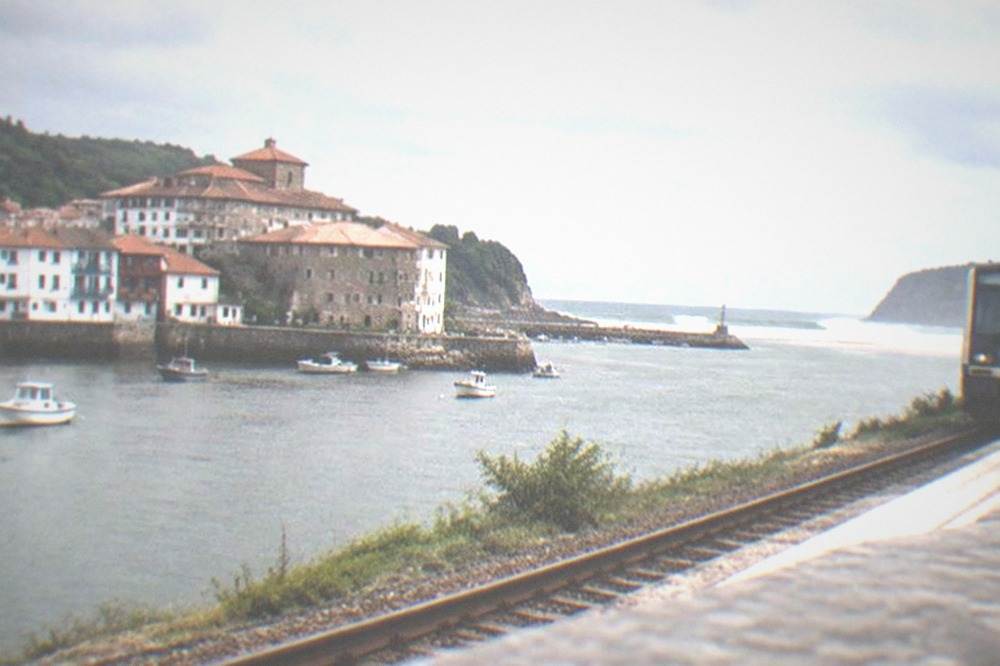
The practical answer is the Euskotren train from the Zazpikaleak/Casco Viejo station in central Bilbao, which reaches Mundaka in about 1 hour 16 minutes with fares of roughly 2.70 to 4.50 EUR one way, running on the Bermeo line roughly every 30 minutes. A Barik card cuts the fare to the standard Creditrans zonal rates, and buses and driving are the alternatives.
Euskotren is the workhorse of this coast. The line runs from Bilbao's Casco Viejo station up the estuary through Gernika and on towards Bermeo, with Mundaka a stop before the terminus. Trains run roughly every half hour, which matters for a day trip: you are not hostage to a sparse timetable, and missing a train costs you a coffee rather than a morning. The CTB Barik fares page gives the Creditrans rates that apply on Euskotren: 1.02 EUR for one zone, 1.19 EUR for two zones and 1.30 EUR for three zones, with the occasional single-ticket price higher, in the 2.00 to 4.50 EUR band depending on zones. Mundaka from central Bilbao typically falls in the two-to-three zone range.
| Option | Rough journey time | Fare (one way) | Notes |
|---|---|---|---|
| Euskotren from Casco Viejo | ~1h 16m | ~2.70-4.50 EUR single; less with Barik | Roughly every 30 min; scenic estuary stretch |
| Bizkaibus from central Bilbao | ~1h 34m | ~2-4 EUR | Slower than the train on this route |
| From Bermeo by train | ~4 min | ~1.90 EUR | Easy pairing if you visit Bermeo first |
| Car | ~30-40 min | Fuel plus parking | Parking in Mundaka is limited at peak times |
Driving is the other realistic option, at roughly 30 to 40 minutes from Bilbao, but the trade-off is parking: a village this size fills quickly on summer weekends and good-swell days, and the coastal road is narrow in places. If you do drive, arriving before mid-morning makes the difference between a space near the harbour and a walk in from the edge of the village.
For visitors who prefer to let someone else handle the coastal roads, there is a second guided option that pairs Mundaka with the Dragonstone islet and a wine tasting, covering more ground in a day than the train timetable comfortably allows:
One planning note that catches people out: Euskotren departs from the Casco Viejo (Zazpikaleak) station, not from Bilbao's main Abando interchange where Renfe and Metro lines converge. If your hotel is in the Ensanche or Abando area, budget a short Metro or tram hop to Casco Viejo first. It is a minor detail that saves a missed train.
What Does A Day In Mundaka Actually Look Like?
A good Mundaka day runs tide-first rather than clock-first: arrive mid-morning by train, walk the harbour and the upper viewpoint over the estuary, watch the surf or the tidal channels over a long lunch, and take a late-afternoon train back to Bilbao, with the whole village coverable on foot in a couple of unhurried hours.
Start at the harbour, where the fishing-boat identity of the village is still visible rather than staged. From there the village climbs: the upper streets and the viewpoint above the church give the postcard view of the estuary's mouth, with channels of tidal water running between sandbanks. The estuary is tidal, so the same viewpoint looks like two different places at low water and high water, and returning to it twice in one day is a genuinely rewarding habit rather than repetition.
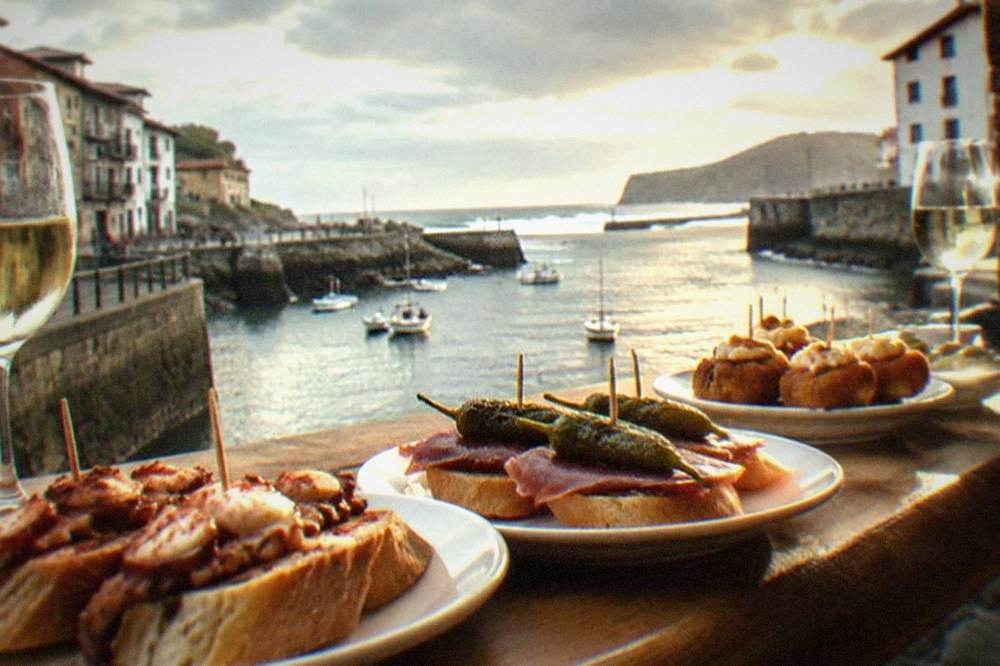
Lunch is the anchor of the day. Mundaka's restaurants trade on the estuary and the sea, and the Basque habit of a proper midday meal fits the day-trip rhythm: the trains run every half hour, so a long lunch does not strand you. Grilled fish, shellfish and the local txakoli white wine are the standard order of play. Fresh-food prices along this coast run from around 2 to 5 EUR for a pintxo at a traditional bar, with drinks typically 2 to 3.50 EUR, and a fuller restaurant meal higher; treat those as planning ranges and check the menu before sitting down, as harbourfront rooms carry a premium everywhere in the Basque Country.
The afternoon splits along the tide. At low tide the estuary flats draw wading birds and the wave changes character; at high tide the water fills the channels to their edges. Surfers, meanwhile, will already know which they prefer. Everyone else can walk the short coastal path, sit in a harbour bar, or take the four-minute hop by train to Bermeo and back for a second fishing port in one day.
When Is The Best Time Of Year To Visit Mundaka?
July and August are the warmest and driest months on this coast, with AEMET's Bilbao Aeropuerto/Loiu station (1082) normals showing monthly means of 20.4 and 20.9 C and roughly 50 to 76 mm of rain, but September and June trade a degree or two of warmth for thinner crowds, while November is the wettest month at around 147 mm and best saved for indoor-heavy itineraries.
Bilbao's climate is temperate oceanic, Atlantic-influenced, and Mundaka shares it: mild winters, warm-but-not-hot summers, and rain distributed across every month of the year rather than concentrated in a stormy season. The practical consequence for a coastal day trip is that you plan around rainfall amounts, not around heat. AEMET's 1981-2010 normals for the Bilbao airport station give the shape of the year:
| Month | Mean temp (C) | Mean rain (mm) |
|---|---|---|
| January | 9.3 | 120 |
| February | 9.7 | 86 |
| March | 11.5 | 90 |
| April | 12.6 | 107 |
| May | 15.7 | 78 |
| June | 18.4 | 60 |
| July | 20.4 | 50 |
| August | 20.9 | 76 |
| September | 19.2 | 73 |
| October | 16.4 | 111 |
| November | 12.4 | 147 |
| December | 9.9 | 122 |
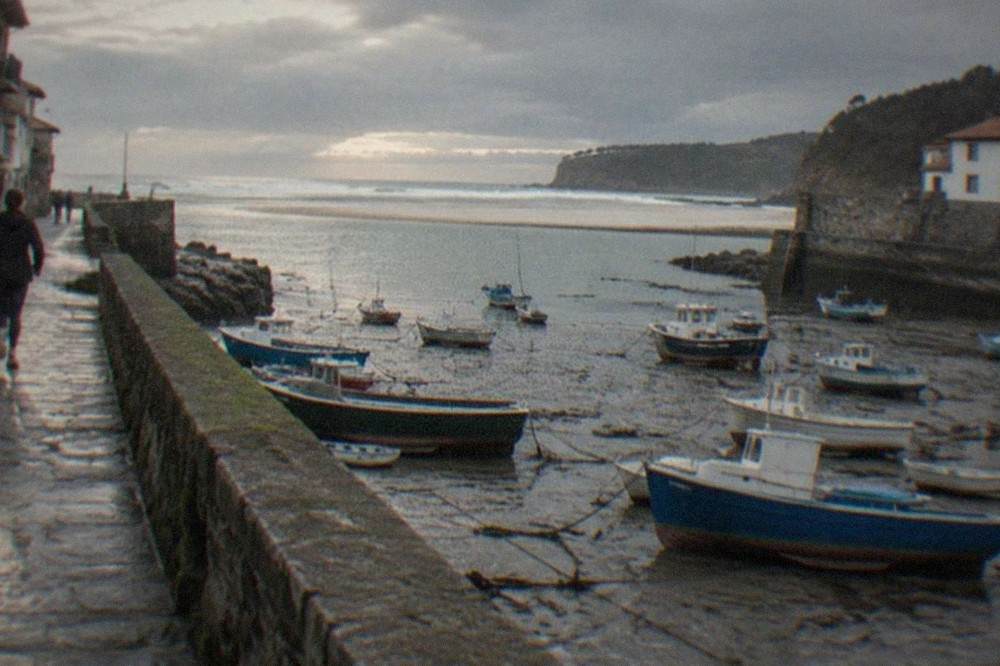
What the table hides is the swell. Surf interest in Mundaka peaks in the autumn and winter months, when Atlantic low-pressure systems send the biggest waves into the Bay of Biscay, so the village is at its most animated precisely when the weather is at its least reliable. Spectators get the best of both worlds in September and October: still-warm air, workable swell, and a village that has shed most of its August day-trip traffic.
Pack for the oceanic reality rather than the forecast optimism. A light waterproof earns its place in the bag even in July, and layers matter more on this coast than anywhere in Mediterranean Spain, because a bright morning can turn into a drizzly afternoon without much warning. The Bilbao packing guide covers the same logic for the city, and it transfers directly to the coast.
What Should You Eat And Drink In Mundaka?
Mundaka's food identity is estuary-and-sea: grilled fish and shellfish in the harbourside restaurants, pintxos in the bars priced at roughly 2 to 5 EUR a piece in traditional spots along this coast, and txakoli, the lightly sparkling white wine of Bizkaia, as the default pour, with a realistic pintxo crawl of four to six items plus drinks landing around 25 to 45 EUR per person.
The Basque Country does not really do light lunches, and Mundaka follows the regional script. The midday meal is the main event, fish-forward and unhurried, and the village is small enough that the choice is between a handful of harbourside rooms rather than a long list. Reservations matter on summer weekends and any day with good surf, when the village fills with people who came for the water and stayed for the table.
| Item | Typical planning range | Notes |
|---|---|---|
| Pintxo at a traditional bar | ~2-5 EUR | Simpler cold items at the low end, elaborate warm bites higher |
| Txakoli, zurito or house wine | ~2-3.50 EUR | Standard pour at most bars |
| Full pintxo crawl, 4-6 items plus drinks | ~25-45 EUR | Two or three bars is the usual rhythm |
| Restaurant fish main | Higher than bar prices | Harbourfront rooms carry a premium; check the menu first |
Treat every figure above as a planning range, not a promise: prices move, and the honest habit on this coast is to read the menu on the door. Tipping follows the relaxed Basque norm, small and optional, and the Bilbao money and tipping guide covers the details.
One pairing worth knowing: txakoli is grown in the hills just inland from this coast, and several day tours of the Mundaka area build a txakoli or Rioja tasting into the itinerary. If a wine-and-coast combination appeals, the Rioja option is covered in the site's Rioja wine day trip guide, and coastal versions exist that fold a tasting into the Gaztelugatxe-Bermeo-Mundaka loop.
Can You Combine Mundaka With Gaztelugatxe, Bermeo Or Gernika In One Day?
Yes, and combining is the smarter use of a day: Bermeo is about 4 minutes further up the same Euskotren line, Gernika sits on the same line inland, and Gaztelugatxe is reachable by Bizkaibus or by the coastal tours that bundle all of them, so a single day can plausibly cover the surf village, a fishing port and the Dragonstone islet if you start early.
Bermeo is the easiest pairing by far. The train between Bermeo and Mundaka takes about four minutes and costs around 1.90 EUR, so the two villages function almost as one destination with two faces: Bermeo the larger working fishing port, Mundaka the smaller estuary-side surf village. Doing both by train requires no planning beyond checking the timetable.
Gernika adds history to the day. It sits on the same Euskotren line between Bilbao and the coast, and its place in Basque and world memory, the bombing memorialised in Picasso's painting and the Oak of Gernika that symbolises Basque rights, makes it a different kind of stop: quieter, more reflective, and a genuine contrast to the salt air of the coast. The site's Gernika page covers it in full.
| Pairing | How it connects | Rough public-transport time |
|---|---|---|
| Mundaka + Bermeo | Same Euskotren line | ~4 min between the two |
| Mundaka + Gernika | Same Euskotren line, inland stop | Gernika sits mid-route from Bilbao |
| Mundaka + Gaztelugatxe | Bizkaibus lines towards Bakio, or a guided day tour | Bus options ~1h 10m-2h+ from Bilbao |
| Mundaka + Getxo | Metro Line 1 to the coast, separate day | ~28-29 min from Bilbao to Getxo |
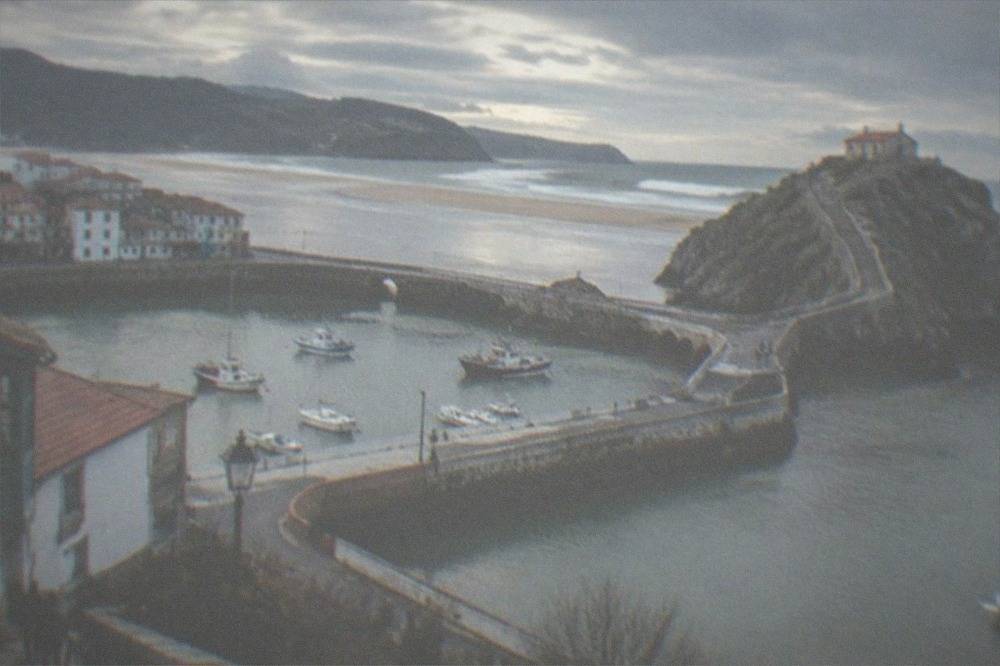
Gaztelugatxe is the ambitious add-on. The hermitage-topped islet reached by a stone causeway and a long stairway is the most famous sight on this coast, and it needs its own access planning: a free timed reservation is required only on official controlled-access days, roughly mid-June to about 20 September daily plus Easter and holiday weekends, with a daily cap of 1,462 visitors on controlled days and booking via tiketa.eus, always free, for up to 10 people per reservation. On all other days access is free with no reservation. That calendar is exactly why many visitors let a tour handle it: the guided day trips that pair Gaztelugatxe with Mundaka and Gernika absorb the reservation logistics and the coastal driving in one booking.
If you would rather build the day yourself, the honest advice is to pick two of the three. Gaztelugatxe's stairway plus a proper Mundaka lunch plus Gernika is a full and rushed day by train and bus; a tour vehicle changes the arithmetic. The third guided option on this page's shortlist keeps the coast as the theme and adds the French Basque Country as a contrast, which suits travellers who want one coast-heavy day and one cross-border day from the same Bilbao base:
What Does A Mundaka Day Trip Cost?
A self-guided day by Euskotren is genuinely cheap: roughly 2.70 to 4.50 EUR each way for the occasional single, less with a Barik Creditrans card at 1.19 to 1.30 EUR for the two-to-three zone trip, plus food at around 25 to 45 EUR for a serious pintxo crawl or more for a sit-down fish lunch, so a full day lands in the 40 to 80 EUR per person range before any guided add-ons.
The transport side is where a little planning pays. The CTB Barik fares page gives the Creditrans rates that apply across Euskotren and Metro alike: 1.02 EUR for one zone, 1.19 EUR for two zones, 1.30 EUR for three zones, against occasional single tickets of roughly 2.00 to 4.50 EUR by zone. If you are making several hops, Mundaka to Bermeo and back, for instance, the card pays for its commonly reported purchase price of around 3 EUR within a day or two of coastal travel.
| Fare basis | 1 zone | 2 zones | 3 zones |
|---|---|---|---|
| Euskotren/Metro with Barik Creditrans | 1.02 EUR | 1.19 EUR | 1.30 EUR |
| Occasional single (higher, by zone) | ~2.00 EUR | higher | up to ~4.50 EUR |
Note that the 3 EUR Barik purchase price is commonly reported rather than confirmed on an official CTB fares page, so treat it as provisional and check at the ticket machine. The alternative for heavy travel days is the Bilbao Bizkaia Card, priced at 10 EUR for 24 hours, 15 EUR for 48 and 20 EUR for 72, which bundles unlimited regional transport with attraction discounts; for a single Mundaka day it is usually overkill, but for a two-or-three-day Bilbao-plus-coast stay it earns its price.
The Bilbao Bizkaia Card site states the card is personal and non-transferable and activates on first use, so buy it when your heavy travel actually starts, not the night before. And if the day's plan includes Gaztelugatxe, remember the reservation is free either way: the only cost there is your own timing discipline.
Where Does Mundaka Fit Among The Other Day Trips From Bilbao?
Mundaka belongs to the small set of Bilbao day trips that can be done entirely by train in under ninety minutes, alongside Bermeo on the same line and Getxo on Metro Line 1, which makes it a lower-friction choice than Gaztelugatxe by bus or the longer hauls to San Sebastián, Vitoria-Gasteiz or the Rioja wine country, all of which are better suited to a full dedicated day.
The comparison matters because Bilbao's day-trip menu is unusually rich and first-time visitors routinely overbook it. The coast north-east of the city, Mundaka, Bermeo, Bakio, Gaztelugatxe, forms one natural cluster. The Rioja Alavesa wine towns form a second. San Sebastián and the French Basque Country form a third, each far enough that a day trip swallows most of the daylight. Trying to sample all three clusters in a short stay is how people end up seeing nothing properly.
| Day trip | Rough one-way time by public transport | Best suited to |
|---|---|---|
| Mundaka | ~1h 16m by Euskotren | Surf, estuary, easy train day |
| Bermeo | ~1h 21m by Euskotren | Working fishing port, pairs with Mundaka |
| Getxo | ~28-29m by Metro Line 1 | Beaches, promenade, Vizcaya Bridge |
| San Sebastián | ~1h 20m by direct bus | Pintxos capital, beaches, full day |
| Vitoria-Gasteiz | ~1h-1h 32m by bus | Historic inland centre, green city |
| Rioja wine country | ~9h round-trip tours typical | Wineries, Laguardia, dedicated day |
The site's San Sebastian day trip guide and Vitoria-Gasteiz page cover the longer options, and Getxo covers the closest coast. Mundaka's niche is the combination of ease and distinctiveness: it is the least effort of the serious coastal trips and still the one that feels least like a suburb of the city.
Common Questions About Mundaka
How do I get from Bilbao to Mundaka?
Take the Euskotren train from the Zazpikaleak/Casco Viejo station in central Bilbao towards Bermeo; the journey to Mundaka takes about 1 hour 16 minutes, with trains roughly every 30 minutes and one-way fares around 2.70 to 4.50 EUR, cheaper with a Barik Creditrans card at the standard zonal rates.
Is Mundaka worth visiting if I do not surf?
Yes. The estuary views, the tidal shifts in the Urdaibai Biosphere Reserve, the harbourside food and the easy pairing with Bermeo and Gernika on the same train line make it a rewarding day trip for non-surfers, and watching the wave from the rocks above the village is free.
Can you visit Mundaka and Gaztelugatxe in one day?
It is possible but tight by public transport, since Gaztelugatxe requires Bizkaibus connections and, on controlled-access days (roughly mid-June to about 20 September daily, plus Easter and holiday weekends), a free timed reservation via tiketa.eus with a 1,462-person daily cap. Travellers who do both in one day often use a guided tour that handles transport and timing.
What is the best time of year to go to Mundaka?
July and August are the warmest and driest months on this coast, with AEMET's Bilbao station normals showing means of 20.4 and 20.9 C and about 50 to 76 mm of rain. September and June offer thinner crowds with still-pleasant temperatures, while November is the wettest month at around 147 mm.
How much does a Mundaka day trip cost?
Self-guided, budget roughly 2.70 to 4.50 EUR each way by train, less with a Barik card, plus food: around 25 to 45 EUR per person for a substantial pintxo crawl, more for a sit-down fish lunch. A realistic independent day lands around 40 to 80 EUR per person before guided add-ons.
Is there a tourist tax in Mundaka in 2026?
No. The Bizkaia regional tourist tax (Norma Foral 3/2026) does not take effect until 1 January 2027, so 2026 visitors pay none. From 2027, Bilbao's approved municipal rates will run from 1 EUR per night at pensions up to 5 EUR at 5-star hotels, with 6.50 EUR for tourist apartments.
The short version: Mundaka is the Bilbao day trip that rewards the least planning. Check the tide and the Euskotren timetable the night before, decide whether Bermeo or Gernika rides along, and let the estuary do the rest. For more Bilbao itinerary building blocks, start with the Bilbao Travel Guide homepage and work outward from there.