Abando
Abando is the commercial and transport heart of Bilbao, in Biscay (Bizkaia) province, Basque Country (Euskadi), northern Spain, stretching from the city's main rail terminus up the Gran Vía boulevard to the redeveloped estuary bank where the Guggenheim Museum Bilbao stands. This guide covers what to see, where to eat, how to get around, where to sleep and when to come.
Short answer
Abando is central Bilbao's core district, anchored by the Gran Vía Don Diego López de Haro boulevard, Plaza Moyúa, the Bilbao-Abando rail station and the Azkuna Zentroa cultural centre, with the Guggenheim Museum Bilbao at its estuary edge. Adult Guggenheim admission is 18 EUR, the tram and metro both serve the district, and a Barik card cuts a Zone 1 metro ride from 2.00 EUR to 1.02 EUR.
Abando is the commercial and transport heart of Bilbao, in Biscay (Bizkaia) province, Basque Country (Euskadi), northern Spain, and it is a district that visitors walk through whether they planned to or not. The city of 346,933 residents (Eustat's municipal register, 1 January 2025) sits on the tidal Nervión/Ibaizabal estuary roughly 15 km from the Bay of Biscay, and Abando occupies the south bank's flattest, busiest stretch. Its spine is the Gran Vía Don Diego López de Haro, a wide boulevard that runs from the circular plaza in front of the city's main rail terminus up to Plaza Moyúa and onward toward the river. On Bilbao Travel Guide this page is the district-level companion to our central Bilbao neighbourhood overview, covering what to see, eat, book and skip.
Where Is Abando In Bilbao, And What Defines The District?
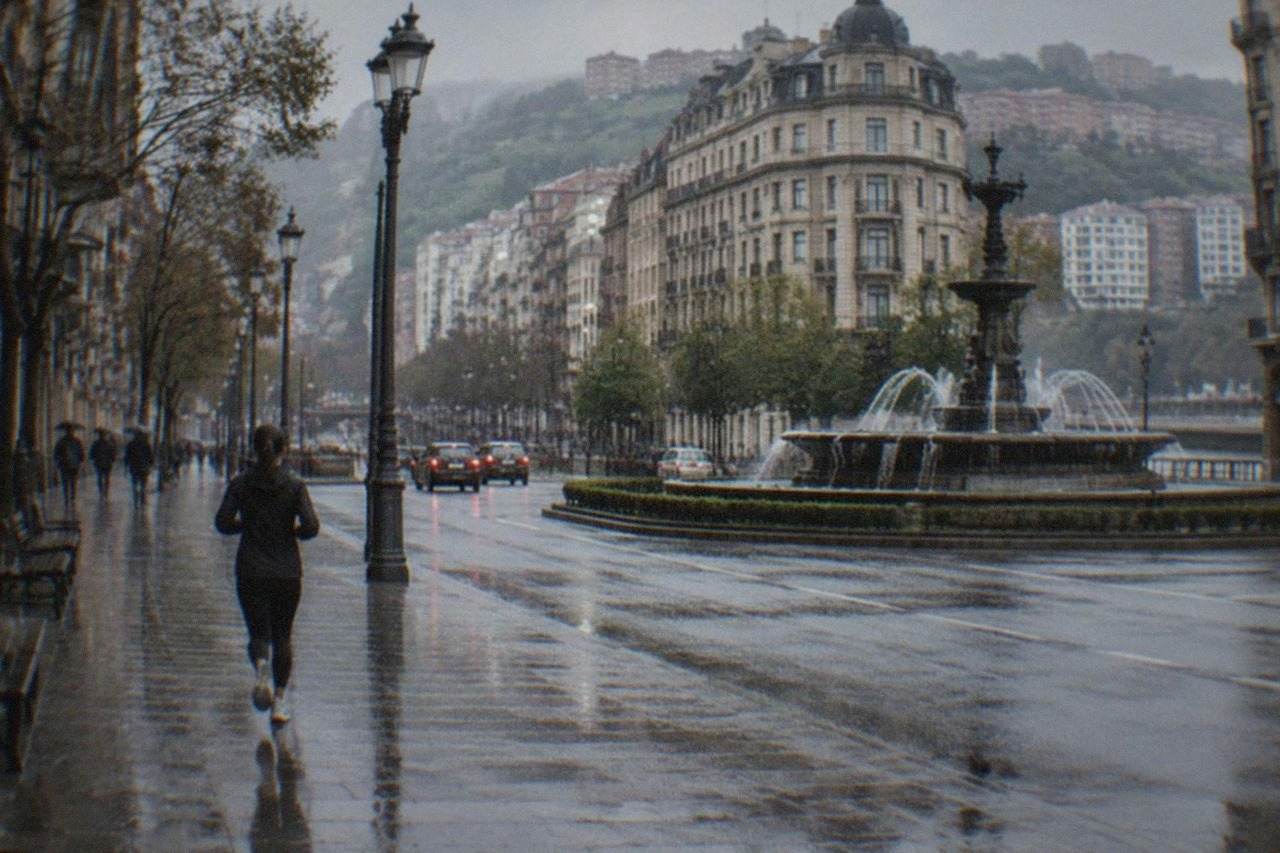
Abando is the central district of Bilbao, in Biscay (Bizkaia) province, Basque Country (Euskadi), northern Spain, and it works as the city's commercial and transport core. Its spine is the Gran Vía Don Diego López de Haro boulevard, which runs from the circular plaza at the Bilbao-Abando rail terminus up to Plaza Moyúa and on toward the estuary, where the redeveloped Abandoibarra bank links the district to the Guggenheim Museum Bilbao.
The district's identity was largely built when Bilbao's banking and shipping money moved out of the crowded Casco Viejo and into planned, grid-pattern blocks south of the river. That history explains why Abando still holds the city's main banks, department stores and grandest facades. It also explains the geography: the district is flat by Bilbao standards, which matters in a city famous for its hills.
Three anchors define a walk across Abando. At the eastern end sits Bilbao-Abando, the principal railway station, fronted by the circular Plaza Circular where the Bilbao Turismo office operates. Midway, Plaza Moyúa divides the Gran Vía in two and marks the district's social centre. At the western edge, the ground slopes down to the Nervión and the Abandoibarra redevelopment, the ribbon of museums and lawns that transformed this stretch of estuary from shipyards into Bilbao's postcard.
Neighbouring districts frame it neatly. Indautxu lies immediately to the west and north-west, the Ensanche planning area overlaps Abando's commercial blocks, and across the river the San Francisco and Old Town quarters face it across the water. For most first-time visitors, Abando is simply "downtown Bilbao": the place where the hotels, the tapas bars and the museum walks all converge.
| Feature | What it is |
|---|---|
| Main boulevard | Gran Vía Don Diego López de Haro, the city's principal shopping street |
| Central square | Plaza Moyúa, the fountain square at the boulevard's midpoint |
| Main station | Bilbao-Abando, the city's principal rail terminus, fronted by Plaza Circular |
| Estuary edge | The Abandoibarra redevelopment, home of the Guggenheim Museum Bilbao |
| Green space | Doña Casilda park, beside the Bilbao Fine Arts Museum |
| Cultural centre | Azkuna Zentroa, the district's main culture and leisure complex |
What Are The Best Things To Do In Abando, Bilbao?
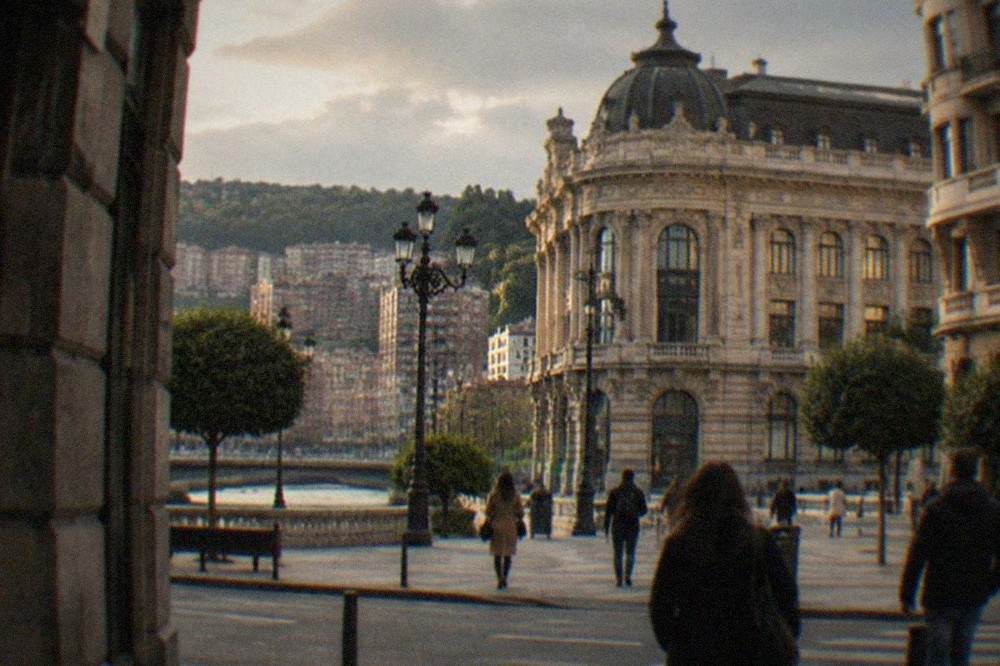
The best things to do in Abando, Bilbao cluster along its museum and shopping axis: the Guggenheim Museum Bilbao at the estuary edge, where the museum's own site lists an 18 EUR adult ticket and Tuesday to Sunday opening from 10:00 to 19:00, the Bilbao Fine Arts Museum beside Doña Casilda park, the Azkuna Zentroa cultural centre, and the Gran Vía shopping boulevard anchored by Plaza Moyúa at its midpoint.
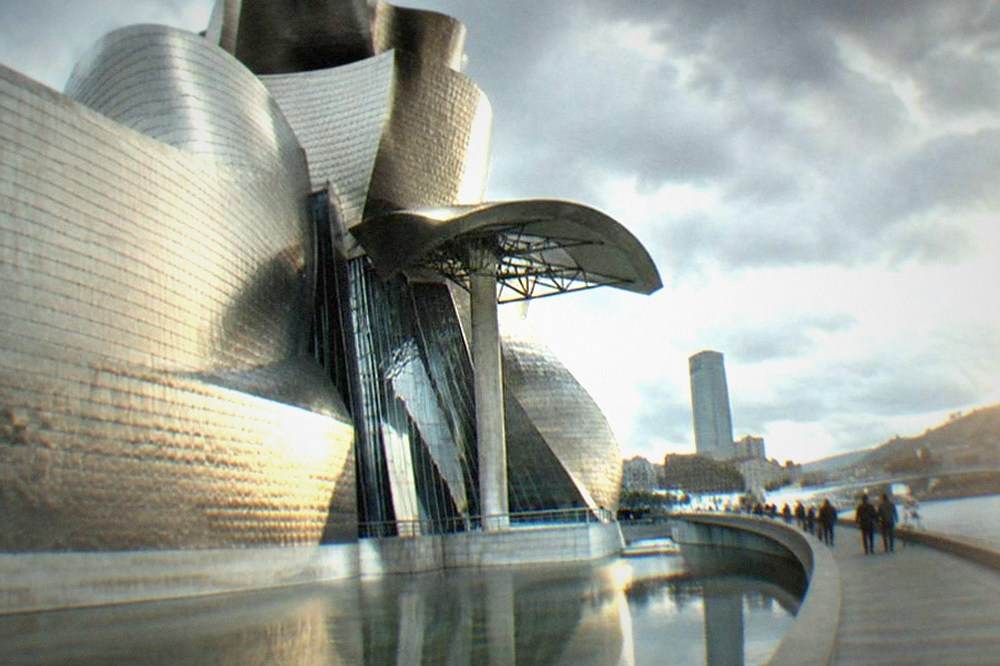
Start at the water. The Guggenheim Museum Bilbao stands at the western tip of the district's museum axis, and its titanium curves are the single most photographed object in the Basque Country. The museum's own hours-and-admission page gives the details that matter: adults pay 18 EUR, under-18s enter free, and closing extends to 20:00 during Easter week and again from 15 June to 13 September. Ticket desks shut 30 minutes before closing, so late arrivals should not dawdle at Puppy, the flower-covered dog that guards the entrance.
Walk inland and the district's second museum appears. The Bilbao Fine Arts Museum sits beside Doña Casilda park, and 2026 is a landmark year for it: the museum is closed from 31 August to 5 October for the final phase of its expansion, reopens on 6 October 2026 with a free entry week running 6 to 13 October, then charges 12 EUR general admission from 14 October. A joint Artean pass covering both the Fine Arts Museum and the Guggenheim is reported at 16 EUR general and 8 EUR reduced, though that figure comes from a single live-search source and should be confirmed on the museum's own page.
Between museums, the district rewards aimless walking. Azkuna Zentroa is Bilbao's main culture and leisure centre, with exhibitions, a swimming pool and a rooftop viewpoint. Doña Casilda park offers the classic local Sunday scene of fountains, pigeons and pushchairs. The Gran Vía itself is the shopping artery, running from the El Corte Inglés department store down toward Moyúa and the boutiques of the surrounding blocks. Teatro Campos Elíseos, the district's historic theatre, sits a block off the boulevard and keeps a year-round programme.
A guided walk ties the district together efficiently. The small-group walking tour with a local guide covers the Old Town and the centre in a compact loop, and it is a sensible first-morning move if you want orientation before exploring alone; the operator's live listing carries the current price, rating and departure times.
| Sight | Type | Key fact from the official source |
|---|---|---|
| Guggenheim Museum Bilbao | Art museum | Adult ticket 18 EUR; open Tue-Sun 10:00-19:00, to 20:00 Easter week and 15 Jun-13 Sep |
| Bilbao Fine Arts Museum | Art museum | Closed 31 Aug-5 Oct 2026; reopens 6 Oct with free week 6-13 Oct; then 12 EUR general |
| Azkuna Zentroa | Cultural centre | Exhibitions, pool and viewpoint in the district's main leisure complex |
| Doña Casilda park | Green space | The district's principal park, beside the Fine Arts Museum |
| Gran Vía | Shopping boulevard | The city's main shopping street, anchored by Plaza Moyúa |
| Teatro Campos Elíseos | Theatre | The district's historic theatre, a block off the Gran Vía |
For visitors who prefer to plan around a curated shortlist rather than build their own day, these are the three experiences our readers book most often from this district.
Where To Eat And Drink In Abando, Bilbao?
Eating in Abando, Bilbao means pintxos bars along Diputación and the Ensanche edge, historic taverns around Plaza Circular, and one of the city's densest clusters of Michelin-starred dining near the Guggenheim. Current guides put a typical pintxo at 2 to 5 EUR, drinks at 2 to 3.50 EUR, and a full bar crawl at roughly 25 to 45 EUR per person, so the district can be as cheap or as lavish as you make it.
The pintxos tradition here is a crawl, not a sit-down dinner. El Globo, on Diputación 8, has been an emblem of the Bilbao bar scene since 1997 and is praised in recent local rankings for its counter display and its txangurro, gratinated spider crab. La Viña del Ensanche, a historic tavern founded in 1927, anchors the Abando-Ensanche border with a long bar and a loyal after-work crowd. La Bodeguita del 12, on Juan Ajuriaguerra Kalea 12, won the 2025 Bizkaia traditional pintxo championship with a black pudding and Idiazabal bite, which tells you the competitive standard of the neighbourhood. Our full best pintxos in Bilbao guide maps the crawl in detail.
At the top end, the district's Michelin scene is remarkably strong for a few square blocks. The 2026 Michelin guide, announced in late 2025, awarded a first star to Islares on Alameda Mazarredo 65 bis, a small dining room near the Guggenheim focused on Cantabrian and northern Spanish stews, with menus reported around 98 to 135 EUR. Bilbao's other starred rooms, Ola Martín Berasategui, Nerua inside the Guggenheim, Mina and Zarate, all sit within or beside the district. Reservations, not luck, decide whether you eat at any of them.
If you would rather have a local decode the bars than research them yourself, a guided food walk is the efficient answer. The Original Bilbao food tour with wine pairings moves through the centre's classic taverns with a guide and matched wines; the operator's live listing shows the current price, rating and review count. Check availability once you have fixed your dates.
| Venue | Address | Known for | Planning cost |
|---|---|---|---|
| El Globo | Diputación 8 | Counter display and txangurro gratin since 1997 | Pintxos 2-5 EUR, drinks 2-3.50 EUR |
| La Viña del Ensanche | Ensanche/Abando edge | Historic tavern founded 1927 | Pintxos 2-5 EUR, drinks 2-3.50 EUR |
| La Bodeguita del 12 | Juan Ajuriaguerra Kalea 12 | 2025 Bizkaia traditional pintxo championship winner | Pintxos 2-5 EUR |
| Islares | Alameda Mazarredo 65 bis | New one-Michelin-star room near the Guggenheim | Menus reported around 98-135 EUR |
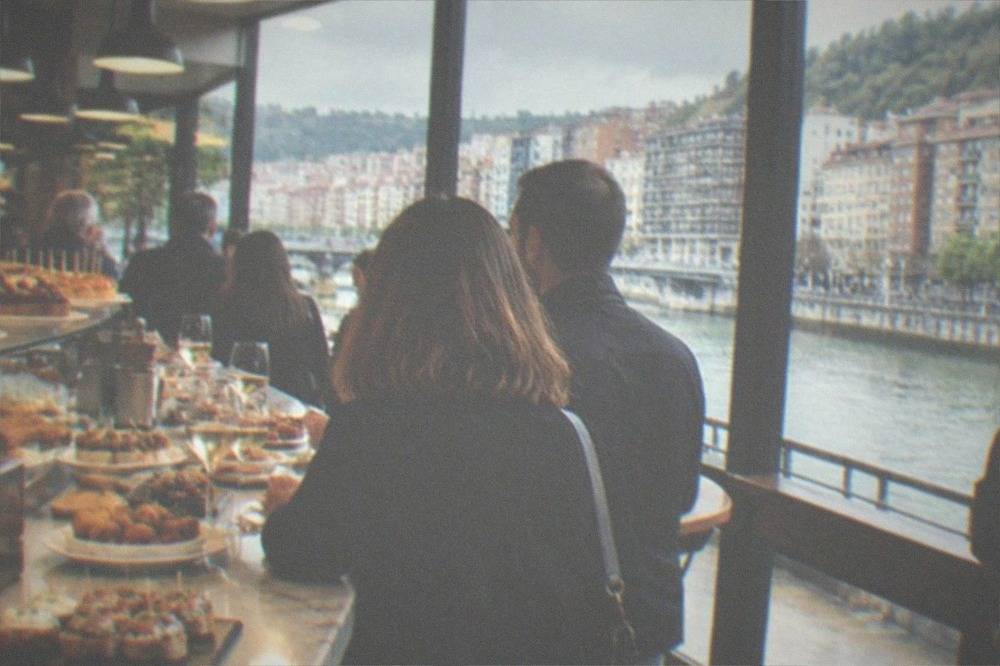
Prices move with the setting, so set expectations before you order. Counter pintxos at the simple end of the scale run 2 to 4 EUR, and elaborate hot preparations at premium bars can reach 6 to 8 EUR, per recent food-guide reporting. A sensible crawl of four to six bites with drinks lands most people near 25 to 45 EUR. Check the chalkboard or the displayed price card at each bar before committing, because a few tourist-frequented rooms in the wider old-town area have been flagged for inflated charges.
How Do You Get To And Around Abando, Bilbao?
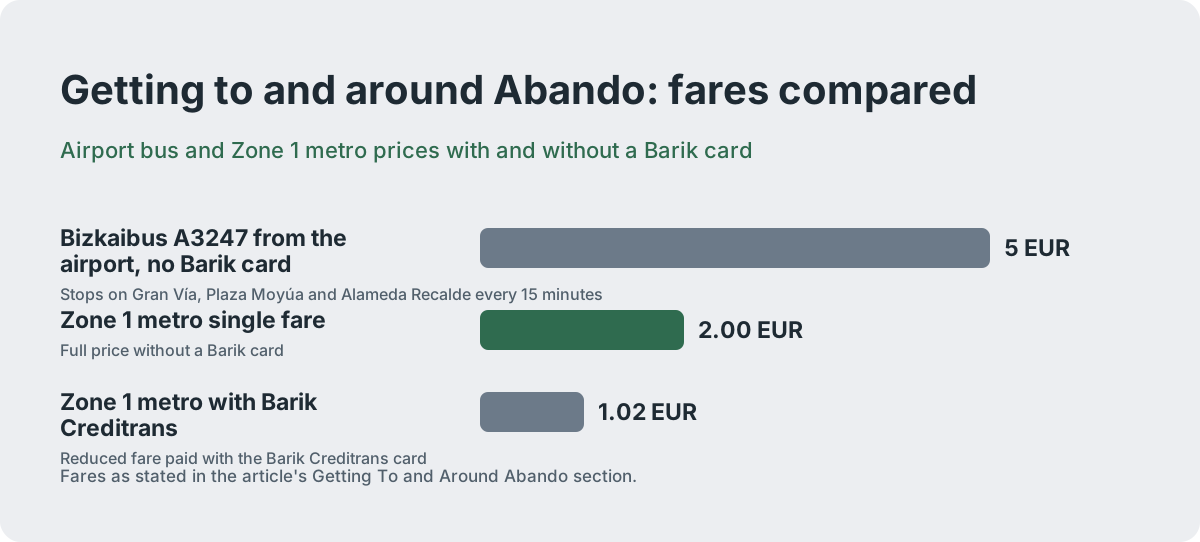
Abando is the easiest district in Bilbao to reach and to explore: the airport's Bizkaibus A3247 stops on Gran Vía, Plaza Moyúa and Alameda Recalde every 15 minutes for 5 EUR without a Barik card, the tram and two metro stations serve the district, and a Barik Creditrans card cuts a Zone 1 metro ride to 1.02 EUR from the 2.00 EUR single fare.
From Bilbao Airport, the public link is the A3247, which runs roughly every 15 minutes, from about 06:10 to 23:40 from the airport and 05:00 to 22:00 from the city, with a 15 to 25 minute journey. Its city-centre stops, Gran Vía, Plaza Moyúa and Alameda Recalde, all sit inside Abando, which is why so many visitors sleep here. A taxi from the airport to the centre runs about 24 to 29 EUR depending on the fare band, with no airport supplement and the Artxanda tunnel toll included. There is no metro or train link to the airport, and the city council's own position is that none arrives before 2035, so do not plan around one. Our Bilbao airport guide covers arrivals in full.
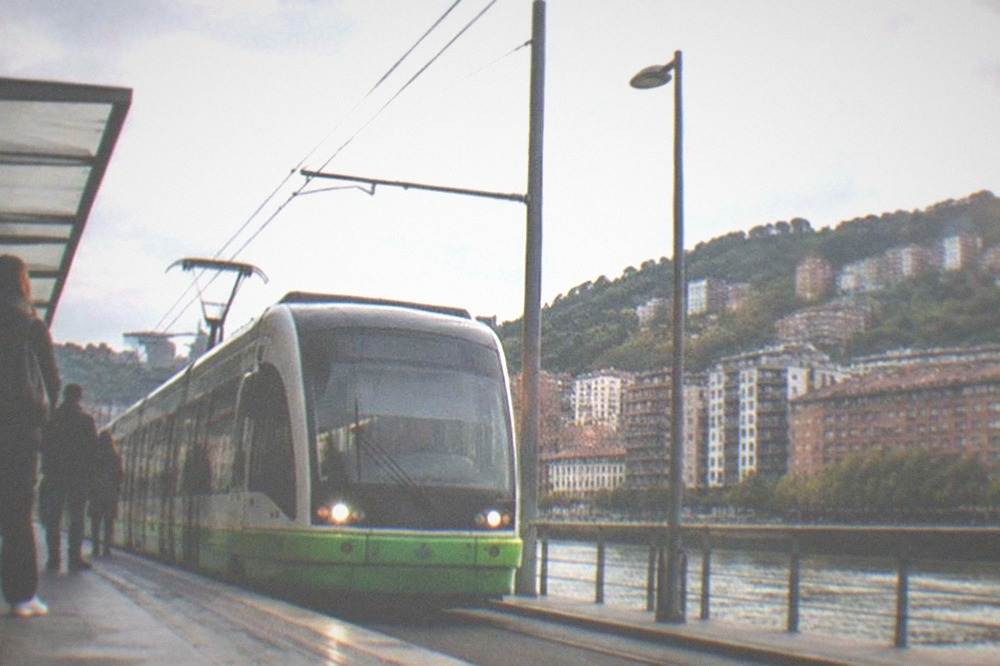
Within the district, the tram glides the length of the estuary-side edge, and the metro serves Abando's fringes on both riverbanks. The CTB Barik fares page gives the numbers: a Zone 1 metro ride costs 1.02 EUR with a Barik Creditrans card against a 2.00 EUR single, rising to 1.19 EUR and 1.30 EUR for Zones 2 and 3. Bilbobus, the city bus network, charges 1.70 EUR for a single and roughly 0.73 EUR with Barik, and the tram runs 0.74 EUR flat with Barik against about 2.00 EUR for an occasional ticket. The Barik card itself is commonly reported to cost 3 EUR to buy, non-refundable, though that purchase price comes from secondary sources rather than an official CTB page, so confirm at a station machine.
For longer stays, the Bilbao Bizkaia Card bundles unlimited transport with museum discounts at 10 EUR for 24 hours, 15 EUR for 48 hours and 20 EUR for 72 hours, per the card's official site. It is personal and non-transferable. Our getting around Bilbao transport guide compares the two options, and the Bilbao train station guide covers Abando's rail terminus if you are arriving overland from elsewhere in Spain.
| Mode | Single without Barik | With Barik Creditrans |
|---|---|---|
| Metro, Zone 1 | 2.00 EUR | 1.02 EUR |
| Metro, Zone 2 | 2.20 EUR | 1.19 EUR |
| Metro, Zone 3 | 2.25 EUR | 1.30 EUR |
| Bilbobus city bus | 1.70 EUR | About 0.73 EUR |
| Bilbao tram | About 2.00 EUR | 0.74 EUR flat |
| Airport bus A3247 | 5 EUR | About 1.19 EUR |
Where Should You Stay In Abando, Bilbao?
Staying in Abando, Bilbao puts the Guggenheim, the Fine Arts Museum and the Gran Vía within an easy walk, in the city's densest concentration of hotels and short-let apartments. One planning note matters for 2027: Bilbao currently charges no tourist tax, but a Bizkaia-wide tax approved under Norma Foral 3/2026 takes effect on 1 January 2027, running from 1 EUR per night in pensions up to 6.50 EUR for tourist apartments.
The district's accommodation spans the full range, from grand estuary-facing hotels near the Guggenheim to modest pensions above the Gran Vía's side streets and a large stock of tourist apartments in the surrounding grid. Location is rarely the trade-off here. What varies is price, noise and walk-up distance to the metro, and our where to stay in Bilbao guide breaks the neighbourhoods down for different budgets and travel styles.
The tourist tax deserves one clear paragraph, because it is new and most guidebooks have not caught up. As reported, the Bizkaia regional tax was approved in June 2026 and takes effect across the territory's municipalities on 1 January 2027. Bilbao's municipal plenary then set its own rates in September 2026: 5 EUR per night in 5-star hotels, 4 EUR in 4-star, 2 EUR in 3-star, 1.50 EUR in 2-star, 1 EUR in pensions and 6.50 EUR for tourist apartments, the maximum allowed. Reservations made before early February 2026 are generally exempt. If you travel in 2026 you pay nothing; if you travel in 2027, budget a few euros per night on top of the room rate.
| Accommodation type | Nightly tourist tax from 1 Jan 2027 |
|---|---|
| 5-star hotel | 5 EUR |
| 4-star hotel | 4 EUR |
| 3-star hotel | 2 EUR |
| 2-star hotel | 1.50 EUR |
| Pension | 1 EUR |
| Tourist apartment (VUT) | 6.50 EUR |
When Is The Best Time To Visit Abando, Bilbao?
The best time to visit Abando, Bilbao is July or August, when AEMET's 1981-2010 normals for the Bilbao Aeropuerto/Loiu station (1082) show mean temperatures of 20.4 and 20.9 C and the year's lowest rainfall, 50 and 76 mm respectively. November is the wettest month at 147 mm, and the temperate oceanic climate keeps rain possible in every season, so pack a layer and a compact umbrella no matter when you come.
Bilbao's climate is temperate oceanic, Atlantic-influenced, never Mediterranean and never continental, and the numbers behind that are worth knowing before you pack. AEMET's station 1082 normals give an annual mean of 14.7 C and 1,134 mm of rain spread across the year. Winters are mild, 9.3 C in January, and summers are warm rather than hot, peaking at 20.9 C in August. The rain does not take a holiday: even the driest month, July, averages 50 mm. Our Bilbao weather guide translates this into month-by-month packing advice.
Two event windows change the district's character. Aste Nagusia, the city's nine-day festival, runs 22 to 30 August 2026, opening with the txupin rocket on 22 August at 19:00 in Plaza Arriaga, and it fills Abando's streets, concerts and firework crowds for its duration. BBK Live, the city's major music festival, next runs 8 to 10 July 2027 at Kobetamendi, with no lineup announced yet. Book accommodation early for either window, because the district's hotels fill first.
Shoulder seasons have their own case. June and September sit at 18.4 C and 19.2 C with 60 and 73 mm of rain, close to summer comfort with thinner museum queues. Spring is greener but wetter, and the autumn peak of rain arrives in October and November. Whenever you come, an e-bike is a pleasant way to cover the district and the riverside in one loop. The highlights e-bike tour of Bilbao runs in small groups or privately, and the operator's live listing carries the current price and rating.
| Month | Mean temperature (C) | Mean precipitation (mm) |
|---|---|---|
| January | 9.3 | 120 |
| February | 9.7 | 86 |
| March | 11.5 | 90 |
| April | 12.6 | 107 |
| May | 15.7 | 78 |
| June | 18.4 | 60 |
| July | 20.4 | 50 |
| August | 20.9 | 76 |
| September | 19.2 | 73 |
| October | 16.4 | 111 |
| November | 12.4 | 147 |
| December | 9.9 | 122 |
What Lies Beyond Abando: Easy Day Trips From Bilbao?
Beyond Abando, the Basque Country opens easily from Bilbao: San Sebastián is roughly 1 hour 20 minutes away by direct bus, the Rioja wine region and the Gaztelugatxe hermitage are the two most-booked guided day trips, and the UNESCO-listed Vizcaya Bridge hangs over the estuary at Portugalete, reachable by metro. Most of these work either independently or as organised tours departing from the city centre, and the district's bus and rail hubs are where they start.
San Sebastián is the classic first excursion, and the practical option is the direct bus, about 1 hour 20 minutes with fares reported from 8 to 19 EUR one way. Our San Sebastian day trip guide covers the beaches, the old town and the pintxos scene, and helps if you are choosing between the two cities as a base.
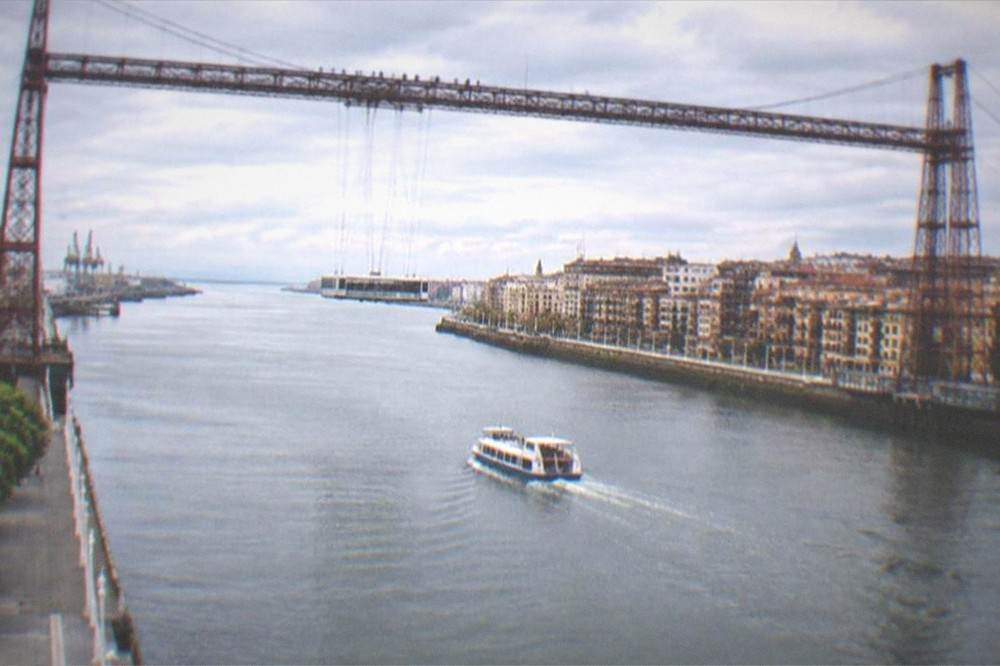
The Basque coast supplies the other big draws. San Juan de Gaztelugatxe, the rock-islet hermitage reached by a stone causeway, requires a free timed reservation only on official controlled-access days, roughly mid-June to 20 September plus Easter and holiday weekends, with a daily cap of 1,462 visitors on those days and booking via tiketa.eus, always free, for up to 10 people per reservation. Our Gaztelugatxe guide covers the coast and its history. Closer to home, the Vizcaya Bridge at Portugalete, a UNESCO World Heritage Site since 2006 and the first industrial heritage site in Spain on the list, carries pedestrians across the estuary by gondola for 0.60 EUR one way in daytime, while its high walkway ticket is reported at 11 EUR adult round trip, a single-source figure worth confirming on the operator's page.
Inland, the Rioja wine region is the third pillar of the day-trip scene. Our Rioja wine day trip guide covers the winery towns of Haro and Laguardia, where most tours include tastings. All three of the district's most-booked excursions, the food-and-wine walk in the city, the San Sebastián and Getaria coastal loop, and the Rioja winery day, can be reserved below with live prices and ratings on the operator's listings.
Common Questions About Abando, Bilbao
Where is Abando in Bilbao?
Abando is the central district of Bilbao, in Biscay (Bizkaia) province, Basque Country, northern Spain, on the south bank of the Nervión estuary. It runs from the Bilbao-Abando rail terminus up the Gran Vía Don Diego López de Haro to Plaza Moyúa and down to the redeveloped Abandoibarra bank beside the Guggenheim.
What are the best things to do in Abando, Bilbao?
Visit the Guggenheim Museum Bilbao (18 EUR adult, open Tuesday to Sunday 10:00-19:00), the Bilbao Fine Arts Museum beside Doña Casilda park, and the Azkuna Zentroa cultural centre, then walk the Gran Vía shopping boulevard from Plaza Circular to Plaza Moyúa. A guided walking or e-bike tour is an efficient way to tie the district together on a first visit.
Where to eat and drink in Abando, Bilbao?
Do a pintxos crawl: El Globo on Diputación 8, La Viña del Ensanche and championship winner La Bodeguita del 12 are the frequently named standouts, with pintxos typically 2 to 5 EUR and a full crawl around 25 to 45 EUR per person. For a splurge, the Michelin-starred rooms near the Guggenheim, including new star Islares, take reservations well in advance.
How do you get to and around Abando, Bilbao?
The airport bus A3247 stops on Gran Vía and Plaza Moyúa every 15 minutes for 5 EUR without a Barik card, and a taxi from the airport costs about 24 to 29 EUR. Within the district, the tram and metro cost 0.74 EUR and 1.02 EUR respectively with a Barik Creditrans card, against 2.00 EUR singles without one.
When is the best time to visit Abando, Bilbao?
July and August, when AEMET's Bilbao Aeropuerto/Loiu normals show the warmest means, 20.4 and 20.9 C, and the lowest rainfall, 50 and 76 mm. Note that Aste Nagusia fills the district from 22 to 30 August 2026, so book early for that window. November is the wettest month at 147 mm.
Is there a tourist tax in Abando, Bilbao?
Not in 2026. A Bizkaia-wide tourist tax approved under Norma Foral 3/2026 takes effect on 1 January 2027, with Bilbao's rates running from 1 EUR per night in pensions to 5 EUR in 5-star hotels and 6.50 EUR for tourist apartments. Reservations made before early February 2026 are generally exempt.