Abandoibarra Riverfront
Abandoibarra is the stretch of central Bilbao where the post-industrial regeneration of the Nervion estuary is most visible: the Guggenheim, the Euskalduna Palace, the tram, and a riverfront walk that links the old docklands to the Ensanche.
Short answer
Abandoibarra is Bilbao's regenerated riverfront district between Abando station and the Euskalduna Palace, home to the Guggenheim Museum, the Bilbao Fine Arts Museum, Doña Casilda park and a continuous riverside promenade, all reachable on foot or by tram from the city centre.
Abandoibarra is the riverfront district of Bilbao, in Biscay (Bizkaia) province, Basque Country, northern Spain, and it is the single best place to see what the city's famous transformation actually looks like on the ground. The name covers the flat peninsula of former dockyards and railway yards between the Nervion estuary and the Ensanche, redeveloped around the Guggenheim Museum once heavy industry left the estuary, and now stitched together by the tram, a riverside promenade and the lawns of Doña Casilda park. This page from Bilbao Travel Guide covers what sits where, what it costs to get in, how the district connects to the rest of the city, and how to fold it into a first visit.
What Is The Abandoibarra Riverfront In Bilbao?
Abandoibarra is the regenerated riverfront quarter of central Bilbao, built on former dockland between the Abando rail hub and the Euskalduna Conference Centre, and it holds the Guggenheim Museum, the Bilbao Fine Arts Museum, Doña Casilda park, the tram line and a continuous riverside promenade in roughly one square kilometre of flat, walkable ground. It is the physical record of the city's post-industrial turn: the shipyards and rail yards here closed as heavy industry withdrew from the estuary, and the land was handed over to museums, offices and public space instead. For a visitor it functions as Bilbao's modern core, the counterweight to the medieval lanes of the Casco Viejo.
The district's boundaries are easy to hold in your head. The estuary forms the northern edge, with the Guggenheim Museum sitting right on the water at the eastern end. Abando and the Ensanche lie to the south, so the whole area is a short walk downhill from the Gran Via. The Euskalduna Palace marks the western limit, and the Puente Deusto bridge and the university quarter of Deusto sit across the river. Nothing in Abandoibarra is more than about fifteen minutes on foot from anything else in it.
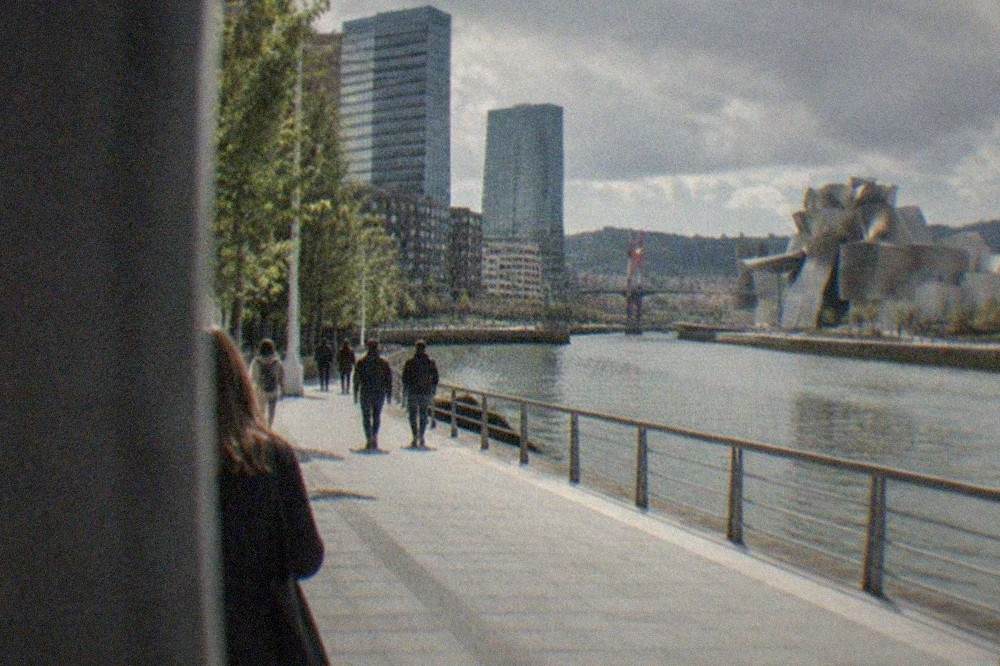
Two things make it unusually pleasant as a piece of city. First, it is flat, which in hilly Bilbao is a genuine asset. Second, almost all of it is public space: lawns, walkways, water features and sculpture rather than gated attractions. You can walk the full riverfront from the Euskalduna to the Puente de la Salve without crossing traffic at street level more than a couple of times.
What Are The Key Sights Along The Abandoibarra Riverfront?
The Abandoibarra riverfront lines up five headline sights in a walkable row: the Guggenheim Museum Bilbao, the Bilbao Fine Arts Museum, Doña Casilda Iturrizar park, the Euskalduna Conference and Music Centre, and the Zubizuri and Pedro Arrupe footbridges, with the tram linking them end to end in a few minutes. Add the riverside sculpture, the riverside lawns and the university's riverside library, and the district fills a full day without a single taxi ride. The Guggenheim is the anchor and a natural first stop; the museum's own site lists an adult ticket at 18 EUR and opening hours of 10:00 to 19:00 Tuesday to Sunday, extended to 20:00 during Easter week and from 15 June to 13 September.
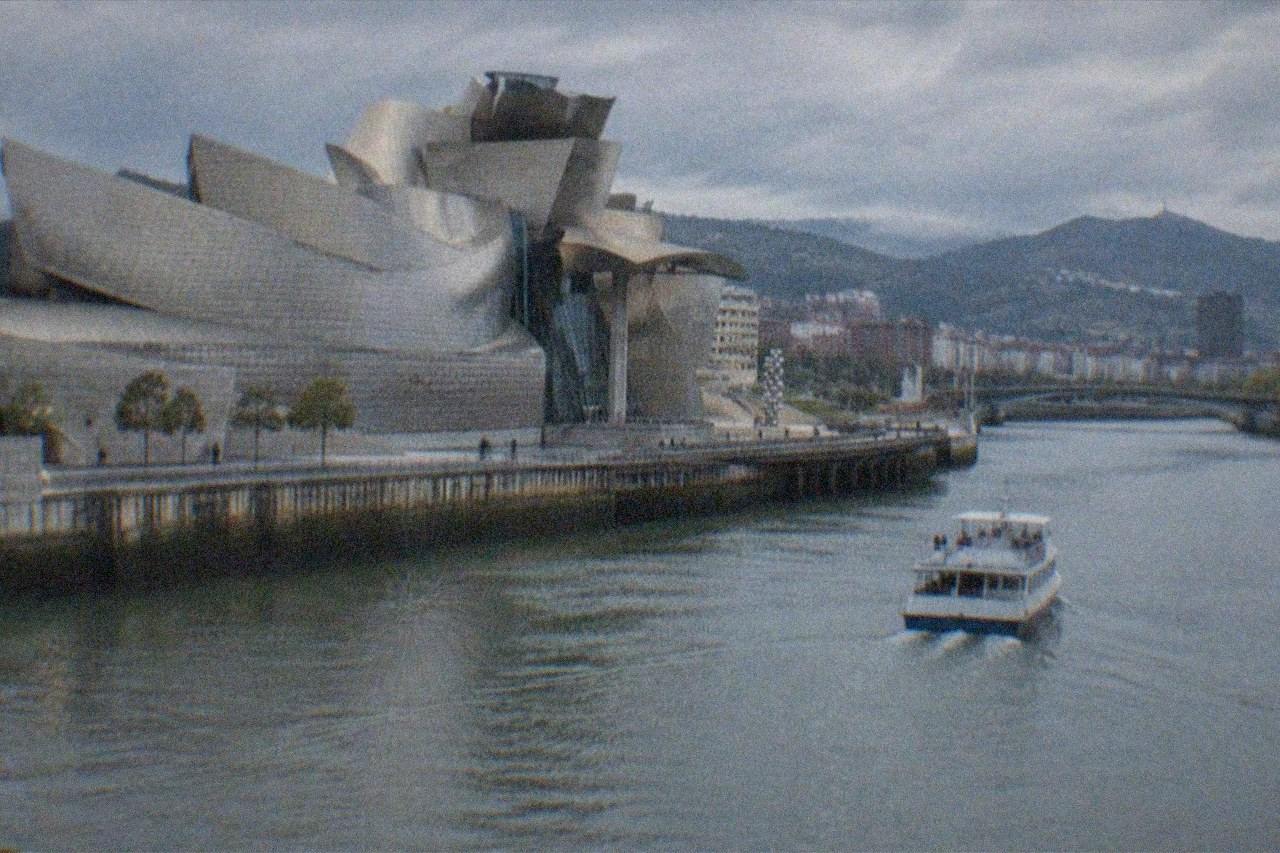
The Guggenheim deserves the longest block of time. Frank Gehry's titanium building is the most photographed structure in the Basque Country, and the museum's own hours-and-admission page is the place to confirm current prices before you go. Richard Serra's "The Matter of Time" fills an entire gallery and is worth the ticket on its own. Outside, Jeff Koons' "Puppy" guards the main entrance and Louise Bourgeois' "Maman" stands by the riverside facade, both free to see from the promenade.
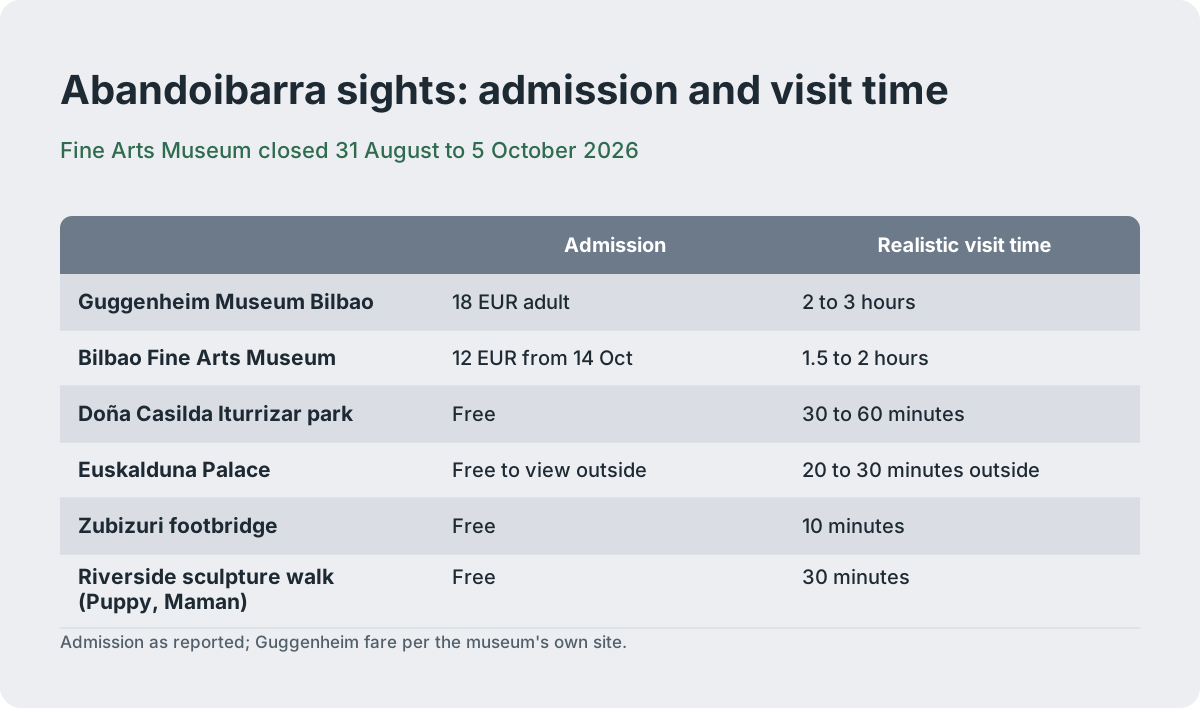
The Bilbao Fine Arts Museum sits at the opposite, quieter end of the district beside Doña Casilda park. One planning note matters for 2026: the museum is closed from 31 August to 5 October 2026 for the final phase of its renovation works, and it reopens on 6 October 2026 with a free entry week from 6 to 13 October, as reported. From 14 October the reported general admission is 12 EUR, with a joint Artean pass covering both the Fine Arts Museum and the Guggenheim at a reported 16 EUR. If your trip falls before early October 2026, plan around the closure.
The Euskalduna Palace, the former shipyard site turned conference centre and opera house, closes the row at the western end. Even without a ticket to a performance, the building and its terraces over the water are worth the walk, and it marks the start of the riverside promenade. The Azkuna Zentroa, a few minutes south in the Ensanche, is the natural next stop if you want more of Bilbao's modern civic architecture.
| Sight | Position on the riverfront | Admission basis | Realistic visit time |
|---|---|---|---|
| Guggenheim Museum Bilbao | Eastern end, on the estuary | 18 EUR adult, per the museum's own site | 2 to 3 hours |
| Bilbao Fine Arts Museum | Western end, beside Doña Casilda park | Reopens 6 Oct 2026; reported 12 EUR from 14 Oct | 1.5 to 2 hours |
| Doña Casilda Iturrizar park | South edge, behind the Fine Arts Museum | Free | 30 to 60 minutes |
| Euskalduna Palace | Western end, former shipyard site | Free to view outside; tickets for events | 20 to 30 minutes outside |
| Zubizuri footbridge | Southern edge, linking to the Ensanche | Free | 10 minutes |
| Riverside sculpture walk (Puppy, Maman) | Along the estuary promenade | Free | 30 minutes |
How Do You Get To Abandoibarra And Around It?
The fastest way into Abandoibarra is the Bilbao tram, whose Euskotren Tranbia line stops at Abando, Moyua, the Guggenheim and Euskalduna along the district's spine, with a Barik fare of 0.74 EUR per ride per the CTB Barik fares page, or roughly 2 EUR for an occasional single ticket. On foot it is under ten minutes downhill from the Gran Via in the Ensanche district, and the walk from Abando station to the Guggenheim takes about the same. Metro Bilbao serves the district at Moyua and Abando stations, both a short walk from the river; the CTB Barik fares page gives Metro Zone 1 rides at 1.02 EUR with a Barik Creditrans card, against 2.00 EUR without one.
The Barik card is the detail that saves the most money on a multi-day stay. The card itself is commonly reported to cost 3 EUR to buy, non-refundable, and it then unlocks the discounted Creditrans fares across Metro, tram, Bilbobus city buses and Bizkaibus regional coaches. A Bilbobus single is 1.70 EUR in cash, per the city's fares, but with Barik the effective base fare drops to roughly 0.73 EUR before further discounts. For a visitor making four or five transit rides a day, the card pays for itself quickly.
The Bilbao Bizkaia Card is the alternative if your days are transit-heavy. The card's official site states 24-hour, 48-hour and 72-hour versions at 10 EUR, 15 EUR and 20 EUR, personal and non-transferable, covering unlimited transport plus discounts and priority access at attractions including the museums. Whether it beats the Barik depends on how many rides you stack up; two tram rides and a museum discount a day will not, four Metro and tram trips plus a fastpass might.
Cycling is the other natural mode here, because the riverfront is flat and separated from traffic. Two wheels cover the whole estuary promenade in minutes, and a guided ride is one of the better ways to see the district's architecture with context rather than just passing it.
| Mode | Route into or across Abandoibarra | Fare with Barik | Fare without Barik |
|---|---|---|---|
| Tram (Euskotren Tranbia) | Abando, Moyua, Guggenheim, Euskalduna stops | 0.74 EUR flat | Around 2 EUR |
| Metro Bilbao | Moyua or Abando, then a short walk | 1.02 EUR, Zone 1 | 2.00 EUR, Zone 1 |
| Bilbobus | City centre stops, then walk downhill | Roughly 0.73 EUR base | 1.70 EUR |
| On foot | From the Gran Via or Abando station | Free | Free |
| Bilbao Bizkaia Card | Unlimited on all of the above | 10/15/20 EUR for 24/48/72h | Same, includes discounts |
Where Do You Eat Around The Abandoibarra Riverfront?
The honest answer is that Abandoibarra itself is thin on old-school bar food, so most eating happens at the museums, the riverside cafes and the pintxos bars of the neighbouring Ensanche and Casco Viejo, both within a ten-minute walk; the Guggenheim's own restaurant and the bars around the Plaza Nueva are the two anchors here. The museum has a serious food reputation: Nerua, its restaurant, holds one Michelin star in the 2026 guide coverage of Bizkaia. That is a booking rather than a drop-in, and the museum's own site is the place to check current arrangements.
For everyday eating, the gradient runs downhill toward the estuary's south side. The Ensanche streets behind the Moyua tram stop hold long-standing pintxos institutions, and the Casco Viejo across the water holds the densest concentration of bar counters in the city. Typical pintxo prices run roughly 2 to 5 EUR per piece at traditional bars, with drinks typically 2 to 3.50 EUR, figures consistent with 2026 local guides; treat them as planning ranges and check the board at each bar. Our pintxos guide ranks the bars worth crossing the river for.
A guided food walk solves the choice problem neatly, and the riverfront's compactness makes it a good base for one. The related tour below pairs a local guide with visits to bars and wine tastings, and its price, rating and review count render from the live listing rather than from any figure printed here.
If you would rather self-direct, the pattern that works is a morning museum, a riverside walk west, then a drift south into the Ensanche for lunch before the bars fill. Evening is when the pintxos culture really starts, and the Casco Viejo's Plaza Nueva is the classic endpoint, a fifteen-minute walk or two tram stops from the Guggenheim.
When Is The Best Time To Walk The Abandoibarra Riverfront?
The best months to walk the Abandoibarra riverfront are July and August, when AEMET's Bilbao Aeropuerto/Loiu (station 1082) normals show monthly means of 20.4 and 20.9 C with the year's lowest rainfall at 50 and 76 mm, though June and September run close behind at 18.4 and 19.2 C with only 60 and 73 mm of rain. Bilbao's climate is temperate oceanic, Atlantic-influenced, not Mediterranean: rain falls year-round, and the wettest month is November at 147 mm. An umbrella is a packing item in every season, not just winter.
The riverfront itself is at its best in the evening in high summer, when the Guggenheim's extended 20:00 closing hour (15 June to 13 September) lets you do a full museum visit and still walk the promenade in daylight. In November and the winter months the walk is still perfectly doable, and the museums are the natural shelter, but the promenade loses an hour or more of usable light and the wind off the estuary is sharper.
One event transforms the district entirely: Aste Nagusia, Bilbao's nine-day festival, which in 2026 runs 22 to 30 August with the txupin opening on 22 August at 19:00 in Plaza Arriaga, per the municipal announcements. Concerts and fireworks during those days spill across the riverfront, and the lawns around the museum become festival ground. If your dates collide, book rooms early and expect crowds at every riverfront vantage point.
| Month | Mean temperature (C) | Mean rainfall (mm) | Riverfront walking verdict |
|---|---|---|---|
| January | 9.3 | 120 | Cold and wet; museum days |
| March | 11.5 | 90 | Changeable; fine for brisk walks |
| May | 15.7 | 78 | Pleasant; green park season |
| July | 20.4 | 50 | Best month: warm, driest of the year |
| August | 20.9 | 76 | Warm; Aste Nagusia crowds late month |
| September | 19.2 | 73 | Excellent; summer closing hours end 13 Sept |
| November | 12.4 | 147 | Wettest month; plan indoor time |
How Does Abandoibarra Fit Into A Bilbao Itinerary?
Abandoibarra deserves one full day of a first Bilbao trip: a morning Guggenheim visit, the riverfront walk west past the sculpture to the Euskalduna, the Bilbao Fine Arts Museum or Doña Casilda park after lunch, and an evening pintxos crawl south into the Ensanche or across to the Casco Viejo. On a tight one-day visit it can compress to a half-day museum-and-walk block, but the district rewards the slower version, because its best moments are free ones on the promenade between the ticketed sights. Our first-timers overview places it at the centre of the city's shortlist for exactly this reason.
The district also pairs naturally with a stadium visit. San Mames sits a short walk west of the Euskalduna, and the club's own site lists self-guided museum visits at 15 EUR for adults and guided Museum and Tour visits at 22 EUR, open Tuesday to Sunday. Folding the stadium into the riverfront day is the single easiest itinerary upgrade in the city, and it needs no transport at all.
For a second day, the riverfront is the departure point for the wider region. The estuary continues west toward the Vizcaya Bridge, the UNESCO-listed transporter bridge at Portugalete, whose gondola crossing costs 0.60 EUR one-way in daytime hours per the operator's published fares. Day coaches and tours to Gaztelugatxe, Gernika and San Sebastián all leave from the intermodal station a few minutes south of the district, so Abandoibarra works well as the nightly base camp of a longer Basque itinerary.
A guided walk is the other efficient way to absorb the district, particularly for visitors who want the architecture and history explained rather than just seen. The small-group option below covers the old town and the riverfront's story with a local guide, and as with every product on this site its price and rating render from the live listing.
| Trip length | Abandoibarra's share | What else fits |
|---|---|---|
| One day | Half day: Guggenheim plus promenade walk | Casco Viejo in the evening |
| Two days | Full day, museum plus Fine Arts Museum | San Mames stadium and Ensanche pintxos |
| Three days | One full day, then departure base | Day trip to Gaztelugatxe or San Sebastián |
| A week | One day plus repeat evenings | Rioja, the coast, Vitoria-Gasteiz |
What Does The Abandoibarra Regeneration Actually Mean For A Visitor?
For a visitor, the Abandoibarra regeneration means that Bilbao's headline sights now stand in a single purpose-built riverside quarter with level walkways, a tram spine and free public space where the shipyards used to be, so the "Bilbao effect" you have read about is something you walk through rather than something you look at from outside. The term refers to the city's use of a flagship museum to pull investment, tourism and population back after heavy industry collapsed, and the district is where the policy became physical. The Euskalduna Palace stands on the former shipyard ground; the tram line runs where rail yards lay; the lawns and water features are the landscaping of the same project.
The practical consequence is that the district behaves more like a park with museums in it than a museum quarter with a park attached. Rain, which Bilbao supplies generously at 1,134 mm a year per the AEMET normals, matters less here than elsewhere in the city, because the distances between shelters are short and the tram is always a few minutes away. Our museums guide leans on this district more than any other for exactly that reason.
It also means the area skews modern in its food and hotel stock, and traditional in what surrounds it. The contrast is the point: fifteen minutes in either direction from the Guggenheim puts you in the medieval Siete Calles or the historic Ensanche, and the tram fare of 0.74 EUR with Barik is the whole cost of moving between those three worlds. Few cities pack that range into a walkable triangle.
Is The Abandoibarra Riverfront Good For Families And Accessibility?
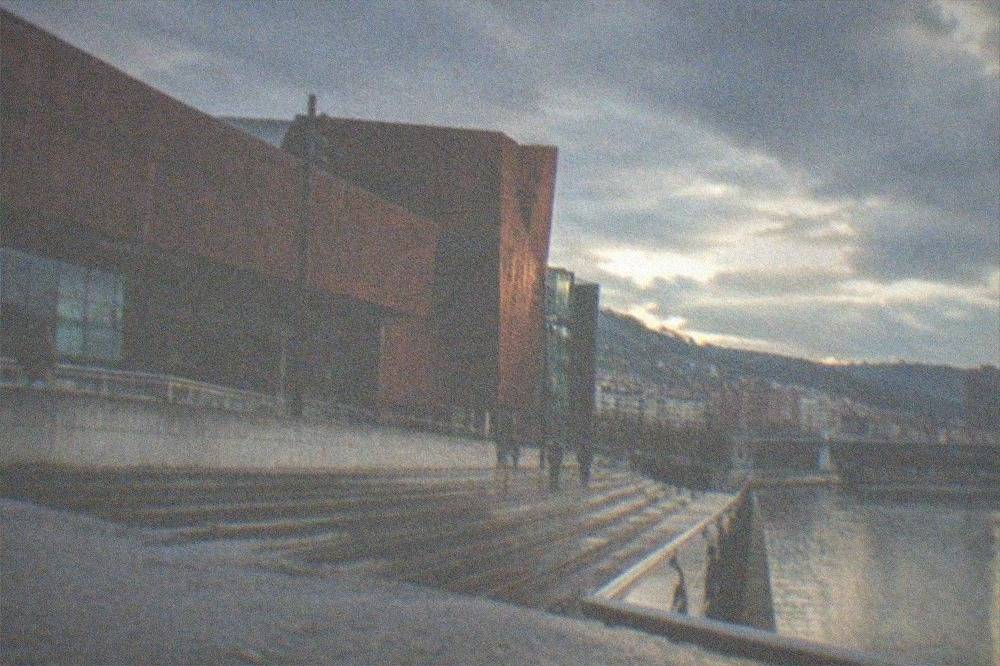
Yes: the Abandoibarra riverfront is one of the most accessible districts in Bilbao, with a fully low-floor tram line, level riverside paths, step-free museum entrances including two dedicated accessible entrances at the Guggenheim per the museum's own accessibility information, and an accessible funicular connection at nearby Artxanda for the panoramic view. The Guggenheim's own accessibility guide lists loaner wheelchairs, accessible restrooms throughout and ramped entry from the riverside facade, so the district's headline attraction works for reduced-mobility visitors without special arrangement.
The tram and the Metro both meet the same standard. Metro Bilbao's stations carry elevators from street to platform, tactile paving and wide validators, per the operator's accessibility materials, and Moyua station is the handiest step-free entry point for the riverfront's south edge. The flatness of Abandoibarra itself does most of the work: unlike the Casco Viejo's slopes, the promenade holds a level line from end to end.
Families get a similarly easy deal. The open lawns around the museum, the water features and the park at Doña Casilda give children room that the narrow old town cannot, and the combination of a two-hour museum visit and an hour of running around outside is a workable family morning. Our weather guide covers the seasonal conditions that decide whether the outdoor half of that plan holds up.
What Are The Best Photo Spots On The Abandoibarra Riverfront?
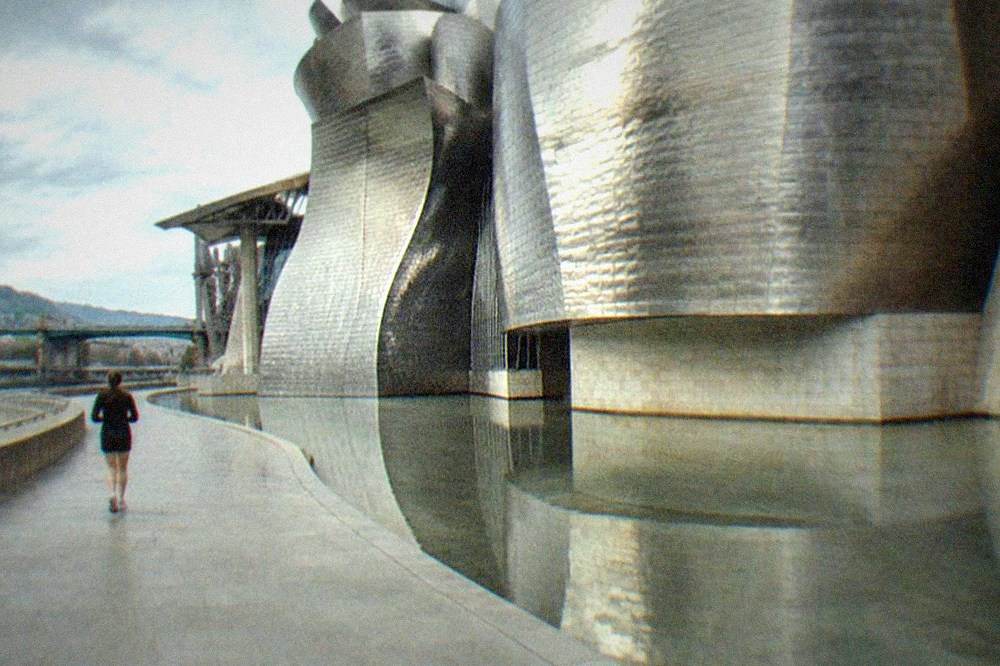
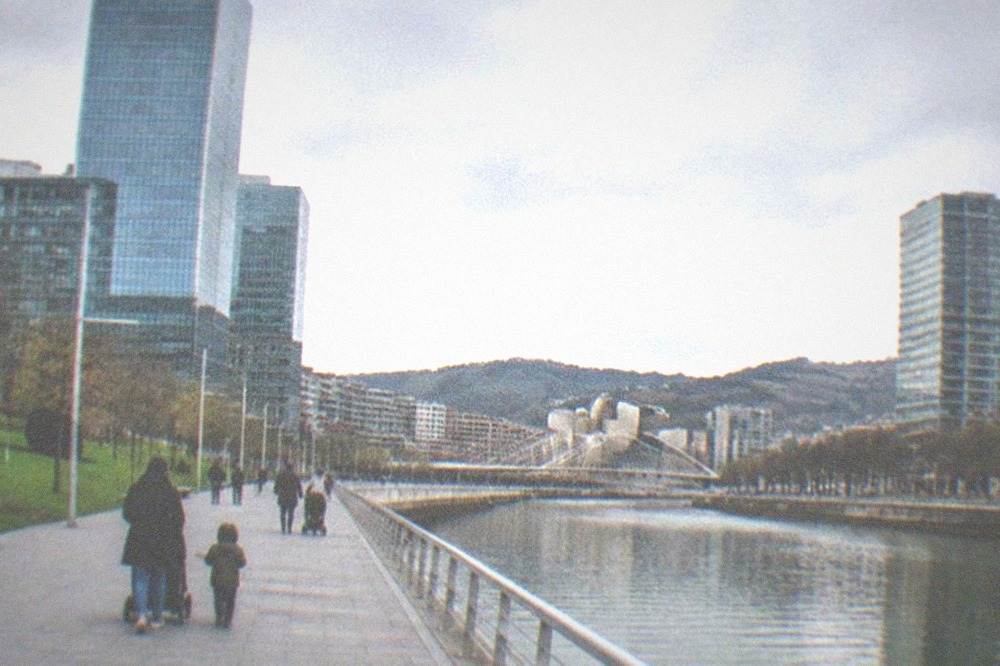
The best photo spots on the Abandoibarra riverfront are the Puente de la Salve viewpoint looking down on the Guggenheim's titanium curves, the shallow reflecting pool at the museum's base, the Zubizuri footbridge framing the Euskalduna, and the Pedro Arrupe walkway across the estuary, which gives the classic full-length view of the museum's north facade at dusk. The riverfront is short, but it is engineered for the camera: Gehry's building changes character with every hour of light, and the water on three sides doubles every composition.
Timing matters more than location. Morning light hits the museum's south and east faces, while late afternoon and early evening warm the titanium and put the reflecting pool to work. The promenade on the Deusto side of the estuary, reached over the Pedro Arrupe footbridge, is the side most casual visitors skip, and it carries the best unobstructed full-building view. The riverfront supplies the majority of the city's best photographic angles on its own.
Where Should You Stay Near The Abandoibarra Riverfront?
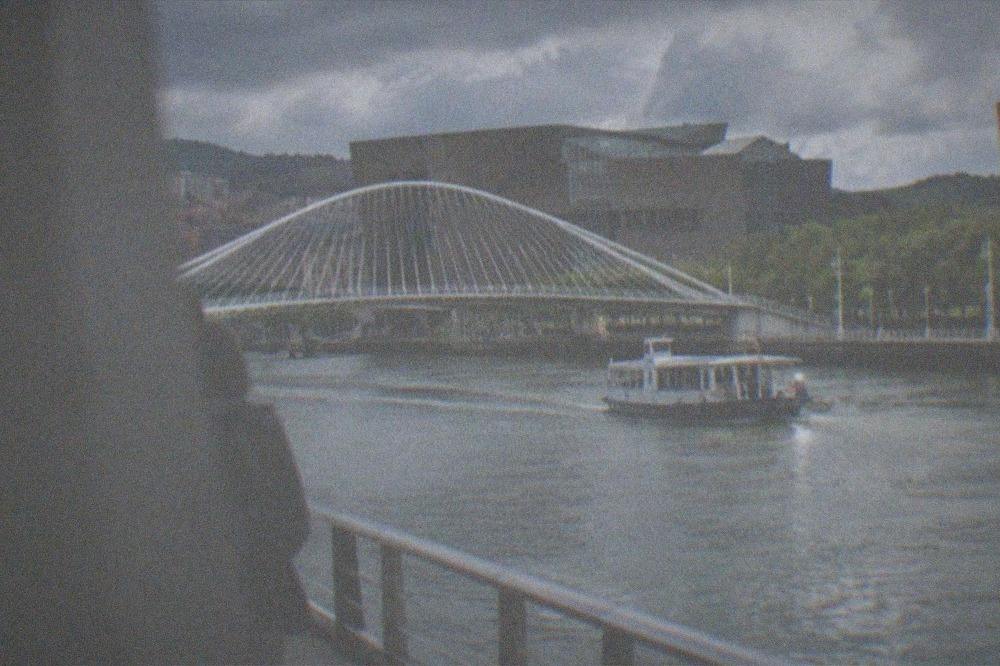
The best places to stay near the Abandoibarra riverfront are the hotels of the surrounding Abando and Ensanche districts rather than the riverfront itself, because Abandoibarra holds museums and offices more than accommodation, and the neighbouring blocks put you within a ten-minute flat walk of the Guggenheim at a wider range of prices. The Abando side is closest to the intermodal station and the tram's eastern stops; the Ensanche district sits between the riverfront and the Gran Via and carries the densest hotel stock.
One dated planning note belongs in any 2026 or 2027 booking conversation. A Bizkaia-wide regional tourist tax under Norma Foral 3/2026 does not take effect until 1 January 2027, so visitors staying in 2026 pay no tourist tax; from that date Bilbao's approved municipal rates run from 1 EUR per night at pensions to 5 EUR at five-star hotels, with 6.50 EUR for tourist apartments, as reported. Reservations made before early February 2026 are generally exempt. Budget accordingly if your stay straddles the new year.
Location within the surrounding blocks matters less than you might think, because the whole area is compact and the tram stitches it together. A room anywhere between Abando station and the Euskalduna puts the entire district within a twenty-minute walk, and the estuary's flat line means no hill stands between your hotel and the Guggenheim.
| Neighbourhood | Relation to the riverfront | Character | Best for |
|---|---|---|---|
| Abando | South-east, by the station | Central, practical, well connected | Shortest walk to the tram and trains |
| Ensanche district | South, behind Moyua | Elegant, best hotel range | Comfort and choice |
| Indautxu | South-west, near the Euskalduna | Local, quieter, good value | Longer stays and evenings |
| Casco Viejo | Across the estuary | Historic, lively bar scene | Pintxos-focused visits |
Common Questions About The Abandoibarra Riverfront
What Is The Abandoibarra Riverfront In Bilbao?
Abandoibarra is the regenerated riverfront district of central Bilbao, built on former dockland between Abando station and the Euskalduna Palace. It holds the Guggenheim Museum, the Bilbao Fine Arts Museum, Doña Casilda park and a continuous riverside promenade, linked end to end by the tram.
How Much Time Do You Need For The Abandoibarra Riverfront?
Plan one full day: two to three hours at the Guggenheim, an hour for the riverfront walk and sculpture, an hour or two at the Bilbao Fine Arts Museum or Doña Casilda park, and an evening in the neighbouring bars. A compressed half-day covering the Guggenheim and the promenade also works on a tight schedule.
How Do You Get To The Abandoibarra Riverfront?
The tram stops at Abando, Moyua, the Guggenheim and Euskalduna along the district's spine, at 0.74 EUR with a Barik card per the CTB fares page. On foot it is under ten minutes downhill from the Gran Via, and Moyua Metro station sits a short walk from the riverfront's south edge.
Is The Abandoibarra Riverfront Free To Walk?
Yes. The promenade, the riverside sculpture including Puppy and Maman, Doña Casilda park and the footbridges are all free public space. Only the museums charge admission: the Guggenheim's own site lists 18 EUR for an adult ticket.
Where Do You Eat Near The Abandoibarra Riverfront?
The riverfront itself is thin on traditional bars, so most eating happens at the museums, riverside cafes, or the pintxos bars of the Ensanche and Casco Viejo within a ten-minute walk. Typical pintxo prices run roughly 2 to 5 EUR at traditional bars, with drinks typically 2 to 3.50 EUR; treat these as planning ranges and check each bar's board.
When Is The Best Time To Visit The Abandoibarra Riverfront?
July and August, when AEMET's Bilbao Aeropuerto/Loiu normals show means of 20.4 and 20.9 C with the year's lowest rainfall. June and September run close behind and carry fewer festival crowds, while November, the wettest month at 147 mm, suits a museum-first plan.
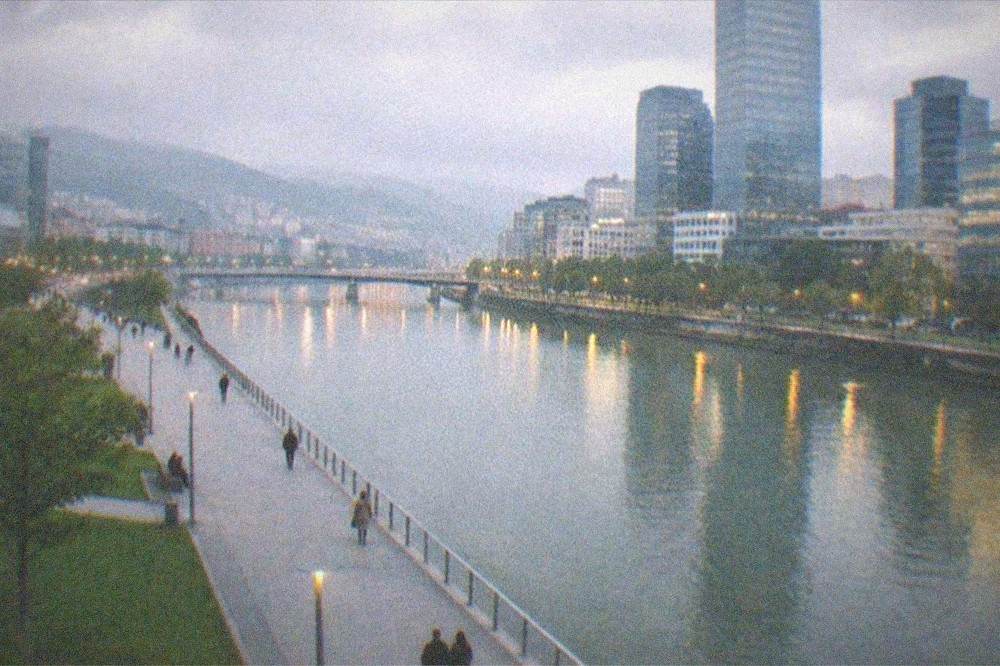
The Abandoibarra riverfront is the district that changed Bilbao's story, and it remains the most rewarding single square kilometre a visitor to the Basque Country can walk: museums with international weight, a promenade that costs nothing, and a tram that ties it to the medieval city across the water in under ten minutes.