Casco Viejo, Bilbao's Old Town
Casco Viejo is the medieval heart of Bilbao, in Biscay province, Basque Country, northern Spain: seven parallel streets, two of the city's great squares, the Gothic cathedral, and the densest concentration of pintxos bars anywhere on the estuary.
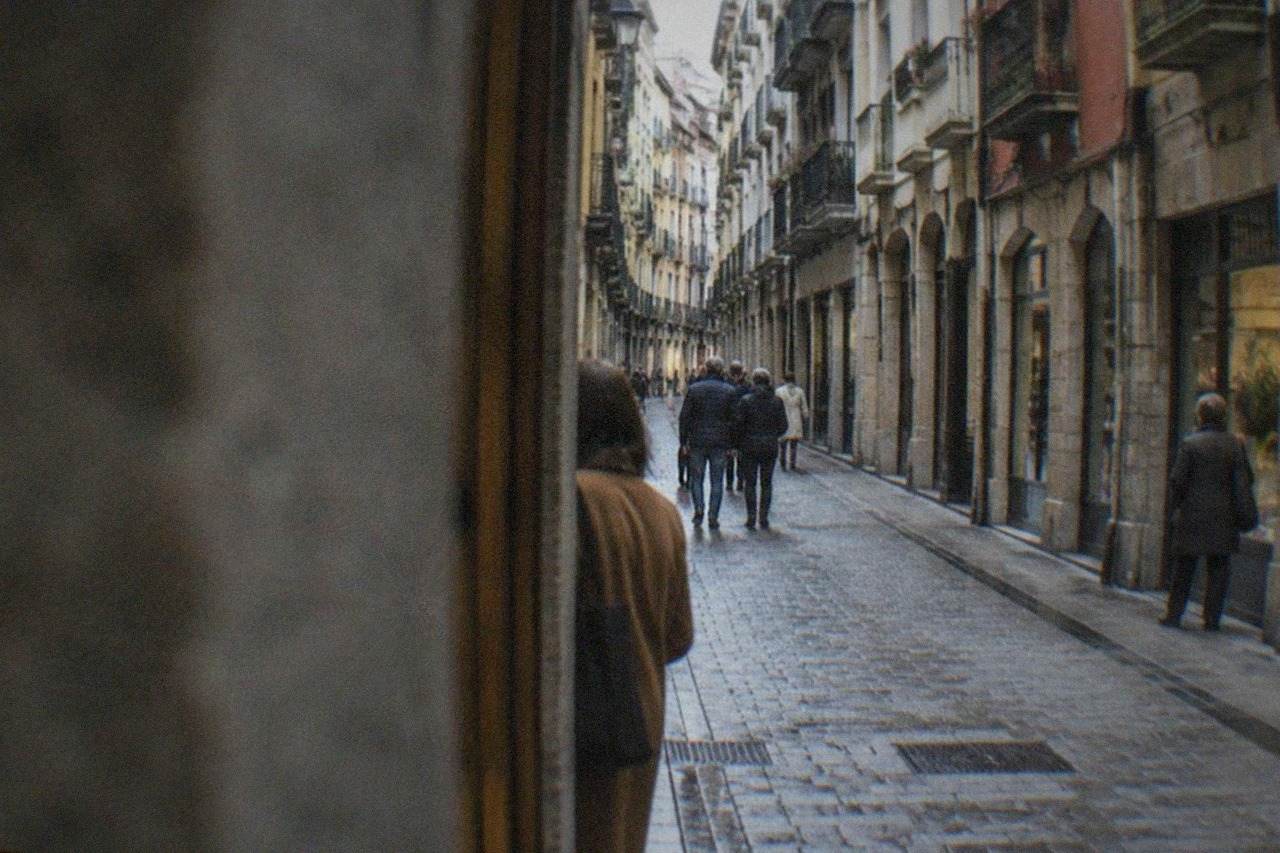
Short answer
Casco Viejo, Bilbao's Old Town, is the city's original medieval core on the right bank of the Nervion estuary, built around seven parallel streets (Las Siete Calles), Plaza Nueva, the Santiago Cathedral and the Mercado de la Ribera. It is compact, walkable, and best known for pintxos bars, historic architecture and its role as the stage for Aste Nagusia, Bilbao's nine-day August festival.
Casco Viejo is Bilbao's Old Town, the medieval nucleus of the largest city in Biscay (Bizkaia) province, in the Basque Country (Euskadi) of northern Spain. The quarter sits on the right bank of the tidal Nervion estuary, roughly 15 km inland from the Bay of Biscay, and it is where Bilbao existed for its first four centuries before the Ensanche, the Abando warehouses and the Guggenheim stretched the city westward. Everything here is measured in footsteps: seven parallel streets, two squares, one Gothic cathedral, one market hall, and more pintxos bars per square metre than any other district in the city. This guide from Bilbao Travel Guide covers what the quarter is, how to eat your way through it, what it costs, how to reach it, and when the calendar turns its streets into a festival ground.
What Is Casco Viejo, Bilbao's Old Town?
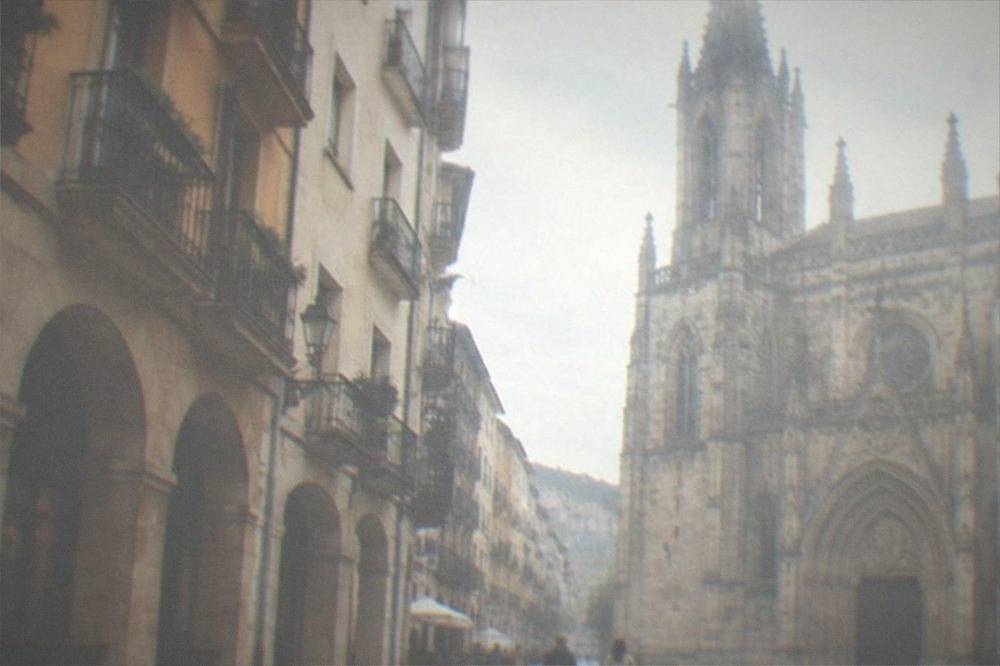
Casco Viejo, Bilbao's Old Town, is the city's original medieval core on the right bank of the Nervion estuary in Biscay province, Basque Country, northern Spain. It grew around seven parallel streets, Las Siete Calles, and today it holds the Gothic Santiago Cathedral, the arcaded Plaza Nueva, the Mercado de la Ribera and the Teatro Arriaga, all within a rectangle you can cross on foot in under fifteen minutes.
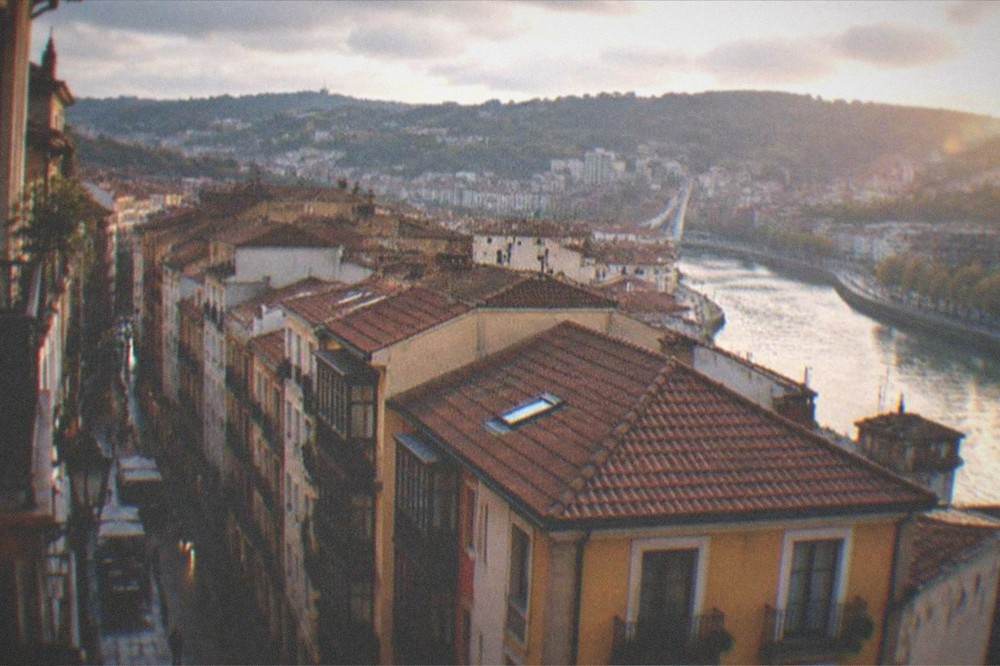
Bilbao began as a port town at the point where the estuary narrows, and the street plan of Casco Viejo has barely moved since. The seven streets run parallel to the water, stacked one above the other up the hillside, which is why every cross-lane in the quarter is a staircase. Locals still give directions by the numbered streets rather than by their names, and the quarter's Basque name, Alde Zaharra, appears on signage alongside the Spanish Casco Viejo.
What surprises many first-time visitors is how small the Old Town feels against the Bilbao of the post-Guggenheim era. The city's population stood at 346,933 on 1 January 2025 according to Eustat's municipal register, and the wider metropolitan area sprawls along both banks of the estuary, yet the medieval core retains the scale of the market town it once was. The Estuary of Bilbao is tidal, and at low tide the mudbanks below the Arenal park are a reminder that this was a working river port long before it was a tourist district.
The quarter's role in city life has shifted rather than faded. Bilbao Ekintza's 2025 tourism report counts 1,396,841 visitor entries and 2,723,725 overnight stays in hotels and tourist apartments combined, and a large share of those visitors spend at least one evening in the Seven Streets. At the same time, Casco Viejo remains a functioning neighbourhood, with schools, parish churches and family bars that predate the tourism boom by decades. For a deeper comparison of the Old Town against the newer city centre, see is Bilbao Old Town or city center better.
A guided walk is one of the most efficient ways to read the quarter's layers, since the architecture moves from medieval to later eras within a few steps and the stories attached to individual buildings rarely appear on plaques.
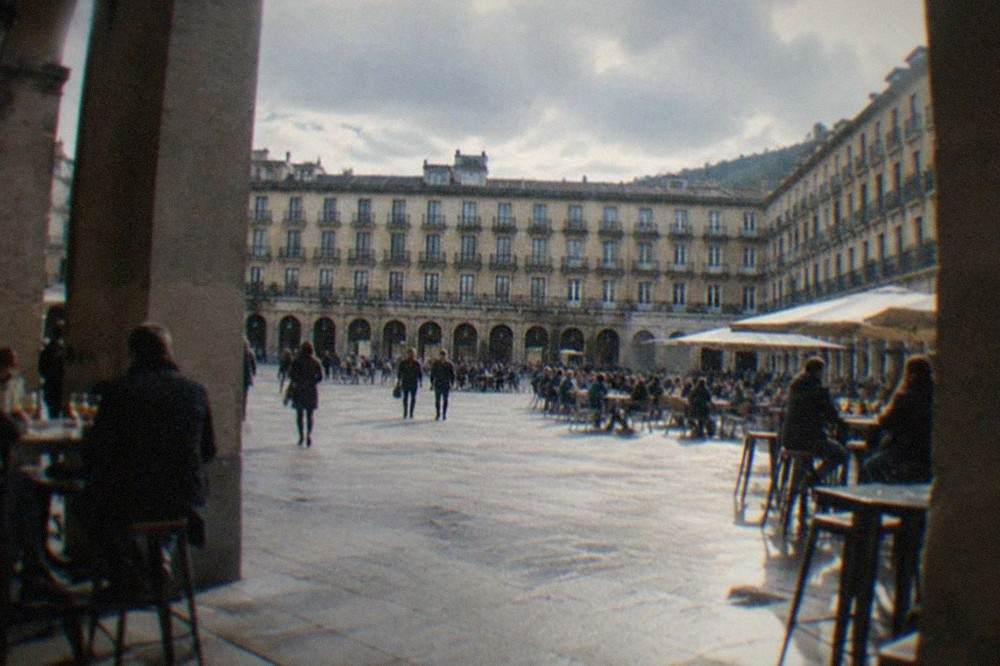
What Are The Seven Streets Of Bilbao's Casco Viejo?
The Seven Streets, Las Siete Calles, are Somera, Artecalle, Tenderia, Belostikale, Carniceria Vieja, Barrenkale and Barrenkale Barrena, seven parallel medieval lanes running along the right bank of the estuary. They form the original street plan of Bilbao, and they remain the structural spine of the Old Town, with Plaza Nueva, the cathedral and the market hall all attached to their edges.
The seven streets run from the Arenal park at the western end toward the Atxuri station quarter at the eastern end, and each has its own character. Somera and Tenderia, closest to the water, carry the heaviest foot traffic and most of the pintxos bars. The upper streets are quieter, more residential, and better for seeing the raw fabric of the quarter: overhanging wooden balconies, painted shutters, and stair-lanes that cut between the levels.
The table below is a practical orientation guide to the seven streets and the landmarks attached to each.
| Street | Position | What You Find There |
|---|---|---|
| Somera | 1st, closest to the estuary | Bars, the lower end of the txikiteo route, access to the Arenal |
| Artecalle | 2nd | Mixed shops and residential facades, stair-lanes upward |
| Tenderia | 3rd | One of the busiest bar streets, mid-route for pintxos crawls |
| Belostikale | 4th | Quieter stretch, traditional retail, connections to Plaza Nueva |
| Carniceria Vieja | 5th | Residential character, named for the old butcher's street |
| Barrenkale | 6th | Upper-level lane, views down over the rooftops |
| Barrenkale Barrena | 7th, highest | The quietest of the seven, closest to the hillside churches |
Two squares anchor the quarter. Plaza Nueva, the neoclassical arcaded square, is the beating heart of pintxos culture in the Old Town, ringed by bars that locals treat as a single continuous crawl. Plaza Miguel de Unamuno sits at the western end by the Arenal, named for the Bilbao-born writer, and serves as the informal gateway for visitors arriving from the Moyua and Abando side of the city. The Santiago Cathedral, a Gothic church rebuilt on the site of an earlier chapel, closes the network at the south-eastern corner; its cloister is one of the few genuinely medieval interiors left in the city.
The Teatro Arriaga, the historic opera house at the Arenal end of the quarter, is worth the walk even without a ticket, and the Mercado de la Ribera, the covered market hall on the waterfront, anchors the eastern edge. If the architecture of the wider city interests you, the Bilbao architecture guide places the Old Town's medieval fabric in the context of the Ensanche and the contemporary riverside buildings downstream.
The Old Town rewards time spent slowly, but its best food and its most photogenic coastline both sit within easy reach of the same starting point, which is why the picks above pair a chef-led walk through these streets with the two most requested day trips out of the city.
Where To Eat Pintxos In Bilbao's Casco Viejo?
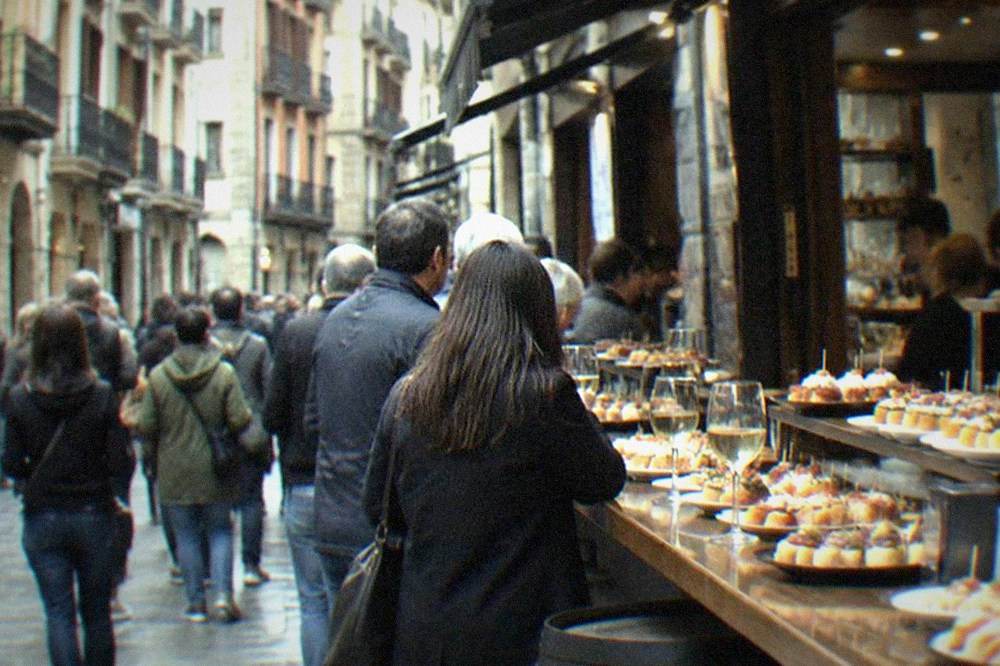
The best pintxos in Bilbao's Casco Viejo concentrate around Plaza Nueva and the lower three of the Seven Streets, with Gure Toki, Sorginzulo, Victor Montes, Cafe Bar Bilbao and El Globo among the most consistently praised bars in 2025 and 2026 guides. Typical prices run about 2 to 5 euros per pintxo with drinks at 2 to 3.50 euros, so a four-to-six-stop crawl costs roughly 25 to 45 euros per person, always check the displayed prices at each bar.
Pintxos are the Basque version of tapas, and the difference matters enough that locals will correct you, politely, if you call them tapas. The word comes from "pincho", a spike, and traditionally referred to the skewered bites laid out on bar counters. In practice the Old Town's bars now serve both cold counter pintxos and hot plates made to order, and the ritual is the same everywhere: order a zurito, a short beer, or a glass of txakoli, the lightly sparkling white wine of the Basque coast, eat standing at the bar or at an outdoor table, then move to the next bar. For the full distinction, see tapas vs pintxos, the difference.
The bars below appear repeatedly in the 2025 and 2026 rankings, including the Best Pintxos & Gastro Euskadi guide published by El Correo in December 2025.
| Bar | Location | What It Is Known For |
|---|---|---|
| Gure Toki | Plaza Nueva 12 | Family-run since 1982, creative product-driven pintxos |
| Sorginzulo | Plaza Nueva 12 | Creative takes on classics, 2024 Bizkaia tortilla champion |
| El Glovo (El Globo) | Diputacion 8 | Bar display, txangurro spider crab gratin |
| Victor Montes | Plaza Nueva | Traditional classics, historic atmosphere |
| Cafe Bar Bilbao | Plaza Nueva | Traditional since 1911 |
| La Bodeguita del 12 | Juan Ajuriaguerra Kalea 12, Abando edge | 2025 Bizkaia traditional pintxo championship winner |
| La Vina del Ensanche | Ensanche side, historic since 1927 | Consistently listed standout just outside the Old Town |
Prices are planning ranges, not promises: cold counter items such as gildas and simple tortilla often sit at the lower end of the 2-to-5-euro band, while hot seafood gratins and elaborate creative bites run higher, and premium Plaza Nueva preparations can reach beyond that band. Recent reporting noted one neighbourhood bar still holding tortilla at 2.60 euros while acknowledging the market rate had drifted toward 3 euros, which tells you both that bargains survive and that the floor is moving. The full city-wide picture, including bars outside the Old Town, is in the best pintxos in Bilbao guide.
A chef-led gastronomical walk solves the two problems every first crawl hits: knowing which bar does what best, and pacing the txakoli so the fourth stop is as good as the first.
What Does It Cost To Visit Bilbao's Casco Viejo?
Walking Bilbao's Casco Viejo costs nothing in itself: the streets, Plaza Nueva and the exterior of the cathedral are free public space, and the main payable items are food, drink and the Bilbao Bizkaia Card at 10 euros, 15 euros or 20 euros. There is no tourist tax in 2026, but a Bizkaia-wide tourist tax takes effect on 1 January 2027, with Bilbao's approved rates running from 1 euro per night in pensions to 6.50 euros for tourist apartments.
The Old Town is one of the cheapest historic quarters in Spain to wander, because its principal attractions are its streets. The Santiago Cathedral charges a small admission, and the Mercado de la Ribera is free to enter whether or not you buy anything. The real budget decisions are food and drink, and the pintxos ranges above give honest brackets. The Bilbao Bizkaia Card, per the card's own site, is personal and non-transferable, activates on first transport use, and bundles unlimited travel on Metro Bilbao, the tram, Bilbobus, Bizkaibus, Euskotren and the funiculars, plus free Bilbao Turismo guided walks and fastpass access at the main museums.
| Bilbao Bizkaia Card | Price | What It Includes |
|---|---|---|
| 24 hours | 10 EUR | Unlimited regional transport, guided tours, museum fastpass, partner discounts |
| 48 hours | 15 EUR | Same benefits over two days |
| 72 hours | 20 EUR | Same benefits over three days |
The tourist tax is the number every 2027 visitor should know. Norma Foral 3/2026, published in June 2026, brings a regional tax into force across Bizkaia on 1 January 2027, and Bilbao's municipal plenary approved its own rates in September 2026. Reservations made before early February 2026 are generally exempt. If you are booking a 2027 stay in or near the Old Town, budget the nightly amount by accommodation type.
| Accommodation Type | Tourist Tax Per Night From 1 January 2027 |
|---|---|
| 5-star hotel | 5 EUR |
| 4-star hotel | 4 EUR |
| 3-star hotel | 2 EUR |
| 2-star hotel | 1.50 EUR |
| Pension | 1 EUR |
| Tourist apartment (VUT) | 6.50 EUR |
The Euskal Museoa reopening matters for this quarter specifically, because the museum sits inside Casco Viejo and had been largely closed through the renovation years. Its reopening in June 2026 restored one of the Old Town's three major indoor attractions, alongside the cathedral and the market hall.
How Do You Get To Casco Viejo In Bilbao?
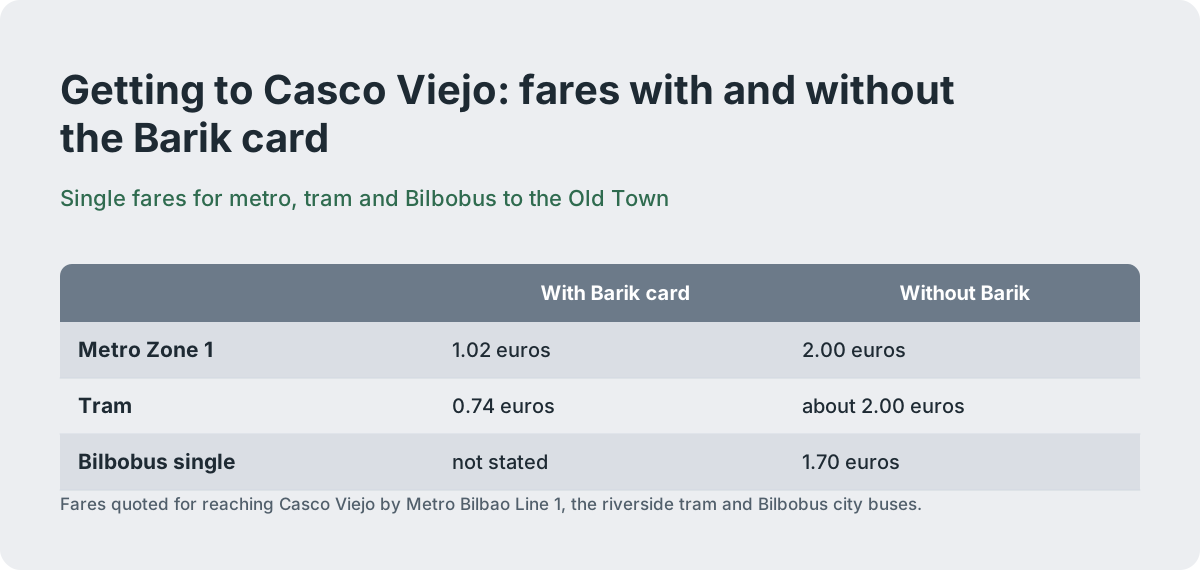
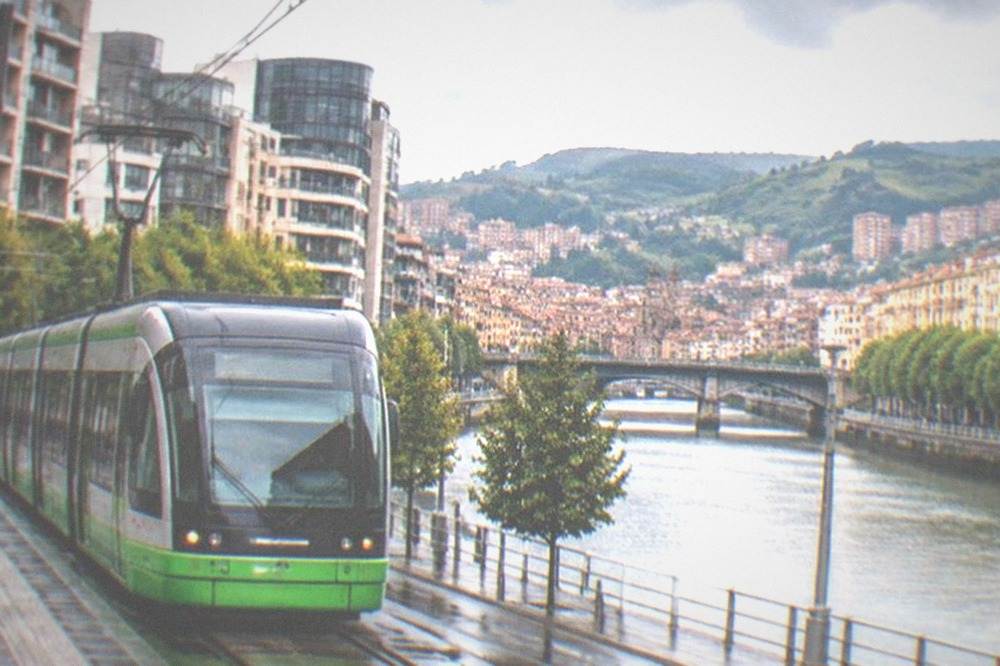
Casco Viejo is reached by Metro Bilbao to Casco Viejo station on Line 1, by the tram along the riverside, by Bilbobus city buses, or on foot across the bridge from Abando in about ten minutes, and the Barik card cuts every fare: Metro Zone 1 costs 1.02 euros with Barik against 2.00 euros without, the tram is 0.74 euros with Barik against about 2.00 euros without, and a Bilbobus single is 1.70 euros without Barik against roughly 0.73 euros with it.
The Old Town's transport position is genuinely central. The Casco Viejo metro station sits directly beneath Plaza Unamuno, one escalator ride from the heart of the Seven Streets, and the tram line runs along the opposite bank with a stop at the Arriaga theatre end of the quarter. The CTB Barik fares page gives the zonal structure: with a Barik Creditrans purse, Metro Zone 1 is 1.02 euros, Zone 2 is 1.19 euros and Zone 3 is 1.30 euros, while occasional tickets without the card run 2.00, 2.20 and 2.25 euros with two hours' validity.
| Mode | Without Barik | With Barik Creditrans |
|---|---|---|
| Metro Bilbao, Zone 1 | 2.00 EUR | 1.02 EUR |
| Metro Bilbao, Zone 2 | 2.20 EUR | 1.19 EUR |
| Metro Bilbao, Zone 3 | 2.25 EUR | 1.30 EUR |
| Bilbobus city bus | 1.70 EUR | approx. 0.73 EUR base |
| Bilbao Tram | approx. 2.00 EUR | 0.74 EUR flat |
The Barik card itself is commonly reported to cost 3 euros to purchase, non-refundable, with a minimum top-up often of 5 euros; that purchase price comes from secondary sources rather than an official CTB fares page, so treat it as commonly reported rather than confirmed. For visitors staying two or more days and riding transport daily, the card pays for itself quickly, and the Bilbao Bizkaia Card is the alternative if you want unlimited travel plus the museum fastpasses in one purchase.
From Bilbao Airport, the Bizkaibus A3247 runs every 15 minutes, roughly 06:10 to 23:40 from the airport and 05:00 to 22:00 from the city, with a 15-to-25-minute journey and a 5-euro fare without Barik. There is no metro or train link to the airport, and the city council's own position is that none arrives before 2035. The full arrival logistics are in the Bilbao airport guide, and the wider network detail is in the neighbouring districts of Abando and Abandoibarra, which sit directly across the river.
When Is The Best Time To Visit Bilbao's Old Town?
The best months to visit Bilbao's Old Town are July and August, the warmest and driest in AEMET's Bilbao Aeropuerto/Loiu station 1082 normals with mean temperatures of 20.4 and 20.9 degrees and 50 and 76 mm of rain respectively, but the best-value window is May, June or September, when means run 15.7 to 19.2 degrees with 60 to 78 mm of rain. November is the wettest month at 147 mm, and Bilbao's climate is temperate oceanic, Atlantic-influenced, never Mediterranean.
The Old Town is a rain-or-shine quarter, because its bars, the market hall and the Euskal Museoa give it more indoor refuge per block than any other district in the city. Still, the pintxos crawl on Plaza Nueva is an outdoor ritual, and the arcades only shelter so much. The climate table below comes from AEMET's 1981-2010 normals for station 1082, the official published table for Bilbao.
| Month | Mean Temperature (C) | Mean Precipitation (mm) |
|---|---|---|
| January | 9.3 | 120 |
| February | 9.7 | 86 |
| March | 11.5 | 90 |
| April | 12.6 | 107 |
| May | 15.7 | 78 |
| June | 18.4 | 60 |
| July | 20.4 | 50 |
| August | 20.9 | 76 |
| September | 19.2 | 73 |
| October | 16.4 | 111 |
| November | 12.4 | 147 |
| December | 9.9 | 122 |
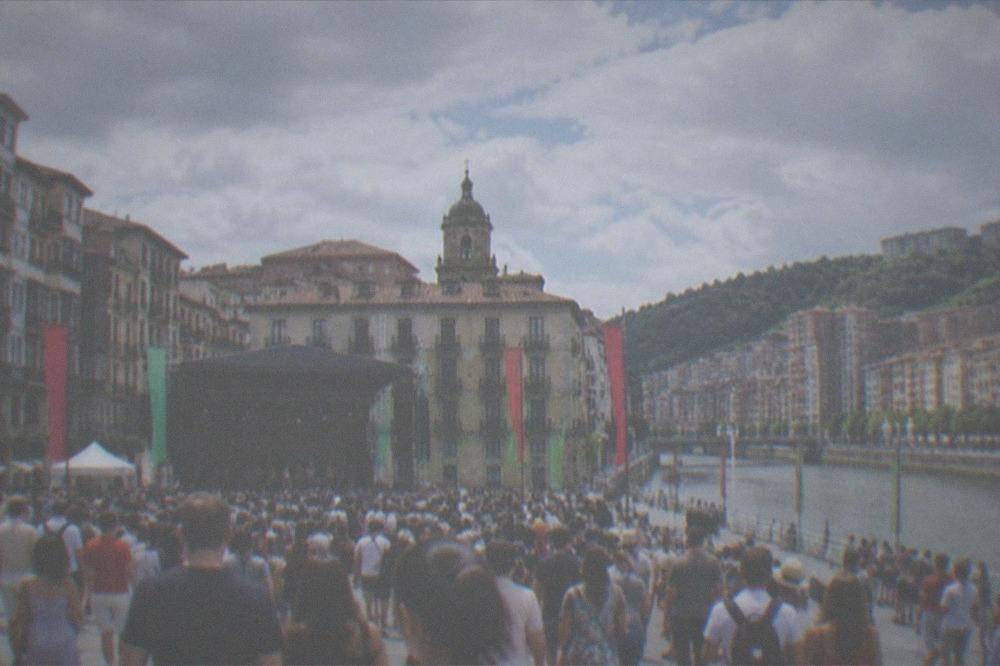
One calendar fact outweighs all the averages if your dates are flexible: Aste Nagusia, Bilbao's main festival, runs nine days in late August, 22 to 30 August in 2026, and its opening txupin is fired at 19:00 in Plaza Arriaga, on the Old Town's western doorstep. During those nine days the Seven Streets host the txosnas, the festival committee bars, and the quarter is at its loudest, most crowded and most Basque. If you want the city's biggest party, plan around it; if you want the bars to yourself, avoid it. The full programme and history are in the Aste Nagusia festival guide, and the winter counterpoint, when the Old Town lights up for the holidays, is covered in the Bilbao New Year's Eve guide.
The shoulder seasons reward the Old Town particularly well. In May and September the crawl still works outdoors, hotel demand outside the festival window is softer, and the estuary light on the old facades is at its best without summer's peak crowds. For the full month-by-month picture, see the Bilbao weather guide.
Is Bilbao's Casco Viejo Safe At Night?
Bilbao's Casco Viejo is safe by the standards of Spanish city centres: Bilbao recorded 29,696 presential street crimes in 2025, down slightly year on year, with thefts dominating at roughly 55 percent of those, and the main practical risks for visitors are pickpocketing in crowded bars and squares rather than violent crime. Standard precautions, keep valuables secured, watch bags in crowds, verify bar prices, cover the vast majority of situations in the Old Town at night.
The 2025 municipal crime balance, reported through local media, puts Bilbao's home burglary rate at 1.22 per 1,000 inhabitants, below the average for large Spanish cities, and robberies with violence fell about 8.85 percent year on year to 1,359 cases citywide. The city's own 2025 perception survey found residents rating overall safety at 5.58 out of 10, with around 80 percent believing crime is the same or lower than in other cities. Those numbers describe the whole city, but the Old Town's risk profile is the classic tourist-quarter one.
The specific patterns reported for Casco Viejo are low-level. Pickpocketing clusters in crowded conditions: the Plaza Nueva bar terraces at weekend peak, the Ribera Market area, and festival crowds during Aste Nagusia. Distraction tactics, a bump, a spilled drink, a group pressing past, are the usual mechanism. Two other patterns worth knowing: fake plainclothes police who ask to inspect a wallet, which genuine officers never do, and occasional tourist overcharging at bars, which the time-honoured local defence of reading the displayed prices defeats. There is nothing here that should change your plans; there is plenty that should keep your bag zipped and your phone off the table edge.
Nightlife in the quarter runs late by northern European standards, with the pintxos bars thinning after 23:00 and the area around the Arenal and the Catedral remaining busy through the evening. The streets are narrow but well lit and continuously occupied, which is itself a safety feature: the Old Town rarely has the empty-street hour that quieter districts do.
What Is Near Casco Viejo In Bilbao?
The districts nearest to Bilbao's Casco Viejo are Abando and Abandoibarra directly across the estuary, home to the Guggenheim Museum Bilbao, the Ensanche shopping streets and the Moyua square, all within a 15-to-20-minute walk; the San Francisco quarter just upstream; and, further out, the riverside path leading toward the Vizcaya Bridge at Portugalete and the coastal towns of Getxo. The Old Town is small, so a day here naturally spills over into these neighbouring areas.
Crossing the river puts you in a different century. Abando holds the Gran Via, the city's main shopping axis, and the Abandoibarra riverside strip connects the Euskalduna Palace to the Guggenheim, whose adult admission is 18 euros with opening hours of 10:00 to 19:00 Tuesday to Sunday, extended to 20:00 during Easter week and from 15 June to 13 September, per the museum's own hours-and-admission page. The contrast between the medieval streets and the titanium curves 20 minutes downstream is the whole thesis of modern Bilbao, and the Guggenheim Museum page covers it in detail.
The other natural extension from the Old Town is the water. The estuary boat tours leave from the Arenal, at the quarter's western edge, and the Vizcaya Bridge, the UNESCO-inscribed transporter bridge at Portugalete, is reachable by metro with a gondola crossing costing 0.60 euros one-way in daytime hours. Its page, Vizcaya Bridge, covers the walkway and gondola options. The neighbouring quarter of San Francisco sits just across the upstream bridges and is worth knowing for its own food scene, while the residential district of Indautxu rounds out the city side of the river.
Beyond the city, the Old Town's tour departure points make it the natural base for day trips: the Gaztelugatxe hermitage, the historic town of Gernika, and the beaches and pintxos bars of San Sebastián are the three most requested, and the debate between the two cities is settled, or at least argued, in Bilbao vs San Sebastián.
Those three picks cover the quarter's own table, the Rioja wine country inland, and the coast that pairs naturally with a Bilbao stay, and each departs from stops within a short walk of the Seven Streets.
Common Questions About Casco Viejo, Bilbao's Old Town
What Is Casco Viejo, Bilbao's Old Town?
Casco Viejo is the medieval core of Bilbao, in Biscay province, Basque Country, northern Spain, built around seven parallel streets on the right bank of the Nervion estuary. It contains the Santiago Cathedral, Plaza Nueva, the Mercado de la Ribera, the Teatro Arriaga and the densest concentration of pintxos bars in the city.
How Many Streets Are In Bilbao's Old Town?
Seven: Somera, Artecalle, Tenderia, Belostikale, Carniceria Vieja, Barrenkale and Barrenkale Barrena, known collectively as Las Siete Calles. They run parallel to the estuary and form the original street plan of medieval Bilbao.
Where Are The Best Pintxos Bars In Bilbao's Casco Viejo?
Plaza Nueva is the hub, with Gure Toki, Sorginzulo, Victor Montes and Cafe Bar Bilbao among the most consistently praised bars in 2025 and 2026 guides. The lower streets, Somera and Tenderia, carry the heaviest concentration of bars. Typical prices run 2 to 5 euros per pintxo, always check the displayed prices.
Is Bilbao's Casco Viejo Safe At Night?
Yes, by Spanish city-centre standards. Bilbao's 2025 crime data shows thefts dominating presential crime, with the main visitor risk being pickpocketing in crowded bars and squares. Keep valuables secured and verify bar prices, and the Old Town is comfortable to walk at night.
How Much Does It Cost To Visit Casco Viejo In Bilbao?
Walking the quarter is free. Budget mainly for pintxos, roughly 25 to 45 euros per person for a four-to-six-stop crawl with drinks, plus transport: a Barik Metro Zone 1 ride is 1.02 euros, and the Bilbao Bizkaia Card runs 10, 15 or 20 euros for 24, 48 or 72 hours. There is no tourist tax in 2026; the Bizkaia tax starts 1 January 2027.
When Is Aste Nagusia Held In Bilbao's Old Town?
Aste Nagusia, Bilbao's main festival, runs nine days in late August: 22 to 30 August in 2026. The opening txupin is fired at 19:00 in Plaza Arriaga, on the Old Town's western edge, and the quarter hosts the txosna festival bars throughout.
Casco Viejo is the part of Bilbao that the city grew out of and never quite let go of: seven streets, one square, and a bar culture that turns every evening into a slow parade, all within fifteen minutes' walk of the titanium building that made the city famous again.