Is It Better To Stay In Bilbao Old Town Or City Center?
A practical comparison of staying in Bilbao's Casco Viejo versus the Abando and Ensanche city center: atmosphere, walkability, food, transport links and which area fits which trip.
Bilbao, in Biscay (Bizkaia) province in the Basque Country of northern Spain, is compact enough that this question matters less than in most cities: the Casco Viejo (Old Town) and the Abando/Ensanche city center sit roughly a 15-minute walk apart, connected by the Zubizuri and La Salve bridges across the Nervion estuary. Both areas are safe, well served by the Metro and Bilbobus, and dense with pintxos bars. The choice comes down to atmosphere and what you want on your doorstep, and this page compares the two area by area so you can decide in one read. For a wider rundown of the city's districts, the Bilbao neighborhood and hotel area guide goes deeper, and everything worth doing in Bilbao shows what you'll be walking to.
Is It Better To Stay In Bilbao Old Town Or City Center?
For most first-time visitors, the city center around Abando and the Ensanche is the better base, because it puts the Guggenheim, the Moyua shopping axis, Abando train station and the tram within a short walk of your hotel, while the Old Town stays an easy 15-minute stroll away. Choose the Casco Viejo instead if atmosphere is the priority: medieval lanes, Plaza Nueva's pintxos bars and the Ribera Market, at the cost of thinner hotel choice and noisier weekend nights.
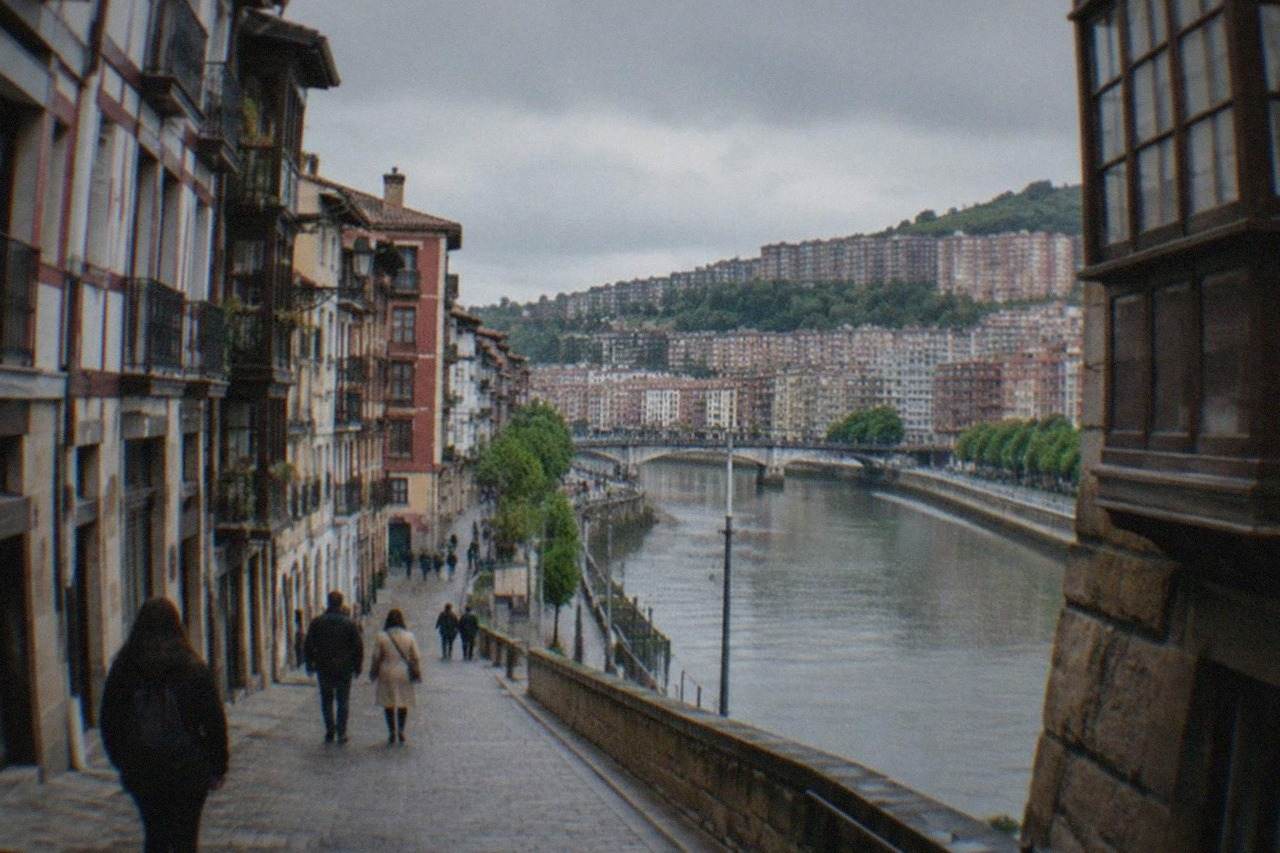
The honest framing is that this is a decision between two good options rather than a right and wrong one. The Casco Viejo, Bilbao's Seven Streets quarter, is the oldest part of the city and a favorite spot for photographs. The city center is the Ensanche expansion district and the Abandoibarra riverside quarter around the Guggenheim, which is where most of the city's larger hotels actually stand. Neither area requires a car, and the getting around and transport guide covers the Metro, tram and bus links that connect them.
What The Casco Viejo Gives You As A Base
The Old Town delivers Bilbao's densest concentration of pintxos bars, its two most atmospheric squares, the Ribera Market and the Cathedral of Santiago inside a five-minute radius of almost any address, with a working street life that continues late into the evening. Its trade-offs are real: fewer large hotels, more street noise on weekends and festival nights, and lanes that can feel crowded during Aste Nagusia in late August.
The Seven Streets (Zazpikaleak) are the original medieval core, and almost everything in the quarter is reachable on foot in minutes. Plaza Nueva is the social heart, ringed with bars that locals and visitors share late into the night, and the surrounding lanes hold some of the bars named in the best pintxos in Bilbao guide. The Ribera Market, one of the largest covered markets in Europe by floor area, sits at the quarter's eastern edge along the estuary, and the Arriaga Theatre faces it across the water's edge.
What the quarter does less well is scale. Hotel inventory in the Casco Viejo skews toward smaller properties and guesthouses rather than the big Ensanche hotels, and parking is genuinely awkward if you arrive by car. Noise is the other honest cost: the same street life that makes the area charming on a Tuesday makes it loud on a Saturday. During Aste Nagusia, Bilbao's nine-day main festival held 22-30 August 2026, the txosnas (festival bars) and crowds concentrate exactly here, which is either the best or worst possible timing depending on your trip. The wider set of guides lives on Bilbao Travel Guide.
The Old Town is also the natural base if food is the point of the trip. A guided walk such as the Basque Food and Wine Tasting tour starts from the heart of this quarter, and the guides route you through bars you would be unlikely to find on your own in a first evening. Check availability
What The Abando And Ensanche City Center Gives You
The city center offers the widest hotel choice, direct access to Abando's regional and long-distance trains, the tram along the estuary, the Moyua and Gran Via shopping axis, and a 10-minute flat walk to the Guggenheim Museum through the Abandoibarra district, all on wide, modern boulevards. Its trade-off is atmosphere: it is a handsome expansion-era business core, not a medieval one, and its evenings are quieter and more conventional than the Old Town's.
Staying in Abando or the Ensanche means the practical city is at your feet. The Guggenheim, the Euskalduna Conference Centre, Doña Casilda park and the Fine Arts Museum line the Abandoibarra riverside a short walk north, and the Guggenheim Museum guide covers what a visit there involves, including the museum's own listed hours of 10:00 to 19:00 Tuesday to Sunday, extended to 20:00 in summer. Gran Via, the main shopping street, runs through the middle of the district, and Moyua square anchors it.
Transport is the center's quiet advantage. Abando station is the city's main rail hub, the Bilbao Intermodal bus terminal sits alongside it, and the airport bus, the Bizkaibus A3247 running every 15 minutes for a 5 EUR single fare, stops on the Gran Via corridor, which the airport to city center guide details. If you arrive by air, by train or by long-distance bus, the city center is where you land first anyway. The Metro's Abando and Moyua stations put Line 1 and Line 2 under the district, so day trips toward Getxo or the coast start from your door.
Which Bilbao Area Suits Which Kind Of Trip?
Choose the Old Town for a short, food-focused city break where atmosphere outweighs amenities, and choose the city center for first visits, longer stays, family trips, business travel or any itinerary built around the Guggenheim, day trips and rail connections. Couples and photographers lean Old Town; families, conference visitors and anyone with luggage lean center. Split the difference by staying center and eating in the Old Town, which is what most Bilbao itineraries effectively do anyway.
The comparison below is the short version of everything above, with the honest costs of each side stated plainly.
| Factor | Casco Viejo (Old Town) | Abando / Ensanche (City Center) |
|---|---|---|
| Atmosphere | Medieval lanes, squares, street life | Grand boulevards, business core, riverside |
| Hotel choice | Smaller properties, guesthouses | Widest range, most large hotels |
| Food at the door | Densest pintxos concentration | Good but more conventional |
| Main sights nearby | Cathedral, Ribera Market, Arriaga | Guggenheim, Fine Arts, Euskalduna |
| Transport hub | Casco Viejo Metro station | Abando station, Intermodal, tram |
| Noise level | Lively to loud, esp. weekends | Quieter evenings |
| Parking | Difficult | Easier, still city-typical |
One planning note that applies to both areas: a Bizkaia-wide regional tourist tax (Norma Foral 3/2026, approved June 2026) does not take effect until 1 January 2027, so 2026 visitors pay no tourist tax, while 2027 visitors will, at Bilbao's approved municipal rates running from 1 EUR per night in pensions to 5 EUR in 5-star hotels and 6.50 EUR for tourist apartments. Budget for it by year, not as a current fee.
How Far Apart Are The Two Areas, Really?
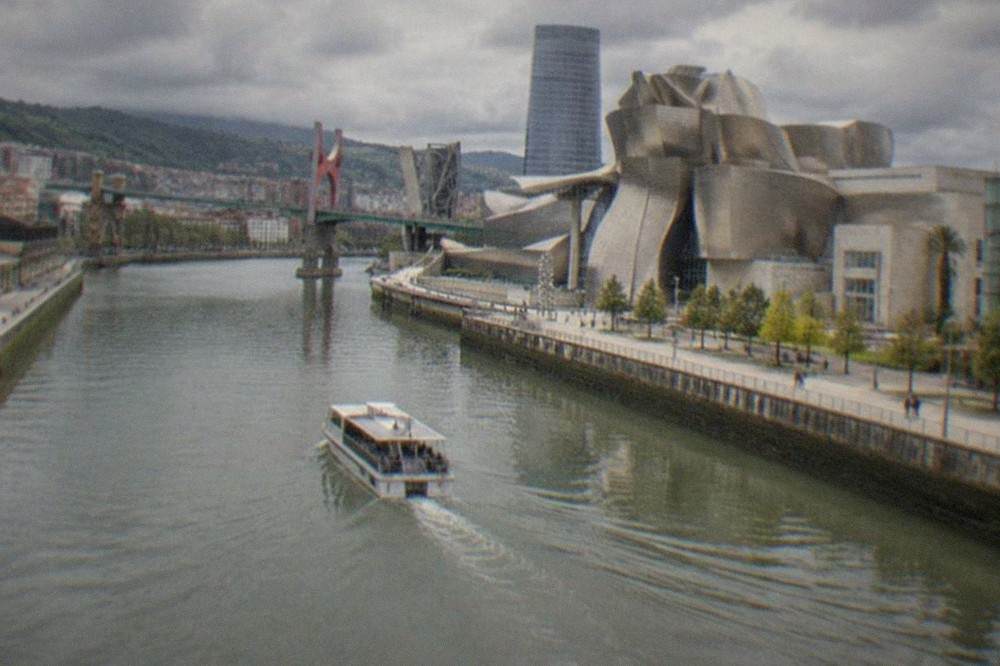
The Casco Viejo and the Abando city center are roughly a 15-minute walk apart along the estuary, crossed by the Zubizuri footbridge and the La Salve bridge, and connected in minutes by Metro (one stop between Casco Viejo and Abando) and by the tram, so the "which side" decision costs you almost nothing in daily travel time and nothing at all in taxi money.
This is the point that defuses most of the anxiety around the question. The two areas are neighbors, separated by one short river crossing, not districts at opposite ends of a sprawl. A visitor staying in the Ensanche will walk to Plaza Nueva for dinner without thinking of it as a journey, and a visitor staying in the Old Town will walk to the Guggenheim in about the time it takes to finish a coffee. The Old Town area guide maps the quarter street by street if you want to picture it before booking.
Weather plays a small role in the calculation. Bilbao's climate is temperate oceanic, Atlantic-influenced rather than Mediterranean, with AEMET's Bilbao Aeropuerto/Loiu station normals showing an annual mean of 14.7 C and 1,134 mm of rain a year, wettest in November at around 147 mm. The city center's covered arcades and the Metro's underground connections give it a slight edge in the rainiest months, though an umbrella solves the problem on either side. The Bilbao weather guide has the month-by-month detail.
If you are still undecided after all of that, the tie-breaker is usually luggage and schedule rather than taste. Late arrivals, early departures and anyone juggling day trips by train or bus will feel the difference of staying beside Abando station within a single day, while travelers who plan to spend their evenings on foot, moving from bar to bar around Plaza Nueva, will get more out of sleeping where the evening actually happens. Neither decision locks you in, and plenty of visitors split a longer stay between the two.
Common Questions About Staying In Bilbao
Is it better to stay in Bilbao Old Town or city center?
For most first visits the city center around Abando and the Ensanche is the better base, thanks to hotel choice, transport links and the Guggenheim within walking distance, but the Old Town wins on atmosphere, pintxos density and medieval character. The two are only about a 15-minute walk apart, so neither choice cuts you off from the other.
Is Bilbao Old Town safe at night?
Yes. Bilbao ranks among Spain's safer major cities in local crime-balance reporting, and the Old Town's busiest streets stay lively well into the night. Standard city precautions apply, as pickpocketing in crowded areas is the most common issue, but violent crime against visitors is rare.
Can you walk from Bilbao city center to the Guggenheim?
Yes. The Guggenheim sits in the Abandoibarra district on the city center's northern edge, about a 10-minute flat walk from Moyua square, and the museum's own site lists opening hours of 10:00 to 19:00 Tuesday to Sunday, extended to 20:00 during Easter week and from 15 June to 13 September.
Which part of Bilbao is best for pintxos bars?
The Casco Viejo, especially around Plaza Nueva and the Seven Streets, has the densest concentration of pintxos bars in the city. The Ensanche has good options too, including long-established bars on its side streets, but the Old Town is the classic txikiteo territory.
Do you need a car to stay in either area?
No. Both areas are walkable, Metro-connected and served by Bilbobus, and the airport bus stops in the city center corridor. A car is useful only for coastal day trips, and even those run well by train, bus or a booked tour from central Bilbao.
Whichever side you pick, the rest of the city stays within a short walk or a single Metro ride, and that is the real answer: in Bilbao the choice between Old Town and city center is a choice of flavor, not of access.