Vizcaya Bridge (Puente Colgante)
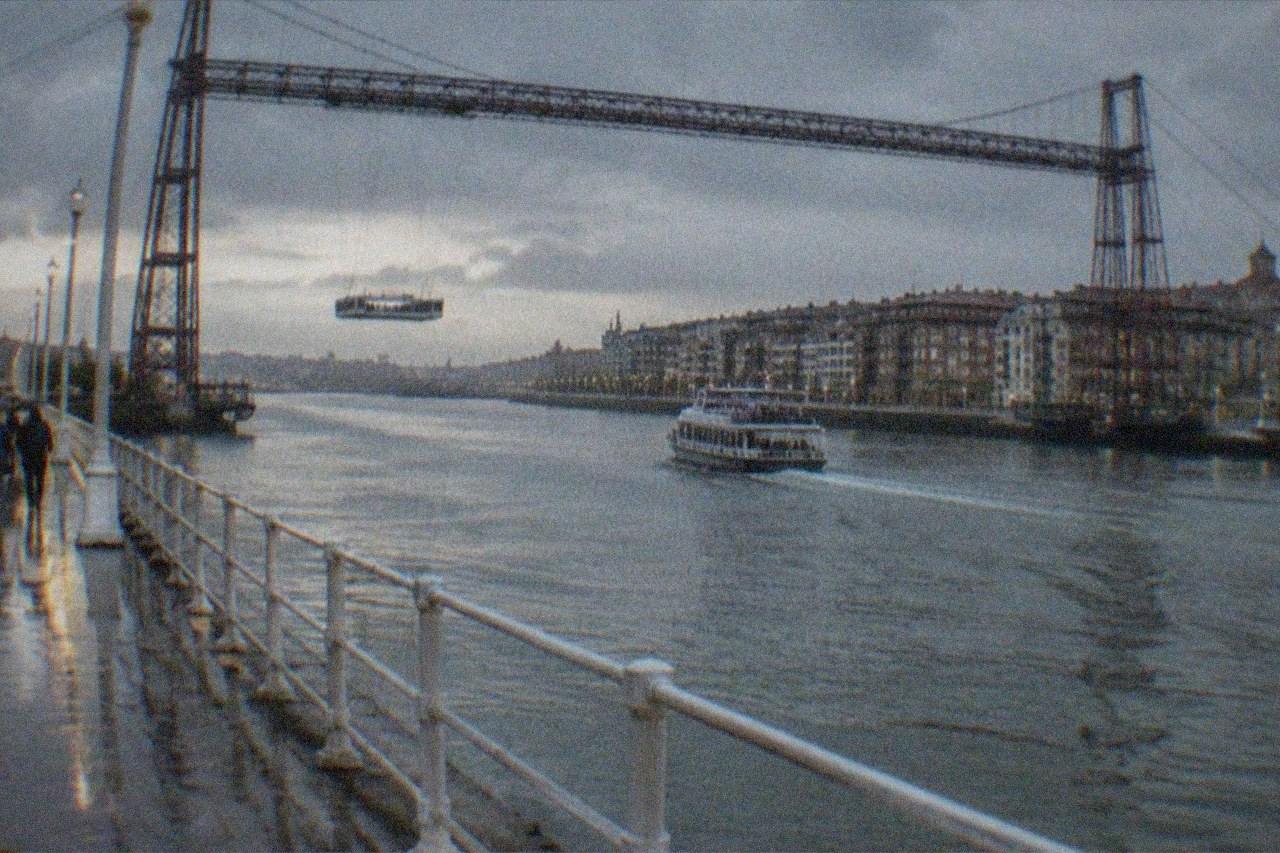
The Vizcaya Bridge (Puente Colgante) is the UNESCO-listed transporter bridge that carries people and cars across the Nervion estuary between Getxo and Portugalete, west of Bilbao in Biscay, Spain.
Short answer
The Vizcaya Bridge (Puente Colgante) is a UNESCO World Heritage transporter bridge between Getxo and Portugalete, about 15 km down the Nervion estuary from Bilbao, Spain. The gondola crossing costs 0.60 EUR one-way in the daytime, and the elevated walkway ticket is 11 EUR adult round-trip as reported.
The Vizcaya Bridge (Puente Colgante) is the world's first transporter bridge to carry people and vehicles on a suspended gondola, strung across the Nervion estuary between Getxo and Portugalete in Biscay (Bizkaia) province, Basque Country, northern Spain. Bilbao sits roughly 15 km upstream from the open Bay of Biscay, and this bridge is where the industrial estuary meets the sea. It is a UNESCO World Heritage Site, inscribed in 2006, and it holds two firsts: the first industrial heritage site in Spain on that list and the first Basque monument on it. Visitors arrive from Bilbao by metro, cross on the gondola for the price of a coffee, and finish with the view from the elevated walkway, which is reported at 11 EUR for an adult round-trip.
What Is The Vizcaya Bridge (Puente Colgante) Near Bilbao, Spain?
The Vizcaya Bridge (Puente Colgante) is a steel transporter bridge standing across the Nervion estuary between Getxo and Portugalete, west of Bilbao in the Basque Country of northern Spain, and it moves pedestrians and vehicles across the water on a suspended gondola slung beneath its deck. It was inscribed as a UNESCO World Heritage Site in 2006, the first industrial heritage site in Spain to receive that status.
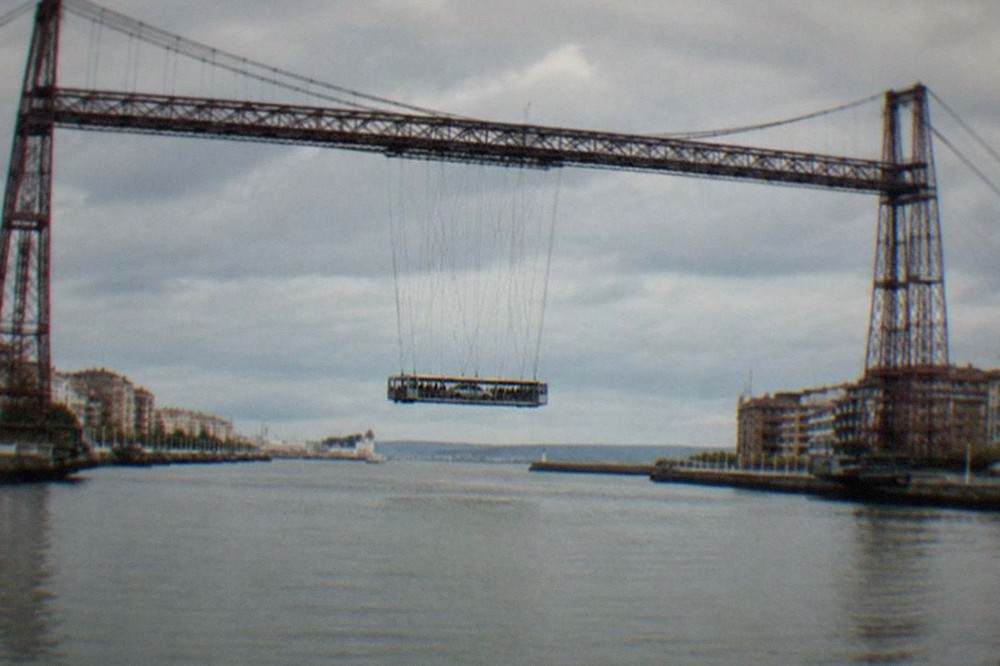
A transporter bridge is a rare piece of engineering. Instead of a roadway you drive up onto, the bridge holds its structural deck high above the water, and a gondola, a hanging platform, slides along it from bank to bank. The Vizcaya Bridge's gondola still carries foot passengers and a handful of cars, which keeps the crossing genuinely functional rather than purely decorative. The design solved a very local problem: shipbuilding and shipping needed the full height of the channel clear at all times, so a conventional bridge or a swing bridge would not do. The solution was to lift the structure out of the way and pass traffic underneath it.
UNESCO's inscription, under criteria (i) and (ii), recognises the bridge as a masterpiece of human creative genius and an exceptional synthesis of form and function. The organisation's own listing notes it as a landmark of the iron architecture of the Industrial Revolution. For Bilbao, a city whose identity was forged in shipyards, ironworks and trade along this estuary, the bridge is the single surviving structure that still performs its original job, every day, in the place it was built.
The setting matters as much as the steel. Portugalete on the left bank is an old port town of steep streets and a medieval tower, and Getxo on the right bank is where Bilbao's shipping dynasties built their mansions along the cliff tops. The bridge is the hinge between the two, and the estuary under it is tidal, part of the same water that reaches Bilbao itself.
How Much Does It Cost To Cross The Vizcaya Bridge?
Crossing the Vizcaya Bridge on the gondola costs 0.60 EUR one-way for a pedestrian in the daytime, with higher fares at night or during extended hours. The elevated walkway across the top is reported at 11 EUR for an adult round-trip, 9 EUR reduced for visitors 65 and over and students, free for children under 5, with an audio guide available for an extra 3 EUR.
Two separate experiences, two separate tickets. The gondola is the working crossing: you queue on the bank, the platform arrives, you step on with locals on their commute and the occasional car, and you glide across in well under ten minutes. The walkway is the tourist experience: a lift and stairs take you up to the high deck, where you walk the full span above the shipping channel with the estuary, both towns and the Atlantic horizon in view. The walkway figure is a single-source claim as reported, since the operator's fares page has not been independently re-fetched, so confirm prices on the operator's own site before you go.
| Crossing | Ticket | Reported fare | Notes |
|---|---|---|---|
| Gondola (deck level) | Pedestrian, one-way | 0.60 EUR | Daytime fare; higher at night/extended hours |
| Gondola (deck level) | Vehicle, one-way | On the operator's listing | Cars still carried on the platform |
| Walkway (top deck) | Adult round-trip | 11 EUR | Lift and stairs to the high span |
| Walkway (top deck) | Reduced round-trip | 9 EUR | 65+ and students |
| Walkway (top deck) | Under 5 | Free | |
| Walkway (top deck) | Audio guide | +3 EUR | Optional add-on |
For context, that gondola fare is comparable to a single Bilbao tram ride and cheaper than a metro single without a Barik card. The walkway is the splurge, and it is the one that delivers the photograph. A practical plan for most visitors is to cross one way on the gondola, walk into Portugalete or along the Getxo bank, and buy the walkway ticket for the view, rather than treating the two as alternatives.
If you would rather have the bridge explained, several guided itineraries from Bilbao include it alongside the coast:
The first of those is the one built around this bridge, and it is covered in full further down this page. The other two pair the coast with Basque food and wine, which is the other half of what this stretch of Biscay does best.
How Do You Get To The Vizcaya Bridge From Bilbao?
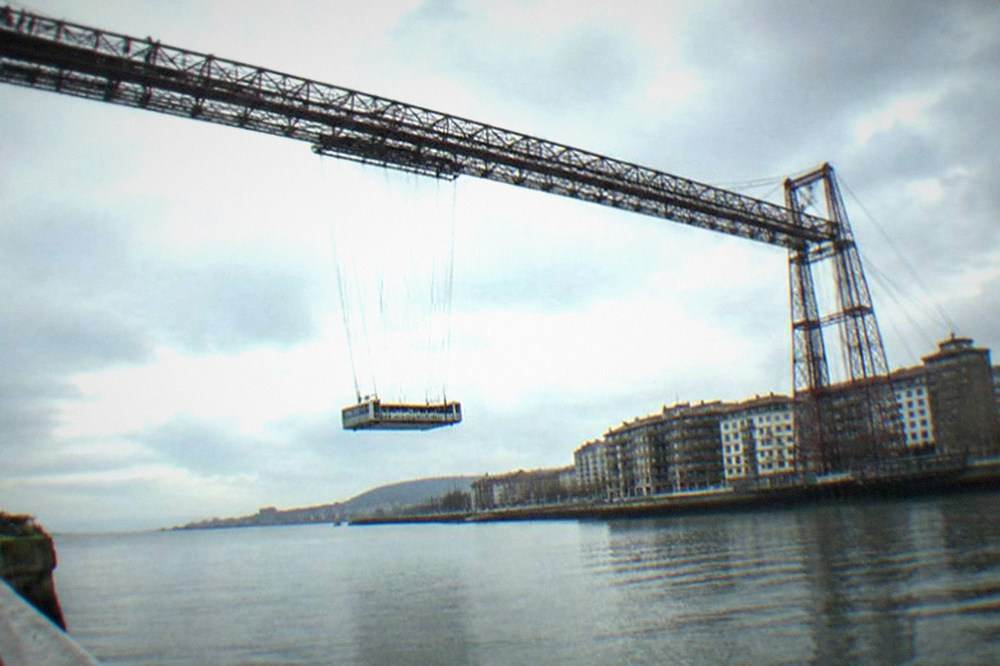
Metro Bilbao Line 1 reaches the Getxo side of the Vizcaya Bridge in roughly 28 to 29 minutes from Abando in central Bilbao, with fares around 2 to 3 EUR for the journey, and buses from central Bilbao take 17 to 35 minutes for a similar fare. By car or taxi the trip is about 15 minutes, with taxi costs in the region of 25 to 35 EUR.
The metro is the obvious choice. Getxo sits in zones 2 to 3 of the Bizkaia fare system, so a Barik Creditrans holder pays 1.19 EUR or 1.30 EUR for the ride, while a single ticket without a Barik card costs 2.20 EUR for two zones or 2.25 EUR for three. Get off at Areeta for the bridge itself, or at Bidezabal or Aiboa for the mansion district above it, and walk down to the water. The walk from Areeta station to the bridge is short and level along the promenade.
| Option | Journey time | Typical fare | Notes |
|---|---|---|---|
| Metro Line 1 to Areeta | 28-29 min | 2-3 EUR | Barik holders pay less by zone |
| Bus from central Bilbao | 17-35 min | 2-4 EUR | Various lines stop near the bridge |
| Car or taxi | ~15 min | 25-35 EUR by taxi | Parking is limited near the banks |
On the Portugalete side, the bridge is a short walk from the town centre and its medieval tower, so many visitors cross by metro to Getxo, take the gondola over, explore Portugalete, and metro back from there. That one-way gondola ticket of 0.60 EUR is the cheapest scenic crossing in the Basque Country. The Bilbao Bizkaia Card, at 10 EUR for 24 hours, 15 EUR for 48 and 20 EUR for 72, covers unlimited transport including the metro, which can make it pay off if you are stringing together the bridge, the Guggenheim and a day trip in one visit.
What Are The Vizcaya Bridge Opening Hours?
The Vizcaya Bridge gondola runs frequently through the day, roughly every 8 minutes in daytime hours, with summer season operation reported from around Easter through October from about 10:00 to 20:00, and shorter winter hours outside that period. The walkway on the top deck follows its own schedule, and its access is subject to weather and maintenance, so check the operator's own site for the day you plan to visit.
The summer window is the generous one. If you are visiting between Easter and October, you can plan a full afternoon on the Getxo bank, cross on the gondola, watch the light change over the estuary from the walkway, and still be back in Bilbao for dinner. In winter the hours tighten, and the walkway in particular can close for wind or technical reasons, a point worth respecting rather than arguing with: the structure is still in daily service after more than a century of operation.
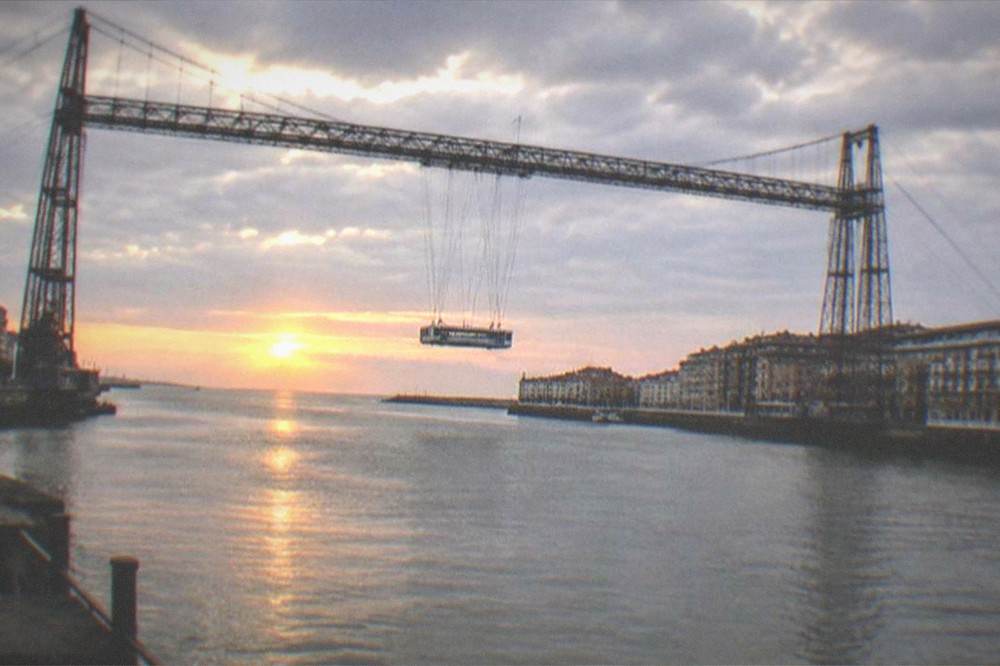
A good rhythm is to arrive mid-afternoon. The gondola crossing takes minutes, Portugalete's old town deserves an hour, and the walkway is best near the end of the day when the low Atlantic sun lights up the ironwork from the west. Sunset here is a genuine event, because the bridge silhouettes against the open water where the estuary meets the Bay of Biscay.
| Season | Reported hours | Gondola frequency | Notes |
|---|---|---|---|
| Summer (Easter-Oct) | ~10:00-20:00 | ~every 8 min daytime | Walkway subject to weather |
| Winter | Shorter hours | Less frequent | Confirm on the operator's site |
| Night/extended hours | Higher gondola fare | Varies | Daytime fare is 0.60 EUR |
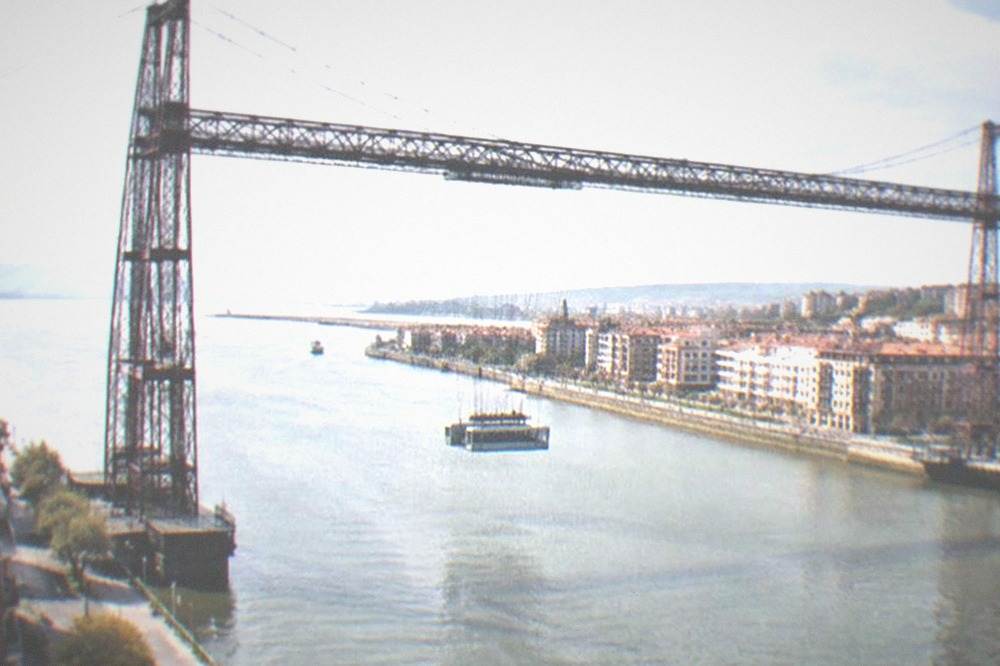
Why Is The Vizcaya Bridge A UNESCO World Heritage Site?
The Vizcaya Bridge was inscribed on the UNESCO World Heritage List in 2006 under criteria (i) and (ii), recognised as a masterpiece of human creative genius and a landmark of iron architecture from the Industrial Revolution. It was the first industrial heritage site in Spain on the list and the first Basque monument to be inscribed.
UNESCO's own listing makes the case plainly. The bridge combines beauty and function in a way few industrial structures manage: its designers had to solve a hard engineering problem, keeping a busy shipping channel completely clear, and produced something that people travel to look at generations later. Very few transporter bridges were ever built worldwide, and this is the one that never stopped working.
The engineering story is worth a minute. The bridge was built to link Portugalete with the resort side of Getxo without blocking the estuary traffic that fed Bilbao's port. The gondola, slung from a trolley running on rails beneath the high span, was the answer: the channel stayed clear, the crossing took minutes, and the whole machine has run on that principle ever since it opened.
For Bilbao's wider story, the bridge is the bookend to the Guggenheim. One structure marks the city's industrial past, the other its cultural present, and both sit on the same water. A visitor who sees the Guggenheim Museum Bilbao and the Vizcaya Bridge on the same trip has effectively read the city's biography in two buildings.
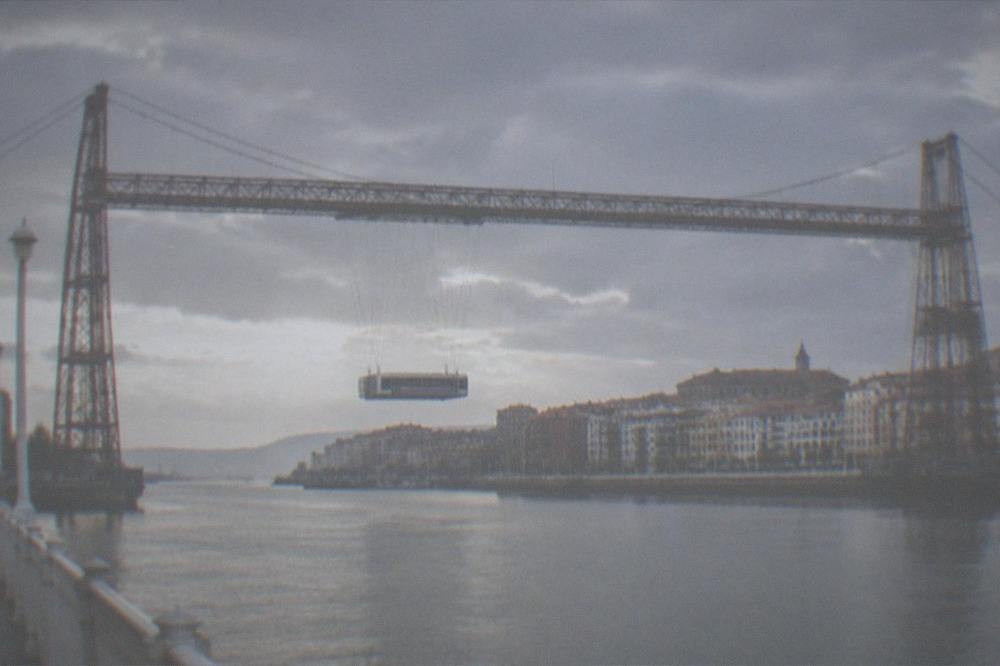
Can You Walk Across The Top Of The Vizcaya Bridge?
Yes, you can walk across the top of the Vizcaya Bridge on its elevated walkway, a reported 11 EUR adult round-trip ticket that takes you up to the high span between the two towers, with a reduced fare of 9 EUR for visitors 65 and over and students, free entry for children under 5, and an optional 3 EUR audio guide. The walkway is subject to weather and maintenance closures.
The walkway is the reason photographers come. From the top deck you stand roughly level with the bridge's crossbeam, with the full width of the Nervion estuary under your feet, the Atlantic beyond, Portugalete's rooftops stacked on one bank and Getxo's cliffs on the other. The structure itself is the exhibit: riveted iron lattice, cable saddles, and the trolley rails the gondola hangs from, all close enough to touch.
Buy the ticket on the bank, take the lift up, and give yourself twenty to thirty minutes for the crossing and back. The audio guide, at the reported 3 EUR, is worth it here more than at most attractions, because the engineering is the story and the guide tells it well. As noted above, the walkway fares are single-source as reported, so treat the operator's own site as the authority on the day.
Two practical notes. First, the walkway is a real height in a real sea breeze, so dress for the wind, which the Atlantic supplies generously; AEMET's normals for Bilbao show rain somewhere in every month of the year, so a light shell is never wasted. Second, the walkway is a round trip by design, because there is no exit at the far tower: you walk out, you walk back.
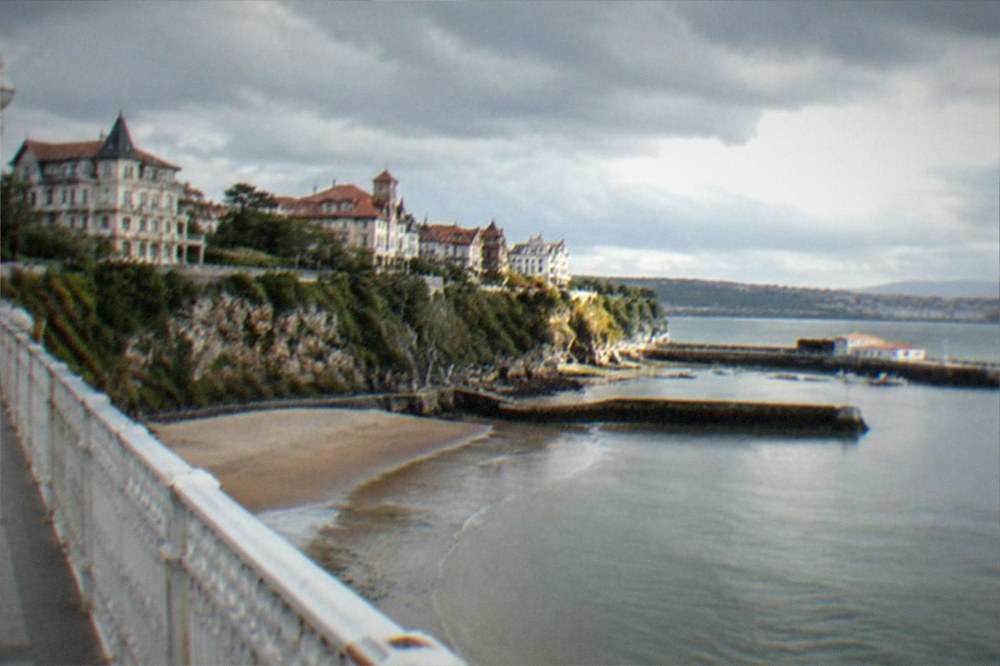
What Can You See Around Portugalete And Getxo On The Same Day?
Portugalete and Getxo together make a half-day or full-day trip from Bilbao: Portugalete offers a medieval old town, steep riverside streets and a historic tower, while Getxo offers the mansion-lined cliffs of the old shipping families, the Areeta promenade, and beaches facing the Bay of Biscay, all connected to central Bilbao by a 28 to 29 minute metro ride.
Portugalete is the denser half. Its old town climbs away from the bridge in narrow streets, with the Salazar tower and the basilica at the top, and a riverfront where the gondola's arrival is still a local event. It is a working Basque town rather than a museum piece, which means pintxos bars rather than gift shops. Getxo is the airier half: the Areeta promenade runs along the water below the bridge, and the cliff-top avenues above hold the mansions of the families whose ships once passed under the bridge's span.
The natural pairing is coastal. The Gaztelugatxe hermitage day trip continues west along the same coastline, and the fishing port of Bermeo and surf town of Mundaka sit beyond it. If you are building a bigger Basque week, the San Sebastian day trip heads east instead, and Guernica sits inland on the estuary's other arm. All of these are reachable by public transport from Bilbao, and the bridge fits neatly as either a standalone half-day or the first stop of a coastal loop.
| Stop | What it offers | Time from the bridge |
|---|---|---|
| Portugalete old town | Medieval streets, tower, pintxos bars | On foot, minutes |
| Areeta promenade, Getxo | Riverside walk below the bridge | On foot, minutes |
| Getxo cliff mansions | Historic architecture and sea views | Short walk uphill |
| Gaztelugatxe | Hermitage islet on the coast | Day trip west |
| Guernica | Basque history and the peace museum | Day trip inland |
Which Tours From Bilbao Include The Vizcaya Bridge?
The main guided option from Bilbao that includes the Vizcaya Bridge is the Vizcaya Bridge, Gaztelugatxe and Wine Tasting day trip, a five-hour itinerary that pairs the bridge with the Gaztelugatxe coast and a Basque wine tasting, with its current price and rating shown on the operator's live listing. Other Bilbao day tours cover Gaztelugatxe, Mundaka and Guernica, or Basque food and wine in the city itself.
The bridge-and-coast combination is the strongest fit for most visitors, because it stitches the estuary's industrial landmark to the coastline it served. The Gaztelugatxe, Mundaka and Guernica tour covers the same stretch of coast without the bridge stop, so the choice is really about whether the bridge is a priority or a bonus. Note that Gaztelugatxe itself requires a free timed reservation only on official controlled-access days, roughly mid-June to about 20 September plus Easter and holiday weekends, with a daily cap of 1,462 visitors on those days, booked free through tiketa.eus; outside those windows access is free without a reservation.
The food tour in that list is the city option: if the coast day looks full, a Basque food and wine walk through Bilbao's Old Town is the evening alternative, and the bridge can be done independently by metro on any spare half-day. For planning the whole stay, the Bilbao Travel Guide and the compiled things to do in Bilbao page lay out the full itinerary options, and the Artxanda funicular offers the city's other great elevated view for comparison with the walkway.
Common Questions About The Vizcaya Bridge (Puente Colgante)
Is The Vizcaya Bridge A UNESCO World Heritage Site?
Yes. It was inscribed on the UNESCO World Heritage List in 2006 under criteria (i) and (ii), and it was the first industrial heritage site in Spain to be listed, as well as the first Basque monument on the list.
How Much Does The Gondola Cost?
The gondola, or car-ferry crossing, costs 0.60 EUR one-way for pedestrians in the daytime, with higher fares at night or during extended hours. It still carries cars as well as foot passengers.
Can You Walk Across The Vizcaya Bridge?
Yes, on the elevated walkway across the top span. The reported ticket is 11 EUR for an adult round-trip, 9 EUR reduced for visitors 65 and over and students, free for children under 5, with an optional 3 EUR audio guide. The walkway is subject to weather and maintenance closures.
How Do I Get To The Vizcaya Bridge From Bilbao?
Metro Bilbao Line 1 runs from Abando to the Getxo side in roughly 28 to 29 minutes, with fares around 2 to 3 EUR, and Barik cardholders pay less by zone. Buses take 17 to 35 minutes, and a taxi takes about 15 minutes at roughly 25 to 35 EUR.
Is The Vizcaya Bridge Worth Visiting With Kids?
Yes. The gondola crossing itself is short, cheap and memorable for children, and the walkway gives the best view on the estuary. Children under 5 go free on the walkway, and the metro ride out is part of the fun.
When Is The Best Time Of Day To Visit?
Late afternoon works best: the gondola runs frequently, Portugalete's old town can be explored first, and the walkway is at its most photogenic as the low Atlantic sun lights the ironwork from the west. In the summer season the bridge is reported open until about 20:00, so there is room in the day for a relaxed pace.
The Vizcaya Bridge is the one Bilbao landmark that still does its original job every day, and it costs less than a metro ticket to ride across it.