Artxanda Funicular
The Artxanda Funicular lifts visitors from central Bilbao to the panoramic terraces of Mount Artxanda in roughly three minutes. This guide covers the reported fares, the service frequency, accessibility details, and what waits at the top.
Short answer
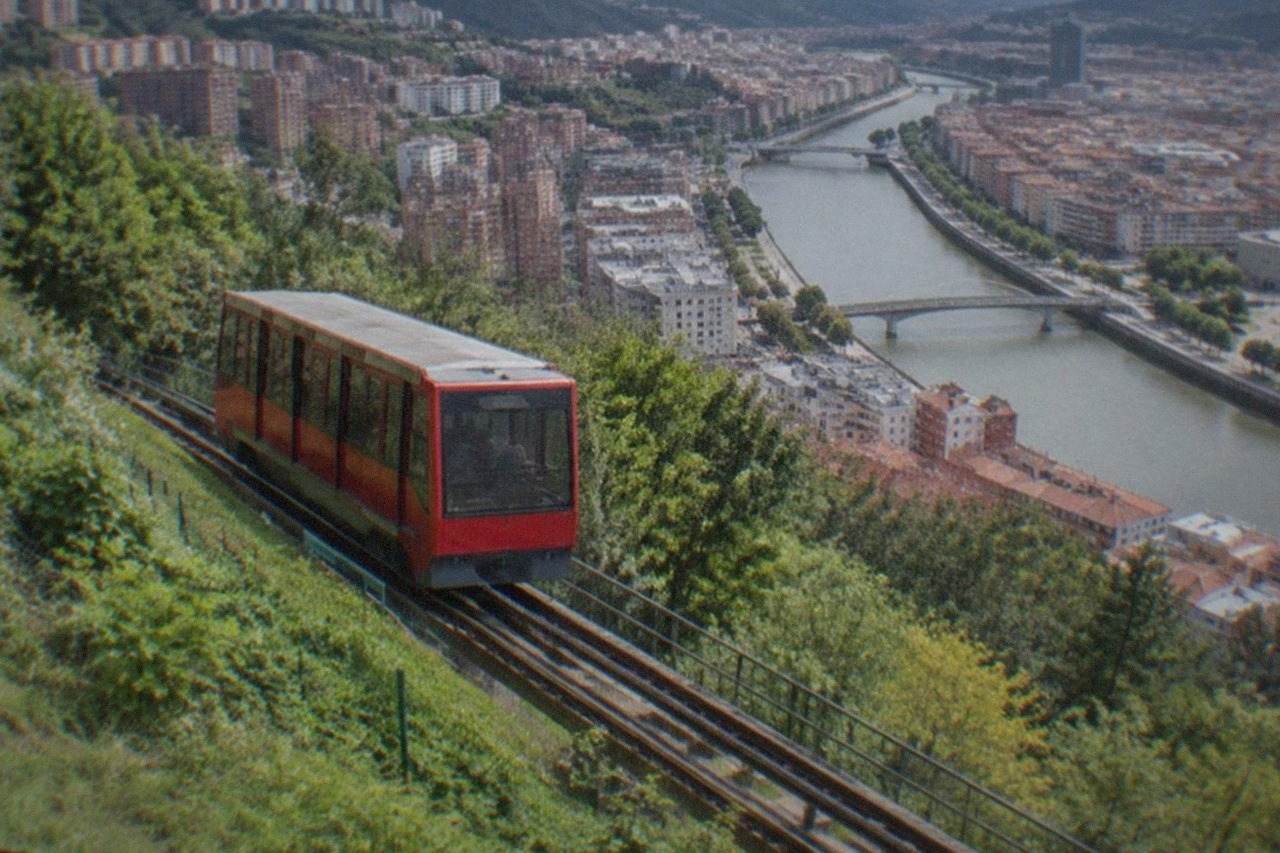
The Artxanda Funicular in Bilbao, Spain, connects the city centre to the Mount Artxanda viewpoint in about three minutes. Reported occasional fares are 3.50 EUR one-way and 6.00 EUR round-trip, with lower Barik and social tariffs and free travel for children under 6.
The Artxanda Funicular in Bilbao, in Biscay (Bizkaia) province in the Basque Country of northern Spain, is the short hill railway that carries visitors from the edge of the city centre up to the panoramic viewpoint on Mount Artxanda. It is one of the simplest high-payoff moves in the whole city: a ride of roughly three minutes buys one of the clearest sightlines over the Nervion estuary, the Casco Viejo, and the towers of the Abando district. No other funicular or cable car exists in Bilbao, so when a guide mentions "the funicular", this is the one and only machine it can mean. This page from Bilbao Travel Guide covers the reported fares, the service pattern, accessibility, and what to do once the carriage doors open at the top.
What Is The Artxanda Funicular In Bilbao, And Where Does It Go?
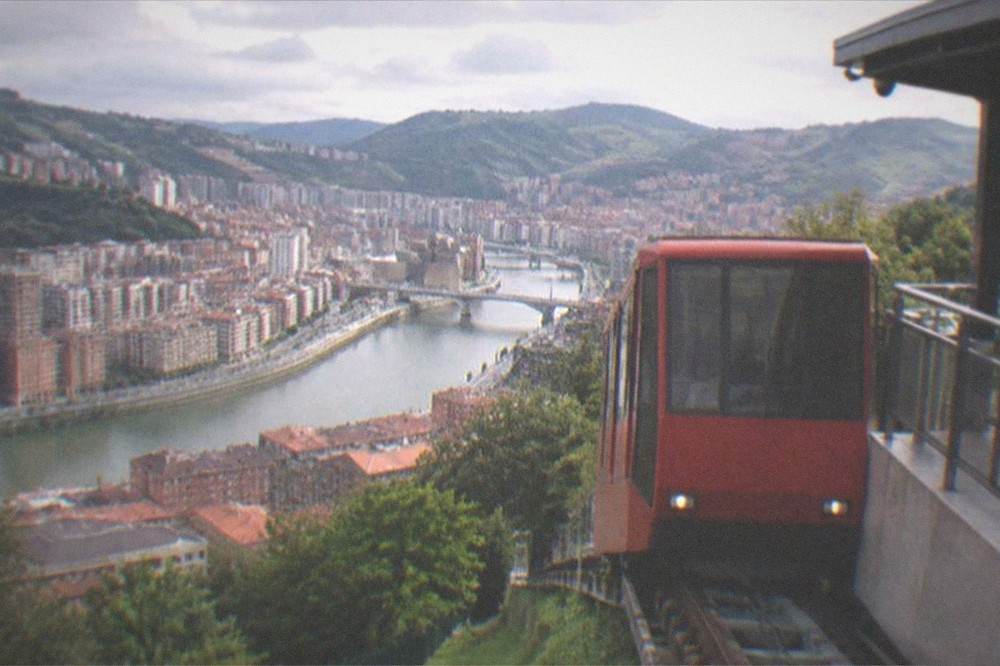
The Artxanda Funicular is a twin-carriage cliff railway that runs between a lower station on the western edge of central Bilbao and the summit district of Mount Artxanda, covering the climb in roughly three minutes. It exists to move people between the estuary-level city and the hillside terraces above it, and it is the only funicular in Bilbao. The lower station sits within easy reach of the Casco Viejo and the riverside, and the upper station opens directly onto the viewpoint level through a lift, so the whole trip is a short, steep lift from street to panorama rather than a transport leg you have to plan around.
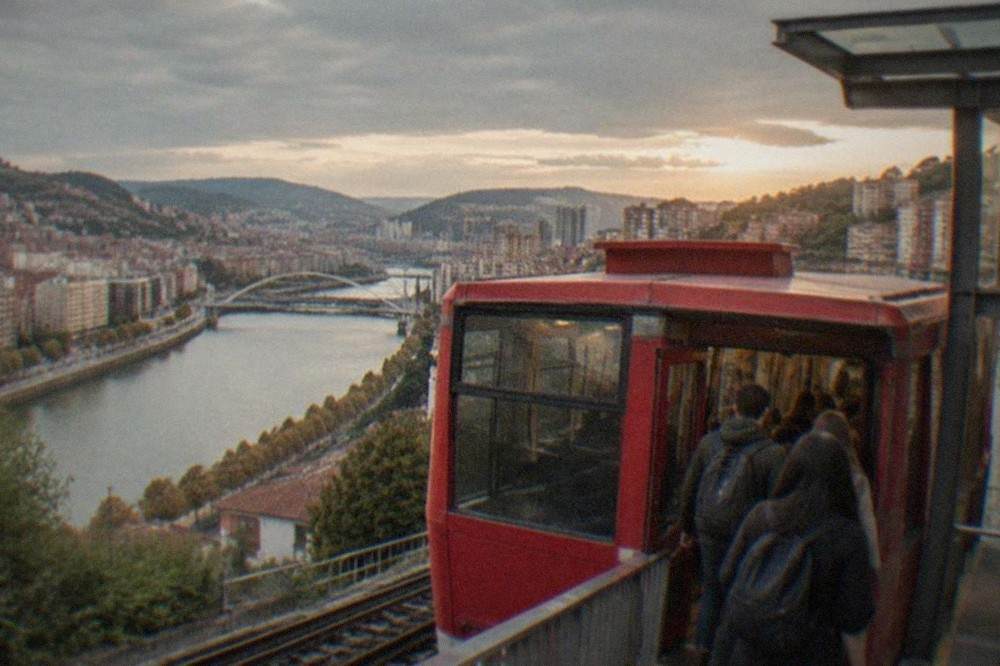
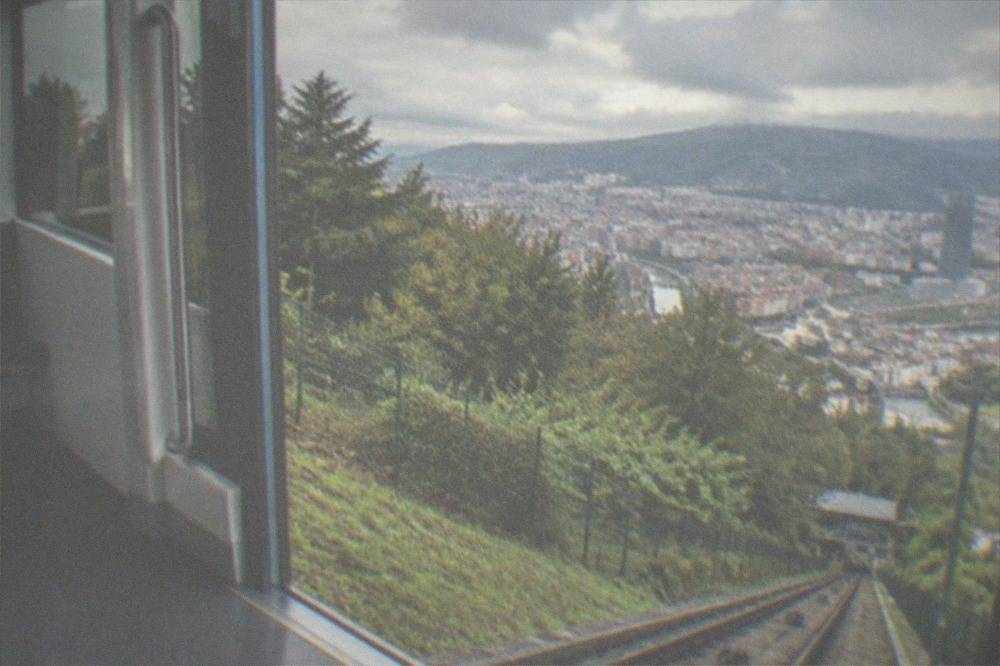
The ride itself is the attraction. The carriages counterbalance each other on a single steep track: as one rises, the other descends, and the city unrolls below window height as you go. The estuary appears first, then the dense grid of the Ensanche, then the whole basin ringed by green hills. Because Bilbao sits in a valley rather than on a coast, the Artxanda terraces give the kind of complete, readable overview that flat cities rarely offer from any single point.
The summit district is more than a photo stop. It carries a small residential neighbourhood, sports facilities, parkland, and a cluster of restaurants and cider houses that draw locals on weekends, which is why the funicular stays busy outside tourist hours too. Visitors who treat it purely as a viewpoint miss half of what the hill is for; the sections below cover both the classic viewpoint visit and the longer half-day version.
For orientation before you ride, the Casco Viejo, Bilbao's old town sits downhill and east of the lower station, and the Guggenheim Museum Bilbao is a riverside walk away across the Abandoibarra district. If you are still sketching the overall trip, the compiled things to do in Bilbao page puts the funicular in context with the rest of the city's headline sights.
How Much Does The Artxanda Funicular Cost, And When Does It Run?
Reported occasional fares for the Artxanda Funicular are 3.50 EUR one-way and 6.00 EUR round-trip, with lower Barik and social tariffs available and free travel for children under 6, according to the operator's fares page as reported in 2026. The service runs every 10 minutes at peak times and roughly every 15 minutes otherwise, with a journey time of about three minutes. The fare figures are a single-source reported claim rather than a figure re-verified against a fetched official page, so treat them as reported and confirm at the station on the day.
The Barik detail matters more here than many people would assume. The same contactless card that discounts Metro Bilbao and Bilbobus trips also applies to the funicular at a lower tariff than the occasional fare, so anyone spending more than a day in the city will usually already hold the thing that makes the ride cheaper. The card itself is commonly reported to cost 3 EUR to buy, a figure that comes from a non-official source and should be treated as provisional rather than an official-page fact.
| Ticket type | Reported fare | Notes |
|---|---|---|
| One-way, occasional | 3.50 EUR | Single-source reported claim, 2026 |
| Round-trip, occasional | 6.00 EUR | Single-source reported claim, 2026 |
| Barik tariff | Lower than occasional | Applies like other Bizkaia transport |
| Social tariff | Lower than occasional | For eligible riders |
| Children under 6 | Free | Stated in the reported fares |
| Companion of a wheelchair user | Free | One companion travels free |
Service frequency makes planning easy. With carriages departing every 10 minutes at peak and about every 15 minutes otherwise, the funicular behaves less like a scenic attraction with queues and more like a normal urban transport link. You do not need to build a schedule around it; you walk up, you wait a few minutes at most, and you ride.
One planning note for anyone mapping a wider Bizkaia itinerary: the view from the top looks north across the estuary toward the coast, and that coastline is where several of the region's best-known day trips run. The Gaztelugatxe day trip from Bilbao reaches the hermitage islet you can see described in every Basque Country brochure, and guided versions such as the Gaztelugatxe, Bermeo, Mundaka, Gernika and wine tour pair the coast with a tasting stop. Prices and ratings for that trip are on the operator's live listing rather than quoted here.
What Can You See From The Top Of Mount Artxanda In Bilbao?
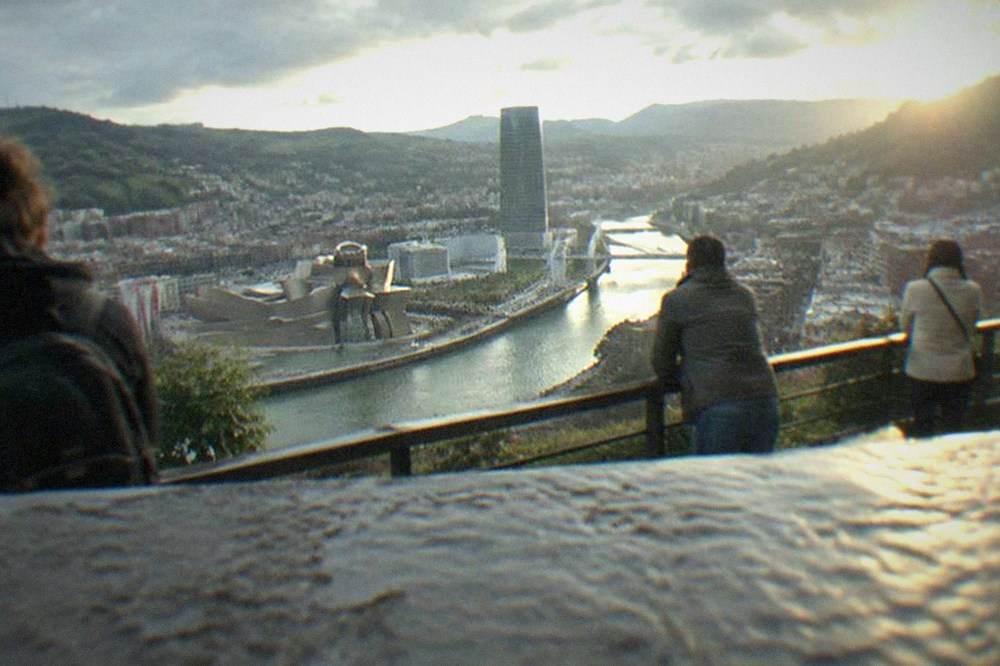
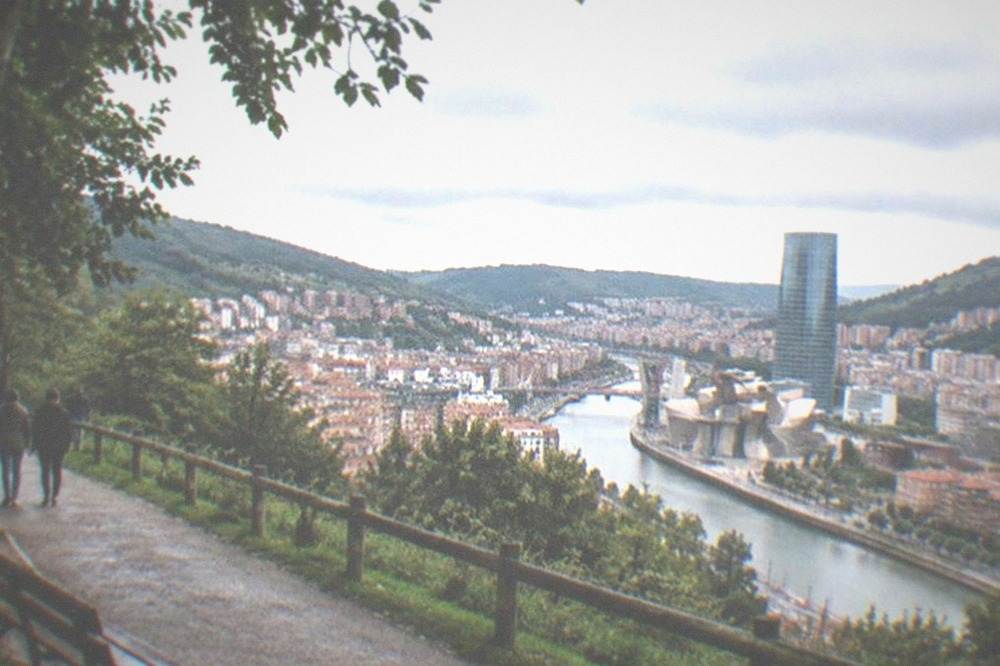
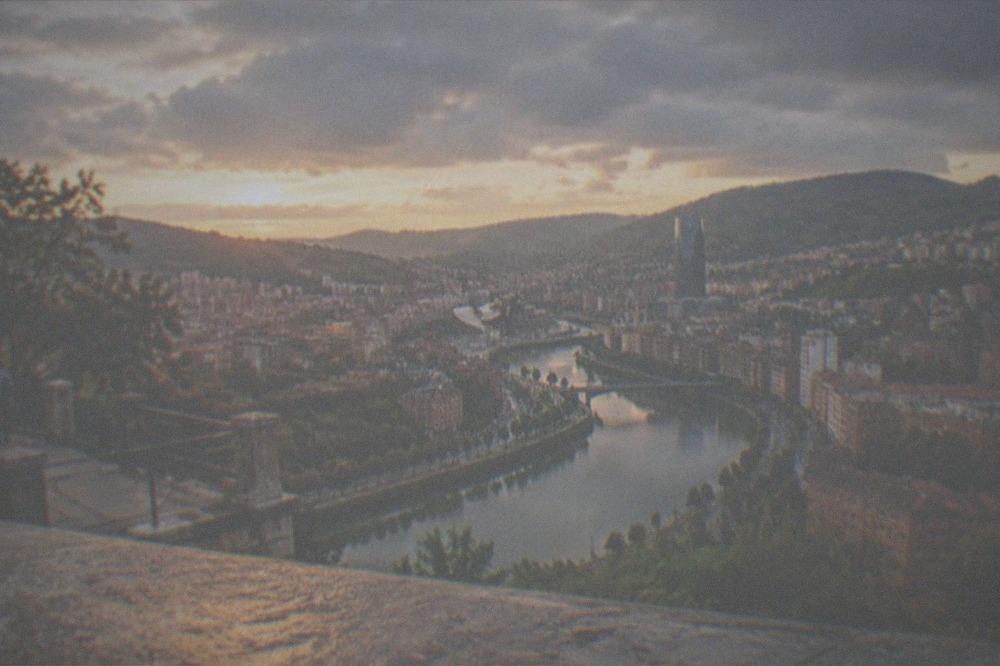
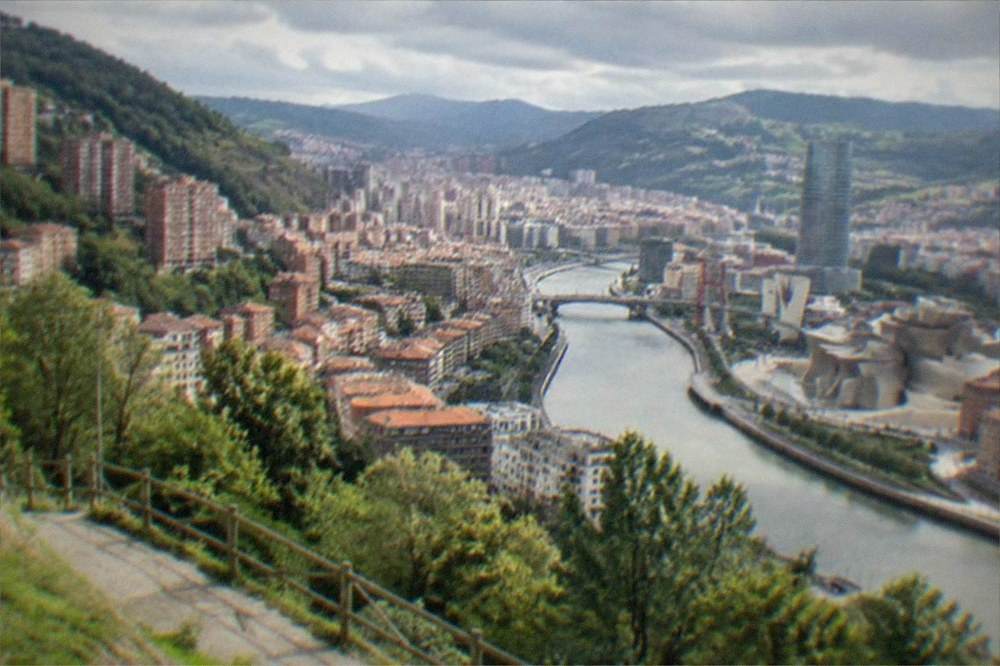
From the Artxanda viewpoint you can see the full sweep of the Nervion estuary through the city, the Casco Viejo's dense roofline, the Abando towers including the Iberdrola skyscraper, the Guggenheim's titanium curves glinting at river level, and the green hills that ring the whole Bilbao basin. The terrace sits high enough that the city reads as a single composition: industrial past, post-industrial present, and the mountains that hemmed the town in for centuries.
The classic shot looks southeast down the estuary toward the city centre, with the river bending through the middle distance. Early morning gives clean light on the eastern hills; late afternoon and sunset put the western ridge in silhouette and warm the tower glass. Because Bilbao's climate is temperate oceanic rather than Mediterranean, cloud can move through fast, and the same view can shift from grey to gold within an hour.
| Landmark visible from Artxanda | Direction from the viewpoint | What to look for |
|---|---|---|
| Guggenheim Museum Bilbao | South, at river level | Titanium curves beside the water |
| Casco Viejo | South-southeast | Dense old-town roofline, Siete Calles grid |
| Abando business district | South | Tower cluster, including the Iberdrola tower |
| Nervion estuary | Runs through the whole frame | Bends from the inland side toward the bay |
| Basque mountains | All horizons | Green ridges ringing the Bilbao basin |
| Bay of Biscay direction | North-northwest | Distant horizon toward the coast, about 15 km away |
The viewpoint is a short walk from the upper station, and the upper station itself connects to street level by a lift, so the panorama is reachable without stairs. Benches and railings line the terrace, which makes it one of the few headline Bilbao views you can linger at comfortably rather than shoot and leave.
How Do You Get To The Artxanda Funicular Lower Station?
The Artxanda Funicular's lower station sits on the western edge of central Bilbao, within walking range of the Casco Viejo and the riverside, and the surrounding district is served by accessible Bilbobus lines, so it is reachable easily on foot or by city bus. The station is close enough to the old town that pairing the two is the standard move: old town in the morning, funicular and viewpoint after, with no transfer needed.
Walking from the Casco Viejo is the simplest approach and keeps the whole outing inside one district. From the Abando side, the route crosses the river and climbs gently to the station. The hill itself is what makes the funicular worth riding: the summit is walkable on footpaths for anyone who wants the exercise, but the funicular exists precisely because the grade is steep enough to discourage casual walking.
| Way to reach the lower station | What it involves | Best for |
|---|---|---|
| On foot from the Casco Viejo | Short walk, no transfer needed | Most visitors, standard pairing |
| On foot from Abando | River crossing, gentle climb to the station | Visitors already in the new town |
| Bilbobus | Accessible lines serve the area | Anyone starting farther out |
| Metro plus walk | Metro to a central stop, then walk to the station | Visitors coming from Getxo or further afield |
| Taxi or ride-hail | Direct drop at the station | Groups, rainy days |
Bus riders should note that the entire Bilbobus fleet is described in municipal reporting as fully accessible, with low floors, ramps, and reserved wheelchair spaces, so the bus-plus-funicular combination works for reduced-mobility visitors end to end. The funicular's own accessibility details are covered in the next section.
Is The Artxanda Funicular Accessible For Wheelchair Users?
Yes, the Artxanda Funicular is described by the official Biscay accessible-tourism resource as wheelchair accessible end to end: the lower station has ramp access with doors at least 80 cm wide, the first carriage offers step-free level access, and a lift at the upper station connects the platform to the street and viewpoint level. One companion of a wheelchair user or a blind person travels free, which the same accessible-tourism listing states directly.
The step-free chain is the detail worth checking before any accessible visit, and the official listing supplies it in full. At the bottom: a ramp into the lower station and adequately wide doors. On the ride: level access into the first carriage. At the top: a lift with enough turning space to reach the exit doors onto street level. That makes Artxanda one of the more complete accessible outings in a city that has invested heavily in inclusive mobility overall.
| Accessibility feature at the funicular | Detail as officially listed |
|---|---|
| Lower station entry | Ramp access, doors at least 80 cm wide |
| Boarding | First carriage offers level, step-free access |
| Upper station | Lift to street and viewpoint level, adequate turning space |
| Companion travel | Free for one companion of a wheelchair user or blind person |
| Connecting buses | Bilbobus fleet fully accessible, low-floor with ramps |
| Service frequency | Every 10 minutes peak, 15 minutes otherwise, about 3 minutes ride time |
The wider city backs this up. Bilbao's municipal mobility programme has added lifts, ramps, and escalators in steep districts, tactile paving, and acoustic signals, and the accessible-tourism arm of the provincial tourism board publishes dedicated writeups for sites like the funicular. Visitors planning a fuller accessible itinerary will find the accessibility guide for Bilbao the right next read, since it covers the Metro's elevator coverage and the Guggenheim's two accessible entrances as well.
What Else Is There To Do On Mount Artxanda Beyond The Viewpoint?
Beyond the viewpoint, Mount Artxanda holds parkland and walking trails, sports facilities, a small residential neighbourhood, and a cluster of restaurants and cider houses that make the hill a local weekend destination in its own right rather than a tourist stop. Treating the summit as more than a photo stop is what separates a twenty-minute visit from a satisfying half day, and none of the extras require anything more than comfortable shoes and an appetite.
The parkland is the quiet surprise. The hilltop greens are used by Bilbao residents for strolls, picnics, and dog walks, and the trails along the ridge give alternate angles on the city that the main terrace does not. Walk far enough and the skyline drops away behind trees, which is an odd and pleasant sensation in a city of 346,933 residents, the figure Eustat's municipal register records as of 1 January 2025.
The food angle is the local one. The restaurants and cider houses near the summit draw weekend crowds from the city below, and cider house season in Bizkaia runs in the colder months, when txotx service pours cider straight from the barrel. Anyone timing a winter visit can pair a viewpoint sunset with a cider house dinner and ride the last funicular down, checking the return service time at the station before settling in.
For visitors who want a guide rather than a self-directed afternoon, the city options below cover Bilbao itself, and the coast-and-wine options cover the province. A guided walk such as the Original Bilbao food tour with wine pairings is a natural evening counterpart to a morning on the hill; its price and rating are on the operator's live listing.
When Is The Best Time Of Year To Ride The Artxanda Funicular?
The best months to ride the Artxanda Funicular are July and August, when AEMET's Bilbao Aeropuerto/Loiu station (1082) normals show the warmest and driest weather of the year at 20.4 C and 50 mm of rain in July and 20.9 C and 76 mm in August, but the funicular runs year-round and the view rewards every season differently. Bilbao's climate is temperate oceanic, Atlantic-influenced, with rain distributed across all twelve months, so the question is never whether the sky might cloud over but how much light you want on the skyline when it clears.
The numbers frame the choice honestly. November is the wettest month at 147 mm of rain on the 1981-2010 normals, and the late-autumn ridge can be genuinely atmospheric, with cloud wrapping the hills around the basin. Spring sits in between: March averages 11.5 C and 90 mm, May 15.7 C and 78 mm. Winter riders get the sharpest air and the most dramatic cloudscapes; summer riders get the most reliable panorama.
| Month | Mean temperature (C) | Mean precipitation (mm) | What it means for the viewpoint |
|---|---|---|---|
| January | 9.3 | 120 | Cold, often clear between showers |
| March | 11.5 | 90 | Fresh spring light on the green hills |
| May | 15.7 | 78 | Comfortable, hillside at its greenest |
| July | 20.4 | 50 | Warmest, driest, most reliable panorama |
| August | 20.9 | 76 | Peak warmth, occasional thunderstorm cloud |
| September | 19.2 | 73 | Soft late-summer light, fewer crowds |
| November | 12.4 | 147 | Wettest month, dramatic cloudscapes |
Festival timing adds a second calendar. Aste Nagusia, Bilbao's nine-day main festival, ran 22 to 30 August 2026 with the txupin opening at 19:00 in Plaza Arriaga on 22 August, and fireworks competitions light the estuary nightly during the festival week: the Artxanda terraces are one of the few places to watch that aerial display from above rather than below. Anyone planning around a future edition should check the municipal programme for the confirmed dates of that year.
Artxanda Funicular Versus Other Bilbao Viewpoints
The Artxanda Funicular gives the best and most complete overhead view of Bilbao, because no other public viewpoint in the city combines this height, this direct sightline down the estuary, and a three-minute mechanised ride to reach it; riverside and tower-level alternatives show slices of the city rather than the whole basin. The comparison is worth making because Bilbao has several good vantage points, and they answer different questions.
The riverside options, from the decks near the Guggenheim or the bridges along the estuary, put you inside the composition rather than above it. The Vizcaya Bridge downstream offers its own elevated perspective from the transporter bridge's walkway, with the reported round-trip walkway ticket at 11 EUR for adults, but that view is of the estuary mouth and the Portugalete-Getxo shore, not of the city. The Puente de la Salve gives a dramatic road-deck angle on the Guggenheim from almost river height.
| Bilbao vantage point | What it shows | How it compares to Artxanda |
|---|---|---|
| Artxanda viewpoint | Whole city basin, estuary, hills | The only complete overhead panorama |
| Vizcaya Bridge walkway | Estuary mouth, Portugalete and Getxo | Different subject, downstream of the city |
| Puente de la Salve deck | Guggenheim and riverside from near water level | Dramatic close-up, not an overview |
| Riverside terraces at Abandoibarra | Museum district from within | At street level, inside the scene |
| Boat tours on the estuary | City from the water | Moving perspective, low angle |
The practical summary: ride Artxanda for the map-in-your-head view, and use the riverside angles for the individual buildings. A boat option such as the one-hour city boat tour or two-hour cruise to Portugalete covers the water-level perspective, with pricing on the operator's live listing, and the two pair naturally on the same day, one in the morning and one in the late afternoon.
Planning A Full Day Around The Artxanda Funicular In Bilbao
A full Artxanda day works best as a morning viewpoint ride, a hilltop walk or cider house lunch, a funicular descent into the Casco Viejo for the afternoon, and a riverside evening in the Abandoibarra district, with the whole loop walkable once you are back at the lower station. The funicular's short ride time and frequent service mean it slots into a day rather than defining one, which is why it anchors so many first-time itineraries.
The morning is the strongest slot for the view. Light comes from the east over the hills, the air is at its clearest, and the terrace is quiet before the late-morning arrivals. After the viewpoint, the ridge paths or a hilltop lunch stretch the visit, and the descent drops you a short walk from the Seven Streets of the old town, where the afternoon disappears easily among the Plaza Nueva bars and the Mercado de la Ribera.
Visitors staying longer in the province often extend the same logic outward. The coast and wine country that ring Bilbao fill multi-day plans, and guided trips such as the La Rioja wineries day trip with tastings in Haro and Laguardia run a full day into Spain's most famous red-wine region; its price, rating, and review count are on the operator's live listing. The Gaztelugatxe-focused trip below is the coastal counterpart and the one most often paired with a Bilbao city stay.
Common Questions About The Artxanda Funicular In Bilbao
How much does the Artxanda Funicular in Bilbao cost?
Reported occasional fares are 3.50 EUR one-way and 6.00 EUR round-trip, with lower Barik and social tariffs and free travel for children under 6. These figures come from a single reported source for the operator's fares page, so confirm at the station on the day.
How often does the Artxanda Funicular run?
The service runs every 10 minutes at peak times and roughly every 15 minutes otherwise, with a ride time of about three minutes each way, according to the official accessible-tourism listing for the funicular.
Is the Artxanda Funicular wheelchair accessible?
Yes. The lower station has ramp access with doors at least 80 cm wide, the first carriage offers step-free level access, and a lift at the upper station connects the platform to street and viewpoint level. One companion of a wheelchair user travels free.
What can you see from the top of Mount Artxanda?
The full sweep of the Nervion estuary through Bilbao, the Casco Viejo roofline, the Abando tower cluster, the Guggenheim's titanium curves at river level, and the green mountains ringing the basin, with the Bay of Biscay horizon about 15 km to the north-northwest.
Can you visit San Juan de Gaztelugatxe on the same trip as Bilbao?
Yes, it is a standard day trip from the city, with guided options running year-round. A free timed reservation is required only on official controlled-access days, roughly mid-June to about 20 September plus Easter and holiday weekends per the yearly calendar, with a daily cap of 1,462 visitors on controlled days.
Is there a tourist tax in Bilbao in 2026?
No. The Bizkaia regional tourist tax takes effect on 1 January 2027, so visitors staying in 2026 pay none. From 2027, Bilbao's approved rates run from 1 EUR per night in pensions to 5 EUR in 5-star hotels, with 6.50 EUR for tourist apartments.
The Artxanda Funicular earns its place on any Bilbao itinerary the simple way: it is cheap by big-city attraction standards, fast, fully described as accessible end to end, and it delivers the one view that makes the whole city suddenly legible. Ride it early, linger on the terrace longer than the crowds do, and come down into the old town with the map of Bilbao already fixed in your head.