Mercado De La Ribera
Mercado de la Ribera is the great covered market hall on the bank of the Nervion estuary in Bilbao's Casco Viejo, in Biscay province, Basque Country, northern Spain, and it anchors any food-focused walk through the old town.
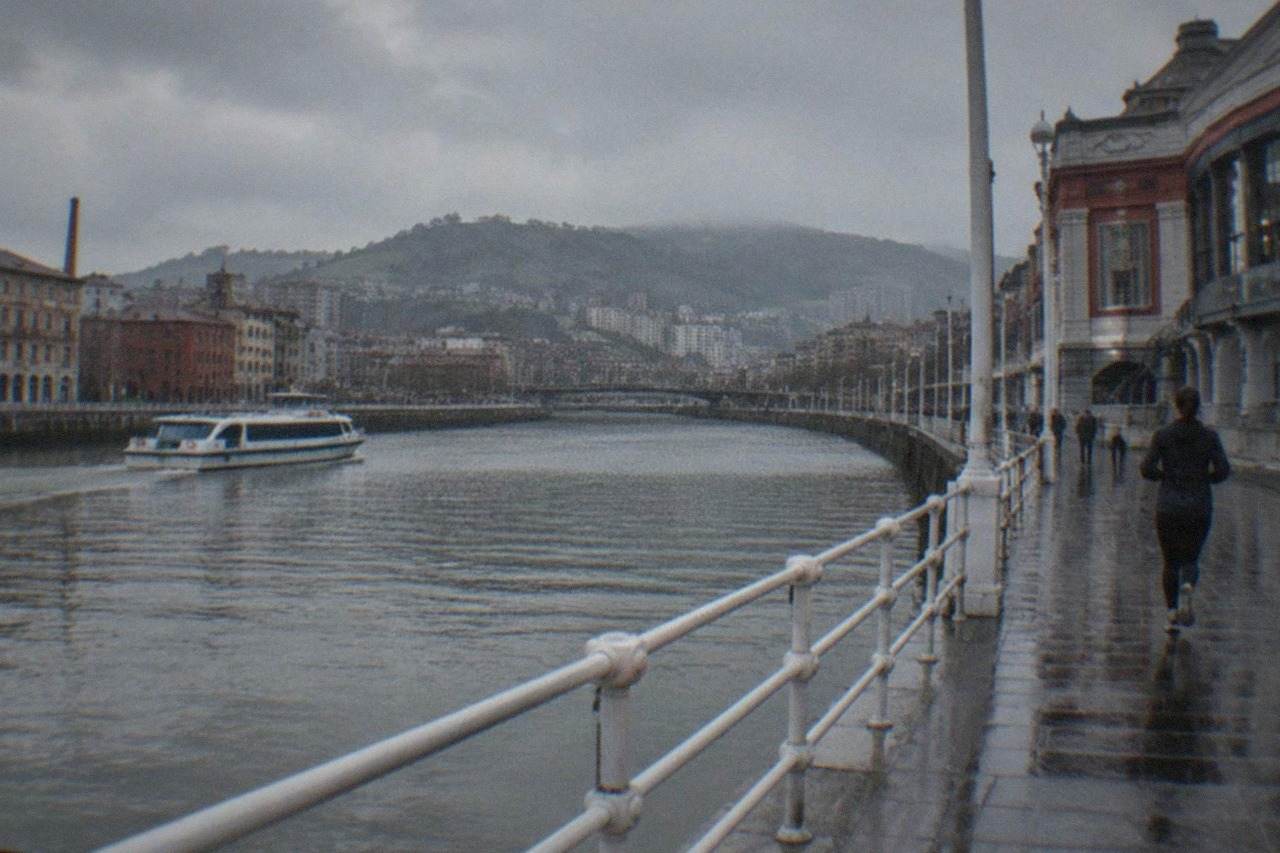
Short answer
Mercado de la Ribera is Bilbao's landmark covered market on the Ribera promenade of the Nervion estuary in the Casco Viejo, reachable by Metro (Casco Viejo station) or tram, and best paired with a pintxos crawl through the Seven Streets and Plaza Nueva.
Bilbao, in Biscay (Bizkaia) province in the Basque Country of northern Spain, grew up around the tidal Nervion/Ibaizabal estuary, and one building still shows how the city has always fed itself: Mercado de la Ribera, the covered market hall standing on the Ribera promenade where the Casco Viejo meets the water. The hall sits at the foot of the Seven Streets, the medieval core of the city, and it faces the river directly, so the walk out of its doors runs straight onto one of the most photographed stretches of the estuary. This guide from Bilbao Travel Guide covers what the market is, how to reach it with the city's Barik-card transport system, what a pintxos stop in the old town costs, and how to build a full day around it.
What Is Mercado De La Ribera In Bilbao?
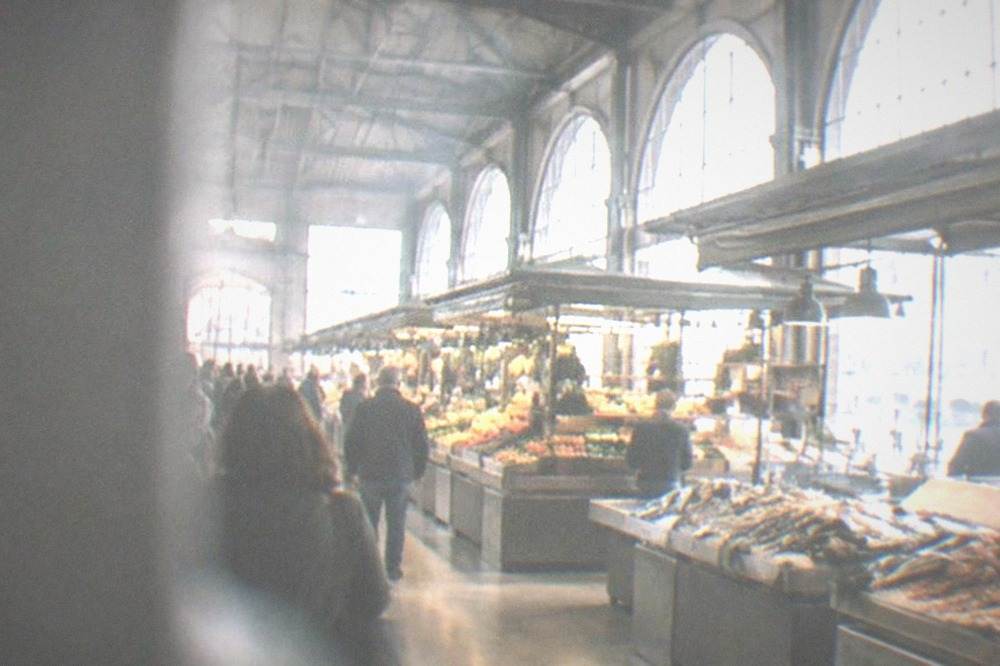
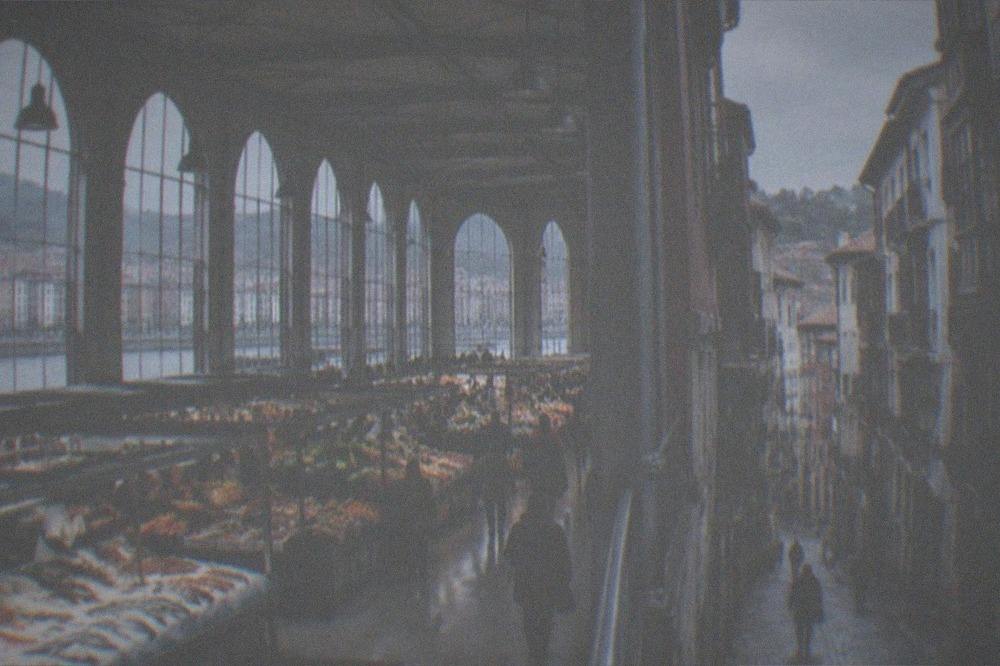
Mercado de la Ribera is a large covered market hall on the bank of the Nervion estuary in Bilbao's Casco Viejo, the old town of the Basque Country's biggest city, and it has served as the neighbourhood's main food hall for generations. The building lines the Ribera promenade at the eastern edge of the Seven Streets, so it is both a working market and one of the most visible landmarks on the riverfront walk that connects the old town to the modern quarter.
The hall's position is the whole story of its character. Bilbao's old town sits on the left bank of the estuary, and the Ribera, the riverside street running along it, was for centuries where goods coming up the river from the Bay of Biscay, roughly 15 km downstream, were unloaded and sold. A market on this spot is not an invention of modern tourism; it is the continuation of the city's original commercial street. The current hall, with its broad riverside facade, is the version visitors see today.
What makes the market useful for a visitor is that it concentrates the region's raw material in one place: Cantabrian seafood, Basque cheeses, produce from the province's green hills, and the cured meats and preserves that fill local pantries. It is a genuine working food hall rather than a museum piece, and it sits inside a neighbourhood, the Casco Viejo old town, that is itself one of the densest concentrations of pintxos bars anywhere in Spain.
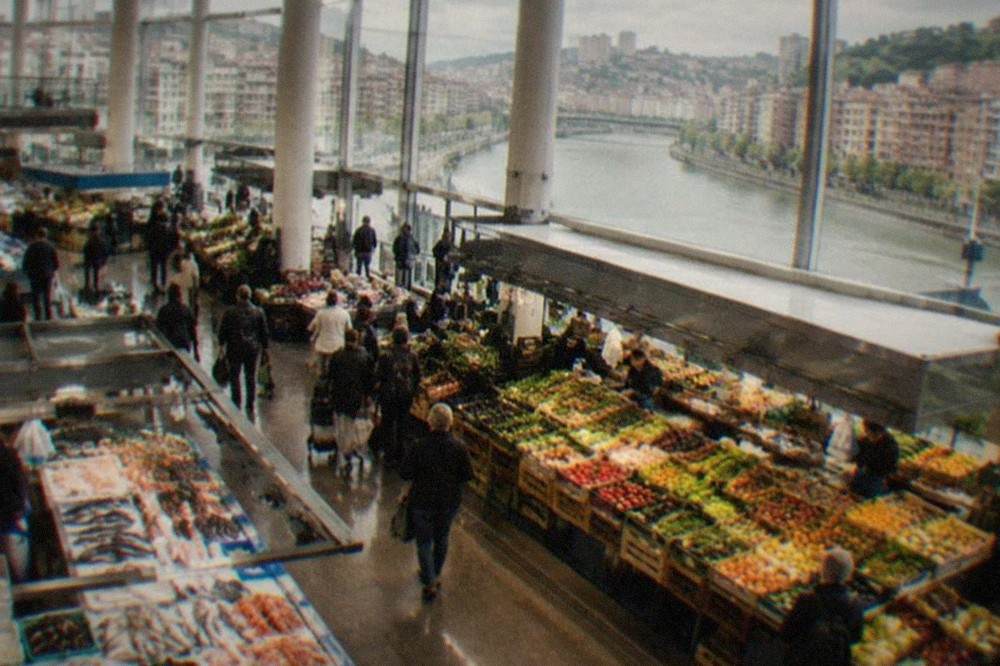
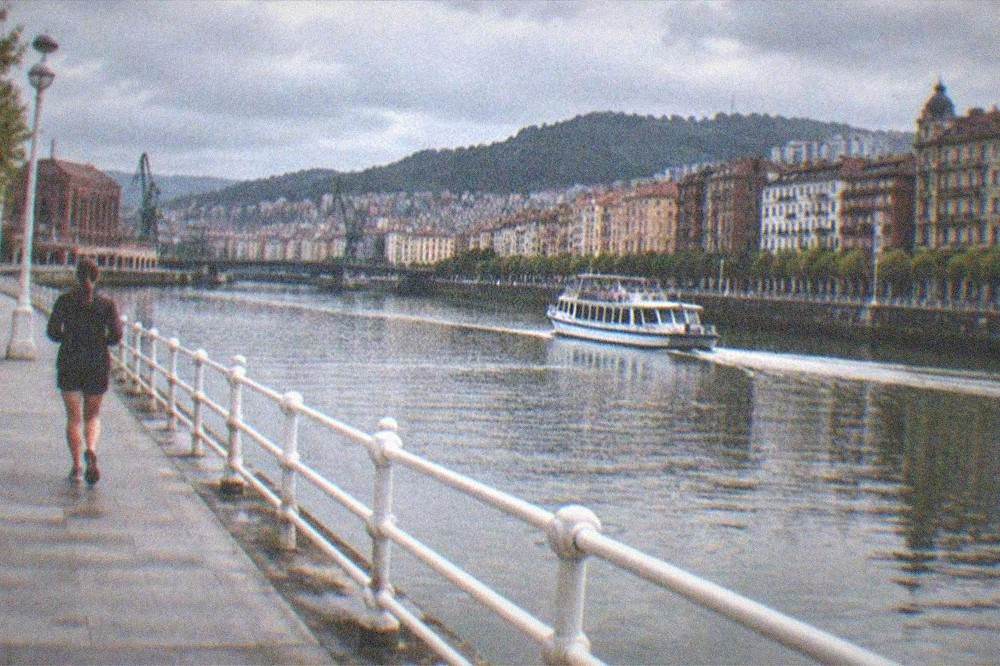
The market also functions as a starting point. From its doors you can walk the whole old town in under an hour, cross to the Cathedral of Santiago, reach Plaza Nueva, or continue along the river toward the Zubizuri bridge and the Guggenheim. Few buildings in Bilbao put this many options within a short flat walk, which matters in a city built on hills. The estuary itself is tidal, rising and falling with the Atlantic a short distance downstream, and the riverside promenade outside the market is one of the few places in the old quarter where the water sits level with the street rather than below it.
How Do You Get To Mercado De La Ribera From Central Bilbao?
The market sits on the Ribera promenade in the Casco Viejo, and the fastest public transport link is Metro Bilbao to Casco Viejo station, where a Barik Creditrans fare costs EUR1.02 for a one-zone trip per the CTB Barik fares page. The tram also serves the old town, at a flat Barik fare of EUR0.74, and a single ticket without a Barik card costs more on every mode, EUR2.00 for a one-zone Metro ride.
Bilbao's transport system is integrated under the Consorcio de Transportes de Bizkaia, and the Barik card is the key to its cheapest fares. The CTB Barik fares page gives Metro Creditrans prices of EUR1.02 for one zone, EUR1.19 for two zones and EUR1.30 for three zones, while occasional single tickets without the card run EUR2.00, EUR2.20 and EUR2.25 with two hours of validity. The card itself is commonly reported to cost EUR3 to buy, non-refundable, though that purchase price comes from a secondary source rather than an official CTB page.
| Transport mode | Fare with Barik Creditrans | Fare without Barik |
|---|---|---|
| Metro Bilbao, 1 zone | EUR1.02 | EUR2.00 |
| Metro Bilbao, 2 zones | EUR1.19 | EUR2.20 |
| Metro Bilbao, 3 zones | EUR1.30 | EUR2.25 |
| Bilbao Tram (flat) | EUR0.74 | around EUR2.00 |
| Bilbobus city bus | EUR0.73 base, effectively near EUR0.44 after discount | EUR1.70 |
For a visitor staying in the Ensanche or near the Guggenheim, the practical answer is simple: the Metro to Casco Viejo station puts you a short walk from the market's doors, and the tram along the river is the more scenic alternative. The Bilbao Bizkaia Card site states its tourist card runs EUR10 for 24 hours, EUR15 for 48 hours and EUR20 for 72 hours, including unlimited transport, which can beat single fares if you plan to hop between the old town, the museums and the riverside all day.
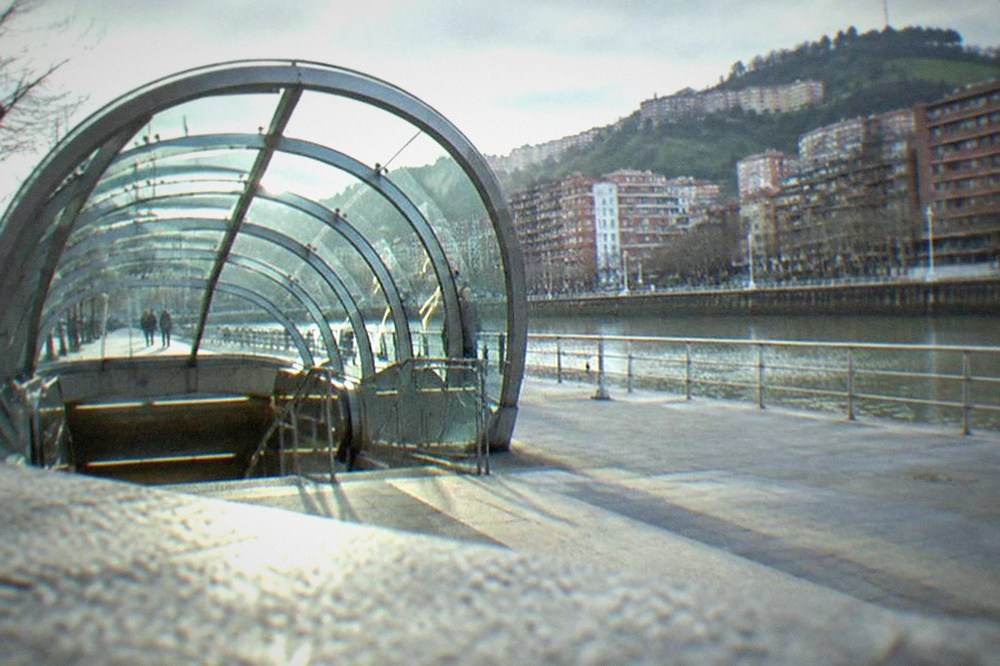
If your day pairs the market with sights further out, the same card covers those trips too. The Artxanda funicular, whose one-way fare is reported at EUR3.50 with a EUR6.00 round trip, lifts you to the hillside viewpoint above the old town, and the riverside tram connects the Casco Viejo with the Abandoibarra museum district in a single flat-fare ride.
If you are building a bigger Basque itinerary, the coast and inland towns are easy add-ons, and a guided day trip handles the logistics.
What Should You Eat At Mercado De La Ribera And Around The Casco Viejo?
Eating around the market and the old town means pintxos, the Basque bar bites that typically run EUR2-5 each at traditional bars, with simpler counter items like gildas and tortilla toward the lower end and elaborate hot preparations toward the upper end. Drinks such as txakoli wine, zurito small beer or house wine typically cost EUR2-3.50, so a realistic crawl of four to six pintxos with drinks lands around EUR25-45 per person.
Those price ranges come from 2026 food reporting on the city, and they are planning ranges rather than promises: bars vary, and the room sets the real number. What does not vary is the structure of the ritual. A txikiteo, the Basque crawl, means one pintxo and one drink per bar, standing, then moving on. Plaza Nueva remains the central hub for this, and the streets around the market hold the densest cluster of historic bars in the city.
| Bar | Location | What it is known for |
|---|---|---|
| Gure Toki | Plaza Nueva 12, Casco Viejo | Family-run since 1982, creative product-driven pintxos |
| El Globo | Diputacion 8 and Plaza Nueva | Iconic since 1997, txangurro spider crab gratin |
| Sorginzulo | Plaza Nueva 12 | Creative takes on bacalao al pil pil; 2024 Bizkaia tortilla champion |
| Víctor Montes | Plaza Nueva | Classic traditional staples like chorizo al vino |
| Café Bar Bilbao | Plaza Nueva | Traditional bar since 1911 |
The 2025 Bizkaia traditional pintxo championship was won by La Bodeguita del 12 in the Abando district, a reminder that the pintxos scene is competitive citywide, not just in the old town. For a fuller treatment, the best pintxos in Bilbao guide breaks the city down bar by bar, and the market's own stalls are the place to assemble a picnic alternative if the bars are full.
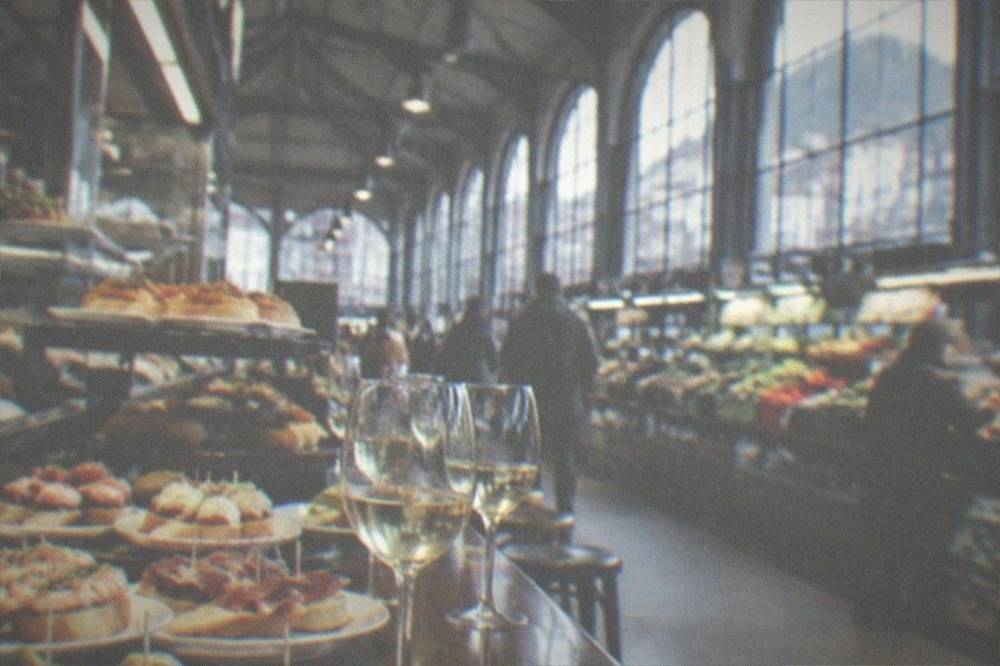
A guided food walk turns the crawl from guesswork into a curated route, and the old town is where most of them start. The Basque Food and Wine Tasting is the classic option, and the Authentic Pintxos, Wine and Food Tour is its most-reviewed rival.
Mercado De La Ribera Or Mercado Del Ensanche: Which Bilbao Market Should You Visit?
Both are worth a visit and they serve different halves of the city: Mercado de la Ribera anchors the Casco Viejo on the estuary's old bank, while Mercado del Ensanche serves the expansion quarter around Abando, so the choice is really about which neighbourhood your day already passes through. Visitors with one full day in Bilbao can reach both, since they sit on opposite ends of a walkable riverside and Metro-connected axis.
The two halls mirror the city's two eras. The Ribera market belongs to medieval Bilbao, the Seven Streets and the river trade; the Ensanche market belongs to the grid of straight streets, the commercial heart around Moyua, and the district that grew as the industrial city pushed outward. Locals shop at whichever is nearest; visitors tend to pick by itinerary. The Mercado del Ensanche sits closer to the Guggenheim approach, which makes it the natural stop on a museum day.
| Mercado de la Ribera | Mercado del Ensanche | |
|---|---|---|
| Neighbourhood | Casco Viejo (old town) | Ensanche / Abando |
| Character | Riverside hall at the foot of the Seven Streets | Neighbourhood market in the modern grid |
| Best combined with | Cathedral, Plaza Nueva, Teatro Arriaga | Guggenheim approach, Moyua, Gran Via |
| Nearest transit | Metro Casco Viejo | Metro Abando / Moyua area |
A practical split works well: morning in the old town with the Ribera market and the Seven Streets, afternoon along the river to the Guggenheim Museum Bilbao, whose own site lists adult admission at EUR18 and opening hours Tuesday to Sunday 10:00-19:00, extended to 20:00 during Easter week and from 15 June to 13 September. The one day in Bilbao itinerary sequences exactly this kind of split day.
What Is There To See Near Mercado De La Ribera?
Everything in the Casco Viejo is within a short walk of the market: the Cathedral of Santiago, Plaza Nueva, the Arriaga theatre, the Basque Museum and the Ribera promenade itself, plus the river crossings toward the Ensanche, so a visitor can cover the whole old quarter between a morning market stop and a late pintxos crawl without transport of any kind. The old town is compact, steep in places, and best explored on foot.
The old town's sights stack up in a tight cluster. The Cathedral of Santiago is the city's oldest church, the Teatro Arriaga stands at the riverside end of the district, and the Basilica of Begona watches from the hill above. Just across the water lies one of the city's most changed and talked-about neighbourhoods, worth a detour for anyone curious about Bilbao beyond the postcard.
| Sight | Segment | Why go |
|---|---|---|
| Cathedral of Santiago | Attraction | Bilbao's oldest church, in the Seven Streets |
| Plaza Nueva | Attraction | The classic arcaded square for pintxos |
| Teatro Arriaga | Attraction | Neo-baroque theatre at the river's edge |
| Euskal Museoa (Basque Museum) | Attraction | Reopened 10 June 2026 after a EUR20.3 million renovation |
| Zubizuri bridge | Attraction | Santiago Calatrava's white footbridge toward the Ensanche |
| Ria de Bilbao boat tour | Attraction | See the old town from the estuary |
The Euskal Museoa detail is worth flagging: the Basque Museum reopened to the public on 10 June 2026 after roughly four years of works and a EUR20.3 million investment, adding more than 5,000 square metres of exhibition space focused on Basque culture and history. Anyone planning a 2026 or 2027 visit sees a museum that most printed guidebooks do not yet know exists in its new form.
A walking tour is the most efficient way to absorb this cluster, and the old town's story rewards a guide. The Small-Group Old Town Walk covers the Seven Streets and the market's riverside, and shorter history options run daily. For a budget alternative, the Basque Free Tour: Historic Bilbao runs on a tip basis via GuruWalk, so no price is printed here.
When Is The Best Time Of Year To Visit Mercado De La Ribera And Bilbao?
The best months in Bilbao are July and August, when AEMET's Bilbao Aeropuerto/Loiu station (1082) normals show mean temperatures of 20.4 C and 20.9 C and the year's lowest rainfall at 50 mm and 76 mm, while November is the wettest month at about 147 mm, and the city's temperate oceanic climate means rain is possible in every season, so pack for showers year-round rather than betting on a dry Mediterranean summer.
Bilbao's climate is Atlantic, not Mediterranean, and the numbers make the pattern plain. AEMET's 1981-2010 normals for station 1082 give an annual mean of 14.7 C and 1,134 mm of rain a year, spread across every month. June and September are good shoulder picks at 18.4 C and 19.2 C with 60 mm and 73 mm of rain.
| Month | Mean temp (C) | Mean precip (mm) |
|---|---|---|
| January | 9.3 | 120 |
| March | 11.5 | 90 |
| May | 15.7 | 78 |
| July | 20.4 | 50 |
| September | 19.2 | 73 |
| November | 12.4 | 147 |
The market itself is an indoor hall, which makes it a reliable stop in exactly the weather Bilbao serves up most often. The rainy day Bilbao itinerary leans on the old town's covered spaces, and the same logic applies in any month: buy under the roof, eat standing at a bar, and let the rain fall on the estuary outside.
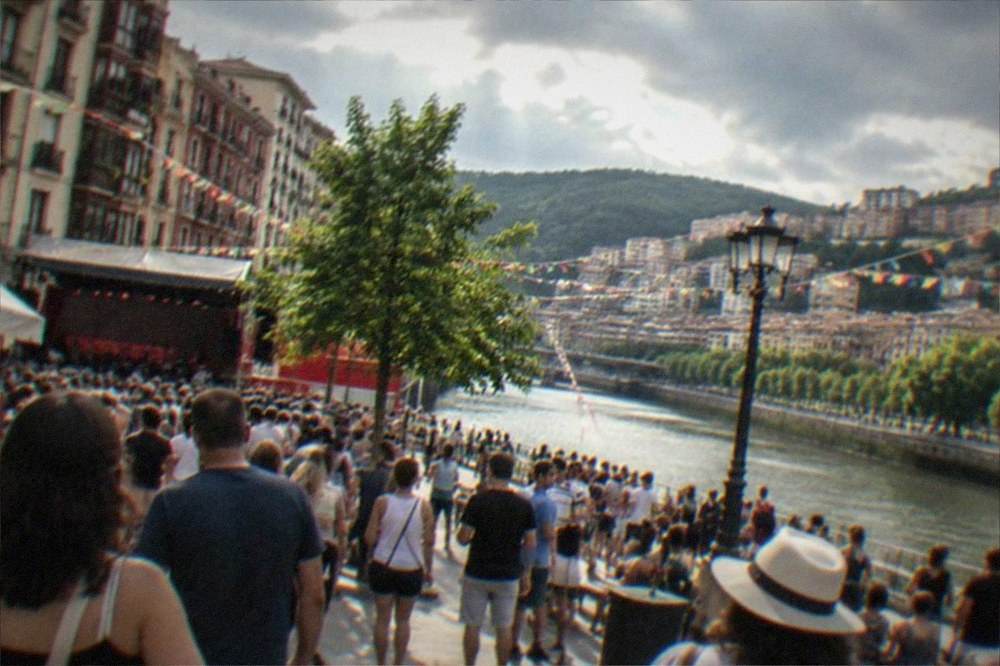
Festival timing changes the old town's character more than the weather does. Aste Nagusia 2026 runs 22-30 August, nine days, with the txupin opening on 22 August at 19:00 in Plaza Arriaga, a short walk from the market. During those days the Casco Viejo is the centre of the city's biggest party, and the txosnas, the festival's neighbourhood bars, line the riverside within sight of the market hall.
Should You Combine Mercado De La Ribera With A Guided Bilbao Tour?
Yes, and the most efficient pairing is a food or walking tour in the old town plus one guided excursion beyond the city, because Bilbao's biggest draws, the Gaztelugatxe hermitage, the Rioja wine country and the Basque coast, sit outside the city and are far easier with transport and a guide included. A market morning, a guided old town walk and one day trip is a realistic three-day structure.
The old town is walkable alone, but the coast is not. San Juan de Gaztelugatxe, the islet hermitage famous as a Game of Thrones filming location, requires a free timed reservation only on official controlled-access days, roughly mid-June to about 20 September plus Easter and holiday weekends per the yearly calendar, with a daily cap of 1,462 visitors on those days and booking always free via tiketa.eus, up to 10 people per reservation. A guided trip handles that booking for you.
The Gaztelugatxe, Bermeo, Gernika day trip is the strongest single excursion from the roster, pairing the hermitage with the fishing port of Bermeo and the historic town of Gernika. Check availability
For a wine-focused alternative, the Rioja Day Trip, Two Winery Tastings heads inland to Haro and Laguardia, and the Rioja wine day trip guide covers the independent version by car or bus.
Back in the city, the VIP Guggenheim, Small Group experience pairs naturally with an old town morning, since the museum is a riverside walk away from the market's doors.
Common Questions About Mercado De La Ribera
What Is Mercado De La Ribera In Bilbao?
It is a large covered market hall on the Ribera promenade of the Nervion estuary in Bilbao's Casco Viejo, in Biscay province, Basque Country, northern Spain, and it is the old town's main food hall.
How Do I Get To Mercado De La Ribera?
Take Metro Bilbao to Casco Viejo station, where a one-zone Barik Creditrans fare costs EUR1.02 per the CTB Barik fares page, or the tram along the river at a flat Barik fare of EUR0.74. Both put you within a short walk of the market.
How Much Do Pintxos Cost Near Mercado De La Ribera?
Pintxos at traditional bars typically run EUR2-5 each, drinks EUR2-3.50, and a realistic crawl of four to six pintxos with drinks lands around EUR25-45 per person. Exact prices are set by each bar, so check the room.
Mercado De La Ribera Or Mercado Del Ensanche?
Visit the Ribera market if your day centres on the Casco Viejo, and Mercado del Ensanche if you are based in the Abando grid. With a full day you can do both, connected by the riverside walk and the Metro.
When Is The Best Time To Visit Bilbao's Old Town?
July and August are the warmest and driest months per AEMET's station 1082 normals, at 20.4 C and 20.9 C mean with 50 mm and 76 mm of rain, but the market is indoors and the old town is rewarding year-round. Aste Nagusia, 22-30 August 2026, is the biggest festival in the district.
Can You Combine The Market With A Day Trip?
Yes. A market morning in the old town pairs well with an afternoon riverside walk, and full-day guided trips reach Gaztelugatxe, Bermeo, Gernika or the Rioja wine country with transport and reservations handled for you.
Mercado de la Ribera is the kind of landmark that rewards slow treatment: arrive hungry, buy what the stalls are pushing that day, and let the crawl through the Seven Streets and Plaza Nueva run long into the evening.