Zubizuri Bridge
The Zubizuri Bridge is Bilbao's white footbridge over the Nervión estuary, and this guide covers how to reach it, what to see from it, and how to fold it into a day in the city.
Short answer
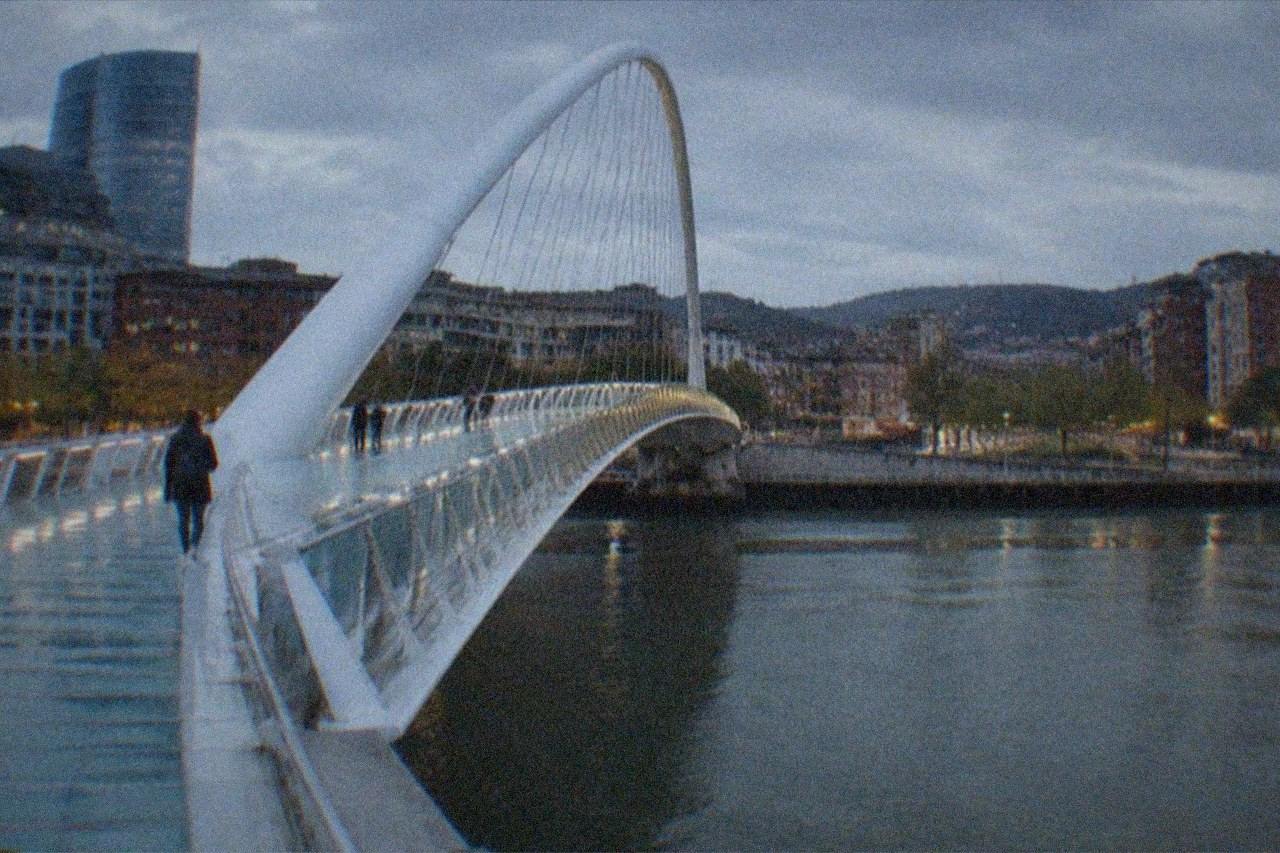
The Zubizuri Bridge is a white curved pedestrian footbridge spanning the Nervión estuary in Bilbao, Spain, its name meaning "white bridge" in Basque. It links the north-bank riverside promenade with the Uribitarte bank, is free to cross, open around the clock, and sits within a short riverside walk of the Guggenheim Museum Bilbao, whose adult ticket is 18 EUR.
Bilbao, in Biscay (Bizkaia) province, Basque Country, northern Spain, has remade its waterfront around the tidal Nervión estuary, and no single structure expresses that remaking as cleanly as the Zubizuri Bridge. This is the white, gently arched footbridge that carries pedestrians across the river between the north-bank promenade and the Uribitarte bank, its curved deck slung beneath a single leaning arch finished in white. It costs nothing to cross, it never closes, and it sits at the hinge between the Casco Viejo riverside and the museum district that reshaped the city's economy. This page from Bilbao Travel Guide covers what the bridge is, how to reach it by metro, tram or bus, what you can see from its deck, and how to fold it into a day of walking the estuary.
What Is The Zubizuri Bridge In Bilbao, And What Does Its Name Mean?
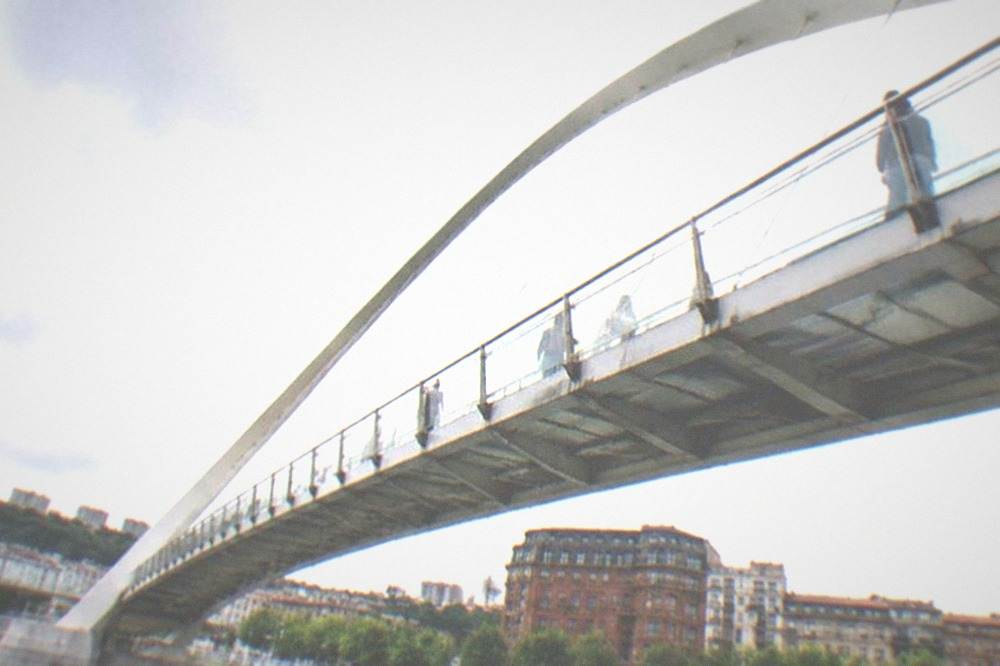
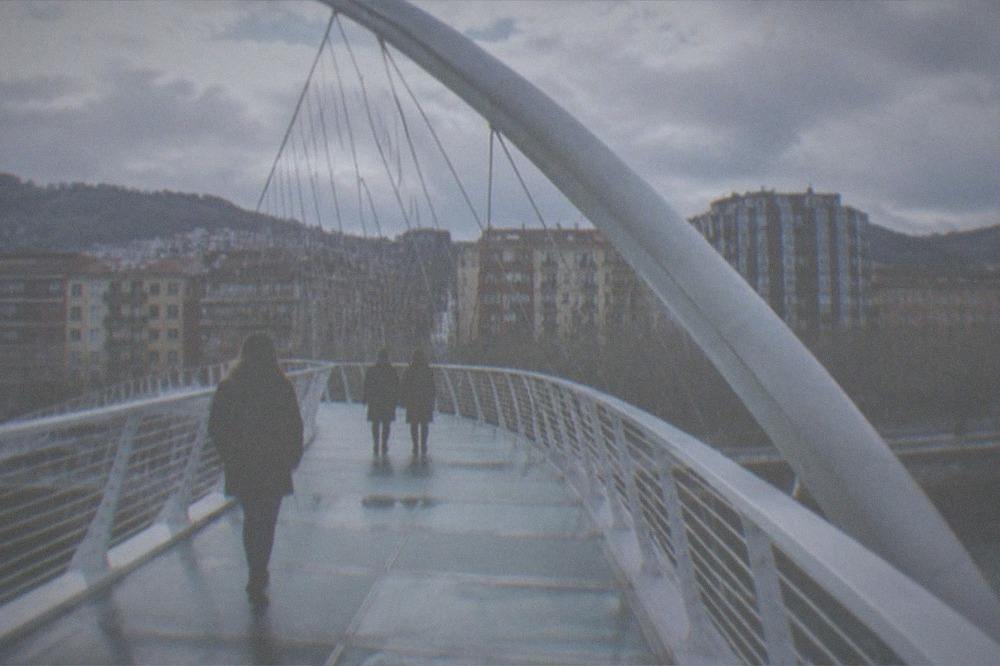
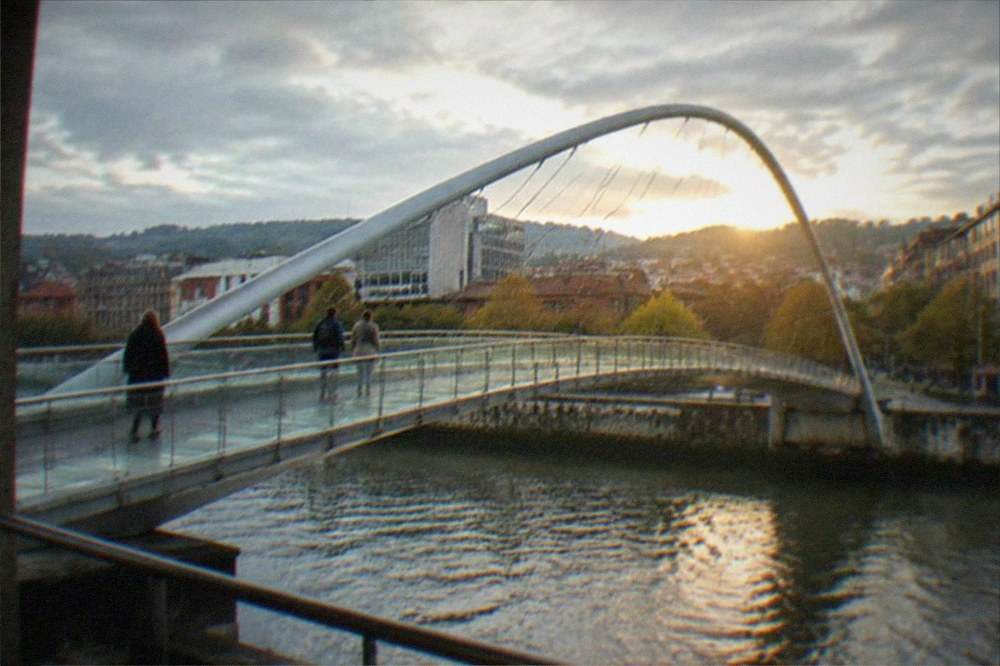
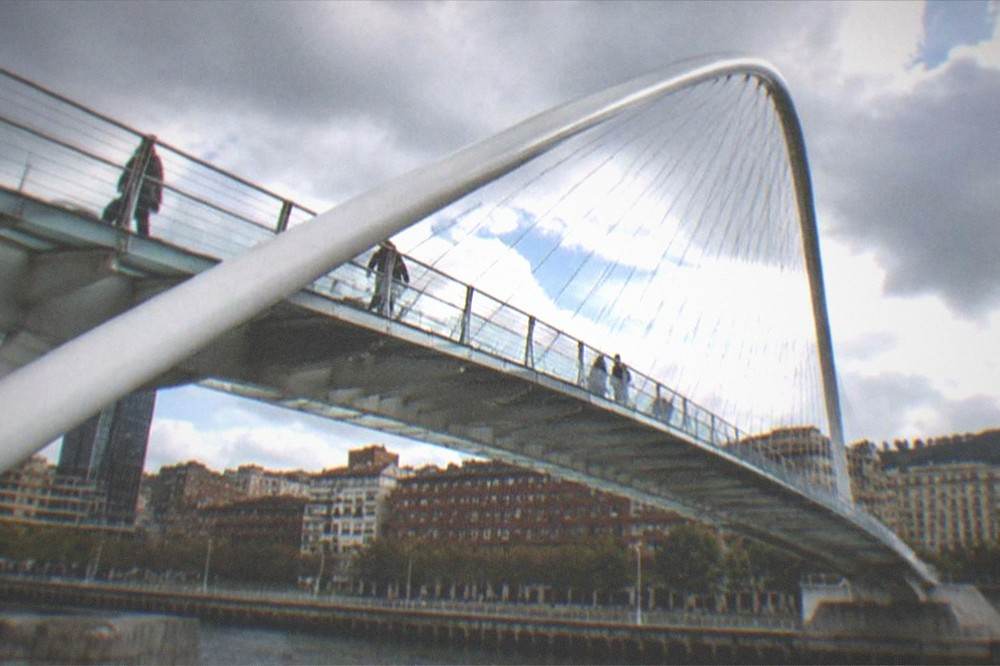
The Zubizuri Bridge, whose Basque name means "white bridge," is a pedestrian footbridge over the Nervión estuary in Bilbao, Spain. Its curved deck is slung beneath a single leaning arch finished in white, and it exists purely for people on foot, linking the north-bank riverside promenade with the Uribitarte side.
The design is the reason the bridge photographs so well. The arch leans out of vertical, the deck curves in plan rather than running straight, and the whole composition reads as a white line drawn across a grey-green river. Locals argue about it, and that argument is part of the visit: for some Bilbao residents the bridge is a signature piece of the post-industrial waterfront, for others it is an impractical gesture whose glass deck panels proved slippery in the rain. Both readings are worth knowing before you walk it, because the debate is itself a piece of the city's relationship with its regeneration.
The bridge belongs to the same era and the same ambition as the Guggenheim, which stands a short riverside walk upstream. Both were commissioned while Bilbao was rebuilding its economy around the estuary instead of the shipyards and steelworks that once lined it. The Zubizuri is the smaller, quieter half of that story: a piece of infrastructure whose whole job is to make the riverfront pleasant to cross on foot, at any hour, for free.
Where Is The Zubizuri Bridge, And How Do You Get There?
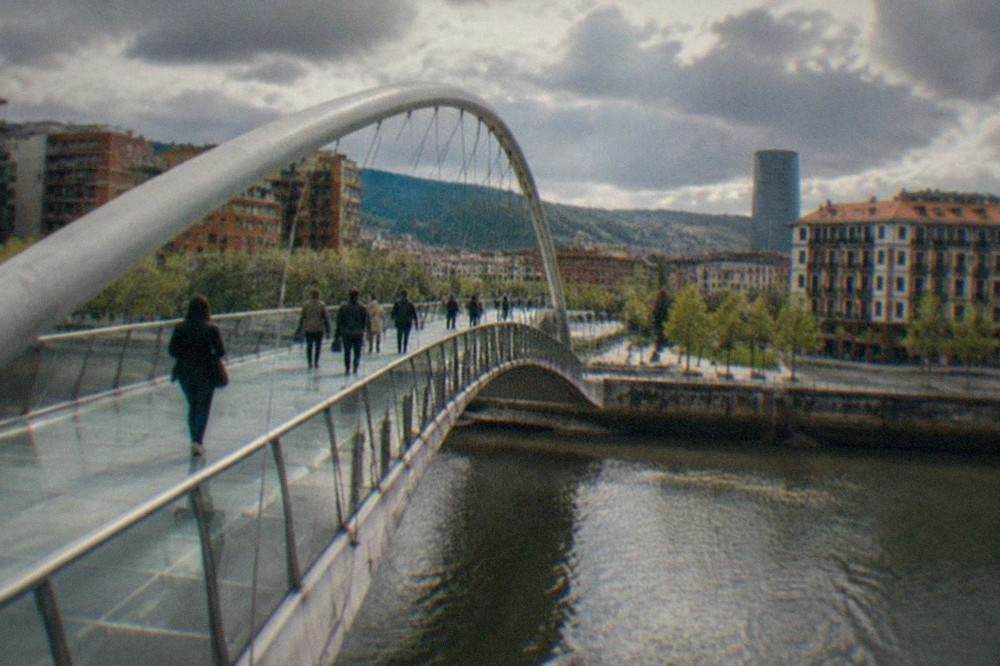
The Zubizuri Bridge crosses the Nervión between the north-bank riverside promenade and the Uribitarte bank in central Bilbao, Spain, and the closest rail stops are the Abando and Casco Viejo areas served by Metro Bilbao, the tram along the riverside, and Bilbobus city buses. A Barik card makes any of these trips cheap: the CTB Barik fares page gives Metro Zone 1 at 1.02 EUR.
In practice visitors typically arrive on foot, because the bridge sits inside the walkable spine of the city. Coming from the Casco Viejo side, the riverside Paseo del Arenal leads directly onto the north-bank promenade, and the bridge appears where the promenade meets the curve of the river at the Teatro Arriaga end. Coming from the Abando and Ensanche side, you cross the estuary at the city-centre bridges and pick up the Uribitarte bank, where restaurants and terraces line the water directly beneath the bridge's white arch.
Public transport options are genuinely cheap with the right card. The CTB Barik fares page gives Metro Zone 1 at 1.02 EUR with Barik Creditrans against 2.00 EUR for a single ticket without the card, the Bilbao Tram runs at 0.74 EUR with Barik against roughly 2.00 EUR occasional, and Bilbobus charges 1.70 EUR single against roughly 0.73 EUR base with Barik. The Barik card itself is commonly reported to cost 3 EUR to buy, a figure that comes from secondary sources rather than an official CTB page, so treat the purchase price as provisional. The Bilbao Bizkaia Card site states its tourist alternative runs 10 EUR for 24 hours, 15 EUR for 48 and 20 EUR for 72, covering unlimited transport plus attraction discounts.
| Option | Fare with Barik | Fare without Barik | Notes |
|---|---|---|---|
| Metro Bilbao, Zone 1 | 1.02 EUR | 2.00 EUR | Single ticket valid 2 hours |
| Bilbao Tram | 0.74 EUR flat | about 2.00 EUR | Runs along the estuary |
| Bilbobus city bus | about 0.73 EUR base | 1.70 EUR | City-wide network |
| Bilbao Bizkaia Card 24h | 10 EUR | same | Unlimited transport plus discounts |
| Bilbao Bizkaia Card 48h | 15 EUR | same | Personal, non-transferable |
| Bilbao Bizkaia Card 72h | 20 EUR | same | Best value for a 3-day stay |
If you are planning a fuller day around the riverside, a guided walk or ride saves route-finding in a city whose bridges and banks are the whole point. These are the options visitors can pair with a bridge-to-bridge day:
What Can You See From The Zubizuri Bridge In Bilbao?
From the deck of the Zubizuri Bridge you can see the Nervión estuary bending through central Bilbao, the Teatro Arriaga and the Casco Viejo rooftops upstream, the Euskalduna conference centre and the Guggenheim district downstream, and the hills of the city framing both ends of the river. The bridge's low height puts you close to the water, so the view is a river-level panorama rather than a lookout.
Upstream, the view closes on the Old Town: the Teatro Arriaga opera house stands near the bridge's north-bank end, and beyond it the seven streets of the Casco Viejo rise towards the Basilica de Begoña on its hill. Downstream, the river widens towards the Abandoibarra district, where the Guggenheim Museum Bilbao's titanium curves and the Euskalduna Palace mark the museum quarter. The contrast is the story of modern Bilbao in one glance: medieval street plan at one end, post-industrial architecture at the other, and the estuary running between them.
Photographers should note that the bridge itself is the foreground of most good shots rather than the viewpoint. The classic composition is taken from the banks, with the white arch reflected in the river, and the light is generally kindest in the morning when the sun is low over the Ensanche side. AEMET's Bilbao Aeropuerto/Loiu (station 1082) normals show why you should plan for weather flexibility: the city averages 1,134 mm of rain a year, with November the wettest month at 147 mm and July the driest at 50 mm, so a wet-lens photograph is a real possibility in any season.
| Direction | What you see | Character of the view |
|---|---|---|
| Upstream | Teatro Arriaga, Casco Viejo rooftops | Historic core, dense and tiled |
| Downstream | Abandoibarra, Euskalduna Palace district | Modern architecture, open quays |
| North bank | Riverside promenade | Riverside walk, plane trees |
| South bank | Uribitarte restaurants and terraces | Glass-fronted dining, water-level |
| River itself | Tidal Nervión estuary | Tidally influenced, about 15 km from the Bay of Biscay |
How Does The Zubizuri Bridge Compare With Bilbao's Other Bridges?
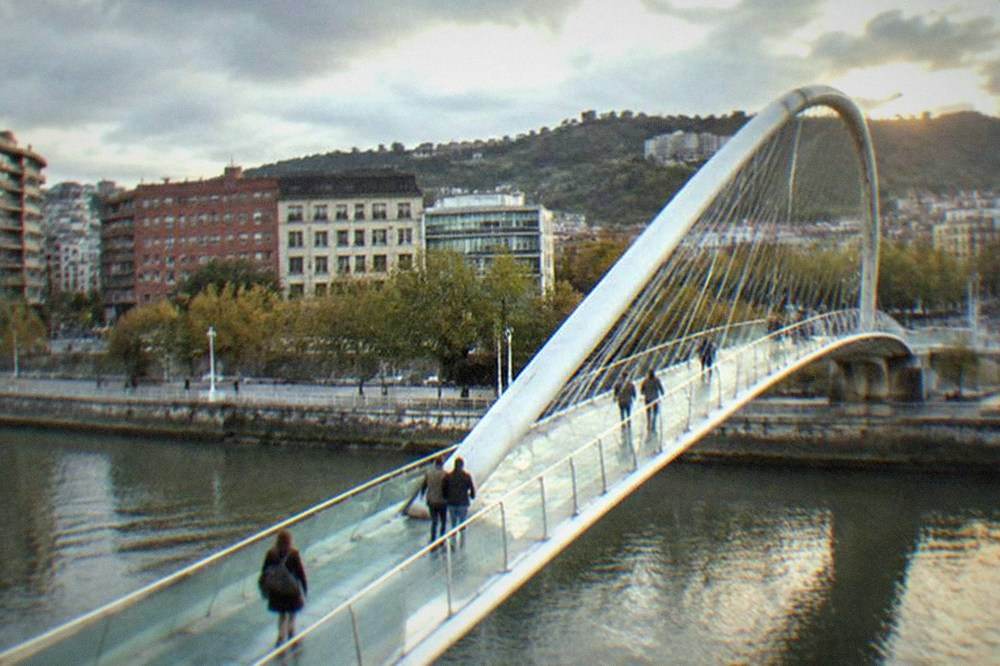
The Zubizuri Bridge is one of several landmark crossings over the Nervión in Bilbao, Spain, and each plays a different role: the Zubizuri is the white footbridge, the Puente de la Salve carries road traffic beside the Guggenheim, the stone bridges of the Old Town carry the historic centre, and the Vizcaya Bridge at Portugalete is a UNESCO-listed transporter bridge 0.60 EUR to ride.
The Puente de la Salve is the Zubizuri's closest rival for photographers, because its red arches frame the Guggenheim from the east and a viewing walkway was added to it as part of the museum district's public realm. The two bridges make a natural pairing: cross the Zubizuri on foot, walk the north-bank promenade downstream, and you arrive at the Salve with the museum between them. The stone crossings further upstream, around the Casco Viejo, are older, heavier and busier, built for the city's everyday traffic rather than for its image.
The Vizcaya Bridge belongs in a different category altogether, and it is the one bridge in the wider area with world-heritage status: UNESCO inscribed it in 2006 as the first industrial heritage site in Spain on the list. Its gondola carries pedestrians across the estuary at Portugalete for 0.60 EUR one-way in daytime hours, higher at night, and the upper walkway ticket is reported at 11 EUR adult round-trip, 9 EUR reduced, a single-source figure that should be treated as indicative rather than confirmed. It is reachable by Metro towards Getxo and makes a strong half-day trip once you have seen the central bridges.
| Bridge | Type | Role | Cost to cross |
|---|---|---|---|
| Zubizuri | White footbridge | Pedestrian river crossing, landmark | Free |
| Puente de la Salve | Road bridge with viewing walkway | Traffic crossing near the Guggenheim | Free |
| Old Town stone bridges | Historic multi-span bridges | Everyday crossings at the Casco Viejo | Free |
| Vizcaya Bridge, Portugalete | UNESCO transporter bridge | Gondola ferry over the estuary mouth | 0.60 EUR gondola, one-way daytime |
| Vizcaya Bridge walkway | Upper catwalk | Tourist viewpoint crossing | Reported 11 EUR adult round-trip |
What Is There To Do Near The Zubizuri Bridge In Bilbao?
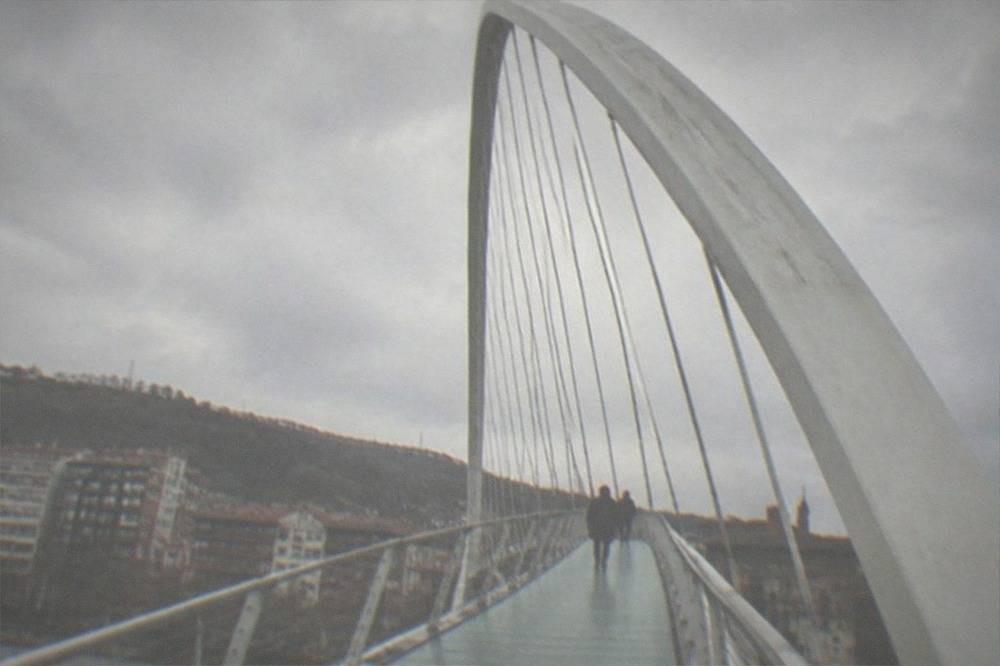
Within a short riverside walk of the Zubizuri Bridge you can visit the Guggenheim Museum Bilbao (adult ticket 18 EUR, open Tuesday to Sunday 10:00 to 19:00), the Casco Viejo and its seven streets, the Mercado de la Ribera, the Teatro Arriaga, and the Azkuna Zentroa cultural centre, making the bridge the natural mid-point of a walking day through Bilbao, Spain.
The Guggenheim is the headline stop. The museum's own site lists adult admission at 18 EUR, students and seniors at 9 EUR, under-18s free, and opening hours of Tuesday to Sunday 10:00 to 19:00, extending to 20:00 during Easter week and again from 15 June to 13 September. From the Zubizuri, the walk downstream along the north-bank promenade delivers you to the museum's riverside facade, the side that visitors tend to photograph first. If you want the museum explained rather than just entered, a small-group guided option exists:
On the Old Town side, the Casco Viejo rewards an hour or two of aimless wandering, and the Mercado de la Ribera sits at its river edge. The Azkuna Zentroa, the former wine warehouse turned cultural centre with its famous multi-coloured columns, lies a few blocks south of the Uribitarte bank. The Bilbao Fine Arts Museum is the one attraction with a date-specific caveat: it is closed from 31 August to 5 October 2026 for final renovation works, reopens 6 October 2026 with a free entry week from 6 to 13 October, and from 14 October charges 12 EUR general admission with a joint Artean pass with the Guggenheim at 16 EUR, all per single-source reporting that should be checked on the museum's own page before you plan around it.
| Attraction | Direction from the bridge | Key fact from official sources |
|---|---|---|
| Guggenheim Museum Bilbao | Downstream, north bank | Adult 18 EUR, Tue-Sun 10:00-19:00, summer to 20:00 |
| Teatro Arriaga | At the north-bank end | Opera house at the Old Town river edge |
| Mercado de la Ribera | Upstream in the Casco Viejo | Market hall at the Old Town river edge |
| Azkuna Zentroa | South of the Uribitarte bank | Cultural centre in a former wine warehouse |
| Bilbao Fine Arts Museum | Downstream, past the Guggenheim | Closed 31 Aug-5 Oct 2026, reopens 6 Oct 2026 |
| Basilica de Begoña | Hill above the Casco Viejo | Overlooks the Old Town from the north |
For a deeper route through the Old Town side of the river, the walking itineraries on this site cover the ground in detail: the Casco Viejo Old Town area guide maps the seven streets, and the Guggenheim Museum Bilbao attraction page covers tickets and timing in full. If your day runs long, the Puente de la Salve page picks up where the riverside walk ends.
When Is The Best Time Of Year To Photograph The Zubizuri Bridge?
The best months to photograph the Zubizuri Bridge in Bilbao, Spain are July and August, when AEMET's station 1082 normals show the warmest and driest conditions of the year, 20.4 and 20.9 C mean temperature with 50 and 76 mm of rain respectively. November is the most difficult month, averaging 147 mm of rain, though the bridge's white arch against a wet grey sky has its own appeal.
Bilbao's climate is temperate oceanic, Atlantic-influenced, never Mediterranean and never continental, and that shows in the rainfall distribution: every single month of the year averages measurable rain, from the 50 mm of July to the 147 mm of November. What that means in practice is not that you need a dry-season trip, it is that you need a flexible window. June and September sit close behind the summer peak, at 60 mm and 73 mm respectively, with mean temperatures of 18.4 and 19.2 C, and both months bring softer light than high summer.
Winter photography has one advantage worth trading for the rain: the sun sits low over the estuary, and the white arch catches long-angle light in the late afternoon. January and December average 9.3 and 9.9 C with 120 and 122 mm of rain, so the trade is real, but the crowds are thinner and the riverside restaurants have their terraces enclosed rather than abandoned.
| Month | Mean temp (C) | Rain (mm) | Photographing conditions |
|---|---|---|---|
| January | 9.3 | 120 | Low winter light, wet, uncrowded |
| March | 11.5 | 90 | Fresh spring colour on the banks |
| July | 20.4 | 50 | Driest month, strongest light |
| August | 20.9 | 76 | Warmest month, evening light to 20:00+ |
| September | 19.2 | 73 | Soft light, fewer visitors than July |
| November | 12.4 | 147 | Wettest month, dramatic grey skies |
Is The Zubizuri Bridge Free To Cross, And Is It Accessible?
Yes, the Zubizuri Bridge is completely free to cross, with no ticket, gate or restricted hours, because it is a public pedestrian footbridge on the Bilbao riverside network. The deck is open to wheelchairs and pushchairs as a riverside walkway, and the city's wider accessibility record is strong: Metro Bilbao stations carry elevators and tactile paving, and the whole Bilbobus fleet is reported as low-floor and accessible.
The accessibility picture around the bridge matters more than the bridge itself, because the riverside promenades on both banks are the approach routes. The Guggenheim's own site describes full wheelchair accessibility at the museum, with two accessible entrances, elevators between floors and loaner wheelchairs at the coatroom, and the fresh municipal reporting on this site's accessibility page covers the transport network in more detail: accessibility in Bilbao is documented across Metro, bus and tram.
One honest caveat about the bridge deck: its original glass-floor panels were widely reported as slippery in rain, and parts of the walking surface have been adapted over the years. In wet weather, which AEMET's normals say you should expect in any month, treat the deck with normal caution and keep to the outer walkway lines. The bridge is short, the approaches on both banks are level, and there are no stairs between the promenade and the deck on either side.
How Do You Fit The Zubizuri Bridge Into A Day In Bilbao?
The most efficient way to fit the Zubizuri Bridge into a Bilbao day is to treat it as the mid-point of a riverside loop: start in the Casco Viejo in the morning, cross the bridge to the Uribitarte side, walk downstream past the Guggenheim to the Euskalduna Palace, then return by tram or metro. The loop needs no ticket for the bridge itself, only a Barik card if you ride back.
A sample order works like this. Begin at the Casco Viejo while the morning light is on the Old Town, taking in the Catedral de Santiago and the Mercado de la Ribera before the lunch queues form. Walk the Paseo del Arenal to the north-bank riverside promenade, cross the Zubizuri, and pause on the Uribitarte bank for the classic arch reflection photograph. Continue downstream along the Abandoibarra to the Guggenheim, budgeting the museum's own listed hours, Tuesday to Sunday 10:00 to 19:00 with 20:00 closing in the summer window from 15 June to 13 September, then end at the Euskalduna Palace or the Doña Casilda park behind it.
The return leg is where the transport fares from earlier in this page earn their keep: the tram runs back along the estuary at 0.74 EUR with a Barik card, and Metro Zone 1 is 1.02 EUR. If the day is a short one, the one day in Bilbao itinerary compresses this same loop, and the rainy day Bilbao guide reroutes it around the museums when the estuary weather turns, which AEMET's 1,134 mm annual average says it will.
| Time of day | Stop | Why then |
|---|---|---|
| Morning | Casco Viejo and Mercado de la Ribera | Light on the Old Town, market at its liveliest |
| Late morning | Paseo del Arenal to the Zubizuri | Riverside walk before the deck gets busy |
| Midday | Uribitarte banks for lunch | Terraces sit directly under the arch |
| Afternoon | Abandoibarra and the Guggenheim | Museum hours run to 19:00, 20:00 in summer |
| Evening | Euskalduna Palace and return by tram | Sunset over the estuary, cheap ride back |
For visitors who prefer the city explained rather than self-guided, the guided options that pair best with this riverside loop are below. The food walk is the natural fit, because the Uribitarte and Old Town ends of the bridge are two of the city's best eating areas:
A food-led option that starts near the bridge's Old Town end:
Common Questions About The Zubizuri Bridge In Bilbao
Is the Zubizuri Bridge in Bilbao free to cross?
Yes. The Zubizuri Bridge is a public pedestrian footbridge with no ticket, no gate and no restricted hours. You can cross it at any time of day or night at no cost, and both banks it connects, the north-bank riverside promenade and the Uribitarte side, are public walkways.
What does the name Zubizuri mean?
Zubizuri means "white bridge" in Basque, a reference to the white finish of its single leaning arch and curved deck. The bridge is one of the landmark crossings of the Nervión estuary in central Bilbao.
How far is the Zubizuri Bridge from the Guggenheim Museum Bilbao?
The bridge sits a short riverside walk from the Guggenheim Museum Bilbao along the north-bank promenade on the Abandoibarra route. The museum's own site lists adult admission at 18 EUR and opening hours of Tuesday to Sunday 10:00 to 19:00, extended to 20:00 during Easter week and from 15 June to 13 September.
Can you see the Zubizuri Bridge from the river?
Yes, and the river is one of the best places to see it. The estuary boat trips that run along the Nervión pass beneath the white arch, and the classic photograph of the bridge, its arch reflected in the water, is taken from the banks rather than from the deck. This site's Ría de Bilbao boat tour page covers the cruise options.
Is the Zubizuri Bridge accessible for wheelchairs?
Yes. The bridge deck is a public walkway reachable from level promenades on both banks, with no stairs on either approach. The surrounding transport network is documented as highly accessible: Metro Bilbao stations carry elevators and tactile paving, and the Bilbobus fleet is reported as fully low-floor with ramps and reserved wheelchair spaces.
When is the best time to visit the Zubizuri Bridge?
July and August bring the warmest, driest weather in Bilbao, with AEMET's station 1082 normals showing 20.4 and 20.9 C mean temperature and 50 and 76 mm of rain. June and September are close behind and less crowded. In any month, the bridge is free and open around the clock, so a rainy-day visit costs nothing but a coat.
The Zubizuri Bridge is a five-minute crossing that anchors an entire day of riverside Bilbao: free to use, always open, and positioned exactly where the Old Town, the museum district and the estuary meet.