Accessible Bilbao: A Practical Guide For Wheelchair Users And Slow Walkers
Bilbao, in Spain's Basque Country, is one of Western Europe's more manageable cities for wheelchair users and slow walkers, and this guide covers the verified details: which transport is step-free, which attractions have ramps and loaner wheelchairs, what the fares cost, and how to plan an accessible itinerary.
Short answer
Bilbao's metro, the entire Bilbobus fleet, the tram and the Funicular de Artxanda are all wheelchair accessible, and the Guggenheim Museum offers two dedicated accessible entrances plus loaner wheelchairs. Fares with a Barik card run from about 1 EUR per metro zone trip, and the city's steep hills are mitigated by lifts and escalators.
Bilbao, the largest city in Biscay (Bizkaia) province in the Basque Country of northern Spain, has spent two decades deliberately re-engineering itself for accessibility, and the results show in the official numbers rather than in marketing copy. The municipal bus fleet is fully low-floor and wheelchair equipped, the metro network publishes a dedicated accessibility guide covering elevators, tactile paving and priority boarding, and the Guggenheim Museum lists two step-free entrances, loaner wheelchairs and an induction-loop auditorium on its own accessibility pages. This guide gathers the verified specifics in one place, so a visitor planning an accessible trip through Bilbao Travel Guide can see what actually works, what costs what, and where the city's famous hills still require planning.
Is Bilbao Accessible For Wheelchair Users And Visitors With Reduced Mobility?
Yes, Bilbao is broadly accessible for wheelchair users and visitors with reduced mobility, with fully step-free public transport, an award-winning pedestrian network of lifts and ramps in its steepest districts, and major attractions such as the Guggenheim Museum and the Funicular de Artxanda offering dedicated step-free access. The city's official mobility programme covers tactile paving, acoustic traffic signals and hundreds of designated disabled parking spaces, roughly one per forty in the municipal total.
The honest framing matters here. Bilbao sits in a steep river valley, and the jump between the Old Town's Seven Streets and the riverside promenades of Abandoibarra is real. What separates this city from most of its size is that the municipality has treated those slopes as an engineering problem to solve publicly rather than ignore. Public lifts and escalators link the vertical districts, acoustic traffic signals and tactile paving run through the central streets, and the municipal website itself carries AENOR AA accessibility certification, a signal that the city applies accessibility standards to its own services rather than just to its visitor messaging.
The regional tourism authority, Visit Biscay, publishes dedicated accessible-tourism pages covering individual sites, which is worth knowing because it means accessibility details are maintained as practical information rather than buried in fine print. For a general orientation to the city before diving into specifics, our Bilbao first-timers overview covers the geography, and our guide to getting around Bilbao explains the transport system as a whole.
How Accessible Are Metro Bilbao, Bilbobus And The Tram?
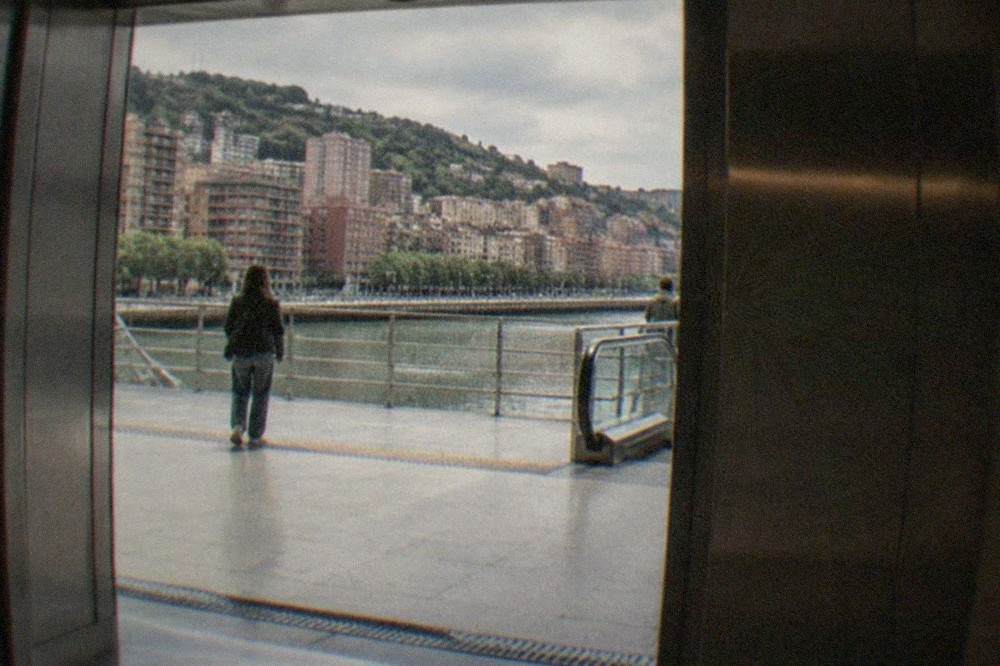
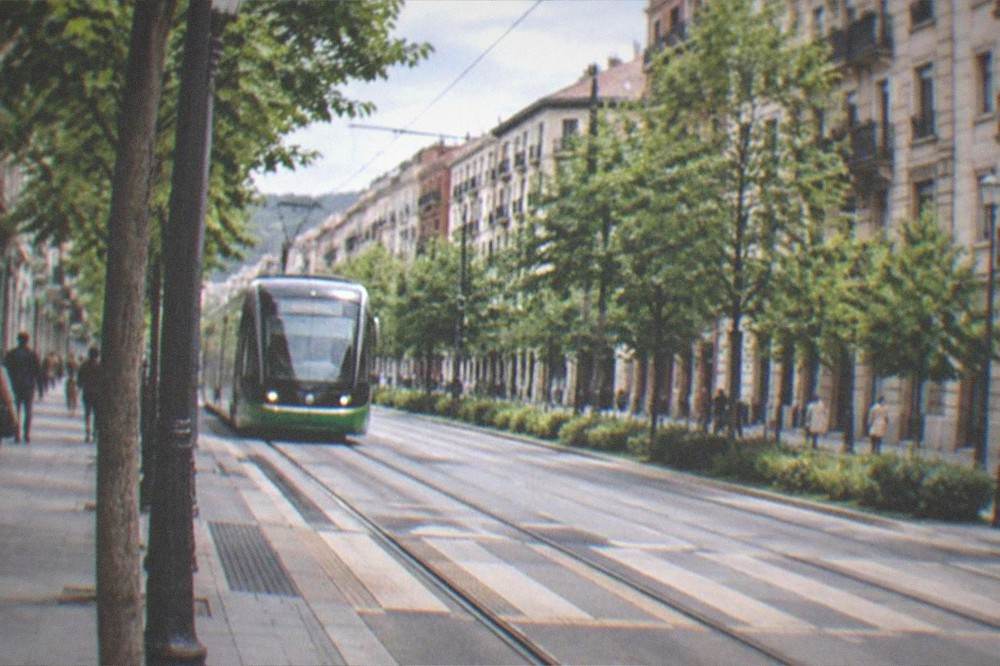
Metro Bilbao is fully wheelchair accessible, with elevators at stations covering both the street-to-vestibule and vestibule-to-platform levels, wide ticket validators sized for wheelchairs and mobility aids, tactile paving, on-board audio announcements and reserved spaces in the trains. Bilbobus, the city bus network, is 100 percent accessible across its entire 141-bus fleet, and the Bilbao tram is an adapted, low-floor system integrated into the same network.
The metro's own 2025 accessibility brochure is the primary source here, and it details more than the basics: escalators with green step lighting, adaptations for visual and cognitive needs, and priority elevator access for wheelchair users. Around 2024 the network also rolled out new accessible maps across all stations, using pictograms and QR codes that link to voice and easy-read information. Trains reserve spaces for wheelchair users in the first and last cars, and announcements are both visual and audio.
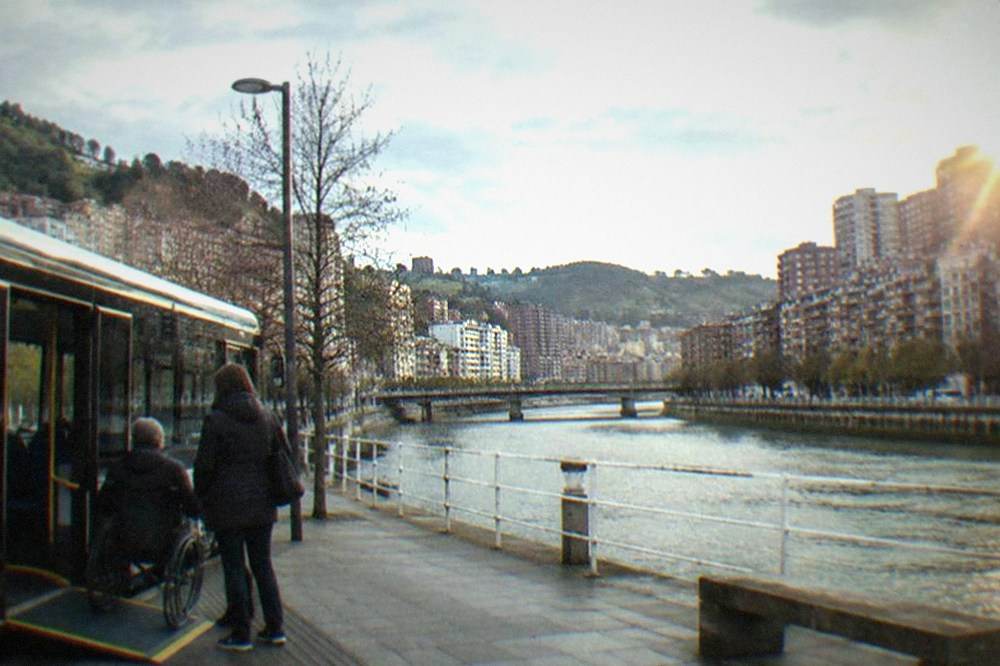
Bilbobus deserves its own paragraph because full-fleet accessibility is rare. Every one of the 141 buses is low-floor with kneeling suspension, electric or manual ramps, reserved wheelchair spaces with anchors and safety features, priority seating, bilingual audio-visual stop announcements and Braille buttons. One detail that matters for companions: a companion travelling with a wheelchair user or a person with recognised high dependency travels free on Bilbobus. The tram, operated by Euskotren Tranbia, is described in official city and museum sources as adapted and accessible, consistent with the low-floor, ramp-equipped design of the wider network.
| Mode | Step-free status | Key features | Companion rule |
|---|---|---|---|
| Metro Bilbao | Fully accessible | Elevators at both levels, wide validators, tactile paving, reserved train spaces | Priority elevator access |
| Bilbobus | 100% of 141 buses | Low-floor, kneeling, ramps, anchored wheelchair spaces, Braille buttons | Companion travels free |
| Bilbao tram | Adapted, low-floor | Ramps, integrated with metro and bus network | Standard CTB rules |
| Funicular de Artxanda | Wheelchair accessible | Ramp at lower station, step-free first carriage, lift at upper station | Free companion travel |
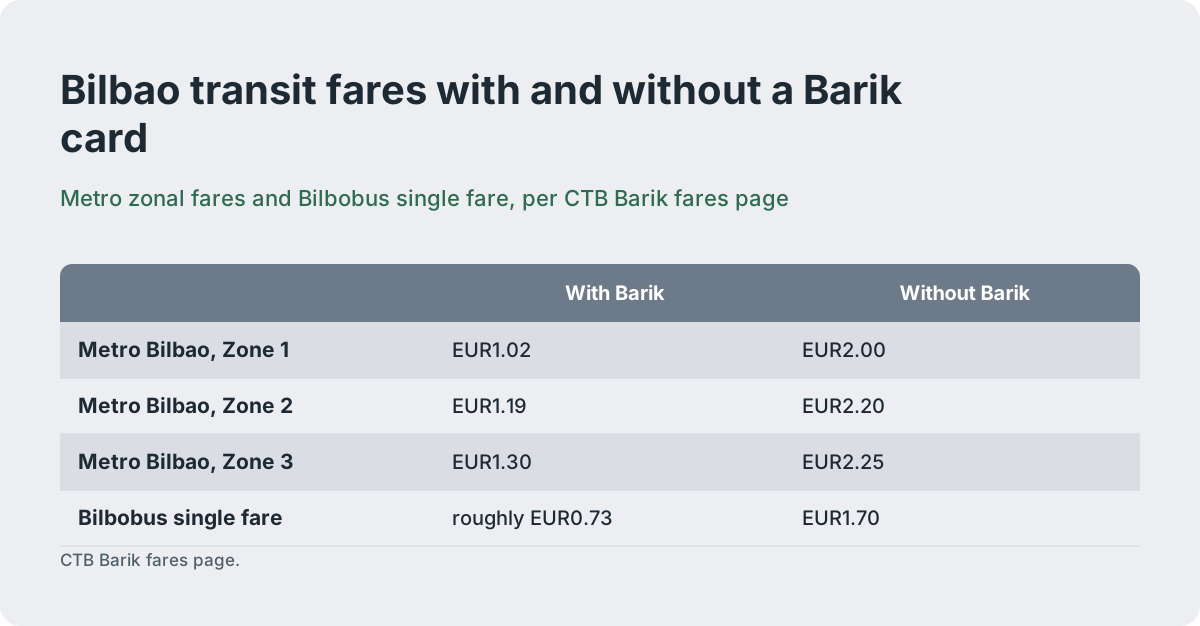
Fares are zonal and cheap with the right card. The CTB Barik fares page gives Metro Zone 1 at EUR1.02 with a Barik Creditrans card, Zone 2 at EUR1.19 and Zone 3 at EUR1.30; without a Barik card a Metro single is EUR2.00 for one zone, EUR2.20 for two and EUR2.25 for three, valid for two hours. A Bilbobus single is EUR1.70 without Barik, roughly EUR0.73 at the Barik base fare, and the tram charges a flat EUR0.74 with Barik. The Barik card itself is commonly reported to cost EUR3 to buy, non-refundable, though that purchase price comes from a secondary source rather than an official CTB fares page. For a fuller fare breakdown, see our Bilbao Bizkaia Card guide, which covers the 24-hour (EUR10), 48-hour (EUR15) and 72-hour (EUR20) tourist cards that bundle unlimited transport with attraction discounts.
Which Bilbao Attractions Are Step-Free, Including The Guggenheim?
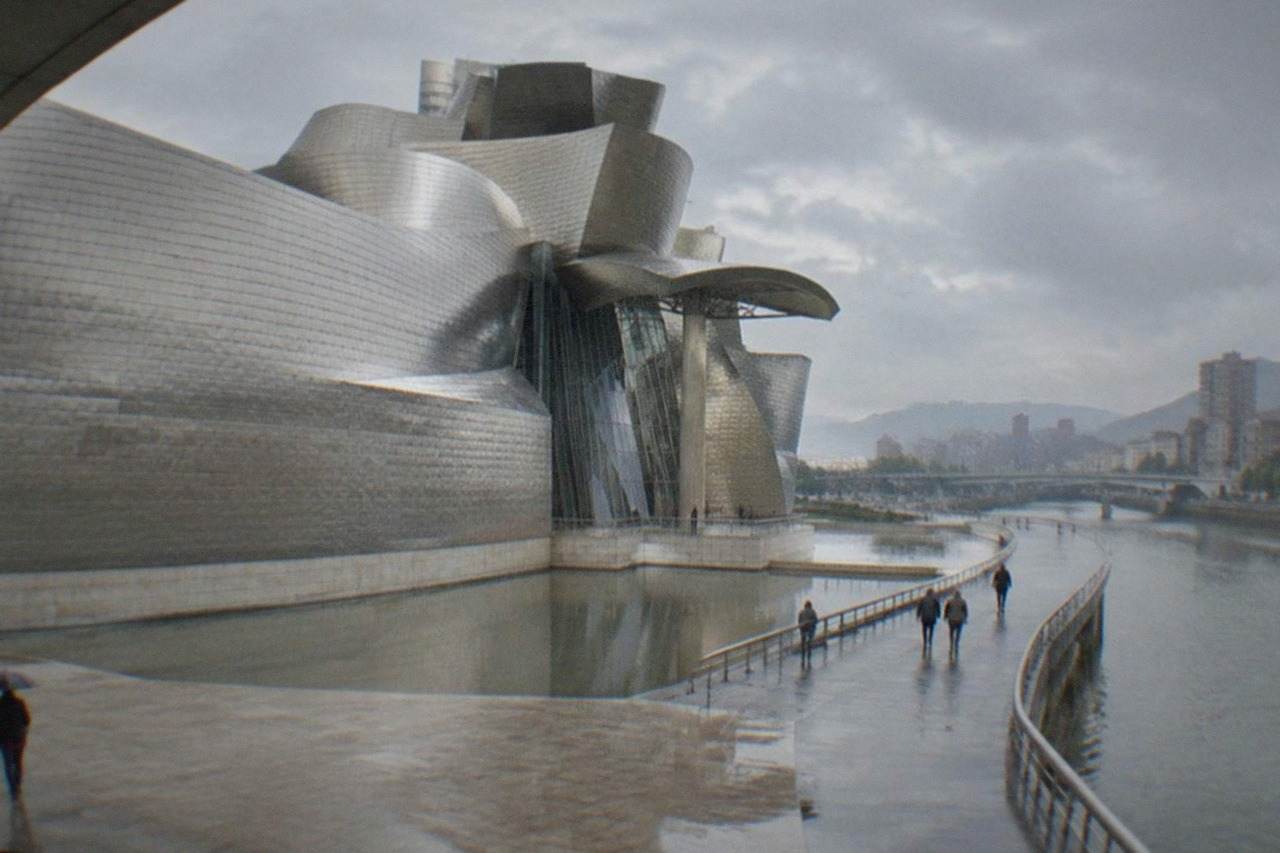
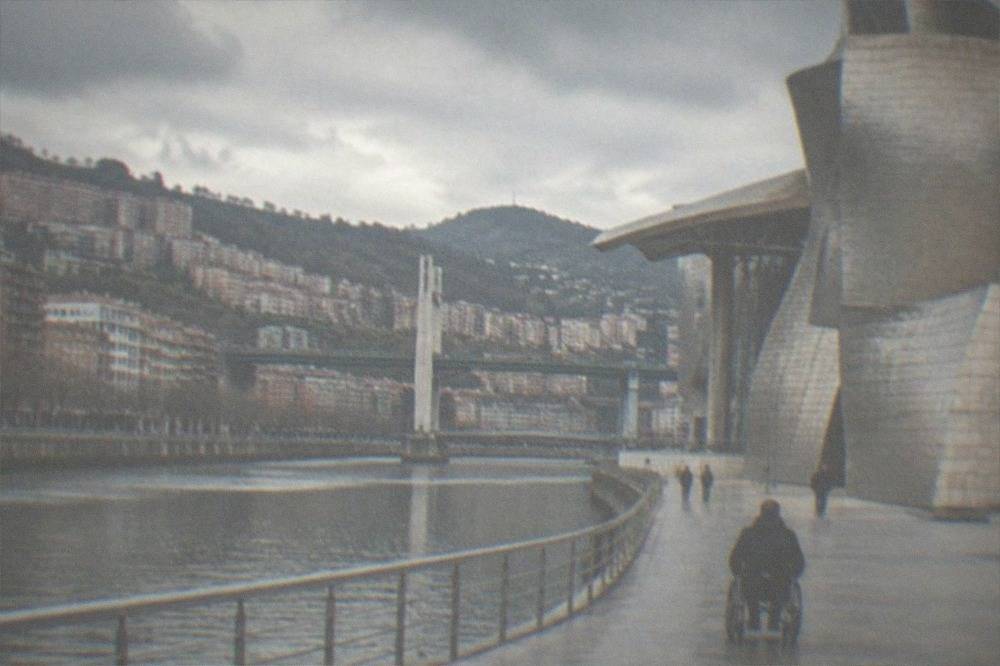
The Guggenheim Museum Bilbao is fully wheelchair accessible with two dedicated accessible entrances, one via an elevator through the bar area on the main facade and one via a ramp on the riverside facade, plus loaner wheelchairs at the coatroom, large elevators between floors, accessible restrooms throughout and an induction-loop auditorium. The museum offers a disability discount with proof, and staff assistance is available on request.
The Guggenheim's own accessibility page is unusually specific, which is why it anchors this section. Beyond the entrances, every restroom has an accessible toilet, the auditorium has reserved wheelchair spaces, desks are adapted, and the museum's restaurants and bar are accessible. Getting there is also covered: the museum's own getting-here page describes public transport to the site as accessible, tying into the metro, bus and tram details above.
The rest of the core sightseeing list holds up well. The Funicular de Artxanda, covered in its own section below, is wheelchair accessible in both directions. The riverside promenades of Abandoibarra, where the Guggenheim sits, are flat and step-free, which makes the museum district the natural base for an accessible day. The Bilbao Fine Arts Museum, adjacent to Doña Casilda park, is closed for final renovation works until it reopens on 6 October 2026, with a free entry week from 6 to 13 October and a general adult admission of EUR12 from 14 October; its post-renovation accessibility layout is reported but was not independently verified, so check directly for the reopening configuration. Our Bilbao museums guide tracks the full collection.
| Attraction | Step-free entry | Loaner wheelchair | Notes from official pages |
|---|---|---|---|
| Guggenheim Museum Bilbao | Yes, two entrances (elevator and ramp) | Yes, at coatroom | Induction loop, accessible restrooms, disability discount |
| Funicular de Artxanda | Yes, ramp and step-free carriage | Not stated | Free companion travel, lift at upper station |
| Riverside promenade, Abandoibarra | Yes, flat route | n/a | Connects Guggenheim, Zubizuri and Euskalduna area |
Food is the other half of any Bilbao visit, and the Old Town's medieval street plan is the one place where reduced mobility needs a plan. The Seven Streets are cobbled and occasionally steep, and the pintxos bars around Plaza Nueva have the doorsteps and crowded interiors typical of buildings centuries old. A guided food walk solves the pacing problem: the guide chooses the route, the bars and the timing, and the group moves at a shared speed rather than at the rush of a self-directed crawl. Our best pintxos in Bilbao guide names the bars worth building a route around, and the wider Bilbao food guide covers restaurant dining, which is often easier than bar-standing for visitors who need seating.
Is The Funicular De Artxanda Wheelchair Accessible?
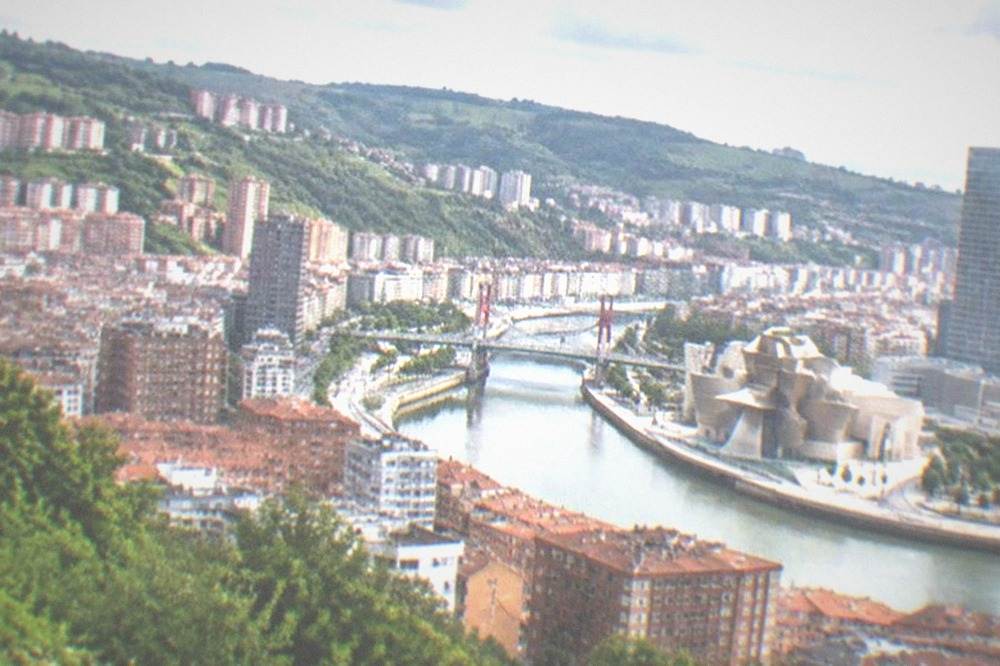
Yes, the Funicular de Artxanda is wheelchair accessible end to end: the lower station has ramp access with doors at least 80 cm wide, the first carriage offers level, step-free boarding, and a lift at the upper station carries visitors from the platform to the street and viewpoint level with adequate turning space. One companion of a wheelchair user or a blind person travels free, and the service runs every 10 minutes at peak times and every 15 minutes otherwise, with a ride of about 3 minutes.
The details come from Visit Biscay's dedicated accessible-tourism page for the funicular, which is the level of specificity worth seeking out: door widths, turning space and the companion policy are all stated outright. The upper station lift matters most, because the point of the trip is the panoramic view over the city and the estuary from the Artxanda hillside, and without that lift the platform would be a dead end. Accessible Bilbobus lines connect the upper area, so the return journey can be made by bus rather than funicular if that suits better.
Fares are commonly reported as EUR3.50 one-way and EUR6.00 round-trip for occasional tickets, with lower Barik and social tariffs and free travel for children under 6; the fares subpage itself was not independently fetched, so treat those figures as reported rather than officially re-verified. Our Artxanda funicular page covers the ride itself, and the viewpoint is one of the stops on most Bilbao photography routes.
| Funicular de Artxanda detail | Verified specification |
|---|---|
| Lower station access | Ramp, doors at least 80 cm wide |
| Carriage | First carriage step-free, suitable door width |
| Upper station | Lift to street and viewpoint level, adequate turning space |
| Companion policy | Free travel for one companion of a wheelchair user or blind person |
| Frequency | Every 10 minutes peak, every 15 minutes otherwise |
| Ride time | About 3 minutes |
| Reported occasional fare | EUR3.50 one-way, EUR6.00 round-trip |
Can You Do Accessible Day Trips From Bilbao, Including Gaztelugatxe?
Day trips from Bilbao vary sharply by destination: the Vizcaya Bridge at Portugalete is reachable by accessible metro and its gondola crossing is a short level ride, while San Juan de Gaztelugatxe is genuinely not wheelchair accessible, because the hermitage is reached by a steep stone causeway and a long staircase carved into the rock. The coastal towns of Getxo and Bermeo have flat harbourside areas, but Gaztelugatxe is the one headline Basque Country sight that reduced-mobility visitors should plan around rather than attempt.
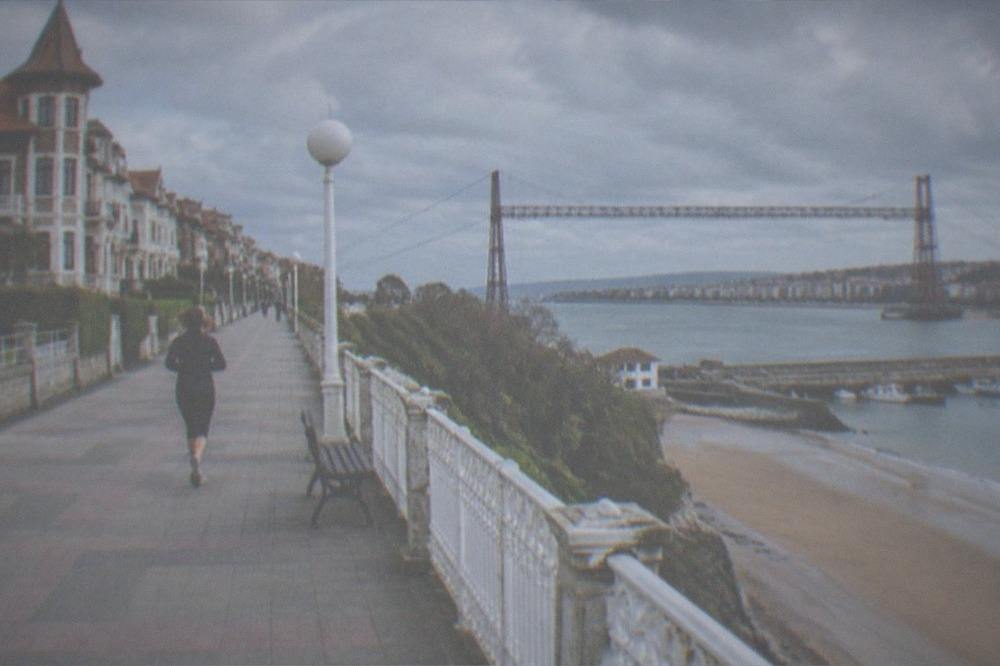
The Vizcaya Bridge, a UNESCO World Heritage Site inscribed in 2006 as the first industrial heritage site in Spain on the list, is the better accessible option. Metro Bilbao Line 1 reaches the Getxo side in under half an hour from the centre, and the bridge's gondola carries pedestrians across the estuary for EUR0.60 one-way in daytime hours, a short level crossing that requires no stairs. The upper walkway ticket, reported at EUR11 adult round-trip with a EUR9 reduced rate, involves the bridge structure itself and should be checked for lift availability on the day. Our Vizcaya Bridge guide covers the crossing in detail.
Gaztelugatxe deserves the honest warning. The site's own access system, which requires a free timed reservation only on official controlled-access days (roughly mid-June to about 20 September daily, plus Easter and holiday weekends, with a daily cap of 1,462 visitors on controlled days and booking always free via tiketa.eus for up to 10 people), governs the causeway and the long stone steps to the hermitage. The viewing area above the car park and the surrounding coastal path sections give a genuine sense of the place, and several day tours from Bilbao include a stop that works for visitors who stay at the viewpoint while others climb. Our Gaztelugatxe guide explains the reservation system fully.
For visitors who want a guided day out with minimal walking, a wine-region trip is a strong alternative: coach-based Rioja tours involve winery visits that are, in the main, ground-floor and step-free, and the Rioja wine day trip guide outlines the options. A small-group history walk in the city itself is another low-strain choice.
| Day trip | Reachable by accessible transport | Step-free at destination | Best reduced-mobility approach |
|---|---|---|---|
| Vizcaya Bridge, Portugalete/Getxo | Yes, Metro Line 1 | Yes, gondola crossing EUR0.60 | Gondola ride and riverside walk |
| Getxo seafront | Yes, Metro Line 1 | Yes, flat promenade | Beach and promenade loop |
| San Juan de Gaztelugatxe | Tour coach or car | No, stone steps to hermitage | Viewpoint visit only |
| La Rioja wineries | Tour coach | Mostly, winery ground floors | Guided wine day trip |
What Does An Accessible Two Days In Bilbao Look Like?
A workable accessible itinerary keeps to the flat riverside spine: day one covers the Guggenheim and the Abandoibarra promenade in the morning, the Fine Arts Museum and Doña Casilda park after, and an evening pintxos dinner in seated restaurants rather than standing bars; day two uses the metro or tram for a morning in the Old Town with a guided walk, the Funicular de Artxanda for the panorama, and a gondola crossing at the Vizcaya Bridge if energy allows. Every leg of this plan uses step-free transport.
The logic is geography. Bilbao's accessible assets cluster along the estuary: the Guggenheim, the Zubizuri and La Salve bridges, the Euskalduna area, the promenades, and the tram line that stitches them together. A visitor who stays near the museum district or the Ensanche can reach the core of the city without ever confronting the Old Town's slopes, then enter the Seven Streets deliberately, via the flat Ribera Market end near the river, rather than accidentally from above.
Timing matters for weather as much as for crowds. AEMET's Bilbao Aeropuerto/Loiu (station 1082) normals show a temperate oceanic climate: July and August are the warmest and driest months at 20.4 C and 20.9 C mean with 50 mm and 76 mm of rain, while November is the wettest at 147 mm and January the coolest at 9.3 C. Rain does not block accessible travel here, but wet cobbles in the Old Town are a genuine slip risk for crutch and cane users, so the driest window is the sensible one for a first visit. Our Bilbao weather guide has the month-by-month detail.
| Month | Mean temperature (C) | Mean rainfall (mm) | Accessibility note |
|---|---|---|---|
| January | 9.3 | 120 | Wet cobbles in Casco Viejo |
| April | 12.6 | 107 | Mild, occasional rain |
| July | 20.4 | 50 | Driest, best for outdoor routes |
| August | 20.9 | 76 | Aste Nagusia crowds, 22-30 August 2026 |
| September | 19.2 | 73 | Warm sea, quieter streets |
| November | 12.4 | 147 | Wettest month, indoor-focus days |
For the pacing question, our how many days in Bilbao page works through the trade-offs, and the one day in Bilbao itinerary can be adapted by substituting the tram for the walking legs. The three days in Bilbao itinerary spreads the same highlights across a gentler tempo.
Where Should Accessible Visitors Stay And What Should They Budget?
Accessible visitors should stay in the flat Ensanche or Abandoibarra districts near the river, where the tram, metro and museums sit within a step-free radius, and budget roughly EUR10 to EUR20 per day for transport using a Bilbao Bizkaia Card (24 hours EUR10, 48 hours EUR15, 72 hours EUR20), which includes unlimited metro, tram, bus and funicular travel plus attraction discounts. There is no tourist tax in Bilbao in 2026; the Bizkaia regional tax takes effect on 1 January 2027.
The district logic follows the terrain. The Ensanche is the flat, gridded commercial heart of the city, and Abandoibarra is the redeveloped riverside strip holding the Guggenheim; both sit on the tram line and within the metro's flat core. The Old Town is atmospheric but cobbled and sloped, better visited than inhabited for reduced-mobility travellers. Our where to stay in Bilbao guide compares the neighbourhoods, and the is Bilbao expensive page prices out a full daily budget.
The tourist tax point is worth dating precisely because it is new. Bilbao's municipal plenary approved its rates in September 2026 for the 2027 start: EUR5 per night at 5-star hotels, EUR4 at 4-star, EUR2 at 3-star, EUR1.50 at 2-star, EUR1 at pensions, and EUR6.50 for tourist apartments, the maximum allowed. A 2026 visitor pays none of this. Reservations made before early February 2026 are generally exempt even once the tax begins, though that detail should be confirmed with the accommodation at booking.
Common Questions About Accessible Bilbao
Is Bilbao accessible for wheelchair users?
Yes. Metro Bilbao is fully step-free with elevators at every station, the entire 141-bus Bilbobus fleet is low-floor and ramp-equipped, the tram is adapted, and the Guggenheim Museum offers two accessible entrances plus loaner wheelchairs. The Funicular de Artxanda is wheelchair accessible with a step-free carriage and a lift at the top.
Is the Guggenheim Museum Bilbao wheelchair accessible?
Yes, fully. The museum's own accessibility page lists two dedicated accessible entrances (an elevator via the bar on the main facade and a ramp on the riverside facade), loaner wheelchairs and portable chairs at the coatroom, large elevators between floors, accessible toilets in every restroom, an induction-loop auditorium and a disability discount with proof. Adult admission is EUR18, and the museum is open Tuesday to Sunday from 10:00 to 19:00, extended to 20:00 in Easter week and from 15 June to 13 September.
Can wheelchair users ride the Funicular de Artxanda?
Yes. The lower station has ramp access with doors at least 80 cm wide, the first carriage boards step-free, and a lift at the upper station reaches the street and viewpoint level. One companion of a wheelchair user travels free, and the service runs every 10 minutes at peak times, every 15 minutes otherwise, with a ride of about 3 minutes.
Is San Juan de Gaztelugatxe accessible?
No, the hermitage itself is not wheelchair accessible: it is reached by a stone causeway and a long staircase with no step-free alternative. The surrounding viewpoint areas are visitable, and a free timed reservation is required only on official controlled-access days (roughly mid-June to about 20 September daily, plus Easter and holiday weekends), with a daily cap of 1,462 visitors on those days and booking always free via tiketa.eus.
How much does accessible transport cost in Bilbao?
With a Barik Creditrans card, Metro Zone 1 costs EUR1.02, Zone 2 EUR1.19 and Zone 3 EUR1.30; without Barik, a metro single is EUR2.00 to EUR2.25 depending on zones. Bilbobus is EUR1.70 single or roughly EUR0.73 with Barik, and the tram is a flat EUR0.74 with Barik. The Bilbao Bizkaia Card offers unlimited transport for EUR10 (24 hours), EUR15 (48 hours) or EUR20 (72 hours).
Is there a tourist tax in Bilbao?
Not in 2026. A Bizkaia regional tourist tax (Norma Foral 3/2026) takes effect on 1 January 2027, with Bilbao's approved rates running from EUR1 per night at pensions to EUR5 at 5-star hotels, plus EUR6.50 for tourist apartments. Reservations made before early February 2026 are generally exempt.
The pattern across every verified source is consistent: Bilbao treats accessibility as documented infrastructure, from the metro's pictogram maps to the funicular's stated door widths, and a visitor who plans around the flat riverside core and the step-free transport spine will find the city more navigable than its hills suggest.