How Many Days Do You Need In Bilbao
Two days covers Bilbao's core; three lets you add Gaztelugatxe or San Sebastián; five turns the city into a base for the whole Basque Country.
Short answer
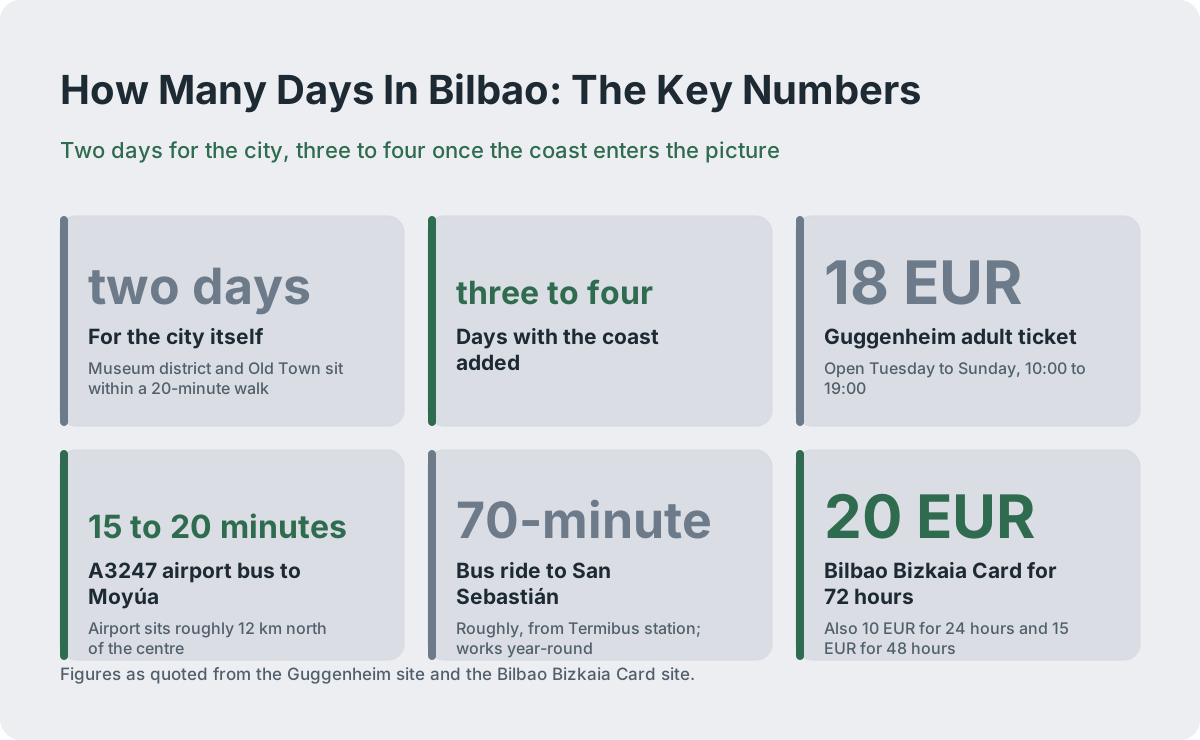
Most visitors need two full days for Bilbao itself and three to four if a coastal day trip is on the list.
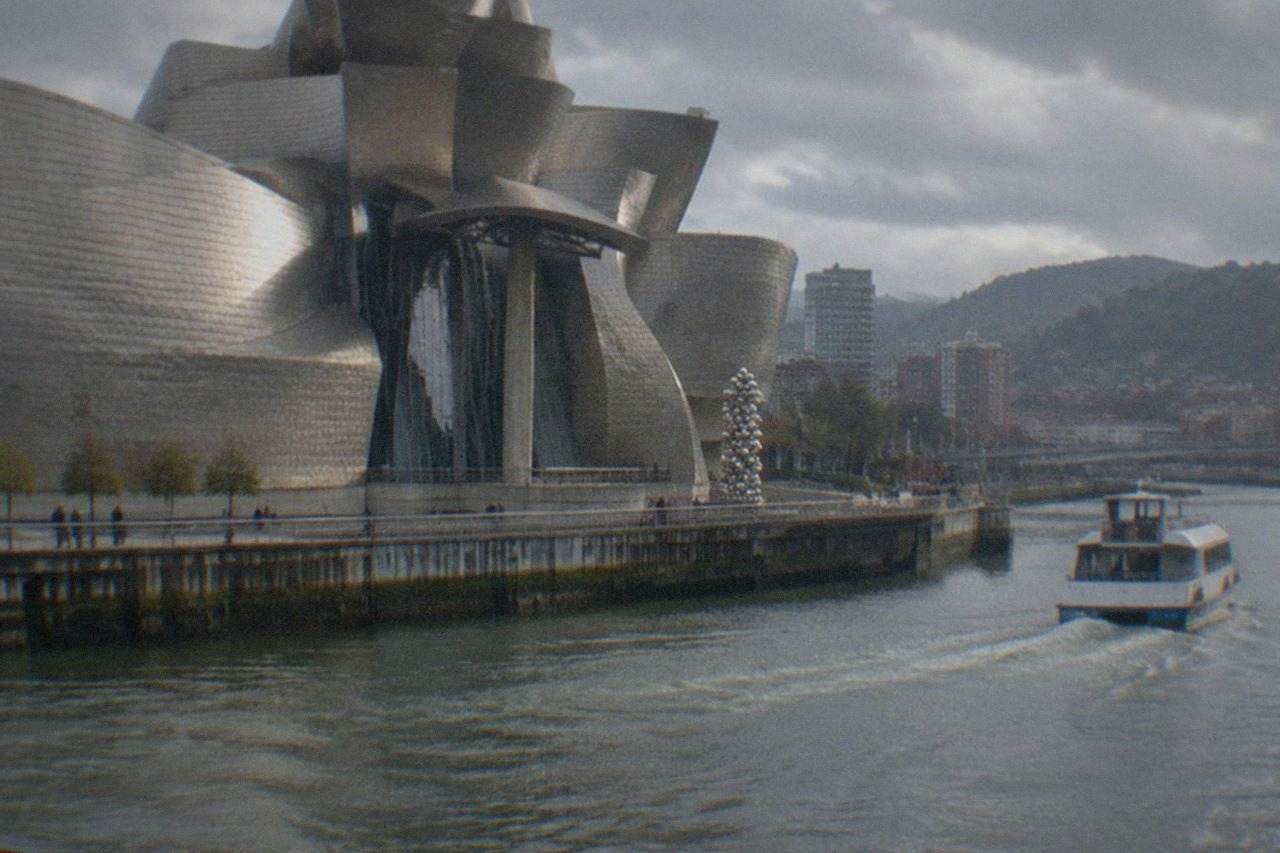
Bilbao, in Biscay (Bizkaia) province, Basque Country (Euskadi), northern Spain, sits on the tidal Nervion estuary about 15 km from the Bay of Biscay, and the honest answer to how many days you need there is: two days for the city, three to four once the coast enters the picture. The city that the Guggenheim Museum transformed into a global destination is compact enough to walk end to end, yet the region around it, from the San Juan de Gaztelugatxe hermitage to the Rioja wine country, is where most itineraries actually earn their length. This guide breaks the decision down by trip style, with verified fares, opening hours and travel times, so the number of days you book matches what you actually want to see. The planning logic here is part of the wider Bilbao Travel Guide coverage, which includes a dedicated things to do in Bilbao roundup.
How Many Days Do You Need In Bilbao?
Two full days is the right minimum for Bilbao itself, covering the Guggenheim and the Old Town without rushing either, and three to four days is the sweet spot once you add one or two day trips beyond the city, such as San Sebastián or the Basque coast. Day one covers the Guggenheim, the Abandoibarra riverfront and the Casco Viejo; day two adds the Fine Arts Museum, the Azkuna Zentroa and either Getxo's Vizcaya Bridge or a deeper food crawl. Stretching to three or four days buys the Basque coast and San Sebastián without rushing either, and anything beyond five days only makes sense if Bilbao is your base for the entire Basque Country.
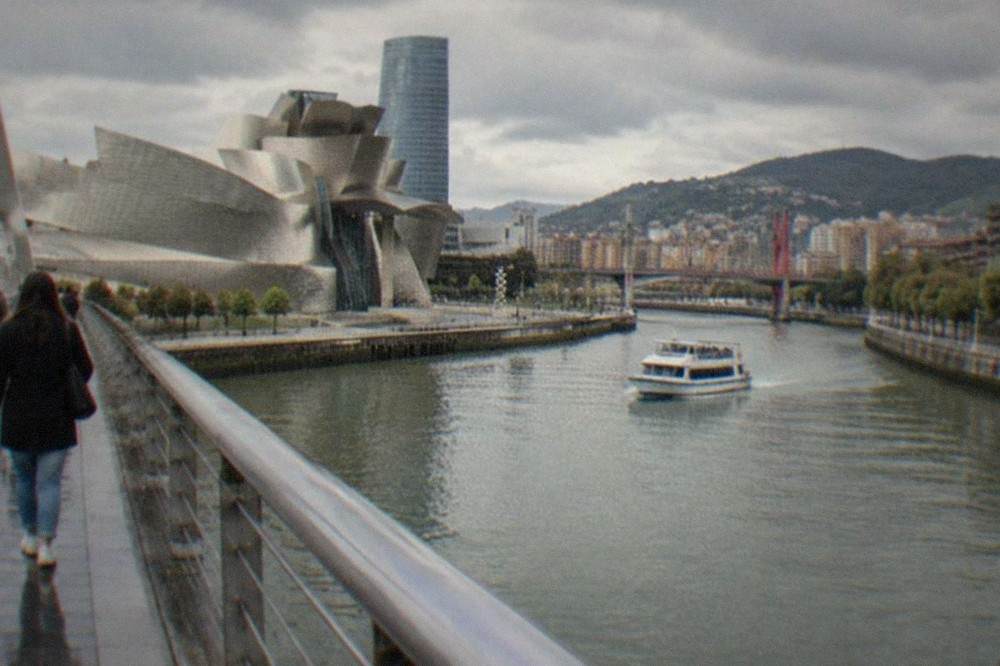
The reason the minimum is two days rather than one comes down to how Bilbao is laid out. The museum district along the estuary and the seven streets of the Old Town sit within a 20-minute walk of each other, but each deserves half a day at a Basque pace, with long lunches and a txikiteo bar crawl in between. Squeeze it into one day and you end up choosing between the Guggenheim's galleries and the pintxos bars of Plaza Nueva, which is a real loss either way.
There is also a pacing argument that first-time visitors tend to underestimate. Bilbao rewards the evening: the estuary walk between the Zubizuri and La Salve bridges, the bars filling around Plaza Nueva after 19:00, the slow drift from one counter to the next. A one-day visitor who arrives mid-morning and leaves before dinner sees maybe half of what the city actually is, because the daytime sights are only one layer of it.
| Trip length | What it comfortably covers | What you sacrifice |
|---|---|---|
| 1 day | Guggenheim, Casco Viejo, one pintxos street | Museums beyond the Guggenheim, Getxo, all day trips |
| 2 days | Full city core, Fine Arts Museum, riverboat or funicular | Any coastal or wine day trip |
| 3 days | City core plus one day trip (Gaztelugatxe or San Sebastián) | Rioja, French Basque Country |
| 4 days | City core plus two day trips | The slower second museum day |
| 5+ days | City, coast, Rioja and San Sebastián at a relaxed pace | Very little |
How you arrive also shapes how many days you actually need on the ground. Bilbao Airport sits roughly 12 km north of the city centre, and the A3247 airport bus takes about 15 to 20 minutes to reach Moyúa, so a flight in on the first morning still leaves most of day one usable. If you land early enough, you can drop bags and be at the Guggenheim before midday, which is why many two-day itineraries work in practice even with travel on the first day.
The other practical lever is the Bilbao Bizkaia Card, which covers public transport in the city and across Bizkaia, including the metro, plus free or discounted entry to museums and other sights. For a two-day stay the 48-hour version usually lines up with the city-core plan, while the 72-hour version makes more sense on a three-day stay built around a day trip, since the transport component covers regional trips like the metro out to Getxo.
One seasonal caveat on day trips: San Sebastián is roughly a 70-minute bus ride from Bilbao's Termibus station, so it works comfortably as a day trip year-round, but Gaztelugatxe and the coastal stops are far better in good weather, when the walk up the hermitage steps and the coastal viewpoints are the whole point. If you are visiting in a wetter month, it is safer to plan three days with San Sebastián as the day trip and leave the coast for a return visit.
What Can You Realistically See In One Day In Bilbao?
One day in Bilbao fits the Guggenheim Museum, the Casco Viejo old town, the estuary riverfront and one serious pintxos crawl, but only if you start at the museum by 10:00 and accept that every other museum stays unchecked. The Guggenheim opens Tuesday to Sunday from 10:00 to 19:00, and an adult ticket costs 18 EUR, so a morning there plus an afternoon in the seven streets is a genuinely full day, not a rushed one. The trade-off is permanent: whatever the single day skips, you skip entirely.
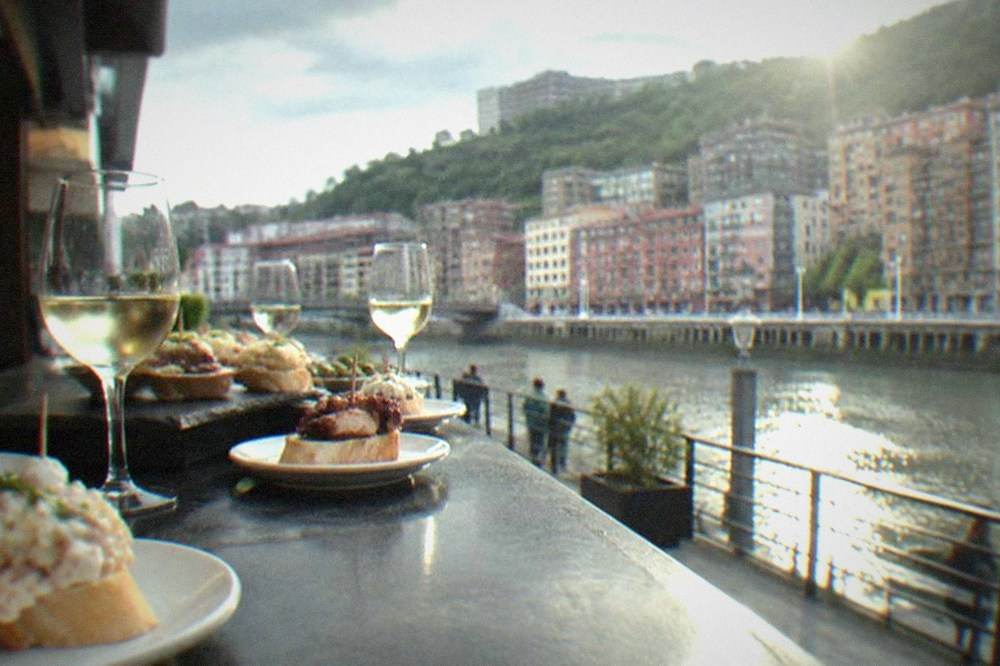
The single-day route practically writes itself. Open at the Guggenheim when doors open, walk the Abandoibarra stretch past the Euskalduna Palace toward the Zubizuri bridge, cross into the Ensanche for lunch, then spend the late afternoon in the Casco Viejo, ending on Plaza Nueva as the bars fill. The one-day itinerary covers this pacing bar by bar, and the best pintxos in Bilbao guide lists which bars justify the detour.
What one day cannot absorb is the city's second tier. The Bilbao Fine Arts Museum, the Azkuna Zentroa's rooftop viewing deck, the Artxanda funicular viewpoint and the Ribera Market each need an hour or more, and a single-day visitor must skip all of them. If your cruise or layover truly allows only one day, the cruise port day guide optimizes exactly this scenario.
| One-day block | Time | What it holds |
|---|---|---|
| Morning | 10:00-13:30 | Guggenheim Museum, riverside sculptures |
| Midday | 13:30-15:30 | Ensanche lunch, Gran Via walk |
| Afternoon | 15:30-18:00 | Casco Viejo, Cathedral de Santiago, Ribera Market exterior |
| Evening | 18:00 onward | Plaza Nueva pintxos crawl |
Is Two Days In Bilbao The Right Amount?
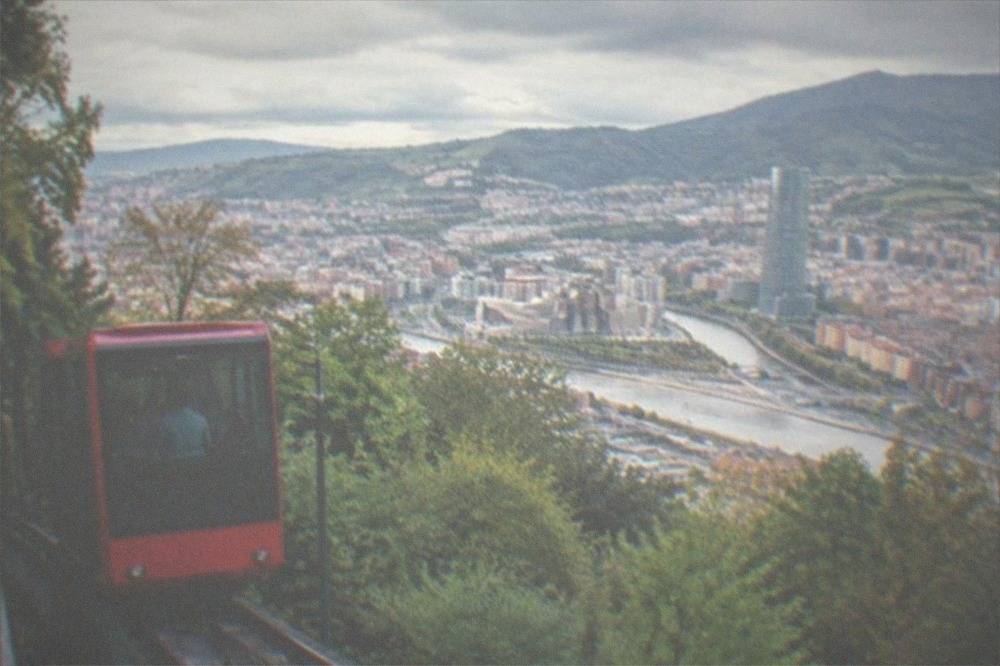
Two days is the right amount for Bilbao proper, because day one takes the museum-and-old-town core and day two takes the Fine Arts Museum, Azkuna Zentroa, the Artxanda funicular and a proper food tour, with no day trip attempted. Two nights also lets you see the estuary at both midday and after dark, which matters more in Bilbao than in most Spanish cities because so much of its identity faces the water. The second day is what separates a visit from a pass-through.
The second day is where Bilbao stops feeling like a whistle-stop. The Bilbao Fine Arts Museum is worth the visit on its own terms, though note it is closed from 31 August to 5 October 2026 for final renovation works and reopens 6 October 2026 with a free entry week through 13 October, as reported. From 14 October onward adult admission is 12 EUR, with a joint Artean pass covering both it and the Guggenheim at 16 EUR. Pair that museum morning with an afternoon across the river and the day fills without strain.
Two days also makes the transport math work. The Bilbao Bizkaia Card runs 10 EUR for 24 hours, 15 EUR for 48 hours and 20 EUR for 72 hours, per the card's own site, and includes unlimited transport plus attraction discounts, so a two-day visitor can ride metro, tram, bus and both funiculars on one personal, non-transferable card. The Bilbao Bizkaia Card guide works out when it pays for itself.
For visitors weighing two days against three, the deciding question is simple: does the Basque coast matter to you? If the answer is yes, two days will feel incomplete, because Gaztelugatxe is the region's most photographed site and it sits outside the city. If your interest is purely urban, museums, architecture and food, two days is genuinely sufficient and a third adds comfort rather than content.
| Day-two block | Time | Notes |
|---|---|---|
| Morning | 10:00-12:30 | Bilbao Fine Arts Museum (reopens 6 Oct 2026) |
| Midday | 12:30-14:00 | Azkuna Zentroa, rooftop deck |
| Afternoon | 14:00-17:00 | Artxanda funicular, Doña Casilda park |
| Evening | 17:00 onward | Indautxu pintxos bars, estuary walk at dusk |
What Does A Three-Day Bilbao Itinerary Add?
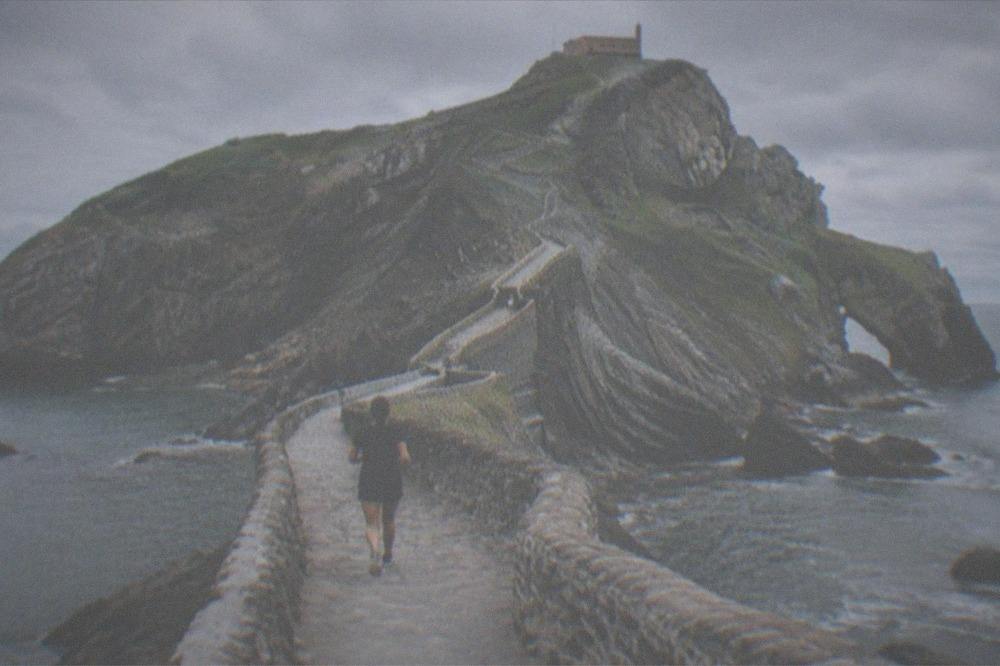
A third day adds the Basque coast, most efficiently San Juan de Gaztelugatxe combined with Bermeo and Gernika, which is a six-to-ten-hour loop that no city day can substitute for, and it is the single biggest upgrade a two-day trip can receive. Gaztelugatxe is the most requested excursion from Bilbao, and its access rules shape the timing: a free timed reservation is required only on official controlled-access days, roughly mid-June to about 20 September daily plus Easter and holiday weekends per the yearly calendar, with a 1,462-person daily cap on those days and free, no-reservation entry otherwise.
Booking is always free through the official platform, with up to 10 people per reservation, and reservations are typically cancelled if you arrive more than 60 minutes late. Certain romeria festival days, including 24 June, 31 July, 29 and 31 August, and 30 December, are reserved for local events and visitors are advised to skip them. As of the most recent reporting, access reverted to free with no reservation from 21 September 2026 through the end of September. The Gaztelugatxe day trip guide carries the full calendar detail.
A three-day stay also makes a guided coastal loop painless. The three-day itinerary sequences the city and coast so nothing repeats, and a small-group walking introduction on day one, such as the small-group Old Town walk, anchors the geography before you head out.
| Coastal day-trip option | Time needed | Reservation factor |
|---|---|---|
| Gaztelugatxe, Bermeo, Gernika loop | 6-10 hours | Free timed ticket on controlled days only |
| San Sebastián and Getaria excursion | About 10 hours | None for the towns themselves |
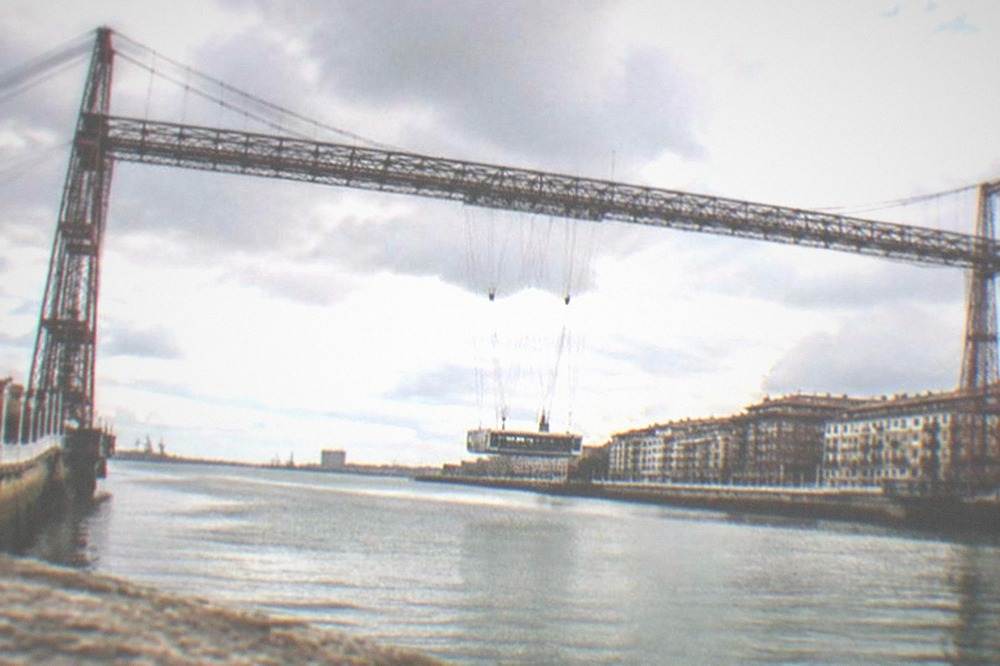
| Vizcaya Bridge and Getxo | Half day | None; gondola runs frequently |
| Rioja wineries from Haro to Laguardia | About 9 hours | Winery tastings usually need booking |
Should You Give Bilbao Four Or Five Days?
Four to five days is the right length if Bilbao is your single base for the whole region, because it lets you take the coast, San Sebastián and the Rioja wine country as three separate day trips instead of cramming two into one. At this length the city itself stops being the itinerary and becomes the comfortable place you return to each evening, which suits Bilbao's strengths: strong restaurants, a compact centre and fast regional transport links.
The fourth day belongs to San Sebastián, about an hour and twenty minutes away by direct bus from the Bilbao intermodal station, with fares commonly in the 8 to 19 EUR range and departures roughly every half hour. The fifth day belongs to Rioja: winery visits around Haro and Laguardia run about nine hours round trip and are far more relaxed with a driver or a small-group tour than with a rental car and a tasting schedule. The Bilbao vs San Sebastián comparison helps if you are deciding where the extra nights should actually go.
Five days also opens the French Basque Country option, Biarritz and Saint-Jean-de-Luz, which sits at the far end of the day-trip range. That is a long day, and it is exactly the kind of day that a two-night visitor cannot attempt and a five-day visitor takes in stride. The best base in the Basque Country guide weighs whether Bilbao or San Sebastián should hold those nights.
How Do Season And Events Change Your Length Of Stay?
July and August are the months when extra days pay off most, because the Guggenheim stays open until 20:00 from 15 June to 13 September and Aste Nagusia, running 22 to 30 August 2026, turns the final week of August into a nine-day festival that deserves at least one extra night. The txupin rocket opens the festival on 22 August at 19:00 in Plaza Arriaga, and the daily concerts, fireworks and txosnas street bars that follow fill every evening of the nine-day run.
Weather argues the same direction. AEMET's Bilbao Aeropuerto/Loiu station (1082), 1981-2010 normals, show a temperate oceanic climate with a July mean of 20.4 C and just 50 mm of rain, against a November mean of 12.4 C and 147 mm, the wettest month of the year. Rain does not close Bilbao, and the rainy-day itinerary proves it, but a wet-weather trip absorbs museums more slowly, so shoulder-season visitors benefit from one buffer day. The Bilbao weather guide carries the full monthly table.
One seasonal caution affects the coastal day trip directly: if you visit in the controlled-access window, the Gaztelugatxe reservation can sell out for your preferred day, so a three- or four-day trip gives you a fallback date. Festival dates matter too, and the Aste Nagusia festival guide lists what a festival-week visit adds to the calendar.
| Month | Mean temp | Rainfall | Planning effect |
|---|---|---|---|
| January | 9.3 C | 120 mm | Indoor-heavy plans, shortest queues |
| April | 12.6 C | 107 mm | Easter crowds, museum late opening Easter week |
| July | 20.4 C | 50 mm | Driest month, Guggenheim open to 20:00 |
| August | 20.9 C | 76 mm | Aste Nagusia 22-30 Aug, book early |
| November | 12.4 C | 147 mm | Wettest month, add a buffer day |
How Should You Split Your Days Between The City And Day Trips?
The split that works for almost every trip length is city first, coast second, wine last: keep your first full day entirely inside Bilbao, spend the second on the coast, and only then add San Sebastián or Rioja if you have the days for it. The order matters because Bilbao's own highlights are the ones you will walk past every day of your stay, so learning the city's geography early makes every later evening better, while the day trips are self-contained blocks that can slot in wherever transport and reservations allow.
There is a practical reason the coastal day should not go first. Gaztelugatxe reservations, when they are required, are tied to a specific time slot, and a missed slot after a flight delay or a late hotel check-in is a wasted highlight. Placing the coast on day two or three gives your body clock time to adjust and gives you a fallback if weather turns, which in a temperate oceanic climate with rain in every month is a real consideration.
For visitors using Bilbao as a regional base, the two-day itinerary and the three-day itinerary give hour-by-hour versions of the city blocks, while the getting around Bilbao guide covers the metro, tram and Bizkaibus links each day trip depends on. A weekend visitor can compress the two-day plan into Saturday and Sunday, though the Fine Arts Museum's Monday closure pattern and the Guggenheim's Tuesday-to-Sunday hours mean weekday arrivals see more.
| Trip profile | Recommended split | Why it works |
|---|---|---|
| City-focused, 2 days | Both days in Bilbao | Museums and food need no travel time |
| Coast-motivated, 3 days | 2 city days + 1 coastal loop | Gaztelugatxe gets a full day |
| Region-focused, 4 days | 2 city + coast + San Sebastián | Two long excursions, no overlap |
| Slow traveller, 5+ days | 2 city + coast + Rioja + free day | One unscheduled day absorbs weather or sell-outs |
Common Questions About How Many Days You Need In Bilbao
How many days do you need in Bilbao?
Two full days cover Bilbao itself well, and three to four days is ideal once you add a coastal day trip such as Gaztelugatxe or a San Sebastián excursion. Five days lets you include Rioja wine country at a relaxed pace.
Is one day in Bilbao enough?
One day is enough for the Guggenheim, the old town and a pintxos crawl, but not for the Fine Arts Museum, Azkuna Zentroa or any day trip. Treat one day as a taster, not the full city.
Can you visit San Sebastian as a day trip from Bilbao?
Yes. Direct buses run the route in about an hour and twenty minutes with frequent departures, so San Sebastián works comfortably as one day of a three- or four-day Bilbao stay.
Do you need a reservation for Gaztelugatxe?
Only on official controlled-access days, roughly mid-June to about 20 September daily plus Easter and holiday weekends, when a free timed ticket capped at 1,462 daily visitors is required. On all other days entry is free without a reservation.
When is the best time to add extra days in Bilbao?
Late August, when Aste Nagusia runs from 22 to 30 August 2026, and midsummer, when the Guggenheim stays open until 20:00, are the periods when extra days buy the most. November is the wettest month and the least rewarding time to stretch a stay.
Is there a tourist tax that affects how long I stay?
No tourist tax is in force in 2026. The Bizkaia regional tax takes effect on 1 January 2027, with Bilbao's approved rates running from 1 EUR per night at pensions to 5 EUR at 5-star hotels and 6.50 EUR for tourist apartments, so nights booked this year cost nothing extra.