Bilbao Cruise Port Day (Getxo/Santurtzi Terminal)
Cruise ships calling at Bilbao dock downriver at Getxo or Santurtzi, and the city itself sits about 15 km inland on the tidal Nervion estuary in Biscay province, Basque Country, northern Spain. Here is how to turn a port day into a genuinely good day.
Short answer
Cruise ships dock at the Getxo or Santurtzi terminals on the Bilbao estuary, not in the city center. Metro Bilbao Line 2 connects both areas to central Abando in roughly half an hour, so a full day of the Guggenheim, the Old Town, and pintxos is realistic if you leave the pier on time.
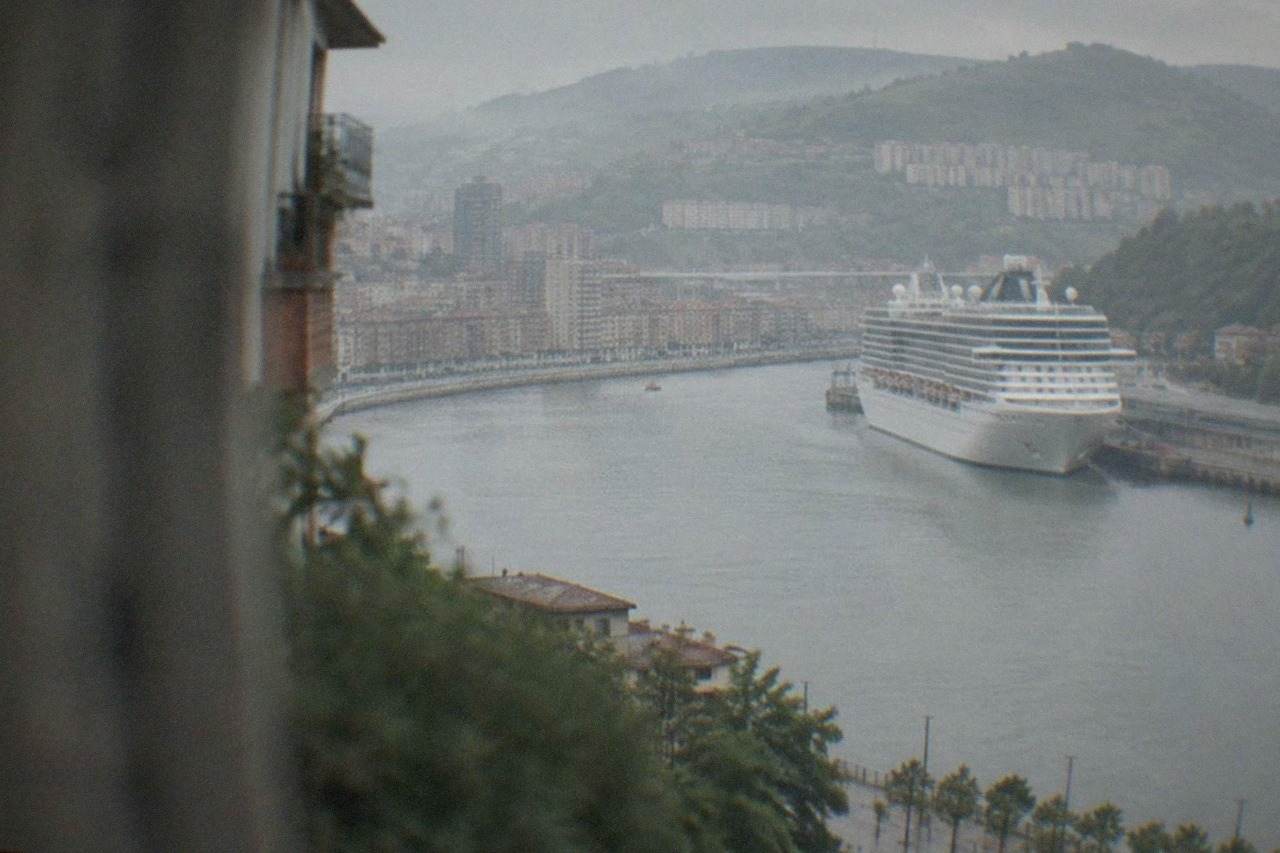
Cruise ships do not dock in Bilbao itself. They tie up downriver at the Getxo or Santurtzi cruise terminals, on the outer reaches of the Nervion/Ibaizabal estuary in Biscay (Bizkaia) province, Basque Country, northern Spain, roughly 15 km from the open Bay of Biscay and a similar stretch inland from the city's museums and pintxos bars. That gap between pier and plaza is the single most important fact of a Bilbao port day, because everything else, transport choice, timing, and how ambitious your plan should be, flows from it. This page lays out where the terminals actually are, how to reach the center, a realistic hour-by-hour plan, and which excursions justify the fare.
Where Do Cruise Ships Dock For Bilbao, And How Far Is The City?
Bilbao's cruise passengers arrive at either the Getxo (Algorta area) terminal or the Santurtzi terminal, both on the left and right banks of the estuary downstream of the city, and central Bilbao with the Guggenheim and the Old Town sits inland on the same tidal river. The city is not walkable from either pier, so every port-day plan starts with a transport decision. Metro Bilbao Line 2 serves both areas, and the ride into the Abando transport hub in the city core is the standard first move.
The estuary is the organizing geography of the whole region. Bilbao grew as a port city at the point where the Nervion river becomes tidal, and the deep-water docks that can take modern cruise ships were built near the river's mouth, where Getxo's cliffs and Santurtzi's fishing quarter face each other across the water. The municipal population of the city itself stands at 346,933 as of 1 January 2025 per Eustat's register, but the estuary corridor downriver is where the ships actually berth.
Which terminal your ship uses matters less than you might think, because both connect to the same metro line. What matters more is your all-aboard time. A ship scheduled to leave at 17:00 gives you a very different day from one sailing at midnight, and the plan below assumes roughly a nine-to-five window, the most common case. For a fuller treatment of the Santurtzi side specifically, the Santurtzi cruise terminal guide covers that town's fish restaurants, the itsas lursa boat museum quarter, and the short ferry and metro links in detail.
| Terminal | Bank of the estuary | Nearest metro line | Character of the immediate area |
|---|---|---|---|
| Getxo (Algorta area) | Right bank (Getxo side) | Line 2 | Cliffs, beaches, the Vizcaya Bridge at Portugalete across the water |
| Santurtzi | Left bank | Line 2 | Fishing port, sardine-grill restaurants, small-town Basque feel |
How Do You Get From The Bilbao Cruise Terminal To The City Center?
The standard route is Metro Bilbao Line 2 from a station near the pier to Abando in the city core, a journey of roughly half an hour from the Getxo side, with trains every few minutes. A single metro ticket without a Barik card costs EUR2.00 for one zone with two hours of validity, and the CTB Barik fares page lists EUR1.02 for the same one-zone trip paid with a Barik Creditrans card. Taxis and the ship's own shuttle are the alternatives, and both cost more.
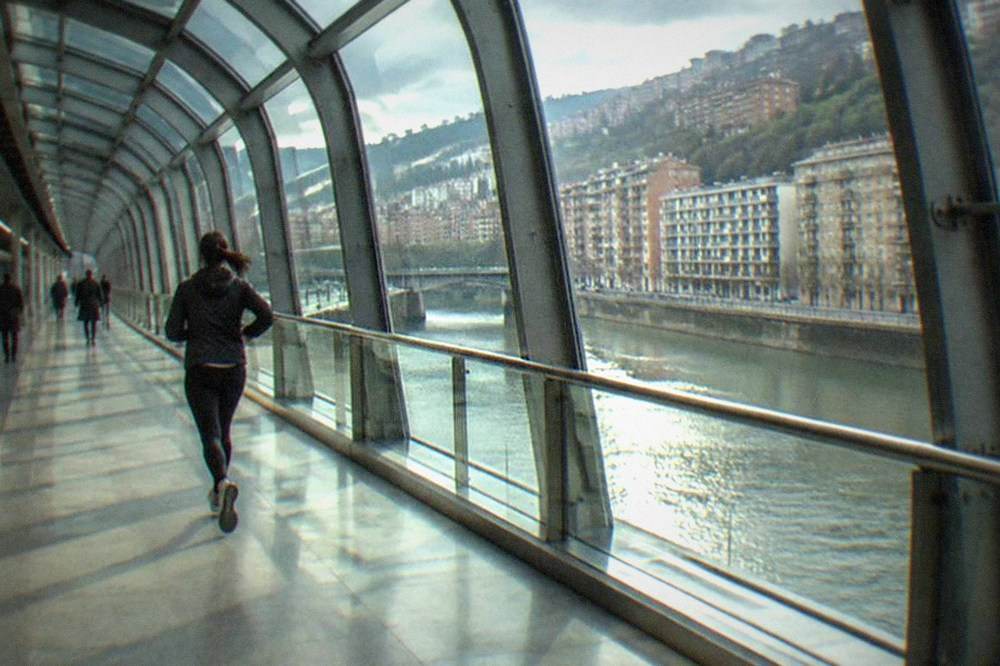
The metro is the answer for almost everyone. Bilbao's system is spotlessly clean, fully accessible with elevators at stations per Metro Bilbao's own accessibility documentation, and Line 2 runs along the right bank of the estuary through the towns where the ships dock before turning under the river into the city. The CTB's official fares give the numbers: without a Barik card, a one-zone metro single is EUR2.00, two zones EUR2.20, three zones EUR2.25, valid for two hours. With a Barik Creditrans card the same journeys cost EUR1.02, EUR1.19 and EUR1.30 respectively. The Barik card itself is commonly reported to cost EUR3 to buy and is non-refundable, though that purchase price comes from secondary sources rather than an official CTB page.
For a party of four doing a round trip, the arithmetic still favors the metro even at the non-Barik fare. Taxis are metered and comfortable, and the airport-fare context in this pack, roughly EUR24-29 for a 15-25 minute airport run, gives a sense of the scale, but no verified cruise-terminal-to-center taxi fare is available, so treat any number a driver quotes at the pier as the real one and agree it before setting off. Some cruise lines run shuttle buses to a central drop-off; these are convenient but priced by the line, not by the city.
| Transport option | Cost basis (verified figures) | Best for |
|---|---|---|
| Metro Line 2, no Barik | EUR2.00 one zone, 2h validity | Solo travelers and couples |
| Metro Line 2, with Barik | EUR1.02 one zone | Anyone making 3+ trips |
| Ship shuttle | Set by the cruise line | Families wanting zero friction |
| Taxi | Metered; agree fare first | Groups of 4, tight all-aboard times |
One planning note that most port-day guides miss: Bilbao's climate is temperate oceanic, Atlantic-influenced, with AEMET's Bilbao Aeropuerto/Loiu station (1082) normals showing 1,134 mm of rain a year and November the wettest month at around 147 mm. Even summer averages carry rain, 50 mm in July per the same normals, so the metro's usefulness is not just about speed. It keeps your day waterproof. If the forecast turns, the rainy day Bilbao itinerary is built exactly for this situation.
What Can You Realistically See In Bilbao On A Port Day?
A realistic port day covers the Guggenheim Museum, a walk through the Casco Viejo old town's Seven Streets, and a pintxos lunch, in that order, with the metro ride back timed against your all-aboard. The Guggenheim opens Tuesday to Sunday from 10:00 to 19:00, extending to 20:00 from 15 June to 13 September, and the adult ticket is EUR18 per the museum's own admission page. Anything beyond those three anchors is a bonus dependent on your sailing time.
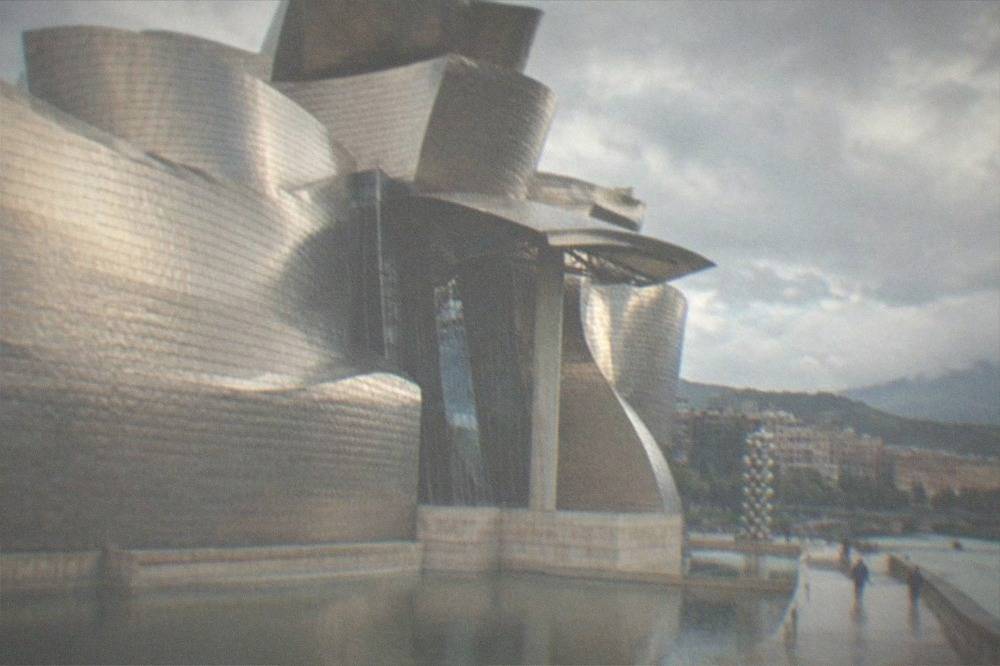
The sequence matters. Start at Abando, walk ten minutes down to the Guggenheim on the riverfront, and let the museum's titanium curves and Jeff Koons' Puppy out front eat your first hour and a half. The museum's own hours-and-admission page lists adults at EUR18, students 18-25 and seniors over 65 at EUR9, and under-18s free, with every ticket including an audio guide. On the last day of each temporary exhibition the museum applies a 50% discount, typically from 16:00, a detail worth checking against your calendar.
From the museum, the walk into the old town along the river takes you past the Zubizuri footbridge and into the Casco Viejo's Seven Streets, the original medieval core. The one day in Bilbao itinerary expands this route with timings for a full day ashore; on a port day you are running the compressed version. Plaza Nueva is the natural lunch stop, a neoclassical square ringed by pintxos bars, and the best pintxos in Bilbao guide names the specific bars worth the queue, including Gure Toki and Sorginzulo on the square itself.
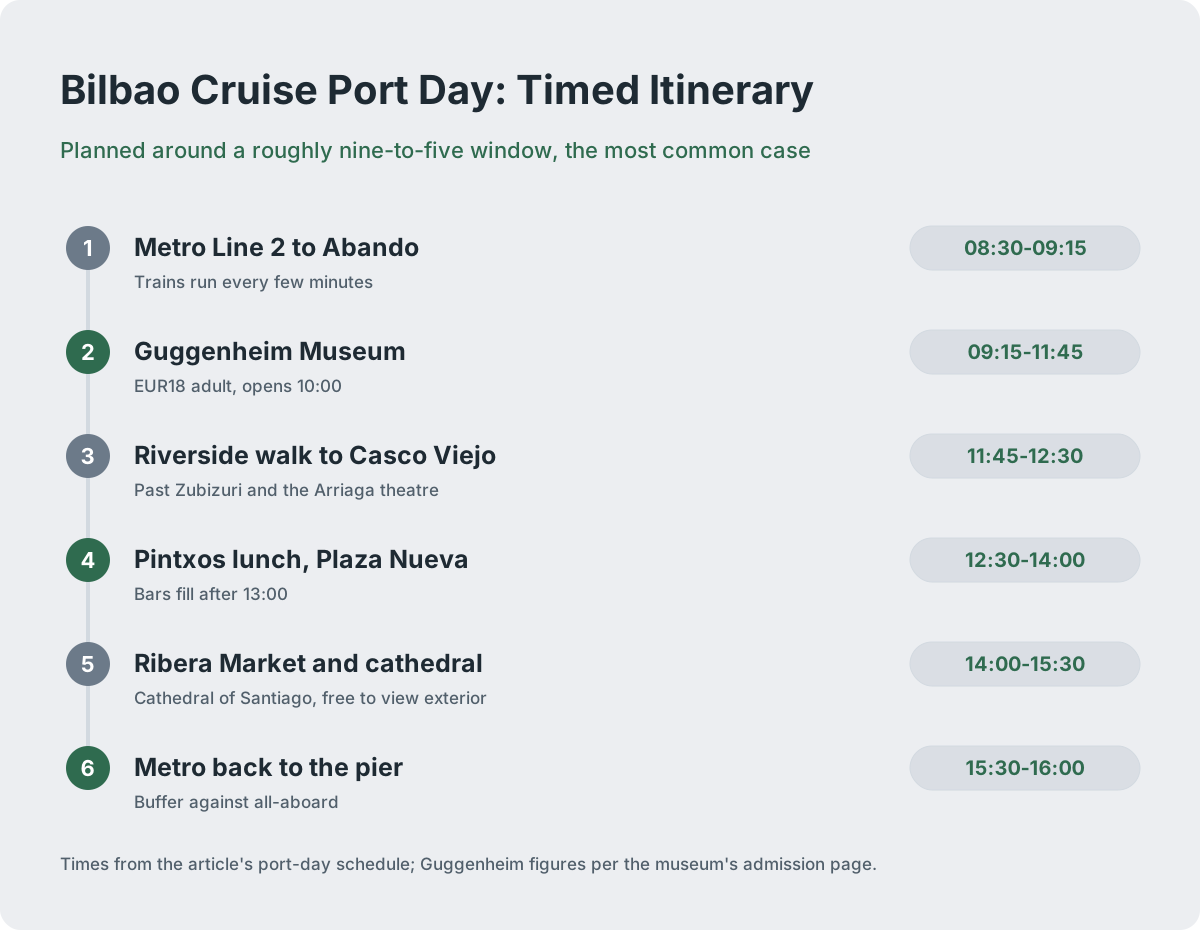
| Time | Activity | Notes |
|---|---|---|
| 08:30-09:15 | Metro Line 2 to Abando | Trains run every few minutes |
| 09:15-11:45 | Guggenheim Museum | EUR18 adult, opens 10:00 |
| 11:45-12:30 | Riverside walk to Casco Viejo | Past Zubizuri and the Arriaga theatre |
| 12:30-14:00 | Pintxos lunch, Plaza Nueva | Bars fill after 13:00 |
| 14:00-15:30 | Ribera Market and cathedral | Cathedral of Santiago, free to view exterior |
| 15:30-16:00 | Metro back to the pier | Buffer against all-aboard |
If your ship sails late and you clear the old town by 15:00, two additions are realistic. The Funicular de Artxanda lifts you from the Casco Viejo's edge to the hilltop viewpoint over the whole estuary, with the fare commonly reported at EUR3.50 one way or EUR6.00 round trip, a single-source figure from the operator's fares page. And the Bilbao Fine Arts Museum, closed for its final renovation phase from 31 August to 5 October 2026, reopens on 6 October 2026 with a free entry week through 13 October, then charges EUR12 general admission from 14 October, per reporting on the museum's own planning page. A joint Artean pass with the Guggenheim is listed at EUR16 general, EUR8 reduced, though these reopening figures come from a single source and should be checked on the day.
For travelers who would rather eat than navigate, a guided pintxos walk solves the ordering problem in a city where the bar counter has its own etiquette. The authentic pintxos, food and wine tour with a local moves you between vetted bars with a local making the choices, and the tour's own page carries the current price, rating and duration from the live listing.
Is The Vizcaya Bridge Worth Seeing Before You Sail?
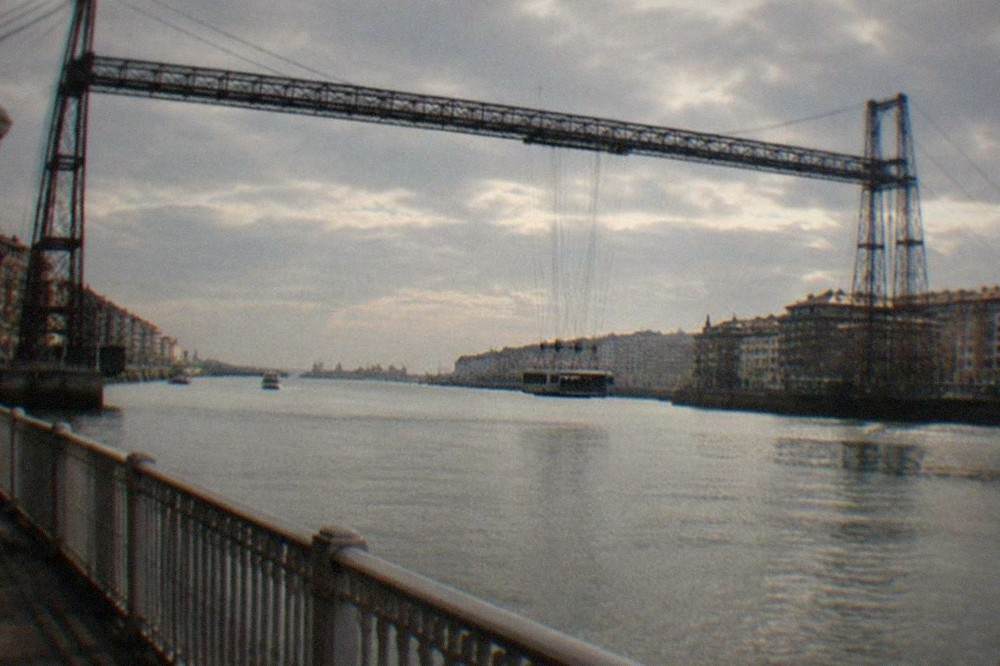
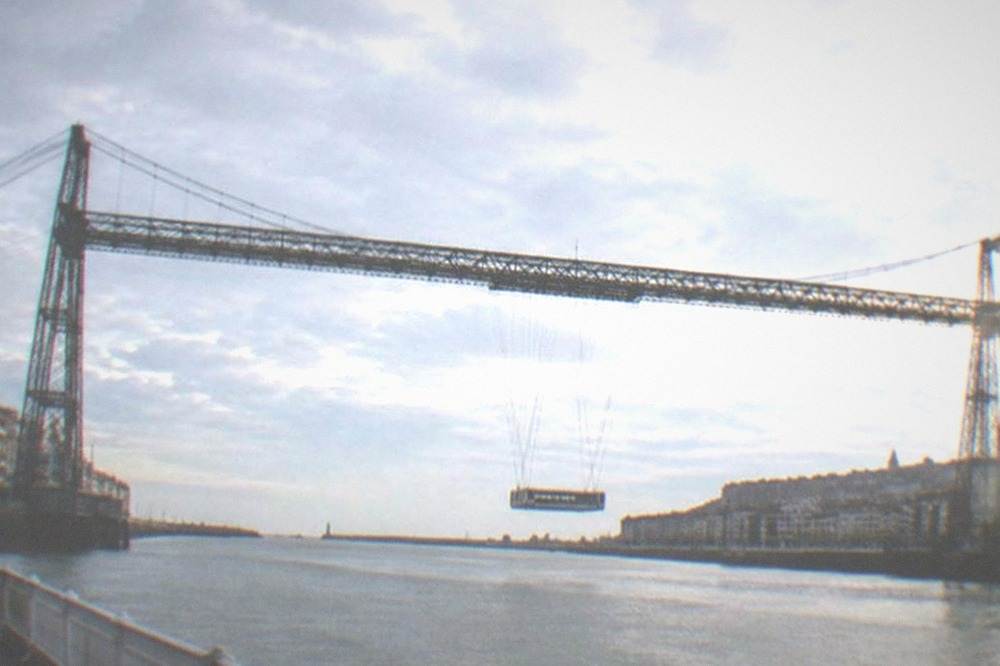
Yes, the Vizcaya Bridge between Portugalete and Getxo is a UNESCO World Heritage Site inscribed in 2006, the first industrial heritage site in Spain on the list, and it sits practically beside the cruise terminals at the river's mouth. The gondola that carries passengers across the estuary costs EUR0.60 one way in daytime hours, and the elevated walkway ticket is reported at EUR11 adult round trip, EUR9 reduced, with under-5s free.
For a ship docked on the Getxo side, the bridge is the nearest world-class sight and can absorb a spare hour before all-aboard without any metro ride into the city at all. The gondola, a slung iron carriage that ferries pedestrians across the Nervion high above the water, is the cheap thrill: EUR0.60 in regular daytime hours, with higher fares at night or during extended hours. The walkway experience, riding the exposed upper deck of the bridge itself, is the bigger one, and its EUR11 adult round-trip price is a single-source figure, so confirm at the ticket office.
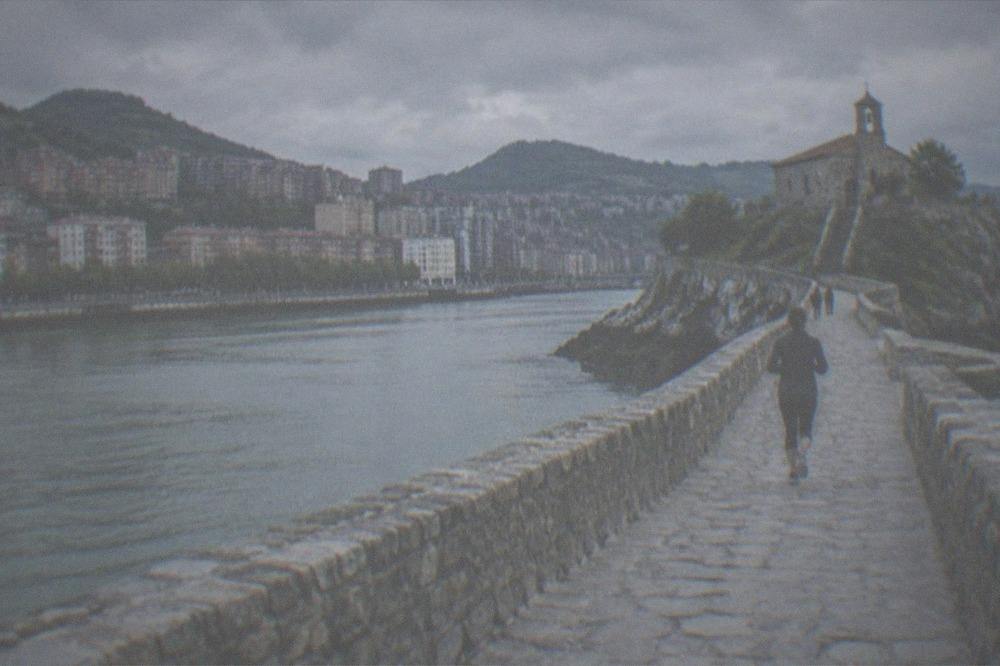
The Getxo day trip guide covers the right-bank side: the Algorta old port, the cliffs at Azkorri, and the promenade that links them. If your ship sails from Santurtzi instead, the bridge is one metro stop and a short ferry or walk away across the water, and Santurtzi's own grilled-sardine restaurants along the port are a legitimate final lunch in themselves.
| Vizcaya Bridge option | Reported fare | Notes |
|---|---|---|
| Gondola crossing, daytime | EUR0.60 one way | Runs every few minutes in daytime |
| Gondola, night/extended hours | Higher than daytime rate | Confirm on site |
| Elevated walkway, adult | EUR11 round trip | Single-source figure |
| Elevated walkway, reduced (65+/students) | EUR9 round trip | Under-5s free |
| Audio guide | +EUR3 | Optional add-on |
Should You Book A Shore Excursion Or Explore Bilbao On Your Own?
Independent exploration by metro beats a shore excursion for Bilbao's city sights, because the transport is fast, cheap and frequent, but an organized excursion wins for anything beyond the city, such as Gaztelugatxe, the Rioja wine region, or the Basque coast, where public transport from a cruise pier is slow or nonexistent. The dividing line is simple: if the destination is on the metro, go alone; if it is not, book the tour.
Inside the city, no bus tour can beat a EUR2 metro single and your own two feet. The Guggenheim, the old town, and the riverfront are all within a walkable band, and the Bilbao Travel Guide site's own itineraries give you the routes for free. Where excursions earn their price is distance. Gaztelugatxe, the Dragonstone hermitage on its rocky islet, requires a free timed reservation on official controlled-access days, roughly mid-June to about 20 September daily plus Easter and holiday weekends per the yearly calendar, with a daily cap of 1,462 visitors on controlled days and booking via tiketa.eus at no charge, up to 10 people per reservation. A tour operator handles that reservation machinery for you, which matters enormously when your window ashore is measured in hours.
The Dragonstone, Mundaka and Guernica day trip is the strongest fit for a port day on the coast side: it bundles the islet, the surf town and the historic assembly town into one vehicle movement, and the operator's live listing carries the current price, rating and duration. Its full details render on the tour's own page, so read them there before committing anything to the ship's excursion desk.
The one excursion category to treat with skepticism is the generic "Bilbao city tour by bus." The city's sights are compact and the metro covers the distance; paying tour prices for what a EUR2 ticket does better is the classic port-day trap. The exception is a themed walk, food, architecture, or the Guggenheim with an expert, where the guide's knowledge is the product rather than the transport. A guided pintxos crawl in particular turns a rushed lunch hour into a curated one, and the operators who run them know which bars hold the city's championship winners.
What Should You Skip On A Short Bilbao Port Day?
Skip San Sebastián, skip the Rioja wine region, and skip anything requiring a full day's round trip, unless your ship overnights in port. These are superb destinations, but the verified transport reality is that San Sebastián is roughly an hour and twenty minutes away by direct bus and the Rioja wineries lie further, so a standard nine-to-five port day leaves no margin for delay, and an excursion that misses the ship is a catastrophic outcome no tapas crawl justifies.
The temptation is real, because the port's marketing often sells Bilbao as a gateway to the whole Basque Country, and it is. But a gateway implies distance. The San Sebastian day trip guide and the Rioja wine day trip guide both exist for travelers sleeping in Bilbao, not for cruise passengers with a hard all-aboard. If your itinerary genuinely gives Bilbao two days, the two days in Bilbao itinerary shows how the city and one excursion fit together properly.
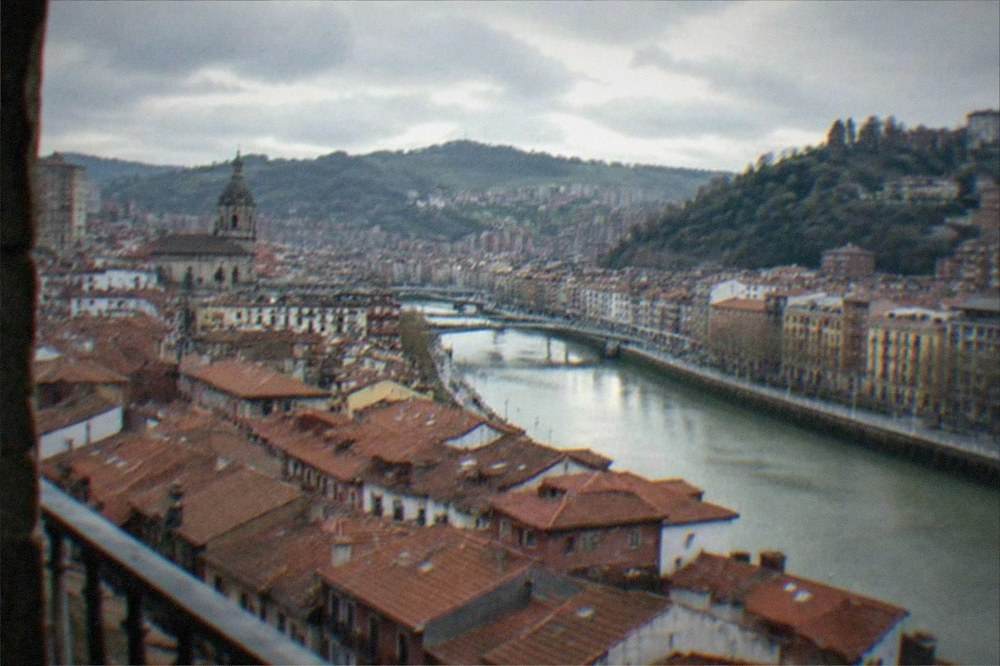
There is one honest exception. Ships that dock at Getxo and sail late can justify a long-haul excursion with a hard internal cutoff, and the Biarritz, Saint-Jean-de-Luz and San Sebastián tour is the strongest of them, threading the French Basque coast's two most photogenic towns into a single loop. Its full product details, price, rating and duration, render on the operator's live listing, and the Biarritz and Saint-Jean-de-Luz from Bilbao guide gives the towns' background. Check availability only after confirming your all-aboard time in writing.
For everyone else, the skip list is short and merciful. Skip the Fine Arts Museum if it is still October 2026 and you arrive before the 6 October reopening. Skip the Artxanda funicular in fog, because the viewpoint is the entire product. And skip shopping on Gran Via, which is the same Zara and H&M you have at home, in favor of the old town's specialty food shops, where txakoli wine and Idiazabal cheese travel home better than anything on the high street.
The excursion question, in the end, is a question about your own temperament. Some travelers want the ship's desk to own the risk of a late return; others would rather spend the same money on pintxos and a museum ticket and accept the responsibility themselves. Both are defensible positions, and the strongest port days often mix the two: a morning excursion along the coast, then an independent afternoon in the old town with the metro timetable in your pocket. Whatever you choose, book the coast-side option early, because the best-reviewed operators sell out first on double-ship days.
Common Questions About A Bilbao Cruise Port Day
How far is the cruise port from Bilbao city center?
The Getxo and Santurtzi terminals sit on the estuary downstream of the city, roughly 15 km from the open Bay of Biscay and a comparable stretch from the center. Metro Line 2 covers the distance in roughly half an hour from the Getxo side.
Can you walk from the cruise terminal to the Guggenheim Museum?
No. The terminals are well outside the city core, and the standard route is Metro Line 2 to Abando followed by a short walk to the museum. The Guggenheim opens Tuesday to Sunday, 10:00 to 19:00, with adult admission at EUR18.
Is Bilbao walkable once you arrive in the city?
Yes. The Guggenheim, the Zubizuri bridge, the Casco Viejo's Seven Streets, Plaza Nueva and Ribera Market form a compact riverside band best covered on foot, with the metro only needed for the pier and hilltop trips.
Do you need a visa or tourist tax for a Bilbao port day?
Spain is a founding Schengen member, so travelers from within the Schengen area face no separate visa gate for a port call. No tourist tax applies in 2026; the Bizkaia regional tax takes effect on 1 January 2027.
What is the best shore excursion from Bilbao cruise port?
For a standard port day, the coastal Gaztelugatxe, Mundaka and Guernica loop is the best fit, because it packs the region's signature sights into one vehicle movement and the operator handles the islet's reservation system on controlled-access days.
Is the Vizcaya Bridge near the cruise terminal?
Yes. The UNESCO-listed transporter bridge stands between Portugalete and Getxo at the river's mouth, effectively beside the Getxo-side terminal. The gondola crossing costs EUR0.60 one way in daytime hours.
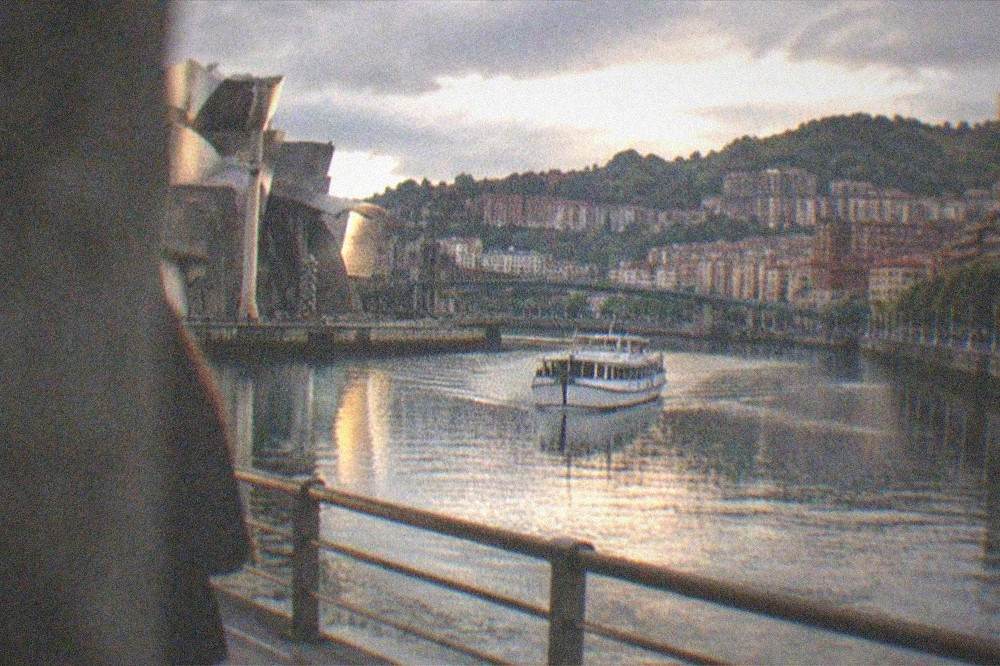
A Bilbao port day rewards decisiveness. Board the metro within thirty minutes of walking down the gangway, spend your morning with titanium and Basque art, eat standing up in Plaza Nueva, and keep the last hour for the river walk back to the train. The city is small enough to feel conquered in a day and distinctive enough that the day will not feel like a compromise. For everything beyond the pier, from the things to do in Bilbao master list to deeper itineraries like three days in Bilbao, the rest of this site picks up where the ship's horn leaves off.