Getxo, The Coastal Day Trip From Bilbao, Spain
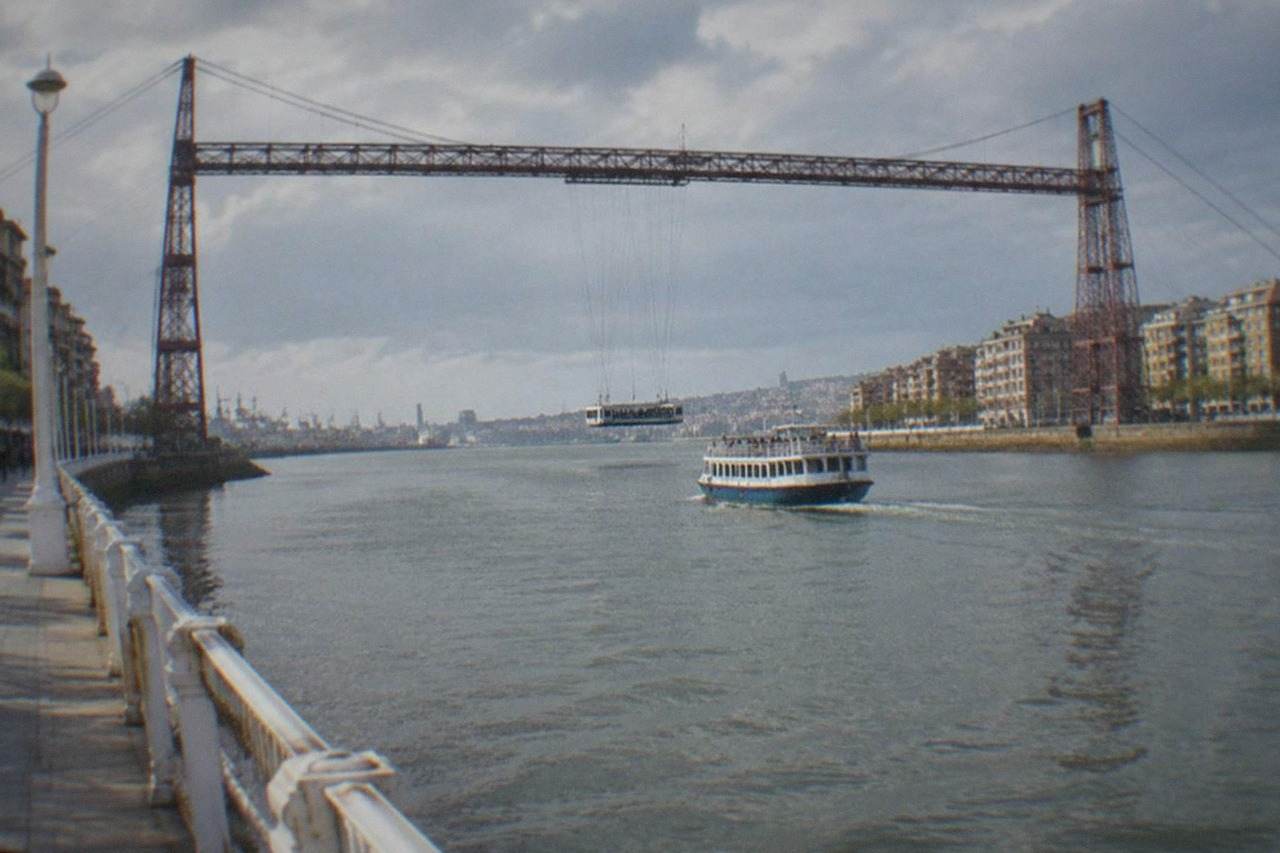
Getxo is the closest coastal escape from Bilbao, a string of beachfront neighbourhoods on the Bay of Biscay where the UNESCO-listed Vizcaya Bridge carries visitors across the estuary by gondola.
Short answer
Getxo is a coastal town in Biscay (Bizkaia), Basque Country, northern Spain, reached from central Bilbao by Metro Line 1 in roughly half an hour. Its headline sight is the Vizcaya Bridge, a UNESCO World Heritage transporter bridge whose gondola crosses the Nervion estuary for 0.60 euro one-way on foot.
Getxo sits on the right bank of the Nervion estuary where it meets the Bay of Biscay, in Biscay (Bizkaia) province, Basque Country (Euskadi), northern Spain, and it is the nearest proper coastline to Bilbao, roughly 15 km from the city's tidal river mouth. For visitors based in Bilbao it works as the easiest half-day or full-day escape in the region: a metro ride, two sandy beaches, a long seafront promenade, and the Vizcaya Bridge, a UNESCO World Heritage Site and one of the most remarkable pieces of industrial engineering in Spain. This guide from Bilbao Travel Guide covers how to get there, what the bridge costs, what to do once you arrive, and how Getxo stacks up against the region's other day trips.
Where Is Getxo And Why Do Bilbao Visitors Go There?
Getxo is a coastal municipality in Biscay (Bizkaia), Basque Country, northern Spain, sitting directly on the Bay of Biscay at the mouth of the Nervion estuary, about 15 km from central Bilbao. Visitors go for three things: the UNESCO-listed Vizcaya Bridge, the sandy beaches and seafront promenade, and the fact that Metro Line 1 reaches it in under half an hour, making it the fastest way to stand on an Atlantic beach from the city.
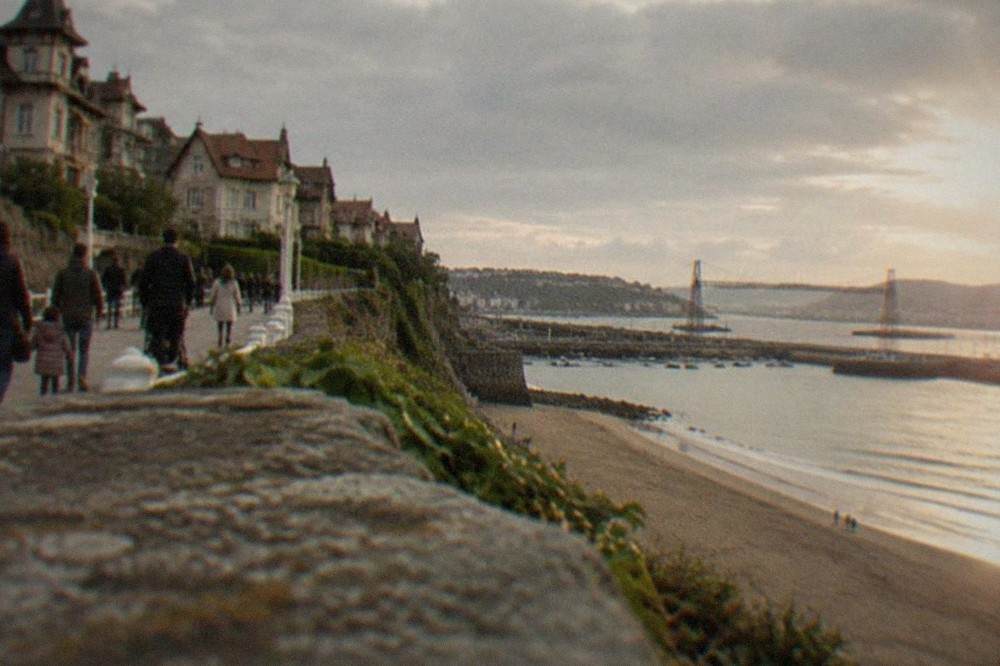
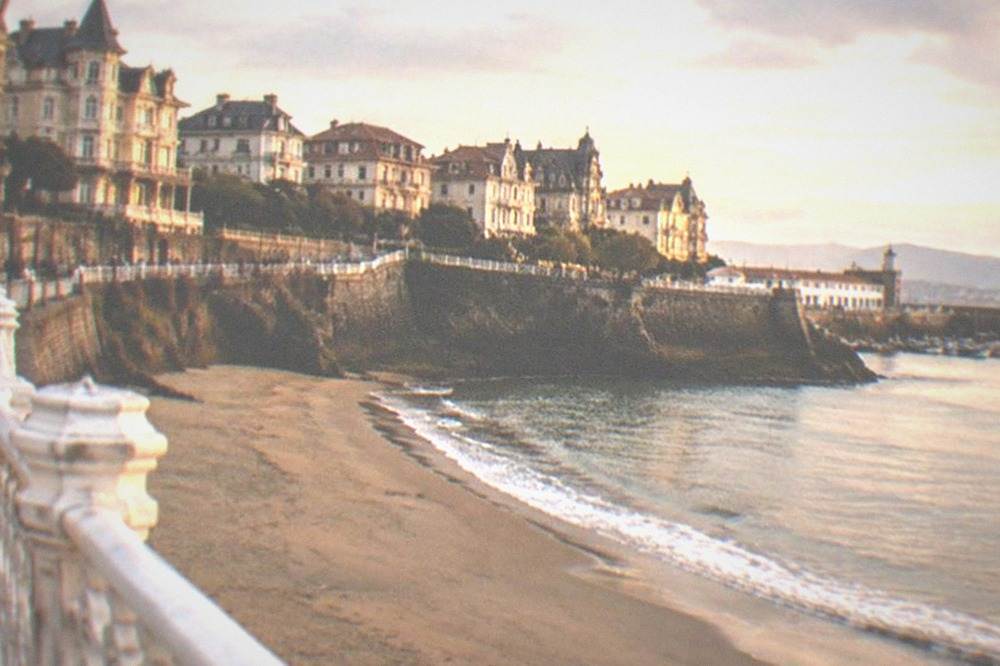
The town is really a chain of neighbourhoods strung along the coast rather than a single compact centre. Areeta sits closest to the bridge, with the grand architecture of the old summer colony around it; Bidezabal and Aiboa sit further along the metro line towards the beaches. The seafront promenade links them, and on any clear day the walk delivers views back across the estuary towards Portugalete and out to open water.
The history matters more than most day-trippers realise. When Bilbao's industrial bourgeoisie boomed, Getxo is where they built their summer mansions, and the Vizcaya Bridge, opened to solve the crossing problem between Getxo and Portugalete, was built as a transporter bridge carrying people and vehicles on a suspended gondola. UNESCO inscribed it in 2006 as the first industrial heritage site in Spain on the World Heritage list.
It is also a genuinely local place. Weekends bring Bilbao families out for the beach and the pintxo bars, so a Saturday in Getxo feels Basque rather than touristic, which is not something every day trip from the city can claim.
How Do You Get From Bilbao To Getxo?
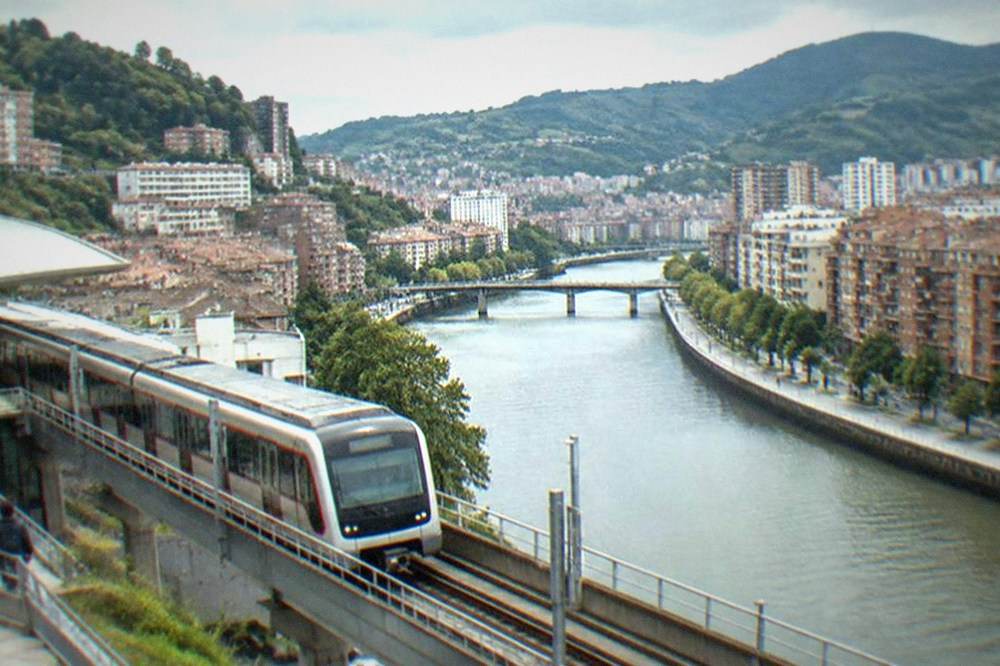
The fastest public option is Metro Bilbao Line 1 from Abando towards the coast, which reaches the Areeta and Bidezabal area of Getxo in roughly 28 to 29 minutes, with trains every 5 to 10 minutes. A single occasional metro ticket for the two-zone journey costs 2.20 euro, or 1.19 euro with a Barik Creditrans card. A taxi takes 15 to 20 minutes and runs about 25 to 35 euro.
There is no mystery to the journey, which is exactly the appeal. Line 1 runs from Abando, the station at the heart of Bilbao's Ensanche district, out along the right bank of the estuary, and the Getxo stops come in quick succession. Areeta (Las Arenas) is the stop for the Vizcaya Bridge; Bidezabal and Aiboa serve the beaches and the promenade.
The bus is a real alternative if you are not near a metro entrance. BizkaiBus services from central stops such as Museo Plaza reach Getxo in roughly 25 to 46 minutes depending on the stop and traffic, for around 2 to 4 euro. The same Barik card covers both metro and bus, and the CTB Barik fares page gives the Creditrans metro price as 1.02 euro for one zone, 1.19 euro for two zones and 1.30 euro for three zones, with occasional single tickets at 2.00, 2.20 and 2.25 euro respectively.
| Mode | Route | Typical journey | Fare |
|---|---|---|---|
| Metro Line 1 | Abando to Areeta / Bidezabal / Aiboa | 28-29 min | 2.20 euro single, 1.19 euro with Barik |
| Bizkaibus | Central Bilbao stops (e.g. Museo Plaza) | 25-46 min | approx. 2-4 euro |
| Taxi | Door to door | 15-20 min | approx. 25-35 euro |
| Boat tour | Bilbao riverside departure point | Varies by option | See the operator's live listing |
One planning note worth knowing: the Bilbao Bizkaia Card, at 10 euro for 24 hours, 15 euro for 48 hours and 20 euro for 72 hours per the card's own site, includes unlimited metro travel, so a Getxo round trip plus city transport can already make the 24-hour card pay for itself. The card is personal and non-transferable, and the card site states it also carries attraction discounts and free Bilbao Turismo guided tours.
For cruise passengers with a single day in port, Getxo is even closer than it is from the city centre, and the Bilbao cruise port day itinerary covers how to split a ship day between the coast and the Guggenheim.
If you would rather have someone else handle the logistics, these are the guided options that pair well with a coastal day:
What Is The Vizcaya Bridge And What Does It Cost To Cross?
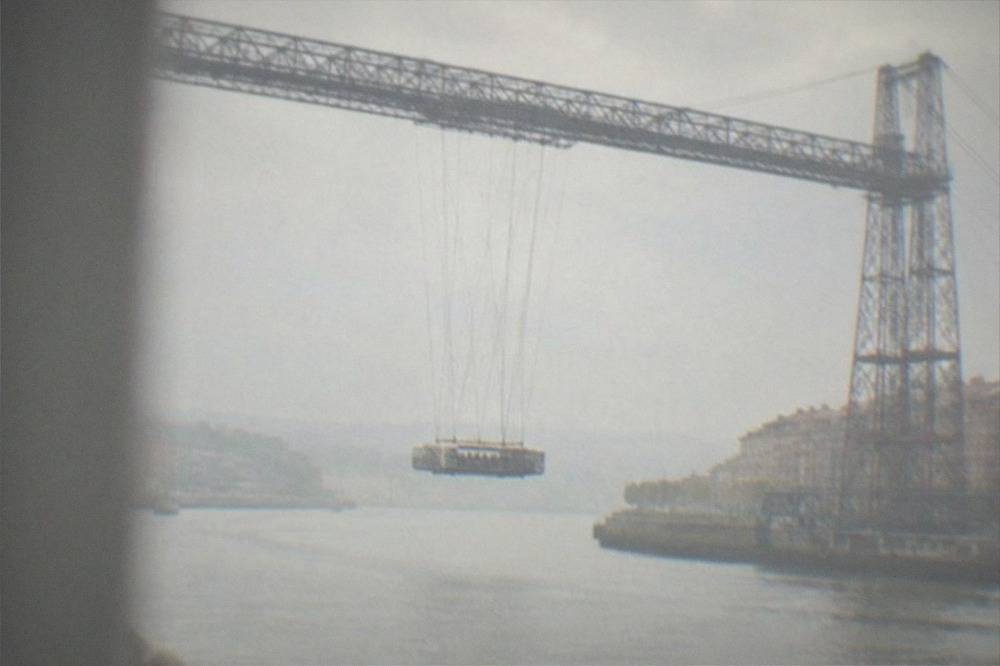
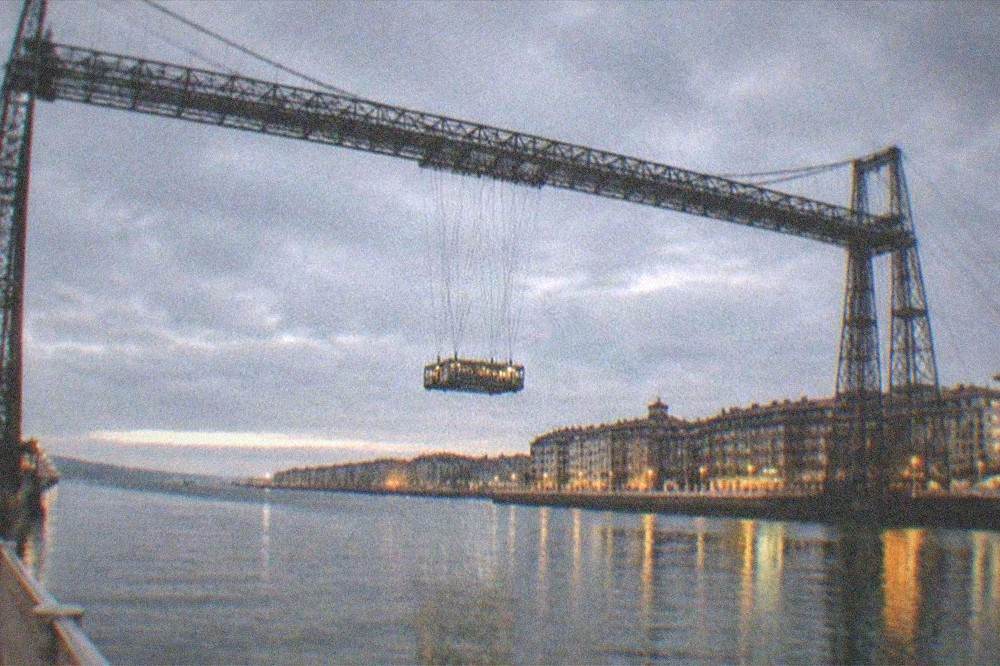
The Vizcaya Bridge (Puente Colgante) is a UNESCO World Heritage transporter bridge linking Getxo and Portugalete across the Nervion estuary, and it is still working transport, not a museum piece. The pedestrian gondola crossing costs 0.60 euro one-way in daytime hours, with higher fares at night or during extended hours. The elevated walkway ticket is reported at 11 euro adult round-trip, 9 euro reduced.
The gondola, or "rampa" as locals call the suspended car, hangs from rails under the bridge deck and slides across the estuary in well under a couple of minutes, carrying foot passengers and a handful of vehicles. It runs frequently through the day, roughly every 8 minutes in daytime according to the operator's schedule, and riding it is the cheapest World Heritage experience in the Basque Country.
The walkway is the other experience. A lift and stairs take you up onto the bridge's upper footpath, about 45 metres above the water, for a round-trip walk with estuary and open-sea views in both directions. The reported pricing is 11 euro for an adult round-trip walkway ticket, 9 euro reduced for visitors 65 and over or students, free for children under 5, and an audio guide for an extra 3 euro. These walkway figures are a single-source claim, reported from the operator's fares page rather than independently re-fetched, so treat them as reported and confirm on the day.
| Crossing option | Reported fare | Notes |
|---|---|---|
| Gondola, pedestrian, one-way (daytime) | 0.60 euro | Higher at night / extended hours |
| Walkway (catwalk) adult, round-trip | 11 euro | Single-source reported figure |
| Walkway reduced (65+ / students) | 9 euro | ID may be requested |
| Walkway, children under 5 | Free | As reported |
| Audio guide | +3 euro | Optional add-on |
The bridge's UNESCO inscription in 2006 made it the first industrial heritage site in Spain on the World Heritage list, and it remains one of only a handful of transporter bridges still operating anywhere in the world. That combination, a functioning historic machine you can ride for the price of a coffee, is the single best reason to make the trip out from Bilbao.
Once across, Portugalete's old town climbs the hill on the far bank, a compact web of steep streets and squares that rewards an hour of wandering before you ride the gondola back. The bridge sits at the point where the estuary stops being Bilbao's river and becomes the sea, and the view from the middle makes that geography obvious.
What Can You Do In Getxo Beyond The Bridge?
Beyond the Vizcaya Bridge, Getxo's main draws are its sandy beaches, the long seafront promenade linking Areeta to the beach neighbourhoods, and the architecture of the old summer-colony mansions, plus the pintxo bars and cafes along the front. It is a walking day, not a ticketed one: apart from the bridge, almost everything worth doing in Getxo is free and outdoors.
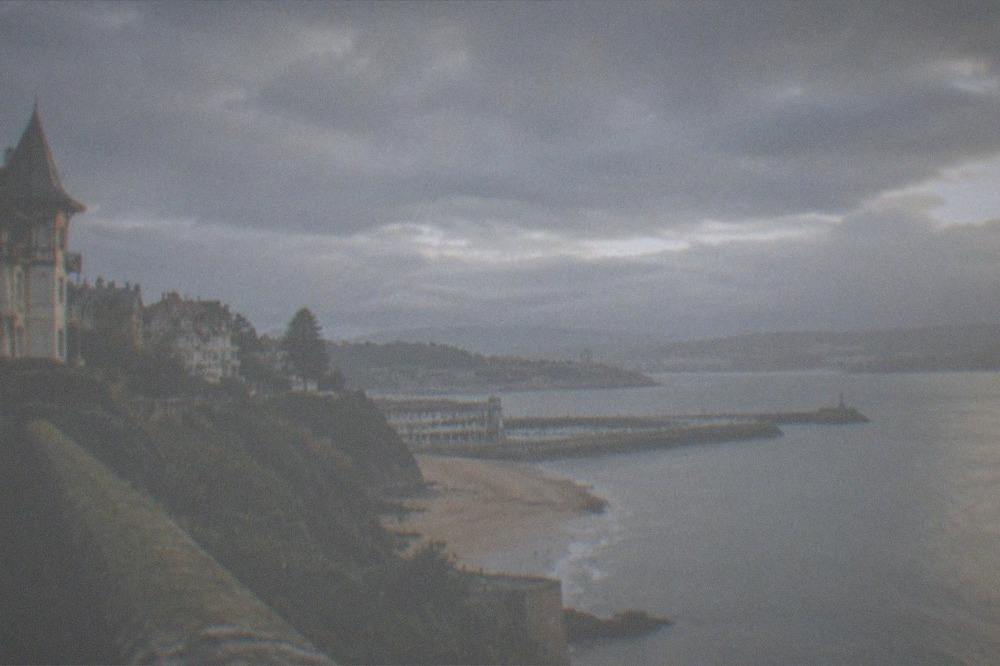
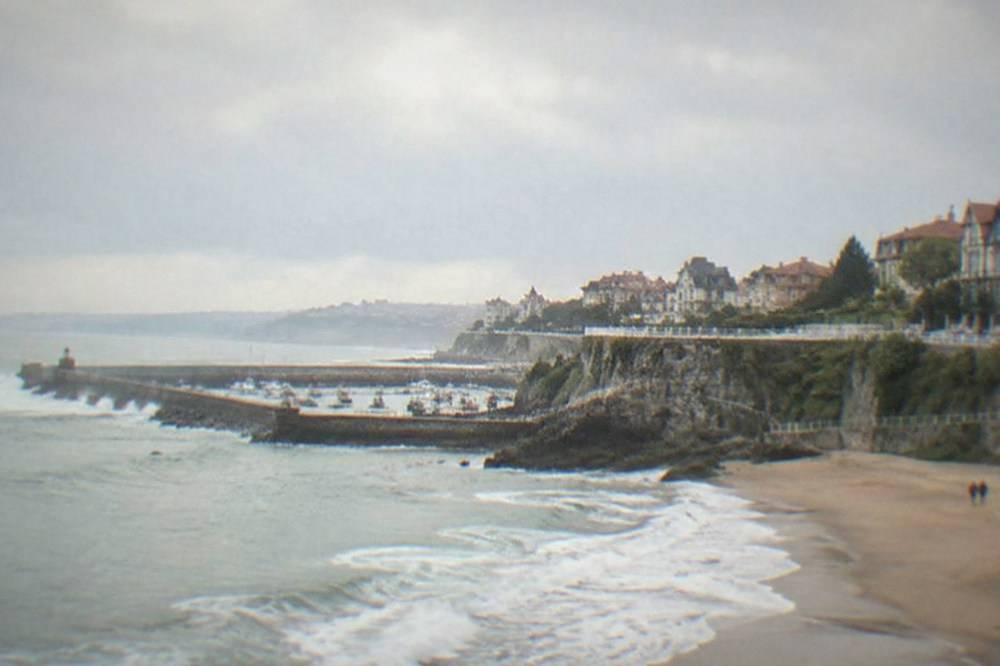
Start at Areeta and walk the promenade. The seafront path runs along the top of the beach, and on weekends it fills with joggers, families and couples doing the slow Basque evening stroll. The beaches themselves face open Bay of Biscay water, which means real waves, cooler water than the Mediterranean, and a genuine surf-adjacent feel; AEMET's normals for Bilbao Aeropuerto/Loiu (station 1082) put August's mean temperature at 20.9 C and the sea breeze keeps even hot days comfortable on the sand.
| Area of Getxo | What it offers | Best for |
|---|---|---|
| Areeta (Las Arenas) | Vizcaya Bridge access, grand summer-colony architecture, waterfront bars | Bridge visit, first stop off the metro |
| Bidezabal | Beach access, seafront promenade stretch | Beach day, walking |
| Aiboa | Beaches and coastal path continuation | Quieter stretch, longer walks |
| Zugazarte / Bizkaia Zubia stops | Bridge-adjacent access, estuary views | Quick bridge trip without a long walk |
The mansions are the detail visitors walk straight past. Areeta grew as Bilbao's moneyed classes built summer houses here, and the streets just back from the front retain a mix of styles that makes the neighbourhood feel like an open-air architecture museum. The Bilbao architecture guide covers the same story from the city side, but seeing where that money lived in summer explains a lot about the estuary's shape today.
Food in Getxo runs to seafront pintxo bars rather than destination restaurants, and the same pintxo culture described in the best pintxos in Bilbao guide applies here at the coast. Typical pintxo prices run around 2 to 5 euro per piece at traditional bars, with drinks such as txakoli or a small beer typically 2 to 3.50 euro; check the chalkboard or the counter display rather than assuming.
For a longer coastal day, guided excursions along this stretch combine the bridge with the wider Basque coast. The Vizcaya Bridge, Gaztelugatxe and wine tasting excursion is one such option, and the Gaztelugatxe loop with wine tasting is another that runs further along the same shoreline towards the Urdaibai biosphere, covered in detail on the Gaztelugatxe day trip page.
How Does Getxo Compare With Other Bilbao Day Trips?
Getxo is the shortest and cheapest coastal day trip from Bilbao, roughly half an hour by metro, which makes it the right choice for a half day, a beach afternoon or a bad-weather-morning plan. For dramatic coastline, San Juan de Gaztelugatxe and the Mundaka and Bermeo stretch beat it; for food and city life, San Sebastián wins; and for wine, the Rioja region is a different category of trip entirely.
The honest comparison is about time budget. Getxo asks for two to four hours and costs a metro fare. Gaztelugatxe, the hermitage on its rocky islet reached by a stone causeway and several hundred steps, is the region's most spectacular sight but needs most of a day, and a free timed reservation is required only on official controlled-access days, roughly mid-June to about 20 September daily plus Easter and holiday weekends per the yearly calendar, with a daily cap of 1,462 visitors on controlled days and booking via tiketa.eus. As of the most recent reporting, access reverted to free and reservation-free from 21 September 2026 through the end of September.
| Day trip from Bilbao | Typical public-transport time | Character |
|---|---|---|
| Getxo (Vizcaya Bridge, beaches) | 28-29 min by metro | Beaches, promenade, World Heritage bridge |
| Bermeo (fishing port) | ~1 h 21 min by Euskotren | Working harbour, pintxo bars |
| Mundaka (surf town) | ~1 h 16 min by train | Surf watching, estuary views |
| San Sebastián | ~1 h 20 min by bus | Beaches, old town, world-class eating |
| Vitoria-Gasteiz | ~1 h to 1 h 32 min by bus | Historic centre, green city |
| Rioja wine region | Half to full day | Wineries, hilltop villages |
The timings above are typical public-transport figures from the research pack, not promises; always check current schedules. What they show is the real pattern: Getxo is the only one of these you can do on impulse, on a spare afternoon, without booking anything.
If your instinct after Getxo is to push further along the coast, the San Sebastian day trip guide and the Mundaka guide cover the two most popular next steps, and the Rioja wine day trip guide covers the inland alternative. The full menu of options is on the things to do in Bilbao overview.
For a fully guided coast-and-cities day that starts from Bilbao, the Biarritz and Saint-Jean-de-Luz excursion is the strongest fit for Getxo-style seafront scenery with the logistics handled:
An excursion to San Sebastián, Hondarribia and Getaria covers a different slice of the same coast, and it suits travellers who want the Basque shoreline without renting a car:
When Is The Best Time Of Year To Visit Getxo?
The best months for Getxo are July and August, when AEMET's Bilbao Aeropuerto/Loiu station normals show the warmest and driest weather of the year, a 20.4 C mean in July, 20.9 C in August, and the lowest monthly rainfall at 50 mm and 76 mm. June and September are close behind with fewer crowds. November is the wettest month at 147 mm, but Getxo's oceanic climate makes it a workable year-round walk.
Bilbao's climate is temperate oceanic, Atlantic-influenced, never Mediterranean and never continental, and Getxo inherits that fully. Rain arrives somewhere in every season, 1,134 mm across a typical year, so the planning question is not whether it will rain but how much. The sea moderates everything: winter means around 9.3 C in January, mild enough for the promenade, and summer rarely turns genuinely hot.
| Month | Mean temperature (C) | Mean rainfall (mm) |
|---|---|---|
| January | 9.3 | 120 |
| April | 12.6 | 107 |
| July | 20.4 | 50 |
| August | 20.9 | 76 |
| September | 19.2 | 73 |
| November | 12.4 | 147 |
The shoulder seasons are the connoisseur's choice. May sits at a 15.7 C mean with 78 mm of rain, and September at 19.2 C with the sea at its warmest after the summer. Aste Nagusia, Bilbao's nine-day festival running 22 to 30 August 2026, fills the city in late August, and a Getxo beach afternoon is exactly what locals do to escape the crowds those weeks.
How Much Does A Getxo Day Trip Cost In Total?
A budget Getxo day trip costs about 4 to 5 euro per person in transport, the metro round trip at 2.20 euro each way without a Barik card, plus 0.60 euro each way on the bridge gondola, so under 6 euro for the full core experience. Add the walkway ticket at the reported 11 euro, drinks and pintxos at typical bar prices, and a comfortable day still lands well below most ticketed attractions in the region.
The arithmetic is the appeal. Compare it with the Guggenheim's 18 euro adult ticket, listed on the museum's own site, or the San Mamés guided tour at 22 euro for an adult: the Getxo day delivers a World Heritage crossing, a beach and a promenade walk for the price of a metro fare and two gondola tickets.
| Item | Cost per person |
|---|---|
| Metro, Bilbao to Areeta, single (no Barik) | 2.20 euro |
| Metro with Barik Creditrans (2 zones) | 1.19 euro |
| Vizcaya Bridge gondola, one-way daytime | 0.60 euro |
| Walkway round-trip, adult (reported) | 11 euro |
| Typical pintxo at a traditional bar | 2-5 euro |
| Typical drink (txakoli, beer, wine) | 2-3.50 euro |
Two ways to trim it: a Barik card cuts the metro fare to 1.19 euro for the two-zone journey, though the card itself is commonly reported to cost 3 euro to buy and that purchase price is not confirmed on an official CTB page, so treat it as provisional. And if you are doing a lot of transport across a two or three-day stay, the Bilbao Bizkaia Card's unlimited travel, 10 euro for 24 hours, can absorb the whole Getxo round trip along with everything else.
Common Questions About Getxo
How do I get from Bilbao to Getxo?
Take Metro Line 1 from Abando towards the coast; the Areeta, Bidezabal and Aiboa stops serve Getxo, with the journey taking roughly 28 to 29 minutes. A two-zone single costs 2.20 euro, or 1.19 euro with a Barik Creditrans card. Bizkaibus services and taxis are the alternatives.
What is the Vizcaya Bridge and can you ride it?
Yes, it is a working transporter bridge and a UNESCO World Heritage Site, inscribed in 2006 as the first industrial heritage site in Spain on the list. The suspended gondola carries pedestrians across the Nervion estuary for 0.60 euro one-way in daytime hours, and it runs frequently through the day.
Does Getxo have beaches?
Yes, Getxo has sandy beaches facing the Bay of Biscay, linked by a long seafront promenade. The water is Atlantic, cooler than the Mediterranean, and the beaches sit a short walk from the Bidezabal and Aiboa metro stops.
Is Getxo worth visiting from Bilbao?
For a half-day trip, yes: it is the fastest route from the city to open coastline, it carries the region's only World Heritage Site outside the city museums, and the whole core experience costs only a few euro in transport and gondola fares.
How much does the Getxo day trip cost?
The core trip costs under 6 euro per person: a 2.20 euro metro single each way plus the 0.60 euro gondola crossing each way. The optional elevated walkway is reported at 11 euro adult round-trip, and food runs at typical pintxo bar prices of 2 to 5 euro per piece.
When is the best time to visit Getxo?
July and August are the warmest and driest months, with mean temperatures of 20.4 C and 20.9 C and the lowest rainfall of the year. June and September offer similar conditions with fewer people, and the oceanic climate keeps the promenade walkable even in winter.
Getxo will never compete with Gaztelugatxe for drama or San Sebastián for food, and that is precisely its value: it is the day trip you can decide on over breakfast, reach by metro in half an hour, and finish with a World Heritage crossing that costs less than a pintxo. Pair it with a morning in the Casco Viejo or an afternoon at the Guggenheim, and you have the most complete single day the Bilbao area offers.