The Best Base To Explore Basque Country
Bilbao sits at the geographic and transport heart of the Basque Country, with the region's only major airport, its densest rail and bus network, and more day-trip range than any other candidate city.
Short answer
Bilbao is the best base to explore Basque Country because it is the region's transport hub: it has the only major airport, direct buses and trains to San Sebastián, Vitoria and the coast, and the widest choice of accommodation, usually at lower rates than San Sebastián.
Bilbao, in Biscay (Bizkaia) province in the Basque Country (Euskadi) in northern Spain, is the most practical base for exploring the whole region, and the reason is geography plus infrastructure rather than any single attraction. The city of 346,933 residents (Eustat, 1 January 2025) sits on the tidal Nervion/Ibaizabal estuary about 15 km from the Bay of Biscay, roughly midway between the Rioja wine country to the south and the surf coast of Mundaka to the east. It holds the Basque Country's only major airport, the region's densest metro and rail network, and the largest accommodation stock outside the coast. A traveler sleeping in Bilbao can reach San Sebastián, Vitoria-Gasteiz, the Rioja wineries, Gaztelugatxe and the fishing ports of Bermeo and Mundaka without ever changing hotels, which is a claim no other Basque city can make with the same timetable depth.
This guide compares Bilbao against the other realistic candidates, prices out the base-city decision, and lays out exactly what you can reach on a day trip. It draws on official figures, from the CTB transport consortium's fares pages to AEMET's climate normals for station 1082, rather than impressions. For a broader orientation on the region itself, start with the Basque Country primer for Bilbao visitors, and for the accommodation question in detail see where to stay in Bilbao.
Why Is Bilbao The Best Base To Explore Basque Country?
Bilbao is the best base to explore Basque Country because it is the only city in the region that combines a major airport with direct transport links in every direction: buses to San Sebastián in about 1 hour 20 minutes, trains to the Urdaibai coast, metro to the beaches of Getxo, and organized day tours to the Rioja wineries, all from a single lodging. No other Basque city offers that spread. San Sebastián is superb for food but sits at the eastern edge of the region; Vitoria-Gasteiz is central for the Rioja but has no airport traffic to speak of and thinner coastal links.
The airport point matters more than most guides admit. Bilbao Airport (BIO) handled more than 7 million passengers recently, and in September 2026 the Council of Ministers approved a 364 million euro expansion, its largest ever, aimed at capacity toward roughly 8 million passengers, with works expected to conclude around 2032. Flying into BIO and staying put in Bilbao removes every inter-city transfer except the 15 to 25 minute Bizkaibus A3247 ride from the airport to the city center, which runs every 15 minutes for 5 EUR without a Barik card. There is no metro or train link to BIO, and the city council's own position is that none arrives before 2035, so the bus or a taxi at roughly 24 to 29 EUR are the real options. The full arrival picture is in the Bilbao airport guide.
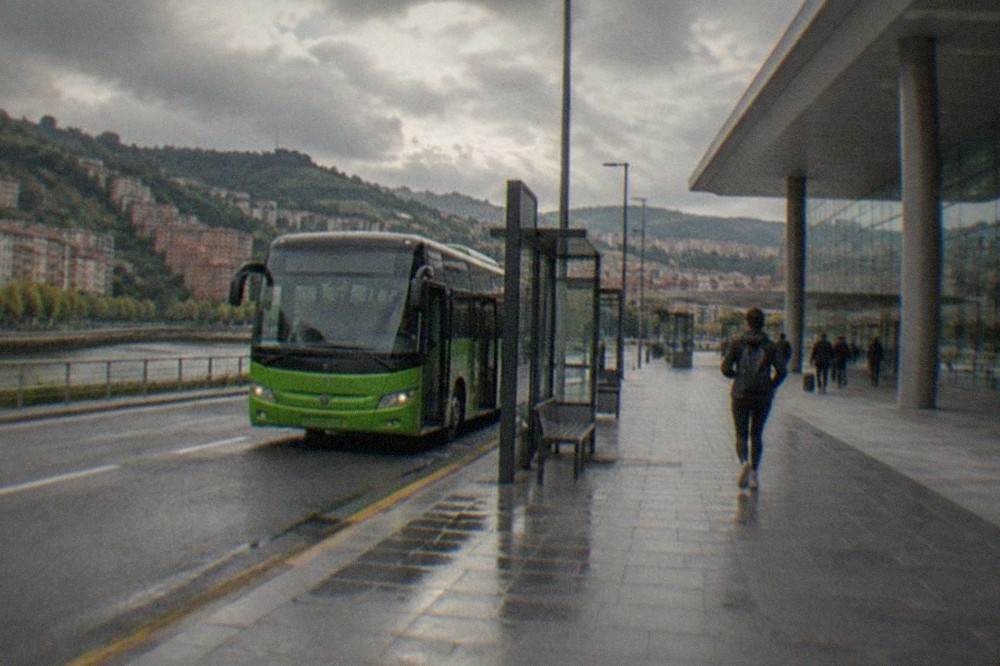
The second structural advantage is transport density inside the city. The CTB Barik fares page gives Metro Zone 1 rides at 1.02 EUR with a Barik card, the tram at 0.74 EUR flat, and Bilbobus city buses at a 0.73 EUR base fare, which means a base-city visitor moves around cheaply between day trips. The getting around Bilbao transport guide covers the network in detail, and the Bilbao Bizkaia Card adds unlimited transport plus museum discounts at 10 EUR for 24 hours, 15 EUR for 48 hours and 20 EUR for 72 hours.
How Does Bilbao Compare To San Sebastian, Vitoria And The Smaller Towns?
Bilbao wins on range and cost: it is the only candidate with a major airport, the widest day-trip network in every direction, and hotel rates generally below San Sebastián's, while San Sebastián wins only if your trip is entirely about its old town and beaches, and Vitoria only if it is entirely about the Rioja. The honest answer is that Bilbao is the general-purpose base and the other two are specialist bases. A week in San Sebastián locks you into Gipuzkoa; a week in Bilbao reaches Gipuzkoa, Araba and the Bizkaia coast alike.
The comparison the pack's data supports most cleanly is transport reach. From Bilbao, the direct Alsa and Avanza buses to San Sebastián take about 1 hour 20 minutes at roughly 8 to 19 EUR, so San Sebastián itself is simply one of Bilbao's day trips. The reverse is not true: from San Sebastián, reaching the Bizkaia coast at Bermeo or Mundaka, or the Rioja wineries at Haro and Laguardia, means longer and less frequent connections. Vitoria-Gasteiz is about 1 hour to 1 hour 32 minutes from Bilbao by direct bus at roughly 6 to 7 EUR, which again folds Araba's capital into a Bilbao-based itinerary. The head-to-head on the two biggest rivals is covered fully in Bilbao vs San Sebastian, and the wider question of the region's value is tackled in is Basque Country worth visiting.
| Base city | Airport on site | Direct bus to San Sebastián | Direct bus/train to Vitoria | Metro to coast | Day-trip reach without a hotel change |
|---|---|---|---|---|---|
| Bilbao | Yes (BIO, 7M+ passengers) | ~1h 20m | ~1h-1h 32m bus | Yes (Getxo, ~28-29 min) | Bizkaia coast, Gipuzkoa, Araba, Rioja |
| San Sebastián | No | n/a (is the destination) | Longer, less frequent | No | Mostly Gipuzkoa and the French Basque coast |
| Vitoria-Gasteiz | No | Longer, less frequent | n/a (is the destination) | No | Mostly Araba and the Rioja |
| Bermeo / Mundaka | No | 2h+ with changes | 2h+ | No | Bizkaia coast only |
The smaller towns deserve a paragraph of their own, because the temptation is real. Bermeo is a working fishing port with an Euskotren line to Bilbao Casco Viejo taking roughly 1 hour 21 minutes at 2 to 5 EUR, and Mundaka sits four minutes further down the same line. Both are wonderful for two or three days. As a base for a full regional trip, though, they fail on two counts: thin accommodation choice and no airport access. A hybrid strategy works well in practice, and it is the one this site recommends for trips longer than a week: base in Bilbao for the bulk of the stay, then finish with two nights in San Sebastián so the eastern corner gets an unhurried visit rather than a bus-timetable sprint.
A food-focused note on the comparison: the Michelin density of the Basque Country as a whole, including Bilbao's own starred rooms, is covered in Michelin restaurants in the Basque Country, and the everyday eating case for Bilbao, its pintxos bars, is made in the best pintxos in Bilbao guide. The short version: San Sebastián holds the halo, but a Bilbao base eats very well every single night, which matters when you return tired from a day trip at 19:00.
What Can You Reach From Bilbao On A Day Trip?
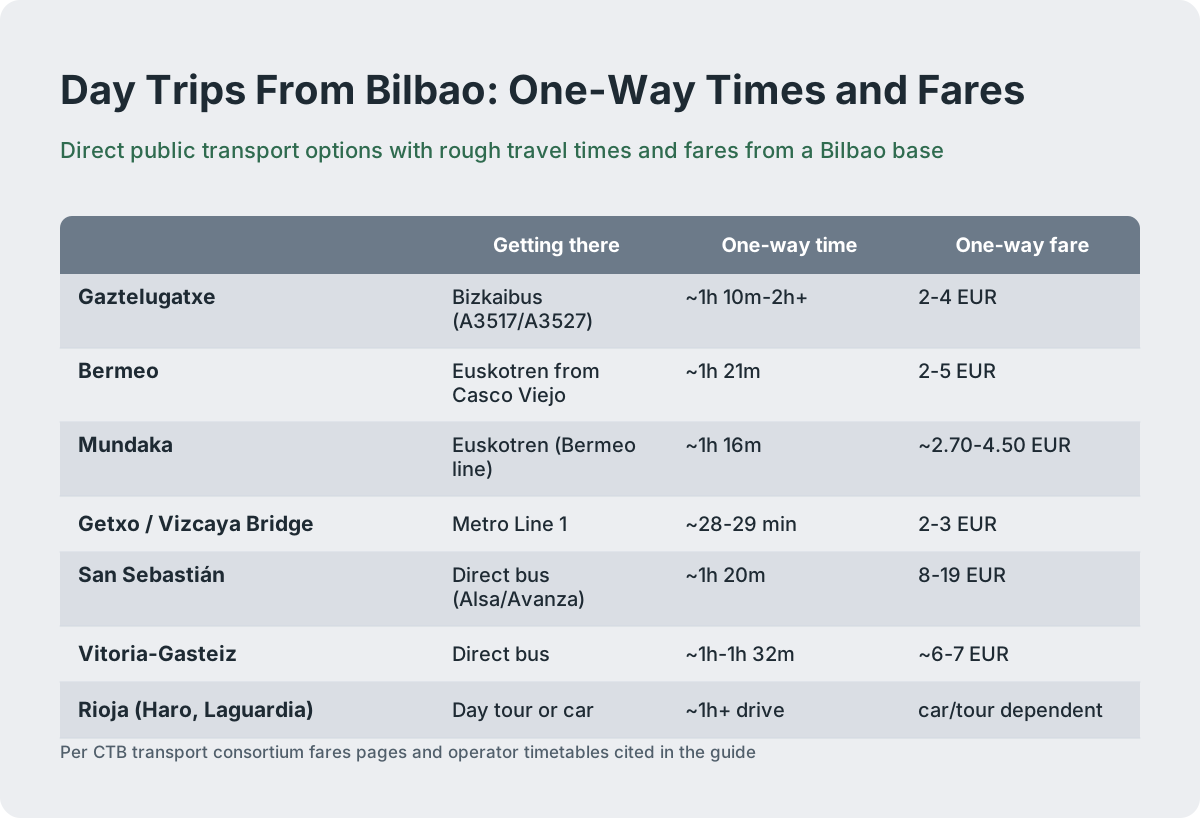
From a Bilbao base you can reach, on realistic day trips, the hermitage islet of San Juan de Gaztelugatxe, the fishing ports of Bermeo and Mundaka, the historic town of Gernika, the beaches and UNESCO-listed Vizcaya Bridge at Getxo and Portugalete, San Sebastián and the French Basque coast, Vitoria-Gasteiz, and the Rioja wineries around Haro and Laguardia. That is seven distinct regions reachable without changing hotels, and the public transport figures for each come from the pack's verified schedule data, not estimates.
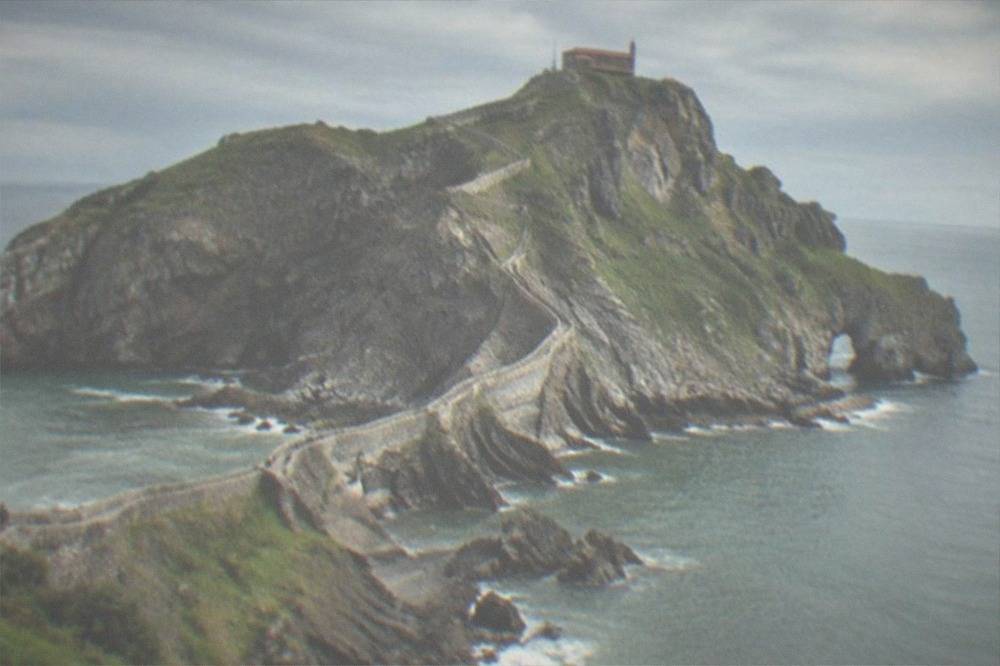
The headline trip is Gaztelugatxe, the rocky islet with its stone-step causeway that served as Dragonstone in Game of Thrones. A free timed reservation is required only on official controlled-access days, roughly mid-June to about 20 September daily plus Easter and holiday weekends per the yearly calendar; on all other days access is free without a reservation. The daily cap on controlled days is 1,462 visitors, booking is always free via tiketa.eus with up to 10 people per reservation, and as of the most recent reporting access reverted to free, no-reservation from 21 September 2026 through the end of September. Reaching it independently means a Bizkaibus ride of roughly 1 hour 10 minutes to over 2 hours depending on the connection, at 2 to 4 EUR, which is why many visitors take an organized coastal tour instead. The full detail lives in the site's Gaztelugatxe guide.
The same eastern arc folds in Gernika, whose oak tree and assembly house anchor the Basque Country's political history, covered in the site's guide to the Gernika tree and Basque history, plus Bermeo and Mundaka on the same Euskotren line. To the west, Metro Bilbao Line 1 reaches Getxo in about 28 to 29 minutes for 2 to 3 EUR, putting the Vizcaya Bridge, the UNESCO-inscribed transporter bridge from 2006, within an afternoon: the gondola crossing costs 0.60 EUR one-way in daytime hours, and the upper walkway ticket is reported at 11 EUR adult round-trip, 9 EUR reduced, though that walkway figure is a single-source claim stated without extra certainty. The Vizcaya Bridge guide covers the crossing in full.
| Day trip from Bilbao | Best public option | Rough one-way time | Rough one-way fare | Reservation needed? |
|---|---|---|---|---|
| Gaztelugatxe | Bizkaibus (A3517/A3527) | ~1h 10m-2h+ | 2-4 EUR | Free timed ticket on controlled days only |
| Bermeo | Euskotren from Casco Viejo | ~1h 21m | 2-5 EUR | No |
| Mundaka | Euskotren (Bermeo line) | ~1h 16m | ~2.70-4.50 EUR | No |
| Getxo / Vizcaya Bridge | Metro Line 1 | ~28-29 min | 2-3 EUR | No |
| San Sebastián | Direct bus (Alsa/Avanza) | ~1h 20m | 8-19 EUR | No |
| Vitoria-Gasteiz | Direct bus | ~1h-1h 32m | ~6-7 EUR | No |
| Rioja (Haro, Laguardia) | Day tour or car | ~1h+ drive | car/tour dependent | Winery visits usually book ahead |
For the trips where public transport thins out, above all the Rioja, an organized day tour is often the rational choice even for independent travelers. The Rioja option in the trio above covers Haro and Laguardia with winery tastings included, which removes the driving question entirely; the alternative, renting a car, works well for confident drivers and is covered in the site's rental and parking guides.
How Much Does It Cost To Base Yourself In Bilbao?
A Bilbao base is moderately priced by northern Spanish standards: museum entry runs 18 EUR at the Guggenheim and 12 EUR at the Fine Arts Museum from 14 October 2026, a joint Artean pass covers both for 16 EUR, transport with a Barik card costs about 1 EUR per metro ride, and no tourist tax applies in 2026, with the regional tax of 1 to 6.50 EUR per night starting only on 1 January 2027. That last point is a genuine, dated saving: every night you sleep in Bizkaia this year is tax-free, and reservations made before early February 2026 are generally exempt even once the tax starts.
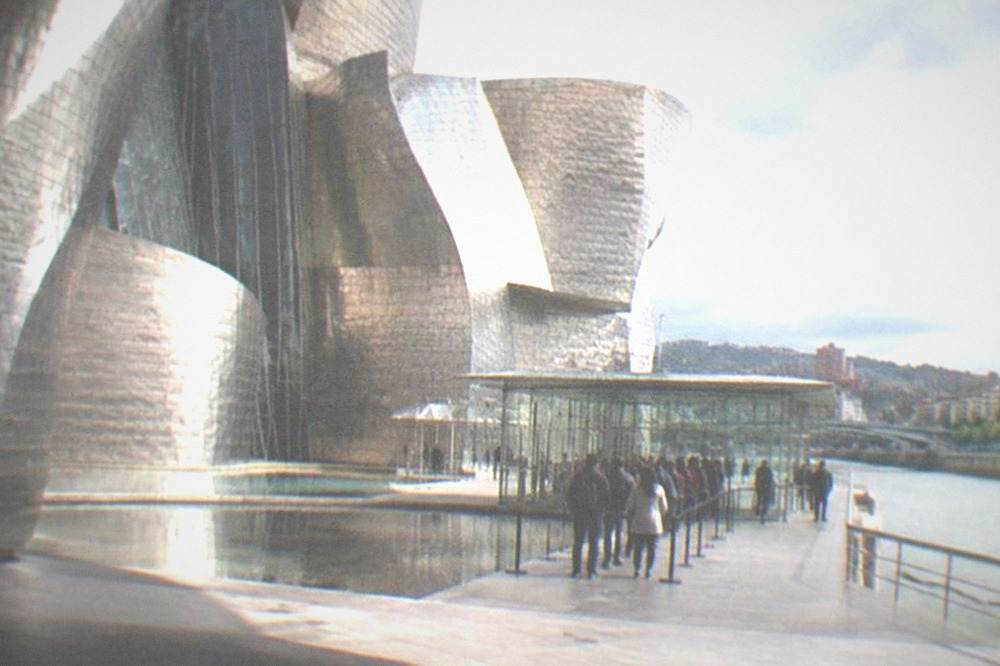
The attraction stack prices out as follows, all from official pages: the Guggenheim's own site lists 18 EUR adult admission, 9 EUR for students and seniors, free under 18, open Tuesday to Sunday 10:00 to 19:00 and until 20:00 during Easter week and from 15 June to 13 September. The Bilbao Fine Arts Museum reopens 6 October 2026 after its closure from 31 August, with a free week from 6 to 13 October, then 12 EUR general admission and the 16 EUR Artean joint pass with the Guggenheim (8 EUR reduced), figures reported from a single source and stated as such. The Funicular de Artxanda costs a reported 3.50 EUR one-way or 6.00 EUR round-trip, the Vizcaya Bridge gondola 0.60 EUR, and San Mames stadium self-guided tours 15 EUR adult or 22 EUR guided, per the club's official museum page. The site's museums guide ranks what is worth those prices. Other pages covering the same trip are gathered on Bilbao Travel Guide.
| Cost item | Price (official or reported) | Notes |
|---|---|---|
| Guggenheim adult ticket | 18 EUR | Audio guide included; free under 18 |
| Fine Arts Museum adult (from 14 Oct 2026) | 12 EUR | Free entry week 6-13 Oct 2026 |
| Artean joint pass (both museums) | 16 EUR / 8 EUR reduced | Reported, single-source pricing |
| Metro Zone 1 ride with Barik | 1.02 EUR | CTB Barik fares page |
| Metro single without Barik | 2.00 EUR | 2-hour validity |
| Funicular de Artxanda | 3.50 EUR one-way / 6.00 EUR return | Reported, fares page not independently fetched |
| San Mames self-guided / guided tour | 15 EUR / 22 EUR adult | Athletic Club official page |
| Tourist tax | 0 EUR in 2026 | 1-6.50 EUR per night from 1 Jan 2027 |
On the ground, the is Bilbao expensive guide carries the full budget breakdown, and the money, currency and tipping guide handles the practicalities. The pattern worth knowing: transport is cheap, museums are mid-priced, and food scales with your ambition, since a pintxos crawl runs anywhere from a few euros a bar to a full tasting menu. What keeps a Bilbao base affordable is that the expensive evenings are optional, while the day trips, the actual reason for basing here, are mostly the price of a bus or metro ticket.
Where Should You Stay In Bilbao For Exploring The Region?
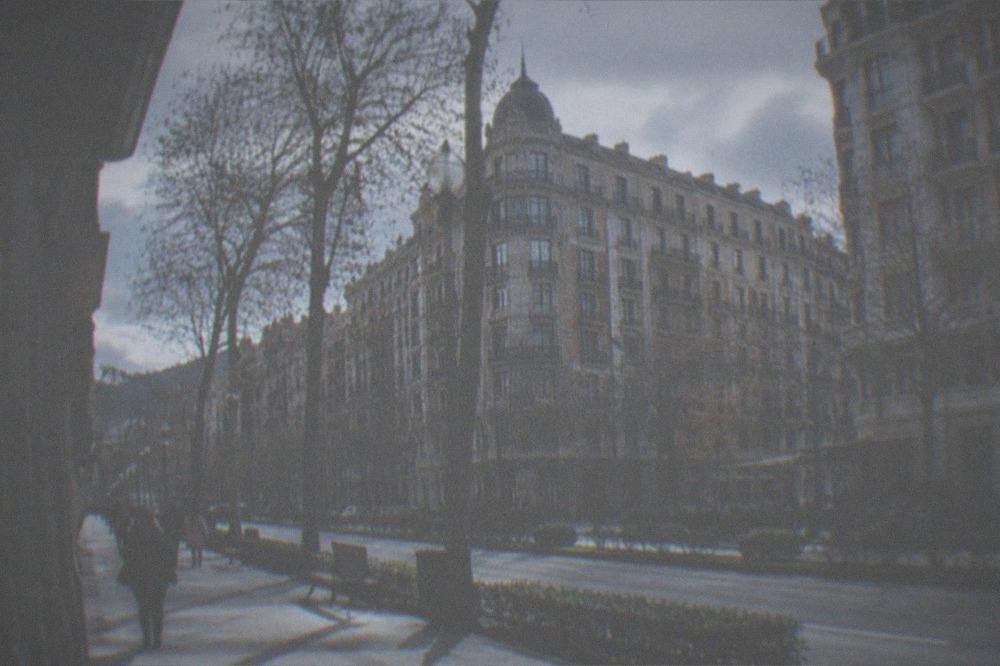
For a regional base, stay in central Bilbao, around Abando and the Ensanche near Abando Intermodal, or in the Casco Viejo near the Zazpikaleak Euskotren station, because those two areas put the metro, the tram, the main bus station and the eastern rail line within a short walk, which is what turns each day trip into a 10-minute departure. The neighbourhood-by-neighbourhood case, including Indautxu and Deusto, is laid out in the where-to-stay guide, and the character of the Old Town itself is described in the site's Casco Viejo area guide.
The logic is purely about departure points. Buses to San Sebastián and Vitoria leave from the Bilbao Intermodal station by Abando. The Euskotren to Bermeo, Mundaka and Gernika leaves from Zazpikaleak in the Casco Viejo. The metro to Getxo and the Vizcaya Bridge runs from Abando and Moyua. The tram links the Guggenheim end of the centre to both. Picking a hotel inside that triangle means every regional day trip starts with a walk of ten minutes or less, and the airport bus, the A3247 from central stops toward Termibus, is in the same zone.
One warning carried by the safety reporting rather than by anecdote: pickpocketing concentrates in crowded tourist zones like the Casco Viejo and around the Guggenheim, standard big-city precautions apply, and the city's 2025 crime balance actually showed street crime slightly down year on year. Accessibility is relevant to base choice too: the entire Bilbobus fleet is reported as fully accessible, metro stations have elevators throughout, and the Funicular de Artxanda offers free travel for one companion of a wheelchair user, so an accessible base in the centre is realistic rather than aspirational.
Do You Need A Car To Explore The Basque Country From Bilbao?
No, a car is not needed to explore the Basque Country from a Bilbao base: metro, Euskotren and Bizkaibus cover the Bizkaia coast, direct buses cover San Sebastián and Vitoria, and organized tours cover the Rioja, so a car adds value only for the Rioja wineries, remote coastal stretches or tight multi-stop itineraries. The pack's schedule data shows every headline destination in this guide is reachable by public transport, several of them with a simple Barik tap.
The car's genuine advantages are narrow but real. The Rioja towns of Haro and Laguardia are the weakest public-transport links on the list, and a day tour with tastings included, like the Rioja option in the trio above, is the usual workaround. Gaztelugatxe by car is about 30 to 45 minutes from Bilbao against over an hour by bus, though parking near the site is its own constraint on controlled-access days with the 1,462-visitor cap. For everyone else, the car mostly sits in a paid space while you pay 1.02 EUR metro rides. The site's rental and parking guides cover the rental decision and the parking reality, and the airport-side warning from the safety reporting is worth repeating there: check the car for pre-existing damage at pickup, since phantom-damage complaints are a known pattern at airport desks.
| Mode | Best for | Typical cost (official/reported) | Weakness |
|---|---|---|---|
| Metro + Barik | Getxo, Vizcaya Bridge, city | 1.02 EUR Zone 1 | Bizkaia only |
| Euskotren | Bermeo, Mundaka, Gernika | 2-5 EUR | Slower than tours |
| Bizkaibus | Gaztelugatxe area, coastal towns | 2-4 EUR | Infrequent on some branches |
| Long-distance bus | San Sebastián, Vitoria | 6-19 EUR | Timetable-bound |
| Organized day tour | Rioja, Gaztelugatxe combos | tour-dependent | Fixed schedule |
| Rental car | Rioja wineries, multi-stop days | rental + parking | Parking in Bilbao, no airport rail link |
For travelers arriving without a car and leaving without one, the honest summary is that Bilbao is the one Basque city where that plan costs you almost nothing. The only trip on the list where the car or a tour meaningfully beats the bus is the Rioja, and the tour market handles that thoroughly.
What Is The Best Time Of Year To Use Bilbao As A Base?
The best months to use Bilbao as a base are July and August, which AEMET's 1981-2010 normals for station 1082 show as the warmest and driest pair at 20.4 and 20.9 C mean temperature with 50 and 76 mm of rain, though June and September run close behind with fewer controlled-access constraints at Gaztelugatxe, and November is the month to avoid at 147 mm of rain. Bilbao's climate is temperate oceanic, Atlantic-influenced, with rain in every month and an annual mean of 14.7 C, so packing for showers is correct year-round and the question is only how warm and how wet.
| Month | Mean temp (C) | Rain (mm) | Base-city notes |
|---|---|---|---|
| March | 11.5 | 90 | Easter crowds possible; Guggenheim open till 20:00 Easter week |
| May | 15.7 | 78 | Comfortable, fewer controlled-access days |
| June | 18.4 | 60 | Controlled access starts mid-month at Gaztelugatxe |
| July | 20.4 | 50 | Warmest, driest; peak coastal season |
| August | 20.9 | 76 | Aste Nagusia runs 22-30 August 2026 |
| September | 19.2 | 73 | Access freed from 21 Sept 2026 (reported) |
| October | 16.4 | 111 | Fine Arts Museum reopening week, 6-13 Oct 2026 |
| November | 12.4 | 147 | Wettest month; lowest crowds |
Two timing notes go beyond the weather table. First, Aste Nagusia, Bilbao's nine-day main festival, runs 22 to 30 August 2026 with the txupin opening on 22 August at 19:00 in Plaza Arriaga; basing in the city during it is either the whole point of your trip or a reason to shift dates, and the Aste Nagusia guide helps you decide which. Second, if music is the draw, BBK Live 2027 runs 8 to 10 July 2027 at Kobetamendi, with no lineup announced yet. The full month-by-month picture, including the cider txotx season in winter, is in the Bilbao weather guide.
Common Questions About Basing Yourself In Bilbao
Is Bilbao or San Sebastian the better base for the Basque Country?
Bilbao is the better all-round base: it has the region's only major airport, direct buses to San Sebastián in about 1 hour 20 minutes, and day-trip reach across Bizkaia, Gipuzkoa, Araba and the Rioja. San Sebastián is the better base only for a trip focused entirely on its own old town, beaches and restaurants.
Can you visit Gaztelugatxe from Bilbao in a day?
Yes. Bizkaibus lines reach the area in roughly 1 hour 10 minutes to over 2 hours, and organized coastal tours run daily. A free timed reservation via tiketa.eus is required only on official controlled-access days, roughly mid-June to about 20 September daily plus Easter and holiday weekends, with a 1,462-visitor daily cap on those days.
How many days should you base yourself in Bilbao?
Five to seven nights is the sweet spot for a regional trip: two days for the city itself, including the Guggenheim and the Fine Arts Museum, then one day each for the Bizkaia coast, San Sebastián, and the Rioja or Vitoria. The site's how many days in Bilbao guide breaks down shorter and longer versions.
Do you need to speak Basque or Spanish to use Bilbao as a base?
No, but Spanish is the everyday language and a few words go a long way; Basque (Euskara) is co-official and visible on signage. The site's guide on whether Bilbao is Basque or Spanish covers the language landscape, and English works in museums, hotels and the tourism sector.
Is there a tourist tax when staying in Bilbao?
Not in 2026. The Bizkaia regional tourist tax under Norma Foral 3/2026 takes effect on 1 January 2027, with Bilbao's approved rates running from 1 EUR per night in pensions to 5 EUR in 5-star hotels and 6.50 EUR for tourist apartments. Reservations made before early February 2026 are generally exempt.
Can you day trip to the Rioja wine region from Bilbao?
Yes, either by organized tour with winery tastings at Haro and Laguardia included, or by rental car in about an hour or more each way. Public transport to the wineries themselves is thin, so the tour is the usual choice for a car-free base.
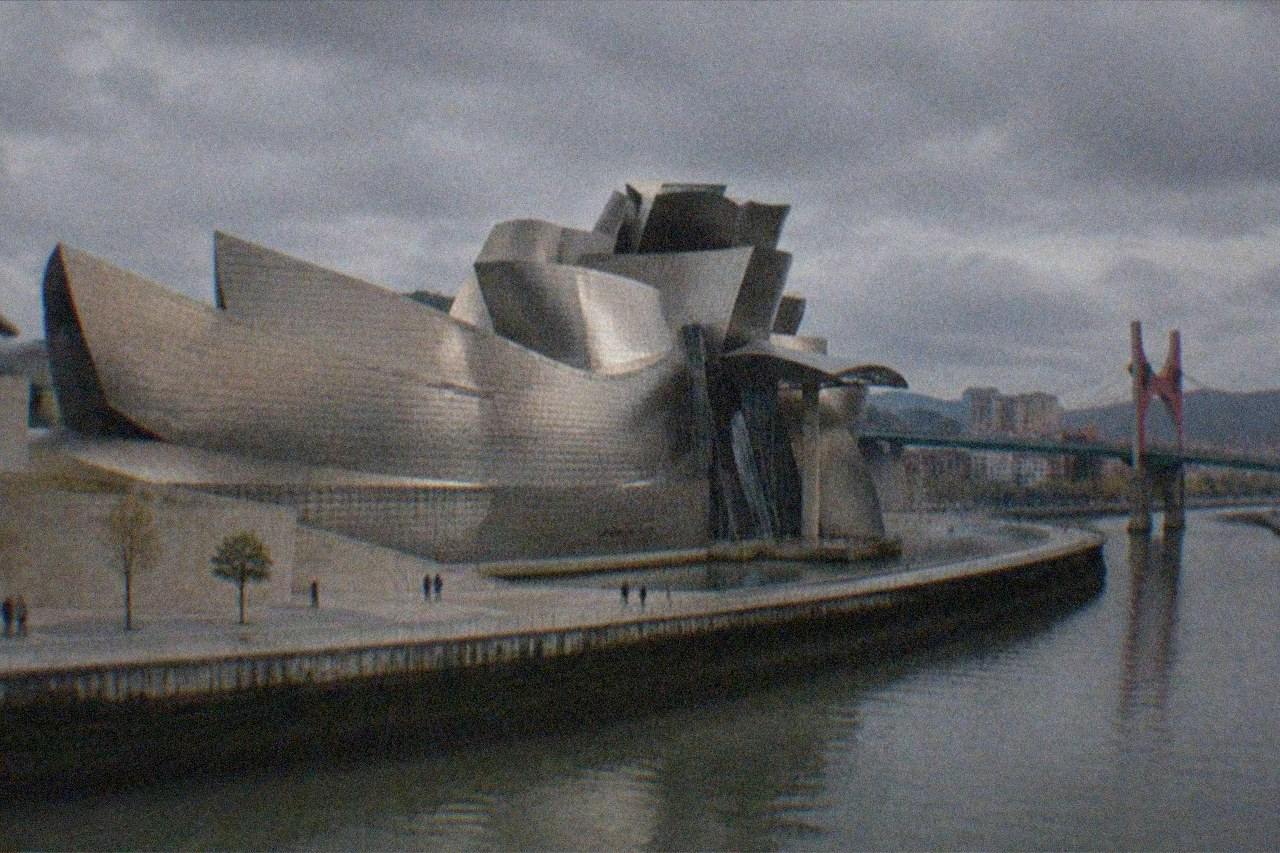
The final word: a base is a decision about where you sleep, but it is really a decision about where you can be by ten in the morning. Bilbao, in Biscay province in northern Spain, puts the Guggenheim's titanium curves, a UNESCO transporter bridge, a Game of Thrones hermitage, three Basque provinces and the Rioja vineyards within a single day's return journey, and no other city in the region comes close to that. Choose it, and spend your evenings planning tomorrow's departure from a pintxos bar in Plaza Nueva rather than from a bus station in a town you have already finished with.