Is The Basque Country Worth Visiting?
A straight answer on whether the Basque Country is worth visiting, anchored in Bilbao: what the region offers, what it costs, and how to plan the trip from Spain's Basque capital of commerce.
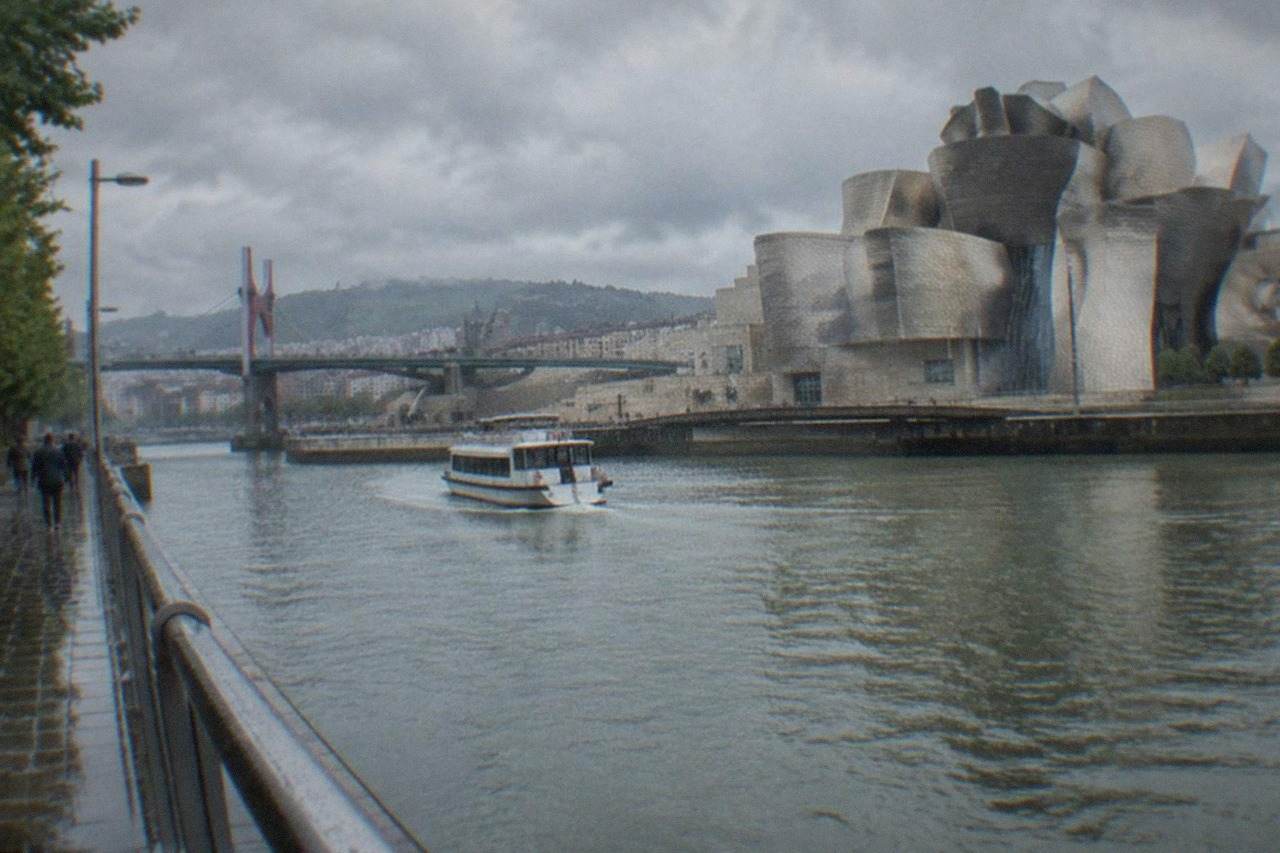
Bilbao sits on the tidal Nervion/Ibaizabal estuary in Biscay (Bizkaia) province, in the Basque Country (Euskadi) of northern Spain, roughly 15 km from the Bay of Biscay. That geography is the honest answer to most doubts about the region: within about an hour of this one city you have a titanium museum that changed the city's fortunes, a UNESCO-listed industrial bridge, a Game of Thrones filming site on a rocky islet, surf towns, fishing ports, and one of the densest concentrations of Michelin-starred restaurants in Spain. The pages at Bilbao Travel Guide exist because the question keeps coming up, and the short version is yes, with caveats about weather and pace that this page covers in full.
Is The Basque Country Worth Visiting?
Yes, the Basque Country is worth visiting, and Bilbao is the most practical base for doing it. The region combines a distinctive culture and language found nowhere else in Spain, a food scene with more Michelin stars per capita than almost anywhere in the country, and a green Atlantic coastline within an hour of the city. The trade-off is a temperate oceanic climate with rain year-round, so it rewards visitors who pack for weather rather than expecting a Mediterranean beach trip.
The case rests on density. From central Bilbao, the Guggenheim Museum Bilbao is a walk away, the Vizcaya Bridge at Portugalete is a short metro ride, and the San Juan de Gaztelugatxe hermitage is reachable on a half-day tour. San Sebastián, the region's other famous city, is about an hour and twenty minutes away by direct bus from Bilbao's intermodal station, per the schedule data in this site's day-trip research. You do not need to move hotels every night to see the region, which is precisely what makes it work for a one-week trip.
The honest counter-argument is the weather. AEMET's normals for Bilbao Aeropuerto/Loiu (station 1082, 1981-2010) show 1,134 mm of rain a year, spread across every month, with November the wettest at 147 mm and July the driest at 50 mm. Nobody should book this region expecting Andalusian sunshine. What they get instead is a landscape that stays green because of that rain, and a city that has built an unusually strong indoor repertoire of museums, pintxos bars and covered markets for the wet days.
What Makes The Basque Country Different From The Rest Of Spain?
The Basque Country differs from the rest of Spain through its language, Euskara, which survives as a living official language alongside Spanish and has no confirmed relative among European languages. It also maintains its own fiscal and political institutions, its own distinct food culture centred on pintxos rather than tapas, and a landscape of green Atlantic hills rather than the dry interior most people picture when they imagine Spain.
Euskara is the headline difference. Its presence on signage, transport announcements and menus is the first thing many visitors notice. The Basque or Spanish language question in Bilbao matters practically too: Spanish works everywhere, but a handful of Basque words appear on menus and street signs, and knowing pintxo, agur and eskerrik asko goes further here than in Madrid or Barcelona.
The second difference is institutional. Bizkaia and the other Basque territories retain historic foral arrangements, including their own tax system, which is why the region's tourist tax was passed as a Bizkaia-wide Norma Foral rather than a national measure. That tax, approved in 2026, does not take effect until 1 January 2027, so visitors travelling in 2026 pay nothing.
| Feature | Basque Country (from Bilbao) | Typical image of Spain |
|---|---|---|
| Language | Euskara and Spanish, both official | Spanish, with regional languages elsewhere |
| Climate | Temperate oceanic, 1,134 mm rain/year | Mediterranean or continental inland |
| Small-bar food | Pintxos, often skewered or on bread | Tapas, usually raciones-based |
| Signature drink | Txakoli white wine, cider houses | Rioja, sherry, sangria |
| Landscape | Green Atlantic coast and hills | Dry plains and Mediterranean beaches |
The third difference is the food culture, which is not a tourist invention. The pintxos bar is a native institution, and the distinction between a pintxo and a tapa is real enough that this site keeps a dedicated answer on it. Bizkaia's restaurants held their Michelin stars in the 2026 guide, including three-star Azurmendi in Larrabetzu near Bilbao, and the province is regularly described in local coverage as leading Spain in stars per capita.
What Are The Best Places To Visit In Basque Country From Bilbao?
The best places to visit from Bilbao are the Guggenheim Museum and Casco Viejo in the city itself, the Vizcaya Bridge at Portugalete, the San Juan de Gaztelugatxe hermitage on the coast, San Sebastián to the east, and the Rioja Alavesa wine villages to the south. All of them sit within roughly ninety minutes of the city by public transport or tour bus, which is why a single Bilbao base works for the whole region.
The Guggenheim is the obvious anchor, and it earns it: the museum's own site lists adult admission at 18 EUR, Tuesday to Sunday 10:00 to 19:00, extended to 20:00 from 15 June to 13 September. The Vizcaya Bridge, a UNESCO World Heritage Site since 2006 and the first industrial heritage site in Spain on the list, carries pedestrians across the estuary by gondola for a 0.60 EUR daytime fare. Gaztelugatxe, the rocky islet with a hermitage reached by a stone causeway, requires a free timed reservation only on official controlled-access days, roughly mid-June to about 20 September plus Easter and holiday weekends, with a cap of 1,462 visitors per controlled day.
| Destination | Travel from Bilbao | Getting there |
|---|---|---|
| Vizcaya Bridge, Portugalete | About 20-29 min | Metro Line 2 toward Areeta |
| San Juan de Gaztelugatxe | Roughly 30-45 min by road | Tour bus or Bizkaibus via Bakio |
| San Sebastián | About 1h 20m by bus | Direct bus from the intermodal station |
| Getxo beaches | About 28-29 min | Metro Line 1 |
| Rioja wine villages | Roughly an hour by road | Day tour or regional bus |
San Sebastián deserves its own mention because it is the region's second pole: a San Sebastian day trip from Bilbao is the single most popular excursion, and the bus connection makes it feasible without a car. What this site will not do is publish figures for San Sebastián itself, because the research behind these pages verified Bilbao's numbers, not its neighbour's. The travel times above come from Bilbao's own transport data.
How Many Days Do You Need For Bilbao And The Basque Country?
Four to five days is the realistic minimum for Bilbao plus the Basque Country's highlights: two days for the city itself, covering the Guggenheim, the Casco Viejo and the riverside districts, then one day each for a coastal excursion such as Gaztelugatxe and either San Sebastián or the Rioja wine country. A week allows all four without rushing, and anything under three days means choosing between the coast and the museums.
The city portion is denser than it might seem. The Guggenheim alone can absorb half a day, the Fine Arts Museum reopens on 6 October 2026 after its renovation with a free entry week from 6 to 13 October, and the Euskal Museoa reopened on 10 June 2026 after a four-year, 20.3 million euro rebuild. Add the Ribera Market, the seven streets of the Casco Viejo and the Artxanda funicular viewpoint and two full days fill themselves. This site's one day in Bilbao and two-day itineraries break the sequencing down hour by hour.
The excursions are where the day count grows. Gaztelugatxe tours run from about 3.5 hours to full 11-hour versions that add Bermeo, Mundaka, Gernika and a txakoli tasting, so one coastal day can be light or heavy depending on stamina. The history of Gernika and its assembly-house oak tree, the symbolic heart of Basque self-government, is worth the stop even on a shorter route.
Is Basque Food Worth The Trip On Its Own?
Basque food is worth the trip on its own, and for many visitors it becomes the reason to return. Pintxos bars in Bilbao's Plaza Nueva and Casco Viejo serve small, priced-to-order bites that typically run a few euros each, txakoli wine and cider houses give the region drinks found nowhere else in Spain, and Bizkaia's Michelin-starred density per capita leads the country according to local coverage of the 2026 guide.
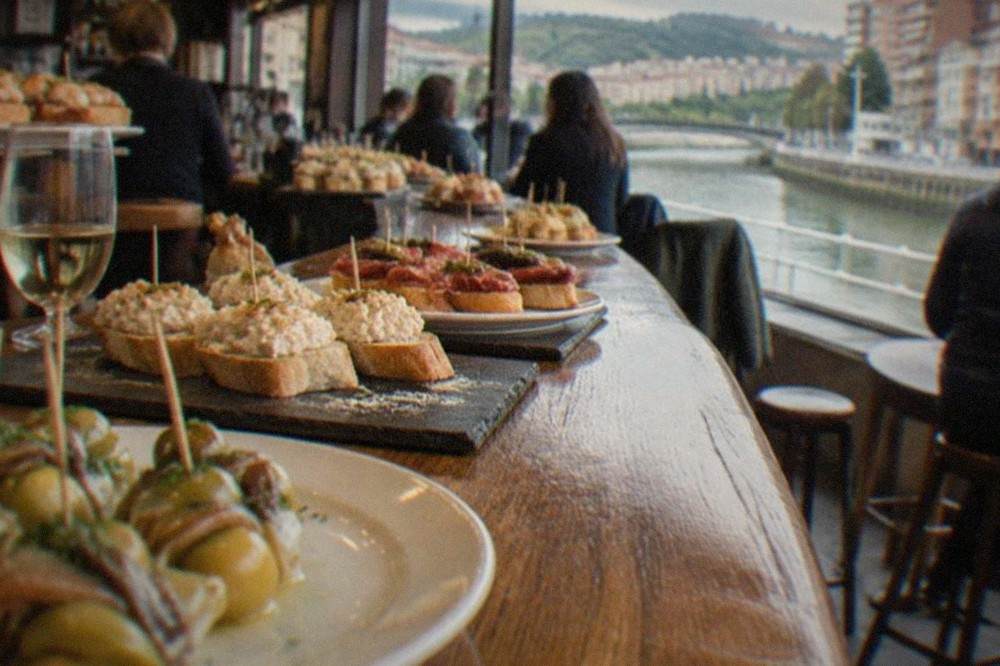
The pintxos crawl is the entry point. Bars like Gure Toki and Sorginzulo on Plaza Nueva, El Globo on Diputacion, and the 2025 Bizkaia championship winner La Bodeguita del 12 are all active and repeatedly cited in 2025-2026 local rankings. A typical crawl of four to six pintxos with drinks lands somewhere in the 25 to 45 EUR range per person according to current local guides, though prices vary by bar and you should always check the chalkboard or ask.
A guided crawl shortens the learning curve considerably, since the bar-by-bar etiquette, ordering system and specialty dishes take a visit or two to decode. The tipping question has its own dedicated answer, and the short version is that rounding up is normal and expected without being obligatory.
When Is The Best Time To Visit The Basque Country?
The best time to visit the Basque Country is July or August for the warmest, driest weather, with mean temperatures around 20.4 to 20.9 C and rainfall of about 50 to 76 mm per month, though June and September trade slightly more rain for thinner crowds. November is the wettest month at 147 mm and should be avoided by anyone planning around outdoor sightseeing.
AEMET's Bilbao Aeropuerto/Loiu station (1082), 1981-2010 normals, give the full picture: an annual mean of 14.7 C and rain in every single month, because this is a temperate oceanic climate, Atlantic-influenced, and never a Mediterranean one. The practical consequence is that the region has no dead season, only wetter and drier ones, and the indoor repertoire of museums and bars carries the wet months.
| Month | Mean temp (C) | Rain (mm) | Notes for visitors |
|---|---|---|---|
| January | 9.3 | 120 | Cool and wet, quiet museums |
| April | 12.6 | 107 | Easter week crowds and Guggenheim late hours |
| July | 20.4 | 50 | Warmest-driest window |
| August | 20.9 | 76 | Aste Nagusia festival, 22-30 August 2026 |
| November | 12.4 | 147 | Wettest month, lowest crowds |
One timing note cuts the other way: Aste Nagusia, Bilbao's nine-day festival, runs 22 to 30 August 2026, with the txupin opening at 19:00 on 22 August in Plaza Arriaga. It is the city's biggest annual event, and it fills hotels while delivering fireworks, concerts and street life that many visitors rank as a trip highlight. Book early if those dates appeal.
Common Questions About The Basque Country
Is the Basque Country worth visiting?
Yes. Anchored on Bilbao, the region offers a distinctive language and culture, a leading food scene, a UNESCO-listed bridge, a famous coastal hermitage and a green Atlantic landscape, all within about ninety minutes of one city. The trade-off is year-round rain in a temperate oceanic climate.
Is the Basque Country worth visiting if I only speak Spanish?
Yes. Spanish works everywhere in Bilbao and across the region. Euskara appears on signage and menus, but everyone in the tourism economy speaks Spanish, and English is common in museums and tour settings.
How expensive is the Basque Country?
Bilbao is mid-priced by northern Spanish standards. Guggenheim admission is 18 EUR, the Vizcaya Bridge gondola is 0.60 EUR, the airport bus is 5 EUR, and a pintxos crawl typically runs 25 to 45 EUR per person according to current local guides. No tourist tax applies in 2026; one takes effect 1 January 2027.
Do I need a car in the Basque Country?
No. Bilbao's metro, tram, Bilbobus and Bizkaibus networks plus the Euskotren regional trains cover the city, Getxo, Portugalete, Bermeo and Mundaka. A car helps for Gaztelugatxe and Rioja villages, but organised tours cover both from the city, and the airport has no metro or train link, only the A3247 bus and taxis.
Is the Basque Country safe for tourists?
Yes. Bilbao ranks among Spain's safer major cities in local crime-balance reporting, with 2025 street crime slightly down on 2024 and pickpocketing the main risk in crowded areas like the Casco Viejo and around the Guggenheim. Standard urban precautions suffice.
For a wider comparison of the city against its neighbour, see is Bilbao worth visiting, and for the full regional context, the Basque Country primer covers history, institutions and geography in more depth than this page can.