Basque Country: A Primer For Visitors
Bilbao is the largest city in the Basque Country, in Biscay province, northern Spain, and the natural base for a first visit to Europe's oldest living culture.
Short answer
The Basque Country (Euskadi) is an autonomous community in northern Spain with its own language, Euskara, its own culinary tradition and a distinct history. Bilbao, its biggest city, sits on a tidal estuary about 15 km from the Bay of Biscay and makes the ideal base for exploring the region.
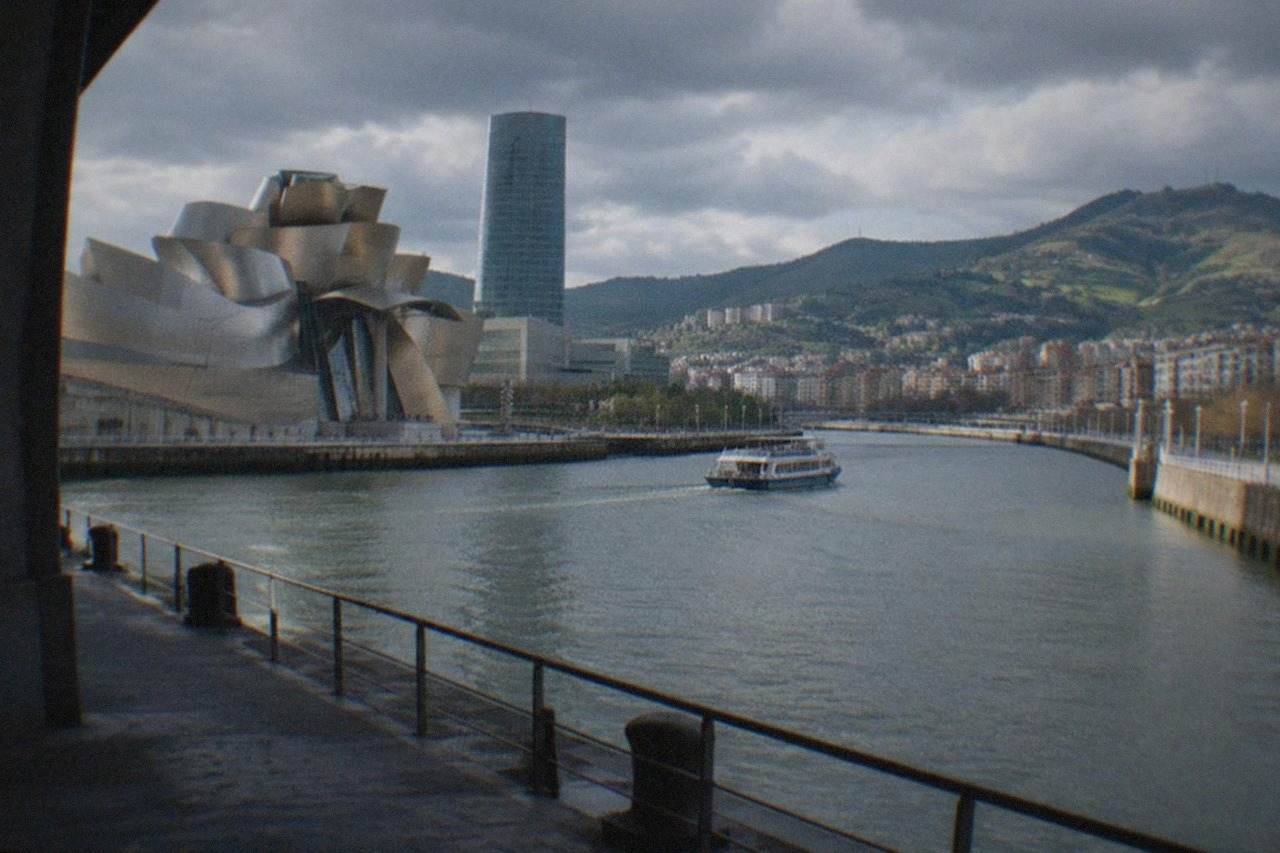
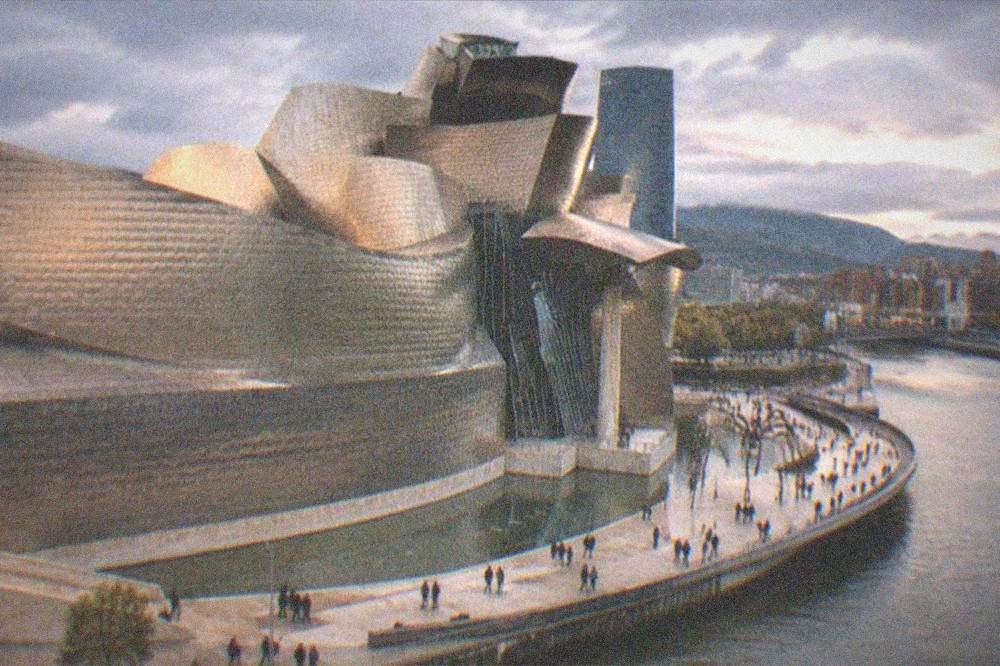
Bilbao, in Biscay (Bizkaia) province, is the largest city in the Basque Country (Euskadi), northern Spain, and for most visitors it is the gateway to one of Europe's most distinctive regions. The city of 346,933 people (Eustat, 1 January 2025) sits on the tidal Nervion/Ibaizabal estuary roughly 15 km from the open Bay of Biscay, and everything that makes the Basque Country unusual converges here: a language unrelated to any other in Europe, a culinary culture that rivals anywhere in Spain, an industrial port city that reinvented itself around a titanium museum, and green Atlantic hills that begin where the streets end. This primer covers what a first-time visitor actually needs to know before exploring the region from Bilbao, from language and history to food, festivals and the practicalities of getting around.
What Is The Basque Country, And Where Is Bilbao In It?
The Basque Country (Euskadi in Basque, Pais Vasco in Spanish) is an autonomous community of three provinces in northern Spain: Bizkaia (Biscay), Gipuzkoa and Araba, with Bilbao as its largest city and de facto capital. Euskara, its native language, has no proven relative anywhere in the world, and the region governs its own taxes, police and schools under an autonomy status granted after the Franco dictatorship.
The region is small. You can drive from Bilbao to the French border in well under two hours, and the whole Spanish-side Basque Country covers a similar area to a single large European metro region. What it lacks in size it makes up in density: surf beaches, fishing villages, mountains, vineyards and two of Spain's most talked-about food cities, Bilbao itself and San Sebastián, sit within a short hop of each other. The Basque Country also extends north of the border into the French Basque Country (Iparralde), around Bayonne, Biarritz and Saint-Jean-de-Luz, which is administratively French but culturally continuous. A first trip based in Bilbao can reasonably touch all of it. If you are weighing whether the region justifies the journey, our piece on is the Basque Country worth visiting goes deeper, and for choosing a base city see the best base in the Basque Country.
| Province | Main city | Character for visitors |
|---|---|---|
| Bizkaia (Biscay) | Bilbao | Big city, Guggenheim, estuary, Vizcaya Bridge, Gaztelugatxe |
| Gipuzkoa | San Sebastián | Beaches, pintxos capital, coastal towns like Getaria |
| Araba/Alava | Vitoria-Gasteiz | Inland, green, Rioja Alavesa wine villages |
| Iparralde (France) | Bayonne | French Basque towns: Biarritz, Saint-Jean-de-Luz |
Basque Or Spanish? What Language Will You Hear In Bilbao?
Both, everywhere. Bilbao is functionally bilingual: Spanish is the first language of most residents, while Euskara, the Basque language, appears on every street sign, metro announcement and official form, and is the sole language of many schools. Euskara is Europe's only surviving pre-Indo-European language, so nothing you know from Spanish, French or any other language will help you read it.
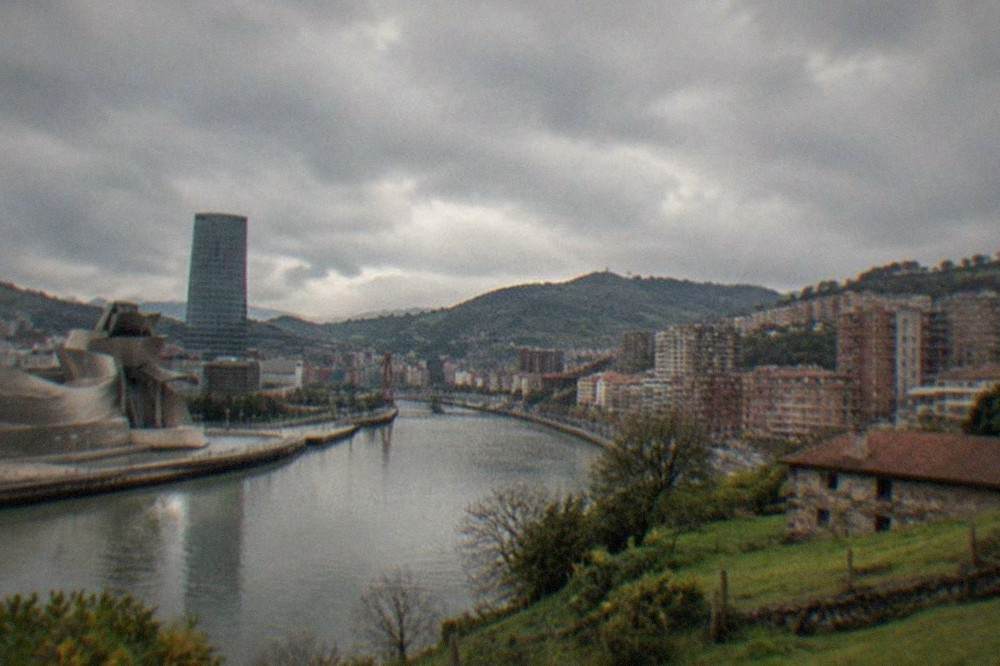
Do not worry about communicating. Everyone in Bilbao speaks Spanish, and English is widespread in tourism-facing businesses. But a few words of Euskara earn genuine goodwill, and knowing the bilingual signage prevents real confusion: a street may be signed Kalea rather than Calle, the old town is Casco Viejo in Spanish and Alde Zaharra in Basque, and the river is the Nervion or the Ibaizabal depending on which map you are holding. The doubling of names runs through everything, including the city itself: locals may call Bilbao "Bilbo" in Euskara, though in English-language copy and on this site it is always Bilbao. Our dedicated guide to Basque or Spanish in Bilbao covers pronunciation and useful phrases, and longer-stay visitors can look at Basque language schools in Bilbao.
| English | Spanish | Basque (Euskara) |
|---|---|---|
| Hello | Hola | Kaixo |
| Thank you | Gracias | Eskerrik asko |
| Street | Calle | Kalea |
| Old town | Casco Viejo | Alde Zaharra |
| Cheers | Salud | Osasuna / Topa |
| Goodbye | Adios | Agur |
Why Does Basque History Feel Different From The Rest Of Spain?
The Basques have maintained distinct laws, a distinct language and a strong local identity for well over a thousand years, and the region kept medieval fiscal privileges (fueros) that survive today as its own tax system. The bombing of Gernika during the Spanish Civil War, memorialized by Picasso and by the town's surviving oak tree, made Basque history a world story, and a long political conflict in recent decades still shapes how the region talks about itself.
You do not need a history degree, but three pieces of context will change how you read the region. First, the fueros: Biscay historically collected and kept its own taxes, which is why Bizkaia still runs its own fiscal policy today, including the region's new tourist tax. Second, Gernika: during the Spanish Civil War, the market town of Gernika was bombed, an event Picasso painted and that still anchors Basque memory; the town, 35 km from Bilbao, is an easy and rewarding visit, and our guide to the Gernika tree and Basque history explains the Assembly House and the oak. Third, the recent past: the Basque Country was defined for decades by political violence that ended definitively more than a decade ago. Locals will discuss it if you ask politely, but it is not casual small talk. The rewards of engaging with the history are real; the region's museums, from the renovated Euskal Museoa in Bilbao's old town (reopened 10 June 2026 after a EUR20.3 million renovation) to Gernika's peace museum, are among the most thoughtful in Spain.
How Does Atlantic Weather Shape A Trip To Bilbao And The Basque Coast?
Bilbao has a temperate oceanic climate, Atlantic-influenced, never Mediterranean: AEMET's normals for Bilbao Aeropuerto/Loiu (station 1082) show an annual mean of 14.7 C and 1,134 mm of rain a year, with the warmest, driest months in July and August (20.4-20.9 C mean, 50-76 mm) and the wettest in November (147 mm). Pack a light rain layer in any month, including summer.
The green you see from any Bilbao viewpoint is bought with rain. This is the single biggest expectation gap for visitors arriving from Mediterranean Spain: the Basque coast is lush, humid and changeable, and a sunny morning can turn into a wet afternoon without much warning. That same rain makes the region what it is, feeding the pastures behind the cheese, the txakoli vineyards near the coast and the surf swell at Mundaka and Sopelana. Practical planning follows the numbers: July and August are the most reliable months for coastal day trips, while November through January are best planned around museums, pintxos bars and indoor culture, of which Bilbao has plenty. Our Bilbao weather guide has the full monthly breakdown, and the rainy day Bilbao itinerary handles the wet days well.
| Month | Mean temp (C) | Mean rain (mm) | What it means for visitors |
|---|---|---|---|
| January | 9.3 | 120 | Cool and wet; museums and pintxos weather |
| April | 12.6 | 107 | Spring green, changeable |
| July | 20.4 | 50 | Warmest, driest; best coastal months |
| August | 20.9 | 76 | Peak season, Aste Nagusia festival |
| September | 19.2 | 73 | Warm sea, thinner crowds |
| November | 12.4 | 147 | Wettest month; indoor Bilbao |
What Is Basque Food, And How Is It Different From Spanish Tapas?
Basque food culture runs on pintxos, the small bites served on bread at bar counters, on txakoli white wine and cider, and on a grill tradition that has earned the region more Michelin stars per capita than anywhere else in Spain. The signature dishes are bacalao al pil pil (salt cod in garlic emulsion), txangurro (spider crab) and txuletón (huge bone-in rib steaks), and the custom is to eat standing up, moving from bar to bar.
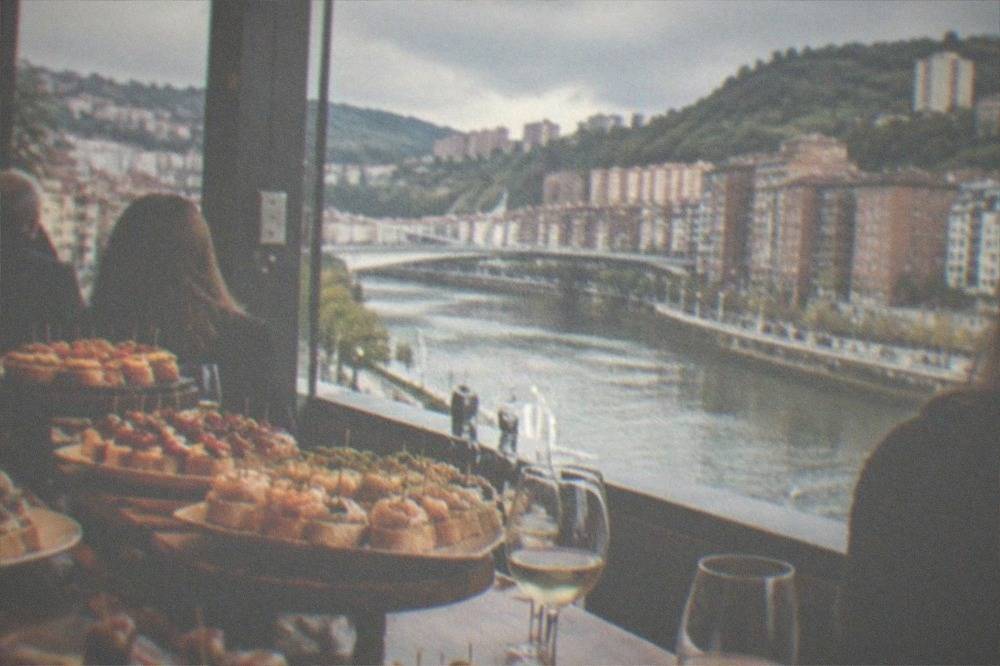
The word to know is pintxos, not tapas. A pintxo is typically a single composed bite, often skewered with a toothpick (the pincho that gives it the name), ordered by pointing at the counter display and paid by counting sticks or plates at the end. Plaza Nueva in the old town is the classic circuit, and the bars around it, names like Gure Toki, El Globo and Sorginzulo, appear in every serious ranking of the city. The crawl itself has a name, txikiteo, and it is the region's main social ritual: locals of every age do it, and joining in is the fastest way to feel how Bilbao works. Fresh-2026 reporting puts typical pintxos at roughly EUR2-5 each at traditional bars, with drinks around EUR2-3.50, though prices vary by bar and you should always check the chalkboard or ask. Beyond the bars, the region's restaurant scene is extraordinary: Bizkaia retained its Michelin stars in the 2026 guide, including three-star Azurmendi near Bilbao, and our pieces on the best pintxos in Bilbao, the Michelin restaurants of the Basque Country and txotx cider house season cover it in depth. A guided introduction is worthwhile on a first trip: a local-led food walk explains what to order and why, and the card below shows a well-reviewed option.
Which Basque Traditions And Festivals Should A Visitor Know About?
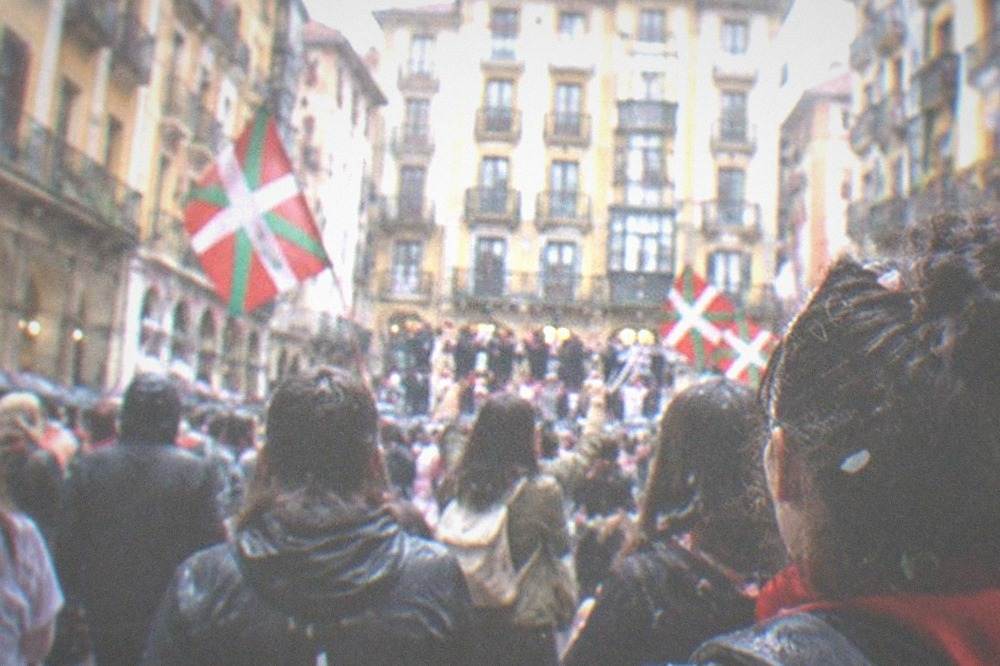
The Basque calendar runs on Aste Nagusia, Bilbao's nine-day August festival, on rural sports such as wood-chopping and stone-lifting still performed publicly, on rowing regattas between coastal towns, and on cider house season each winter. The strongest single recommendation for a visitor is Aste Nagusia, held 22-30 August in 2026, when the entire city becomes a street party with concerts, fireworks and neighborhood txosna bars.
Basque festivals are not tourist theater; they are how the region entertains itself, and visitors are welcome to join. Aste Nagusia opens with the txupin rocket at Plaza Arriaga and runs on daily concerts, an international fireworks competition and the txosnas, festival bars run by neighborhood groups that are the heart of the event. Outside the festival season, look for the traditional rural sports (herri kirolak), which you can sometimes catch at local fiestas: stone lifting, log chopping and the fast, physical pelota variants played in frontons across the region. Rowing is the coast's great spectator sport, with traineru regattas pitting towns against each other all summer, a rivalry covered in our rowing regattas guide. For dates and logistics, see the full Aste Nagusia festival guide, and music fans should note BBK Live, confirmed for 8-10 July 2027 at Kobetamendi.
| Event | When (verified) | Where | What it is |
|---|---|---|---|
| Aste Nagusia | 22-30 Aug 2026 | Central Bilbao | Nine-day city festival, concerts, fireworks, txosnas |
| BBK Live | 8-10 Jul 2027 | Kobetamendi, Bilbao | Major outdoor music festival |
| Bilboko Kalealdia | 29 Jun-4 Jul 2026 | City streets | Street theatre and arts festival |
| Txotx season | Jan-April | Cider houses, Astigarraga area | Cider-house dining ritual |
| Traineru regattas | Summer | Coastal towns | Traditional rowing competition |
What Are The Essential Basque Day Trips From Bilbao?
The five essential day trips from Bilbao are San Juan de Gaztelugatxe, the sea-walled hermitage reached by a stone causeway; San Sebastián, the food-and-beach capital of Gipuzkoa; the Rioja Alavesa wine villages around Laguardia; the coastal surf towns of Bermeo and Mundaka; and the UNESCO-listed Vizcaya Bridge at Portugalete. All are reachable by public transport or a short drive, and guided tours from Bilbao bundle several into one day.
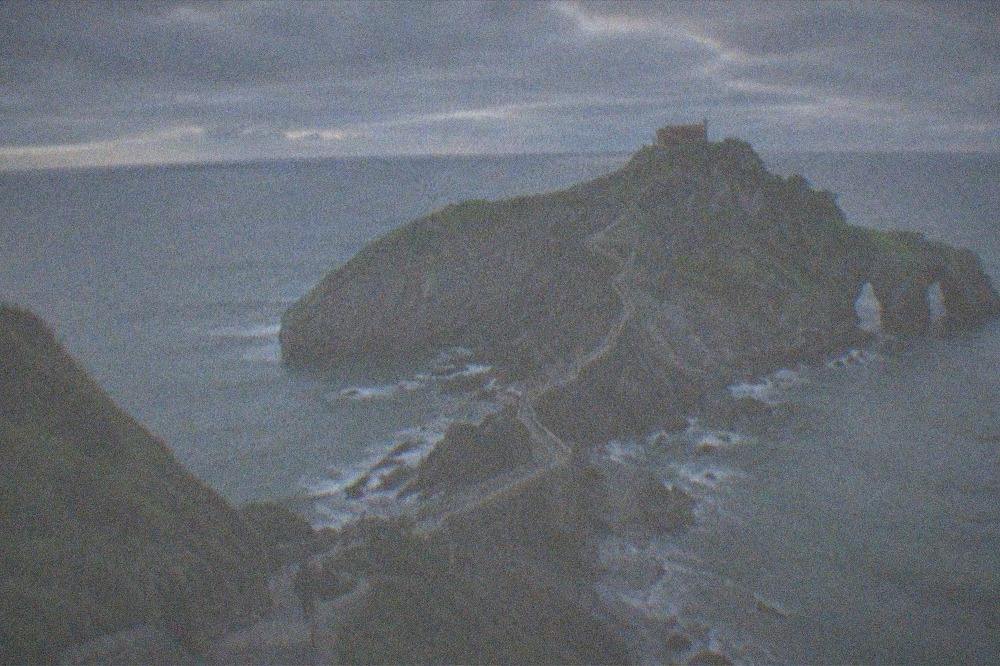
Gaztelugatxe is the region's single most striking sight, an ancient stone hermitage on an islet off the coast at Bakio, reached by a winding path and a long stone staircase, and familiar to many as a filming location for a major television series. Know the access rules before you go: a free timed reservation is required only on official controlled-access days (roughly mid-June to about 20 September, plus Easter and holiday weekends per the yearly calendar), with a daily cap of 1,462 visitors on those days, booking always free via tiketa.eus, up to 10 people per reservation. On all other days access is free with no reservation. Our Gaztelugatxe guide covers the calendar in detail. The Vizcaya Bridge, the world's first transporter bridge and Spain's first industrial World Heritage Site (inscribed 2006), carries pedestrians across the estuary by gondola for EUR0.60 one way in daytime hours. San Sebastián, an hour and a half away by direct bus, gets its own comparison in Bilbao vs San Sebastián, and the wine country is covered in the Rioja wine day trip guide. A guided coastal tour removes the parking and reservation headaches entirely, which matters in peak season.
| Day trip | What you see | Best for |
|---|---|---|
| San Juan de Gaztelugatxe | Hermitage islet, causeway, coastal cliffs | The iconic Basque photo |
| Bermeo and Mundaka | Fishing port, surf break, Urdaibai estuary | Coast without crowds |
| San Sebastián | Beach, old town, pintxos bars | Food-focused travelers |
| Rioja Alavesa | Laguardia, winery villages | Wine lovers |
| Vizcaya Bridge and Getxo | UNESCO transporter bridge, beach promenade | Half-day, closest to Bilbao |
How Do You Get Around The Basque Country From Bilbao?
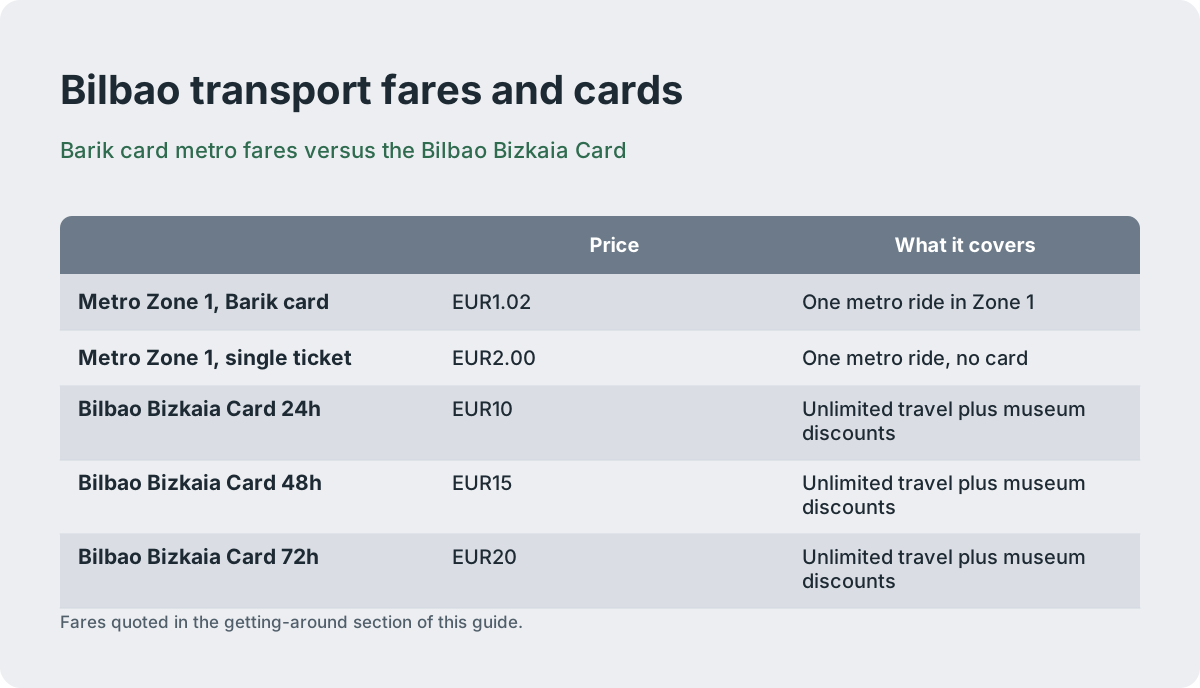
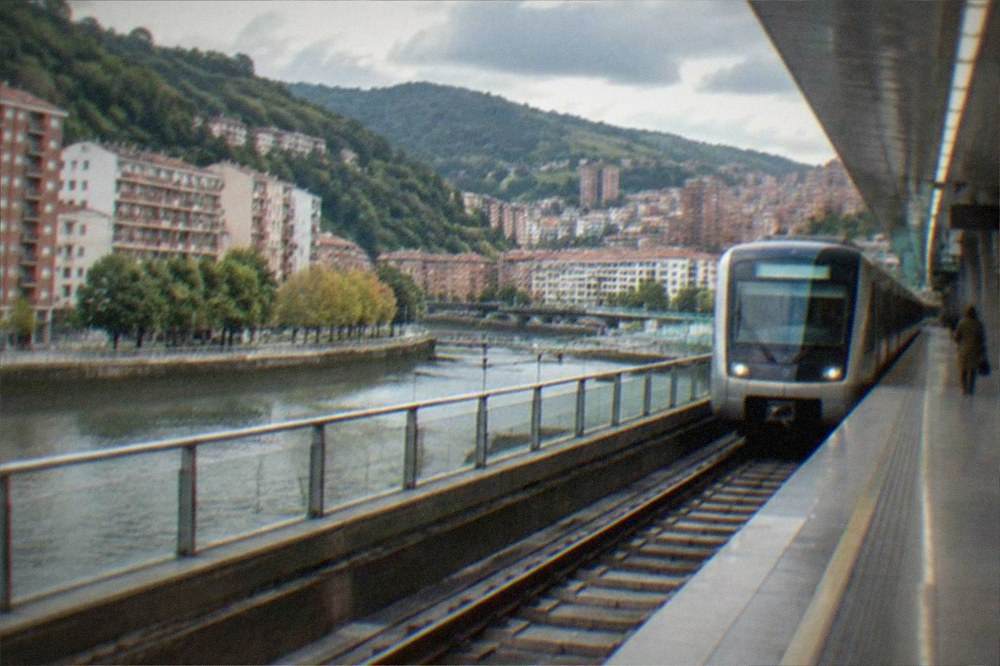
Bilbao's transport is integrated under one card: the Barik card covers the metro, Bilbobus city buses, the tram, Euskotren trains and Bizkaibus regional buses, with a metro Zone 1 fare of EUR1.02 with Barik versus EUR2.00 for a single ticket, and the tourist Bilbao Bizkaia Card (24h EUR10, 48h EUR15, 72h EUR20) adds unlimited travel plus museum discounts. From the airport, the Bizkaibus A3247 runs every 15 minutes for EUR5 without a Barik card.
The practical takeaway is that you rarely need a car for the core region. The metro reaches the coast at Getxo in under half an hour, Euskotren runs up the estuary to Bermeo and Mundaka, and long-distance buses connect San Sebastián, Vitoria and the Rioja. The CTB Barik fares page gives the zonal prices, and the card is sold at station machines and tobacconists, commonly reported to cost EUR3 to buy with a minimum top-up, though the purchase price is not stated on the official fares page. If you plan a dense few days of museums and transport, the Bilbao Bizkaia Card site states the 24/48/72-hour tiers and what they include. Full detail is in our guides to getting around Bilbao, the Bilbao Bizkaia Card and the Bilbao airport guide. The full index of guides sits on Bilbao Travel Guide.
| Transport | Fare without Barik | Fare with Barik |
|---|---|---|
| Metro Zone 1 | EUR2.00 | EUR1.02 |
| Metro Zone 2 | EUR2.20 | EUR1.19 |
| Bilbobus city bus | EUR1.70 | ~EUR0.73 base |
| Bilbao tram | ~EUR2.00 | EUR0.74 |
| Airport bus A3247 | EUR5 | ~EUR1.19 or lower |
How Many Days Do You Need For The Basque Country From Bilbao?
Four to five days based in Bilbao is the sweet spot: two days for the city itself, including the Guggenheim and the old town, then one day for the coast at Gaztelugatxe and Mundaka, one for San Sebastián, and optionally one for Rioja wine country. Three days works if you skip the wine region, and a week allows the French Basque Country as well.
Bilbao rewards being used as a base rather than a one-night stopover. The city itself needs two unhurried days: the Guggenheim (adult ticket EUR18, open Tuesday to Sunday 10:00-19:00, extended to 20:00 in high summer, per the museum's own hours-and-admission page), the old town's seven streets, Ribera Market and the pintxos circuit. From there, day trips fan out in every direction. If you only have a single day, a short itinerary that ranks what to cut is the way to go; families should plan around the city's parks, the riverside and the funicular, and the question of how long to stay deserves its own weighing. Where to sleep is covered in where to stay in Bilbao, and the full list of things to do in Bilbao rounds out the plan. For a first visit built around orientation, a small-group walking tour of the old town is an efficient opening move, and the card below shows a well-reviewed option.
Common Questions About The Basque Country For Visitors
Is the Basque Country part of Spain?
Yes. The Spanish Basque Country (Euskadi) is an autonomous community of Spain comprising Bizkaia, Gipuzkoa and Araba, with its own parliament, tax system and police. A culturally Basque area also exists across the border in France around Bayonne, Biarritz and Saint-Jean-de-Luz.
Do I need to speak Basque to visit Bilbao?
No. Everyone in Bilbao speaks Spanish and tourism staff widely speak English. Basque (Euskara) appears on signage and announcements, but a visitor never needs it; a single "kaixo" (hello) or "eskerrik asko" (thank you) is appreciated.
Is the Basque Country safe for tourists?
Yes, Bilbao ranks among Spain's safer major cities in municipal crime-balance reporting for 2025, with pickpocketing in crowded tourist zones the main practical risk. Standard city precautions apply; see our safety in Bilbao guide for detail.
Do I need a visa for the Basque Country?
Spain is a founding-era Schengen member, so Schengen rules apply: EU citizens need no visa, and many non-EU nationals travel visa-free for up to 90 days in any 180 within the Schengen area. Check your own country's requirements before travel.
Is there a tourist tax in the Basque Country?
Not in 2026. A Bizkaia-wide regional tourist tax (Norma Foral 3/2026) takes effect on 1 January 2027, with Bilbao's approved rates from EUR1 per night at pensions to EUR5 at five-star hotels and EUR6.50 for tourist apartments. Reservations made before early February 2026 are generally exempt.
What is the best time of year to visit the Basque Country?
July and August are the warmest and driest months (mean 20.4-20.9 C, 50-76 mm of rain per AEMET's Bilbao station normals), and September offers warm weather with thinner crowds. November is the wettest month at 147 mm, best planned around museums and food.
Bilbao makes the Basque Country easy: one walkable city, one transit card, and a green, food-obsessed, deeply particular region waiting in every direction from its estuary.