Basque Rowing And Regattas
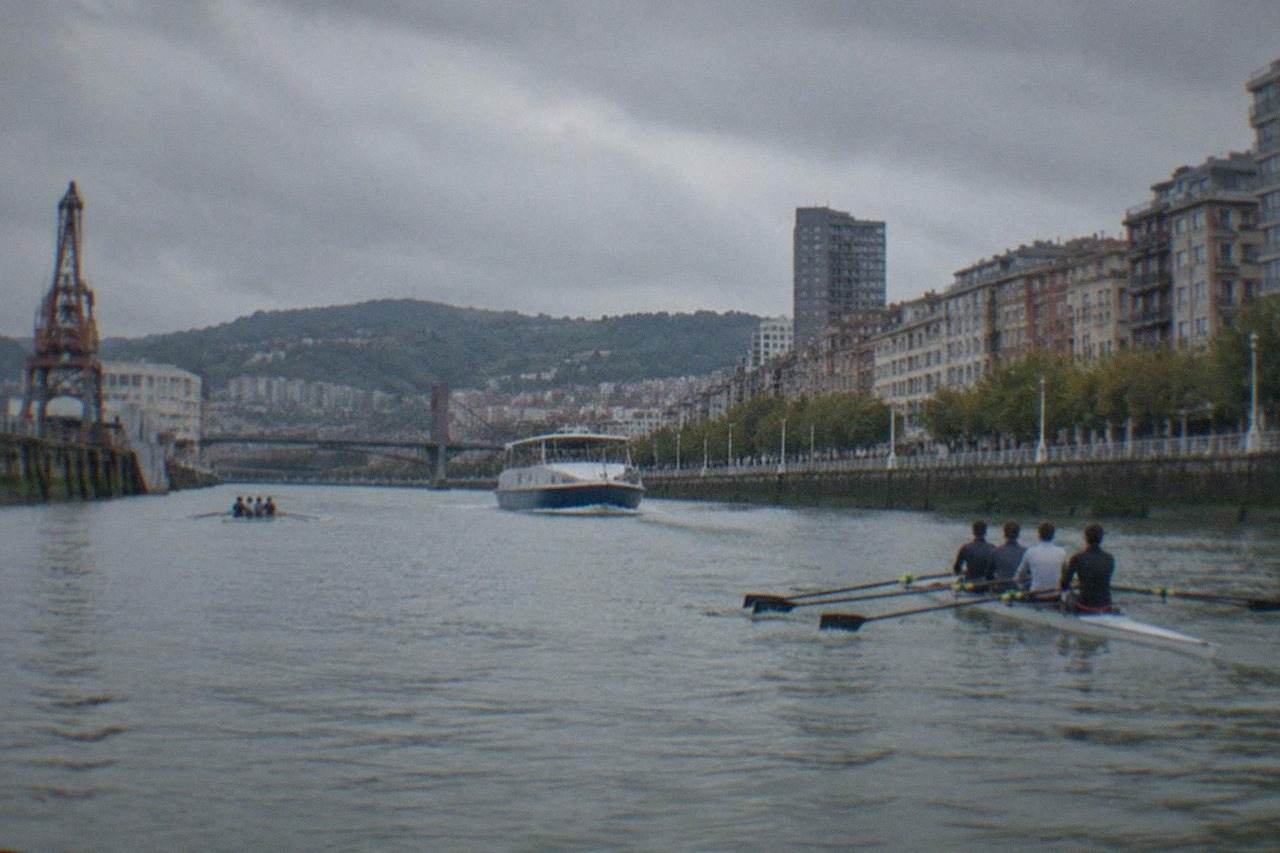
Bilbao, in the Basque Country of northern Spain, is a rowing town built on a tidal estuary, and its regatta calendar is one of the most distinctive sporting traditions in Europe.
Short answer
Bilbao's rowing culture centres on the trainera, a long Basque racing boat rowed by crews of thirteen, and on regattas held on the Nervion estuary and along the Biscay coast from late spring through early autumn. The estuary is tidal, the sport is deeply tied to fishing-village identity, and the biggest local festival week, Aste Nagusia, runs 22-30 August 2026.
Bilbao, in Biscay (Bizkaia) province in the Basque Country of northern Spain, is one of the few European cities where a professional-grade rowing tradition is woven into ordinary urban life. The city sits on the tidal Nervion/Ibaizabal estuary, roughly 15 km from the open Bay of Biscay, and that geography is the whole story: the estuary gave Bilbao its shipyards, its fishing wealth, and the long, narrow racing boats called traineras that coastal crews have rowed in competition for well over a century. Where a competing guide would describe a day at the water, this one sticks to what the sources say: the estuary's tides, the climate the rowers train in, the transport that gets you to the water, and the festivals that anchor the racing summer. The full sporting picture of the region also belongs to any wider Basque Country primer, and this Bilbao Travel Guide page is the rowing and regattas chapter of it.
What Is Basque Trainera Rowing, And Why Does Bilbao Care?
Trainera rowing is the Basque Country's traditional fixed-seat team rowing discipline, raced in boats around 12 metres long with a crew of thirteen, twelve on the oars and a cox at the stern, and it grew directly out of the region's fishing industry. Bilbao cares because the estuary and the Biscay coast supplied both the boats and the men, and the sport remains the most visible living link between the industrial city and its fishing-village neighbours.
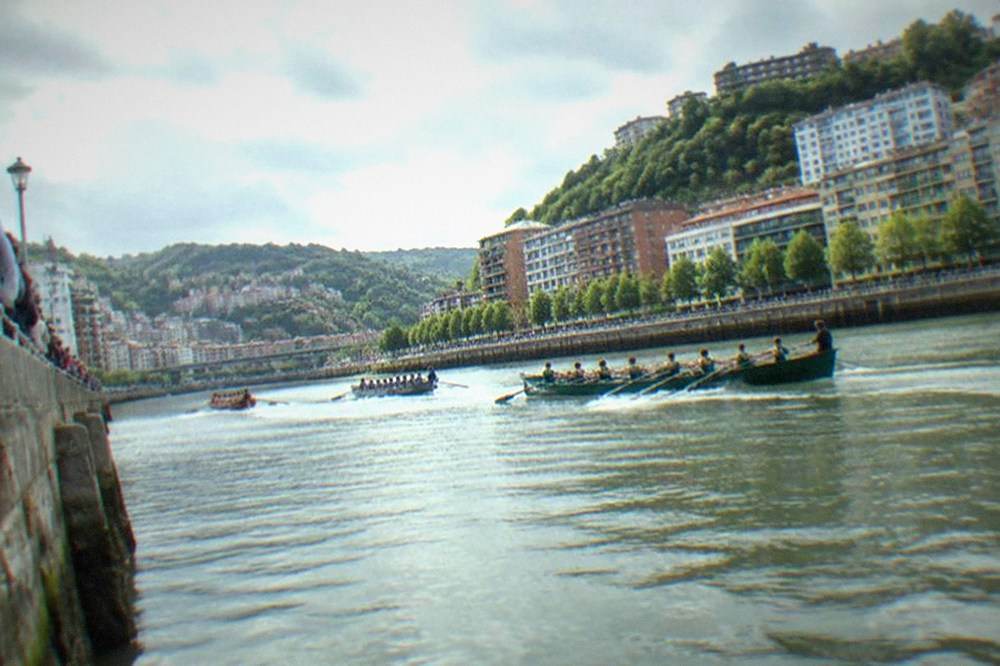
The trainera itself is the key to understanding the sport. Unlike the sliding-seat Olympic shells, a trainera is a heavy, broad-beamed wooden or composite boat, and the rowers stand up and sit down on each stroke, a technique that demands raw power and perfect synchronisation rather than finesse. Crews represent towns, not clubs in the abstract sense: a boat carries the name and colours of a coastal community such as Bermeo, Mundaka, Ondarroa or Santurtzi, and the rowers are often current or former fishermen, or the sons and grandsons of them. That town-versus-town structure is why a regatta in the Basque Country feels closer to a football derby than to a Henley-style regatta, with bands, flag-waving and a very loud following on the shore.
Bilbao's own role is partly as host and partly as gateway. The estuary through the city is wide enough for racing in its lower reaches, and the towns that dominate the sport sit along the coast and the estuary mouth, all reachable from the city centre in well under an hour by metro, train or bus. The rowing tradition also connects to the wider Basque cultural fabric described in the Basque Country primer for Bilbao visitors, and to the fishing heritage that shaped towns like Bermeo and Mundaka, both covered in the site's day-trip guides.
Where Can You Watch Regattas And Rowing Around Bilbao?
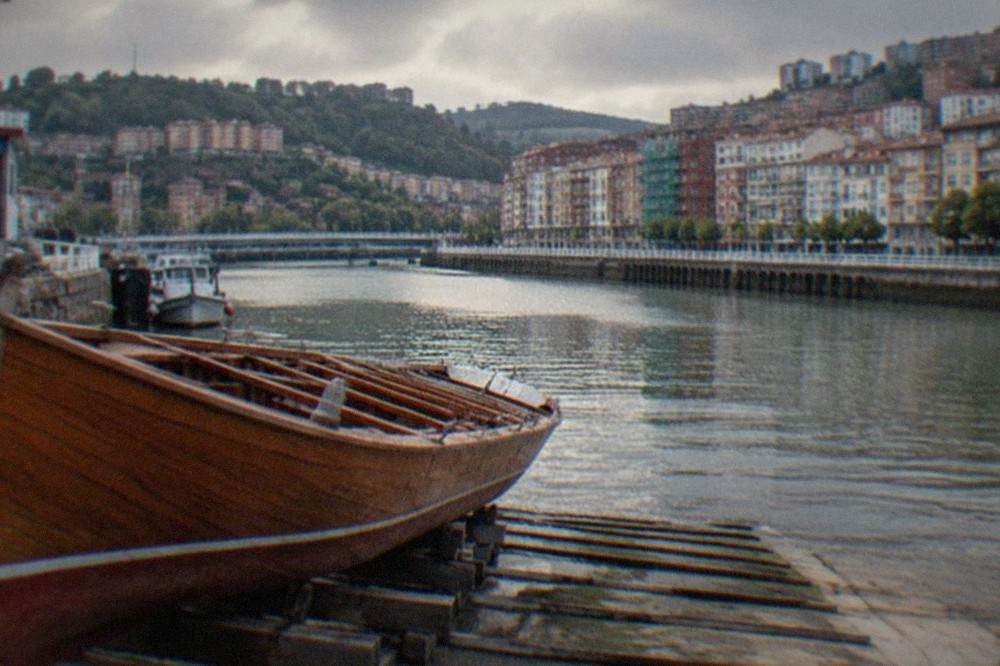
The main regatta venues within easy reach of Bilbao are the lower Nervion estuary around the Abra bay and Portugalete, the coastal towns of Bermeo and Mundaka on the Urdaibai stretch, and Santurtzi on the left bank, all reachable from the city centre in well under an hour by metro, train or bus. The estuary is tidal, and the classic spectator experience is a free one: you stand on the quay with the town's own crowd.
The Abra bay, where the estuary meets the open sea between Getxo and Portugalete, is the historic heart of big-boat racing in Biscay. The Vizcaya Bridge, the UNESCO-listed transporter bridge that spans the estuary mouth, inscribed in 2006 as the first industrial heritage site in Spain on the World Heritage list, towers over the water there, and the gondola crossing costs EUR0.60 one-way in daytime hours, with the walkway ticket reported at EUR11 adult round-trip. Watching a regatta from either bank of the Abra, with the bridge as a backdrop, is the single most photogenic rowing setting in the province. The Vizcaya Bridge guide covers the crossing itself, and Getxo covers the right-bank side.
Further out along the coast, Bermeo and Mundaka sit on either side of the Urdaibai biosphere reserve's estuary, and both are trainera towns through and through. Euskotren runs from Bilbao's Casco Viejo station to Bermeo in roughly an hour and twenty minutes, with Mundaka a few minutes before it on the same line, and Bizkaibus serves the same corridor by road. The Mundaka guide and the Urdaibai biosphere reserve guide cover the area in depth. Santurtzi, on the left bank closer to the city, is the estuary's fishing port and another rowing stronghold; the Santurtzi cruise terminal guide doubles as an orientation to that stretch of waterfront.
If you would rather see the coast the rowers come from with a guide handling the logistics, the coastal day trips below are the natural pairing.
When Is The Rowing Season In Bilbao, And What Is The Weather Like On The Water?
The Basque trainera season runs broadly from late spring through early autumn, with the biggest festival-week racing in Bilbao tied to Aste Nagusia, which in 2026 runs 22-30 August. The climate you will be standing in is temperate oceanic, never Mediterranean: AEMET's station 1082 normals give a July mean of 20.4 C with 50 mm of rain and a wettest November at 147 mm.
That last point matters more than one might expect. This is the Atlantic side of Spain, and rain is part of the deal year-round, 1,134 mm annually at the airport station, which is why regatta crowds turn up in waterproofs as often as in sunglasses. The trade-off is that summer racing weather is mild rather than scorching: even the warmest month, August, averages a mean of 20.9 C, conditions rowers and spectators alike can handle for hours on open water. AEMET's normals for station 1082 give the full monthly picture:
| Month | Mean temp (C) | Mean precip (mm) | What it means for watching rowing |
|---|---|---|---|
| April | 12.6 | 107 | Spring training on the water; wet weekends common |
| May | 15.7 | 78 | Early-season races; one of the drier spring months |
| June | 18.4 | 60 | Season in full swing; pleasant on the quay |
| July | 20.4 | 50 | Warmest driest month; prime regatta weather |
| August | 20.9 | 76 | Aste Nagusia week; warm but showers return |
| September | 19.2 | 73 | Late-season races; sea still warm for coastal courses |
| October | 16.4 | 111 | Season winding down; rain frequent |
| November | 12.4 | 147 | Wettest month; off-season on the water |
Aste Nagusia, Bilbao's nine-day main festival, is the anchor of the local summer and the period when the city's riverside is at its liveliest, with the txupin opening on 22 August at 19:00 in Plaza Arriaga and fireworks each night from 22 to 29 August at 22:30. Rowing events and estuary activity cluster around festival weeks like this one, and the Aste Nagusia festival guide covers the full programme. For planning around the weather in any month, the Bilbao weather guide has the complete monthly breakdown.
How Do You Get To The Regatta Towns From Central Bilbao?
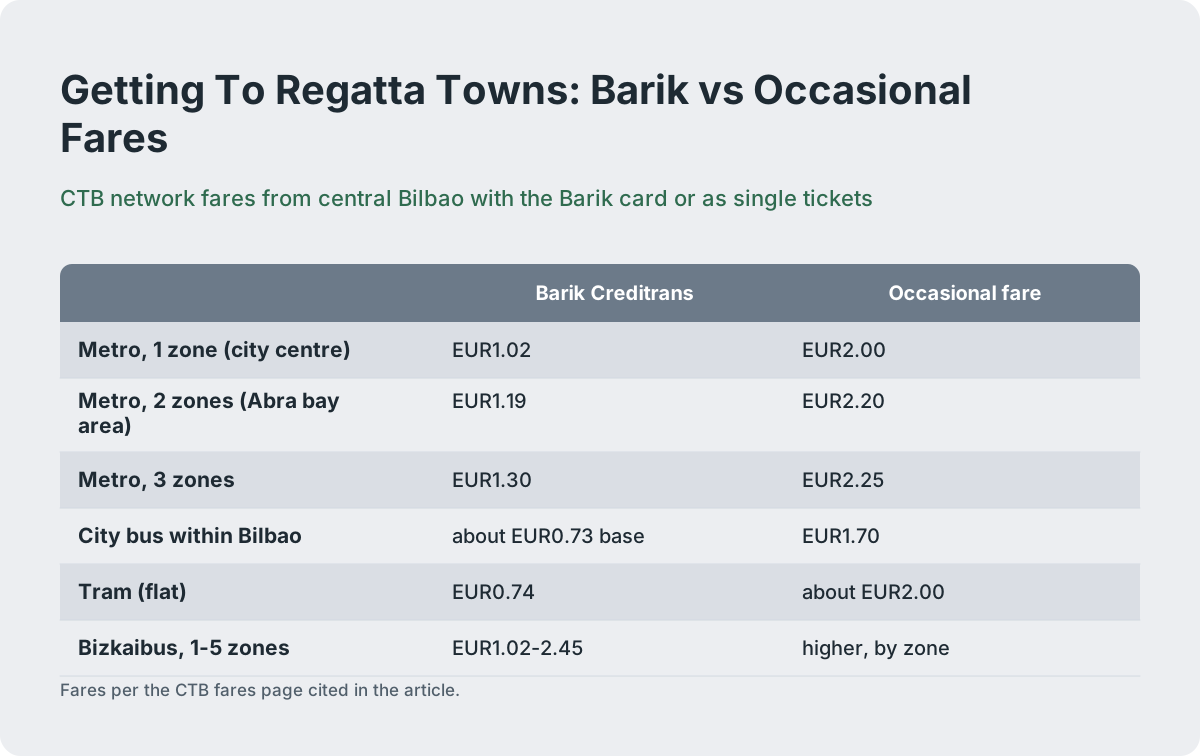
You get there on the integrated CTB network: Metro Bilbao Line 1 or 2 to the Abra bay and Santurtzi side, Euskotren from Casco Viejo to Bermeo and Mundaka, and Bizkaibus on interurban routes, all payable with the Barik card, which the CTB fares page prices at EUR1.02 for a Zone 1 metro Creditrans trip, EUR1.19 for two zones and EUR1.30 for three, against EUR2.00, EUR2.20 and EUR2.25 without the card.
The Barik card is the single most useful object a regatta-chasing visitor can carry. It works across metro, tram, Bilbobus city buses, Bizkaibus interurban buses and Euskotren trains, and the discounted Creditrans fares are roughly half the occasional-ticket price on the metro. The card itself is commonly reported to cost around EUR3 to buy, non-refundable, with a minimum top-up often EUR5, though that purchase price comes from secondary sources rather than an official CTB page. The tourist alternative, the Bilbao Bizkaia Card, costs EUR10 for 24 hours, EUR15 for 48 hours and EUR20 for 72 hours, and bundles unlimited transport with attraction discounts; the Bilbao Bizkaia Card guide compares the two options, and the getting around Bilbao transport guide covers the whole network.
| Journey from central Bilbao | Mode | Barik Creditrans fare | Occasional fare |
|---|---|---|---|
| Metro, 1 zone (city centre) | Metro Bilbao | EUR1.02 | EUR2.00 |
| Metro, 2 zones (Abra bay area) | Metro Bilbao | EUR1.19 | EUR2.20 |
| Metro, 3 zones | Metro Bilbao | EUR1.30 | EUR2.25 |
| City bus within Bilbao | Bilbobus | about EUR0.73 base | EUR1.70 |
| Tram (flat) | Euskotren Tranbia | EUR0.74 | about EUR2.00 |
| Bizkaibus, 1-5 zones | Bizkaibus | EUR1.02-2.45 | higher, by zone |
For the coastal rowing towns, Euskotren is the workhorse: the Bermeo line from Casco Viejo station threads out through the countryside to the Urdaibai coast, roughly an hour and twenty minutes to Bermeo, with trains about every thirty minutes. Bizkaibus runs the parallel road routes from central Bilbao stops, and a taxi or hire car covers the same distance in well under half the train time if you are chasing a specific start time. If you are weighing a hire car for a coast-and-regattas day, the renting a car in Bilbao guide covers parking and practicalities, and the Bilbao metro guide covers the underground side in detail.
Can You Row Or Paddle On The Bilbao Estuary Yourself?
Yes, but the organised options are limited: the estuary is a working tidal river, and what visitors can realistically do is join a guided boat experience on the water rather than a learn-to-row session, with the estuary's own sightseeing cruise the most established option. The trainera clubs are competitive town institutions, not drop-in rental outfits, so the honest answer is to watch from the shore and get on the water by boat.
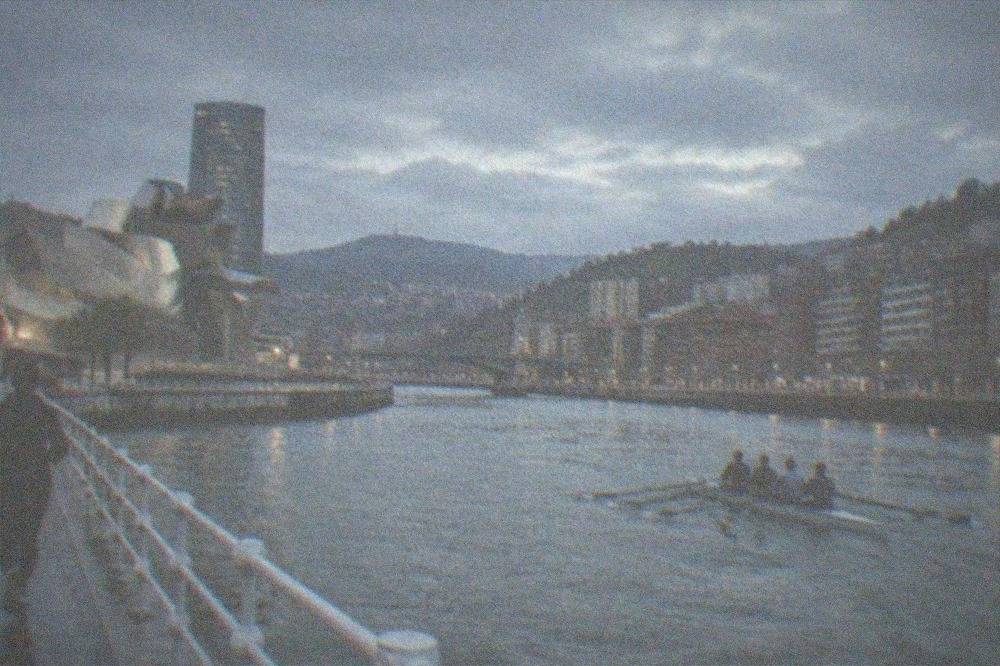
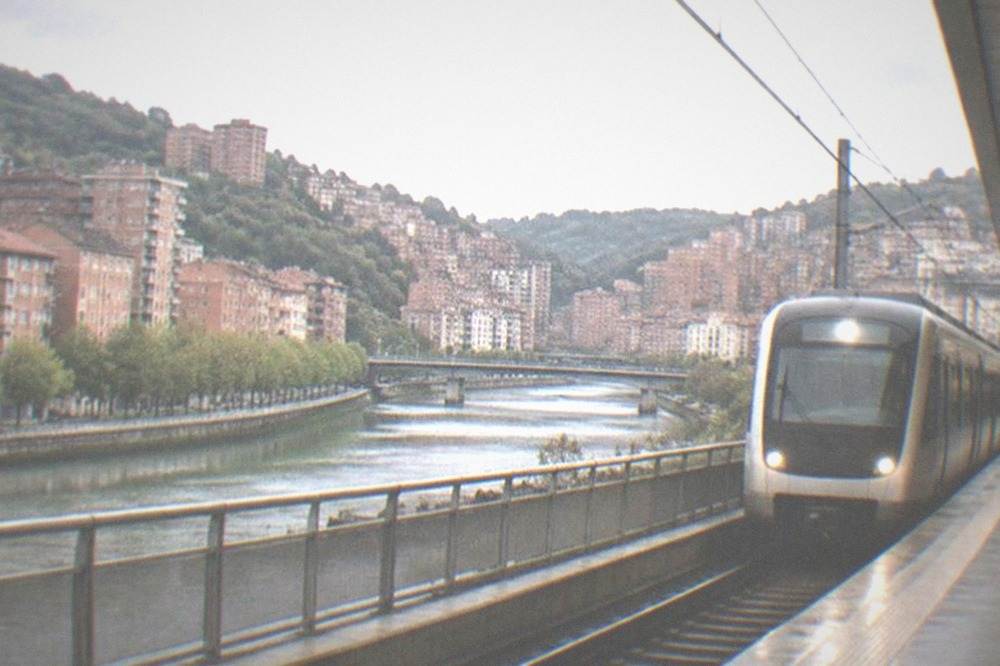
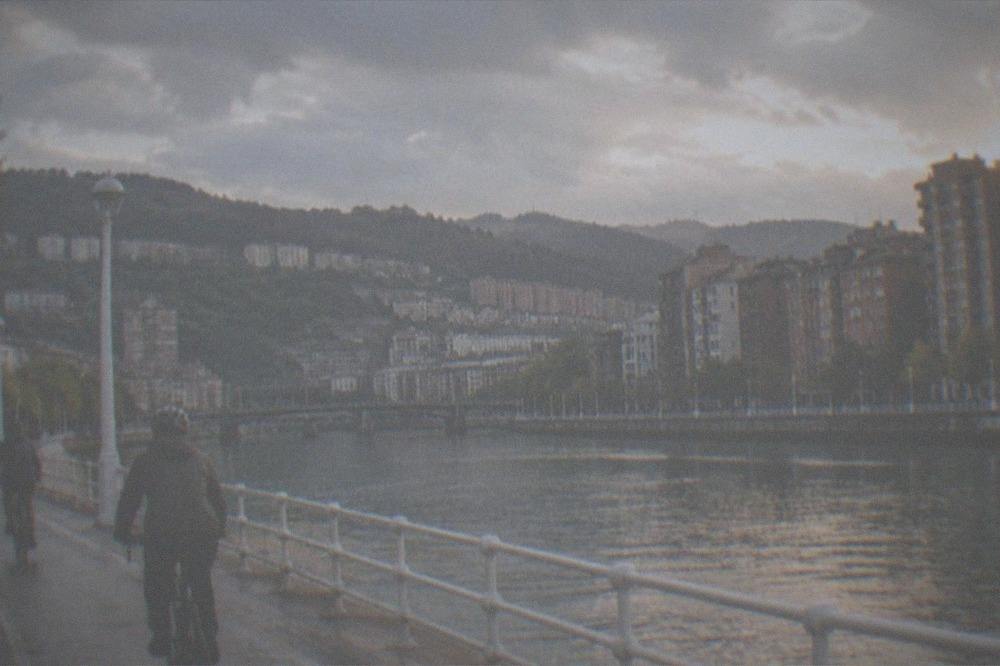
The estuary is the city's defining feature, and it is genuinely tidal, which is worth internalising before you plan anything on or near it: water levels and currents shift through the day, and the rowing clubs that train there plan around that rhythm. The sightseeing boat that runs from the city centre gives you the rower's-eye view of the river without any of the logistics, and the ria de Bilbao boat tour guide covers what that experience involves. On land, the riverside walkways through Abandoibarra past the Guggenheim are the natural place to watch clubs training early in the morning or in the evening, and the Abandoibarra guide maps that stretch.
For visitors who want their Basque sport with a guide rather than a paddle, the city's tour roster does the heavy lifting. A small-group walking tour with a local guide covers the old town and riverside where the rowing clubs' boathouses sit, and the e-bike option covers both banks of the estuary in a single morning, which is the closest a non-rower gets to tracing a race course.
Which Coastal Day Trips Pair Best With A Regatta Day?
The best pairings are the Gaztelugatxe and Basque coast trips, because they pass through the very towns, Bermeo, Mundaka and the Bakio coast, that produce the province's strongest trainera crews, and the San Sebastián and French Basque Country excursions, because rowing towns line that coast too. A regatta morning in Bermeo followed by the coastal hermitage at Gaztelugatxe is the single best combined day a rowing-interested visitor can build from Bilbao.
Bermeo is the beating heart of Biscay rowing, a working fishing port whose trainera crew carries the town's colours, and it sits barely twenty minutes by road from San Juan de Gaztelugatxe, the rocky islet hermitage reached by a stone causeway and stairway. Access to Gaztelugatxe requires a free timed reservation only on official controlled-access days, roughly mid-June to about 20 September plus Easter and holiday weekends per the yearly calendar, with a daily cap of 1,462 visitors on those days and free, no-reservation entry at all other times, including, per the most recent reporting, from 21 September 2026 through the end of that month. The Gaztelugatxe guide has the full booking detail, and the Bermeo-area day trips cover the Game of Thrones angle that brings many visitors to the same stretch of coast.
The organised version of that day is the small-group Basque coast tour, which handles the coastal drive and the Gaztelugatxe access in one booking:
San Sebastián, Gipuzkoa's capital down the coast by bus, is another rowing city, and the direct excursion from Bilbao makes a full day of it, with Hondarribia and Getaria, both coastal towns with their own rowing heritage, usually on the route. The San Sebastián day trip guide covers the independent version, and the Bilbao versus San Sebastián comparison helps you decide how to split days between the two.
| Day trip from Bilbao | Rowing connection | Best transport without a car |
|---|---|---|
| Bermeo | Trainera town, active racing port | Euskotren from Casco Viejo, about 1h20 |
| Mundaka | Rowing and surfing town on Urdaibai | Euskotren, same line, minutes before Bermeo |
| Getxo / Portugalete | Abra bay regatta waters, Vizcaya Bridge | Metro Line 1, about 28-29 minutes |
| Santurtzi | Estuary fishing port, rowing tradition | Metro Line 2, left bank |
| San Sebastián | Gipuzkoa's rowing capital | Direct bus from Bilbao, about 1h20 |
What Should You Eat On A Regatta Day Around Bilbao?
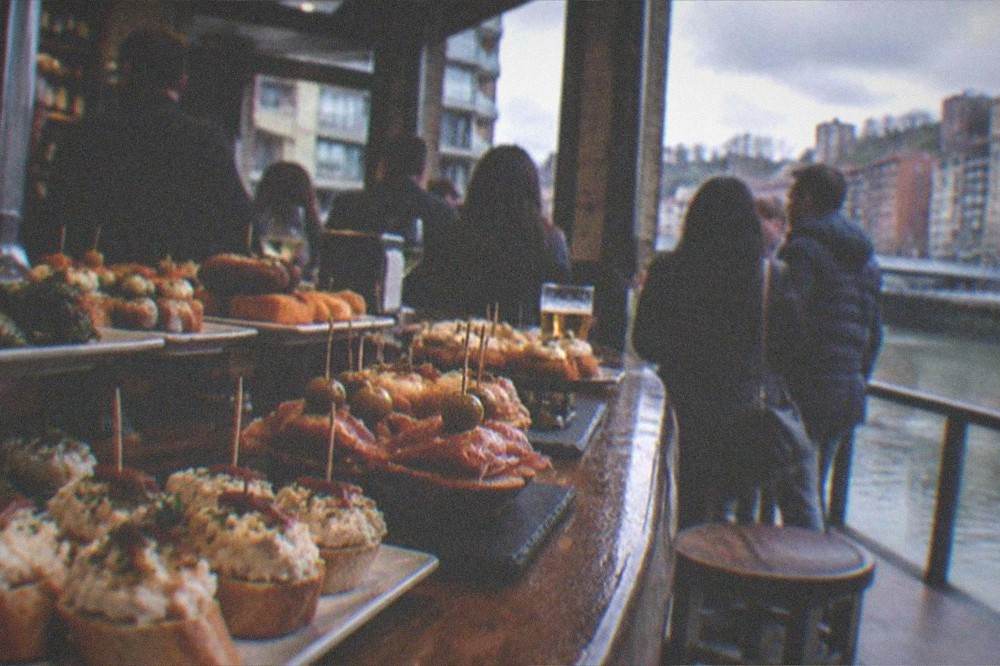
You eat what the rowing towns eat: grilled and line-caught fish on the coast, pintxos in the bars around Plaza Nueva and the Casco Viejo back in the city, and cider-house food if your visit lands in the txotx season, with pintxos at traditional bars typically running EUR2-5 per piece and drinks such as txakoli or a small beer around EUR2-3.50, so a crawl of four to six bites with drinks lands around EUR25-45 per person at 2026 prices.
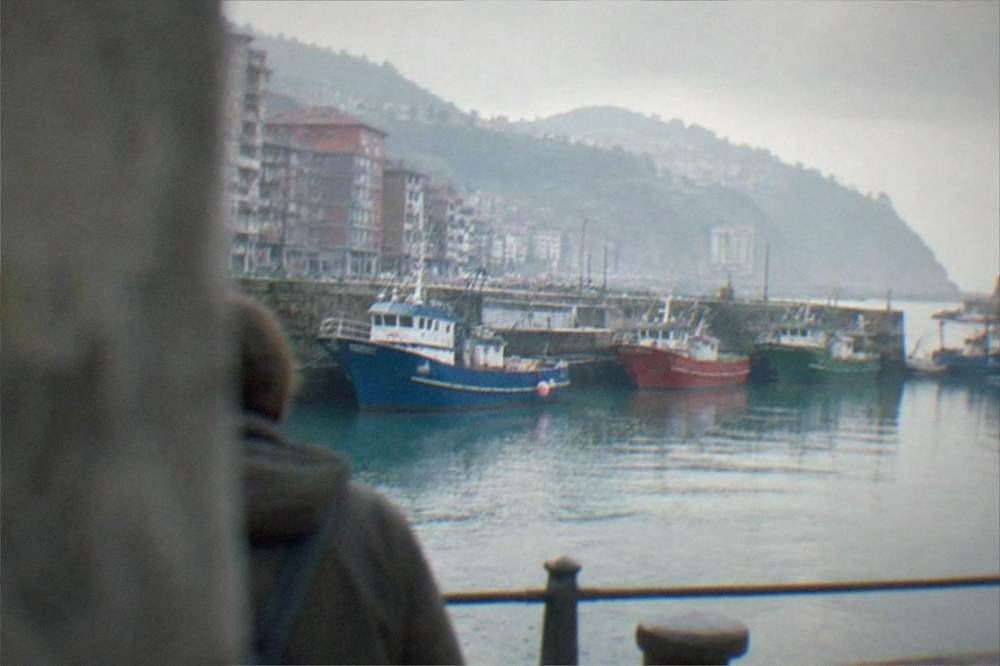
Regatta days in the coastal towns are grill days: the ports that launch the traineras are the same ports that land the hake, squid and tuna that go straight onto coals at the harbour-front restaurants, and eating fish within sight of the boats that caught it is half the reason to make the trip. Bermeo and Mundaka both do this well, and the port atmosphere on a race weekend is the Basque coast at its most itself. Back in Bilbao, the pintxos bars of the Seven Streets and Plaza Nueva, Gure Toki, El Globo, Sorginzulo and Café Bar Bilbao among the most consistently named in recent rankings, are the standard post-river refuelling stops, and the best pintxos in Bilbao guide maps the crawl.
The cider-house season, when the new txotx cider is tapped straight from the barrel and served with a fixed menu of cod omelette, steak and cheese, runs through the winter and early spring, which makes it the natural off-season companion for a rowing fan travelling outside the summer calendar; the Bilbao cider txotx season guide explains how the houses work. For the sit-down end of the spectrum, the Michelin-starred coverage of the province, which retained Azurmendi's three stars in the 2026 guide and added a new star to Bilbao's Islares, is covered in the Michelin restaurants of the Basque Country article.
| Eating context | Typical 2026 cost | Where it fits a regatta day |
|---|---|---|
| Pintxo at a traditional bar | EUR2-5 per piece | Casco Viejo crawl before or after |
| Txakoli or small beer | EUR2-3.50 | The standard race-day drink |
| Full pintxos crawl, 4-6 stops with drinks | around EUR25-45 per person | Evening in the old town |
| Grilled fish, harbour restaurant | priced per dish, check the menu | Bermeo or Mundaka at lunch |
| Cider-house txotx menu | fixed menu, check the house | Winter and early spring season |
How Much Does A Rowing-Focused Bilbao Trip Cost In 2026?
A rowing-focused day is one of the cheaper themed days in Spain, because the sport itself is free to watch: your real costs are transport at EUR1.02-1.30 per Barik metro or train trip depending on zones, food at roughly EUR25-45 for a full pintxos crawl with drinks, and any optional tour you layer on top. One planning note: the Bizkaia tourist tax takes effect on 1 January 2027, but 2026 visitors pay no tourist tax at all.
That tax point is worth repeating plainly because it is new and almost nobody covering Bilbao has it: Norma Foral 3/2026, approved in June 2026, brings a per-night tourist tax across Bizkaia from 1 January 2027, and Bilbao's municipal rates, approved in September 2026, run from EUR1 per night at pensions up to EUR5 at five-star hotels, with EUR6.50, the maximum allowed, for tourist apartments. Reservations made before early February 2026 are generally exempt. If you travel in 2026, none of this applies to you. The is Bilbao expensive guide carries the full budget breakdown, and the where to stay in Bilbao guide covers which neighbourhoods put you closest to the water.
Here is how a sample rowing-themed day stacks up using only verified fare and price data:
| Item | Cost basis | Figure |
|---|---|---|
| Metro to the Abra bay and back | Barik Creditrans, 2 zones each way | EUR1.19 each way |
| Vizcaya Bridge gondola crossing | Pedestrian, one-way daytime | EUR0.60 |
| Vizcaya Bridge walkway (reported) | Adult round-trip, single-source figure | EUR11 |
| Pintxos crawl with drinks | 4-6 items plus drinks | around EUR25-45 |
| Bilbao Bizkaia Card 24h | Unlimited transport plus discounts | EUR10 |
| Tourist tax, 2026 | Not yet in force | none |
For the second half of the trip, the coast-and-San-Sebastian excursions bundle the rowing coast and Gipuzkoa into single booked days, which is where the trio below comes in.
The French Basque Country option adds Biarritz and Saint-Jean-de-Luz, coastal towns with their own rowing and whaling past, and the Saint-Jean-de-Luz and Biarritz from Bilbao guide covers the independent route across the border, which Schengen-area travellers cross without any internal border check, Spain being a founding-era member of the Schengen area.
Common Questions About Rowing And Regattas In Bilbao
What Is Basque Rowing And Regattas?
Basque rowing and regattas are the traditional team sport of the Biscay and Basque coast, raced in long thirteen-crew boats called traineras that descend from the fishing boats crews once rowed out to the sardine and tuna grounds. Towns race against towns, the sport is free to watch from the shore, and around Bilbao the action centres on the tidal Nervion estuary and the Abra bay, with the coastal towns of Bermeo and Mundaka as the historic strongholds.
When Is The Rowing Season In Bilbao?
The trainera season runs broadly from late spring through early autumn, with the peak in July and August, which are statistically the warmest and driest months at AEMET's Bilbao Aeropuerto/Loiu station: July averages 20.4 C with 50 mm of rain and August 20.9 C with 76 mm. Aste Nagusia, Bilbao's main festival, runs 22-30 August 2026 and anchors the biggest week of the local summer.
Where Can I Watch A Regatta Near Bilbao?
The Abra bay between Getxo and Portugalete, under the Vizcaya Bridge, is the classic big-race setting on the metro network, while Santurtzi on the left bank and Bermeo and Mundaka on the Urdaibai coast are the trainera towns reachable by Euskotren in roughly an hour and twenty minutes from Casco Viejo station. Watching from the quay is free and standing with the local crowd is the intended experience.
Can I Try Rowing On The Bilbao Estuary?
Not in the competitive sense: the trainera clubs are town institutions with fixed crews, not rental outfits. What visitors can do is get on the water by boat on the estuary sightseeing cruise, watch club training from the riverside paths through Abandoibarra, and tour the coastal rowing towns on organised day trips.
Do I Need A Ticket To Watch The Regattas?
No. Trainera regattas are shore-spectator events and watching is free, exactly as it has always been. The only paid items on a regatta day are transport, food, and any optional extras such as the Vizcaya Bridge gondola at EUR0.60 one-way or a booked coastal tour.
Is There A Tourist Tax To Watch Out For?
Not in 2026. A Bizkaia-wide tourist tax under Norma Foral 3/2026 takes effect on 1 January 2027, with Bilbao's approved rates running from EUR1 per night at pensions to EUR5 at five-star hotels and EUR6.50 for tourist apartments, but visitors travelling in 2026 pay no tourist tax, and reservations made before early February 2026 are generally exempt.
Bilbao's rowing culture is one of those things that turns a good visit into a memorable one, and it costs almost nothing to plug into: a Barik card, a metro or Euskotren ride to the water, and a place on the quay when the boats come down the course. Time a trip to the coast around a race weekend and the whole tradition, boats, towns, tides and txakoli, falls into place in a single afternoon.