Renting A Car In Bilbao
Bilbao, in the Basque Country of northern Spain, is compact and walkable, but the cliffside hermitages, fishing ports and wine villages around it are not. This guide covers when a rental car earns its keep, where to pick one up, what it costs, and how to drive it without stress.
Short answer
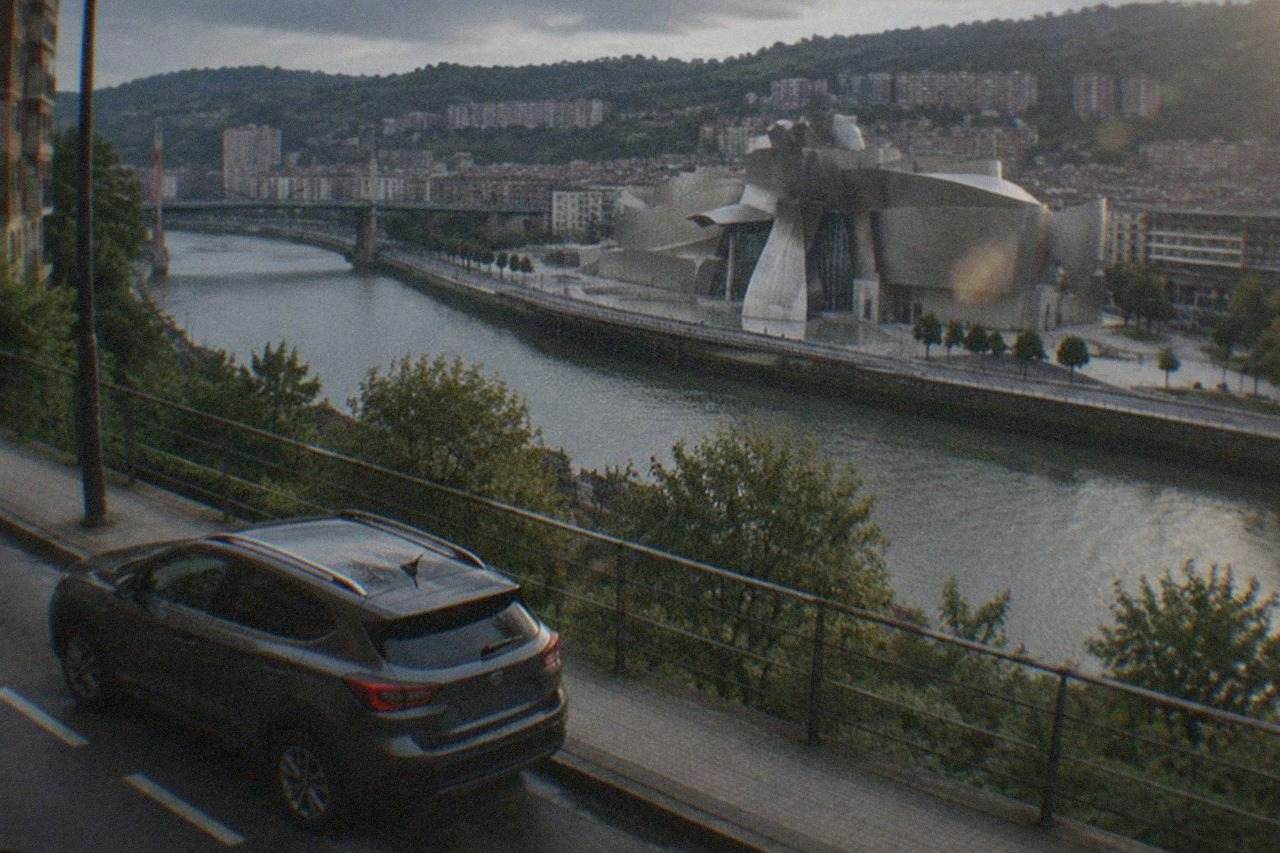
You do not need a car inside Bilbao itself, but a rental is the easiest way to reach Gaztelugatxe, the Urdaibai coast, Rioja and the French Basque Country. Pick up at Bilbao Airport if you fly in, drive on the right, and expect paid parking in the city centre.
Bilbao, in Biscay (Bizkaia) province, Basque Country, northern Spain, is one of those rare big-city destinations where a car is genuinely optional. The centre is compact, the metro and tram reach almost everything a first-time visitor wants, and the tidal Nervion estuary that shaped the city's industrial past now shapes its riverside walkways. Yet the moment you look past the city limits, the maths changes: the hermitage of San Juan de Gaztelugatxe, the surf town of Mundaka, the vineyards of Rioja Alavesa and the French Basque coast all sit within a couple of hours, and public transport to several of them is slow, indirect or seasonal. Deciding whether to rent a car in Bilbao is really deciding what kind of trip you are taking, and this guide walks through that decision from every angle, from pickup desks at Bilbao Airport to the parking garages under the Ensanche.
Do You Actually Need A Car In Bilbao?
No, you do not need a car to enjoy Bilbao itself: the Casco Viejo, the Guggenheim, the Ensanche and the riverside districts are all walkable or a short metro, tram or Bilbobus ride apart, with a Barik card making single fares cost roughly a euro. A rental only earns its keep when your itinerary pushes beyond the city, to Gaztelugatxe, the Urdaibai estuary, Rioja wine country or the French Basque coast, where buses and trains run but slowly and sometimes infrequently.
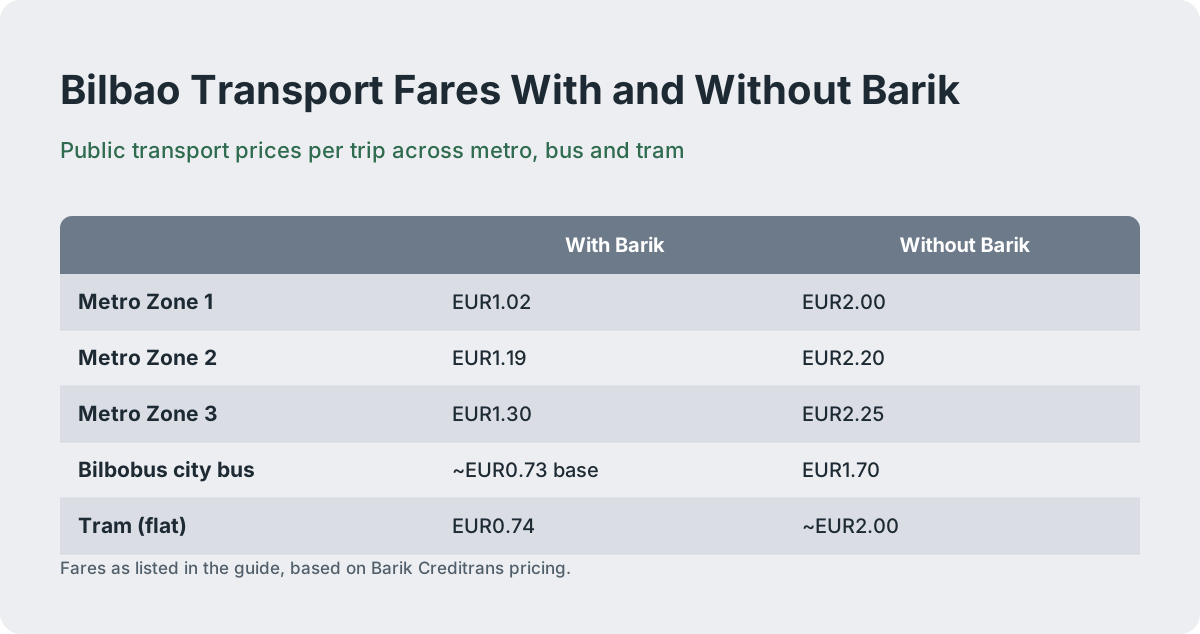
That is the honest answer, and it is worth dwelling on because plenty of visitors rent a car for a three-day city break and then pay for parking they never escape. The Guggenheim Museum Bilbao, the Fine Arts Museum, the Ribera Market and the Seven Streets of the old town form a cluster you can cross on foot in under half an hour. The city's transport consortium sells a rechargeable Barik card that works across metro, tram, buses and Euskotren trains, and the CTB Barik fares page gives Metro Zone 1 credit at EUR1.02 versus EUR2.00 for a single ticket bought without the card. The Bilbao Bizkaia Card site states its 24, 48 and 72-hour tiers cost EUR10, EUR15 and EUR20, including unlimited transport and attraction discounts.
Where the car becomes the right tool is the ring of destinations that made this coastline famous. San Juan de Gaztelugatxe, the rocky islet with its stone causeway, is a 30 to 45 minute drive from the city, and reaching it by public bus takes over an hour with transfers. The same is true of the Rioja wine villages and the French Basque beach towns: reachable, but with a car you control the clock. A good middle path many travellers take is a car-free city stay of two or three days, then a rental for one or two dedicated day trips, or a guided tour that removes the driving entirely. Our overview of things to do in Bilbao helps you size up how much of your time the city itself will consume, and the Bilbao transport guide covers the car-free option in depth.
| Bilbao transport mode | With Barik (Creditrans) | Without Barik |
|---|---|---|
| Metro Zone 1 | EUR1.02 | EUR2.00 |
| Metro Zone 2 | EUR1.19 | EUR2.20 |
| Metro Zone 3 | EUR1.30 | EUR2.25 |
| Bilbobus city bus | ~EUR0.73 base | EUR1.70 |
| Tram (flat) | EUR0.74 | ~EUR2.00 |
Where Should You Pick Up A Rental Car In Bilbao?
Bilbao Airport (BIO) is the most practical pickup point for most visitors, with rental desks in the terminal and a 15 to 25 minute drive into the centre, while city-centre branches in Abando and near the Guggenheim suit travellers who start car-free and rent midway through their stay. There is no metro or train link to the airport, and the city council's own position is that none arrives before 2035, so a rental car or the Bizkaibus A3247 airport bus are your ground options.
The airport question matters more here than in most Spanish cities because of that missing rail link. The Bizkaibus A3247 runs every 15 minutes, roughly 06:10 to 23:40 from the airport and 05:00 to 22:00 from Bilbao, with a EUR5 single fare without a Barik card, and a taxi to the centre costs approximately EUR24 to 29 with no airport supplement. Those are fine options for the airport-to-hotel leg. But if your plan includes a day trip to Gaztelugatxe or Rioja on day two, collecting the car at the airport on arrival saves a second cross-city journey, and airport fleets usually carry the widest choice of automatics, which sell out first in a market where most rental cars are manual.
The alternative, renting from a downtown branch partway through the trip, works well if your first days are pure city. Offices cluster around Abando station and the Gran Via, within walking distance of the Ensanche hotels described in our where to stay in Bilbao guide. One caution that recurs in traveller reports about Spanish rentals generally: airport and city branches of the same brand can differ in hours, with some downtown offices closed on Sundays. Check the desk hours, not just the car's availability, before booking.
| Pickup option | Best for | Watch out for |
|---|---|---|
| Bilbao Airport (BIO) desks | Fly-drive itineraries, day trips from day one | Automatics sell out early in summer |
| Abando / Gran Via branches | Car-free city days first, then a rental | Some desks closed Sundays |
| Bilbao Intermodal (bus station) area | Arriving by long-distance bus | Limited brand choice |
| One-way into San Sebastián or Bilbao | Coast-to-coast routes | One-way drop fees apply |
If your trip is really a Basque Country circuit rather than a Bilbao base, compare the cost of renting in Bilbao against a one-way rental dropped in San Sebastián, or the reverse. Our Bilbao vs San Sebastian comparison covers which city makes the better base for what.
What Does Renting A Car In Bilbao Cost?
No fixed price exists, only the live listing on the operator's own page: Bilbao rental rates swing far harder with the season than in southern Spain, because summer demand along the Basque coast is heavy and the fleet is small. What you can plan for are the add-ons: full-to-full fuel policies, tolls on the AP-8 motorway, and centre parking, which together often exceed the base rental price.
The seasonal swing is the single biggest cost factor, and it is driven by the climate. AEMET's Bilbao Aeropuerto/Loiu (station 1082) normals show July and August as the warmest, driest months, with means of 20.4 and 20.9 C and just 50 and 76 mm of rain, which is exactly when the coast is at its best and the cars are gone. Book an automatic months ahead for July and August. Outside that window, shoulder-season rates drop sharply, and the Bilbao weather guide explains why May, June and September are the smart compromise: mild, less crowded, and still fine for coastal driving.
Beyond the daily rate, budget for the extras that catch people out. The AP-8 motorway along the coast toward San Sebastián and the French border is tolled, and the toll booths take card or cash. Fuel policies vary: insist on full-to-full, where you return the car full, rather than pre-paid or full-to-empty schemes that charge inflated refuelling. Insurance excess waivers are cheaper bought as third-party cover before travel than at the desk. And if you are visiting in 2026, note that a Bizkaia-wide regional tourist tax (Norma Foral 3/2026) does not take effect until 1 January 2027, so it adds nothing to your 2026 accommodation bill, but budget for it from 2027 onward at Bilbao's approved municipal rates of EUR1 to EUR5 per night for hotels and EUR6.50 for tourist apartments.
| Cost item | Planning note |
|---|---|
| Base daily rate | Seasonal: highest July-August, lowest winter |
| Automatic transmission | Scarce in the fleet, book far ahead |
| AP-8 coastal motorway tolls | Card or cash at toll booths |
| Fuel policy | Choose full-to-full, refuel before return |
| Excess insurance | Cheaper as third-party cover than at the desk |
| Centre parking | Paid garages in the Ensanche, street spots scarce |
What Are The Driving Rules In Bilbao And The Basque Country?
Spain drives on the right, and the rules that matter in Bilbao are national ones: 50 km/h in towns, 90 km/h on open roads unless signed lower, 120 km/h on motorways, zero alcohol tolerance for new drivers and 0.5 g/l for others, and compulsory carrying of two warning triangles, a reflective vest and your licence at all times. The Basque-specific twist is topography: steep hills, narrow coastal roads, and roundabouts everywhere.
Licence requirements are simple for most visitors. Spain is a founding-era Schengen member, so travellers from across the Schengen area, the UK, the US, Canada and Australia drive on their national licences, with an International Driving Permit needed only where your home licence is not in Latin script. Check the operator's live listing for its own minimum age and licence-duration rules, which vary by brand and can carry young-driver surcharges.
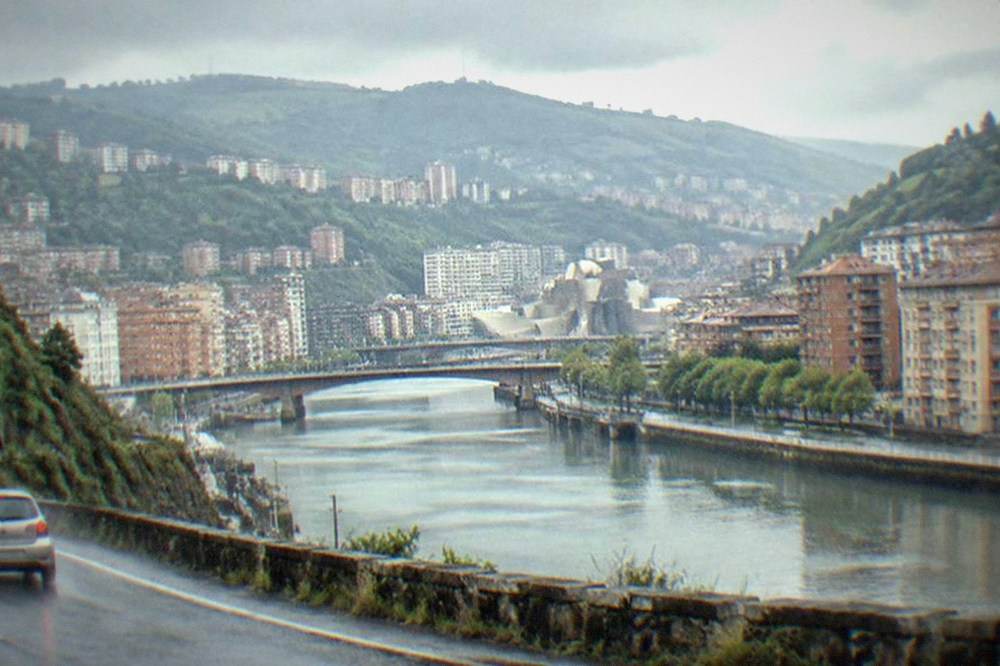
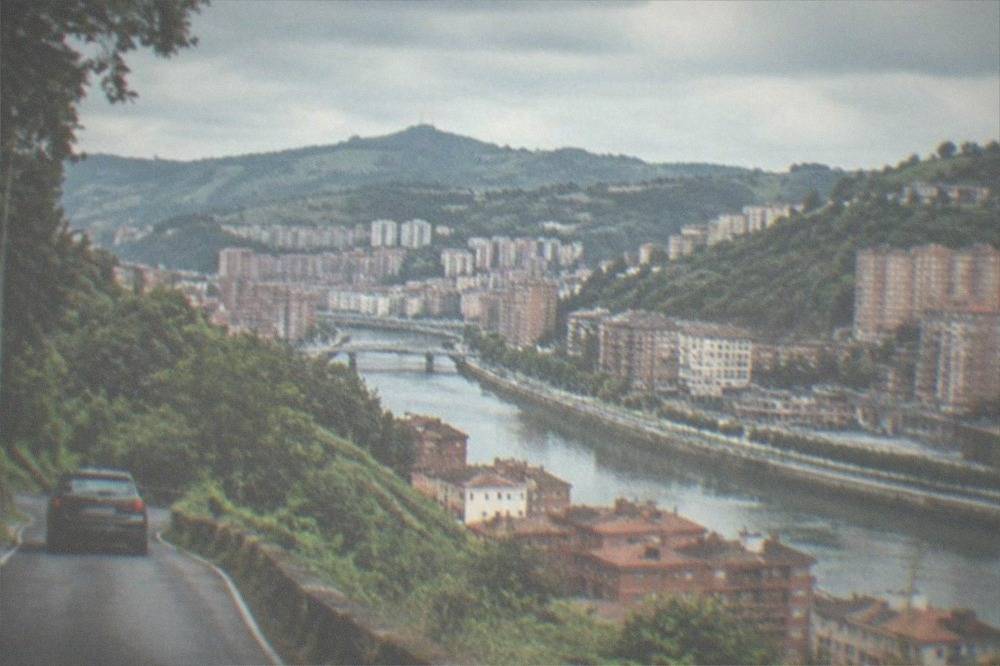
The local driving culture is calm by big-city standards, and Bilbao ranks among Spain's safer major cities in municipal crime-balance reporting, though standard urban awareness applies to anything left visible in a parked car. What surprises visitors more than the drivers is the terrain. Roads out toward Gaztelugatxe and the Uribe coast drop through hairpins to sea level, and the BI road numbering marks Bizkaia's provincial network, where a road can be wide and fast for ten kilometres and then narrow to a single lane past a farmhouse. Rain is a constant companion outside summer: AEMET's normals show 1,134 mm a year, with November the wettest month at 147 mm, so keep more following distance than you would in a dry climate and expect wet mountain roads even in months that feel mild. An automatic and a small car make driving here noticeably easier.
| Rule | Spain-wide requirement |
|---|---|
| Side of road | Right |
| Town speed limit | 50 km/h |
| Open road limit | 90 km/h unless signed lower |
| Motorway limit | 120 km/h |
| Alcohol limit | 0.5 g/l (stricter for new drivers) |
| Must carry | Licence, triangles, reflective vest |
Where Do You Park In Bilbao?
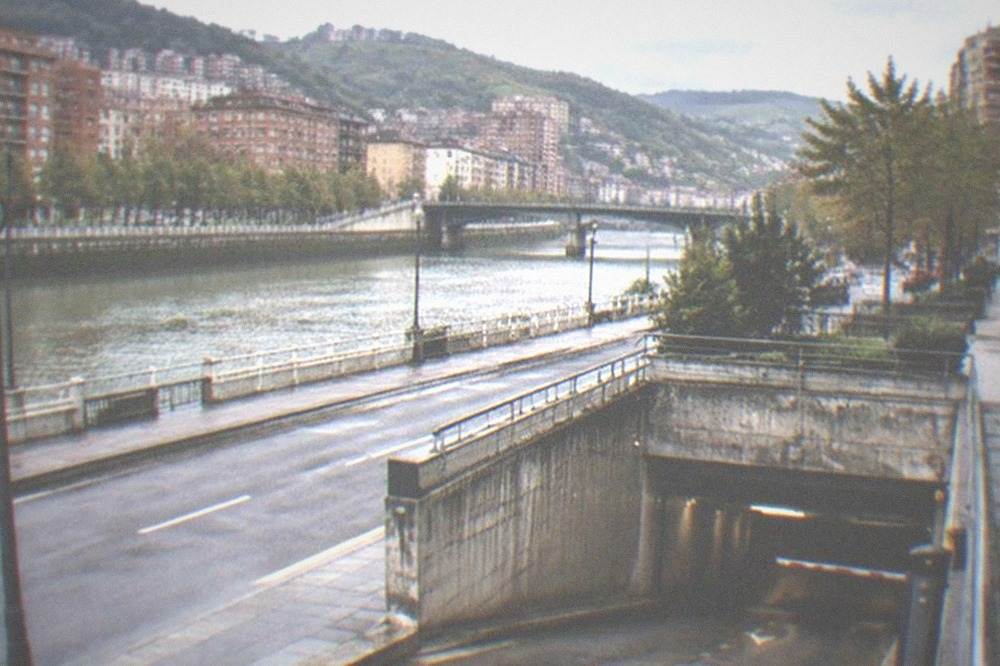
Central Bilbao parking is almost entirely paid, either in underground garages around the Ensanche and Abandoibarra or in blue-zone street bays that carry time limits and meters, and the practical advice is to park once, leave the car, and use your feet or the metro for the rest of the day. Free street parking in the centre is effectively nonexistent, and hotel parking, where offered, is usually a paid extra.
The layout of the city explains the parking picture. The Ensanche grid and the riverside Abandoibarra strip around the Guggenheim are dense, and the city has invested in underground garages rather than surface lots, which keeps the streets walkable but means every hour has a price. The old town, the Casco Viejo, is the worst place to bring a car: its Seven Streets were laid out long before automobiles and are largely pedestrianised or restricted, so aim for a garage on the edge of the district instead. If your hotel sits in the centre, our where to stay in Bilbao guide flags which districts make a car-free stay effortless, which is worth reading before you commit to a rental at all. The full index of guides sits on Bilbao Travel Guide.
For day-trip departures, the simplest pattern is to sleep in the centre without a car, then either collect a rental from a downtown branch on the morning you need it, or join a guided tour and skip parking entirely. If you do drive out, the destinations themselves mostly solve parking for you: Gaztelugatxe has a paid car park at the end of the access road, Bermeo and Mundaka have harbourside lots, and Rioja bodegas usually reserve space for visitors. The one place not to attempt by car is the old town at festival time: during Aste Nagusia, which in 2026 ran 22 to 30 August with the txupin opening at 19:00 in Plaza Arriaga, central streets fill with crowds and driving becomes pointless. Our Aste Nagusia festival guide covers the event, and safety in Bilbao covers the ordinary precautions that apply to any festival crowd.
Which Day Trips From Bilbao Are Best With A Car?
The day trips that genuinely reward a rental are Gaztelugatxe and the Urdaibai coast (a 30 to 45 minute drive), Bermeo and Mundaka (around 35 minutes), the Rioja wine villages of Haro and Laguardia, San Sebastián (about 1 hour to 1 hour 40 minutes by motorway), and the French Basque towns of Biarritz and Saint-Jean-de-Luz across the border. Closer still, Getxo and the UNESCO-listed Vizcaya Bridge are a 15 to 20 minute drive, close enough that the metro serves them too.
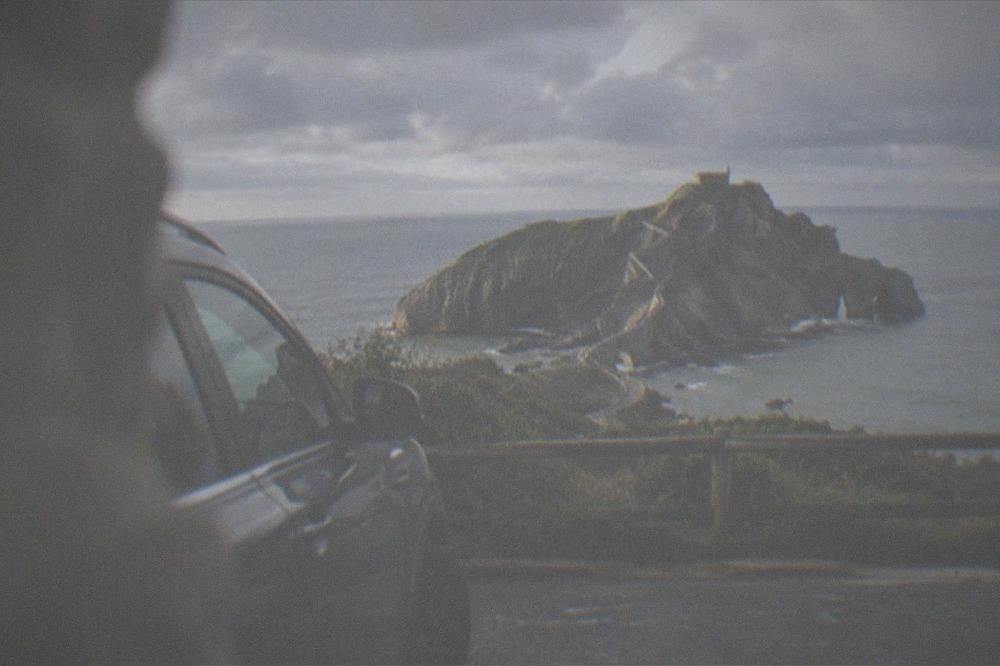
Gaztelugatxe is the headline. The islet's stone causeway is the single most photographed sight on this coast, and driving puts you at the trailhead car park in half an hour to three quarters of an hour from the city. Access rules matter: a free timed reservation is required only on official "controlled access" days, roughly mid-June to about 20 September daily plus Easter and holiday weekends per the yearly calendar, with a daily cap of 1,462 visitors on controlled days and booking via tiketa.eus, always free, for up to 10 people per reservation. On all other days entry is free without a reservation, and as of the most recent reporting access reverted to free, no-reservation status from 21 September 2026 through the end of September. Our Gaztelugatxe guide carries the calendar detail, and the Urdaibai biosphere reserve page covers the surrounding estuary.
If the reservation system or the hairpin access road sounds like work, the alternative is a guided day trip that handles both. The Gaztelugatxe Access, Bermeo and Gernika tour bundles the islet with the fishing port and the historic assembly town in a single outing: Check availability. For a coast-to-city sampler, the Biarritz, Saint-Jean-de-Luz and San Sebastián route covers the French border towns and Spain's most famous food city in a single loop.
| Day trip from Bilbao | Approx. drive one-way | Public transport alternative |
|---|---|---|
| Gaztelugatxe | 30-45 min | Bus ~1h 10m or more, sometimes with transfers |
| Bermeo | ~35 min | Euskotren train ~1h 21m |
| Mundaka | 30-40 min | Euskotren train ~1h 16m |
| Getxo / Vizcaya Bridge | 15-20 min | Metro Line 1, 28-29 min |
| San Sebastián | ~1h-1h 40m | Direct bus ~1h 20m |
| Vitoria-Gasteiz | 45-60 min | Bus ~1h-1h 32m |
| Rioja (Haro, Laguardia) | ~1h+ | Sparse public options |
The Rioja row deserves its own word of caution: public transport into the wine villages is thin enough that a car or a guided wine tour is effectively the only practical way to visit bodegas, and our Rioja wine day trip guide compares the approaches. For San Sebastián, the direct bus is genuinely competitive with driving, so a car only wins if you plan to stop in Getaria or Zarautz along the coast on the way.
Renting A Car Vs Using Bilbao Public Transport: Which Wins?
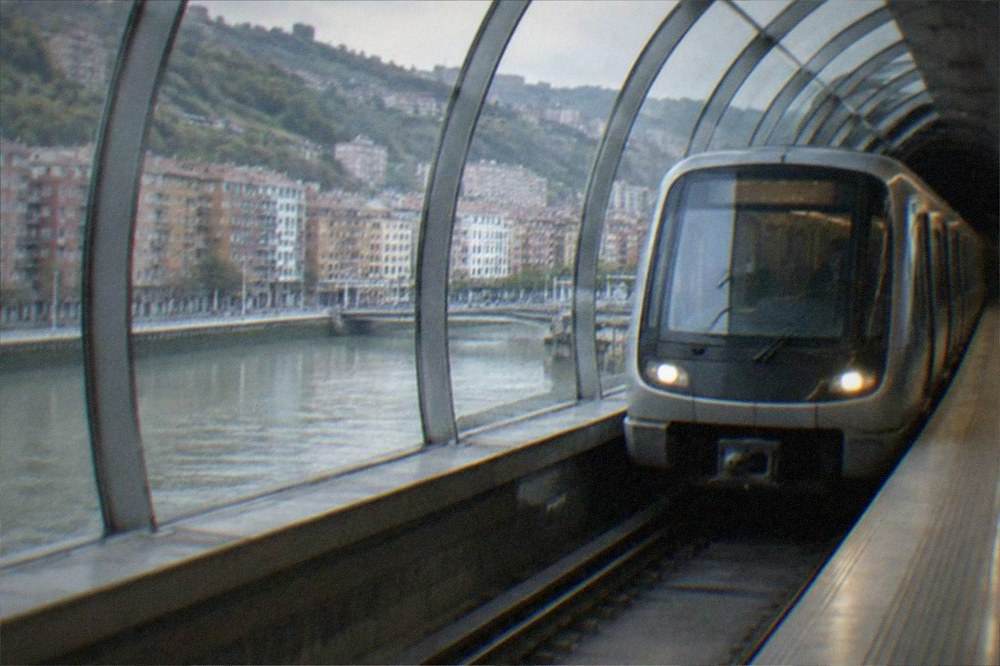
Public transport wins for everything inside Bilbao and for the close-in coastal destinations on the metro and Euskotren network, where a Barik card keeps fares near a euro per ride, while a rental car wins for multi-stop rural days: Gaztelugatxe plus Bermeo plus Mundaka in one loop, Rioja bodega hopping, or a border-crossing day into France. Guided day tours sit in between, trading flexibility for zero navigation, zero parking and a fixed itinerary.
The comparison is really about stops per day. A single-destination day trip, Bilbao to San Sebastián or Bilbao to Vitoria, is well served by direct buses and trains, and the Bilbao Bizkaia Card can bundle unlimited transport with museum fast passes for a short stay. A three-village coastal loop is a different animal: the Euskotren line to Bermeo takes about an hour and 21 minutes, and adding Mundaka and the Gaztelugatxe trailhead by bus means an afternoon disappears into connections. The same logic applies to the Rioja villages, where bodegas sit outside the towns and tasting schedules assume you arrive by car or van.
Cost comparisons favour public transport for solo travellers and couples on single-destination days, and swing toward the car for groups of three or four, where one rental split four ways undercuts four long-distance bus fares. The is Bilbao expensive guide puts the whole daily budget in context. One group that should think twice before renting at all is anyone planning a strictly urban itinerary: our how many days in Bilbao guide shows how little of a two- or three-day first visit ever leaves the walkable core.
The walking tour above is the purest expression of the car-free argument: a local guide and the whole historic core on foot. If your trip splits evenly between city and countryside, a hybrid plan, car-free days first, then a rental for a final coastal day, usually beats renting for the full stay once you count centre parking.
Can You Drive A Bilbao Rental Car Into France?
Yes, most rental brands operating at Bilbao Airport permit taking the car into France, since the border is barely an hour away on the AP-8, but you must declare the cross-border trip at pickup so it is recorded on the agreement, and the same Spanish insurance minimums follow the car across the border. Confirm the policy in writing before booking, because a minority of brands or specific rate plans restrict cross-border travel.
The French Basque Country is the prize that makes this question worth asking. Biarritz, Saint-Jean-de-Luz and Hendaye line up along the coast after the border at Biriatou, and the whole string is about an hour to an hour and a half of motorway from Bilbao, tolls included on the French side as on the Spanish. Spain is a founding-era Schengen member, so there is no border control to plan around in normal circumstances: you drive through. What you do need is the paperwork in order, licence, rental agreement showing the cross-border authorisation, and the car's documents, plus a French Crit' Air sticker if you plan to drive into larger French cities on the way, though the Basque coastal towns do not require one.
Fuel is noticeably cheaper in Spain than in France, so fill up before crossing if your loop returns the same day. And if the French coast appeals but the cross-border paperwork does not, a guided excursion covers Biarritz, Saint-Jean-de-Luz and San Sebastián in one day with no rental agreement at all. Our Saint-Jean-de-Luz and Biarritz from Bilbao guide lays out the self-drive version, and the best base in the Basque Country comparison helps if you are tempted to split your stay across the border.
What Should You Check Before Driving Off The Rental Lot?
Photograph every panel of the car before leaving the lot, confirm the fuel level matches the policy you bought, verify the cross-border clause if France is on your route, and check that two warning triangles and a vest are physically present in the boot. Traveller reports about Spanish rental desks, Bilbao included, repeatedly flag phantom-damage disputes, where a scratch not recorded at pickup is charged at return.
Beyond the photo ritual, a few Bilbao-specific checks save headaches. Confirm the toll transponder situation: Spanish AP-8 tolls are payable by card at booths, so you do not need an on-board unit, but some desks offer them, and declining politely is fine. Ask for the car's fuel type in writing, because misfuelling charges dwarf any rental saving. If you are heading straight to the coast on an arrival day, remember the airport bus and taxi figures only cover the airport-to-city leg; the rental lot is at the terminal itself, so you drive out directly onto the motorway network toward the coast.
Finally, plan the return. Airport returns during the August peak move slowly, and a missed flight to a non-Schengen home destination is a costly error, so budget an hour more than the desk suggests in high season. Our Bilbao airport guide covers the terminal layout, the Bizkaibus A3247 schedule and the taxi fare bands, which is everything you need if you end the trip car-free after all.
| Pre-departure check | Why it matters |
|---|---|
| Photograph all panels, wheels, glass | Timestamped proof against damage disputes |
| Confirm fuel matches the policy | Misfuelling and refuelling charges are steep |
| Triangles and vest in the boot | Compulsory carry in Spain |
| Cross-border clause in writing | Required to drive into France legally |
| Damage noted on the agreement | Undocumented marks become your charges |
| Toll payment method | AP-8 booths take card or cash |
Common Questions About Renting A Car In Bilbao
Is renting a car in Bilbao worth it?
Only if your itinerary leaves the city. Inside Bilbao a car is a liability: parking is paid, the centre is walkable, and a Barik card covers metro, tram and buses for about a euro a ride. A rental pays off for multi-stop rural days such as the Gaztelugatxe-Bermeo-Mundaka loop, Rioja bodega visits, or a cross-border day into the French Basque Country.
Can you rent an automatic car in Bilbao?
Yes, but automatics are a minority of the fleet and sell out first in July and August, the warmest and driest months in AEMET's Bilbao normals. Book an automatic several months ahead for a summer trip, or be prepared to drive a manual, which most European visitors manage without trouble on this terrain.
Is there a toll road between Bilbao and San Sebastian?
Yes, the AP-8 coastal motorway is tolled along much of its length, with booths accepting card or cash. The toll cost is modest by French standards but adds up on a round trip, so factor it into the car-versus-bus comparison: the direct bus to San Sebastián takes about an hour and twenty minutes and is genuinely competitive for a single-destination day.
Do you need an International Driving Permit to drive in Bilbao?
Not if your home licence is in Latin script, which covers licences from the UK, US, Canada, Australia and across the Schengen area, since Spain is a founding-era Schengen member. An IDP is needed only where the licence is issued in another script, and the rental desk may have its own licence-duration rules, so check the operator's live listing.
Can you drive from Bilbao into France with a rental car?
Usually yes, but you must declare the cross-border trip at pickup so it appears on the rental agreement, because an undeclared crossing can void your cover. There is no routine border control between Spain and France. Fill up before crossing, as Spanish fuel is cheaper, and confirm the policy in writing before you book.
Where do you park when visiting Gaztelugatxe by car?
There is a paid car park at the end of the access road serving the trailhead, roughly 30 to 45 minutes' drive from Bilbao. Remember the access rules: a free timed reservation is required only on official controlled-access days, roughly mid-June to about 20 September daily plus certain holiday weekends, with booking via tiketa.eus capped at 1,462 visitors a day on controlled days and free without a reservation on all other days.
A rental car in Bilbao is a tool, not a default. Used for the coastal and wine-country days this region does better than almost anywhere in Spain, it earns its cost back in hours saved and villages reached; used for the city itself, it mostly buys parking tickets. Match the wheels to the itinerary, and the Basque Country opens up either way.