Is Bilbao Safe? What Tourists Should Know Before Visiting
Bilbao ranks among Spain's safer major cities, and most visits pass without incident. This guide covers the scams that actually exist here, which areas deserve care after dark, and what to do if something goes wrong.
Short answer
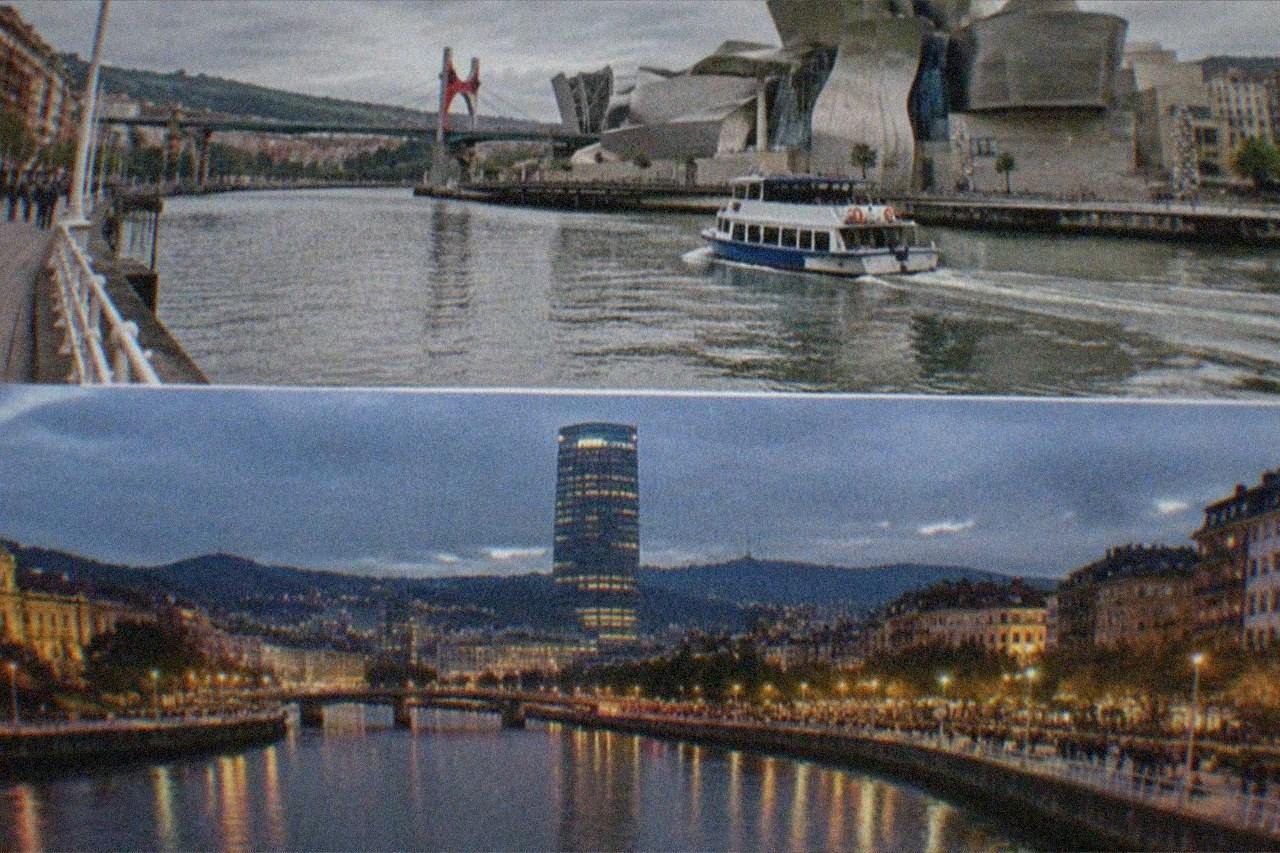
Yes. Bilbao, in the Basque Country of northern Spain, is considered safe for tourists and ranks among Spain's safer major cities per local reporting on 2025 data. Petty theft in crowded spots is the main risk; violent crime against visitors is rare. Call 112 in any emergency.
Bilbao, the largest city in Biscay (Bizkaia) province in the Basque Country of northern Spain, has built its modern reputation on architecture, food and a transformed riverfront, but the question first-time visitors ask is simpler: is it safe? The short answer is yes. Local crime-balance reporting on 2025 data places Bilbao among Spain's safer major cities, and the incidents that do occur are overwhelmingly petty rather than violent. That does not mean zero risk, of course. Crowded pintxos bars, festival nights and rush-hour metro cars create the same openings for pickpockets that any popular European city does, and a few neighbourhood-specific habits are worth knowing before you arrive. This guide walks through the real risk picture, area by area and situation by situation, so you can plan with facts instead of vague anxiety. For the broader trip frame, start with things to do in Bilbao and work backwards.
Is Bilbao Safe For Tourists Right Now?
Yes, Bilbao is widely considered safe for tourists, and it ranks among Spain's safer major cities per local crime-balance reporting on 2025 data. The city of 346,933 people sees mostly petty incidents such as pickpocketing rather than violent crime, and the standard European-city precautions about bags, phones and crowded places cover the great majority of the risk. Violent crime against visitors is rare, and the city's walkable, well-lit core makes ordinary caution remarkably effective.
The population figure is worth grounding: Eustat's municipal register puts Bilbao at 346,933 inhabitants as of 1 January 2025. That mid-sized scale matters for safety, because Bilbao lacks the extreme tourist crush of Barcelona or Madrid and the opportunistic theft ecosystems that come with it. Local reporting on the 2025 municipal safety balance described a slight overall decline in street crime year on year, with thefts dominating the picture and robberies with violence falling. Perception surveys tell a similar story: most Bilbao residents report no personal victimization and rate their own neighbourhoods as safe or safer than the city average.
None of this means you should leave your phone on a café table. It means the risk profile is ordinary, predictable and manageable with habits you already have. The city's tourism infrastructure is mature, the Bilbao Bizkaia Card network keeps visitors moving through official channels, and the transport system is modern and well used. If you have traveled to any sizable Spanish or French city, Bilbao will feel familiar in the best way.
What Scams And Petty Crime Should You Watch For In Bilbao?
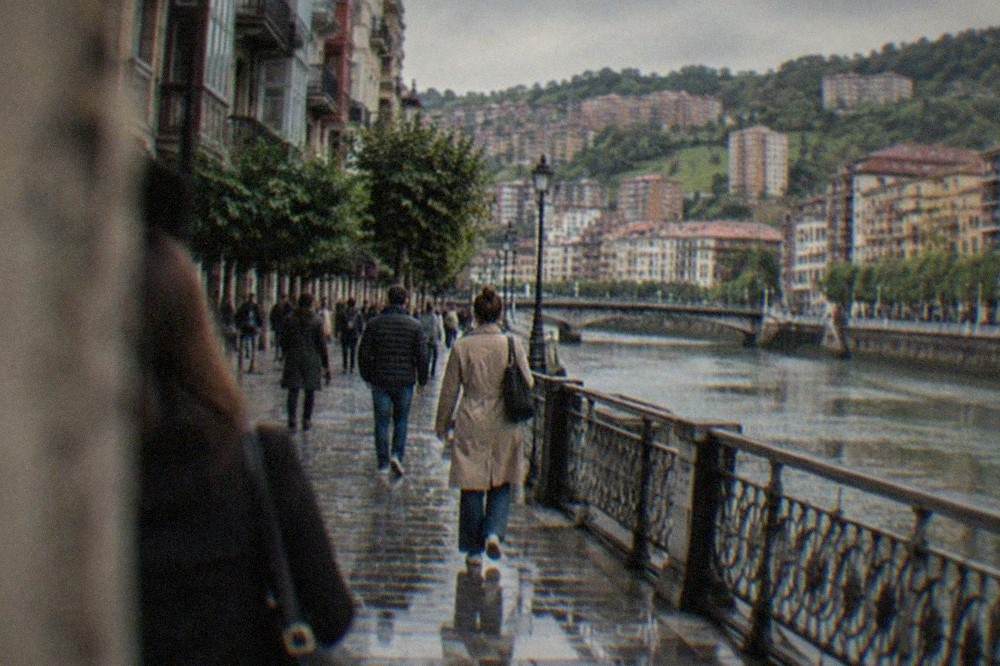
The scams worth knowing in Bilbao are low-level and concentrated in tourist zones: pickpocketing around Casco Viejo, Ribera Market and the Guggenheim, fake plainclothes police who ask to inspect your wallet, occasional tourist overcharging in some Old Town pintxos bars, and car-rental damage disputes at the airport. Genuine police never ask to inspect your wallet or cash, so any such request is a scam by definition. None of this is violent, and simple habits defeat nearly all of it.
Pickpocketing is the headline risk, and it follows the crowd. The Seven Streets of the Casco Viejo, the Ribera Market halls, the Guggenheim plaza and the metro at rush hour are the spots where distraction theft happens: a bump, a spilled drink, a cluster of people suddenly around you. Bags worn across the body with the zip in front, phones kept in front pockets rather than back pockets, and wallets out of back pockets entirely remove most of the opportunity. Festival nights multiply the crowd density, and Aste Nagusia in late August is the single busiest stretch of the year; the same rules apply, just with more patience.
The fake-police scam deserves a specific warning because it is the one that catches otherwise careful travelers. A person claiming to be a plainclothes officer asks to see your wallet, supposedly to check for counterfeit notes. Real Spanish police do not do this. If someone tries, walk into the nearest shop or bar and ask staff to call the uniformed police. The other recurring complaints are softer: inflated pintxos bills in a handful of Old Town bars aimed at tourists, and rental-car agents charging for pre-existing scratches. Photograph the car from all angles at pickup, and check the bill against the displayed prices before paying.
| Risk | Where It Happens | What It Looks Like | How To Defeat It |
|---|---|---|---|
| Pickpocketing | Casco Viejo, Ribera Market, Guggenheim plaza, crowded metro cars | Bumps, distraction groups, spilled drinks | Cross-body bag, zip in front, phone in front pocket |
| Fake plainclothes police | Tourist streets and squares | Request to inspect wallet for counterfeit notes | Refuse and enter a shop; real police never ask for wallets |
| Bar overcharging | A minority of Old Town pintxos bars | Bill higher than displayed prices | Check displayed prices, review the bill before paying |
| Rental-car damage dispute | Airport pickup desks | Charges for pre-existing scratches | Photograph the car from all angles before driving off |
| Distraction petitions and "gifts" | Busy pedestrian areas | Clipboards, bracelets or rosemary offered then payment demanded | Keep walking; do not engage |
A guided introduction to the city is a good first day for exactly this reason: a local guide points out the areas and habits that matter, and you spend the rest of your trip oriented. The best pintxos bars in Bilbao guide covers where to eat with confidence, and a Bilbao food tour with pintxos and drinks with a local doubles as an evening in company rather than alone.
Which Bilbao Areas Feel Safe At Night, And Which Need Care?
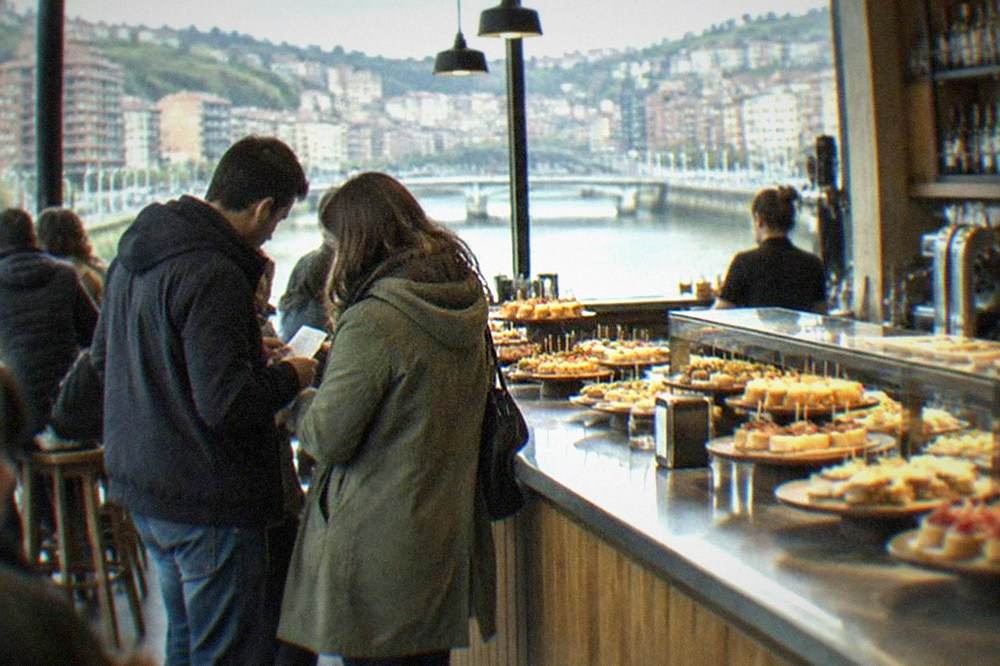
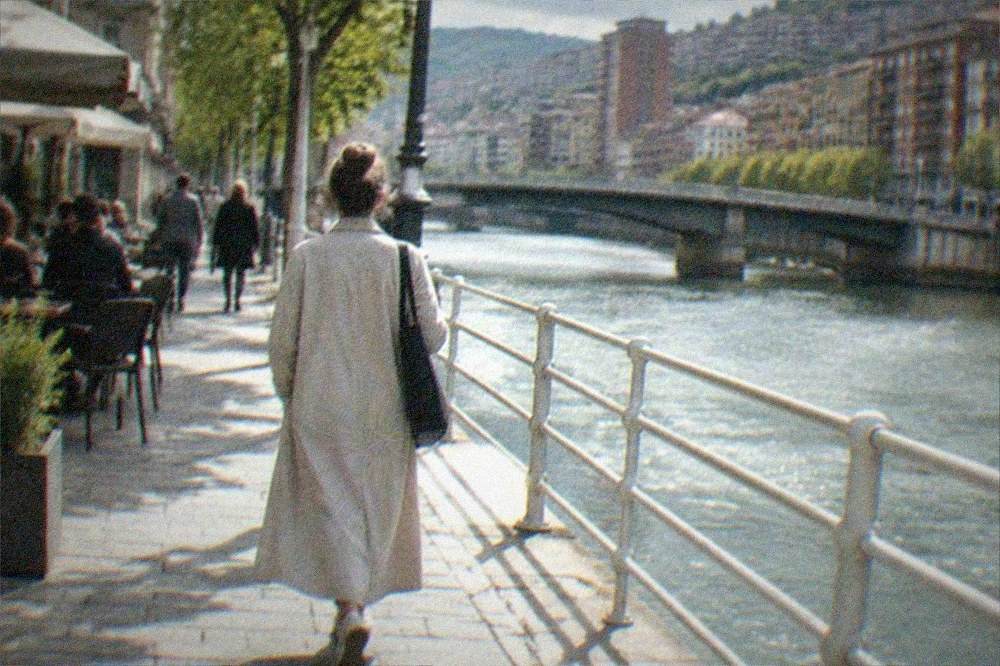
Most of central Bilbao feels comfortable at night, including Abando and the Ensanche, Indautxu, the Abandoibarra riverfront around the Guggenheim, and the main Casco Viejo streets around Plaza Nueva. The San Francisco neighbourhood just west of the Old Town carries a rougher reputation and deserves normal urban attention, especially late. Ribera and the Seven Streets stay lively into the late evening, and busy, well-lit streets are the safest route anywhere after dark.
Bilbao's centre is compact, which is a safety advantage: the walk from the Guggenheim to the Old Town takes you along well-lit riverfront promenades that stay populated until late. The Ensanche around Moyua and the Gran Via is the city's commercial spine, busy by day and calm but not deserted by night. Indautxu, with its restaurant strip, is a standard evening destination. The nightlife guide maps the going-out districts, and the where to stay in Bilbao guide helps you pick accommodation within easy reach of your evenings so you are not crossing the whole city at 02:00.
San Francisco, immediately west of the Casco Viejo across the estuary, is the one central neighbourhood that appears repeatedly in local reporting on street-level problems. It is not a no-go zone, and plenty of people pass through it daily without incident, but it is not the place for an aimless late-night wander with a phone in hand. The eastern edge of the Old Town around the Bilbao La Vieja strip has gentrified into a going-out area in its own right; the standard advice is simply to know which side of the river you are on and to take a taxi if the route home feels unclear.
| Area | Daytime Feel | After Dark | Practical Note |
|---|---|---|---|
| Abando and Ensanche | Busy commercial core | Calm, well lit, populated | Comfortable walking at any hour |
| Abandoibarra riverfront | Families, joggers, museum crowds | Lit promenade, steady foot traffic | Main Guggenheim-to-centre route |
| Casco Viejo and Plaza Nueva | Dense with visitors and bars | Lively until late, especially weekends | Watch bags in the densest stretches |
| Ribera Market area | Market crowds by day | Quieter after market hours | Prefer lit streets toward the centre |
| San Francisco | Gritty but functioning | Rougher reputation late | Normal urban attention; avoid aimless wandering |
| Indautxu | Residential and dining | Busy restaurant strip | Standard evening comfort |
If your evening plans involve crossing the city late, the Bilbao taxi and Uber guide explains how licensed taxis and ride-hailing work here; fares are metered and regulated. For a daytime introduction to the city's layout before you navigate it at night, a small-group highlights walk with a local guide covers the ground efficiently.
Is Bilbao Public Transport Safe To Use?
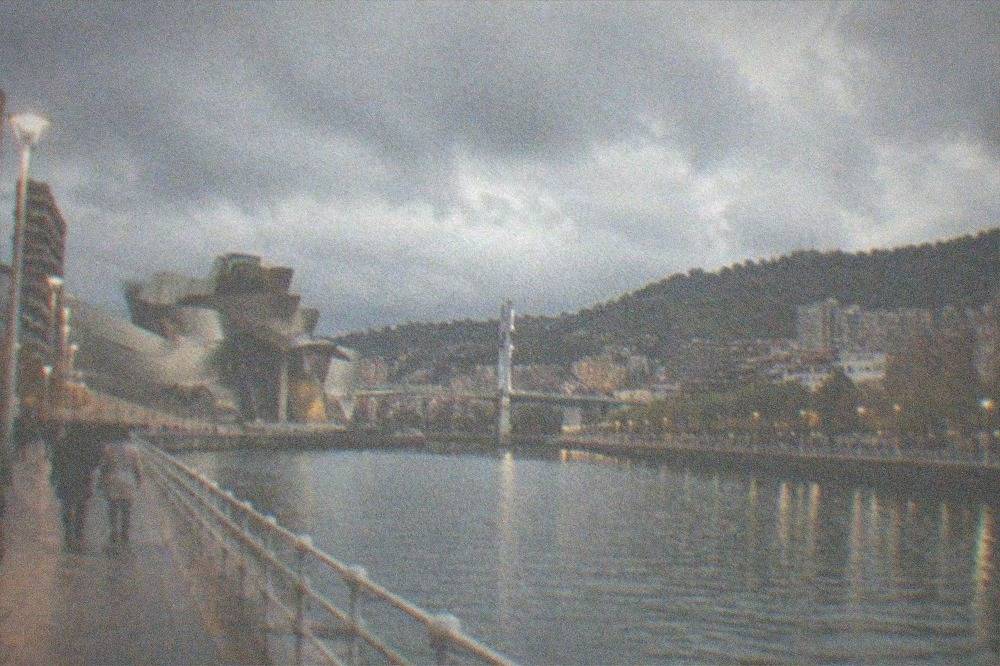
Yes, Bilbao's public transport is safe and heavily used, and the metro, tram, Bilbobus city buses and Bizkaibus regional buses are modern, well maintained and busy through normal operating hours. The realistic risks are pickpocketing at crowded rush-hour times and waiting alone on quiet late-evening platforms, not violent incidents. Keep bags closed and in front of you on crowded cars, wait in lit and populated parts of stations, and the network becomes one of the city's safety assets rather than a concern.
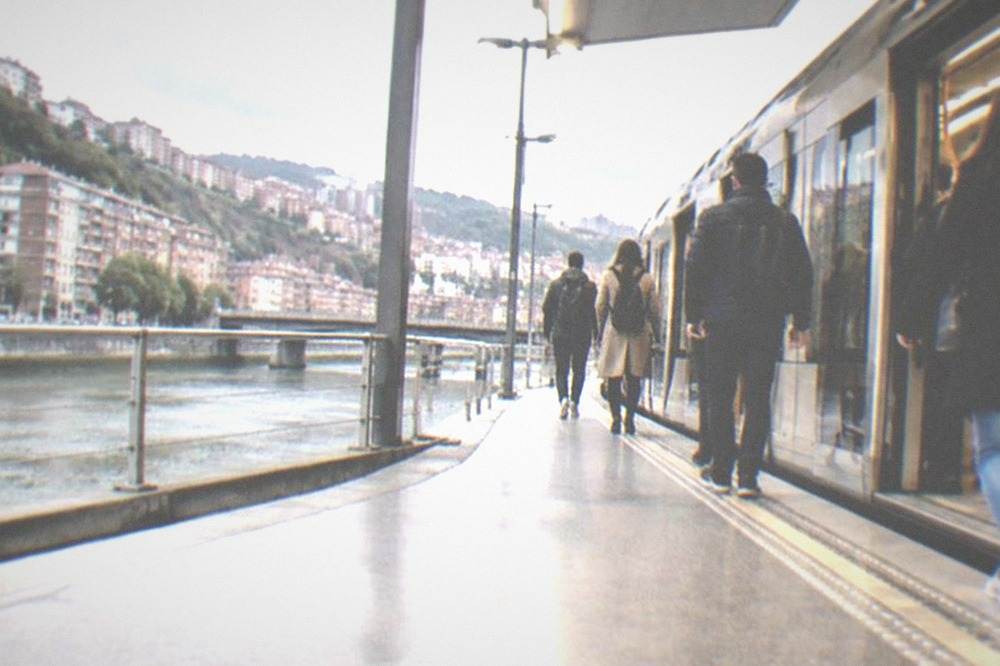
The getting around Bilbao transport guide covers the system in detail, but the safety-relevant points are simple. Metro Bilbao's stations are bright, modern and staffed, with elevators and wide validators at every station, and the trains themselves are clean and frequent. The tram along the riverfront is a tourist-friendly line that runs through the safest, most visited corridor in the city. Bilbobus runs a fully accessible low-floor fleet. Fares are integrated through the Barik card system, and the metro guide explains ticketing if you are new to it.
The one habit that matters is timing. Rush-hour cars between Abando and the Old Town stations get genuinely packed, and that compression is where a pickpocket works. Late at night, the opposite applies: platforms and cars empty out, so position yourself near other people, near the ticket machines or near staff. Solo travelers often prefer the metro over a long walk after midnight, and that is a reasonable instinct here.
Cycling is another low-stress way to cover the city, and the riverfront bike lanes keep you out of traffic almost entirely. A classic bike highlights tour is a good option for seeing the layout on day one, and the Bilbao bike rental guide covers doing it independently.
| Mode | General Safety Picture | Peak-Risk Moment | Habit That Fixes It |
|---|---|---|---|
| Metro Bilbao | Modern, staffed, busy stations | Packed rush-hour cars between central stations | Bag zipped and in front, wallet out of back pockets |
| Tram (Euskotren Tranbia) | Runs the tourist riverfront corridor | Crowds near the Guggenheim stop in high season | Stand back from doors when boarding |
| Bilbobus city buses | Fully accessible low-floor fleet | Crowded central stops at rush hour | Keep valuables off the aisle side |
| Bizkaibus regional buses | Mainline interurban coaches | Airport and coastal routes with luggage | Keep bags within sight in the hold season |
| Taxi | Metered, regulated, no airport supplement | Late-night rank queues after festivals | Confirm the meter runs; note the licence plate |
Is It Safe To Visit Gaztelugatxe And The Basque Coast On A Day Trip?
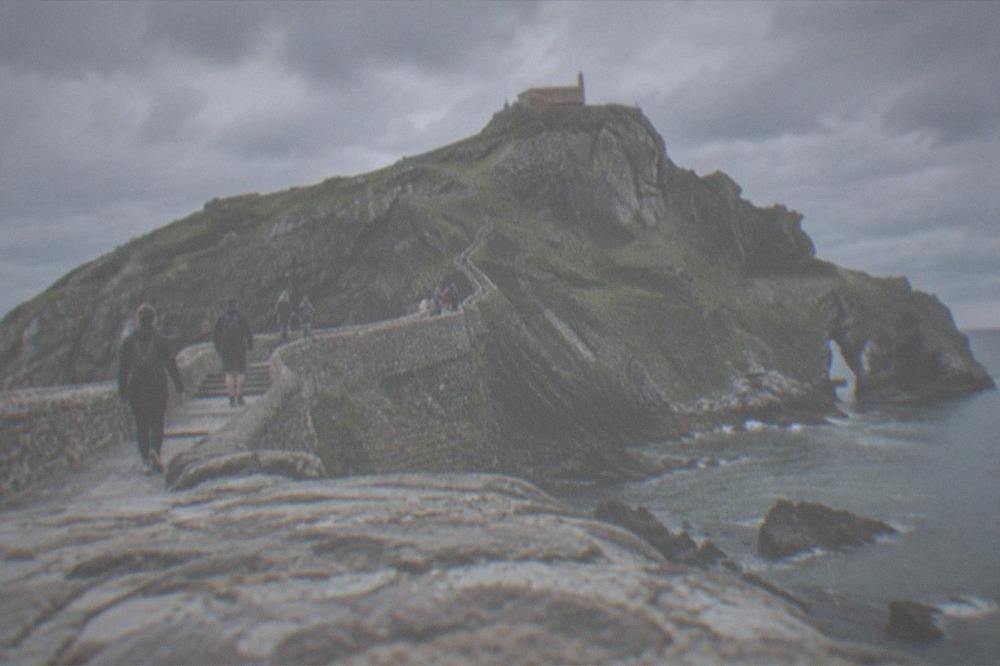
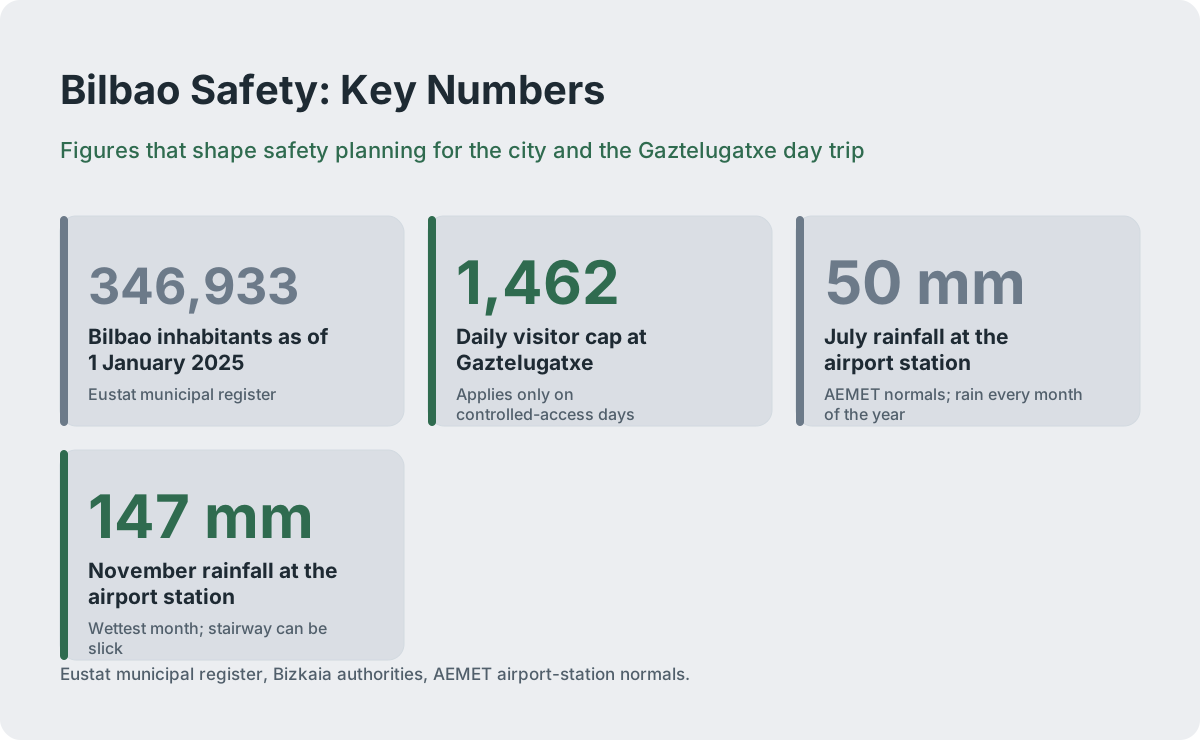
Yes, the Gaztelugatxe day trip is safe, and the main hazards are the long stone stairway to the hermitage, coastal weather and sun exposure rather than crime. Access is managed by the Bizkaia authorities, with a free timed reservation required only on official controlled-access days and a daily cap of 1,462 visitors on those days, so the site never becomes dangerously overcrowded. Wear real shoes, take water, and check the access calendar before you go.
San Juan de Gaztelugatxe, the rocky islet with its winding stairway north of Bilbao, is the region's most popular excursion, and its risks are environmental rather than criminal. The stone steps are exposed to Atlantic wind and rain, and Bilbao's climate is temperate oceanic: AEMET's normals for the airport station show rain in every month of the year, from 50 mm in July to 147 mm in November. A wet staircase above open water demands proper footwear and a lack of hurry. The reservation system, booked free of charge through the official tiketa platform, applies only on controlled-access days, roughly mid-June to about 20 September plus Easter and holiday weekends; outside those windows access is free without a ticket. The wider set of guides lives on Bilbao Travel Guide.
Crime on the coast route is a non-issue, but two practical points matter. Parking near the site is limited on free-access days, so arriving early or traveling with an organized group saves a stressful start. And certain romeria festival days, including 24 June, 31 July, 29 and 31 August and 30 December, are reserved for local socio-cultural events, and visitors are asked to stay away on those dates.
A guided excursion removes most of the planning variables at once. The Gaztelugatxe access, Bermeo and Gernika guided tour handles timing, access and transport in one package, and it is a sensible choice if you would rather not think about calendars at all. Check availability on the operator's live listing if the coast is on your itinerary.
Is Bilbao Safe For Solo Travelers And Women?
Bilbao is a comfortable destination for solo travelers and for women traveling alone, with a compact walkable centre, streets that stay active into the late evening and a nightlife scene that stays lively without feeling threatening. Local perception surveys report that most residents feel safe in their own neighbourhoods, and the crimes that dominate the local picture are thefts, not violence against people. The usual rules apply: keep a phone charged, share your evening plans, and prefer lit, busy routes back to your accommodation.
Solo visitors consistently describe Bilbao as relaxed compared with Spain's biggest cities, and the city's structure supports that impression. The centre is small enough that you are rarely more than a short walk or metro ride from your hotel, restaurant culture runs late, so streets do not empty at dusk, and the pintxos-bar model of standing, chatting and moving on is naturally social without being intimidating. The solo traveler itinerary and the solo female travel guide go deeper on specifics, from neighbourhood choice to evening routines.
For women traveling alone, the practical advice is the same as for any northern Spanish city with one Bilbao-specific note: the going-out districts around the Casco Viejo and Calle Ledesma get loud and dense on weekend nights, especially during Aste Nagusia, and a short taxi ride home costs little. Harassment is not a reported feature of the local scene, but crowd density after midnight is real, and planning the route back before the third glass of txakoli is the habit that keeps the evening good.
Eating alone here is genuinely easy, and a food tour is one of the friendliest solo-evening formats there is: a fixed group, a local guide and a route through bars you would be less sure about alone. The authentic pintxos, food and wine tour with a local fits that role well, and the Bilbao for couples and Bilbao LGBTQ travel guides cover other travel styles.
What Should You Do In An Emergency In Bilbao?
Call 112 for police, medical or fire emergencies anywhere in Bilbao and across Spain; it is the free EU-wide emergency number and the single most important number to save before you arrive. For non-urgent matters such as a lost passport or a theft report an insurer will ask for, visit a police station in person and keep a copy of the paperwork. Keep photocopies or photos of your passport and cards stored separately from the originals as standard practice.
The emergency number 112 works from any phone, including one without a local SIM, and it dispatches police, ambulance and fire services across Spain. If you are arriving from another Schengen country, remember there is no border check to plan around: Spain is a founding Schengen member, so intra-Schengen arrivals are routine. The emergency numbers guide and the hospital and pharmacy guide list the practical details, including pharmacy opening patterns and where English-speaking care is concentrated.
For theft, the sequence that matters is: cancel cards first from the bar or hotel, then file a report at a police station, because travel insurance claims almost always require the report. For a lost passport, the same police report is the first document your consulate or embassy will ask for, so get it in writing before anything else. Non-EU visitors should carry a second form of identification when the passport is locked in the hotel safe, since Spanish law expects ID on request.
| Situation | First Step | Second Step | Why It Matters |
|---|---|---|---|
| Medical or fire emergency | Call 112 | Follow operator instructions | Free EU-wide dispatch number |
| Theft or robbery | Cancel cards by phone | File a police report in person | Insurers require the report |
| Lost or stolen passport | File a police report | Contact your consulate or embassy | The report is the first document they request |
| Feeling unwell, non-urgent | Ask at your hotel or a pharmacy | Visit a public health centre if needed | Pharmacies advise on minor ailments |
| Missing person or serious worry | Call 112 | Follow police instructions | One number covers all services |
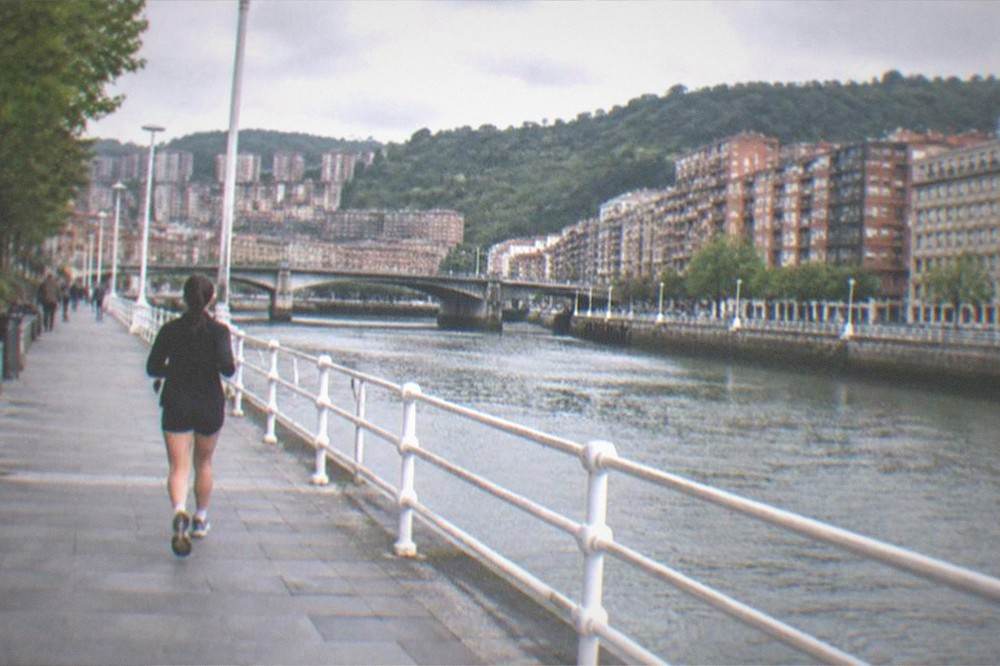
Which Seasonal Conditions Affect Safety In Bilbao?
Bilbao's temperate oceanic climate shapes its safety picture more than crime does: rain falls in every month, from 50 mm in the driest month of July to 147 mm in November, and wet cobblestones, steep Old Town lanes and exposed coastal walks cause more visitor scrapes than thieves do. July and August are the warmest and driest months, with means of 20.4 and 20.9 C, while November through January are the wettest and coolest. Pack for rain and footing, not just for the forecast.
The AEMET normals for the Bilbao airport station make the pattern plain: an annual 1,134 mm of rain spread across the year, with November (147 mm), December (122 mm) and January (120 mm) the wettest months and July (50 mm) the driest. What that means on the ground is slick flagstones in the Seven Streets, wet steps up to Artxanda, and muddy paths on coastal hikes from October onward. Footwear with real tread is the single most useful piece of safety equipment in this city, and the Bilbao weather guide and the packing guide cover the rest of the kit.
| Month | Mean Temp (C) | Mean Rain (mm) | Safety Note For Visitors |
|---|---|---|---|
| January | 9.3 | 120 | Cold rain; waterproof layers and grippy shoes |
| March | 11.5 | 90 | Changeable; layers for coast walks |
| May | 15.7 | 78 | Mild and manageable |
| July | 20.4 | 50 | Warmest, driest; sun protection on the coast |
| August | 20.9 | 76 | Aste Nagusia crowds; late-August festival nights |
| September | 19.2 | 73 | Pleasant but busier at Gaztelugatxe until access control ends |
| November | 12.4 | 147 | Wettest month; footing is the main hazard |
| December | 9.9 | 122 | Short days; plan walks before dusk |
Festival timing deserves one line of safety planning. Aste Nagusia, running 22 to 30 August 2026, brings dense crowds, fireworks and street parties to the centre every night for nine days; it is joyful and policed, but it is not the week for a quiet stroll with a loose bag. The Aste Nagusia festival guide explains what to expect, and the Christmas itinerary covers the December period, when rain and short daylight hours matter more than anything else.
Practical Habits That Keep A Bilbao Trip Trouble-Free
A safe Bilbao trip comes down to ordinary city habits: keep bags zipped and in front in crowds, watch phones on the metro and in pintxos bars, check prices before ordering in unfamiliar bars, use hotel safes for passports and spare cards, and take licensed taxis or busy walking routes late at night. Add rain-ready footwear for the wet months, since the city's footing, not its crime, is the likeliest source of a bad afternoon. Do these things and the trip takes care of itself.
A few Bilbao-specific notes round it out. The city's steep side streets, from the Casco Viejo lanes up to Begoña, reward shoes over style; the Artxanda funicular guide covers the easy way up the hill if you would rather skip the climb. If you are planning a broader Basque itinerary, the Bilbao versus San Sebastián comparison and the best base in the Basque Country guides help you split nights safely between cities. And if your question is less about safety and more about budget, is Bilbao expensive answers it with real numbers.
The honest summary is that Bilbao rewards normal caution and punishes carelessness at roughly the same rate as any well-visited European city, and slightly less than most. Keep your wits where the crowds are, save 112 in your phone, wear shoes that grip, and the biggest risk to your trip will be eating one more pintxo than you planned.
Common Questions About Safety In Bilbao
Is Bilbao Safe?
Yes. Bilbao ranks among Spain's safer major cities per local reporting on 2025 data, and violent crime against visitors is rare. The main risks are petty theft in crowded areas and weather-related footing, both manageable with ordinary city habits.
Is Bilbao Safe At Night?
Central Bilbao is comfortable at night, including the Ensanche, the Abandoibarra riverfront, Indautxu and the main Casco Viejo streets, which stay populated late. The San Francisco neighbourhood deserves normal urban attention after dark, and busy lit routes are the safest way home anywhere in the city.
Is Bilbao Safe For Solo Female Travelers?
Yes. Solo female travelers consistently describe Bilbao as relaxed, with a compact centre, late-running restaurant culture and a nightlife scene that stays lively without feeling threatening. The standard habits apply: plan your route back before you go out, keep a phone charged, and prefer lit, busy streets.
What Is The Emergency Number In Bilbao?
112. It is the free EU-wide emergency number, it works from any phone across Spain, and it dispatches police, medical and fire services. Save it before you arrive.
Are There Pickpockets In Bilbao?
Pickpocketing is the most common tourist-facing crime, concentrated in the Casco Viejo, Ribera Market, the Guggenheim plaza and crowded metro cars. A cross-body bag with the zip in front and a phone in a front pocket removes most of the opportunity.
Is The Tourist Tax A Safety Or Scam Concern?
No, and it does not apply yet: no tourist tax is charged in Bilbao in 2026. The Bizkaia regional tax takes effect on 1 January 2027, with Bilbao's approved rates running from EUR1 per night in pensions to EUR6.50 for tourist apartments. Any request for a tourist tax payment before 2027 is not legitimate.