Bilbao Metro Guide
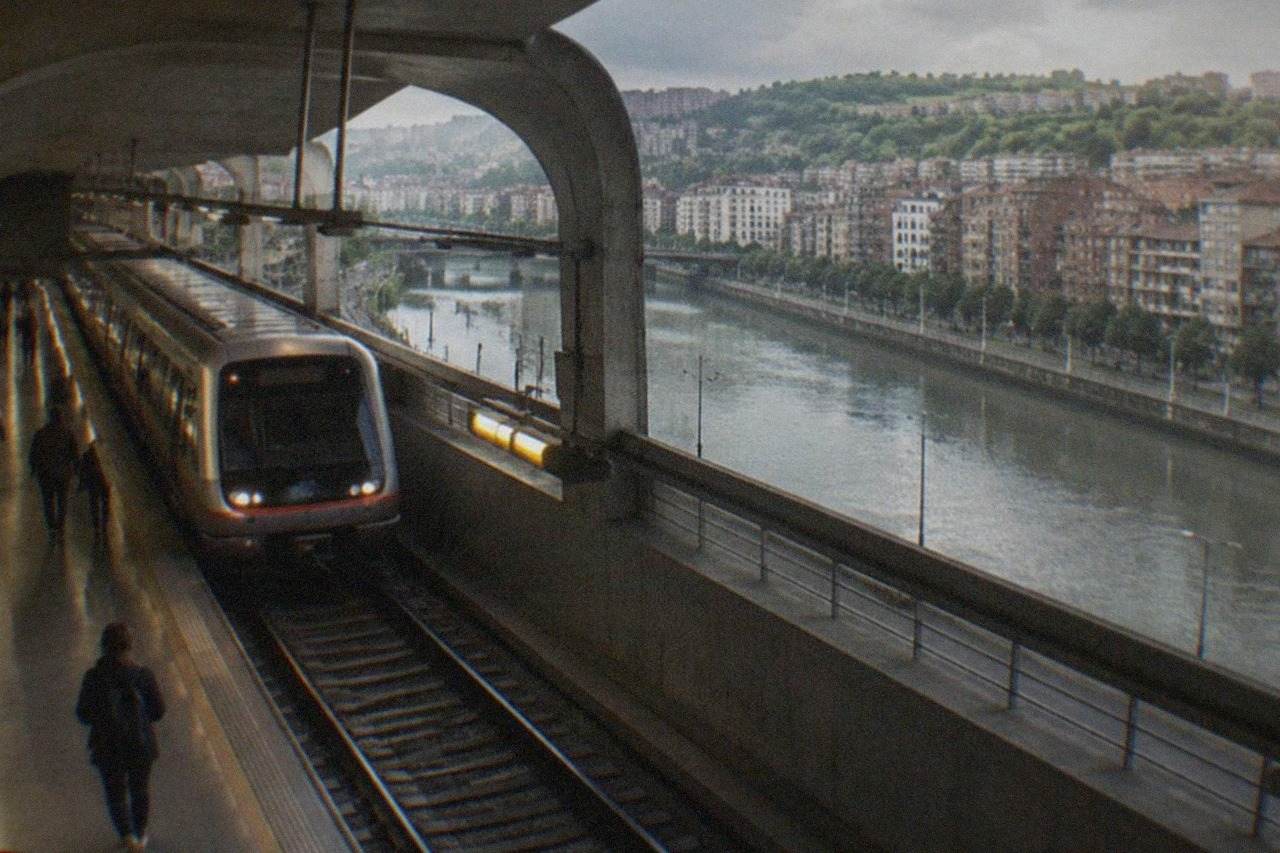
The Bilbao Metro is the fastest way across the city and the easiest rail link to the coast at Getxo, and this guide covers its fares, zones, cards and quirks for visitors.
Short answer
A single Bilbao Metro ride costs 2.00 EUR without a Barik card and 1.02 EUR with one for a one-zone trip, and the system is fully integrated with Bilbao's buses, tram and suburban trains under the Barik fare scheme.
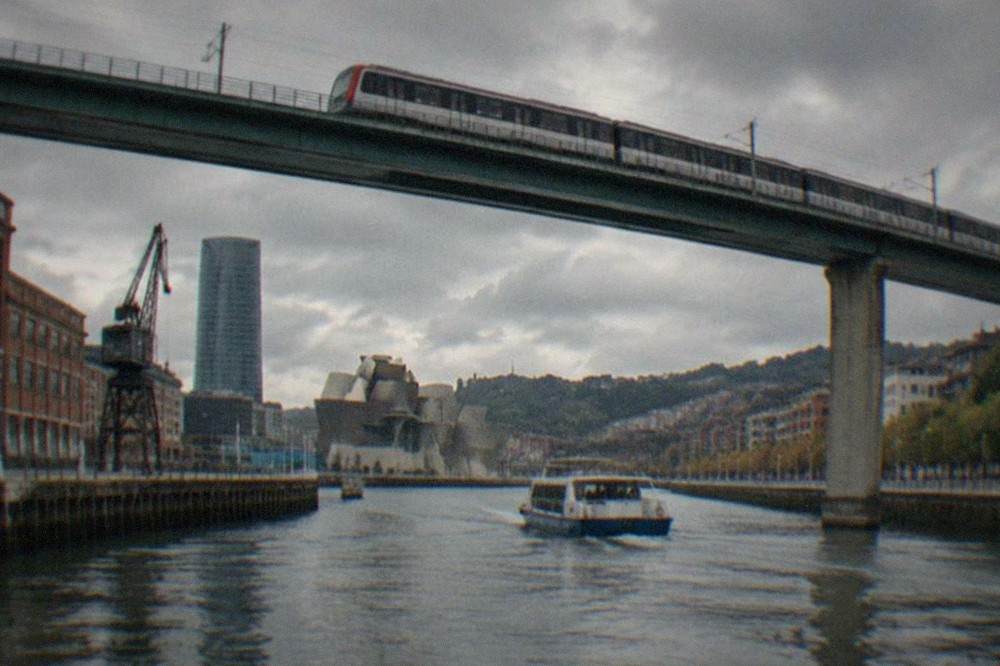
Bilbao, in Biscay (Bizkaia) province in the Basque Country of northern Spain, runs one of the most admired metro systems in Europe, and it is almost certainly the transport you will use most during a visit. The network hugs the tidal Nervion estuary, links the Old Town and the Guggenheim district with the beaches of Getxo, and charges less than half the cash fare if you carry a Barik card. This Bilbao Travel Guide page covers the fares, the zones, the card mechanics, the accessibility features and the coastal trips the metro makes easy, all from official sources such as the CTB Barik fares page and Metro Bilbao's own accessibility documentation.
How Much Does The Bilbao Metro Cost?
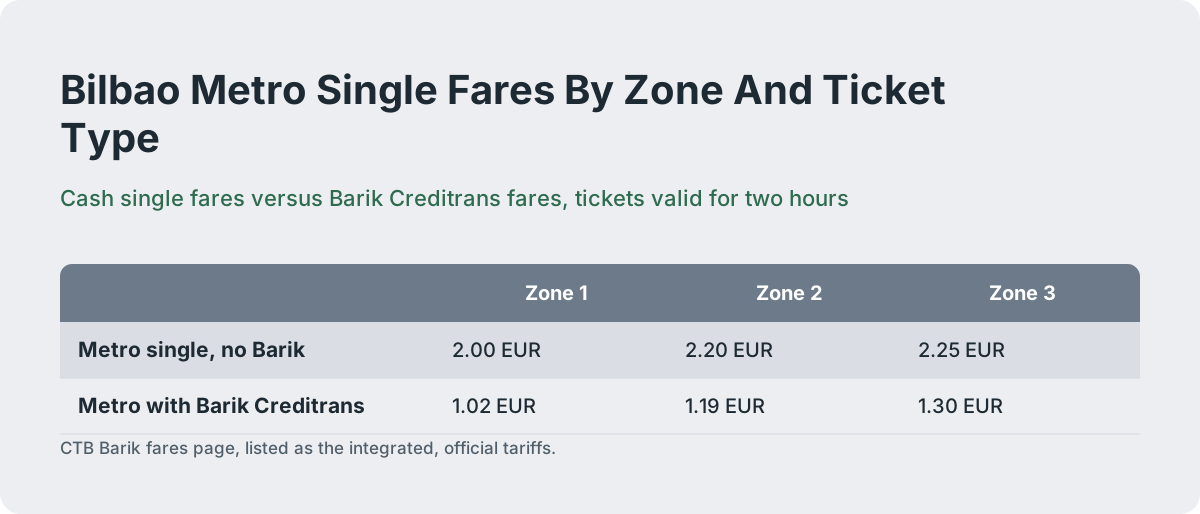
A single Bilbao Metro journey costs 2.00 EUR in one zone without a Barik card, 2.20 EUR in two zones and 2.25 EUR in three zones, with tickets valid for two hours. With a Barik Creditrans card the same trips cost 1.02 EUR, 1.19 EUR and 1.30 EUR respectively, which is why nearly every regular rider in the city carries one. The CTB Barik fares page lists these figures as the integrated, official tariffs.
The gap between the cash fare and the Barik fare is the single most useful thing to know about the system. Two visitors making the same journey can pay nearly double what the other pays purely because of the card in their pocket. The two-hour validity on a single ticket also matters: the fare page states tickets are valid for two hours, so a short round trip within that window can legally cost one fare rather than two.
Zones matter more in Bilbao than in most Spanish cities because the interesting places sit at the edges. Central Bilbao, including the Abando area, the Casco Viejo and the museum district, is zone 1. The coastal towns of Getxo, where the beaches and the Vizcaya Bridge are, fall into higher zones, so the fare steps up. The getting around Bilbao transport guide covers how these zones interact with buses and trains across the whole region.
| Ticket type | Zone 1 | Zone 2 | Zone 3 |
|---|---|---|---|
| Metro single, no Barik | 2.00 EUR | 2.20 EUR | 2.25 EUR |
| Metro with Barik Creditrans | 1.02 EUR | 1.19 EUR | 1.30 EUR |
How Does The Barik Card Work For Visitors?
The Barik card is the rechargeable contactless card used across Metro Bilbao, Bilbobus city buses, the tram, Bizkaibus intercity buses and Euskotren trains, and it is what unlocks the discounted Creditrans fares on every one of them. The card itself is commonly reported to cost 3 EUR to buy and is non-refundable, often with a minimum top-up of 5 EUR, though that purchase price is not stated on the official CTB fares page itself.
Buy once, tap everywhere. That is the whole system in four words. The card works on the metro validators, on bus readers, on tram platforms and on Euskotren station gates, and the CTB integrates all of them under one zonal fare structure. For a visitor staying three or more days and planning any trip beyond the centre, the arithmetic almost always favours the card: a couple of coastal round trips at the Barik rate recovers the purchase cost against the cash fares it replaces.
The purchase price deserves one honest caveat. The commonly reported 3 EUR figure comes from secondary sources rather than the official CTB fares page, which was content-checked directly and lists only the travel fares, so treat the card cost as commonly reported rather than official. The travel discounts themselves are not in doubt: they are printed on the official page.
Travellers who plan to move around intensively for a day or two should also compare the Barik approach with the Bilbao Bizkaia Card, which the card's own site prices at 10 EUR for 24 hours, 15 EUR for 48 hours and 20 EUR for 72 hours, including unlimited transport plus museum and attraction discounts. The Bilbao Bizkaia Card site states the card is personal and non-transferable, and it activates on first use.
| Card option | Cost | What it covers |
|---|---|---|
| Barik Creditrans | Card commonly reported at 3 EUR plus top-up | Discounted pay-per-ride fares on metro, bus, tram, Euskotren |
| Bilbao Bizkaia Card 24h | 10 EUR | Unlimited transport plus attraction discounts |
| Bilbao Bizkaia Card 48h | 15 EUR | Same coverage, two days |
| Bilbao Bizkaia Card 72h | 20 EUR | Same coverage, three days |
If your plans lean toward wine country rather than the city, a guided Rioja day out pairs well with a metro-and-rail city base.
Which Places Can You Reach By Metro And Train From Bilbao?
Metro Line 1 reaches the Getxo coast from central Bilbao in roughly 28 to 29 minutes from Abando toward the Bidezabal and Areeta area, at a fare of around 2 to 3 EUR, while the Euskotren network from the Casco Viejo stations reaches Bermeo in about 1 hour 21 minutes and Mundaka in about 1 hour 16 minutes. The same Line 1 corridor serves the Areeta stop for the UNESCO-listed Vizcaya Bridge in roughly 20 to 29 minutes.
This is where the metro stops being a city utility and becomes a sightseeing tool. The right bank of the estuary, where the beaches and the transporter bridge live, is a short metro ride away, and the fare tables above apply. The Vizcaya Bridge, inscribed by UNESCO in 2006 as the first industrial heritage site in Spain on the World Heritage list, sits between Portugalete and Getxo; its gondola crossing for pedestrians costs 0.60 EUR one-way in daytime hours, and the elevated walkway ticket is reported at 11 EUR adult round-trip with a 3 EUR audio guide option, a single-source figure that should be checked on the operator's own site.
The Getxo guide and the Vizcaya Bridge guide cover both destinations in depth. For the fishing-port stretch of the coast, Bermeo and the surf town of Mundaka sit on the Euskotren line, and both pair naturally with the hermitage islet of San Juan de Gaztelugatxe, which requires a free timed reservation only on official controlled-access days in the peak calendar and is free without one on all other days.
For trips the rail network does not cover, a guided excursion fills the gap comfortably.
| Destination | Mode | Journey time | Typical one-way fare |
|---|---|---|---|
| Getxo (Areeta area) | Metro Line 1 | 28-29 min | 2-3 EUR |
| Vizcaya Bridge (Areeta stop) | Metro Line 1 | 20-29 min | 2-3 EUR |
| Bermeo | Euskotren from Casco Viejo | ~1 h 21 min | 2-5 EUR |
| Mundaka | Euskotren | ~1 h 16 min | ~2.70-4.50 EUR |
| San Sebastián | Bus from Bilbao Intermodal | ~1 h 20 min | 8-19 EUR |
Is The Bilbao Metro Accessible For Wheelchair Users?
Yes, Metro Bilbao stations are generally equipped with elevators from street to vestibule and from vestibule to platform, ramps where the layout requires them, wide validators sized for wheelchairs and mobility aids, tactile paving, audio announcements and reserved wheelchair spaces in the first and last cars of trains, according to the operator's own 2025 accessibility brochure. Accessible network maps with pictograms and QR codes were rolled out across the network around 2024.
The accessibility story here is unusually strong for a system built into a valley. The operator's documentation details green step lighting on escalators, adaptations for visual and cognitive needs, and priority access for wheelchair users at elevators. The city layer supports the rail layer: the entire Bilbobus fleet of 141 buses is low-floor with ramps and reserved wheelchair spaces, and the tram is described by official tourism and operator sources as adapted to the same standard.
The Funicular de Artxanda, which lifts visitors to the hillside viewpoint above the city, is also wheelchair accessible according to the official accessible-tourism writeup: the lower station has ramp access, the first carriage offers step-free entry, and a lift serves the upper station. One companion of a wheelchair user travels free on the funicular. Fares are commonly reported at 3.50 EUR one-way and 6.00 EUR round-trip, a single-source figure pending an independent check of the fares page. The accessibility in Bilbao guide collects these resources in one place.
| Network | Key accessibility features |
|---|---|
| Metro Bilbao | Elevators at both level changes, ramps, wide validators, tactile paving, audio announcements |
| Bilbobus | 141 low-floor buses, kneeling function, ramps, anchored wheelchair spaces, bilingual audio-visual stop announcements |
| Bilbao Tram | Low-floor, described as adapted alongside metro and buses in official sources |
| Funicular de Artxanda | Ramp access at lower station, step-free first carriage, lift at upper station, free companion travel |
How Does The Bilbao Metro Compare With Buses, Trams And Taxis?
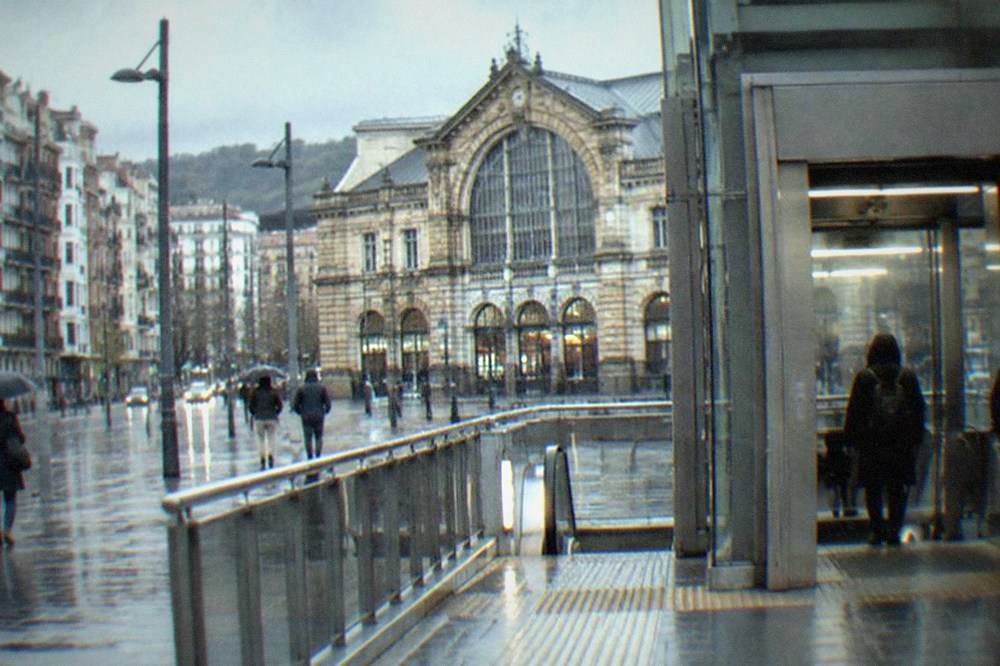
A Bilbobus city bus ride costs 1.70 EUR without a Barik card and roughly 0.73 EUR at the Barik base rate, the tram charges 0.74 EUR flat with Barik and around 2.00 EUR as an occasional single, and the metro's Barik rate of 1.02 EUR in zone 1 sits between them, so the metro is the value choice for cross-city speed while the tram serves the riverside museum corridor at the lowest Barik fare.
Each mode has a natural territory. The tram glides along the estuary past the Guggenheim and the Euskalduna conference centre, which makes it the scenic option for the Abandoibarra museum district even though it is slower end to end. The metro is the arterial system: fast, frequent and underground through the dense centre. Bilbobus fills the neighbourhood gaps the rails do not reach, at the lowest Barik fare of all. Taxis are metered and regulated, with the airport run to the centre commonly guided at around 24 to 29 EUR including the Artxanda tunnel toll and no airport supplement, a figure covered in detail in the Bilbao airport guide.
One warning that matters more than any fare: there is no metro or train link to Bilbao Airport (BIO) at all, and the city council's own position is that none arrives before 2035. The Bizkaibus A3247 airport bus, running every 15 minutes and taking roughly 15 to 25 minutes at 5 EUR without a Barik card, is the public link. Anyone telling you to "take the metro from the airport" has never checked.
| Mode | Without Barik | With Barik | Best for |
|---|---|---|---|
| Metro (zone 1) | 2.00 EUR | 1.02 EUR | Fast cross-city and coastal trips |
| Bilbobus | 1.70 EUR | ~0.73 EUR base | Neighbourhoods off the rail lines |
| Tram | ~2.00 EUR | 0.74 EUR flat | Riverside museum corridor |
| Airport bus A3247 | 5 EUR | ~1.19 EUR or lower | Airport to centre |
When Is The Best Time Of Year To Use The Bilbao Metro?
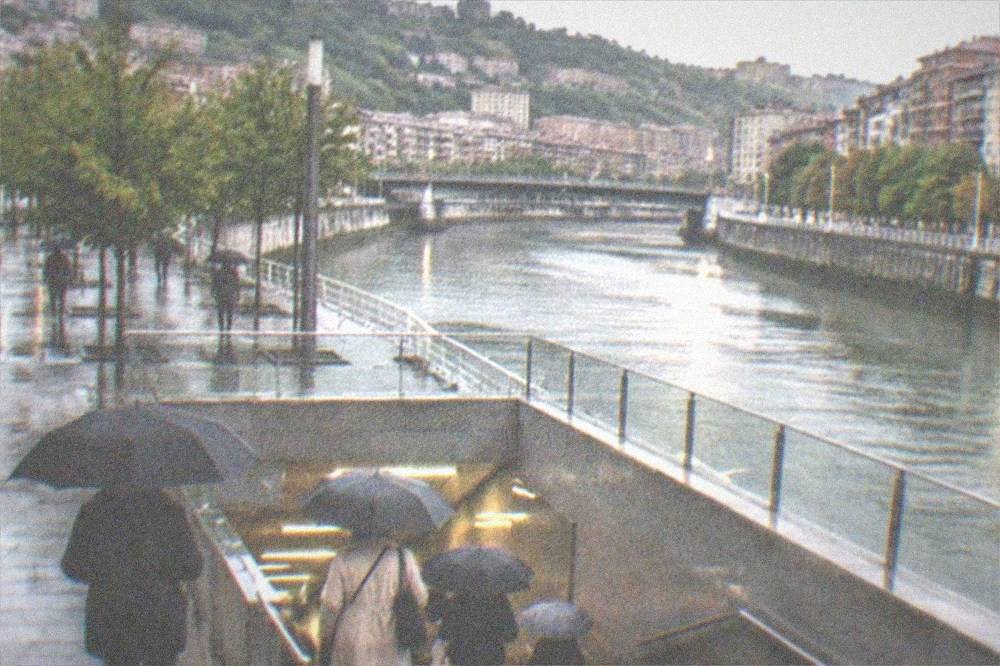
July and August are the warmest and driest months to visit Bilbao, with AEMET's Bilbao Aeropuerto/Loiu station 1082 normals showing mean temperatures of 20.4 and 20.9 C and rainfall of 50 and 76 mm, while November is the wettest month at about 147 mm and January the coolest at 9.3 C, and the metro's underground stations make it the comfortable choice in the rain that defines the city's temperate oceanic climate.
Bilbao's climate is Atlantic, not Mediterranean, and the rain shapes how visitors use the city. The annual total of 1,134 mm spread across the year means a waterproof layer belongs in every bag, and on wet November days the metro becomes more than transport: it is the dry corridor between the Old Town, the museum district and the restaurants. The Bilbao weather guide and the rainy day Bilbao itinerary both build on this reality.
Summer inverts the logic. When the mean temperature peaks in August, the coastal end of Line 1 becomes the city's escape valve, carrying residents and visitors the roughly 28 to 29 minutes from the centre out to the beaches and sea air of Getxo. The Bilbao summer itinerary leans on exactly this ride.
| Month | Mean temperature (C) | Precipitation (mm) |
|---|---|---|
| January | 9.3 | 120 |
| April | 12.6 | 107 |
| July | 20.4 | 50 |
| August | 20.9 | 76 |
| November | 12.4 | 147 |
| December | 9.9 | 122 |
What Mistakes Do Visitors Make On The Bilbao Metro?
The three mistakes that cost visitors the most are paying the cash fare instead of the Barik rate, assuming the airport is on the rail network when no metro or train link to BIO exists before 2035, and conflating the pay-per-ride Barik Creditrans card with the unlimited-travel Bilbao Bizkaia Card, which are two different products with two different purposes. Avoiding all three takes about ten minutes of planning.
The first mistake is purely financial and covered above: the cash fare is nearly double the Barik fare on every trip. The second wastes real time, because travellers who budget for a nonexistent airport train end up improvising at the arrivals hall. The third causes confusion at the ticket machine: the Barik card is a purse you top up and drain ride by ride, while the Bilbao Bizkaia Card, at 10/15/20 EUR for 24/48/72 hours per its own site, is a flat unlimited pass with attraction discounts bolted on.
A fourth, quieter mistake is ignoring the zone boundaries when heading to the coast. A trip to Getxo crosses out of zone 1, and the fare steps up to the two- or three-zone rate; validating a card loaded only for zone 1 is the kind of small friction that official sources warn about under the general advice to validate properly and avoid the maximum fare.
For the coast's most famous site, remember that Gaztelugatxe needs a free timed reservation only on controlled-access days, with a daily cap of 1,462 visitors on those days and booking always free through the official platform for up to 10 people per reservation. The Gaztelugatxe guide carries the calendar detail.
Can You Explore The Basque Country From Bilbao Without A Car?
Yes, a visitor based in Bilbao can reach Getxo, Portugalete, Bermeo, Mundaka, Gernika, San Sebastián and the Rioja wine region by public transport or guided excursion, with the metro and Euskotren covering the Bizkaia coast and long-distance buses covering San Sebastián in roughly one hour twenty minutes, so a car is optional rather than essential for the region's headline destinations.
The rail spine does the heavy lifting inside Bizkaia. Beyond it, the bus network takes over: San Sebastián is best reached by the direct bus from the Bilbao intermodal station, since no direct high-speed train links the two cities. Rioja sits far enough from the rail lines that a self-drive day or a guided wine excursion works best, and the same applies to the French Basque towns of Biarritz and Saint-Jean-de-Luz, which the Saint-Jean-de-Luz and Biarritz guide covers.
Guided excursions solve the awkward logistics, especially for wine country where the wineries are scattered and tasting-driving is a bad combination. The Rioja wine day trip guide outlines the self-guided alternative for confident drivers.
For a fuller menu of what the region offers beyond the rails, the compiled things to do in Bilbao page is the natural next stop.
How Does Bilbao's Metro Compare With San Sebastian's Transport?
Bilbao's metro is a full underground system with zonal Barik fares reaching from the city centre to the coast at Getxo, while San Sebastián, though walkable in its core and served by buses, has no metro of its own, which is a genuine reason to base a Basque trip in Bilbao when day-tripping by rail and bus is the plan. The two cities split neatly between Bilbao's transport depth and San Sebastián's compact, walkable core.
The practical upshot for itinerary planning: sleep in Bilbao, ride the metro to the coast, and bus to San Sebastián for the day. The roughly one hour twenty minute bus link makes the pairing easy, and Bilbao's transport depth, metro plus tram plus Bilbobus plus Euskotren under one card, outclasses what a smaller coastal city can offer. San Sebastián's compensation is compactness: its old town and beaches sit within a short walk of each other. The Bilbao vs San Sebastian comparison weighs the two cities on food, beaches and pace.
For a food-focused contrast, the pintxos culture exists in both cities, but Bilbao's version clusters around Plaza Nueva and the Seven Streets of the Casco Viejo, which the best pintxos in Bilbao guide maps bar by bar. A guided food walk stitches the bars together without the guesswork.
Common Questions About The Bilbao Metro
How much does the Bilbao Metro cost?
A single one-zone journey costs 2.00 EUR without a Barik card and 1.02 EUR with one, rising to 2.25 EUR and 1.30 EUR respectively in three zones, per the official CTB fares page. Single tickets are valid for two hours.
Where do you buy a Barik card in Bilbao?
Barik cards are sold at station machines and tobacconists across the city. The card is commonly reported to cost 3 EUR to purchase, non-refundable, often with a minimum 5 EUR top-up, though that purchase price comes from secondary sources rather than the official CTB fares page.
Does the Bilbao Metro go to the airport?
No. There is no metro or train link to Bilbao Airport (BIO), and the city council's own position is that none arrives before 2035. The Bizkaibus A3247 runs every 15 minutes, takes roughly 15 to 25 minutes, and costs 5 EUR without a Barik card.
Can the Bilbao Metro reach the coast and beaches?
Yes. Metro Line 1 reaches the Getxo coast in roughly 28 to 29 minutes from central Bilbao, at a typical fare of 2 to 3 EUR, and the Areeta stop serves the UNESCO-listed Vizcaya Bridge in roughly 20 to 29 minutes.
Is the Bilbao Metro accessible for wheelchair users?
Yes. Stations generally have elevators at both level changes, ramps where needed, wide validators, tactile paving and audio announcements, and trains reserve wheelchair spaces in the first and last cars, per the operator's own accessibility documentation.
Is a Bilbao Bizkaia Card better value than a Barik card?
For intensive sightseeing, possibly: the Bilbao Bizkaia Card costs 10 EUR for 24 hours, 15 EUR for 48 and 20 EUR for 72 and includes unlimited transport plus attraction discounts. For light use, pay-per-ride Barik Creditrans fares are cheaper, since the Barik card only charges for trips actually taken.
The Bilbao Metro is the quiet workhorse of a Basque trip: cheap with a Barik card, dry in the November rain, step-free at station level and connected to a coast that few would expect a city metro to reach.