Bilbao In Summer
Bilbao in summer sits at its warmest and driest of the whole year, and the city answers with late museum hours, an estuary full of boats and a nine-day festival in August.
Short answer
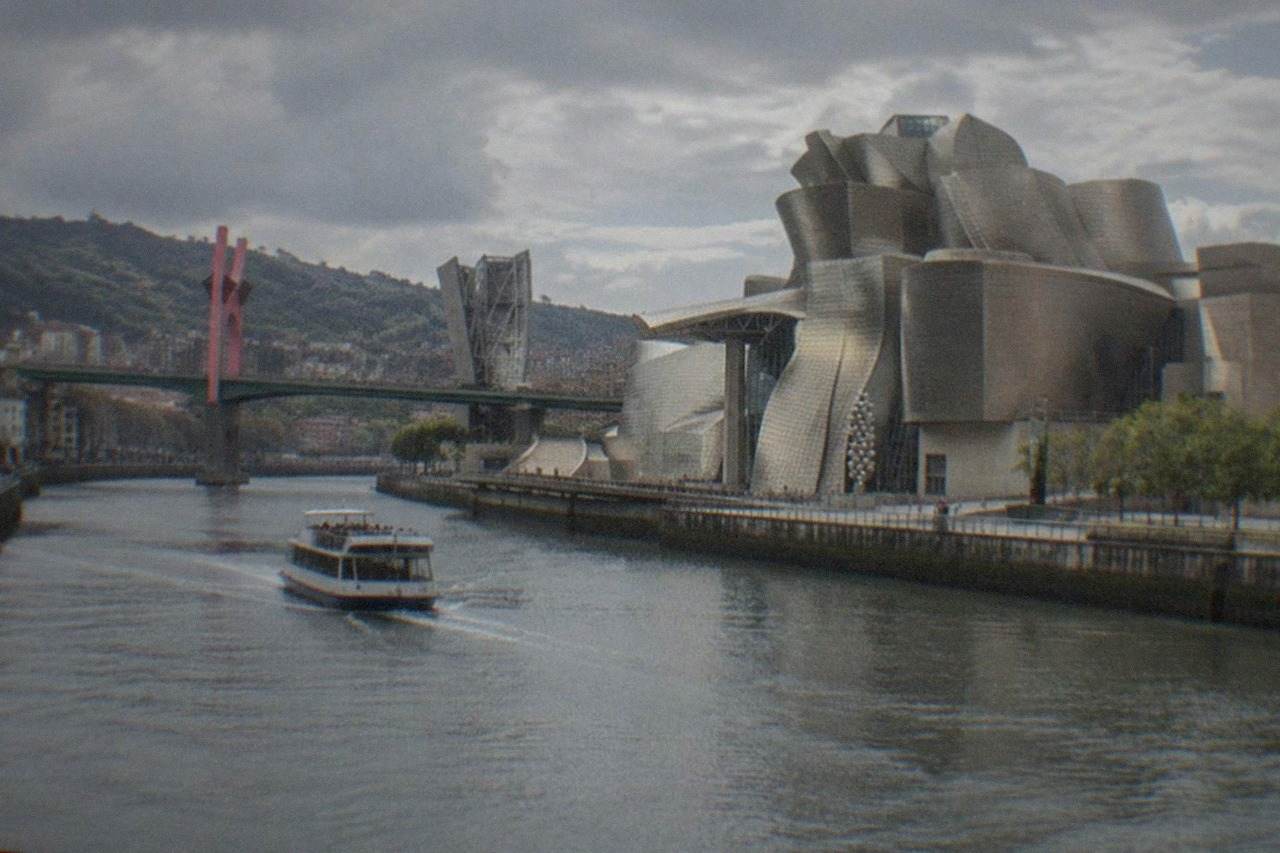
Summer is Bilbao's best season: July and August average 20.4 and 20.9 C with only 50 to 76 mm of rain, the Guggenheim stays open until 20:00 from 15 June to 13 September, and Aste Nagusia runs 22 to 30 August 2026.
Bilbao, the largest city in Biscay (Bizkaia) province in the Basque Country of northern Spain, is at its best between June and September. The temperate oceanic climate that keeps the city green all year turns warm and comparatively dry in midsummer, the Guggenheim Museum Bilbao extends its hours to 20:00, and the Nervion estuary, the tidal river that runs through the centre about 15 km from the Bay of Biscay, becomes the city's front room. This itinerary lays out what the verified data says about summer weather, a three-day plan built around it, the day trips that work best in the season, and the August festival that is worth building a whole trip around.
What Is The Weather Like In Bilbao In Summer?
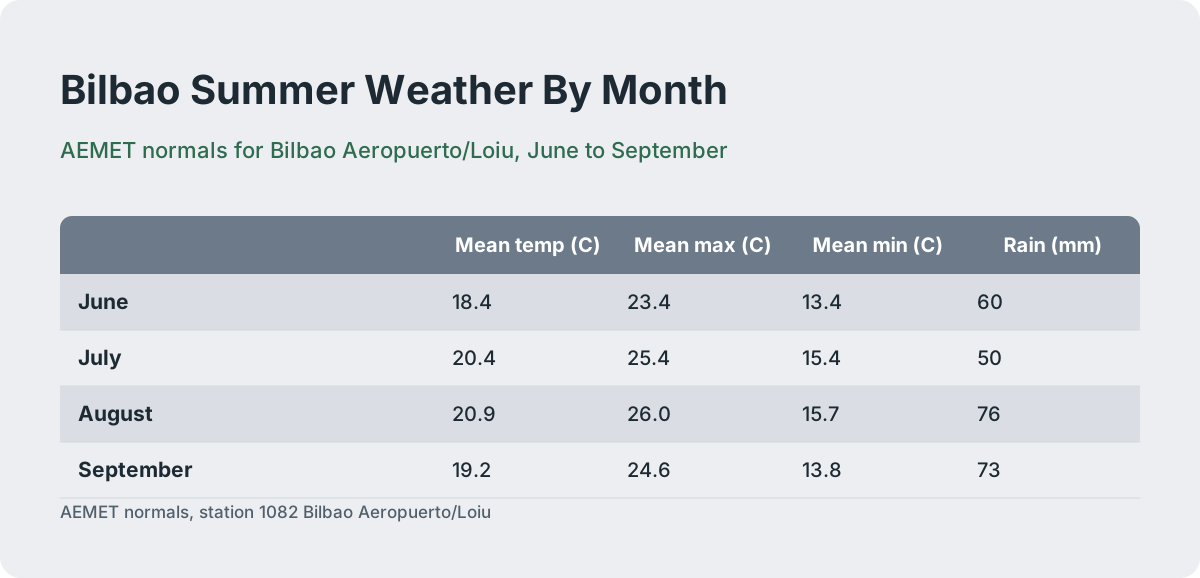
Summer is the warmest and driest part of Bilbao's year, but it is still temperate oceanic, not Mediterranean: AEMET's normals for Bilbao Aeropuerto/Loiu (station 1082) give a July mean of 20.4 C with about 50 mm of rain and an August mean of 20.9 C with 76 mm, against an annual average of 14.7 C and 1,134 mm of rain. July and August are the warmest and driest months of the twelve, and November, at 147 mm, is the wettest.
The Atlantic never lets Bilbao get truly hot. The mean maximum in August is 26.0 C, and the mean minimum in the same month is 15.7 C, so evenings on the terraces of the Ensanche stay comfortable. Rain never disappears entirely: even in July, the driest month, the station records around 50 mm, which usually arrives as a short shower rather than an all-day soaker. A light packable rain layer earns its place in a summer bag more often than visitors expect.
The other number worth planning around is daylight. A city at this latitude keeps usable light past 22:00 in late June, which is why so much of Bilbao's summer life moves outdoors after the working day: riverside terraces, the walkways along the estuary, and the pintxos bars around Plaza Nueva, the arcaded square in the Old Town covered in the Casco Viejo area guide.
| Month | Mean temp (C) | Mean max (C) | Mean min (C) | Rain (mm) |
|---|---|---|---|---|
| June | 18.4 | 23.4 | 13.4 | 60 |
| July | 20.4 | 25.4 | 15.4 | 50 |
| August | 20.9 | 26.0 | 15.7 | 76 |
| September | 19.2 | 24.6 | 13.8 | 73 |
September deserves a special mention. At a mean of 19.2 C and 73 mm of rain it is barely cooler than August, the summer crowds thin, and the sea at nearby beaches is at its warmest of the year. Visitors who can travel in the first half of September get close to full summer conditions at lower demand.
What Are The Best Things To Do In Bilbao In Summer?
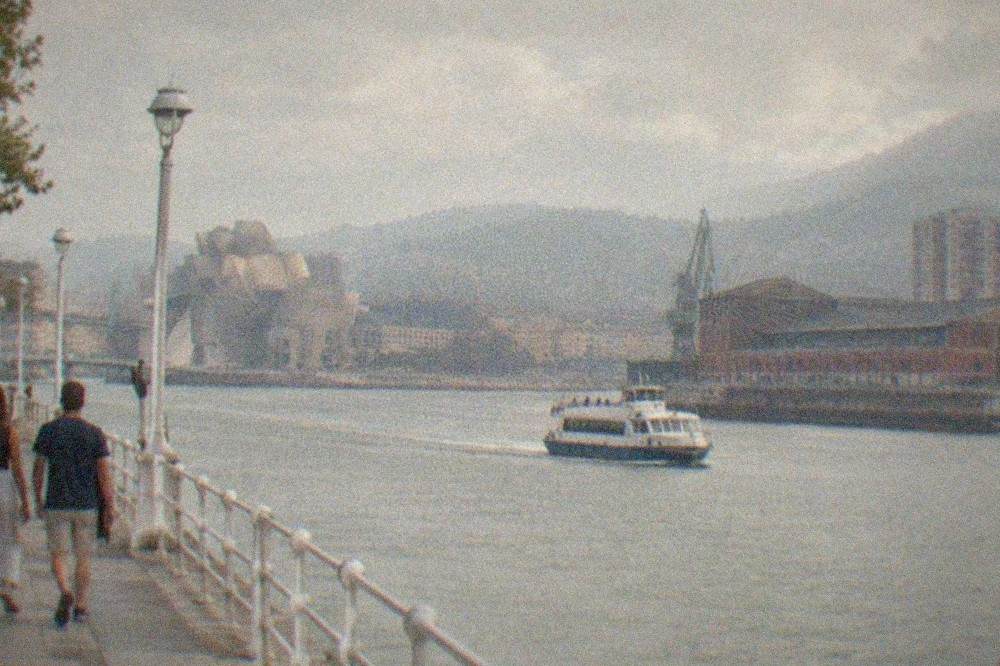
The summer core of Bilbao is the Abandoibarra riverside: the Guggenheim Museum Bilbao, which stays open until 20:00 from 15 June to 13 September, the walk along the estuary past the Zubizuri and La Salve bridges, and the terraces and pintxos bars of the Ensanche and the Old Town, all within a walkable strip. Add the Artxanda funicular for the view, and the city's beaches are a metro ride away.
Start at the Guggenheim, because summer is the one season when its hours work in your favour. The museum's own site lists Tuesday to Sunday 10:00 to 19:00 as standard, extended to 20:00 during Easter week and again from 15 June to 13 September, with adult admission at 18 EUR and the ticket desks closing 30 minutes before closing time. Going late in the day is the classic summer move: you trade queue time for golden light on the titanium cladding afterwards. The Guggenheim guide page covers tickets, free categories and the specific Mondays it opens in summer.
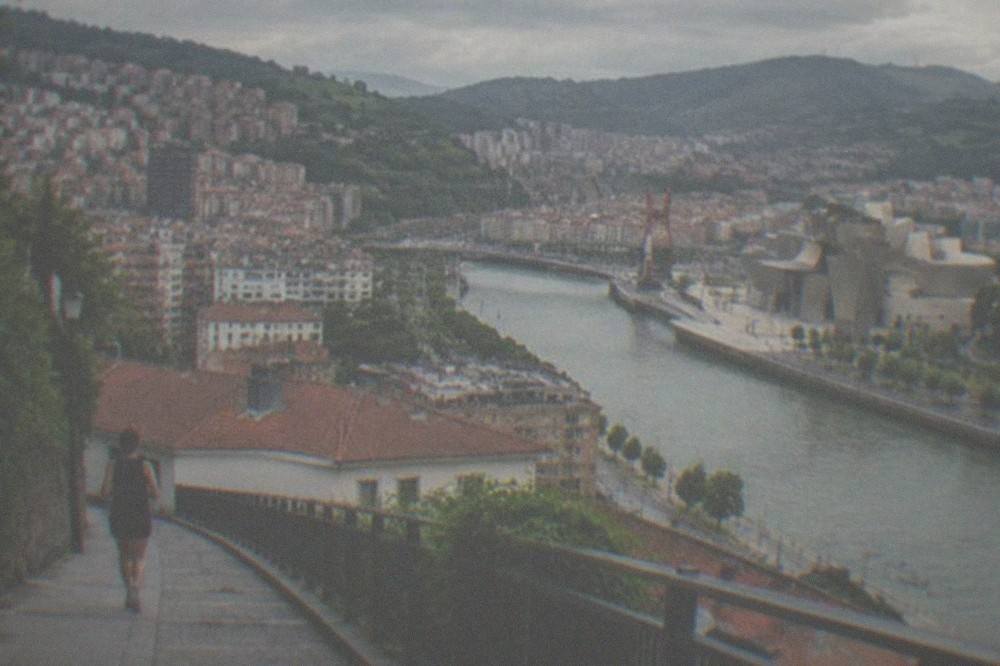
From the museum, the riverside walk east past the Zubizuri footbridge and the La Salve bridge is the single best free stretch of the city in summer. At the far end, the Artxanda funicular, detailed in the wider first-timers guide, lifts you to the hillside viewpoint; the reported round-trip fare is 6.00 EUR, with lower Barik and social tariffs and under-6s free, though that fare is a single-source figure worth confirming on site.
For the water itself, a short city boat tour on the estuary is the most summer-specific product on the roster, and a chef-led food and wine walk turns an Old Town evening into the highlight of the trip. The band below pulls together the three products that fit a Bilbao summer best: the evening food walk, the long coastal excursion, and the Rioja wine day.
Between the museums and the meals, the two things summer visitors most often skip are both free: the tidal estuary itself, which rises and falls visibly because Bilbao is coastal-adjacent rather than inland, and the Azkuna Zentroa's covered walkways, which give shade when the early-afternoon sun is at its strongest.
How Do You Plan Three Days In Bilbao In Summer?
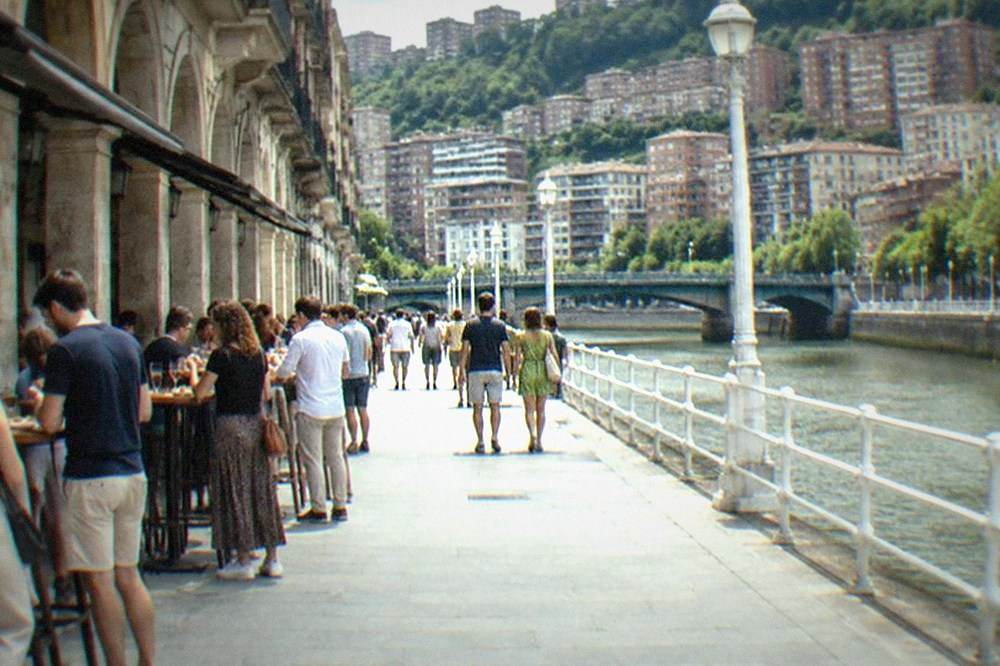
Three days is enough for the full summer arc: day one for the Old Town and the pintxos bars around Plaza Nueva, day two for the Abandoibarra museums and the riverside walk with the Artxanda funicular at sunset, and day three for one coastal day trip, either Gaztelugatxe and the Urdaibai coast or Getxo and the Vizcaya Bridge, both reachable by metro or regional transport in under an hour.
The shape matters more than the order. Bilbao's summer heat peaks in mid-afternoon, so the local rhythm is: museums and shaded streets in the morning, a long lunch, a slow stretch in the hottest hours, then the estuary and terraces from early evening until the light goes. The plan below follows that rhythm rather than fighting it.
| Day | Morning | Midday | Late afternoon and evening |
|---|---|---|---|
| 1 | Casco Viejo, the Seven Streets, Santiago Cathedral | Pintxos lunch around Plaza Nueva | Ribera Market riverside, then dinner in the Old Town |
| 2 | Guggenheim from opening time | Ensanche lunch, Azkuna Zentroa for shade | Riverside walk, Artxanda funicular for sunset |
| 3 | Day trip: Gaztelugatxe and Bermeo, or Getxo | Coastal lunch stop | Return, evening estuary boat tour or terrace drinks |
Day three is the one that needs booking thought early. On official controlled-access days at San Juan de Gaztelugatxe, roughly mid-June to about 20 September plus Easter and holiday weekends, a free timed reservation is required, the daily cap is 1,462 visitors, and booking runs through tiketa.eus with a maximum of 10 people per reservation. Outside those windows access is free without a ticket. The Gaztelugatxe day-trip page has the details, and a guided coach option removes the booking puzzle entirely.
If the coast appeals but the hermitage steps do not, the Vizcaya Bridge at Portugalete is the alternative: a UNESCO World Heritage transporter bridge, inscribed in 2006 as the first industrial heritage site in Spain on the list, with a pedestrian gondola fare of 0.60 EUR one-way in daytime. The Vizcaya Bridge guide covers getting there by metro.
For travellers with only a weekend, the shorter two-days-in-bilbao plan compresses the same arc; the three-days-in-bilbao itinerary expands it with a second day trip.
Which Day Trips From Bilbao Work Best In Summer?
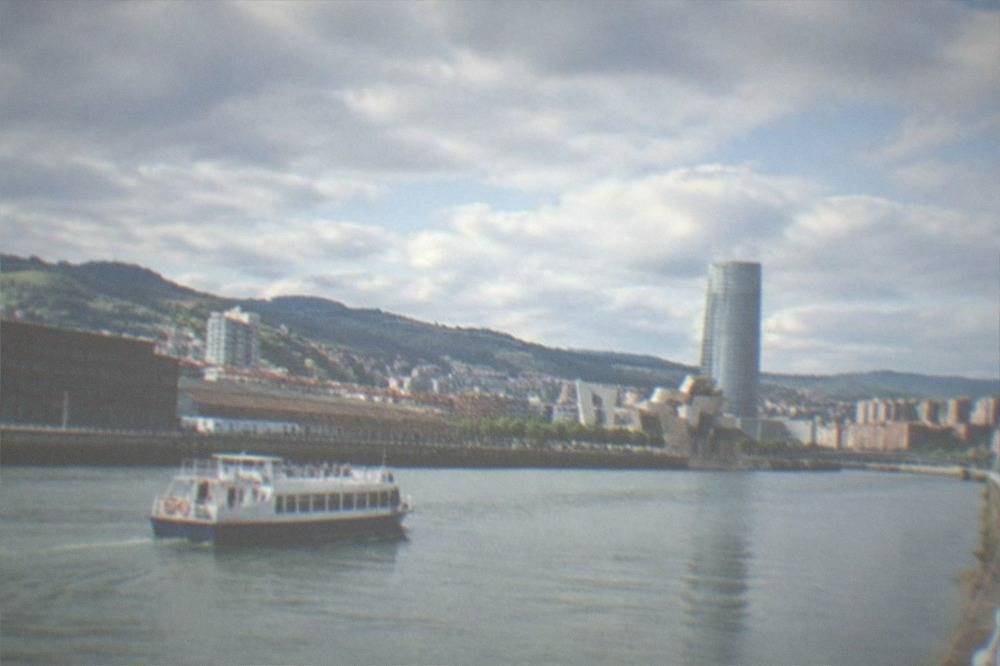
The four summer standouts are San Sebastián and the Basque coast villages to the east, Gaztelugatxe and the Urdaibai estuary to the northeast, the Rioja wine region around Haro and Laguardia to the south, and the close-in coast at Getxo and Portugalete, where the Vizcaya Bridge sits a metro ride from the centre. All four are established guided routes from Bilbao, and the coastal ones are at their best exactly in summer.
San Sebastián is the classic. The direct bus from Bilbao runs to the city in roughly an hour and twenty minutes with frequent departures, and a guided excursion bundles Hondarribia, Hendaye and Getaria into one coastal loop, which matters in summer when you want sea time without logistics. The San Sebastian day-trip guide covers the transport options in detail, and the combined Bilbao and San Sebastian plan is the right frame if you want to sleep in both cities.
Gaztelugatxe is the second pillar. The 241-step stone causeway to the hermitage, the Game of Thrones Dragonstone location, is a hot, exposed climb in July and August, so morning slots are the ones to book. Bermeo and Mundaka, the fishing port and the surf town on the same coast line, pair naturally with it.
Rioja is the summer wildcard that many travelers overlook: the wine region sits south of the mountains, and winery cellars are famously cool even in August heat. A guided day from Bilbao to Haro and Laguardia turns the hottest hours into tasting hours.
| Day trip | Direction from Bilbao | Summer appeal | Best booked as |
|---|---|---|---|
| San Sebastián, Hondarribia, Getaria | East, coastal | Beaches and pintxos towns at peak | Guided excursion or direct bus |
| Gaztelugatxe, Bermeo, Mundaka | Northeast, coastal | Dragonstone site, fishing ports | Guided day trip or free timed ticket plus regional transport |
| Rioja wineries (Haro, Laguardia) | South, inland | Cool cellars in the hottest hours | Guided wine day trip |
| Getxo and Vizcaya Bridge | Northwest, metro reach | Beaches, promenade, UNESCO bridge | Metro, self-guided |
The coastal walk-and-hermitage option below is the highest-rated summer shape of the Gaztelugatxe trip on the roster, and it keeps the walking to a manageable stretch.
Where Do You Eat And Drink In Bilbao In Summer?
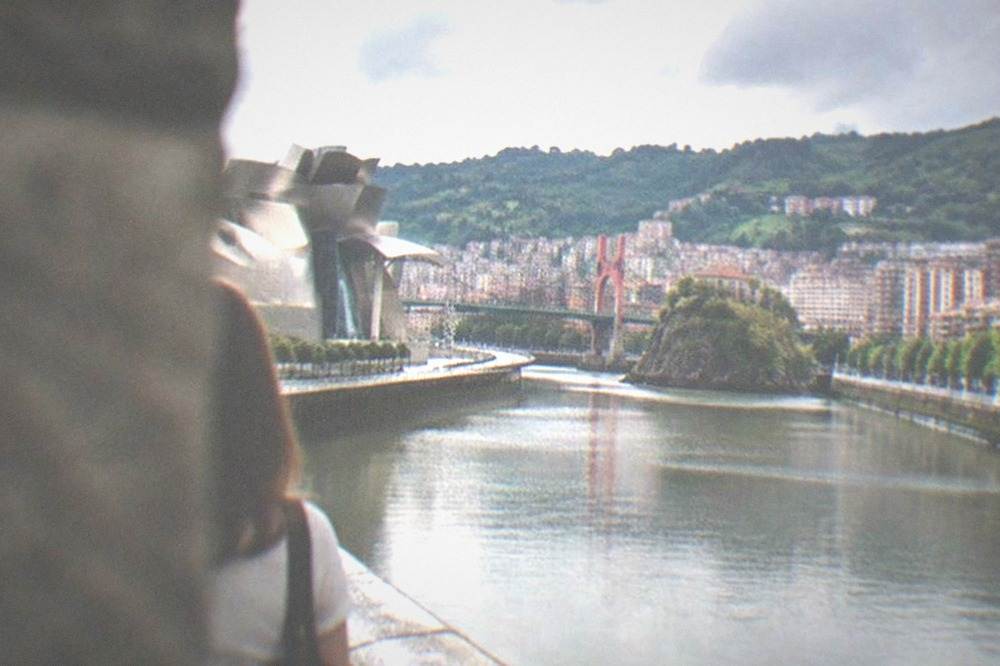
Summer eating in Bilbao means pintxos bars and terraces rather than long sit-down lunches: the classic route runs through the Old Town around Plaza Nueva, where Gure Toki, Sorginzulo, El Globo and Café Bar Bilbao all cluster within a few metres, and the 2025 Bizkaia traditional pintxo champion, La Bodeguita del 12, sits just across the river in the Ensanche. Expect roughly 2 to 5 EUR per pintxo at traditional bars, with a full crawl commonly landing around 25 to 45 EUR per person.
The txikiteo, the bar-to-bar pintxos crawl, is the summer evening format, and Plaza Nueva is its hub. Gure Toki, family-run since 1982, and Sorginzulo, whose tortilla de patatas took the Bizkaia championship in 2024, anchor the square at number 12. El Globo, an institution since 1997 a short walk away on Diputacion, is the name for txangurro, gratinated spider crab. Café Bar Bilbao has been pouring on the same square since 1911.
| Bar | Area | Known for |
|---|---|---|
| Gure Toki | Plaza Nueva, Casco Viejo | Creative, product-driven pintxos since 1982 |
| Sorginzulo | Plaza Nueva, Casco Viejo | 2024 Bizkaia champion tortilla, modern classics |
| El Globo | Diputacion, near Plaza Nueva | Txangurro gratin and visual bar display |
| Café Bar Bilbao | Plaza Nueva, Casco Viejo | Traditional counter since 1911 |
| La Bodeguita del 12 | Abando, Ensanche | 2025 Bizkaia traditional pintxo champion |
| Víctor Montes | Plaza Nueva, Casco Viejo | Historic atmosphere, chorizo al vino |
A guided food walk solves the ordering problem for first-time visitors, especially with the language mix of Basque and Spanish on the boards. The chef-led walk below is the strongest-rated food product on the roster for an evening format, and it pairs Basque wines with the bars rather than leaving the txakoli choice to guesswork. You can see the full tour page for the chef-led wine and food walk here, or Check availability for a summer date.
For a second evening, the wine-pairing food tour below covers a different set of stops and is the roster's most decorated food walk by rating.
One summer note on money: 2026 visitors pay no tourist tax in Bilbao. The Bizkaia regional tourist tax (Norma Foral 3/2026) does not take effect until 1 January 2027, when Bilbao's approved rates will run from 1 EUR per night in pensions to 5 EUR in five-star hotels and 6.50 EUR for tourist apartments. A summer 2026 trip is unaffected.
How Do You Get Around Bilbao In Summer?
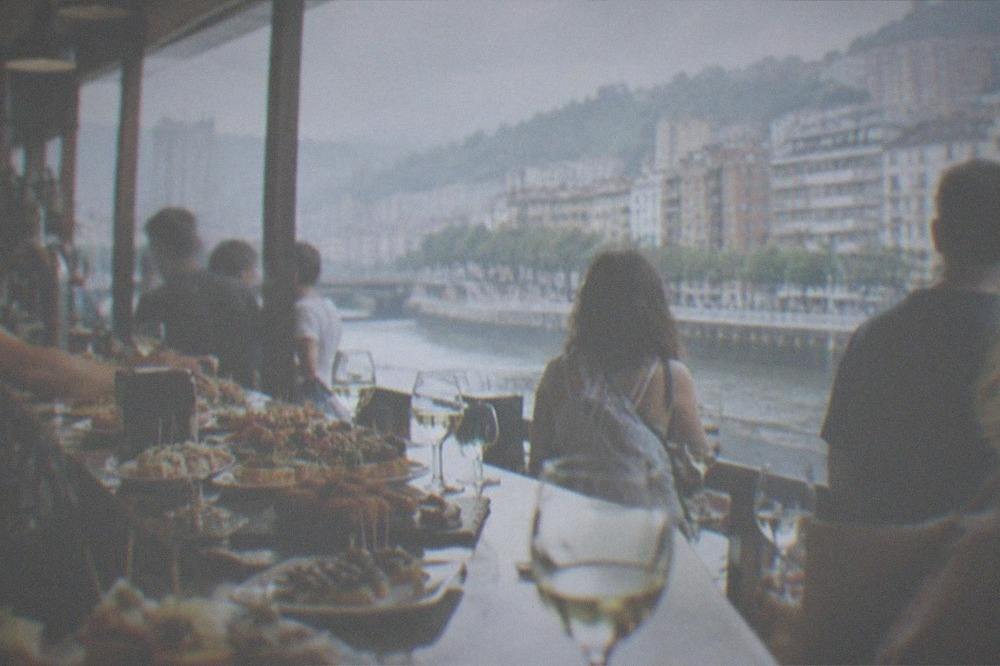
Bilbao's summer transport runs on the integrated Barik system: metro Zone 1 trips cost 1.02 EUR with a Barik card against 2.00 EUR for a single ticket, Bilbobus city buses run at 1.70 EUR single or roughly 0.73 EUR base with Barik, and the tram is a flat 0.74 EUR with Barik. The Bilbao Bizkaia Card adds unlimited travel at 10 EUR for 24 hours, 15 EUR for 48 hours and 20 EUR for 72 hours, plus museum fast passes.
The CTB Barik fares page gives the metro numbers directly: 1.02, 1.19 and 1.30 EUR for zones 1, 2 and 3 with Creditrans, against 2.00, 2.20 and 2.25 EUR without a card, with two hours of validity on a single. The card itself is commonly reported to cost 3 EUR to buy, non-refundable, though that purchase price comes from a weaker source than the official fares page, so confirm at the machine.
| Mode | Single, no Barik | With Barik Creditrans | Summer use |
|---|---|---|---|
| Metro Bilbao, Zone 1 | 2.00 EUR | 1.02 EUR | Beaches at Getxo and Sopelana direction |
| Bilbobus city bus | 1.70 EUR | ~0.73 EUR base | Old Town to Ensanche hops |
| Bilbao Tram | ~2.00 EUR | 0.74 EUR flat | Abandoibarra riverside spine |
| Bizkaibus interurban | Higher by zone | 1.02-2.45 EUR by zone | Coastal towns, airport line |
| Artxanda funicular | 3.50 EUR one-way, 6.00 EUR return (reported) | Lower with Barik | Sunset viewpoint |
For a packed three-day visit, the Bilbao Bizkaia Card site states the 24/48/72-hour tiers of 10/15/20 EUR, including unlimited transport, Bilbao Turismo guided tours and fast passes at the main museums. The Bilbao Bizkaia Card guide and the transport overview compare it against a plain Barik card. Note the funicular fares above are a single-source figure; the card covers the funicular either way.
Is Aste Nagusia Worth Planning A Trip Around?
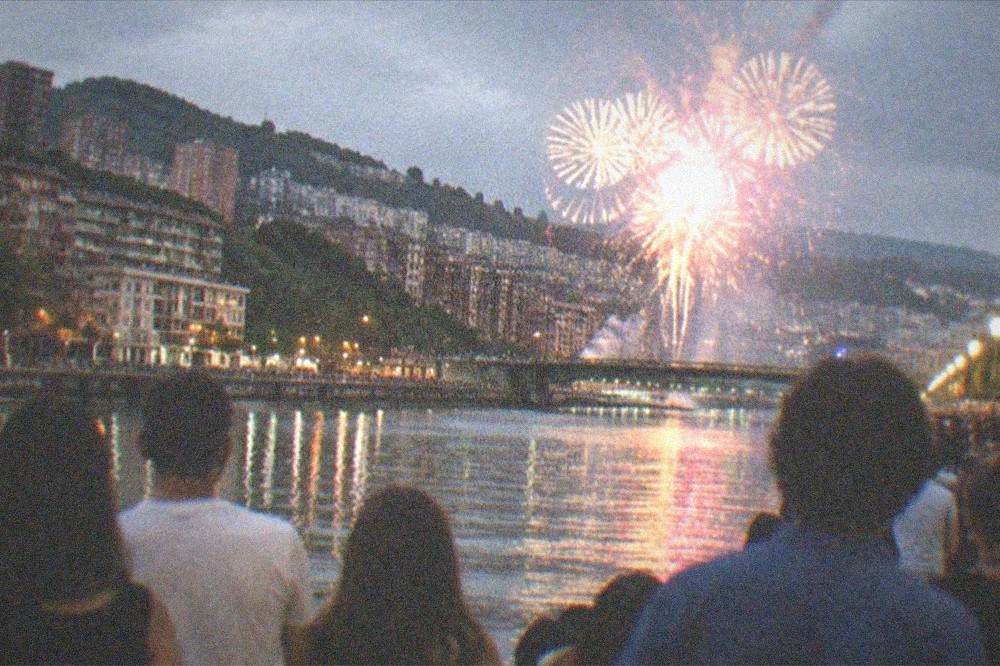
Aste Nagusia, Bilbao's nine-day main festival, runs 22 to 30 August 2026, opening with the txupin rocket at 19:00 on 22 August in Plaza Arriaga, followed by daily concerts, international fireworks on 22 to 29 August at 22:30, and the txosna drinking huts of the neighbourhood konpartsak. It is the single biggest event in the city's year and transforms the riverside and Old Town into a continuous street party.
If your dates are flexible, the last week of August is the most distinctive time to be in the city. The festival programme, confirmed on the municipal site, puts concerts in Abandoibarra, the riverside district around the Guggenheim, and the fireworks competition over the estuary each night. The full Aste Nagusia guide covers what to expect night by night.
The trade-off is crowding and noise: hotels fill for those nine days, and the Old Town runs loud into the small hours. Families with young children may prefer the with-kids itinerary earlier in summer, and travellers who want quiet should aim for June or the first half of September instead. The off-season itinerary is the opposite frame, for anyone comparing seasons.
Bookings for the festival week deserve extra lead time, and the same applies to the summer food and day-trip products, which sell out around the festival dates. The band below repeats the three products that pair best with an Aste Nagusia trip: the evening food walk, the coastal excursion and the Rioja day.
What Should You Pack For Bilbao In Summer?
Pack for warm days around 25 to 26 C and mild evenings around 15 C, with a light rain layer for the 50 to 76 mm of monthly summer rain: breathable daytime layers, something with sleeves for riverside evenings, comfortable walking shoes for the Old Town's cobbled Seven Streets, swimwear for the metro-reachable beaches, and sun protection, because the Atlantic light is strong even when the air feels mild.
The numbers behind the packing list come straight from the AEMET table earlier in this page: July's mean maximum is 25.4 C and August's is 26.0 C, while mean minimums sit at 15.4 and 15.7 C. That ten-degree daily swing is the reason locals carry a layer even in August. Rain is not a hypothetical: 76 mm falls in an average August, more than in July, so a packable jacket does real work.
| Item | Why, based on the data |
|---|---|
| Breathable daytime layers | Mean max 25-26 C in July and August |
| Light jumper or jacket | Mean min around 15 C, riverside evenings |
| Packable rain layer | 50-76 mm of rain even in the driest months |
| Comfortable walking shoes | Cobbled streets in the Casco Viejo, 241 steps at Gaztelugatxe |
| Swimwear | Beaches at Getxo and Sopelana reachable by metro |
| Sun protection | Strong Atlantic daylight, exposed coastal walks |
One practical note for the beach day: the metro's Zone 1 Barik fare of 1.02 EUR covers central trips, but the coastal beaches sit in higher zones at 1.19 or 1.30 EUR with a card, so top the card up accordingly. The packing guide expands this list across seasons.
Common Questions About Bilbao In Summer
These are the questions summer visitors ask most often, answered on this page: the Guggenheim's summer hours run to 20:00 from 15 June to 13 September, July and August are the warmest and driest months at 20.4 and 20.9 C mean, Gaztelugatxe needs a free timed ticket only on controlled-access days, and the 2026 tourist tax does not exist yet.
Is Bilbao hot in summer?
Warm rather than hot. AEMET's normals give a July mean of 20.4 C and an August mean of 20.9 C, with mean maximums of 25.4 and 26.0 C. The Atlantic influence keeps the climate temperate oceanic, so 30 C-plus stretches are rare and evenings stay mild around 15 C.
Is Bilbao rainy in summer?
Less than any other season, but not dry. July averages about 50 mm of rain and August about 76 mm, against 147 mm in November, the wettest month. A packable rain layer is still worth the space.
What are the Guggenheim's summer hours?
The museum's own site lists Tuesday to Sunday 10:00 to 19:00, extended to 20:00 from 15 June to 13 September and during Easter week. Adult admission is 18 EUR, and the ticket desks close 30 minutes before closing time.
Do I need a ticket for Gaztelugatxe in summer?
On official controlled-access days, roughly mid-June to about 20 September plus holiday weekends, yes: a free timed reservation via tiketa.eus, with a daily cap of 1,462 visitors and up to 10 people per booking. On all other days access is free without a reservation. As of 21 September 2026, access had reverted to free and uncontrolled through the end of September.
Is there a tourist tax in Bilbao in summer 2026?
No. The Bizkaia regional tourist tax takes effect on 1 January 2027. When it does, Bilbao's approved rates will run from 1 EUR per night in pensions to 5 EUR in five-star hotels and 6.50 EUR for tourist apartments, but 2026 visitors pay nothing.
When is Aste Nagusia 2026?
22 to 30 August 2026, nine days, opening with the txupin rocket at 19:00 on 22 August in Plaza Arriaga, with daily concerts and the international fireworks competition on 22 to 29 August at 22:30.
Bilbao in summer rewards the same slow, evening-oriented rhythm the city itself keeps: museums in the morning light, shade and a long lunch at the hottest hour, and the estuary, the terraces and the pintxos bars from early evening until the last of the daylight fades over the water. Plan around the 20:00 museum hours, book the coastal day trip early, and let the Bilbao Travel Guide planning pages handle the rest.