Bilbao For First-Timers: A Complete First-Visit Planning Guide
Bilbao, in Biscay province in the Basque Country of northern Spain, rewards first-time visitors with a compact walkable centre, one of Europe's most famous museums and a food culture that punches far above the city's size. This guide covers the planning decisions a first trip actually turns on.
Short answer
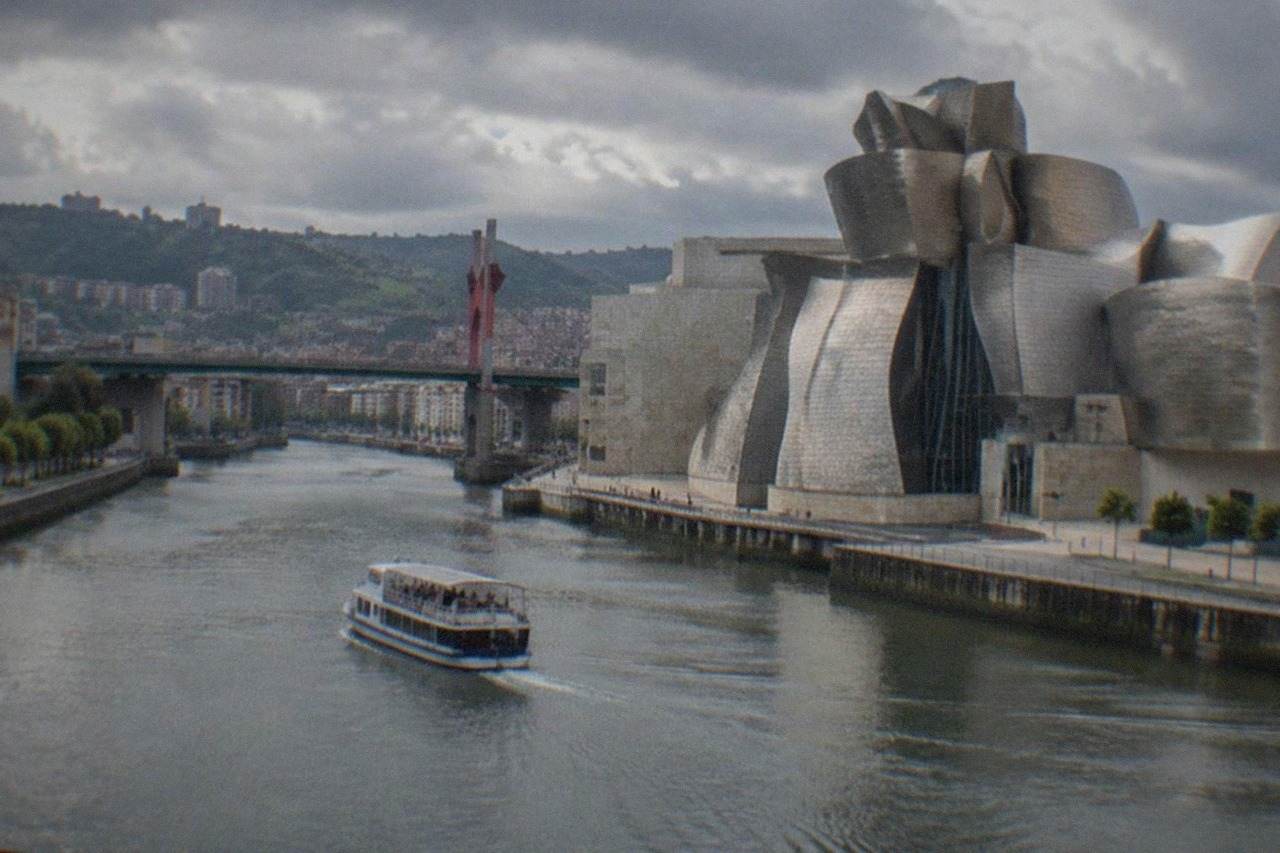
First-time visitors should give Bilbao two to three full days: one for the Guggenheim and the Abandoibarra riverfront, one for the Casco Viejo old town and pintxos bars, and an optional third for a day trip to Gaztelugatxe or San Sebastián. The city is compact, temperate and easy to reach by bus, tram, metro and funicular, with no tourist tax in force until 2027.
Bilbao, in Biscay (Bizkaia) province in the Basque Country (Euskadi) of northern Spain, is a city of roughly 346,933 people built along the tidal Nervion/Ibaizabal estuary, about 15 km from the Bay of Biscay. Eustat's municipal register puts the population at that figure as of 1 January 2025, and the city's scale is one of its great advantages for a first visit: the museum district, the old town and the best pintxos bars all sit within a half-hour walk of each other. Bilbao Ekintza's 2025 tourism report counts 1,396,841 visitor entries and 2,723,725 overnight stays across hotels and tourist apartments, so the city is busy, but it never feels overwhelming the way larger Spanish destinations can.
This guide, from the Bilbao Travel Guide editorial desk, walks through the decisions a first trip actually turns on: how long to stay, what to prioritise, where to sleep, how to move around, what to eat and which day trips to bolt on. Every figure here comes from an official source or from the verified product listings on this site, and where something is reported rather than confirmed on an official page, that is flagged in the text.
Where Is Bilbao And Why Do First-Timers Go?
Bilbao sits on the tidal Nervion estuary in Biscay (Bizkaia) province, in the Basque Country of northern Spain, about 15 km from the open Bay of Biscay. It is the largest city in the Basque autonomous community, and its pull for first-timers is a combination of the Guggenheim Museum, a dense and walkable old town, and a pintxos bar culture that locals take as seriously as any capital takes fine dining.
The city's transformation is the story every guide tells, and it is true: Bilbao was a steel and shipbuilding port until the Guggenheim's titanium-clad building by Frank Gehry opened on the old docklands and reoriented the whole regional economy toward culture and tourism. What first-timers often do not expect is how much of the city still feels industrial and lived-in. The estuary still carries working traffic, the funicular still hauls residents up the Artxanda hillside, and the seven streets of the Casco Viejo still fill with evening txikiteo, the local bar-hopping tradition, rather than with tourists.
Climate matters for planning more than many travellers expect. AEMET's normals for Bilbao Aeropuerto/Loiu (station 1082) show an annual mean of 14.7 C and 1,134 mm of rain per year: this is a temperate oceanic, Atlantic-influenced climate, green and mild, nothing like Mediterranean Spain. Pack a light rain layer even in August, and do not plan a trip around beach weather.
Spain is a founding Schengen member, so travellers from within the Schengen area face no internal border check, and there is no visa gate specific to Bilbao beyond Spain's normal entry rules. One planning note that almost no other guide carries yet: there is no tourist tax in force in 2026. A Bizkaia-wide tax (Norma Foral 3/2026) takes effect on 1 January 2027, with Bilbao's approved municipal rates running from 1 euro per night at pensions up to 5 euro at 5-star hotels and 6.50 euro for tourist apartments. A 2026 visit pays nothing; a 2027 visit does.
How Many Days Should A First Trip To Bilbao Be?
Three days is the sweet spot for a first visit to Bilbao: day one for the Guggenheim and the Abandoibarra riverfront, day two for the Casco Viejo, Ribera Market and an evening pintxos crawl, and day three for a single headline day trip such as Gaztelugatxe or San Sebastián. Two days works if the day trip is cut; four days only makes sense if you want two day trips or a slow museum pace.
The reason three days fits so well is density. The Guggenheim, the Fine Arts Museum, the Euskalduna Palace, the Zubizuri bridge and the Azkuna Zentroa all sit within the same riverfront quarter, so a full day there covers the bulk of the headline sights on foot. The old town day needs its own block because the Casco Viejo rewards slow wandering: seven medieval streets, the Santiago Cathedral, Plaza Nueva and the Ribera Market, with lunch and dinner built around bar counters rather than sit-down restaurants.
If you only have a weekend, the trade-off is real and the answer is to skip the day trip. Our one day in Bilbao itinerary compresses the essentials into a single long day, while two days in Bilbao splits cleanly into the riverfront day and the old town day. With three days or more, the three days in Bilbao itinerary adds the coastal excursion.
| Trip length | What fits comfortably | What you sacrifice |
|---|---|---|
| 1 day | Guggenheim, Casco Viejo, one pintxos evening | Fine Arts Museum, Artxanda viewpoint, all day trips |
| 2 days | Full riverfront day plus full old town day | Every day trip outside the city |
| 3 days | Both city days plus one headline day trip | A second day trip, slower museum pace |
| 4+ days | Two day trips or deep museum time | Nothing, though costs rise |
Whichever length you choose, book the guided elements early rather than on arrival: the small-group food and walking options fill first on summer weekends, and free cancellation on most listings means an early booking costs you nothing if the plan changes.
What Should You See In Bilbao On A First Visit?
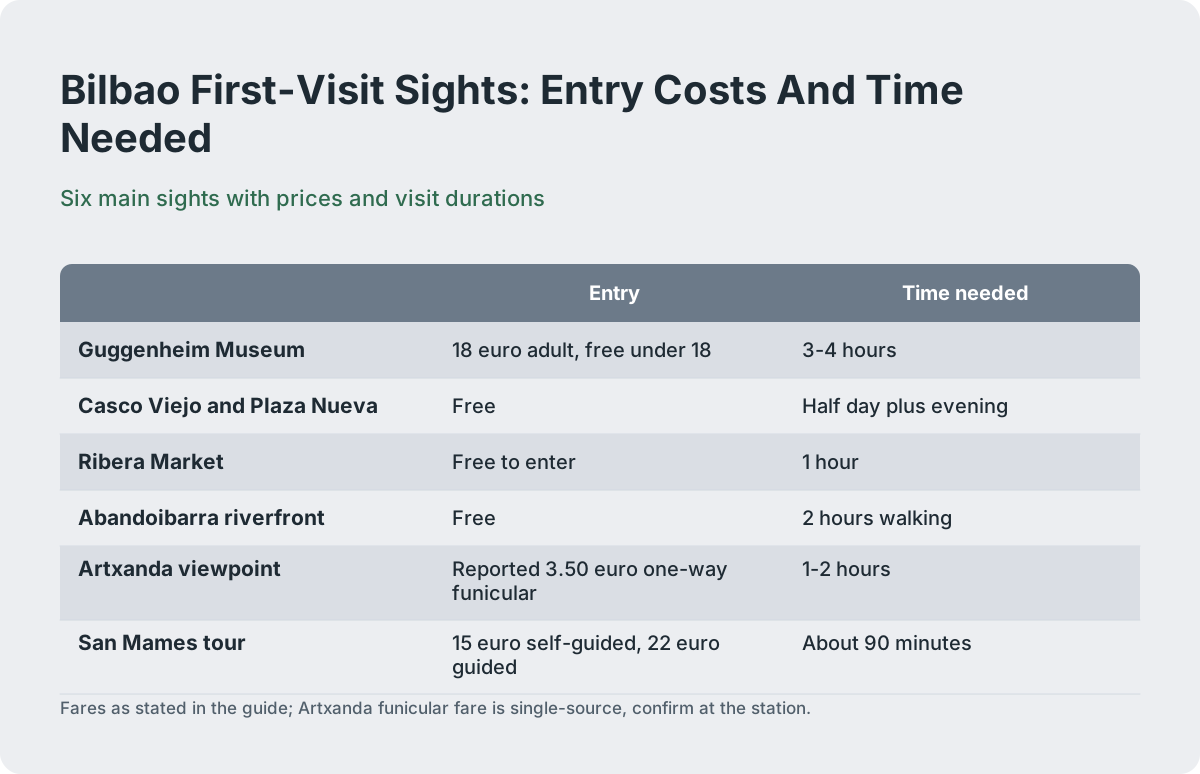
A first visit to Bilbao should prioritise four anchors: the Guggenheim Museum Bilbao, the Casco Viejo old town with Plaza Nueva and the Ribera Market, the riverside Abandoibarra quarter with the Zubizuri and La Salve bridges, and the view from the Artxanda hillside reached by funicular. Everything else, including the Fine Arts Museum and San Mames stadium, is a strong second tier rather than a must.
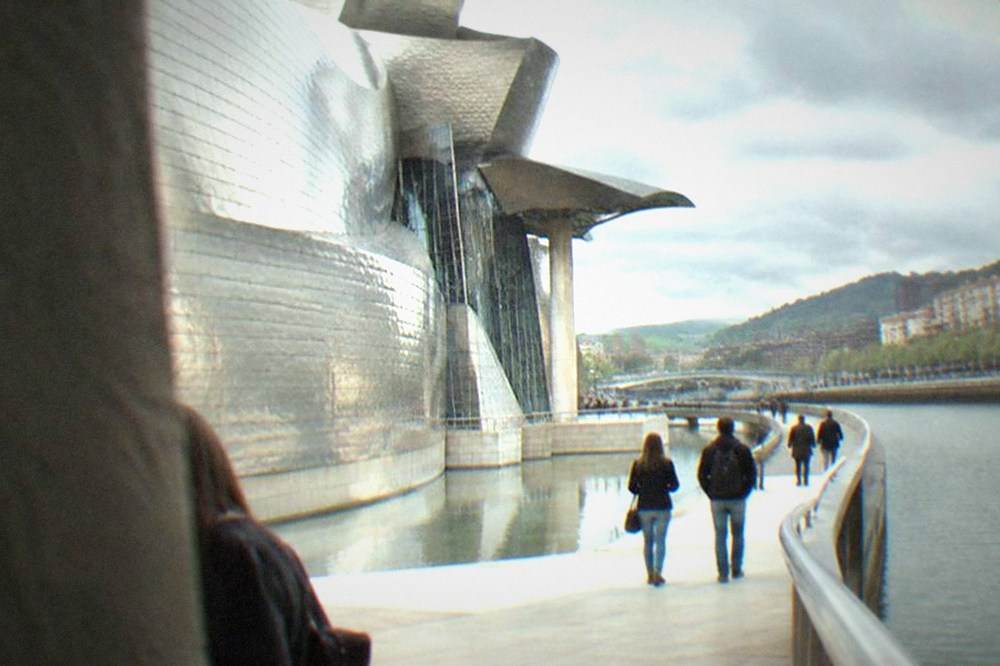
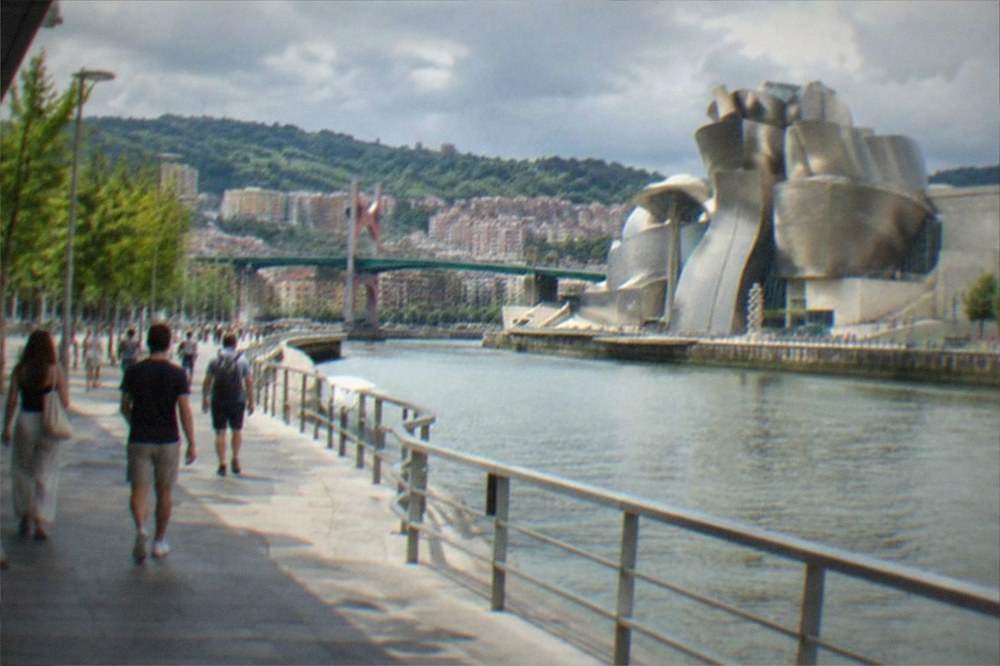
The Guggenheim is the reason most people come and it justifies the hype. The museum's own site lists adult admission at 18 euro, opening Tuesday to Sunday from 10:00 to 19:00, extending to 20:00 during Easter week and from 15 June to 13 September. Under-18s enter free. Give it a half day: the building itself, with Jeff Koons' Puppy guarding the entrance and Richard Serra's giant steel arcs inside, is as much the attraction as the collection. Our full Guggenheim Museum guide covers tickets, timing and what is inside.
The old town is the second anchor and needs no ticket at all. The Casco Viejo is a compact web of seven medieval streets, Las Siete Calles, anchored by the Santiago Cathedral, the Ribera Market and Plaza Nueva, where the pintxos bars concentrate after dark. Cross the river from there and you walk straight into the Abandoibarra district, where the Zubizuri footbridge by Santiago Calatrava and the La Salve bridge bracket the museum quarter.
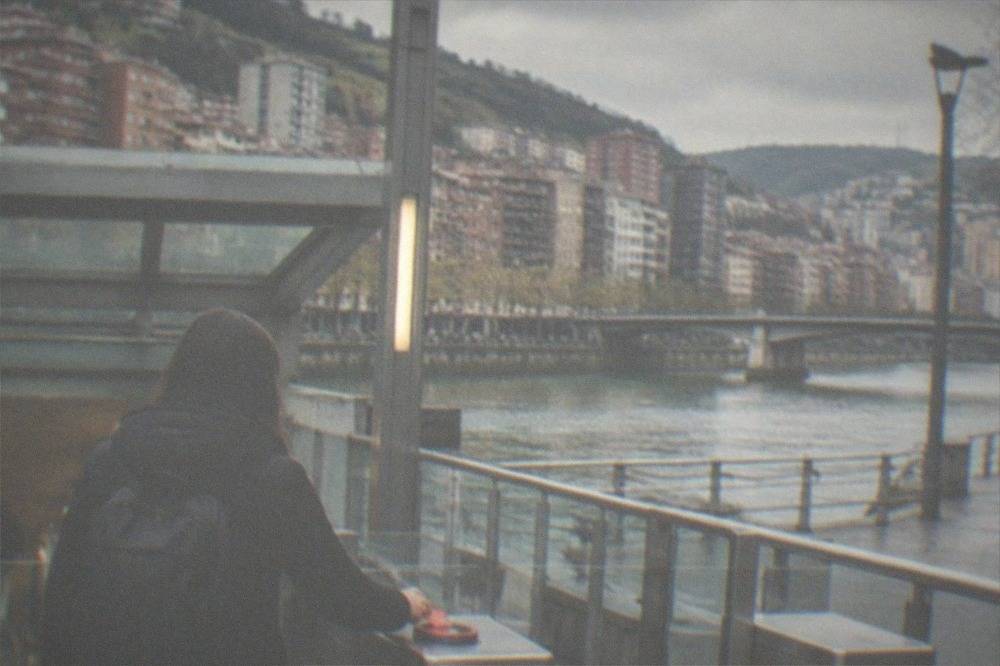
The fourth anchor is the view. The Artxanda funicular hauls you up the hillside above the city in about three minutes, and the reported fare is 3.50 euro one-way or 6.00 euro round-trip, though that fare comes from a single source rather than a directly checked official page, so confirm at the station. The hilltop park gives the single best orientation view of the estuary, and doing it on day one helps everything else make sense.
Two second-tier sights are worth flagging for 2026 specifically. The Bilbao Fine Arts Museum is closed from 31 August to 5 October 2026 for final renovation works and is reported to reopen on 6 October 2026 with a free entry week through 13 October, then adult admission of 12 euro from 14 October; that reopening date is a single-source claim, so treat it as reported. San Mames, the Athletic Club stadium, runs self-guided audio tours at 15 euro for adults and guided Museum-plus-Tour visits at 22 euro per the club's official site, open Tuesday to Sunday with Monday closures from November to February.
| Anchor | What it is | Entry | Time needed |
|---|---|---|---|
| Guggenheim Museum | Gehry's titanium art museum | 18 euro adult, free under 18 | 3-4 hours |
| Casco Viejo and Plaza Nueva | Medieval old town, pintxos bars | Free | Half day plus evening |
| Ribera Market | Historic covered market hall | Free to enter | 1 hour |
| Abandoibarra riverfront | Zubizuri, La Salve, Euskalduna | Free | 2 hours walking |
| Artxanda viewpoint | Hilltop park over the estuary | Reported 3.50 euro one-way funicular | 1-2 hours |
| San Mames tour | Athletic Club stadium and museum | 15 euro self-guided, 22 euro guided | About 90 minutes |
A guided walk on day one is the fastest way to get oriented, and a local guide also unlocks the pintxos culture in a way a map cannot. The Bilbao Highlights Walking Tour with a Local Guide covers the old town and the new city with a resident leading the way.
Where Should A First-Timer Stay In Bilbao?
A first-timer should stay in the Ensanche district around Moyua and the Gran Via, which puts you midway between the Guggenheim and the Casco Viejo with everything walkable, or in the Casco Viejo itself if evening pintxos and atmosphere matter more than hotel polish. Indautxu, just west of the Ensanche, is the quieter value pick with the same metro access.
The geography is simple: the Guggenheim and museum quarter sit downstream at one end, the old town sits upstream at the other, and the Ensanche, the stately central extension around the Gran Via, occupies the ground between them. Staying central in the Ensanche means a ten-to-fifteen minute walk to either anchor. The trade-off is price and character, since the Ensanche is businesslike while the old town is atmospheric but can be loud late, especially toward weekends.
Indautxu, immediately west, is the compromise most guides under-recommend: quieter streets, a genuine residential feel, the same metro line, and typically gentler hotel rates. Families and cruise visitors have their own calculus, and our where to stay in Bilbao guide breaks the neighbourhoods down street by street.
One booking note for 2026 and 2027: the tourist tax arriving on 1 January 2027 charges per adult per night by accommodation category, 5 euro at 5-star hotels, 4 euro at 4-star, 2 euro at 3-star, 1.50 euro at 2-star, 1 euro at pensions and 6.50 euro at tourist apartments, with reservations made before early February 2026 generally exempt. If your dates straddle the change, that is a real line item on the bill.
How Do You Get Around Bilbao Without A Car?
Bilbao is walkable between its main sights, and the transport you will occasionally need is cheap: a Barik card cuts a metro Zone 1 ride to 1.02 euro, a Bilbobus city bus to roughly 0.44 euro effective, and the tram to 0.74 euro, while the airport bus costs 5 euro flat without a Barik card. A first-timer staying central needs no car at all, and the Bilbao Bizkaia Card wraps unlimited transport plus museum perks into 10 euro for 24 hours.
The Barik card is the single piece of plastic that matters. The CTB Barik fares page gives Metro Zone 1 at 1.02 euro with Barik versus 2.00 euro without, Zone 2 at 1.19 versus 2.20, and Zone 3 at 1.30 versus 2.25, with the no-card ticket valid for two hours. Bilbobus runs 1.70 euro as an occasional single, dropping to roughly 0.73 euro base and near 0.44 euro effective with Barik after the discount. The tram charges 0.74 euro flat with Barik, around 2.00 euro without. The card itself is commonly reported to cost 3 euro to buy, non-refundable, but that purchase price comes from a weaker source, not an official CTB page, so treat it as provisional.
For a short visit, the Bilbao Bizkaia Card is often the better buy: the card's own site states 10 euro for 24 hours, 15 euro for 48 and 20 euro for 72, covering unlimited metro, tram, bus, Bizkaibus, Euskotren and both funiculars, plus fastpass access at the main museums and Bilbao Turismo's free guided tours. It is personal and non-transferable, activated on first use.
From the airport, the Bizkaibus A3247 runs every 15 minutes, roughly 06:10 to 23:40 from the terminal and 05:00 to 22:00 from the city, taking 15 to 25 minutes and costing 5 euro without a Barik card. A taxi to the centre runs approximately 24 to 29 euro with no airport supplement, the Artxanda tunnel toll included in that guidance. There is no metro or train link to the airport, and the city council's own position is that none arrives before 2035, so plan around the bus. Our Bilbao airport guide covers the full transfer picture.
| Mode | With Barik | Without Barik | Notes |
|---|---|---|---|
| Metro Zone 1 | 1.02 euro | 2.00 euro | 2h validity on occasional ticket |
| Metro Zone 2 | 1.19 euro | 2.20 euro | Covers Getxo and the Vizcaya Bridge area |
| Bilbobus city bus | ~0.73 euro base, ~0.44 effective | 1.70 euro | Entire fleet low-floor and accessible |
| Tram | 0.74 euro flat | ~2.00 euro | Runs the riverfront past the Guggenheim |
| Airport bus A3247 | lower with Barik | 5 euro flat | Every 15 min, 15-25 min journey |
| Artxanda funicular | lower with Barik | 3.50 euro one-way, 6.00 return (reported) | Free companion for wheelchair users |
What Should First-Timers Eat In Bilbao?
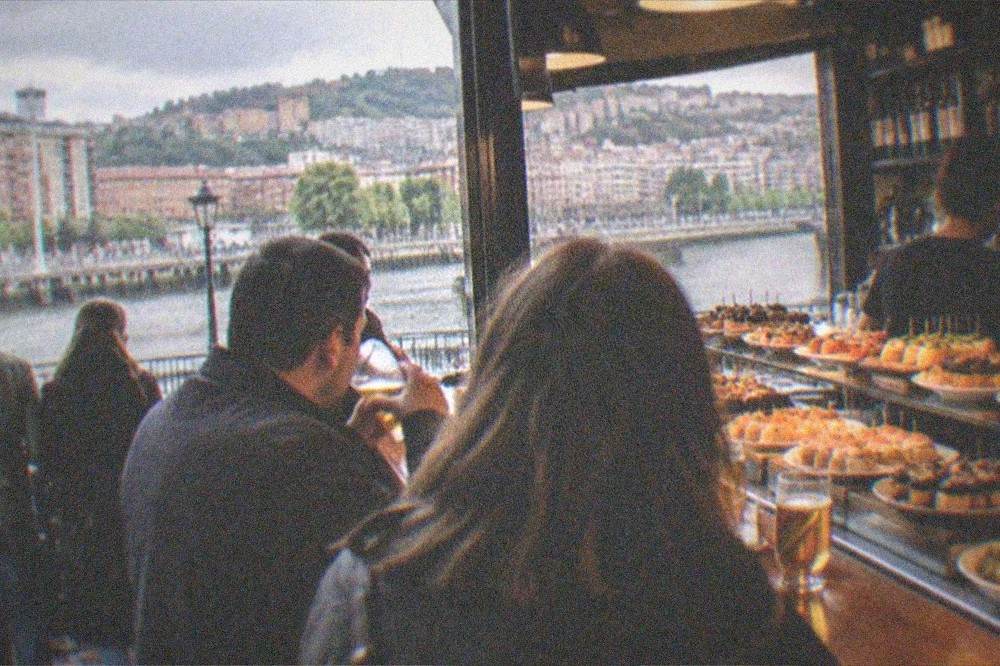
First-timers should eat pintxos, the Basque counter food that gives Bilbao its food identity: order one or two small bites plus a drink standing at each bar, then move to the next bar. The classic circuit runs through Plaza Nueva and the Siete Calles, prices run roughly 2 to 5 euro per pintxo at traditional bars with drinks at 2 to 3.50 euro, and a four-to-six bar crawl typically lands around 25 to 45 euro per person.
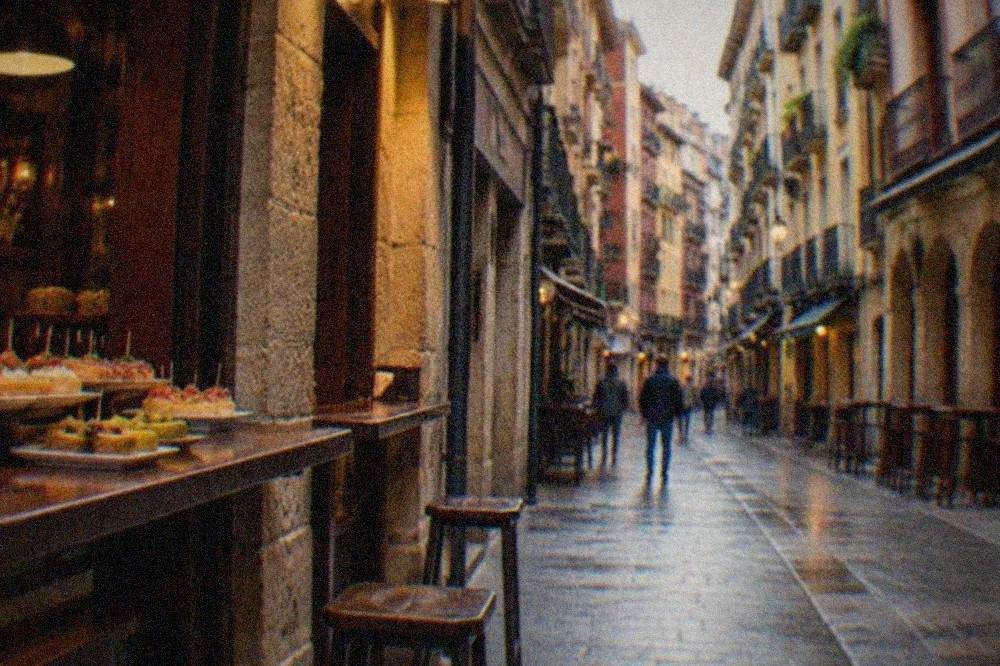
The pintxo is not a tapa, and locals will gently tell you so: it is a named, composed bite, often skewered (pincho means spike), ordered at the counter and eaten standing. The ritual matters as much as the food. Txikiteo, the bar-to-bar crawl, is how Bilbao socialises, and Plaza Nueva is its cathedral, with bars like Gure Toki, Sorginzulo, Cafe Bar Bilbao and Victor Montes all facing the same arcaded square.
Beyond the old town, the Ensanche holds its own institutions: La Vina del Ensanche, trading since 1927, and La Bodeguita del 12, whose black-pudding pintxo on cornbread took the 2025 Bizkaia traditional pintxo championship. El Globo, near the Gran Via, is the name most consistently ranked at the top of recent Bilbao pintxos guides for its txangurro gratin. Sit-down dining is a separate pleasure, and the province leads Spain in Michelin stars per capita, with Azurmendi holding three and Nerua inside the Guggenheim among the city's one-stars.
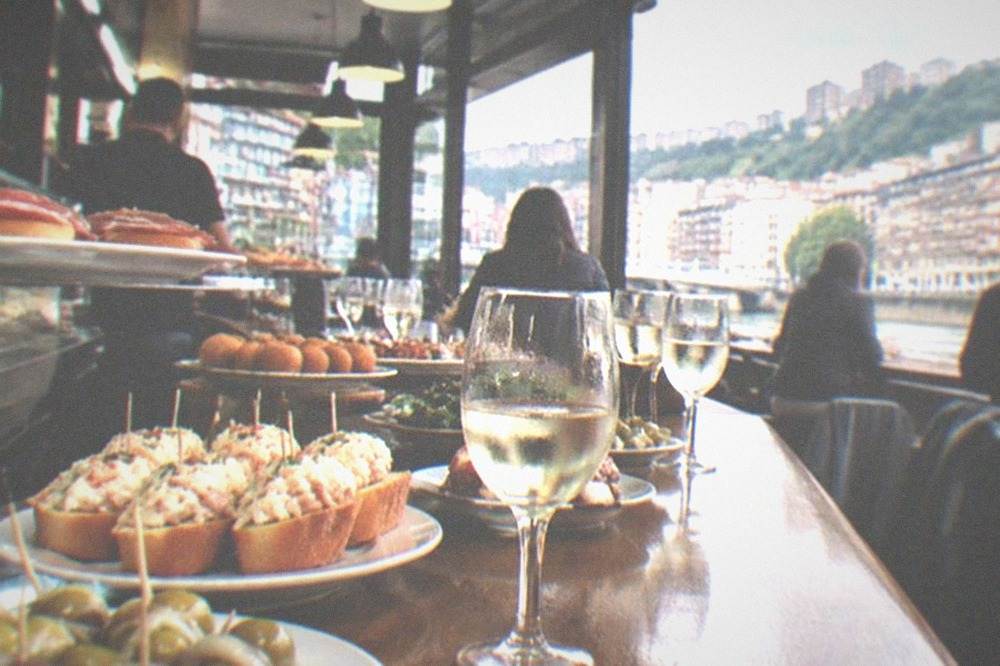
A guided food tour on your first evening solves two problems at once: it teaches the ritual and it feeds you dinner. The Bilbao Food Tour with Pintxos, Drinks with a Local is the natural pick, and you can Check availability on the operator's live listing.
| Food experience | Where | Planning range |
|---|---|---|
| Pintxo, simple counter item | Traditional bars citywide | ~2-4 euro each |
| Pintxo, elaborate or hot item | Plaza Nueva and premium bars | ~3-6 euro each |
| Drink (txakoli, zurito, wine) | Any bar | ~2-3.50 euro |
| Full txikiteo crawl, 4-6 stops | Casco Viejo circuit | ~25-45 euro per person |
| Market stall lunch | Ribera Market | Check the stall on the day |
What Does A First Trip To Bilbao Cost?
A first trip to Bilbao is priced by a few fixed, verified numbers rather than by guesswork: the Guggenheim costs 18 euro, the Bilbao Bizkaia Card 10 euro for 24 hours, single transport rides about 1 euro each with a Barik card, and a pintxos crawl typically runs 25 to 45 euro per person. No tourist tax applies in 2026; from 1 January 2027 it adds 1 to 6.50 euro per adult per night depending on the accommodation.
Bilbao is cheaper than Barcelona or San Sebastián for equivalent quality, and our full is Bilbao expensive analysis covers the detail. The big fixed costs are few: the Guggenheim at 18 euro is the single largest ticket, the Fine Arts Museum is reported at 12 euro after its October 2026 reopening, and the Bilbao Bizkaia Card at 10 euro per 24 hours covers all transport. Everything else is food and lodging, and food is flexible in a way hotel rates are not.
Two cost notes deserve emphasis. First, the 2027 tourist tax is per adult per night, so it scales directly with the length and category of your stay. Second, the Guggenheim offers a 50 percent discount on the last day of each temporary exhibition, typically from 16:00 to 19:00, per the museum's own admission page, which is the single best sightseeing saving in the city if your dates align.
| Cost item | Verified planning figure |
|---|---|
| Guggenheim ticket | 18 euro |
| Bilbao Bizkaia Card 24h | 10 euro |
| Metro or bus ride with Barik | ~1 euro each |
| Pintxos crawl, 4-6 stops | ~25-45 euro per person |
| Artxanda funicular round trip | ~6 euro (reported) |
| Tourist tax, from 1 January 2027 | 1-6.50 euro per adult per night |
What Day Trips Should A First-Timer Add From Bilbao?
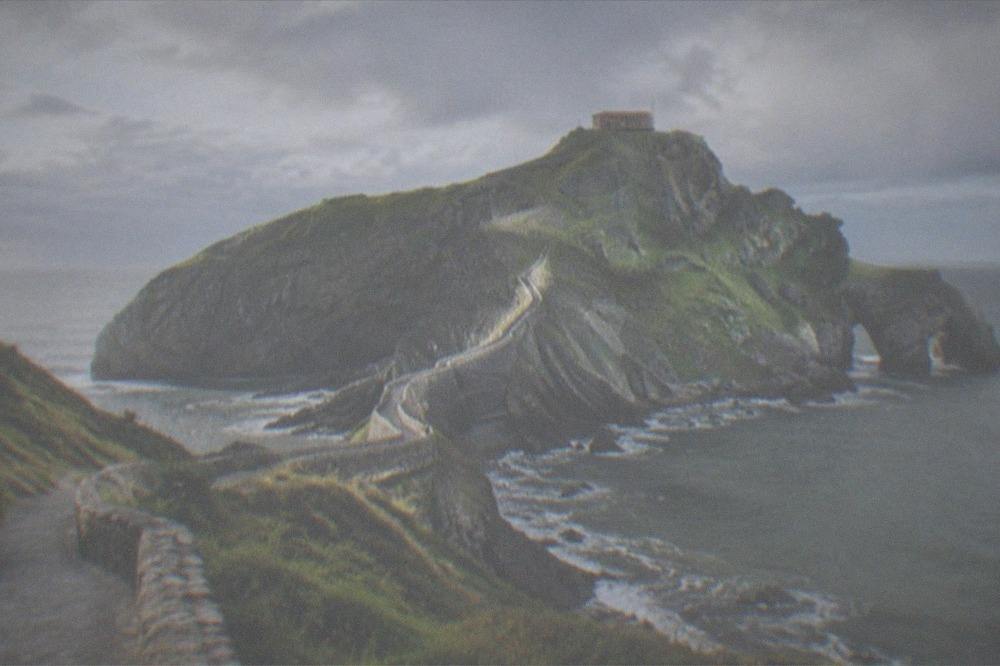
The two headline day trips from Bilbao are San Juan de Gaztelugatxe, the rocky hermitage islet reached by a stone causeway and steps about an hour's drive up the coast, and San Sebastián, the belle-epoque food capital roughly 100 km east, best reached by the direct bus in about an hour and twenty minutes. A first-timer with one day-trip slot should pick Gaztelugatxe for the scenery or San Sebastián for the food, and the Vizcaya Bridge is the easy half-day option on the metro.
Gaztelugatxe needs planning that most guides skip. A free timed reservation is required only on official controlled-access days, roughly mid-June to about 20 September daily plus Easter and holiday weekends per the yearly calendar, with a daily cap of 1,462 visitors on those days; on all other days entry is free with no reservation, and as of the most recent reporting access reverted to free and uncontrolled from 21 September 2026. Booking, when required, is always free through tiketa.eus, with a maximum of 10 people per reservation. Our Gaztelugatxe guide covers the calendar, the steps and the transport options in full.
San Sebastián is the food-lover's pick, and the San Sebastian day trip guide covers it end to end. There is no direct high-speed train; the practical public option is the direct intercity bus from Bilbao's intermodal station, roughly an hour and twenty minutes each way. If you want both cities properly rather than as a sprint, the Bilbao and San Sebastian together itinerary splits a week between them.
The Vizcaya Bridge is the half-day option most first-timers never hear about: a UNESCO World Heritage transporter bridge, the first industrial heritage site in Spain on the list, strung between Portugalete and Getxo at the end of Metro Line 1. The gondola crossing costs 0.60 euro one-way in daytime, and the upper walkway ticket is reported at 11 euro adult round-trip, a single-source figure, so confirm on site. Our Vizcaya Bridge guide has the full detail.
| Day trip | Travel time (one way) | Best for | Booking need |
|---|---|---|---|
| San Juan de Gaztelugatxe | ~1h by bus, 30-45 min by car | Coastal drama, photography | Free ticket only on controlled-access days |
| San Sebastián | ~1h 20m by direct bus | Food, beaches, old town | No, bus tickets on the day |
| Vizcaya Bridge and Getxo | ~20-30 min by metro | UNESCO engineering, promenade | No |
| Bermeo and Mundaka | ~1h 20m by Euskotren | Fishing port, surf town | No |
Guided day trips remove the Gaztelugatxe planning entirely, since the operator handles access and timing. A cross-border option pairs the Basque coast with the French Basque Country in a single day, which suits first-timers who want maximum variety from one booking.
If you would rather compare the full range of guided options before committing, the trio below covers the three styles first-timers book most: a food walk, a cross-border day tour and a city highlights walk.
When Is The Best Time To Visit Bilbao For A First Trip?
The best months for a first visit to Bilbao are July and August, the warmest and driest stretch of the year, with monthly means of 20.4 and 20.9 C and rainfall of roughly 50 to 76 mm, but June and September deliver nearly the same comfort with thinner crowds. November is the month to avoid, the wettest of the year at 147 mm, and the whole climate is temperate oceanic, so rain is possible in every month and a packable layer is mandatory.
AEMET's normals for station 1082 give the full picture: January averages 9.3 C, August 20.9 C, and rain falls year-round, with the driest month still recording 50 mm. This is not a city you visit for guaranteed sun, and the first-timer who packs for Mediterranean Spain gets caught out. The upside of the Atlantic climate is green: the hills around the city, the Urdaibai estuary and the coastal day trips all look lush in a way southern Spain never does.
Timing around events can raise or ruin a trip. Aste Nagusia, the nine-day festival in late August, fills the city with concerts, fireworks and street parties, and it ran 22 to 30 August in 2026; it is a fantastic time to visit if you want the party and a poor one if you want quiet museums. Rainy-day cover is genuinely strong here, from the Guggenheim to the Fine Arts Museum and the Ribera Market, so a wet afternoon never kills a plan.
| Month | Mean temp | Rainfall | First-timer verdict |
|---|---|---|---|
| January | 9.3 C | 120 mm | Quiet, cool, wet |
| March | 11.5 C | 90 mm | Shoulder season, manageable |
| June | 18.4 C | 60 mm | Excellent balance |
| July | 20.4 C | 50 mm | Warmest, driest, peak season |
| August | 20.9 C | 76 mm | Aste Nagusia festival energy |
| September | 19.2 C | 73 mm | Best crowd-weather trade |
| November | 12.4 C | 147 mm | Wettest month, avoid if flexible |
What Mistakes Do First-Timers Make In Bilbao?
The five mistakes first-timers make in Bilbao are treating it as a one-museum city, sitting down for dinner at 19:00 when the pintxos bars are only warming up, skipping the old town entirely for the riverfront, underestimating the rain, and planning a Gaztelugatxe visit without checking the controlled-access calendar. Each one costs either a half day of sightseeing or the single best evening of the trip.
The one-museum mistake is the most common. Visitors fly in, see the Guggenheim, fly out, and never learn that the old town, the market, the funicular view and the evening bar culture are the parts locals would actually fight to keep. Balance the trip deliberately: one full riverfront day, one full old town day, and let the evenings belong to Plaza Nueva.
The dinner-hour mistake is cultural rather than logistical. Basque bars fill from 20:00 onward, and the txikiteo rhythm means no single venue needs to carry your whole night. Order a pintxo and a txakoli at the counter, eat standing, pay, and move. The Bilbao food crawl itinerary turns that rhythm into a plan.
The rain mistake is the costliest in comfort terms. AEMET's figures show rain in every single month of the year, and the 1,134 mm annual total is more than double what visitors expect from Spain. A compact umbrella and a light waterproof layer belong in the bag in August, not just in November.
Common Questions About A First Trip To Bilbao
Is Bilbao good for first-time visitors to Spain?
Yes. Bilbao is compact, walkable, safe by Spanish-city standards and less overwhelming than Barcelona or Madrid, and its old town, museum quarter and food culture give a first trip three distinct experiences inside one small city. The Basque identity also makes it feel different from the rest of Spain, which many first-timers find a bonus rather than a complication.
How many days in Bilbao is enough?
Three days is the sweet spot for a first visit: two full city days for the Guggenheim riverfront and the Casco Viejo, plus one day trip to Gaztelugatxe or San Sebastián. Two days works if you skip the day trip, and one long day covers the absolute essentials at a sprint.
Do I need to speak Spanish or Basque in Bilbao?
No. Spanish is the everyday language and English works in hotels, museums and the tourism sector, though less so in old-school pintxos bars. Basque (Euskara) appears on signs and menus everywhere, and a greeting goes down well, but nobody expects a visitor to speak it.
Is Bilbao expensive for a first trip?
Bilbao is moderately priced by northern-Spanish standards, cheaper than San Sebastián for equivalent food and lodging. The Guggenheim at 18 euro is the biggest single ticket, transport costs only a few euro per day with a Barik card, and a pintxos-based eating day runs cheaper than restaurant dining. There is no tourist tax in 2026; one takes effect 1 January 2027.
Can you visit Bilbao without a car?
Completely. The city centre sights are all walkable, the metro, tram, buses and funicular fill the gaps for a euro or so per ride with a Barik card, the airport bus costs 5 euro flat, and the headline day trips work by direct bus or guided tour. A car only earns its keep for a coastal road trip.
What is the single biggest first-timer mistake in Bilbao?
Reducing the city to the Guggenheim. The museum deserves a half day, but the old town, the evening pintxos circuit and the Artxanda view are what visitors remember, and a trip that skips them misses the Bilbao the residents actually live in.
A first trip to Bilbao rewards a simple plan: two city days split between the riverfront and the old town, one coastal day trip, a Barik card in your pocket and a rain layer in your bag, with the evenings given over to the bars of Plaza Nueva.