How Expensive Is Bilbao
Bilbao is cheaper than San Sebastián and most of northern Europe's big cities, but it is not a bargain-basement Spanish destination: pintxos, museums and day trips each carry a real price that this guide breaks down line by line.
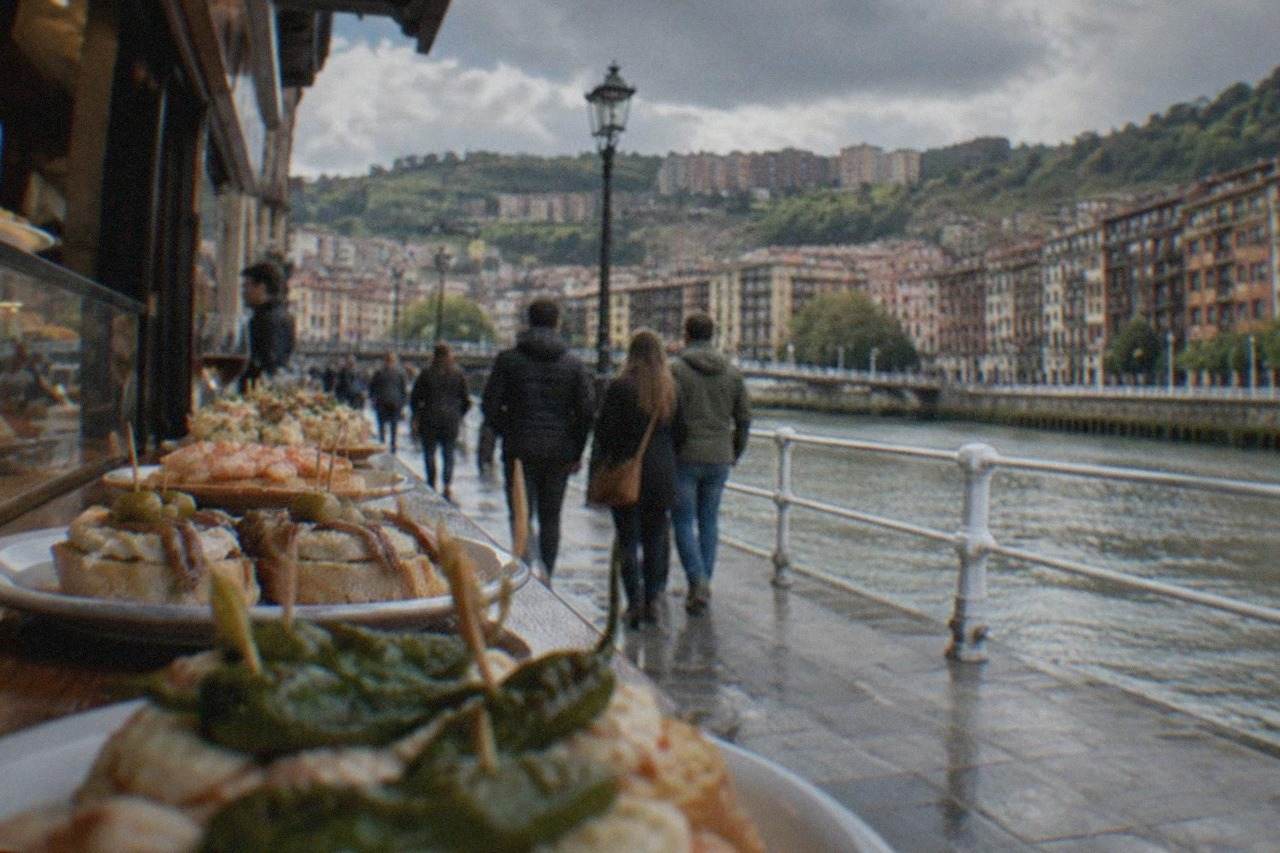
Short answer
Bilbao is a mid-priced Spanish city: noticeably cheaper than San Sebastián for food and lodging-free activities, more expensive than Andalusia. Expect pintxos at roughly 2 to 5 euro each, the Guggenheim at 18 euro, metro rides from 1.02 euro with a Barik card, and no tourist tax until 1 January 2027.
Bilbao, the largest city in the Basque Country (Euskadi) in northern Spain, sits on the tidal Nervion estuary in Biscay (Bizkaia) province, and its reputation for good food and serious museums leads a lot of travellers to one practical question: how expensive is it, really? The honest answer is that Bilbao is a mid-priced northern Spanish city, cheaper than San Sebastián for eating out, cheaper than almost any comparable city in France or northern Europe, but clearly pricier than Seville or Granada. This guide breaks the question into the parts that actually move a budget: food, museums, transport, day trips and the tourist tax that arrives in 2027. Every figure below comes from an official source or from verified current data, and where a number is a planning range rather than a fixed price, it says so.
How Expensive Is Bilbao Compared To Other Spanish Cities?
Bilbao sits in the middle of Spain's price range: more expensive than Andalusian cities such as Seville or Granada, roughly level with Madrid for everyday eating and drinking, and clearly cheaper than San Sebastián, the Basque Country's other headline destination. Food is the main reason: a pintxo and a small beer in Bilbao's Old Town costs a few euro, while equivalent coastal resort towns charge noticeably more. The comparison matters because many travellers combine Bilbao with San Sebastián on one trip, and the cost gap between the two shapes where the eating budget should go. Bilbao's own tourism report for 2025, published by Bilbao Ekintza, counted 1,396,841 visitor entries and 2,723,725 overnight stays across hotels and tourist apartments, which tells you demand is strong enough that popular bars and museum slots fill without any discounting.
A useful framing: Bilbao rewards travellers who spend on experiences and eat standing at bars, and it quietly taxes travellers who only eat at sit-down restaurants on the main squares. The pintxos culture is built around small, cheap, high-craft bites, so the cheapest way to eat here is also one of the best ways to eat. The expensive mistakes are different: paying full single fares on public transport instead of using a Barik card, buying museum tickets separately instead of a joint pass, and booking day-trip tours without checking what the same route costs by public transport.
For a deeper comparison of the two Basque headline cities, see the Bilbao vs San Sebastian guide, and for how long a cost-conscious visit needs, how many days in Bilbao works through the trade-offs.
What Does A Pintxos Crawl In Bilbao Actually Cost?
A pintxo in Bilbao typically runs 2 to 5 euro at traditional bars, with simpler counter items such as gildas or tortilla at the low end and elaborate hot seafood bites toward the top, and drinks add roughly 2 to 3.50 euro each for txakoli, wine or a small beer. A realistic crawl of four to six pintxos with drinks lands around 25 to 45 euro per person, which is the single most useful planning number for an evening in the Old Town. These are planning ranges drawn from current 2026 food guides and local reporting, not fixed prices: each bar sets its own tariff, and a few premium spots push well past the top of the range, so check the displayed price list or ask before ordering.
The structure of the crawl keeps costs down. Txikiteo, the Basque custom of moving from bar to bar with a small drink at each, means no single venue captures your whole evening budget. Plaza Nueva is the classic hub: El Globo, Sorginzulo, Gure Toki, Víctor Montes and Café Bar Bilbao all face onto or sit within a short walk of the square, and each has its own specialty priced separately. Local championship results even tell you where the value is: La Bodeguita del 12 in Abando won the 2025 Bizkaia traditional pintxo championship, and the bars that compete seriously tend to hold their quality-to-price ratio tightly.
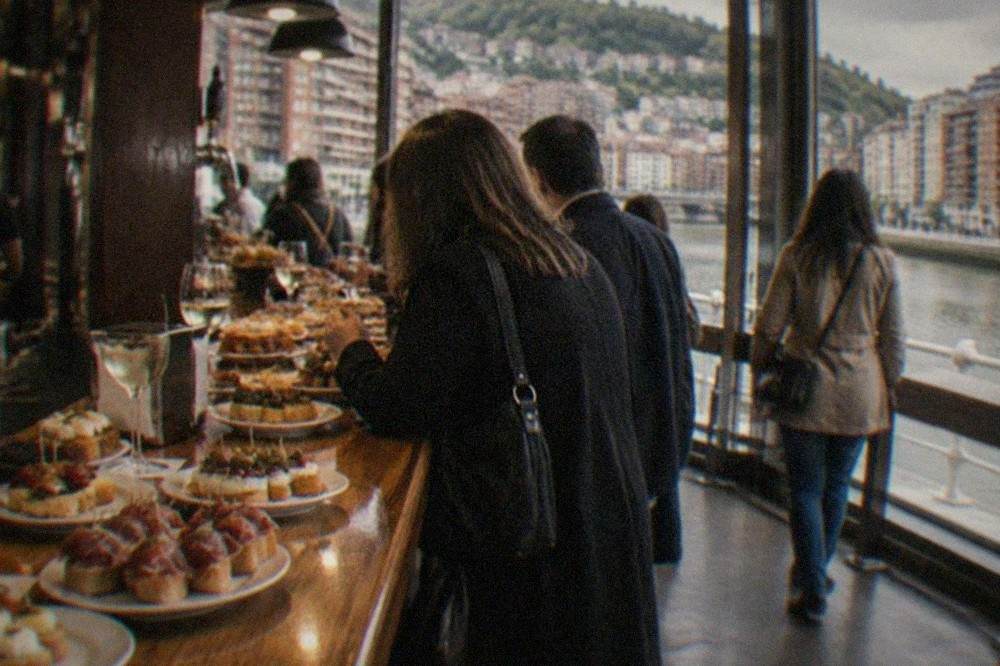
Here is what the planning ranges look like item by item:
| Item | Typical range | Notes |
|---|---|---|
| Simple cold pintxo (gilda, jamon, tortilla) | EUR 2-4 | Counter display, priced per piece |
| Elaborate hot pintxo (seafood gratin, foie) | EUR 3-6 | Premium spots can reach EUR 8 |
| Txakoli or small beer (zurito) | EUR 2-3.50 | Per glass, standing at the bar |
| Full crawl, 4-6 pintxos plus drinks | EUR 25-45 | Per person, multiple bars |
| Sit-down restaurant main course | Higher than crawl | Plaza Nueva terraces cost most |
For the full bar-by-bar route, the best pintxos in Bilbao guide maps the Old Town and Ensanche bars, and the wider Bilbao food guide covers restaurants, markets and the Michelin-starred tier, where the province's starred restaurants cluster more densely per capita than anywhere else in Spain.
What Do Museums And Attractions Cost In Bilbao?
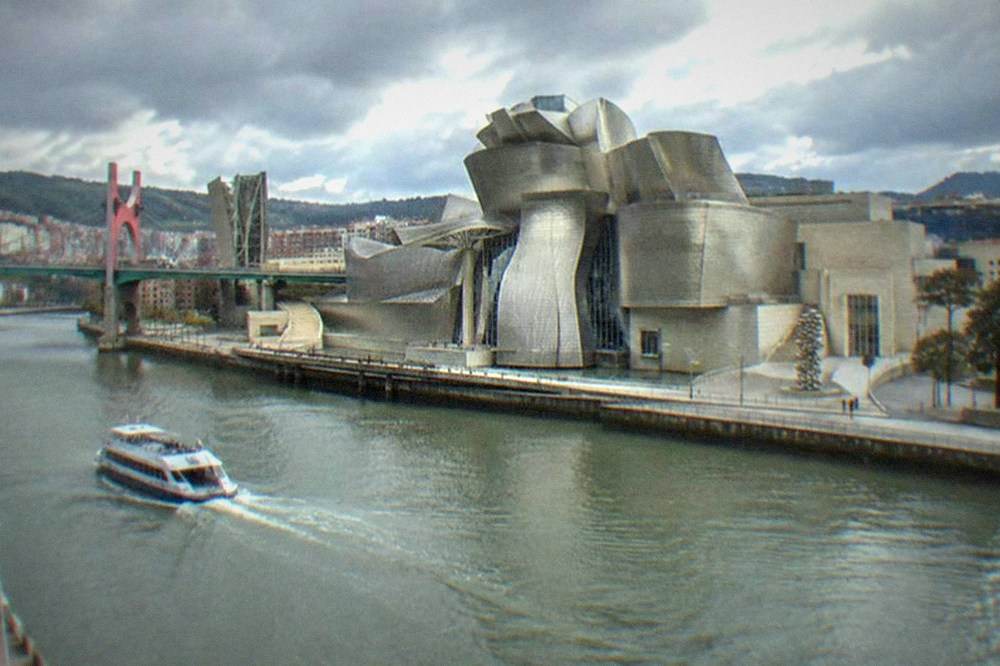
The Guggenheim Museum Bilbao charges 18 euro for a standalone adult ticket and is open Tuesday to Sunday from 10:00 to 19:00, extending to 20:00 during Easter week and from 15 June to 13 September. The Bilbao Fine Arts Museum reopens on 6 October 2026 after its renovation closure and charges 12 euro adult admission from 14 October, and a joint Artean pass covering both museums is 16 euro general, 8 euro reduced, so combining saves over separate tickets. The Guggenheim figures come directly from the museum's own hours-and-admission page; the Fine Arts reopening details are reported figures from the museum's planning page and carry the usual caveat that reopening-period details can shift, so confirm before travelling in early October 2026.
Beyond the two headline museums, the paid-attraction list is short and affordable. San Mamés stadium tours run at 15 euro self-guided with audio guide for adults and 22 euro for the guided Museum+Tour, per the Athletic Club's own practical-information page. The Funicular de Artxanda, commonly reported at 3.50 euro one-way and 6 euro round-trip, lifts you to the city's best free viewpoint. The Vizcaya Bridge at Portugalete, a UNESCO World Heritage Site since 2006 and the first industrial heritage site in Spain on the list, charges just 0.60 euro for its pedestrian gondola crossing, with the upper walkway ticket reported at 11 euro round-trip for adults. The Vizcaya Bridge guide covers the full visit.
| Attraction | Adult price | Source basis |
|---|---|---|
| Guggenheim Museum Bilbao | EUR 18 | Museum's own admission page |
| Bilbao Fine Arts Museum (from 14 Oct 2026) | EUR 12 | Reported reopening rates |
| Artean joint pass, both museums | EUR 16 general / EUR 8 reduced | Reported joint-ticket rates |
| San Mamés self-guided tour | EUR 15 | Athletic Club official page |
| San Mamés guided Museum+Tour | EUR 22 | Athletic Club official page |
| Funicular de Artxanda round trip | EUR 6 | Commonly reported fares |
| Vizcaya Bridge gondola crossing | EUR 0.60 one-way | Operator fare page |
Two savings levers matter here. The Bilbao Bizkaia Card costs 10 euro for 24 hours, 15 euro for 48 hours and 20 euro for 72 hours, bundles unlimited regional transport, and carries fastpass access at the main museums plus hundreds of shop and restaurant discounts, so it can pay for itself quickly on a packed itinerary. The Bilbao museums guide also notes which smaller museums are cheap or free, including the newly reopened Euskal Museoa, which returned on 10 June 2026 after a four-year renovation and ran an initial free-entry period.
How Much Does Transport Cost In Bilbao?
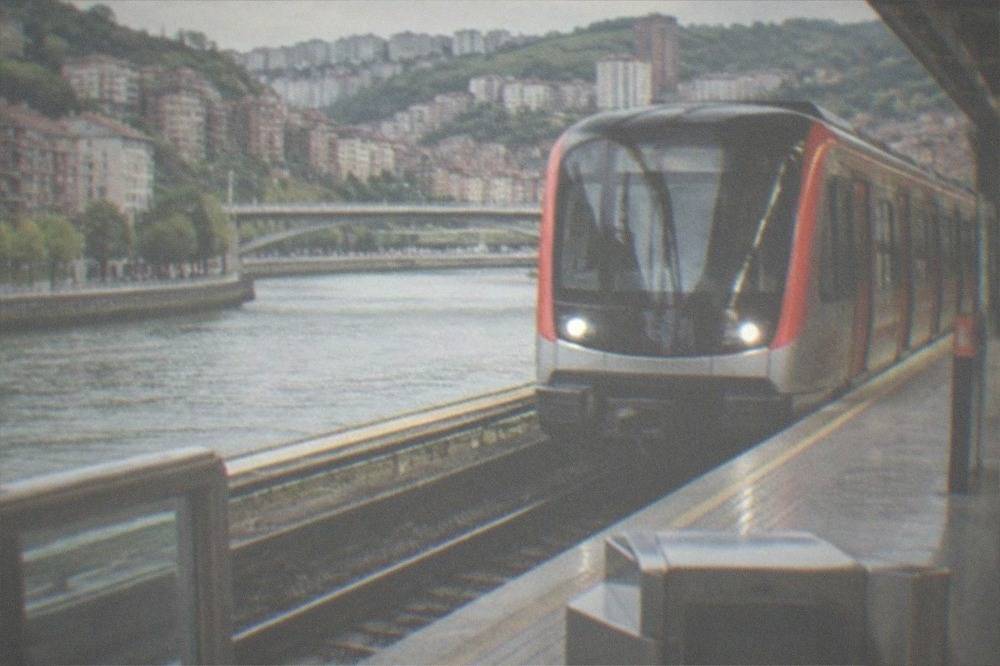
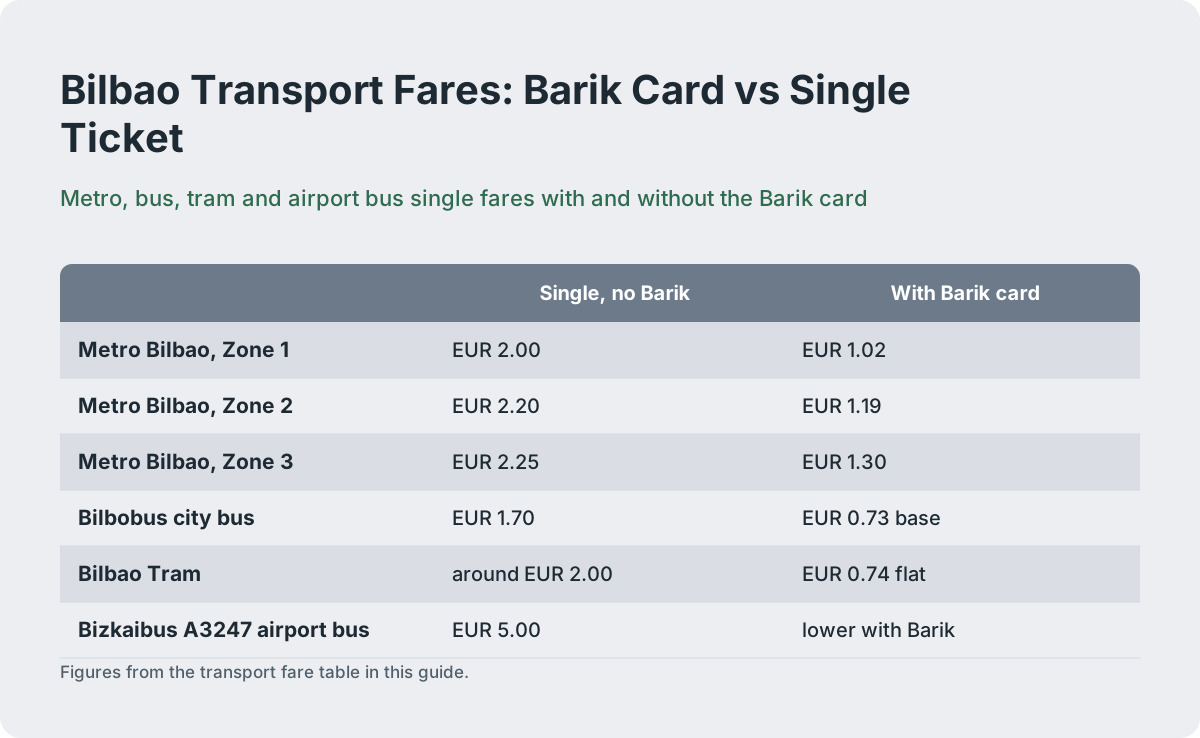
A Metro Bilbao ride in Zone 1 costs 1.02 euro with a Barik Creditrans card versus 2.00 euro as a single ticket without one, so the card roughly halves the core fare, and a Bilbobus city bus costs 1.70 euro single but around 0.73 euro base with Barik. The Barik card itself is commonly reported to cost 3 euro to buy, non-refundable, with a minimum top-up often around 5 euro, a purchase price from secondary sources rather than an official CTB page. The zonal fares come from the CTB's own Barik fares page: Zone 1 is 1.02 euro, Zone 2 is 1.19 euro and Zone 3 is 1.30 euro with Creditrans, while single tickets without the card run 2.00, 2.20 and 2.25 euro for one to three zones with two hours of validity.
The airport transfer is the one journey where the price gap is widest. The Bizkaibus A3247 runs every 15 minutes, roughly 06:10 to 23:40 from the airport and 05:00 to 22:00 from the city, takes 15 to 25 minutes, and costs 5 euro without a Barik card, payable to the driver or at the airport Bizkaibus desk. A taxi to the centre runs approximately 24 to 29 euro depending on the fare band, with no airport supplement and the Artxanda tunnel toll included. There is no metro or train link to the airport, and the city council's own position is that none arrives before 2035, so budget for the bus or a taxi and nothing else. The full breakdown lives in the Bilbao airport guide.
| Mode | Single, no Barik | With Barik Creditrans |
|---|---|---|
| Metro Bilbao, Zone 1 | EUR 2.00 | EUR 1.02 |
| Metro Bilbao, Zone 2 | EUR 2.20 | EUR 1.19 |
| Metro Bilbao, Zone 3 | EUR 2.25 | EUR 1.30 |
| Bilbobus city bus | EUR 1.70 | EUR 0.73 base |
| Bilbao Tram | around EUR 2.00 | EUR 0.74 flat |
| Bizkaibus A3247 airport bus | EUR 5.00 | lower with Barik |
For a two- or three-day stay, the arithmetic is simple: four metro or tram rides a day at single fares costs more than the same rides on a topped-up Barik card plus the card's purchase price, and the card also works on Euskotren trains and Bizkaibus intercity buses. The getting around Bilbao transport guide works through the whole system, and the Bilbao metro guide covers the lines a visitor actually uses.
Is There A Tourist Tax In Bilbao?
No tourist tax is charged in Bilbao in 2026, but one arrives on 1 January 2027: the Bizkaia regional tourist tax under Norma Foral 3/2026, approved in June 2026, takes effect across the province, and Bilbao's municipal plenary approved its own rates in September 2026, running from 1 euro per night at pensions up to 5 euro per night at five-star hotels, with tourist apartments charged 6.50 euro, the maximum allowed. Reservations made before early February 2026 are generally exempt, and the tax applies per adult per night with a cap of roughly five to six nights, plus exemptions for minors and certain stays. If you travel in 2026 you pay nothing; if you travel from 2027 onward, add the nightly amount for your accommodation category to your budget.
This is the single most commonly misstated Bilbao cost fact on the internet right now, because the approval is recent and many pages either ignore it or state it as if already in force. Neither is correct. The regional framework was published in June 2026 and Bilbao's rates were approved by the municipal plenary in September 2026, with expected net revenue of slightly over 12 million euro a year after roughly 15 percent exemptions. The rates are dated, reported figures, and the year matters more than the amounts.
| Accommodation type | Approved nightly rate from 1 Jan 2027 |
|---|---|
| 5-star hotels | EUR 5 |
| 4-star hotels | EUR 4 |
| 3-star hotels | EUR 2 |
| 2-star hotels | EUR 1.50 |
| Pensions | EUR 1 |
| Tourist apartments (VUT) | EUR 6.50 |
No hotel nightly rate belongs on this page because none is verified in the site's data: accommodation prices vary too widely to quote honestly, and the where to stay in Bilbao guide is the right place to match neighbourhoods to budgets. What can be said firmly is that the tax adds at most a few euro per night, and only from 2027.
What Does A Day Trip From Bilbao Cost?
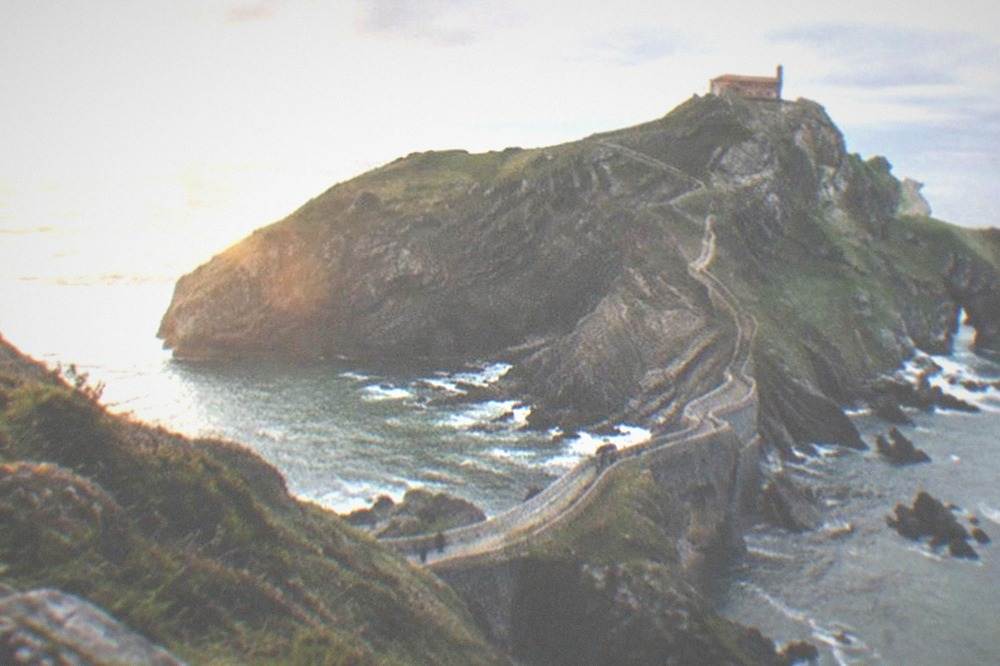
Day trips are where Bilbao budgets diverge most: the headline coastal destinations are cheap by public transport, with Euskotren trains to Bermeo around 1 hour 21 minutes and metro rides to Getxo under half an hour at zonal Barik fares of roughly 1 to 3 euro. San Juan de Gaztelugatxe itself is free on non-controlled days and requires only a free timed reservation on controlled-access days, capped at 1,462 visitors daily, booked through tiketa.eus at no charge. So the cost of Bilbao's most famous day trip is either a bus or train fare plus nothing at the gate, or a tour price that the live listing, not this page, states.
The controlled-access calendar matters for planning. Reservation-required days generally cover roughly mid-June to about 20 September daily, plus Easter and holiday weekends per the yearly calendar; on all other days access is free and unrestricted, and as of the most recent reporting access reverted to free, no-reservation from 21 September 2026 through the end of September. Certain romeria festival days, including 24 June and 31 July, are reserved for local events and tourists are advised not to visit. The Gaztelugatxe guide carries the full calendar detail.
The choice between public transport and a tour is a genuine cost decision. A Bermeo and Mundaka outing by Euskotren costs a few euro each way at Creditrans zonal fares, but Gaztelugatxe's trailhead is not on a rail line, so independent travellers add a bus connection or a long walk, while tours bundle transport, timing and the reservation logistics. A Rioja wine day trip, covered in the Rioja wine day trip guide, follows the same pattern: the region is reachable independently but the winery visits and tastings are what tours actually sell.
What Does A Realistic Daily Budget For Bilbao Look Like?
A realistic mid-range day in Bilbao costs roughly 60 to 100 euro per person before accommodation: breakfast and a pintxos lunch together run 15 to 25 euro, one paid museum adds 12 to 18 euro, transport on a Barik card costs 3 to 6 euro across a day of rides, and a full pintxos crawl evening lands 25 to 45 euro. Budget travellers can hold a day near 35 to 50 euro, while a guided tour or a starred-restaurant meal multiplies the top end quickly. These are planning ranges assembled from the itemized figures already verified above, not survey data, so treat them as a frame rather than a promise.
| Budget tier | Daily spend per person | What it looks like |
|---|---|---|
| Backpacker | EUR 35-50 | Free viewpoints, one museum, pintxos lunch, crawl of 3-4 bars |
| Mid-range | EUR 60-100 | Guggenheim or Fine Arts, Barik transport, full evening crawl |
| Comfort | EUR 120-200 | Guided tours, starred-restaurant lunch, day trip with tastings |
The levers that move you between tiers are few and knowable in advance. The Bilbao Bizkaia Card bundles transport and museum fastpass access at 10 to 20 euro depending on duration, so a packed sightseeing day often pays it off. Weather shapes spending too: AEMET's Bilbao Aeropuerto/Loiu station (1082) normals show 1,134 mm of rain a year with November the wettest month at 147 mm and July the driest at 50 mm, and wet days push budgets indoors toward paid museums, which is exactly what the rainy day Bilbao and Bilbao weather guide pages plan around. Travelling in the off-season also dodges the Aste Nagusia festival crowds in late August, when the city runs 22 to 30 August 2026 for nine days and every bed in the centre is in demand.
Where Does Bilbao Quietly Cost More Than You Expect?
Bilbao's surprise costs are rarely the headline prices: they are the single-fare transport markup when you skip the Barik card, the sit-down terrace premium on Plaza Nueva versus the same pintxo standing at the bar, and the separate-ticket trap at the two big museums when the 16 euro Artean joint pass exists. None of these is a scam, and none is large, but across a three-day trip the difference between paying them and avoiding them is easily the cost of another full evening crawl. The city's 2025 crime data, published through local reporting of the municipal balance, shows Bilbao among Spain's safer major cities, so the classic big-city budget line for caution, extra taxis at night and insurance excesses, is smaller here than in most comparable destinations.
Timing costs more than location. July and August bring the warmest, driest weather, AEMET's normals put the August mean at 20.9 C against January's 9.3 C, and with that comes peak pricing on flights and the busiest museum queues. Shoulder months trade a few rainy days for thinner crowds, and the Bilbao off-season itinerary makes the case in detail. Flights are their own equation, worked through in flights to Bilbao from the US, and car hire, often unnecessary in the city itself, is assessed honestly in renting a car in Bilbao.
Tipping is one cost that genuinely does not balloon here: small change or rounding up the bill is the norm at pintxos bars, and the Bilbao currency, tipping and money guide covers the etiquette without inventing percentages. Spain uses the euro, and no conversion or exchange-rate guesswork belongs in a Bilbao budget.
What Should You Book Ahead To Keep Bilbao Affordable?
Book three things ahead and the rest of a Bilbao trip can stay flexible: the Guggenheim ticket or Artean pass for your chosen day, a Gaztelugatxe reservation through tiketa.eus if your visit falls on a controlled-access day, and either a Barik card plan or a Bilbao Bizkaia Card decision made before your first metro ride. Everything else, from pintxos crawls to funicular rides, can be bought on the spot at the same price. The reason is capacity, not cost: the daily cap of 1,462 visitors at Gaztelugatxe on controlled days means a same-day reservation may simply not exist in July, and the Guggenheim's timed entry fills fastest in the extended-hours summer window from 15 June to 13 September.
The one booking that saves decision fatigue rather than money is a guided food walk. A local guide's bar route, ordering pattern and price awareness compresses an evening that would otherwise cost the same in euros but more in trial and error. The solo pick below is the tour this site rates for exactly that job.
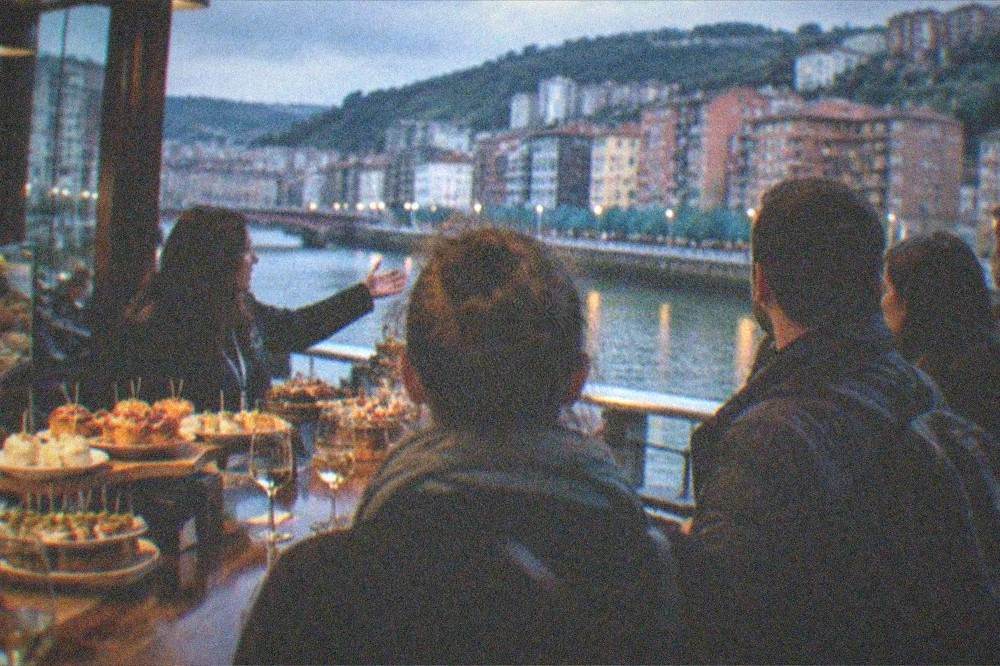
The overall verdict on this site's home turf: Bilbao is priced for a mid-range northern European city but delivers costs closer to southern Spain, and the gap is widest exactly where the city is strongest, at the bar counter. Plan around the Barik card, the Artean pass and the pintxos range above, and the rest of the budget takes care of itself. More on the full picture lives at Bilbao Travel Guide and in the things to do in Bilbao overview.
Common Questions About Bilbao Costs
How expensive is Bilbao?
Bilbao is a mid-priced Spanish city: cheaper than San Sebastián for food and drink, roughly level with Madrid for everyday costs, and pricier than Andalusia. Pintxos run roughly 2 to 5 euro each, the Guggenheim charges 18 euro, and metro rides cost from 1.02 euro with a Barik card.
Is Bilbao more expensive than San Sebastian?
Generally no: Bilbao's pintxos bars and everyday eating run cheaper than San Sebastián's, and the two cities' headline museums are priced similarly. Many travellers base in Bilbao partly for this reason, a comparison worked through in the Bilbao vs San Sebastián guide.
Does Bilbao charge a tourist tax?
Not in 2026. A Bizkaia regional tourist tax under Norma Foral 3/2026 takes effect on 1 January 2027, with Bilbao's approved rates running from 1 euro per night at pensions to 5 euro at five-star hotels and 6.50 euro for tourist apartments.
How much does a pintxos crawl cost in Bilbao?
A realistic crawl of four to six pintxos with drinks lands around 25 to 45 euro per person, with individual pintxos typically 2 to 5 euro and drinks around 2 to 3.50 euro. These are planning ranges, so check each bar's displayed prices.
Is the Guggenheim Bilbao worth 18 euro?
That is the official adult price, and the museum's own hours-and-admission page is the source. A joint Artean pass with the Bilbao Fine Arts Museum at 16 euro general is better value if both museums are on the list.
What is the cheapest way to get from Bilbao airport to the city centre?
The Bizkaibus A3247 runs every 15 minutes, takes 15 to 25 minutes and costs 5 euro without a Barik card. A taxi costs approximately 24 to 29 euro. There is no metro or train link to the airport.