Bike Rental In Bilbao
Bilbao, in the Basque Country of northern Spain, is one of Europe's most rideable mid-sized cities: a flat estuary corridor, riverside bike paths, and a transport network that lets you take a bike on the metro to the coast.
Short answer
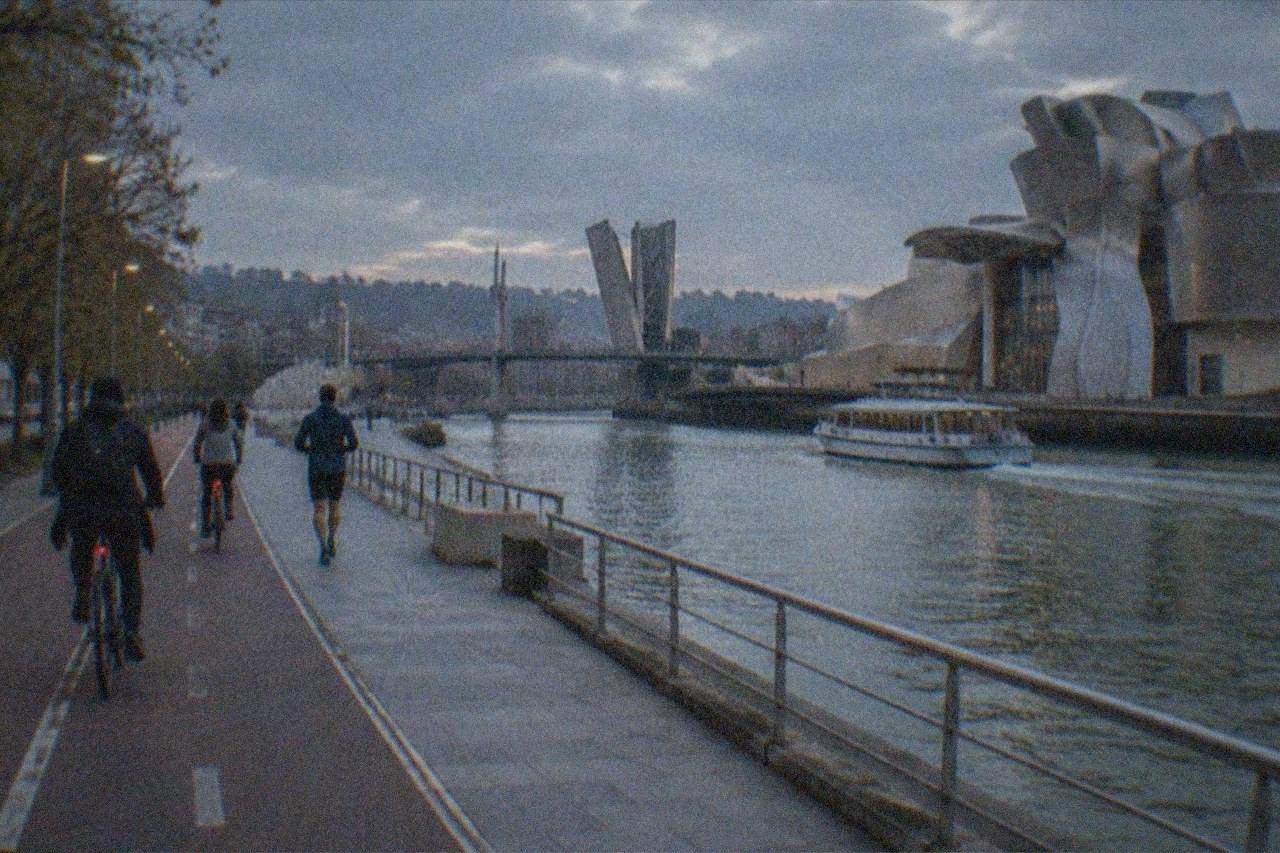
Bike rental in Bilbao works best along the flat Nervion estuary between the Casco Viejo, Abandoibarra, and the Guggenheim, with metro or train connections for coastal extensions to Getxo. A Barik card covers the rest of the city's transport, and guided e-bike tours are a strong alternative to a self-guided rental.
Bilbao, in Biscay (Bizkaia) province in the Basque Country of northern Spain, was rebuilt around its tidal Nervion estuary, and that geography is what makes bike rental in Bilbao such a practical idea. The city's main sights, from the Seven Streets of the Casco Viejo to the titanium curves of the Guggenheim, line a mostly flat riverside corridor that was reclaimed from shipyards and railway yards in the decades after the museum opened in 1997. A cyclist can cover in twenty relaxed minutes what a walker spends half a day on, and the estuary path keeps heavy traffic off the route for almost the entire way. This guide lays out where a rental bike genuinely earns its keep, what the alternatives cost, and where the limits are, because Bilbao is also a city of hills behind the riverfront, and its Atlantic climate does not behave like Spain's Mediterranean coast.
Is Bike Rental In Bilbao A Good Way To See The City?
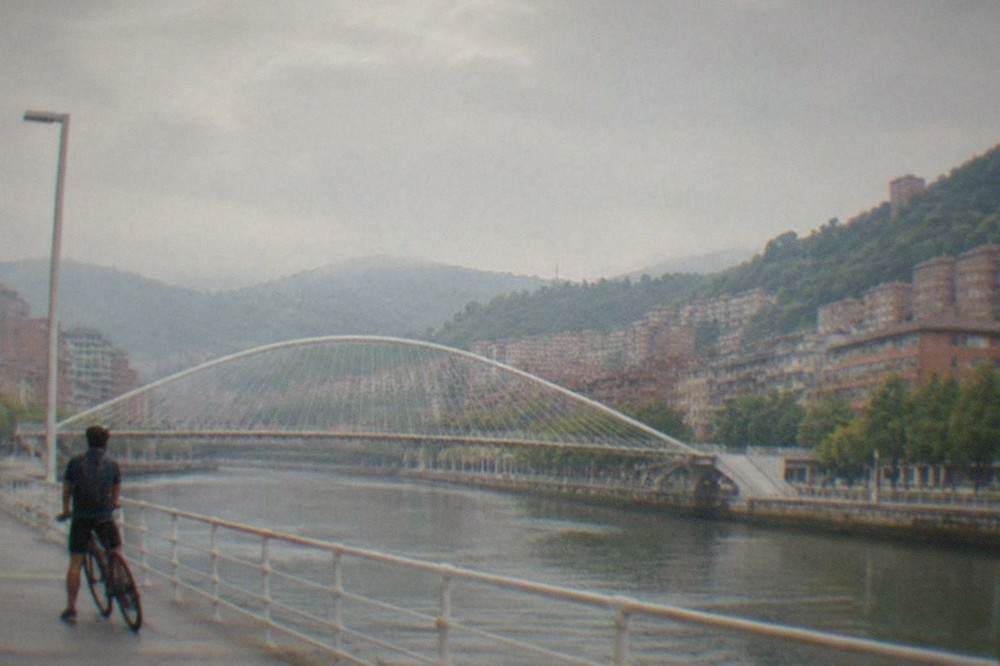
Yes, bike rental in Bilbao is one of the most efficient ways to see the city, because the core sightseeing corridor follows the flat Nervion estuary rather than the hills around it. The distance between the Casco Viejo and the Guggenheim takes most walkers the better part of an hour on foot, while the riverside path connects the two in a short, almost entirely level ride past the Ribera Market, the Zubizuri bridge, and the Abandoibarra district.
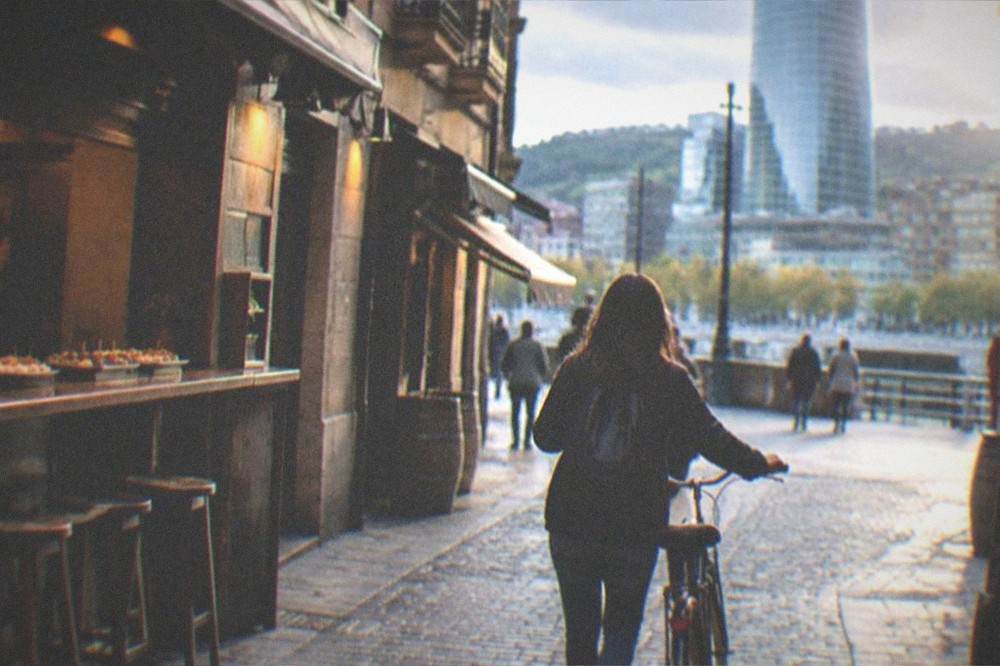
The estuary is the reason this works. Bilbao sits on a tidal river about 15 km from the open Bay of Biscay, and the post-industrial regeneration of both banks produced a continuous, traffic-separated promenade that is the spine of any cycling day. The Abandoibarra district between the Euskalduna Palace and the Guggenheim was deliberately laid out as a walkable, rideable quarter, and it links to the Doña Casilda park and the Fine Arts Museum without a single serious climb. Riders who want the classic postcard view of the Guggenheim reflected in the water get it from the west bank path, where the building's curves open up as you approach.
The limits are equally real. Casco Viejo's Seven Streets are narrow, cobbled, and crowded at pintxos hour, so a bike is a liability inside them; lock it at the edge of the old town and walk in. The districts south and east of the centre, such as the slopes toward Santutxu and the road up to Artxanda, climb steeply enough that most casual riders will prefer the funicular, whose commonly reported one-way fare is EUR3.50 with a EUR6.00 round trip, single-source figures that should be checked on the operator's own fares page before you ride up. Plan around the river and the bike is the best tool in the city; fight the topography and it becomes hard work.
Where Can You Rent A Bike In Bilbao, And What Should You Check Before You Ride?
Bike rental in Bilbao is concentrated around the Ensanche and Abandoibarra districts, close to where the estuary path begins, and the practical checklist before you roll out is short: confirm the helmet and lock are included, ask whether the bike is a standard city bike or an e-bike, check the return-time policy, and verify that the shop will let you take the bike on public transport if you plan to ride the coast. No individual rental shop's address, hours, or price is independently verified here, so treat any specific operator detail as something to confirm directly before booking.
What can be stated with confidence is the shape of the market. This is a compact city whose cycling demand is driven by the riverside corridor and by visitors combining a city ride with a metro or train hop to the coast at Getxo, so rental shops cluster where those trips start: the area around the Abando transport interchange, the Gran Vía, and the streets behind the Guggenheim. E-bikes have become the default offering in most such shops precisely because of the hills that flank the river, and for the Artxanda hillside or the longer coastal extensions they are worth the premium over a standard city bike.
Three practical notes matter more than any shop's name. First, the Atlantic climate: AEMET's Bilbao Aeropuerto/Loiu station (1082) normals show rain on a scale most Spanish visitors do not expect, 1,134 mm a year, so ask whether the rental includes a rain layer or plan to bring your own. Second, the tidal estuary means wind funnelling along the river; riding outbound with the wind at your back and returning against it is a common mistake, so check conditions and plan the return leg first. Third, if you intend to combine cycling with the metro or the Bilbao tram, confirm the operator's rules on carrying bikes, because carriage policies are set by the transport operators. The wider transport picture is covered in the getting around Bilbao transport guide, and accessibility notes for the same network are in the Bilbao accessibility guide.
How Much Does Cycling Cost Compared With Bilbao's Public Transport?
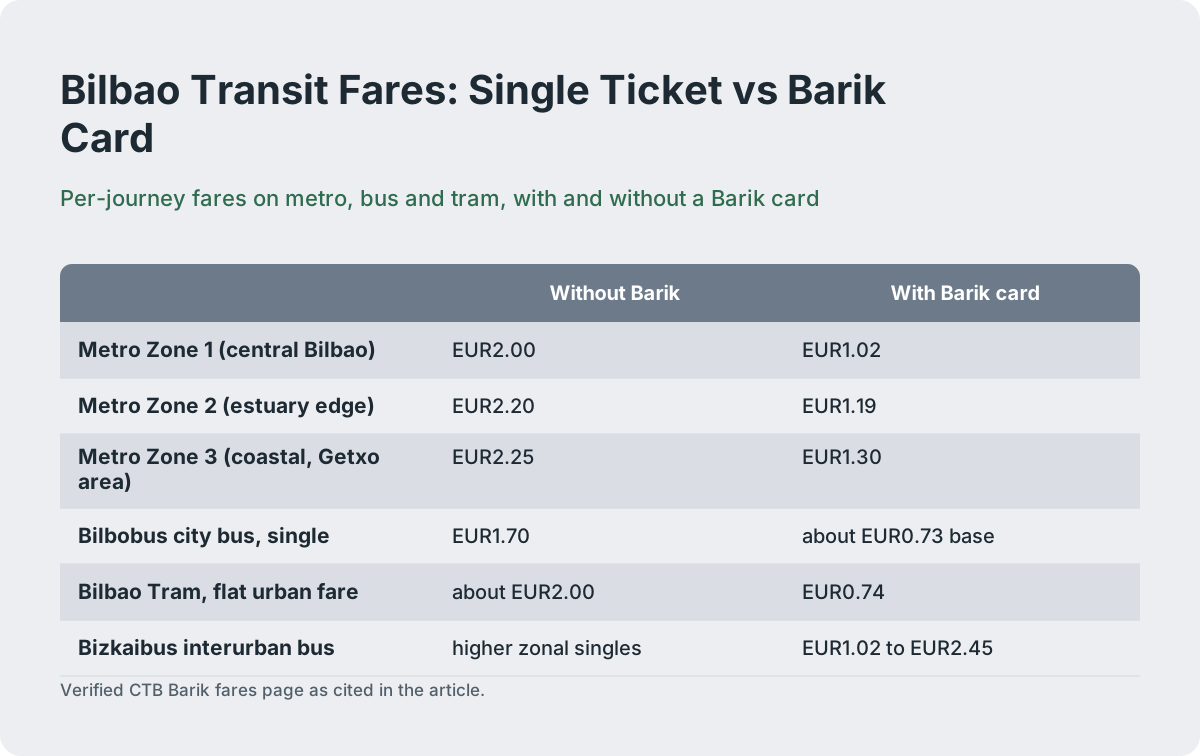
Cycling is the cheapest way to move through central Bilbao once you have the bike, because every public transport journey in the city carries a fare, and the verified CTB Barik fares page gives Metro Zone 1 at EUR1.02 with a Barik card versus EUR2.00 for a single ticket without one. A day of four metro or tram trips costs a rider on a rental bike nothing beyond the rental itself, while a transit user pays several euros for the same coverage.
The full verified fare picture from the CTB's own tariff pages looks like this, and it is the honest baseline any rental decision should be measured against:
| Journey or mode | Without Barik | With Barik Creditrans |
|---|---|---|
| Metro Zone 1 (central Bilbao) | EUR2.00 | EUR1.02 |
| Metro Zone 2 (estuary edge) | EUR2.20 | EUR1.19 |
| Metro Zone 3 (coastal, Getxo area) | EUR2.25 | EUR1.30 |
| Bilbobus city bus, single | EUR1.70 | about EUR0.73 base |
| Bilbao Tram, flat urban fare | about EUR2.00 | EUR0.74 |
| Bizkaibus interurban bus | higher zonal singles | EUR1.02 to EUR2.45 |
Two caveats keep this table honest. The Barik card itself is commonly reported to cost about EUR3 to buy, non-refundable, but that figure comes from a weaker secondary source rather than an official CTB page, so treat it as reported and confirm at the point of sale. And the metro's Zone 3 fare is the one that matters most to cyclists, because the coastal extension to Getxo, where the UNESCO-listed Vizcaya Bridge stands, is a popular ride, and the metro line parallels the estuary mouth for most of it.
The Bilbao Bizkaia Card is the other piece of the arithmetic. The card's own site states the tiers plainly:
| Card duration | Price | What it covers |
|---|---|---|
| 24 hours | EUR10 | Unlimited transport in Bizkaia |
| 48 hours | EUR15 | Same coverage, two days |
| 72 hours | EUR20 | Same coverage, three days |
The Bilbao Bizkaia Card site also lists free Bilbao Turismo guided tours and museum fast-track access among the benefits, which makes it a competitor to a rental for visitors whose main goal is the Guggenheim and the old town rather than the estuary path. The full comparison, including where the card wins and where it does not, is in the Bilbao Bizkaia Card guide, and the budget context for the whole city is in the is Bilbao expensive guide.
What Is The Best Time Of Year To Cycle In Bilbao?
July and August are the best months to cycle in Bilbao, because AEMET's 1981-2010 normals for station 1082 show them as the warmest and driest pair in the year, with mean temperatures of 20.4 C and 20.9 C and monthly rainfall of 50 mm and 76 mm respectively. November is the worst cycling month on the same data, carrying the year's heaviest rainfall at 147 mm, followed by the wet winter months of December and January.
Bilbao's climate is temperate oceanic, Atlantic-influenced, and it behaves differently from the Mediterranean image many visitors bring to Spain. The verified monthly picture from AEMET's Bilbao Aeropuerto/Loiu normals:
| Month | Mean temperature (C) | Mean rainfall (mm) |
|---|---|---|
| January | 9.3 | 120 |
| February | 9.7 | 86 |
| March | 11.5 | 90 |
| April | 12.6 | 107 |
| May | 15.7 | 78 |
| June | 18.4 | 60 |
| July | 20.4 | 50 |
| August | 20.9 | 76 |
| September | 19.2 | 73 |
| October | 16.4 | 111 |
| November | 12.4 | 147 |
| December | 9.9 | 122 |
The annual mean of 14.7 C tells the real story: this is a mild city where cycling is comfortable most of the year, but where rain is a constant possibility rather than a seasonal exception. The shoulder months reward riders who pack properly. May at 15.7 C with 78 mm and September at 19.2 C with 73 mm are arguably better cycling months than high August, because the estuary paths are less crowded and the light along the river is at its best. June's 60 mm makes it one of the three driest months in the table. Other pages covering the same trip are gathered on Bilbao Travel Guide.
Winter riding is possible but demands realistic expectations. January's 9.3 C mean is not cold by northern European standards, but 120 mm of rain means wet paths, reduced grip on the cobbled edges of the old town, and short daylight hours. If a winter visit is already in the plan, the alternatives in the Bilbao weather guide and the indoor options in the Bilbao museums guide are the right pairing, with the bike saved for dry windows. The packing implications, layers and rain gear above all, are covered in the Bilbao packing guide.
Which Guided Bike Tours In Bilbao Replace A Rental Day?
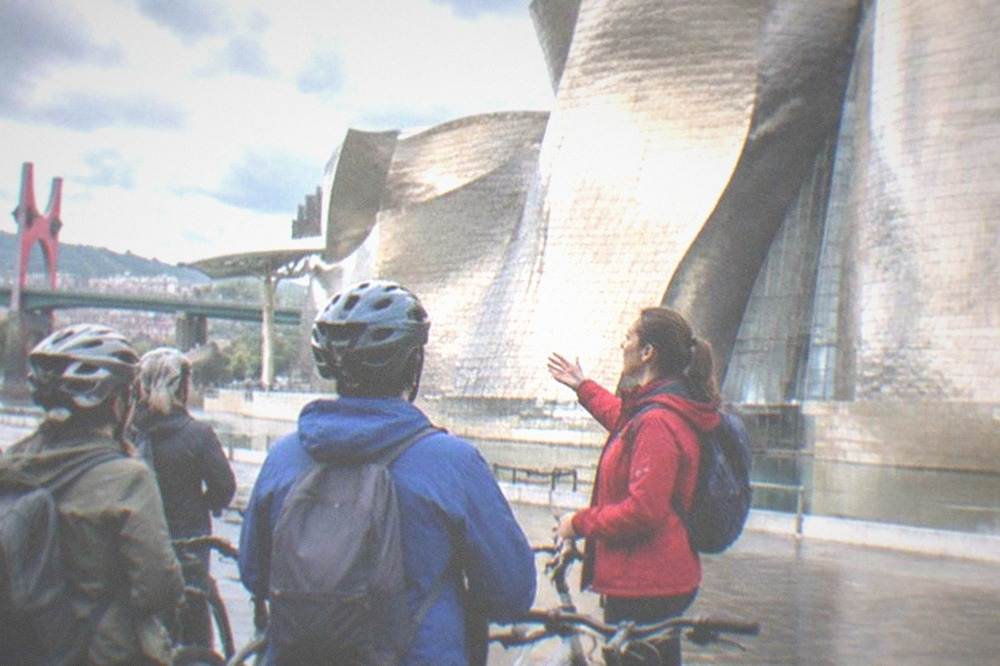
Guided bike tours in Bilbao replace a rental day whenever you want the estuary's story told rather than just its path ridden, and the roster's verified options include a three-hour e-bike highlights tour, a two-hour classic bike tour, and a second three-hour e-bike option with a private variant, each led by a local guide who handles routing, traffic, and timing. For visitors with one day in the city, a guided ride is usually the better use of it than an unaccompanied rental.
The logic is arithmetic as much as narration. A self-guided rental gives you the path but leaves you to find the Guggenheim's best angle, the story behind the Zubizuri's glass deck, or which of the Seven Streets actually leads somewhere; a guided ride compresses that research into a single morning. The e-bike format also solves the hill problem described earlier, which matters if Artxanda's viewpoints are on the list. These are the verified guided options on this site's roster:
The small-group e-bike format is the most popular starting point, and it suits riders who have not been on a bike in years, because the motor flattens the Artxanda approach and the guide sets a pace the whole group can hold. For visitors who want the same route with more exclusivity, there is a second e-bike option that can be booked as a private tour:
Riders who prefer leg power to a motor are also catered for, with a classic-bike highlights tour that covers the same core corridor on a standard bicycle. It is the right pick for confident cyclists who want the exercise as much as the orientation:
Each of these is a bookable product whose price, rating, and duration render from the live listing rather than from this page, so check the operator's live listing for current figures. The classic-bike option suits confident riders who want the exercise; the e-bike variants suit everyone else, including visitors who have not ridden in years. Whichever you choose, the decision point is the same one the how many days in Bilbao guide frames for the whole city: if Bilbao is a one-day stop, guided beats self-directed almost every time, and if you have three days, a rental half-day plus a guided ride is a comfortable combination.
What Are The Best Cycling Routes From Central Bilbao?
The best cycling route from central Bilbao is the full estuary corridor from the Casco Viejo's edge through Abandoibarra to the Guggenheim and Euskalduna Palace, roughly the length of the regenerated riverfront, and the best extension is the metro-assisted hop to Getxo on the coast, where the promenade links the beaches to the UNESCO-listed Vizcaya Bridge. Both rides stay on traffic-separated paths for nearly their entire length.
The city route needs no planning beyond a starting point. Begin at the Ribera Market end of the old town, where the riverside promenade starts, and follow the water's left bank past the Zubizuri bridge toward the Abandoibarra district. The path runs through the parkland between the Euskalduna Palace and the Fine Arts Museum, past Doña Casilda park, and delivers you at the Guggenheim's west face, the classic photo angle. Cross to the right bank for the return and the route becomes a loop with the Salve bridge as the northern hinge. Every landmark on this spine has its own page on this site, including the Casco Viejo old town guide, the Abandoibarra district guide, and the Guggenheim Museum guide.
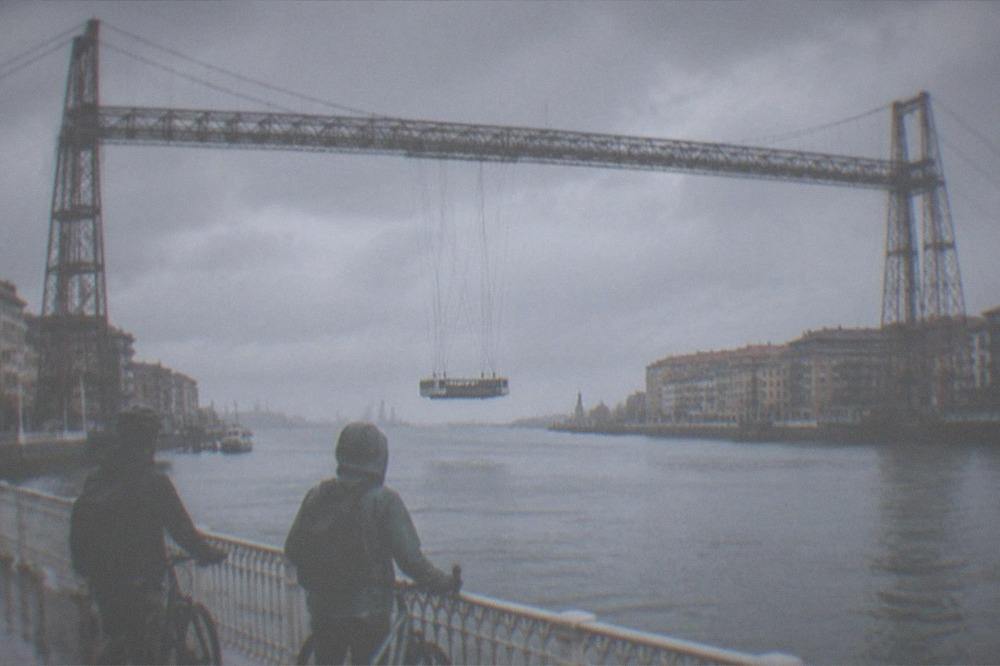
The coastal extension is where a Bilbao bike day becomes a Basque Coast day. The practical pattern is to ride the city spine first, then take the bike on the metro toward Getxo, whose beaches and cliffside promenade sit at the estuary's mouth. The Vizcaya Bridge, the world's first transporter bridge and Spain's first industrial World Heritage Site, inscribed by UNESCO in 2006, spans the water between Getxo and Portugalete; its gondola carries pedestrians across for a verified EUR0.60 one-way daytime fare, and the upper walkway ticket is reported at EUR11 adult round trip, a single-source figure to confirm on the operator's own page. The full bridge story is in the Vizcaya Bridge guide, and the coastal district itself is covered in the Getxo guide.
A third option, for riders who want elevation without pedalling up it, is to bring the bike to the Artxanda hillside via the funicular and ride the ridge paths above the city, though the funicular's bike-carriage rules should be confirmed with the operator before setting out. The viewpoint payoff over the whole estuary is the best in the city.
Do You Need A Bike In Bilbao, Or Is Public Transport Enough?
Visitors do not need a bike in Bilbao for the standard sightseeing day, because the metro, tram, and Bilbobus cover the same core corridor quickly and cheaply, and the city centre between Moyua and the Casco Viejo is walkable end to end. A bike earns its keep on the estuary loop, the coastal extension to Getxo, and any itinerary that wants the riverfront covered twice in one day.
The honest comparison is between the rental's flat daily cost and the verified transit fares in the table above. A visitor doing the Guggenheim, the old town, and the Ribera Market on foot and metro will spend very little on transport with a Barik card, and the Bilbao Bizkaia Card's unlimited travel plus museum fast-track benefits, stated on the card's own site, will often beat a rental on pure value for a two-day museum-heavy itinerary. The things to do in Bilbao overview shows how much of the city's core sits inside that walkable triangle.
The bike wins in three specific scenarios. First, the estuary loop as a morning's exercise-and-sightseeing combination, which walking cannot cover at the same pace. Second, the Getxo coastal day, where a bike plus a metro hop turns a transit commute into a ride along the beach promenade. Third, family travel: the traffic-separated paths make Bilbao one of the safer Spanish cities for children on bikes, and the flat corridor removes the hill problem that would otherwise make it a struggle. Families weighing the whole question should read the Bilbao with kids itinerary alongside this page.
There is also a middle path that many visitors overlook: take the guided bike tour for the orientation and the stories, then spend the rest of the stay on foot and transit with a Barik card. That combination gives you the estuary's narrative once and the city's museums and pintxos bars at your own pace afterwards, which is how the Bilbao first timers guide frames a first visit generally.
Can You Combine A Bilbao Bike Day With A Day Trip Beyond The City?
A Bilbao bike day pairs naturally with the region's day trips, because the same coastal and inland destinations that reward a bike, Gaztelugatxe's cliff paths, Mundaka's estuary, and the Rioja vineyards beyond, are covered by organized tours from the city, and the roster's verified options include a ten-hour San Sebastián and Getaria excursion, a ten-hour Gaztelugatxe, Bermeo, Mundaka, Gernika and wine tour, and a six-hour Gaztelugatxe, Mundaka and Guernica tour.
The pairing logic is simple: Bilbao's bikeable core is a half-day experience, and the Basque Country's headline destinations are a full-day one. Riders who spend their morning on the estuary loop can hand the afternoon's logistics to a tour, and riders who want the coast under their own wheels can take the metro to Getxo and leave the longer distances to the coach. The Gaztelugatxe hermitage, the islet reached by a stone causeway and a long stepped path, needs a free timed reservation only on official controlled-access days, roughly mid-June to about 20 September plus Easter and holiday weekends, with a daily cap of 1,462 visitors on those days and booking always free through the tiketa.eus platform; the full access rules are in the Gaztelugatxe guide. These are the verified day-trip options on this site's roster:
The San Sebastián pairing deserves special mention for cyclists, because San Sebastián is itself one of the Basque Country's great cycling cities, with its own beachfront promenade and the Monte Igueldo climb, and the Bilbao vs San Sebastián guide walks through which city suits which traveller. The wider regional picture, including whether Bilbao is the right base at all, is in the best base in the Basque Country guide.
What Should You Know About Cycling Etiquette And Safety In Bilbao?
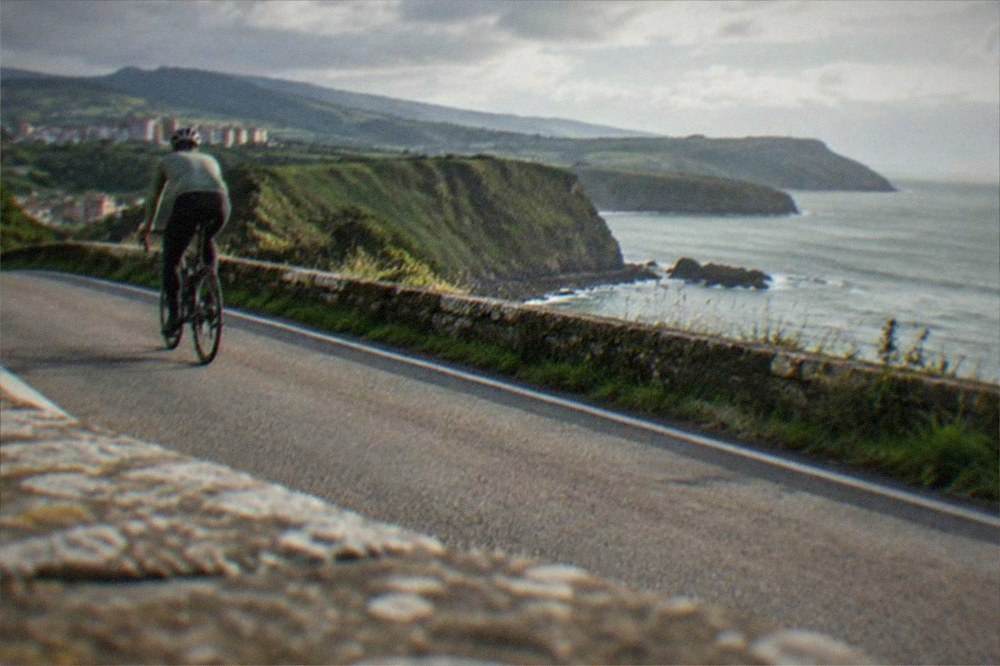
Cycling safety in Bilbao is a matter of path discipline more than traffic risk, because the estuary promenade is shared with pedestrians, and the verified safety picture for the city as a whole is reassuring: Bilbao's 2025 municipal crime balance, as reported by local media, showed a slight decline in street crime, with thefts dominating the statistics and violent crime rare. On the paths, the working rules are simple: keep right, ring or call before passing pedestrians, and dismount in the Casco Viejo's cobbled lanes.
The shared-path point deserves emphasis because the riverside promenade is Bilbao's single most popular walking route, and in summer, especially during Aste Nagusia, the estuary path fills with festival crowds. Aste Nagusia 2026 ran from 22 to 30 August, with the txupin opening at 19:00 on 22 August in Plaza Arriaga, and those nine days are the one period when a bike is genuinely the wrong tool in the city centre; the Aste Nagusia festival guide covers the programme. Outside festival weeks, the paths are calm and the riding is relaxed.
Beyond the paths, standard urban cycling rules apply and Spain's national rules govern: lights after dark, a helmet requirement that is enforced for interurban riding and generally expected in the city, and no riding on sidewalks designated for pedestrians. The city's own accessibility programme, described in the Bilbao accessibility guide, has invested in lifts, ramps, and tactile paving across the hillier districts, which benefits cyclists too by making the steep quarters navigable on foot when the bike is parked. For the broader personal-safety picture, including the scam patterns reported around tourist zones, the Bilbao safety guide is the dedicated resource.
One last practical note: the same Atlantic rain that makes May green makes painted surfaces and cobbles slick, so the safest riding speed in this city is a moderate one, and the driest months from the AEMET table, July and August, are when the paths are at their most predictable.
Common Questions About Bike Rental In Bilbao
Is bike rental in Bilbao worth it for a short visit?
For a one-day visit focused on the Guggenheim and the old town, a guided bike or e-bike tour is usually the better choice, because it covers the estuary corridor with a local guide and no navigation. For stays of two days or more, a half-day rental for the estuary loop and the Getxo coastal extension is excellent value, since the flat riverside path is the city's best cycling asset.
Can you take a rental bike on the Bilbao metro?
Confirm carriage rules for bikes on Metro Bilbao with the rental shop and the transport operator before planning a metro-assisted ride to Getxo. The metro's Zone 3 fare covers the coastal stretch, at EUR2.25 for a single ticket without a Barik card or EUR1.30 with one, per the CTB's own fares page.
Is Bilbao flat enough for casual cyclists?
The sightseeing corridor along the Nervion estuary is almost entirely flat, which is why bike rental works so well here. The districts behind the riverfront climb steeply, and the Artxanda hillside is best reached by the funicular, whose commonly reported fares are EUR3.50 one way and EUR6.00 round trip. E-bikes, widely offered by the city's rental and tour operators, remove the hill problem entirely.
What is the best month for cycling in Bilbao?
July and August are the warmest and driest months, with AEMET's Bilbao Aeropuerto/Loiu normals showing mean temperatures of 20.4 C and 20.9 C and rainfall of 50 mm and 76 mm respectively. May, June, and September are also strong cycling months with fewer crowds. November is the wettest month at 147 mm and the least reliable for a bike day.
Do you need a helmet to cycle in Bilbao?
Spanish rules require a helmet for interurban cycling and it is generally expected in the city, and any reputable rental shop should include one with the bike. Ask the shop to confirm the helmet and lock are included when you collect the bike.
Is there a bike-share scheme in Bilbao?
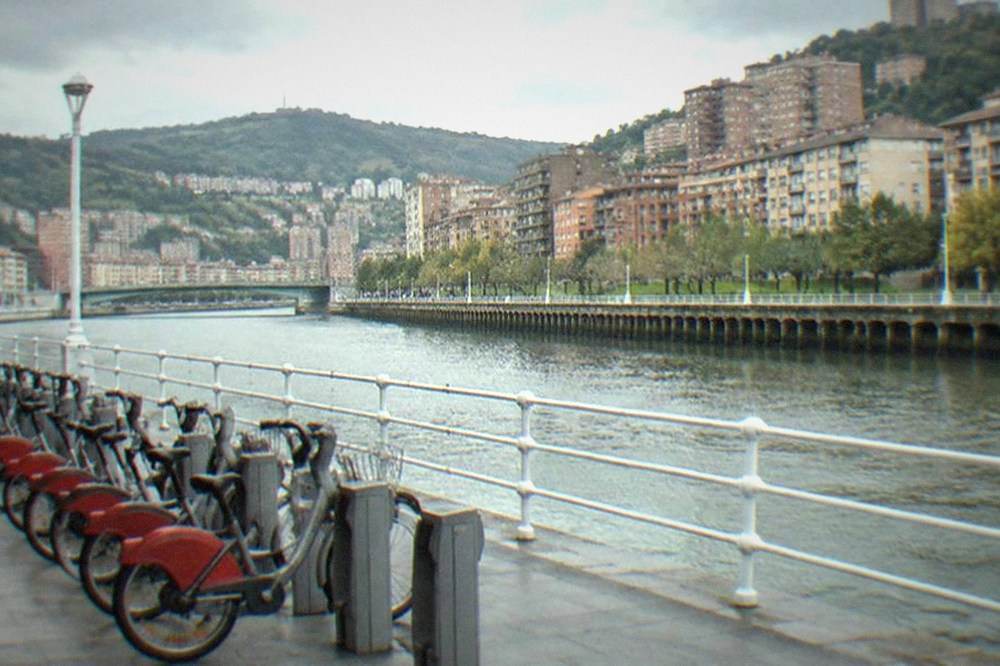
No bike-share scheme was verified for Bilbao in the research behind this page, so treat none as existing until confirmed on the ground. The practical alternatives are the rental shops around the Ensanche and Abandoibarra districts, the guided bike tours on this site's roster, and the city's metro, tram, and bus network, whose verified Barik fares start at EUR1.02 for a central metro journey.
Bilbao rewards riders who respect its two real constraints, the hills behind the river and the Atlantic rain, and it rewards them generously: a flat, traffic-separated estuary spine, a coastal extension to a UNESCO-listed bridge, and a climate mild enough to ride in almost any month with the right jacket. Rent the bike for the river, take the funicular for the hill, and let the metro handle the rest.