What To Pack For Bilbao
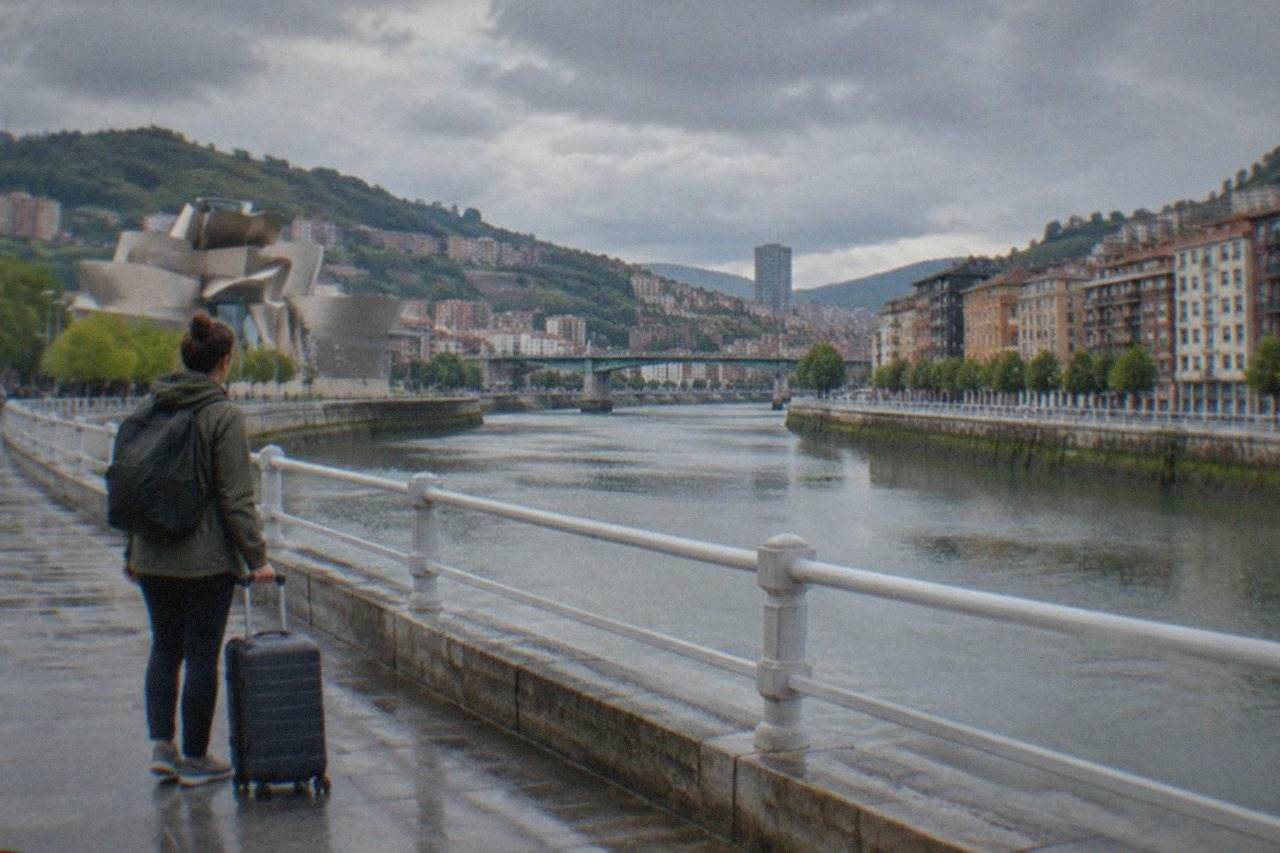
Bilbao's temperate oceanic climate means mild temperatures and rain in every month of the year, so the packing problem is less about extremes and more about layering, waterproofing and comfortable shoes for a hilly, estuary-side city.
Short answer
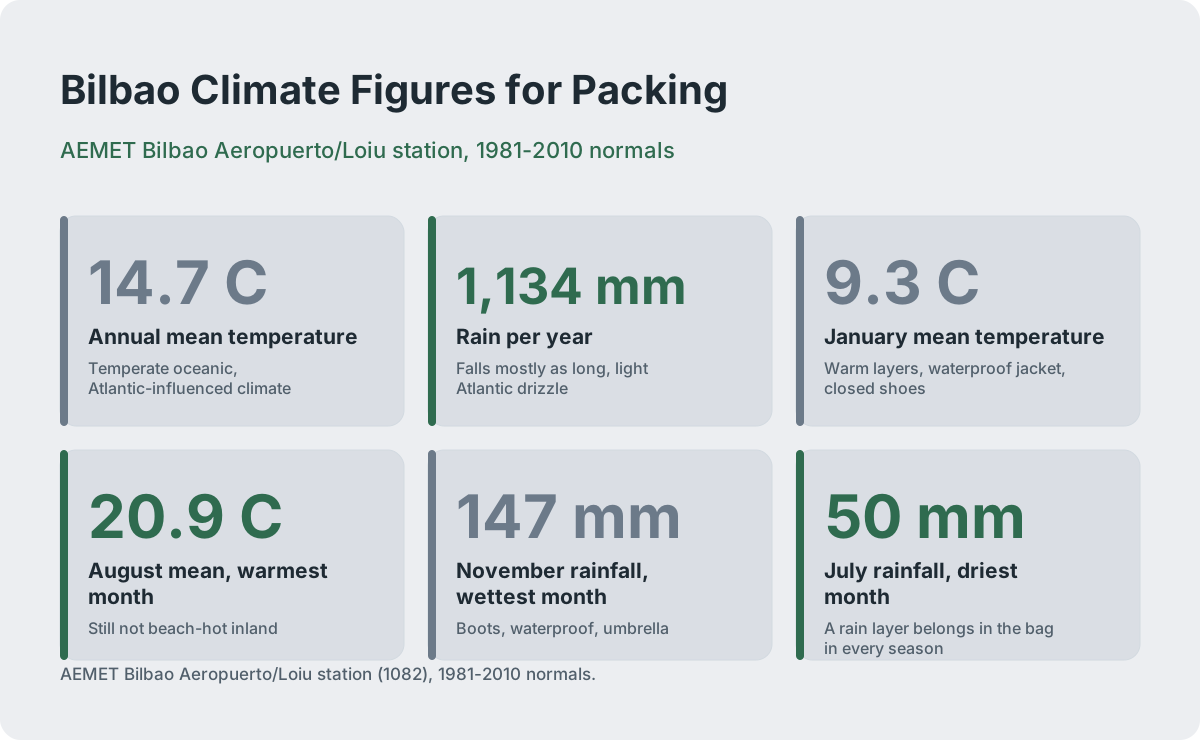
Pack layers, a real rain jacket, and broken-in walking shoes. AEMET's 1981-2010 normals for Bilbao Aeropuerto/Loiu (station 1082) show monthly means from 9.3 C in January to 20.9 C in August, with rain every single month (50 mm in July, 147 mm in November) and 1,134 mm a year. Smart-casual clothes cover pintxos bars; a daypack covers Gaztelugatxe and coastal day trips.
Bilbao, in Biscay (Bizkaia) province in the Basque Country of northern Spain, is a city that punishes two kinds of suitcase: the one packed for Mediterranean heat, and the one packed for a single climate at all. Sitting on the tidal Nervion/Ibaizabal estuary about 15 km from the Bay of Biscay, the city has a temperate oceanic, Atlantic-influenced climate, which means mild temperatures, green surroundings, and rain in every month of the year. This guide lays out exactly what goes in the bag, month by month and activity by activity, using AEMET's official climate normals rather than guesswork. The short version, and the one that shapes everything below, is on our Bilbao Travel Guide planning pages: layers, waterproofing, and shoes you can walk in all day.
What Should You Pack For Bilbao?
The core Bilbao packing list is a layering system, a genuine rain jacket, and supportive walking shoes, plus smart-casual clothes for evenings. Nothing you pack needs to be technical or expensive, but everything needs to handle a city where the monthly mean temperature ranges from 9.3 C in January to 20.9 C in August and where it rains every single month of the year. A daypack, a light umbrella, and one slightly dressier outfit for pintxos bars round out the list.
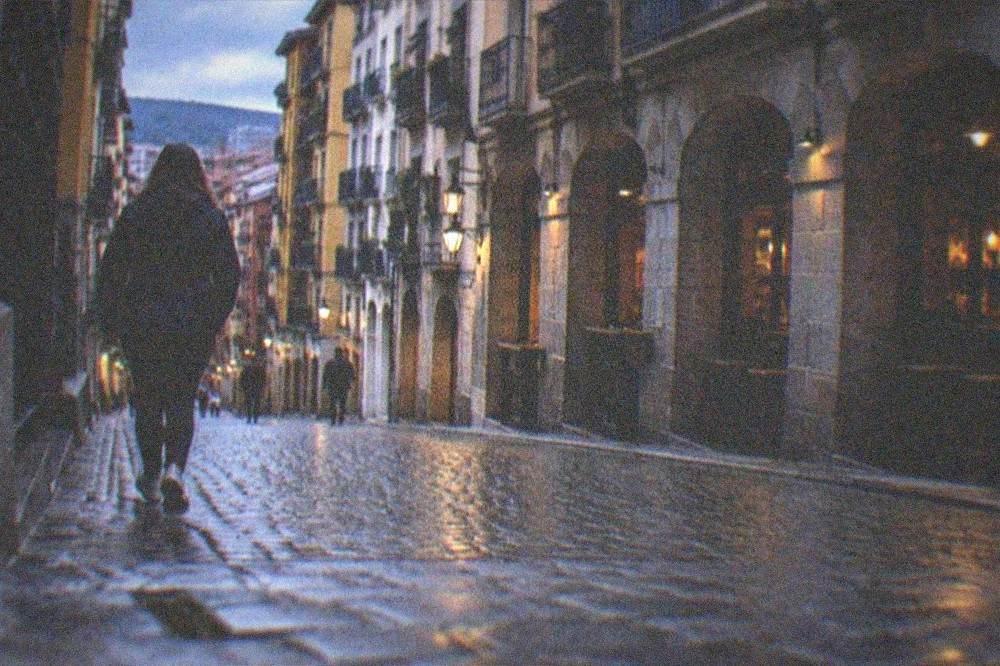
Bilbao is a walking city with real hills. The Casco Viejo climbs away from the river in stacked lanes, the walk from Abando up to the Guggenheim along the river is long and exposed, and the Artxanda funicular exists precisely because the hill it climbs is not one you want to walk twice. Shoes matter more here than in flatter Spanish cities, and the cobbles in the Seven Streets are slick when wet.
The other driver is the estuary. Bilbao is tidal, coastal-adjacent, and humid, so the air feels cooler than the thermometer suggests in the evening even in August, and a warm afternoon can turn into a chilly riverside dinner within a couple of hours. Locals dress for that swing. Visitors who do not end up buying a sweatshirt they did not plan to buy.
What Weather Should You Pack For In Bilbao?
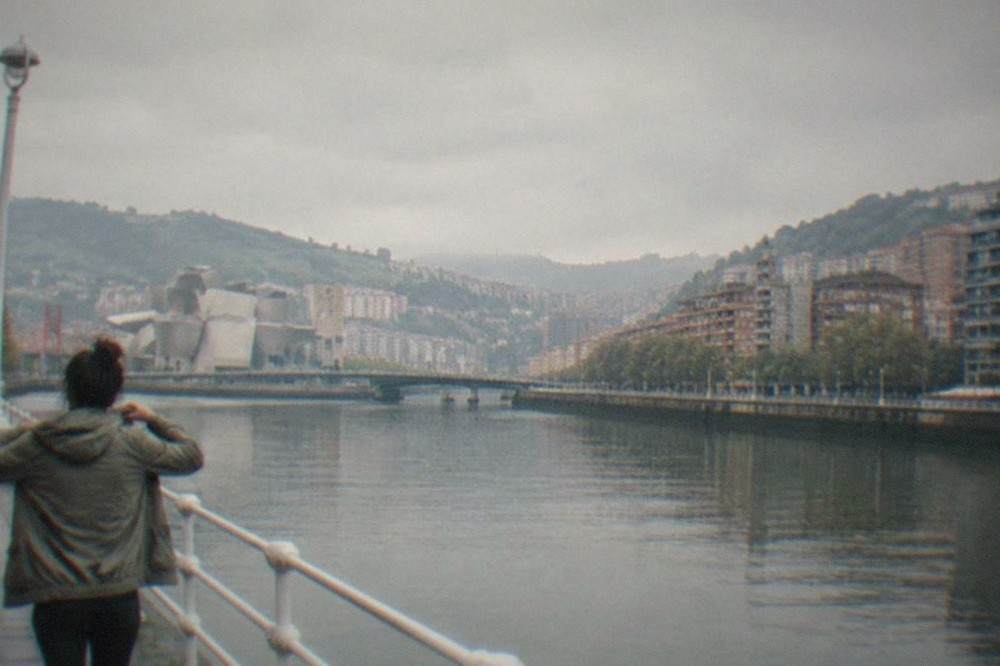
You should pack for a temperate oceanic climate: mild winters, warm but rarely hot summers, and measurable rain in every month. AEMET's Bilbao Aeropuerto/Loiu station (1082), 1981-2010 normals, show an annual mean of 14.7 C and 1,134 mm of rain a year, with the warmest and driest months being July (20.4 C, 50 mm) and August (20.9 C, 76 mm) and the wettest being November (147 mm). Never pack for Mediterranean or continental conditions, because Bilbao has neither.
Those normals are the single most useful packing document that exists for this city, and they are worth reading as a table rather than as adjectives. The figures below are AEMET's own 1981-2010 monthly means for the airport station, which is the series the official station page still publishes.
| Month | Mean temp (C) | Mean rainfall (mm) | What it means for the suitcase |
|---|---|---|---|
| January | 9.3 | 120 | Warm layers, waterproof jacket, closed shoes |
| February | 9.7 | 86 | Same as January, marginally drier |
| March | 11.5 | 90 | Light layers plus rain shell |
| April | 12.6 | 107 | Full spring layering, umbrella |
| May | 15.7 | 78 | Light jacket for mornings and evenings |
| June | 18.4 | 60 | T-shirts plus one warm layer |
| July | 20.4 | 50 | Summer clothes, but a light layer for evenings |
| August | 20.9 | 76 | Warmest month, still not beach-hot inland |
| September | 19.2 | 73 | Summer clothes plus a jacket |
| October | 16.4 | 111 | Autumn layers, real rainwear |
| November | 12.4 | 147 | Wettest month: boots, waterproof, umbrella |
| December | 9.9 | 122 | Winter layers, waterproof everything |
Two details surprise first-time visitors. First, even the driest month, July, averages 50 mm of rain, so a rain layer belongs in the bag in every season. Second, the wettest stretch is not winter but late autumn, with October (111 mm) and November (147 mm) both out-soaking January. A November trip needs better rain gear than a February one. Our full Bilbao weather by month breakdown expands on each season.
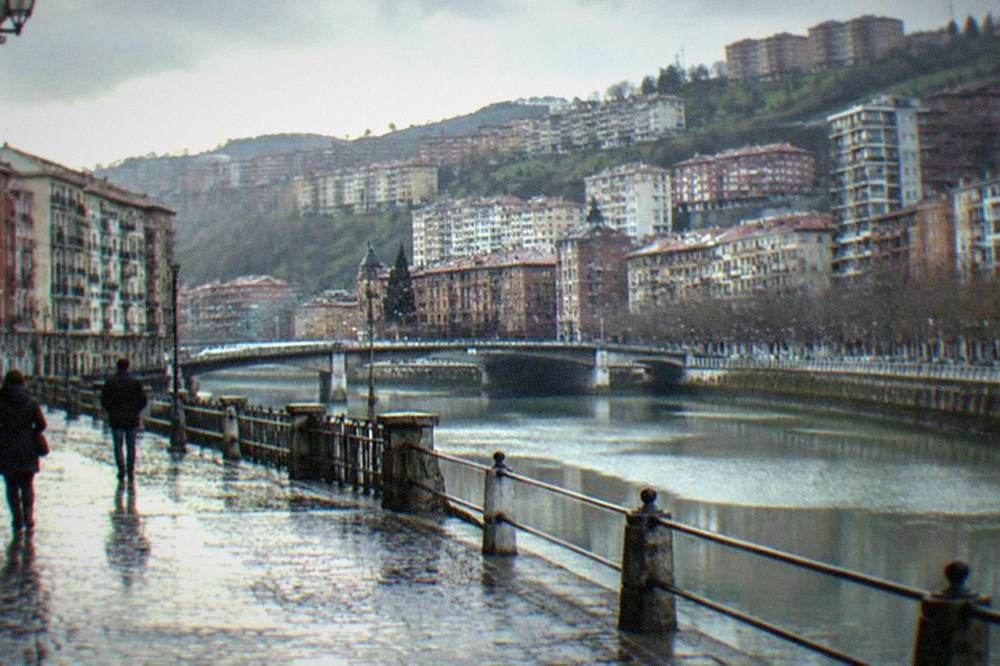
Because the climate drives the itinerary too, this is also the moment to think about how you will spend the drier windows. The city's most popular organized experiences sell out first precisely because everyone is working around the same forecast.
What Shoes And Clothing Work Best For Walking In Bilbao?
Pack one pair of broken-in, water-resistant walking shoes with real grip, plus a second lighter option for evenings, and build your clothing around three thin layers rather than one thick one. The cobbles in the Casco Viejo are polished and slick when wet, the city's gradients are steep enough that the Artxanda funicular charges for the privilege of skipping them, and rain can arrive in any month, so slippery soles and canvas sneakers are the two most common packing mistakes.
The layering logic follows directly from the numbers above. A morning at 12 C, an afternoon at 18 C, and a riverside evening back down at 13 C is a normal spring day in Bilbao, and three layers (a base t-shirt, a mid-layer fleece or knit, and a rain shell) handle all three without a wardrobe change. A single heavy coat does not: you will either freeze at 9:00 or carry it by 14:00.
| Item | Why it earns its place | Season |
|---|---|---|
| Water-resistant walking shoes with grip | Wet cobbles and steep lanes in the Old Town | All year |
| Rain shell with a hood | Rain in every month; 50-147 mm monthly | All year |
| Mid-layer fleece or light knit | Evening temperature swings of 5-8 C | All year |
| Compact umbrella | Long stretches of light drizzle, not downpours | Oct-Apr especially |
| Scarf and light gloves | 9-10 C means with estuary wind | Nov-Feb |
| One smart-casual outfit | Pintxos bars and nicer restaurants | All year |
| Sunglasses | Bright breaks between showers, low Atlantic light | All year |
What Should You Wear To Pintxos Bars And Restaurants In Bilbao?
Pack one smart-casual outfit, which in Bilbao means dark jeans or chinos with a collared shirt or a simple dress, and skip formal wear entirely. Pintxos bars are standing, elbow-to-elbow places where the dress code is practical rather than dressy, and even the city's Michelin-starred restaurants expect neat-casual rather than jackets. The one thing worth packing is a layer for restaurants, because many bars are small and warm while the walk between them is not.
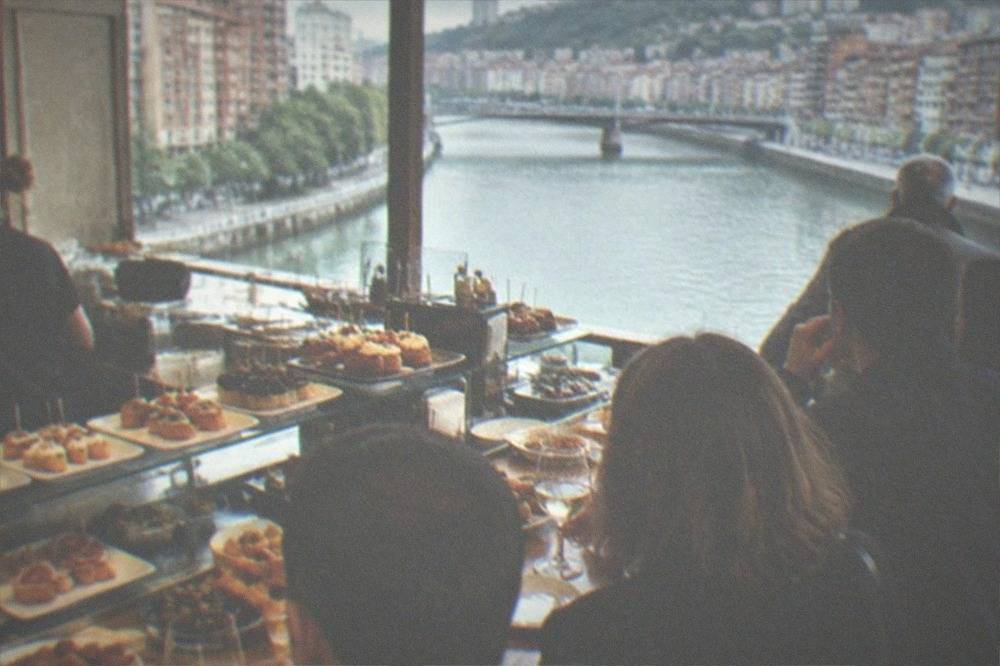
Bilbao's food culture is a bar-hopping culture. The txikiteo, the moving pintxos crawl through Plaza Nueva and the Seven Streets, involves standing at counters, holding a drink in one hand and a napkin in the other, and walking between bars in between. Tight skirts, brand-new leather soles, and heavy coats all work against that rhythm. The bars themselves range from century-old traditional spots like Café Bar Bilbao to creative championship winners, and none of them will look twice at a good pair of jeans.
What you eat matters more than what you wear, and that is the part worth planning. Our best pintxos bars guide covers the standing-room institutions, and the broader Bilbao food guide explains how a crawl actually works: one pintxo and one drink per bar, then move.
What Should You Pack For Day Trips From Bilbao?
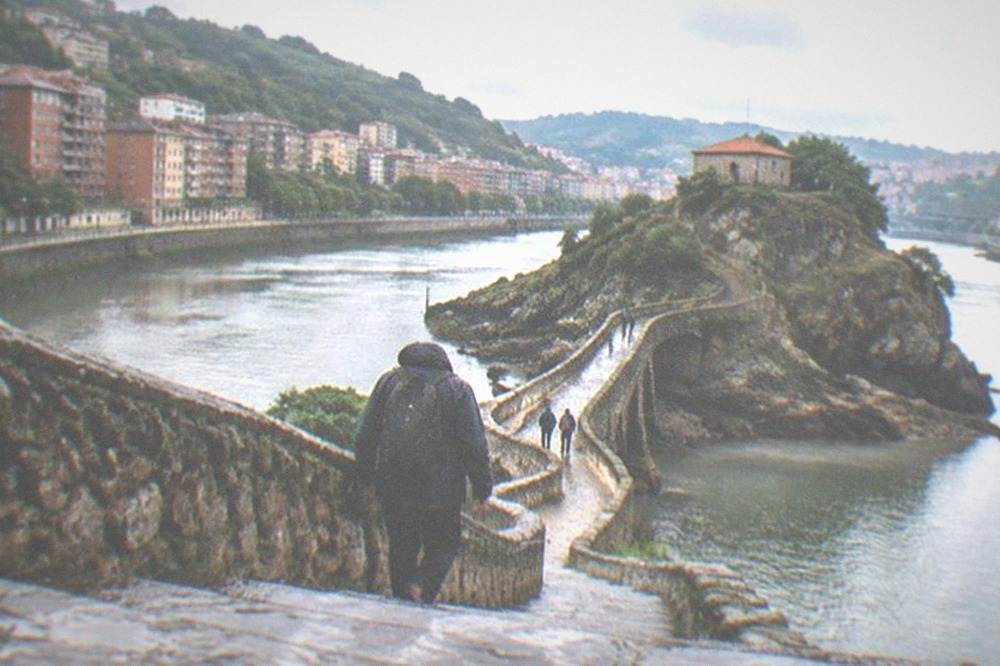
Pack a proper daypack with a rain jacket, a warm mid-layer, sunscreen, a full water bottle, and the same walking shoes you use in the city, because the coast is windier and cooler than Bilbao itself. Gaztelugatxe involves an exposed causeway and a long stone stairway up to the hermitage with no shelter, San Sebastián means a long beachfront promenade walk, and the Rioja valleys run hotter than the coast, so the day-trip bag has to cover more climate range than the city bag.
The single most packing-relevant day trip is San Juan de Gaztelugatxe, the hermitage on a rocky islet about 30-45 minutes' drive from the city. The walk out is open to Atlantic wind and weather on all sides, the stone steps are the whole point of the visit, and there is nothing to hide behind if a squall arrives. A free timed reservation is required only on official controlled-access days (roughly mid-June to about 20 September, plus Easter and holiday weekends per the yearly calendar), with a daily cap of 1,462 visitors on those days, booked free via tiketa.eus with up to 10 people per reservation; on all other days access is free without a booking.
| Day trip | Climate reality | What goes in the daypack |
|---|---|---|
| Gaztelugatxe and Bermeo coast | Exposed islet, Atlantic wind, stone steps | Rain shell, warm layer, grippy shoes, water |
| San Sebastián | Coastal, walkable promenade, possible surf wind | Comfortable shoes, light jacket, swimwear in summer |
| Rioja wine region (Haro, Laguardia) | Inland valleys, warmer and drier than the coast | Sun hat, sunscreen, one smart layer for wineries |
| Getxo and the Vizcaya Bridge | Estuary mouth, breezy seafront | Windproof layer, comfortable shoes |
| Gernika and Urdaibai | Green, humid biosphere lowlands | Rain shell, insect repellent in summer |
The coastal day trips deserve more discussion in our Gaztelugatxe guide and the San Sebastian day trip planner, both of which cover transport as well as terrain. And if you are choosing between the two cities as a base rather than visiting both, the comparison in Bilbao vs San Sebastian is honest about the weather penalty of the coast.
Do You Need An Umbrella Or A Rain Jacket In Bilbao?
You need both, and the reason is the shape of the rain rather than its quantity. Bilbao's 1,134 mm of annual precipitation falls mostly as long, light Atlantic drizzle and showers rather than short tropical downpours, which makes a hooded rain jacket more useful than an umbrella for walking, but an umbrella better for sitting outdoors at bars and waiting in queues. November is the wettest month at 147 mm and July the driest at 50 mm, but no month is dry enough to leave both at home.
The jacket-versus-umbrella tradeoff is really a wind tradeoff. The estuary funnels Atlantic breeze through the city, and an umbrella in a gusty Bilbao afternoon is often a losing fight, while a hood stays put. The umbrella earns its place at dinner, though: a large part of Bilbao's social life happens standing outside bars, and a compact umbrella lets you stay there through a light shower instead of retreating indoors.
| Rain item | Best use in Bilbao | Limitation |
|---|---|---|
| Hooded rain jacket | Walking, day trips, exposed viewpoints | Warm to carry indoors |
| Compact umbrella | Bar terraces, queues, city wandering | Struggles in estuary wind |
| Waterproof shoes | Wet cobbles, November-February trips | Less breathable in summer |
| Packable rain pants | Gaztelugatxe in shoulder season | Overkill for the city itself |
| Quick-dry fabrics | Everything, all year | Slightly more travel-weight |
For planning around the wet months rather than just dressing for them, the rainy day Bilbao itinerary is the companion piece: it lists the museums, market halls and covered arcades that make a wet Tuesday in Bilbao genuinely good.
What Should You Pack For Bilbao's Museums And Indoor Days?
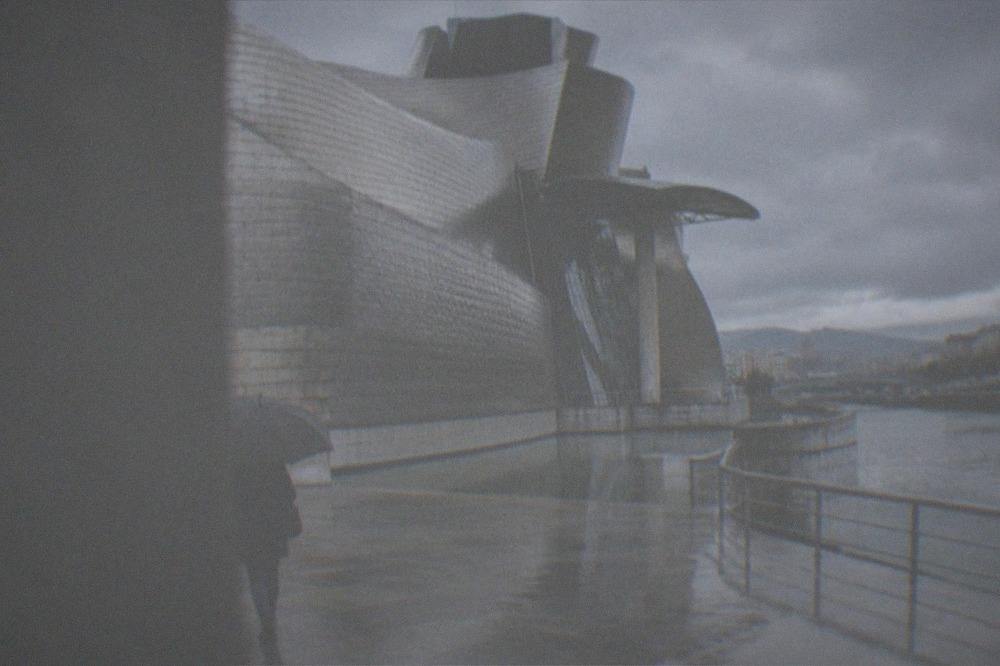
Pack a small foldable tote or daypack, a thin layer you can tie around your waist, and your tickets in a form that does not depend on mobile data, because Bilbao's museums are large, climate-controlled, and often involve coat checks or long indoor stretches. The Guggenheim Museum Bilbao alone is a two-to-three-hour building with an adult ticket of 18 EUR, open Tuesday to Sunday from 10:00 to 19:00, so a museum day is a half-day of your wardrobe's life.
The layering advice doubles indoors. Museums here are heated and, in the older buildings, occasionally over-heated, so the same fleece that saved you on the riverside walk becomes a burden in the galleries. A tote that fits the fleece, the umbrella and a water bottle turns a museum morning into a comfortable one.
A practical 2026 note for the museum segment: the Bilbao Fine Arts Museum is closed from 31 August to 5 October 2026 for final renovation works and, as reported, reopens on 6 October 2026 with a free entry week from 6 to 13 October. If your trip falls in that window, your indoor-day planning shifts to the Guggenheim, the Euskal Museoa (reopened 10 June 2026 after a major renovation), and the Azkuna Zentroa. The Bilbao museums guide keeps the full list current.
What Should You Pack For Aste Nagusia Or BBK Live?
Pack for long outdoor days and nights: comfortable waterproof shoes, a warm layer for after dark, a small cross-body bag that closes fully, earplugs for sleeping near the festivities, and as little loose valuables as possible. Aste Nagusia 2026 runs 22-30 August, nine days with the txupin opening at 19:00 on 22 August in Plaza Arriaga and evening fireworks over the festival, while BBK Live 2027 runs 8-10 July 2027 at Kobetamendi, an exposed hilltop site where the weather changes faster than the lineup.
Festival packing is where Bilbao's climate is least forgiving. Aste Nagusia sits in August, the warmest month (20.9 C mean), but the party runs late and the riverside and Old Town stages stay busy past midnight, when the estuary air cools sharply. BBK Live's Kobetamendi site is a hill above the city, open to the same Atlantic weather that waters everything else, and a festival site after rain is a mud site. The dates and detail are in our Aste Nagusia guide and BBK Live guide.
Crowds also mean the standard big-city precautions: zipped pockets, nothing on the table edge at a crowded bar, and a bag that closes. Our safety in Bilbao page puts the risk in honest proportion: Bilbao's 2025 street-crime figures showed thefts dominating, with violent robbery falling, and the city compares well with larger Spanish cities.
What Electronics, Cards And Documents Should You Bring To Bilbao?
Bring a European two-pin Type C/F plug, a contactless bank card, your passport, and either a Barik card bought on arrival or a plan to buy one, because Bilbao's metro, tram, buses and funicular all run on the same rechargeable card and cash is increasingly optional. Spain is a founding-era Schengen member, so travelers from within the Schengen area face no separate visa gate, and the euro is the only currency you need.
The Barik card is the one local object that changes how the trip feels. The CTB Barik fares page gives Metro Zone 1 rides at 1.02 EUR with the card versus 2.00 EUR for a single ticket without it, Bilbobus rides at roughly 0.73 EUR base versus 1.70 EUR, and the tram at 0.74 EUR flat with Barik versus around 2.00 EUR without. The card itself is commonly reported to cost 3 EUR to buy (a figure from secondary sources rather than the official CTB page) and is non-refundable. The tourist alternative, the Bilbao Bizkaia Card, runs 10 EUR for 24 hours, 15 EUR for 48 and 20 EUR for 72 with unlimited transport plus attraction discounts, and is covered in detail in the Bilbao Bizkaia Card guide.
| Item | Why | Notes |
|---|---|---|
| Type C/F plug adapter (two-pin, European) | Spanish sockets | One adapter charges via a multi-port USB hub |
| Contactless bank card | Widely accepted, including on transit | Notify your bank of travel |
| Barik card (bought on arrival) | Halves transit fares across all modes | 3 EUR purchase, commonly reported |
| Passport | Schengen entry and ID at hotels | Spain is a founding-era Schengen member |
| Mobile eSIM or roaming plan | Maps, transit apps, museum tickets | See our connectivity notes |
| Small cross-body bag with a zip | Crowded bars and festival nights | Keep it closed in the Old Town |
One dated planning note that belongs in any 2026-2027 packing-and-budgeting conversation: a Bizkaia-wide regional tourist tax (Norma Foral 3/2026) takes effect on 1 January 2027, with Bilbao's approved municipal rates running from 1 EUR per night at pensions to 5 EUR at five-star hotels and 6.50 EUR for tourist apartments. Visitors in 2026 pay no tourist tax at all. The money details, including tipping norms, are in Bilbao currency, tipping and money, and the wider cost picture in is Bilbao expensive.
What Should You NOT Pack For Bilbao?
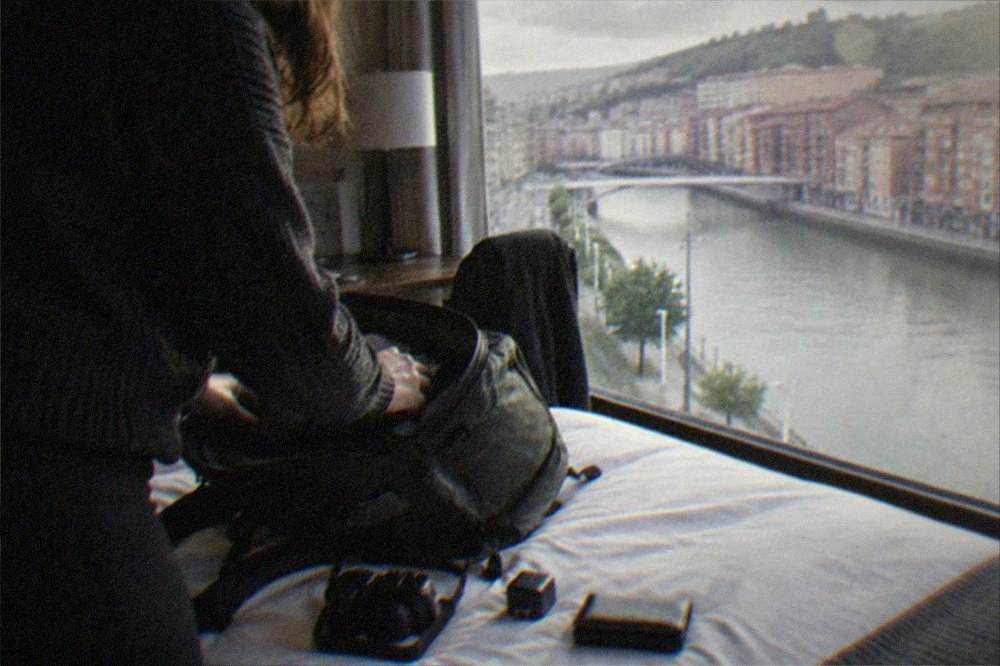
Leave at home the heavy winter parka, the beach-only wardrobe, the heels, the enormous suitcase, and anything that cannot survive a drizzle, because Bilbao's climate never reaches the extremes that justify any of them. With monthly means between 9.3 C and 20.9 C, the city never demands arctic gear, and with 1,134 mm of annual rain spread across all twelve months, it also never rewards fabrics that fear water. A carry-on-sized bag genuinely covers a week if you accept doing laundry.
The beach exception is a real one, but it is a day-trip exception. Bilbao itself is an estuary city, not a beach town, but the Metro reaches the coast at Getxo in under half an hour, and Sopelana and Plentzia are surf beaches with their own micro-climate. If a beach day is on the itinerary, swimwear and a towel go in the daypack, not the main bag, and the full coastal picture is in getting around Bilbao transport.
The heels point deserves a sentence of its own because it is the mistake that shows up most often in the Old Town at 21:00. The Seven Streets are cobbled, wet more often than not, and steep in places. The city dresses well, but it dresses practically well, and every comfortable shoe in Bilbao has already learned this lesson.
A Season-By-Season Bilbao Packing Summary
The one-page version of this guide is: pack the same core kit in every season (walking shoes, rain shell, mid-layer, smart-casual evening set) and adjust only the weight of the layers, because Bilbao's temperate oceanic climate shifts gradually rather than violently between 9.3 C in January and 20.9 C in August. Summer trips add sun protection and a light evening layer, autumn trips add real rain gear, winter trips add a scarf and gloves, and spring trips add an umbrella and patience.
| Season | Months | Mean temp range | Core additions to the base kit |
|---|---|---|---|
| Winter | Dec-Feb | 9.3-9.9 C | Warm coat, scarf, gloves, waterproof shoes |
| Spring | Mar-May | 11.5-15.7 C | Umbrella, light rain shell, layers |
| Summer | Jun-Aug | 18.4-20.9 C | Sunscreen, sunglasses, one warm layer for evenings |
| Autumn | Sep-Nov | 12.4-19.2 C | Rain jacket, compact umbrella, boots for November |
Before the bag closes, the itinerary should be at least sketched, because packing for Bilbao is really packing for what you plan to do: the frameworks in how many days in Bilbao and the full things to do in Bilbao roundup are the fastest way to decide whether your week needs hiking shoes, swimwear, or both.
Common Questions About Packing For Bilbao
What should I pack for Bilbao?
Pack a layering system (base, mid-layer, rain shell), water-resistant walking shoes with grip, a compact umbrella, one smart-casual outfit for pintxos bars, and a daypack. AEMET's normals for the city show rain in every month and means from 9.3 C to 20.9 C, so the kit is the same year-round with only the layer weights changing.
Do I need a rain jacket in Bilbao in summer?
Yes. Even July, the driest month, averages 50 mm of rain, and August averages 76 mm. A light packable rain shell or a hooded layer fits in a daypack and covers the showers that arrive between bright spells.
What shoes should I wear in Bilbao?
Broken-in, water-resistant walking shoes with real grip. The Old Town's cobbles are polished and slick when wet, the city is hilly, and day trips like Gaztelugatxe involve exposed stone steps. Heels and smooth-soled sneakers are the two most common footwear mistakes.
Is Bilbao warm enough for summer clothes in June to August?
Mostly yes: June, July and August mean 18.4 C, 20.4 C and 20.9 C respectively. But evenings cool sharply by the estuary, so pack one warm layer for dinners and riverside walks even in the warmest months.
Do I need to dress up for pintxos bars in Bilbao?
No. Smart-casual (dark jeans, chinos, a collared shirt or a simple dress) covers everything from traditional Old Town bars to the city's Michelin-starred restaurants. Pintxos crawls involve standing and walking between bars, so comfort beats formality.
Should I pack for the beach when visiting Bilbao?
Only as a day-trip item. Bilbao is an estuary city, not a beach town, but the Metro reaches coastal Getxo in under half an hour and surf beaches like Sopelana are a short ride away. Swimwear and a towel go in the daypack, not the main suitcase.