San Francisco (Bilbao La Vieja)
San Francisco, also called Bilbao La Vieja, is the riverside district facing Bilbao's Casco Viejo across the Nervion estuary in the Basque Country of northern Spain: scruffy, artistic, cheap to reach and full of pintxos bars.
Short answer
San Francisco (Bilbao La Vieja) is the district directly across the San Antón bridge from Bilbao's Old Town, in Biscay province, Basque Country, northern Spain. It is known for its street art, gallery scene, working-class history and a dense strip of pintxos bars, and it sits within a short walk of the Ribera market and the Guggenheim-side riverfront.
San Francisco, locally called Bilbao La Vieja, is the district on the left bank of the Nervion estuary in Bilbao, the largest city of Biscay (Bizkaia) province in the Basque Country (Euskadi), northern Spain. It faces the seven streets of the Casco Viejo directly across the water, close enough that crossing between the two takes minutes on foot, yet it feels like a different city: wider streets, lower buildings, more paint on the walls and fewer souvenir shops. The district grew as a working-class riverside quarter serving Bilbao's docks, tanneries and iron trade, and it spent decades as the part of town guidebooks skipped, which is exactly why its rents stayed low enough for galleries, studios and young chefs to move in. Today it is the spot locals name when the question is where to eat well without the Old Town's tourist premium, and its walls carry some of the most photographed street art in the city, covered in detail on our wider why Bilbao is famous explainer.
This page, published by the Bilbao Travel Guide editorial desk, covers the practical side of the district: how to reach it, what the food costs, what the weather does, how safe it is at night, and which tours and day trips make sense from this side of the river. Every fare and figure below comes from an official source or from our verified research pack, and where a number depends on a live tour listing, the listing itself carries the price rather than this page.
Where Is San Francisco (Bilbao La Vieja) In Bilbao, And What Defines It?
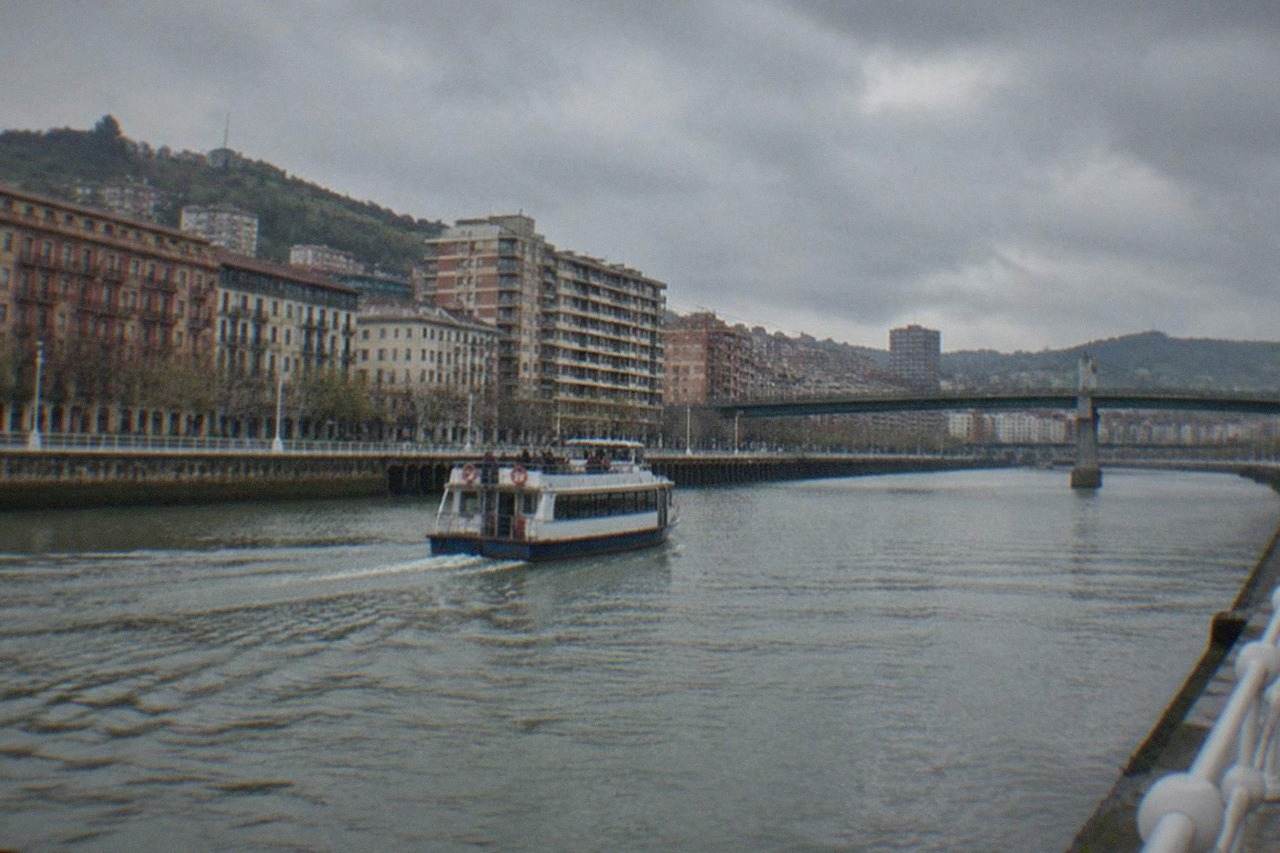
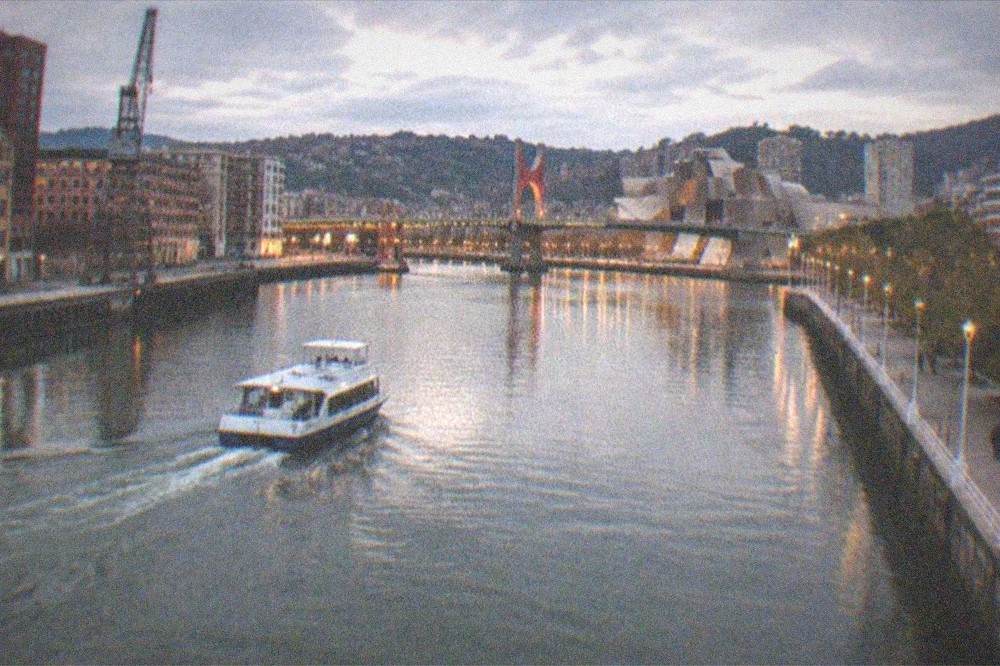
San Francisco, or Bilbao La Vieja, is the left-bank district of Bilbao in northern Spain, sitting directly opposite the Casco Viejo across the tidal Nervion estuary, roughly in the bend of the river between the San Antón bridge and the Puente de la Salve. The estuary here is tidal, because Bilbao sits about 15 km inland from the Bay of Biscay, and the district's whole character comes from that riverside position: it was built for dockworkers, tanners and iron-trade labourers, not for the Ensanche merchants on the other side, and the housing stock still shows it.
The boundaries are simple to hold in your head. The river forms the northern and eastern edge. The San Antón bridge, next to the church of the same name, is the pedestrian gateway into the Old Town, and the Puente de la Salve marks the western limit where the district gives way toward the Miribilla area. Everything in between is walkable in well under half an hour end to end, which makes this one of the most compact districts a visitor to Bilbao will ever deal with.
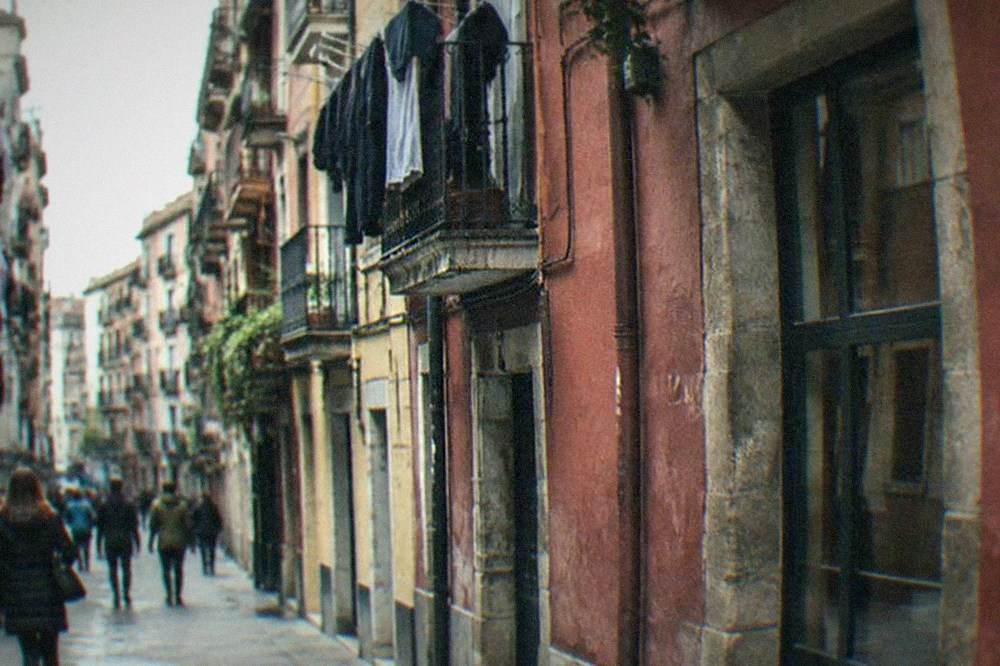
What defines it today is contrast. On one street you have an old covered market hall, on the next a mural four storeys tall. The gallery and studio scene here is the reason the district appears on so many things to do in Bilbao lists that emphasise street art, and the bar density is the reason it appears on food itineraries. It is also, importantly, a lived-in neighbourhood: residents still hang laundry over the same streets tourists photograph, and the best behaviour here is the same as anywhere in the Old Town, order at the bar, eat standing or seated where the bar allows, and keep your voice at a local level after dark.
How Do You Get To San Francisco In Bilbao, And What Does It Cost?
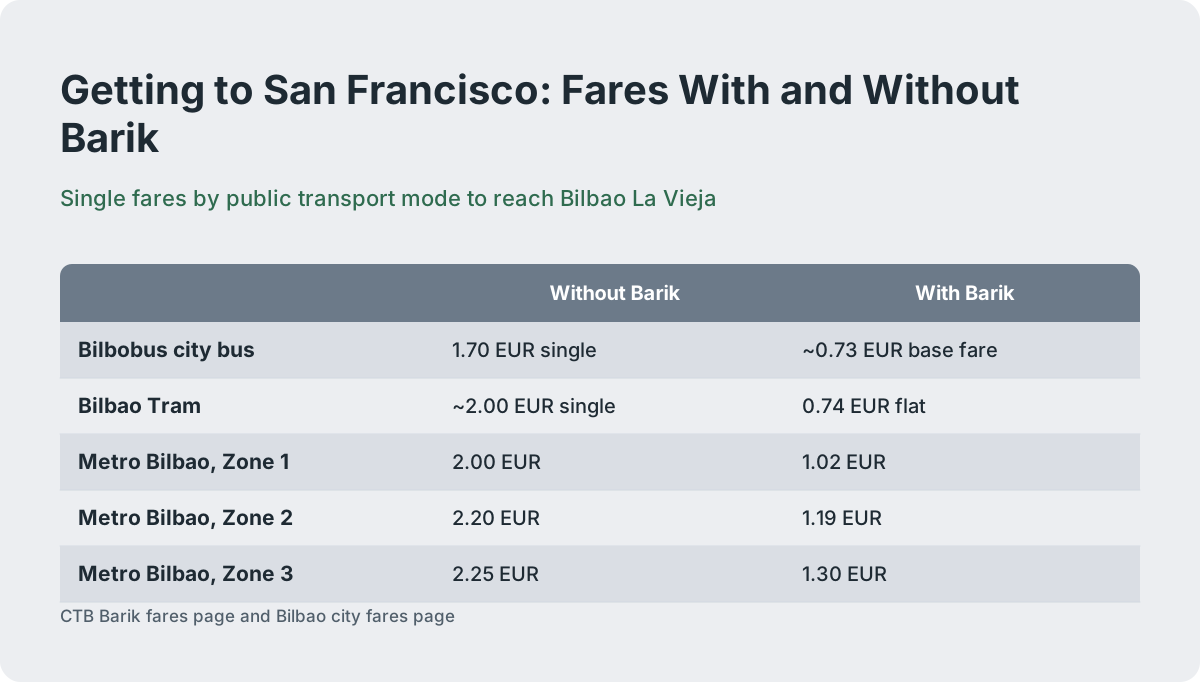
Crossing into San Francisco from central Bilbao costs nothing on foot, and by public transport the district is served by Bilbobus and the tram with single fares of 1.70 EUR without a Barik card or roughly 0.73 EUR base fare with one, while Metro Bilbao's nearest stations sit a short walk away across the river in the Casco Viejo. The CTB Barik fares page gives those bus figures directly, and the same card cuts every other mode in the city: the tram charges 0.74 EUR flat with Barik against an occasional single of around 2.00 EUR, and the metro charges 1.02 EUR for a Zone 1 Creditrans trip against 2.00 EUR without the card.
The practical point for a visitor is that San Francisco is a walking district. You will almost certainly arrive on foot from the Old Town, over the San Antón bridge, or along the riverfront from the direction of the Puente de la Salve. Public transport matters mainly when you are carrying luggage or arriving from further out, and in that case the Barik card is the single purchase that simplifies everything. The card itself is commonly reported to cost 3 EUR to buy, non-refundable, usually with a minimum top-up of 5 EUR, though that purchase price comes from secondary sources rather than an official CTB page, so treat it as a commonly reported figure rather than a guaranteed one.
The Bilbao Bizkaia Card site states the tourist alternative plainly: 10 EUR for 24 hours, 15 EUR for 48 hours and 20 EUR for 72 hours, covering unlimited transport plus attraction discounts. For a district this compact, that card is better value for the museum discounts than for the rides.
| Mode | Without Barik | With Barik (Creditrans) | Source basis |
|---|---|---|---|
| Bilbobus city bus | 1.70 EUR single | ~0.73 EUR base fare | Bilbao city fares page |
| Bilbao Tram | ~2.00 EUR single | 0.74 EUR flat | CTB Barik fares page |
| Metro Bilbao, Zone 1 | 2.00 EUR | 1.02 EUR | CTB Barik fares page |
| Metro Bilbao, Zone 2 | 2.20 EUR | 1.19 EUR | CTB Barik fares page |
| Metro Bilbao, Zone 3 | 2.25 EUR | 1.30 EUR | CTB Barik fares page |
One planning note worth carrying: Bilbao Airport has no metro or train link, and the city council's own position is that none arrives before 2035. The Bizkaibus A3247 airport line runs every 15 minutes and costs 5 EUR without a Barik card, with the journey into the centre taking 15 to 25 minutes, so from the airport you ride into the centre first and walk or bus across the river from there.
What Are The Best Things To See Around San Francisco In Bilbao?
The strongest sights around San Francisco are the street art on its side streets, the San Antón bridge and church at its Old Town gateway, the riverfront walk along the estuary, and, within a short walk across the water, the Mercado de la Ribera and the Casco Viejo's seven streets. None of these charges an entrance fee, which makes the district one of the genuinely cheap half-days in a city that is otherwise famous for an 18 EUR museum ticket.
Start with the walls. The murals rotate, and that is the point: this is a living surface, not a municipal gallery, and the best approach is to wander the streets running back from the river rather than to hunt any single piece. The district's gallery and studio scene grew precisely because the walls were already being painted, and the two together are why the area anchors most serious coverage of Bilbao's street art.
Then take the river. The estuary walk along the left bank connects San Francisco toward the Salve bridge, and from the bridge itself the view back over the Old Town's rooftops is one of the classic photographs of the city. Cross at San Antón and you are at the Mercado de la Ribera, the large covered market on the Old Town side, which pairs naturally with a morning in the district: market first, then the murals, then lunch back on the left bank where the prices are gentler.
For visitors who want structure rather than self-guiding, a guided walk is the efficient option. A small-group history and culture walking tour covers the Old Town and the riverside context in about two hours, and the operator's live listing carries the current price and departure times. Booking ahead is wise in August, when the Aste Nagusia festival runs from 22 to 30 August and fills the whole city centre.
Where Should You Eat In San Francisco, And What Do Pintxos Cost?
Pintxos in Bilbao's bars generally run 2 to 5 EUR per piece, with simpler counter items like gildas and tortilla at the low end and hot seafood gratins at the top, and a typical crawl of four to six pintxos plus drinks lands around 25 to 45 EUR per person, drinks included at roughly 2 to 3.50 EUR each. Those are planning ranges drawn from current food reporting, not promises: every bar sets its own prices, so treat them as a budget frame and check the board or ask at the bar.
The district's eating culture is the txikiteo, the moving bar crawl the Old Town is famous for, practised here at lower prices and with more locals per square metre. The classic pattern is one pintxo and one drink per bar, standing, then move. Cold counter items are cheapest and fastest; hot kitchen items, txangurro gratins, pil-pil cod, tortilla, cost a little more and arrive slower, which is a feature rather than a flaw.
Two practical warnings. First, a minority of bars in heavily touristed streets of the neighbouring Old Town have been reported to overcharge visitors, so glance at prices before ordering anywhere that feels aimed at passers-by. Second, tipping is genuinely optional in pintxos bars, small change left on the bar is normal and nothing more is expected, a convention we cover in full elsewhere on the site.
For visitors who would rather have the bar selection made by someone who cooks for a living, the district sits on the route of a chef-led gastronomical walk. The chef-led wine and food walk crosses the Old Town and riverside bars with wine pairings chosen by the guide, and its live listing carries the current price, rating and available dates. Check availability
| Item | Typical range | Notes |
|---|---|---|
| Cold counter pintxo (gilda, jamón, cheese) | 2-4 EUR | Cheapest, served instantly |
| Hot kitchen pintxo (gratins, pil-pil, tortilla) | 3-6 EUR | Made to order, worth the wait |
| Premium bar preparations | up to 6-8 EUR | Plaza Nueva and upscale spots |
| Txakoli, zurito or wine per glass | 2-3.50 EUR | Local pours are the default |
| Full crawl, 4-6 pintxos plus drinks | 25-45 EUR | Per person, planning range |
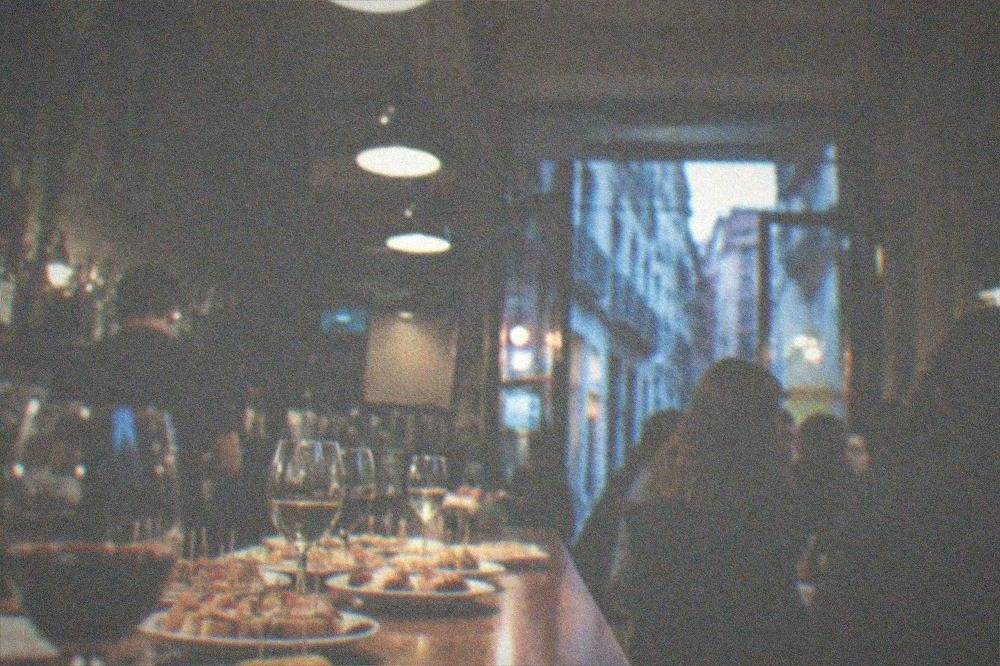
Is The Street Art Scene In San Francisco Worth Planning Around?
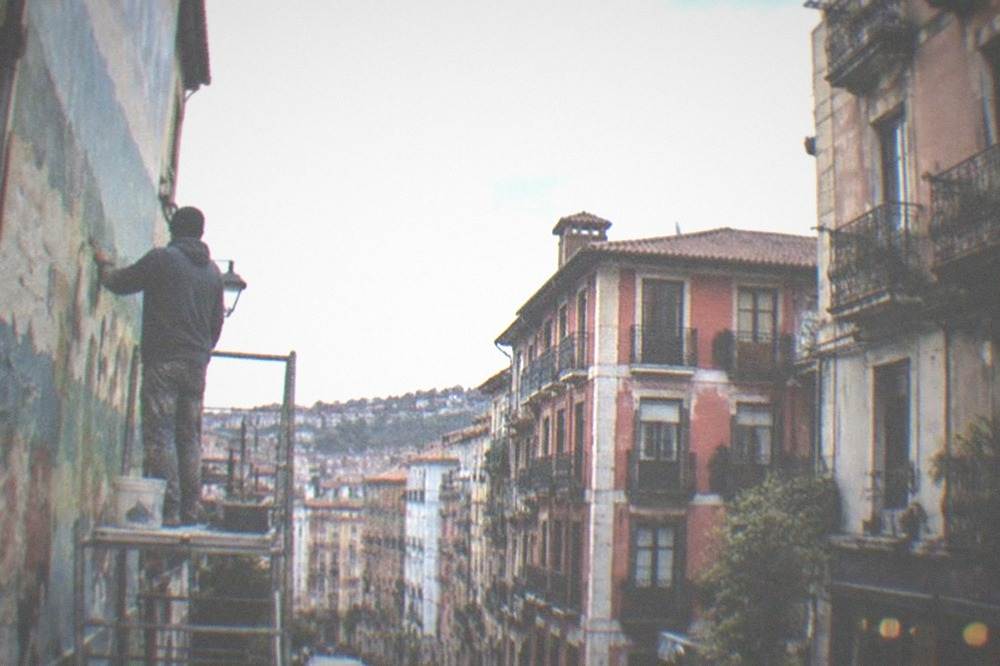
Yes, the street art in San Francisco is one of the strongest free sights in Bilbao and rewards an unhurried hour or two, because the district functions as the city's open-air canvas, with new pieces replacing old ones continuously rather than a fixed set of official murals to tick off. The scene grew out of the district's low rents and empty walls after its industrial decline, and it now runs from quick throw-ups to multi-storey commissioned works that appear in most serious photographic coverage of the city.
The way to do it is geographic rather than list-based. Walk the streets running back from the river between the San Antón bridge and the Salve bridge, loop through the side lanes, and let the walls dictate the route. Morning light is better for photographing facades that face east, and weekday mornings are quieter than weekends, when the bars spill over and the streets fill with crawlers.
What the scene is not is a museum. There is no ticket, no map guaranteed current, and no promise that any specific piece survives your visit. That volatility is precisely the appeal, and it is also why the district pairs well with a paid anchor elsewhere in the day: a morning of free wandering here, an afternoon at the Guggenheim, whose own site lists an 18 EUR adult ticket and Tuesday-to-Sunday 10:00 to 19:00 hours, extended to 20:00 during Easter week and from 15 June to 13 September.
Is San Francisco In Bilbao Safe At Night?
San Francisco is generally safe by the standards of a mid-sized Spanish city, with Bilbao's 2025 crime balance showing street crime slightly down year on year and thefts dominating the statistics rather than violence, though the district's bar strip means the usual pickpocketing precautions apply after dark. Bilbao's municipal reporting counted 29,696 presential street crimes citywide in 2025, a slight decline from 2024, with thefts making up roughly 55 percent of them; robberies with violence fell about 9 percent to 1,359 cases citywide.
Those are citywide figures, and they should be read that way: no neighbourhood-level breakdown in our verified pack separates San Francisco from the rest of Bilbao. What the pack does support is the pattern of risk. Pickpocketing concentrates in crowded areas, and the district's bar streets get crowded. Distraction tactics, a bump, a spill, a group surrounding a bar counter, are the reported method, not late-night violence.
The practical rules are the same ones that serve anywhere in the Old Town. Keep phones and wallets out of back pockets, use the hotel safe for passports, and be sceptical of anyone asking to inspect your wallet or ID, since genuine police do not request wallets. A commonly reported scam pattern involves plainclothes impostors, and the correct response is to ask for identification and to offer to accompany them to a police station rather than hand anything over. For the full picture, including advisory levels and scam patterns, see our dedicated safety in Bilbao coverage.
| Reported pattern | Where it concentrates | Sensible response |
|---|---|---|
| Pickpocketing and bag snatching | Crowded bar streets, markets, transport | Front pockets, cross-body bags, hotel safe |
| Distraction at counters | Busy pintxos bars | Keep bags in front, valuables minimal |
| Fake plainclothes police | Tourist zones | Never hand over a wallet; ask for ID |
| Bar overcharging | Tourist-facing Old Town streets | Check prices before ordering |
What Is The Weather Like In San Francisco, And When Should You Visit?
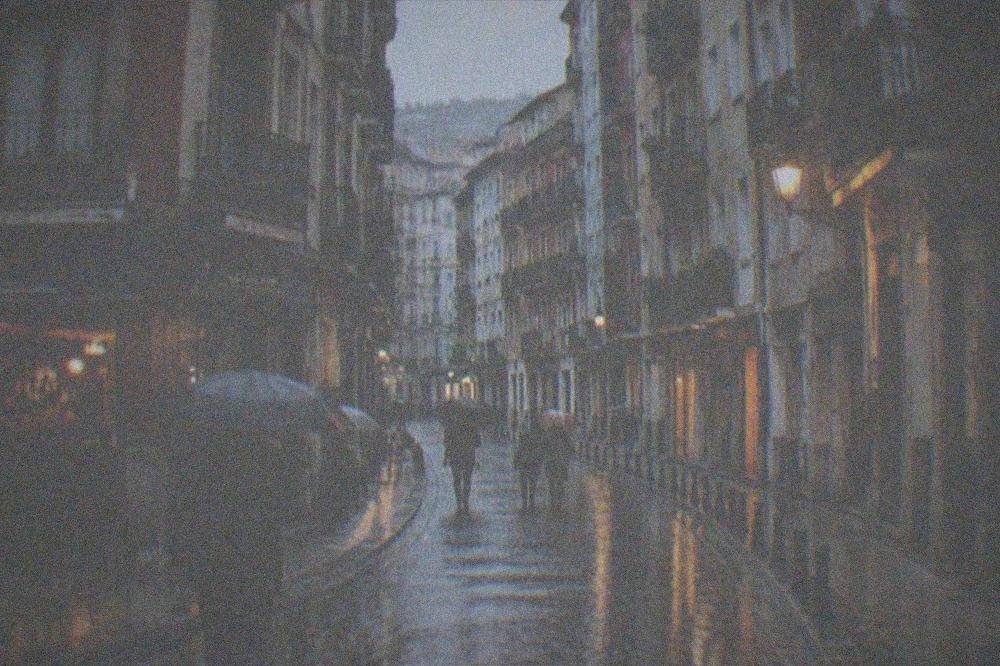
Bilbao has a temperate oceanic climate, and AEMET's normals for the Bilbao Aeropuerto/Loiu station (1082) show monthly means running from 9.3 C in January to 20.9 C in August, with 1,134 mm of rain spread across the year, so the best months to visit are July and August, warmest and driest, and the most difficult is November, the wettest at 147 mm. The district's street art and bar crawl both work year-round, but the rain changes the shape of a day here, because the murals are an outdoor sight and the bars are the indoor one.
The numbers deserve a table, because they surprise visitors who expect southern-Spanish weather. This is Atlantic Spain: green because it rains, mild because the ocean moderates both ends of the year, and never to be confused with the Mediterranean coast. Our full Bilbao weather guide unpacks the seasonal strategy; the short version for this district is that a rainy day here is a museum morning on the other side of the river followed by a long lunch under a bar roof, which is no hardship at all.
| Month | Mean temperature (C) | Mean precipitation (mm) |
|---|---|---|
| January | 9.3 | 120 |
| March | 11.5 | 90 |
| May | 15.7 | 78 |
| July | 20.4 | 50 |
| August | 20.9 | 76 |
| September | 19.2 | 73 |
| November | 12.4 | 147 |
Where Should You Stay In Or Near San Francisco?
San Francisco itself offers a limited slice of Bilbao's accommodation, and many visitors sleep across the river in the Casco Viejo or the Ensanche and treat this district as an evening and morning destination, with no tourist tax to add to any 2026 hotel bill because the Bizkaia tax does not take effect until 1 January 2027. That tax point is worth dating carefully: the regional tax was approved under Norma Foral 3/2026 and applies from New Year's Day 2027, at Bilbao's own municipal rates of 5 EUR per night for five-star hotels, 4 EUR for four-star, 2 EUR for three-star, 1.50 EUR for two-star, 1 EUR for pensions and 6.50 EUR for tourist apartments. Book and stay in 2026 and you pay none of it.
For neighbourhood choice, the trade-offs are simple. The Casco Viejo puts you steps from the San Antón bridge with the fullest concentration of pintxos bars; Abando and the Ensanche put you closer to the Guggenheim-side riverfront, the shopping streets and the main transport hubs; Indautxu splits the difference with quieter residential streets. San Francisco's own strength is character and price, its weakness is that the district is small and its hotel stock is thinner than the areas around it.
Wherever you sleep, the museum arithmetic matters more than the bed. The Guggenheim's own site lists the 18 EUR adult ticket; the Bilbao Fine Arts Museum is closed from 31 August to 5 October 2026 for the final phase of its renovation and, as reported, reopens on 6 October 2026 with a free entry week from 6 to 13 October, then charges 12 EUR general admission from 14 October; and a joint Artean pass covering both museums is reported at 16 EUR general. Those figures come from the museums' own pages and from our verified research pack, with the Fine Arts reopening details flagged as a single-source claim pending a second check.
| Accommodation type | Tourist tax per night (from 1 Jan 2027) |
|---|---|
| 5-star hotel | 5 EUR |
| 4-star hotel | 4 EUR |
| 3-star hotel | 2 EUR |
| 2-star hotel | 1.50 EUR |
| Pension | 1 EUR |
| Tourist apartment (VUT) | 6.50 EUR |
Which Day Trips Work Well From San Francisco?
The best day trips from this side of Bilbao are the coastal run to San Juan de Gaztelugatxe and Bermeo, the food-focused excursion to San Sebastián, and the wine country of Rioja, all reachable from Bilbao's transport hubs within a short walk or metro ride of the district. The district's riverside position means you are already partway toward the Old Town bus and metro connections, which is a small but real daily saving of effort on a multi-day trip.
The Gaztelugatxe trip needs one piece of planning knowledge most first-timers miss: a free timed reservation is required only on official controlled-access days, roughly mid-June to about 20 September daily plus Easter and holiday weekends, with a daily cap of 1,462 visitors on those days, and access is free without any reservation on all other days. Booking, when required, is always free through tiketa.eus, with up to 10 people per reservation. Our Gaztelugatxe guide covers the calendar and the climb in detail.
San Sebastián works as a long day by direct bus, and the coastal and French Basque excursions are the most popular guided options from the city. A San Sebastian and Getaria excursion covers the food capital plus a fishing village in one loop, and the operator's live listing carries the current price and dates. Wine travellers should compare the Rioja wine day trip options, several of which include two winery tastings.
How Does San Francisco Compare With Bilbao's Other Districts?
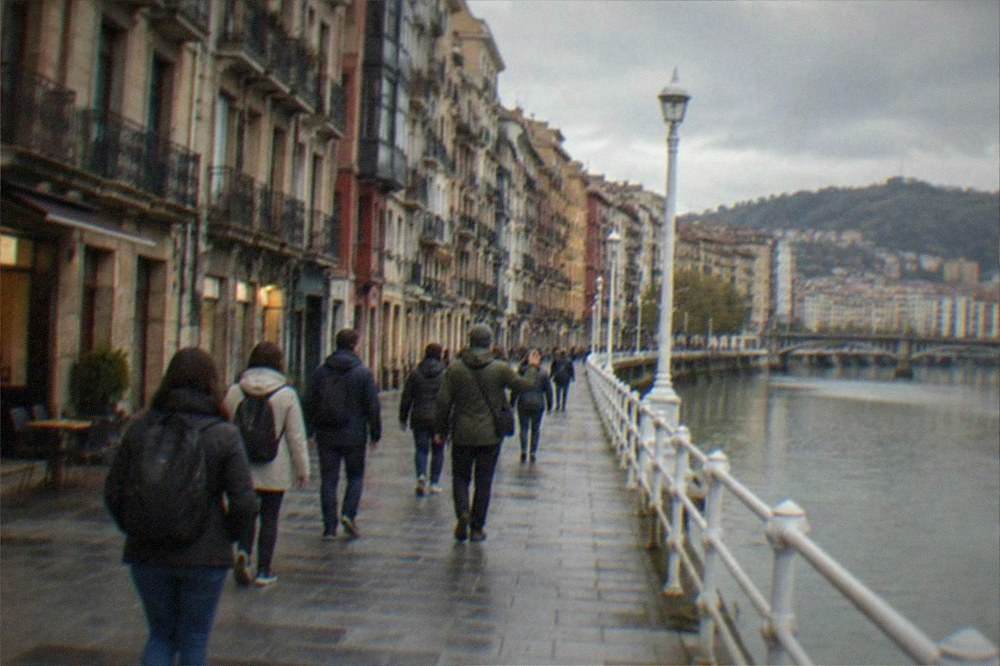
San Francisco is Bilbao's most compact and most art-driven district, trading the Casco Viejo's monument density and the Ensanche's shopping and grand architecture for street art, lower pintxos prices and a genuinely local bar scene, while Abandoibarra holds the Guggenheim and the modern waterfront, the city's most photographed corner. Choosing between them is less about quality than about what kind of day you want.
The honest comparison runs like this. If your Bilbao trip is measured in museums and architecture, base yourself near Abandoibarra and cross to San Francisco for evenings. If your trip is measured in food, base near the Casco Viejo or here, and treat the Guggenheim as a half-day excursion across the river. If you want quiet and local life, Deusto and Basurto are residential in a way this district, with its bar strip, is not.
| District | Best for | Trade-off |
|---|---|---|
| San Francisco (Bilbao La Vieja) | Street art, cheap pintxos, local bars | Thin hotel stock, no major museum |
| Casco Viejo | Monuments, market, bar density | Most tourist-priced bars |
| Abando / Ensanche | Shopping, transport hubs, grand architecture | Fewer cheap eats |
| Abandoibarra | Guggenheim, riverfront walks | Quiet at night, hotel prices |
| Indautxu | Quiet residential base | Less atmosphere for an evening out |
Common Questions About San Francisco (Bilbao La Vieja)
Is San Francisco (Bilbao La Vieja) worth visiting?
Yes. The district offers Bilbao's densest street art, some of the city's best-value pintxos bars and a riverside position directly opposite the Casco Viejo, all free to wander. It works best as a half-day paired with the Mercado de la Ribera and an evening bar crawl.
How do I get from San Francisco to the Guggenheim Museum Bilbao?
Walk. The route follows the river along the Casco Viejo side or crosses via the Puente de la Salve, and the museum sits on the Abandoibarra waterfront. The Guggenheim's own site lists 18 EUR adult admission and Tuesday-to-Sunday 10:00 to 19:00 hours, extended to 20:00 in summer from 15 June to 13 September.
Is San Francisco in Bilbao safe at night?
Generally yes, by the standards of a mid-sized Spanish city. Bilbao's 2025 citywide crime balance showed street crime slightly down, dominated by thefts rather than violence. Take standard pickpocketing precautions on the crowded bar streets and be sceptical of anyone asking to inspect your wallet.
What should I eat in San Francisco, Bilbao?
Pintxos, moving from bar to bar. Expect roughly 2 to 5 EUR per piece at traditional bars with drinks at 2 to 3.50 EUR, and a full crawl of four to six items plus drinks around 25 to 45 EUR per person. Hot kitchen items like gratins and pil-pil cod cost more than cold counter pieces.
Do I need a ticket for the street art in San Francisco?
No. The murals are on public walls and free to view, and there is no fixed official set to book. Wander the streets between the San Antón bridge and the Puente de la Salve and let the walls dictate the route.
Is there a tourist tax in Bilbao in 2026?
No. The Bizkaia regional tourist tax takes effect on 1 January 2027. Bilbao's approved rates then run from 1 EUR per night in pensions to 5 EUR in five-star hotels, with 6.50 EUR for tourist apartments. Visitors staying in 2026 pay nothing.
San Francisco, Bilbao La Vieja, rewards exactly the kind of visitor Bilbao itself rewards: someone willing to cross one bridge, walk a few unlabeled streets and judge a bar by its counter rather than its queue. Pair it with a morning in the market across the water, a rainy afternoon in the museums, and one long evening moving between its walls and its bars, and the district delivers a day that costs less and says more about the city than most guidebook circuits manage.