Why Is Bilbao So Famous?
Why is Bilbao so famous? The short version: the Guggenheim, pintxos, a Game of Thrones coastline and a Basque culture the city wears openly. The full breakdown follows.
Bilbao, the largest city in Biscay (Bizkaia) province in the Basque Country (Euskadi), northern Spain, is famous for a transformation few cities have matched: within living memory it was a declining shipbuilding and steel town on the tidal Nervion/Ibaizabal estuary, and within a generation it became one of Europe's most talked-about destinations. The trigger was a single museum, but the fame stuck because the city had more to back it up than one shiny facade. Eustat's municipal register puts the population at 346,933 as of 1 January 2025, and Bilbao Ekintza's 2025 tourism report counts 1,396,841 visitor entries and 2,723,725 overnight stays across hotels and tourist apartments, so this is a mid-sized city carrying a very large reputation.
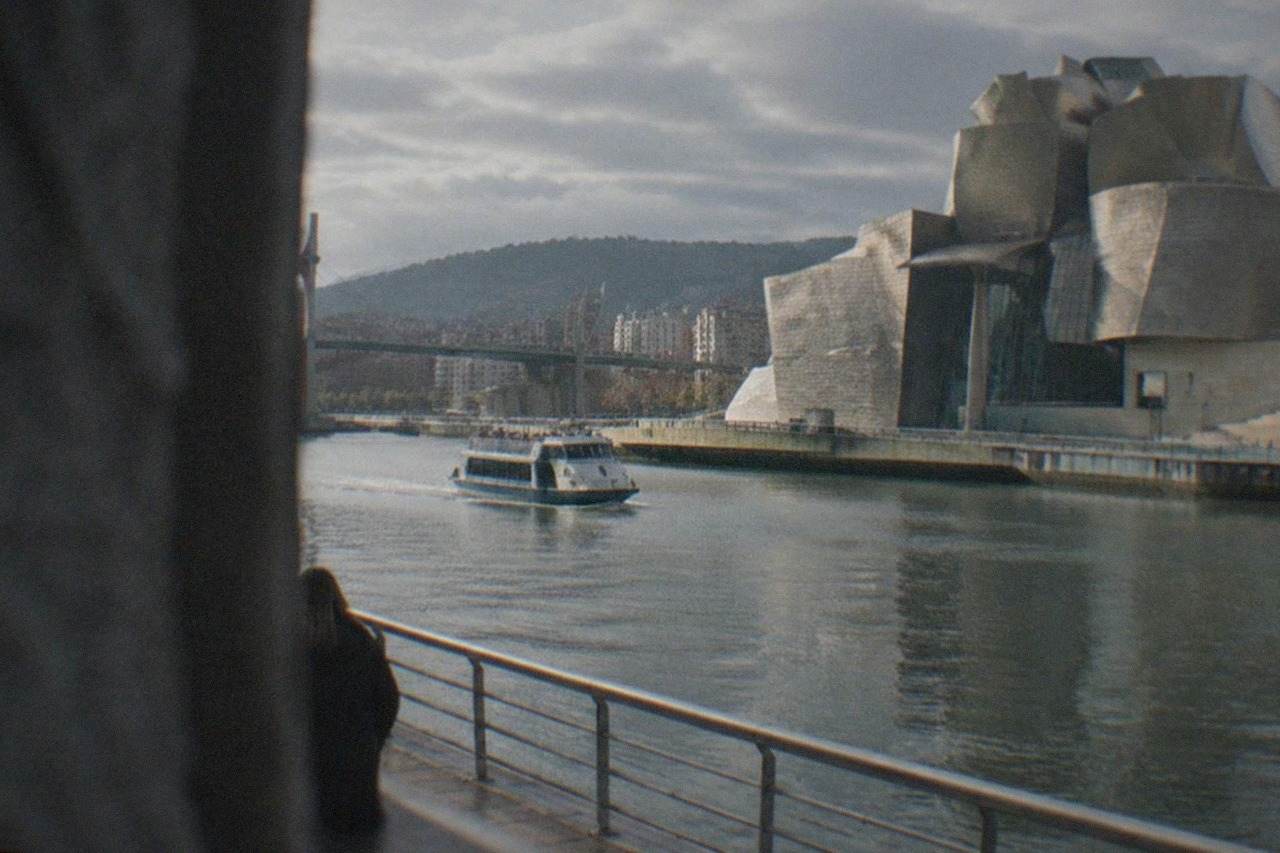
This page breaks the fame into its real components: the museum, the food, the coastline, the culture and the numbers, with every figure checked against primary sources. For the practical side, the things to do in Bilbao roundup covers the full activity list. This Bilbao Travel Guide page answers the narrower question: why does this city, of all cities, get talked about?
Why Is Bilbao So Famous?
Bilbao is famous primarily because the 1997 opening of the Guggenheim Museum Bilbao turned a struggling industrial port into a global tourism destination almost overnight, a shift so studied it earned its own name, the Bilbao effect. The fame then widened to include the city's pintxos and Michelin-starred food scene, its Basque language and culture, the Game of Thrones filming site at San Juan de Gaztelugatxe up the coast, and a UNESCO World Heritage transporter bridge, all packed into one mid-sized northern Spanish city.
The "Bilbao effect" is the part that made the city a case study. Urban planners, economists and tourism boards still use the phrase to describe what happens when a signature cultural building re-anchors a whole regional economy. The Guggenheim's own site lists adult admission at 18 EUR and opening hours of Tuesday to Sunday, 10:00 to 19:00, extending to 20:00 during Easter week and again from 15 June to 13 September, and the museum remains the single biggest driver of the visitor numbers above. If the architecture itself is what drew you here, the site's Frank Gehry page goes deeper on the structure, and the Guggenheim Museum Bilbao guide covers tickets, hours and how to visit.
But a museum alone does not sustain two decades of fame. The city underneath it was already unusual: a Basque-speaking port with its own culinary tradition, a historic old town of seven streets, and an estuary that ties the city to the Atlantic about 15 km downstream. The Guggenheim gave the world a reason to look; the rest of Bilbao gave them a reason to come back.
The Guggenheim Effect: How One Museum Changed The City
The Guggenheim Museum Bilbao is the direct cause of Bilbao's modern fame: a Frank Gehry-designed titanium building that opened in the city's abandoned shipyard district and pulled millions of visitors into a town previously known mainly for heavy industry, shipping and steel. Its success was so abrupt and so measurable that "the Bilbao effect" became a standing term in urban planning for culture-led regeneration.
The museum's own hours-and-admission page, checked directly, confirms the figures above: 18 EUR adult entry, free for under-18s, and those summer and Easter extensions to 20:00. A joint Artean pass with the Bilbao Fine Arts Museum is priced at 16 EUR general and 8 EUR reduced, per the Fine Arts museum's own planning page. That second museum matters too: it closed on 31 August 2026 for final renovation works and reopens on 6 October 2026, with a free entry week from 6 to 13 October 2026 and adult admission of 12 EUR from 14 October, as reported in the museum's announcements.
| What built the fame | The verified figure | Where it comes from |
|---|---|---|
| Guggenheim adult admission | 18 EUR | The museum's own hours-and-admission page |
| Guggenheim opening hours | Tue-Sun 10:00-19:00, to 20:00 in summer and Easter week | The museum's own hours-and-admission page |
| Joint Artean pass with the Fine Arts Museum | 16 EUR general / 8 EUR reduced | The Fine Arts museum's planning page |
| 2025 visitor entries, Bilbao | 1,396,841 (hotels and tourist apartments) | Bilbao Ekintza's 2025 tourism report |
| 2025 overnight stays, Bilbao | 2,723,725 (hotels and tourist apartments) | Bilbao Ekintza's 2025 tourism report |
One caution on those visitor figures: Eustat's hotel-only series shows a lower count, roughly 1.2 million visitors and about 2.38 million stays for 2025, because it covers hotels alone rather than hotels plus tourist apartments. Both numbers are correct on their own basis; they answer different questions. Any guide that merges them into one figure is quoting something nobody published.
The regeneration story is not only about the museum. The estuary cleanup, the metro system by Norman Foster, the tram line, the Azkuna Zentroa cultural centre and the Euskalduna Palace all belong to the same redevelopment wave, and the city's architecture coverage traces it building by building. The building's Hollywood cameo, covered on the site's movie page, did its own quiet work for the city's fame.
Pintxos, Michelin Stars And The Basque Table
Bilbao's second claim to fame is food: the city is one of the anchors of Basque cuisine, famous for pintxos, the small bites served at bar counters, and for a concentration of Michelin stars that is exceptional for a city its size, including Nerua inside the Guggenheim itself and the three-starred Azurmendi in nearby Larrabetzu. The 2026 Michelin Guide kept every one of Bizkaia's stars and added new ones, including Islares near the Guggenheim.
The pintxos bar is where many visitors actually meet this fame. Plaza Nueva in the Casco Viejo is the classic hub, and the bars around it, Gure Toki, El Globo, Sorginzulo, Víctor Montes and Café Bar Bilbao among them, appear repeatedly in the 2025-2026 rankings from regional food guides. Recent reporting puts typical pintxo prices at roughly 2 to 5 EUR per piece at traditional bars, with drinks at 2 to 3.50 EUR, though prices vary by bar and preparation, so treat that as a planning range and check the board. The best pintxos in Bilbao guide maps the crawl properly, and the site's tapas-versus-pintxos page explains why locals will gently correct you if you call a pintxo a tapa.
The Michelin layer sits on top of that everyday scene. Azurmendi, chef Eneko Atxa's restaurant in Larrabetzu, retained its three stars in the 2026 guide, and Bilbao's own one-star list includes Ola Martín Berasategui, Nerua Guggenheim Bilbao, Mina, Zarate and the newly starred Islares on Alameda Mazarredo. The province's starred map is covered in full on the site's Michelin page, and for the pilgrimage-end of the spectrum, the site's Etxebarri page weighs up the world-famous grill in the hills above the city.
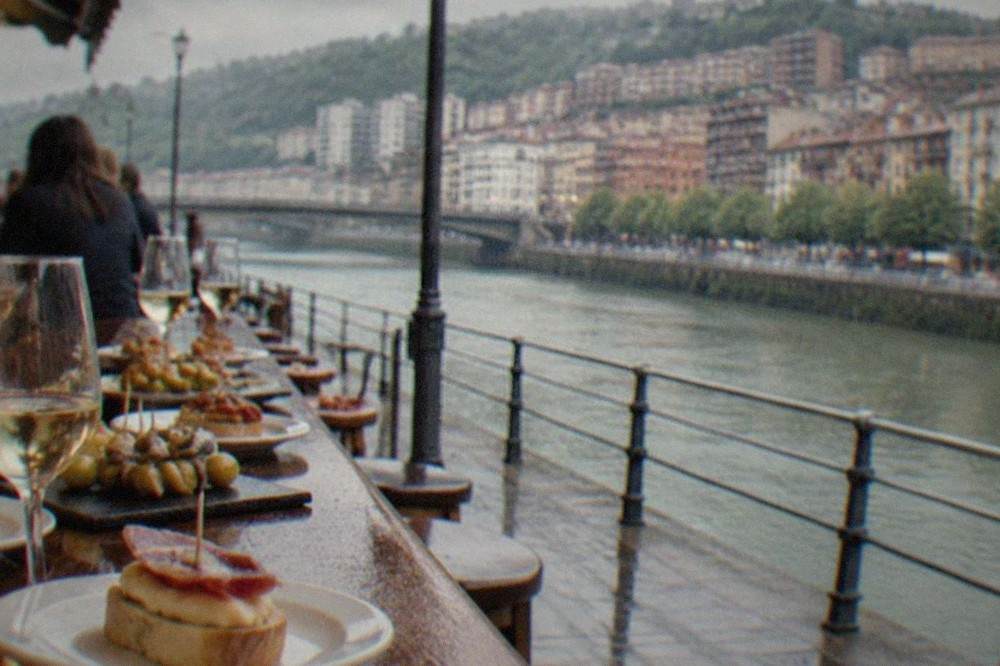
A guided food walk is the fastest way into this half of the fame, and the tour above pairs the old-town bars with the wine side, txakoli in particular, that most first visits miss. If you would rather build your own route, read up on tipping norms in pintxos bars first, because the customs surprise people.
The Coastline That Made Bilbao A Screen Location
Bilbao's fame got a second wind from its coastline: San Juan de Gaztelugatxe, the hermitage on a rocky islet about 30 to 45 minutes' drive up the coast, appeared in Game of Thrones as Dragonstone, and the site now caps visitors at 1,462 per day on official controlled-access days, when a free timed reservation is required. The nearby Vizcaya Bridge, the UNESCO-listed transporter bridge between Getxo and Portugalete, adds a World Heritage badge to the same stretch.
The Gaztelugatxe detail most guides get wrong: the reservation is only required on designated controlled-access days, roughly mid-June to about 20 September daily plus Easter and holiday weekends per the yearly calendar, and on all other days access is free with no booking at all. Booking, when required, is always free through tiketa.eus, with a maximum of 10 people per reservation. As of the most recent reporting, access reverted to free and uncontrolled from 21 September 2026 through the end of that month. The Gaztelugatxe day trip guide carries the full calendar and how to get there.
The Vizcaya Bridge is the quieter headline. UNESCO inscribed it in 2006 as the first industrial heritage site in Spain on the World Heritage list: a working transporter bridge whose gondola still carries pedestrians across the estuary for 0.60 EUR one-way in daytime hours, with a walkway ticket reported at 11 EUR adult round-trip. The Vizcaya Bridge page covers visits, and the beaches nearest the city sit on the same metro line out toward Getxo.
Basque Culture, Festivals And The Numbers Behind The Fame
Bilbao's deepest claim to fame is cultural: it is the largest city in the Basque Country, a place with its own language, Euskara, its own sporting traditions and a nine-day August festival, Aste Nagusia, that fills the streets, all in a city whose temperate oceanic climate keeps it green and visiting-friendly year-round. AEMET's normals for Bilbao Aeropuerto/Loiu station 1082 give an annual mean of 14.7 C and 1,134 mm of rain, with July and August the warmest and driest months.
Aste Nagusia is the festival that shows the culture at full volume: the 2026 edition ran 22 to 30 August, opening with the txupin ceremony on 22 August at 19:00 in Plaza Arriaga, followed by nine days of concerts, fireworks and the neighbourhood txosnas run by the konpartsak. The Aste Nagusia festival guide covers it in full. For the language side, the site's Basque-or-Spanish page explains what you will actually hear on the street, and the wider region beyond the city gets its own assessment on the site's Basque Country page.
| Month | Mean temperature (C) | Mean precipitation (mm) |
|---|---|---|
| January | 9.3 | 120 |
| April | 12.6 | 107 |
| July | 20.4 | 50 |
| August | 20.9 | 76 |
| November | 12.4 | 147 |
| Annual | 14.7 | 1,134 |
Those numbers are AEMET's 1981-2010 normals for station 1082, and they explain a lot about the city's character: this is an Atlantic climate, mild and rainy, closer in feel to northern Europe than to the Mediterranean coast, and it keeps the hills around the city green. November is the wettest month at about 147 mm. The site's month-by-month weather coverage breaks down the full year.
Common Questions About Bilbao's Fame
Why is Bilbao so famous?
Because the Guggenheim Museum Bilbao turned a declining industrial port into a global destination, a turnaround so studied it is called the Bilbao effect, and because the city backs the museum up with a pintxos and Michelin-starred food scene, a Game of Thrones filming site up the coast, a UNESCO-listed bridge and a distinctive Basque culture.
Is the Guggenheim the only reason people visit Bilbao?
No. The museum is the biggest single driver, but the food scene, the Casco Viejo, the coastal day trips to Gaztelugatxe and the festivals such as Aste Nagusia all draw visitors independently. The is Bilbao worth visiting page weighs the full case.
Is Bilbao famous for Game of Thrones?
Partly. San Juan de Gaztelugatxe, the hermitage islet about 30 to 45 minutes from the city, appeared as Dragonstone, and it is now one of the region's biggest draws, capped at 1,462 visitors per day on controlled-access days. The city itself, though, was famous for the Guggenheim long before the show.
How many people visit Bilbao each year?
Bilbao Ekintza's 2025 tourism report counts 1,396,841 visitor entries and 2,723,725 overnight stays across hotels and tourist apartments. Eustat's hotel-only series shows roughly 1.2 million visitors and about 2.38 million stays on its narrower basis.
What food is Bilbao famous for?
Pintxos above all, served at bar counters across the Casco Viejo and the Ensanche, alongside txakoli wine, bacalao al pil pil and a Michelin-starred scene that includes Nerua inside the Guggenheim and the three-starred Azurmendi nearby.
The short answer to the question this page carries in its title is that Bilbao is famous for one building that changed everything, and for a city that was ready for the attention: a food culture, a coastline and a language that no marketing campaign could have invented. The museum made the world look, and the pintxos, the festivals and the green Atlantic hills are why the world kept coming back.