Puente De La Salve
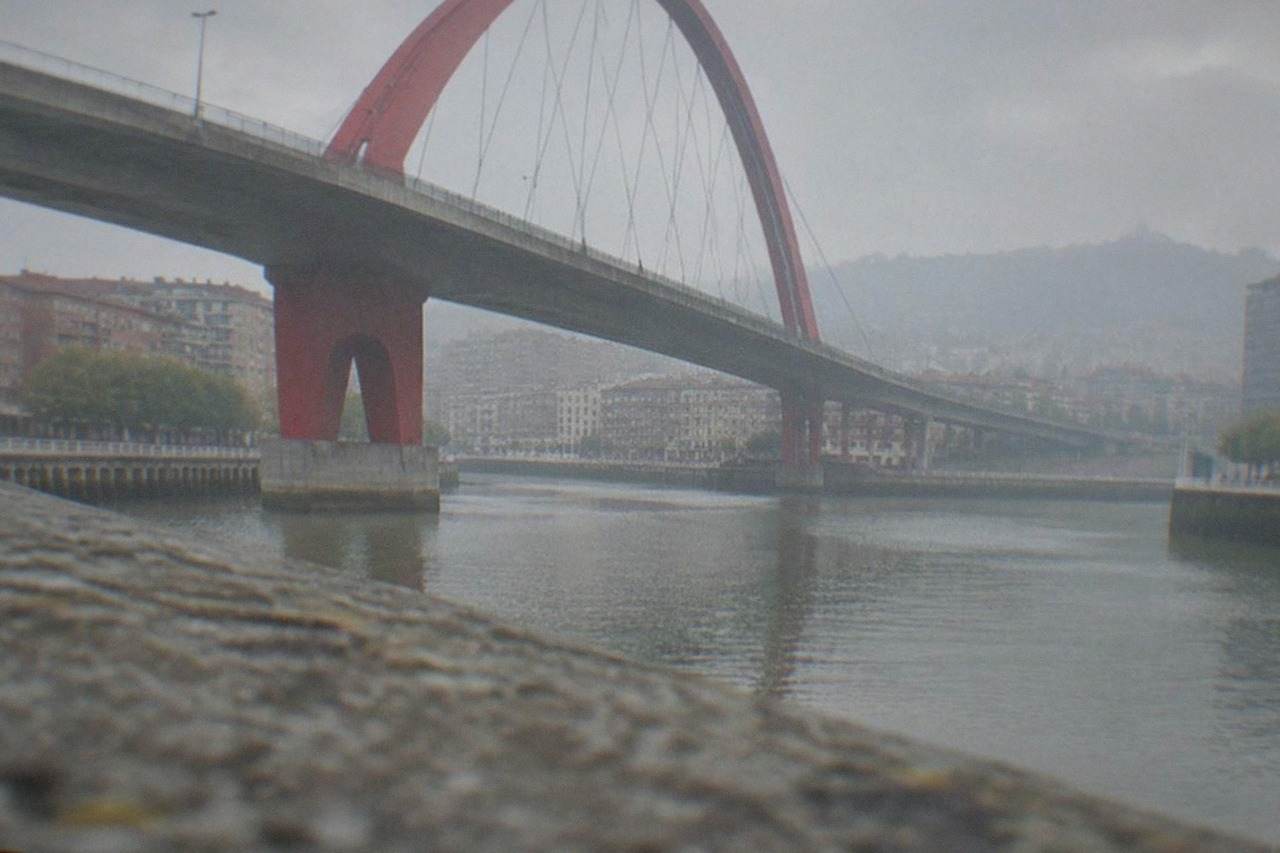
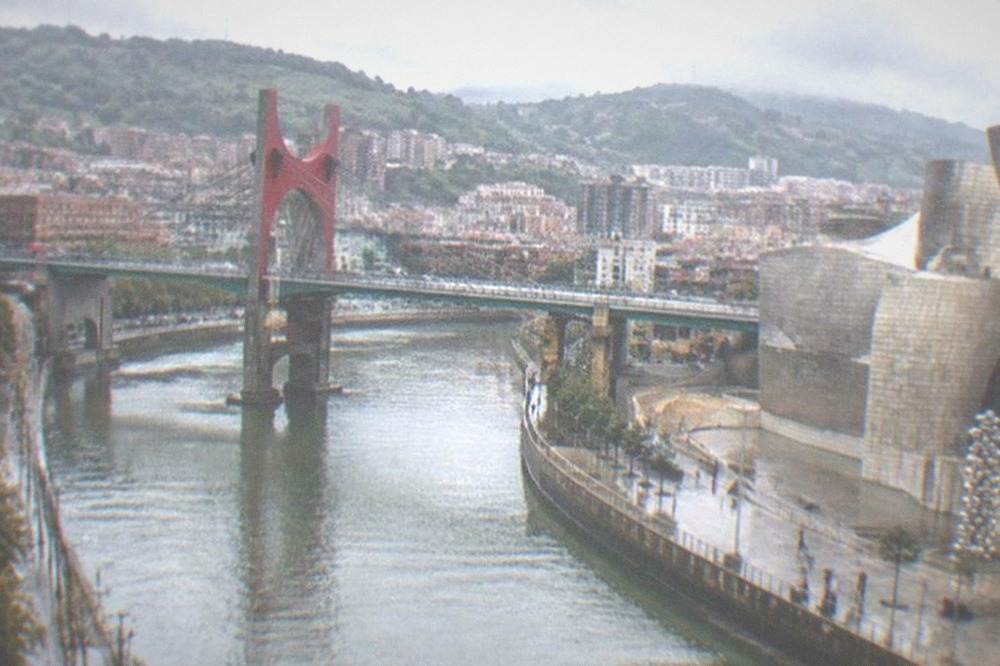
The Puente de la Salve is one of Bilbao's most photographed bridges, a red-arched crossing of the Nervion estuary that links the city centre to the hillside districts above the river.
Short answer
The Puente de la Salve is a road bridge over the Nervion estuary in Bilbao, Spain, standing within a short riverside walk of the Guggenheim Museum, and it is free to cross and photograph at any hour.
The Puente de la Salve is a bridge in Bilbao, in Biscay (Bizkaia) province, Basque Country, northern Spain, and it is one of the city's defining pieces of engineering: a red-arched road crossing over the tidal Nervion estuary that carries traffic between the central districts and the hillside neighbourhoods on the left bank. The estuary here is tidal, roughly 15 km from the open Bay of Biscay, and the Salve spans it at one of its most dramatic points, close to where the Guggenheim Museum's titanium curves rise on the same bank. For most visitors the bridge functions as a viewpoint, a photography stop and a walking link between the museum district and the older districts upstream, and it costs nothing to cross. This Bilbao Travel Guide page lays out what the Salve is, how to reach it, what you can see from it, and how to fold it into a day built around the river.
What Is The Puente De La Salve In Bilbao?
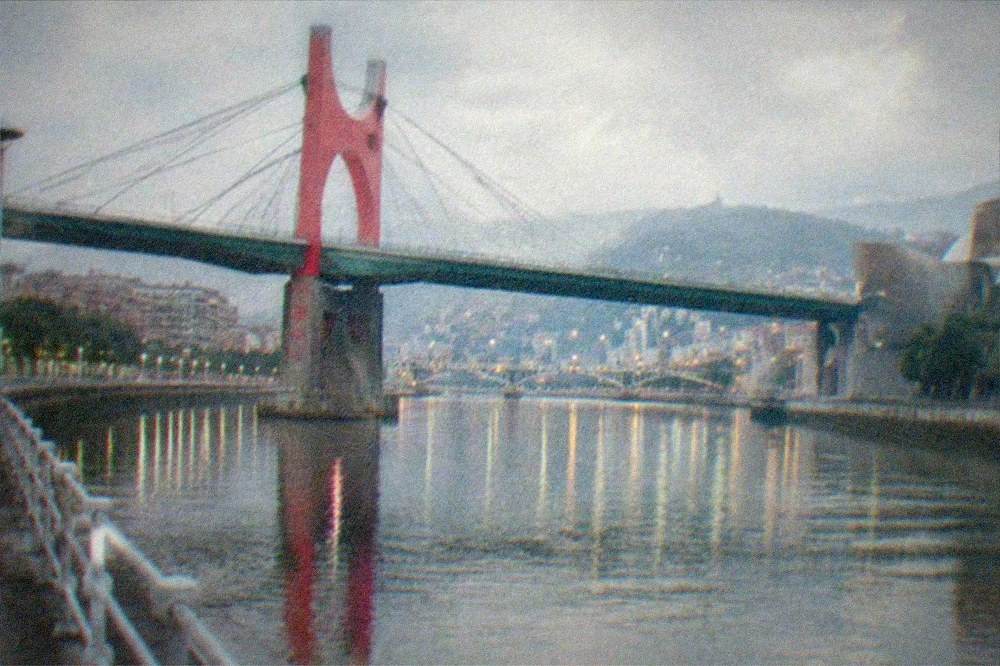
The Puente de la Salve is a road bridge over the Nervion estuary in Bilbao, Spain, connecting the city-centre side of the river with the hillside districts that climb toward the Basilica de Begona, and it is best known for the tall red arch that anchors its central span. It carries ordinary city traffic, so it is not a pedestrian-only monument: you walk or drive across it as part of the city's daily flow. The name "Salve" is tied to the Marian devotion of the Basilica de Begona, whose pilgrims historically crossed the river here singing the Salve Regina, which is how a working road bridge ended up with a devotional name. The bridge's silhouette, red steel against grey Basque sky, has made it one of the most photographed structures in a city that already has no shortage of photogenic bridges.
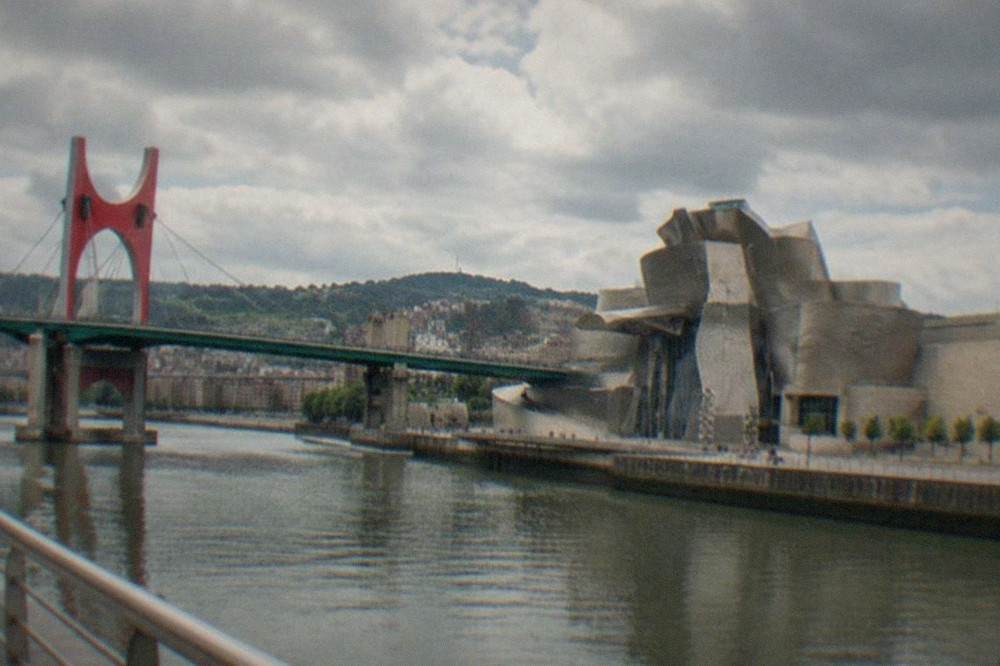
The Salve belongs to a family of Bilbao crossings that each mark a different era of the city's relationship with its river. The Zubizuri bridge is the white pedestrian crossing by the Calatrava-designed footbridge tradition further downstream, the stone bridges of the Casco Viejo old town sit upstream, and the Salve holds the industrial, working-river end of that spectrum. What makes it unusual among Bilbao's bridges is how it frames the Guggenheim: from the right angles on its downstream flank, the red arch and the museum's reflective curves share a single frame, and that pairing is the shot most photographers come for.
The bridge also gained a modern accessory that many visitors miss. As part of the works tied to the Guggenheim's arrival, a viewing platform was added to the bridge on the museum side, designed in coordination with the museum's own architectural language. It gives you a raised, protected spot to stand and look along the estuary without standing in a traffic lane, which matters on a bridge that carries cars.
Why Is The Puente De La Salve Famous?
The Salve is famous for three reasons: its red arch silhouette, its role as the gateway framing the Guggenheim Museum from the river, and its place in the Salve Regina pilgrimage tradition linking the bridge to the Basilica de Begona on the hill above it. The bridge appears constantly in images of Bilbao precisely because it does something the city's other crossings do not: it combines industrial scale with a colour that reads strongly in the grey-green Atlantic light of the Basque Country. The Guggenheim effect amplified all of this, because the museum's own site and worldwide photo coverage of Bilbao repeatedly show the two structures side by side.
The pilgrimage backstory deserves a few more lines, because it explains the geography. The Basilica de Begona sits on high ground above the left bank, and generations of devotees crossing the estuary toward it sang the Salve, the Marian hymn, as they went. The name stuck to the crossing even after the modern road bridge replaced earlier structures, so today the bridge carries both a devotional memory and a modern traffic load. When you stand on it, the basilica is visible uphill, and that vertical relationship between bridge and church is the oldest layer of the story.
The bridge's fame is also a product of Bilbao's reinvention. Before the museum era the estuary's banks were industrial, and the Salve was a functional crossing between working districts. The museum-led regeneration of the Abandoibarra riverside turned the stretch of the estuary around the bridge into a promenade, and the bridge's industrial redness became an asset rather than a leftover. Photographers, architecture writers and film crews all found the same angle: red arch, titanium museum, grey river.
How Do You Get To The Puente De La Salve In Bilbao?
The Puente de la Salve sits within a short walk of the Guggenheim Museum on the Abandoibarra riverside in Bilbao, and the practical ways to reach it are on foot along the estuary promenade, by Bilbao tram to the Guggenheim stop, or by any bus or metro line serving the central Moyua and Abando areas. The bridge is not a gated attraction with an entrance: you simply arrive at the riverside and walk onto it. Many people reach it as part of a riverside walk that starts at the Guggenheim Museum Bilbao and continues downstream or upstream along the paved banks.
Public transport fares in Bilbao reward the Barik card, and the CTB Barik fares page gives the official numbers for the modes you would actually use on a Salve visit. The tram, run by Euskotren Tranbia, charges EUR0.74 with a Barik card and around EUR2.00 for an occasional single. Metro Bilbao Zone 1 costs EUR1.02 with Barik against EUR2.00 without, and Bilbobus city buses charge EUR1.70 for a single, dropping to roughly EUR0.73 base fare with Barik. The card itself is commonly reported to cost EUR3 to buy, non-refundable, though that purchase price comes from secondary sources rather than an official CTB page.
| Mode | Single without Barik | With Barik Creditrans | Notes |
|---|---|---|---|
| Metro Bilbao (Zone 1) | EUR2.00 | EUR1.02 | 2-hour validity on occasional tickets |
| Bilbao Tram | ~EUR2.00 | EUR0.74 | Flat fare, stops near the Guggenheim |
| Bilbobus (city bus) | EUR1.70 | ~EUR0.73 base | Effective fare lower after discount |
| Taxi from the airport | approx EUR24-29 | not applicable | No airport supplement, tunnel toll included |
If you are basing several days of transport around the visit, the Bilbao Bizkaia Card site states the tourist card tiers: EUR10, EUR15 and EUR20, all personal and non-transferable, covering unlimited transport plus attraction discounts. The card is sold at Bilbao Turismo offices, including the one near the Guggenheim on Alameda de Mazarredo, which is itself within sight of the Salve's downstream flank.
What Can You See From The Puente De La Salve?
From the Puente de la Salve you can see the Guggenheim Museum's titanium curves immediately downstream, the Basilica de Begona uphill, the Nervion estuary running both ways toward the old town and the bay, and on clear days the green mountains that frame Bilbao's valley. The viewing platform on the museum side is the spot that delivers the composed version of that panorama, but the walkway along the bridge deck gives you moving views that shift as you cross. Upstream the estuary bends toward the Casco Viejo and the Teatro Arriaga; downstream it opens toward the Euskalduna conference centre, the Torre Iberdrola tower and the Zubizuri bridge.
The light is what changes the picture most. Bilbao's climate is temperate oceanic, Atlantic-influenced, and AEMET's Bilbao Aeropuerto/Loiu station (1082), 1981-2010 normals, put the annual mean at 14.7 C with 1,134 mm of rain a year, so grey skies are common and the Salve's red arch does its best work against them. After rain, when the estuary surface is chopped and the museum's panels hold the low cloud, the bridge deck catches reflections that photographers travel for. In high summer, July and August average 20.4 C and 20.9 C respectively with the year's lowest rainfall, the deck is warm and the long evenings let you shoot the skyline until late.
| Month | Mean temperature (C) | Mean precipitation (mm) | What it means for the bridge |
|---|---|---|---|
| January | 9.3 | 120 | Cold, often wet; dramatic skies |
| April | 12.6 | 107 | Spring greenery on the hills |
| July | 20.4 | 50 | Warmest, driest; long light evenings |
| August | 20.9 | 76 | Peak warmth, occasional showers |
| November | 12.4 | 147 | Wettest month; bring a rain layer |
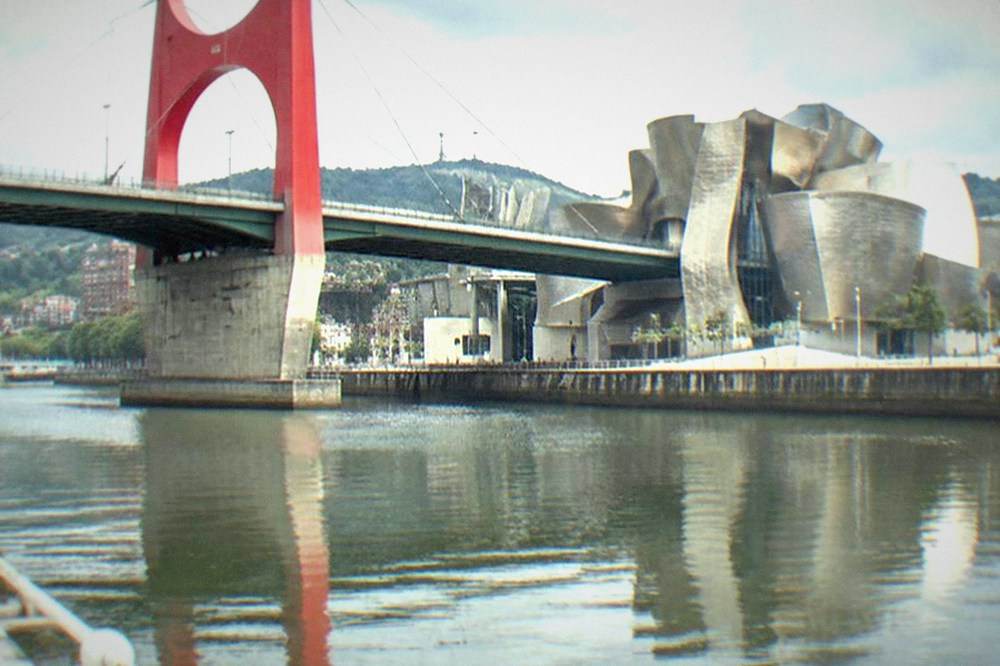
The best way to see the Salve itself, rather than to see from it, is from the water. The estuary is the one vantage point that shows the full height of the arch and the underside of the deck, and a river cruise passes directly beneath the bridge within minutes of leaving the city-centre dock. The related product on this page, a city boat tour or a cruise to Portugalete, is the natural pairing: you get the bridge from below, the Guggenheim from the river, and on the longer option the UNESCO-listed Vizcaya Bridge at Portugalete at the far end.
Is The Puente De La Salve Free To Visit?
Yes, the Puente de la Salve is completely free to visit: it is a public road bridge with open sidewalks and a free viewing platform, there is no ticket, no gate and no restricted access, and you can cross it on foot at any hour of the day or night. The only costs attached to a Salve visit are the ones you choose, such as transport to reach it or a boat tour to see it from the river. This makes it one of Bilbao's reliable free experiences, alongside walking the riverside promenades and the exterior of the Guggenheim.
The free-to-visit status is worth stating plainly because several nearby landmarks do charge. The Guggenheim's own site lists adult admission at EUR18, with the museum open Tuesday to Sunday from 10:00 to 19:00, extended to 20:00 during Easter week and again from 15 June to 13 September. The Bilbao Fine Arts Museum is closed from 31 August to 5 October 2026 for final renovation works and, as reported, reopens on 6 October 2026 with a free entry week from 6 to 13 October, then charges EUR12 general admission from 14 October. Against that backdrop, the Salve and the riverside walk connecting it to everything else cost nothing at all.
| Nearby sight | Cost to visit | Status |
|---|---|---|
| Puente de la Salve (crossing and viewpoints) | Free | Open at all hours |
| Guggenheim Museum Bilbao (interior) | EUR18 adult | Tue-Sun 10:00-19:00, later in summer |
| Bilbao Fine Arts Museum | EUR12 general from 14 Oct 2026 | Reopens 6 Oct 2026, as reported |
| Riverside promenade between Salve and Zubizuri | Free | Always open |
| Funicular de Artxanda (one-way) | EUR3.50 | Round-trip EUR6.00, as reported |
One planning note for 2026 and 2027 visitors: a Bizkaia-wide regional tourist tax (Norma Foral 3/2026) does not take effect until 1 January 2027, and Bilbao's own approved municipal rates run from EUR1 per night at pensions up to EUR5 at five-star hotels, plus EUR6.50 for tourist apartments. Current-year 2026 visitors pay no tourist tax, so a Salve-centred Bilbao trip in 2026 carries no per-night levy at all.
Best Time Of Year To Photograph The Puente De La Salve
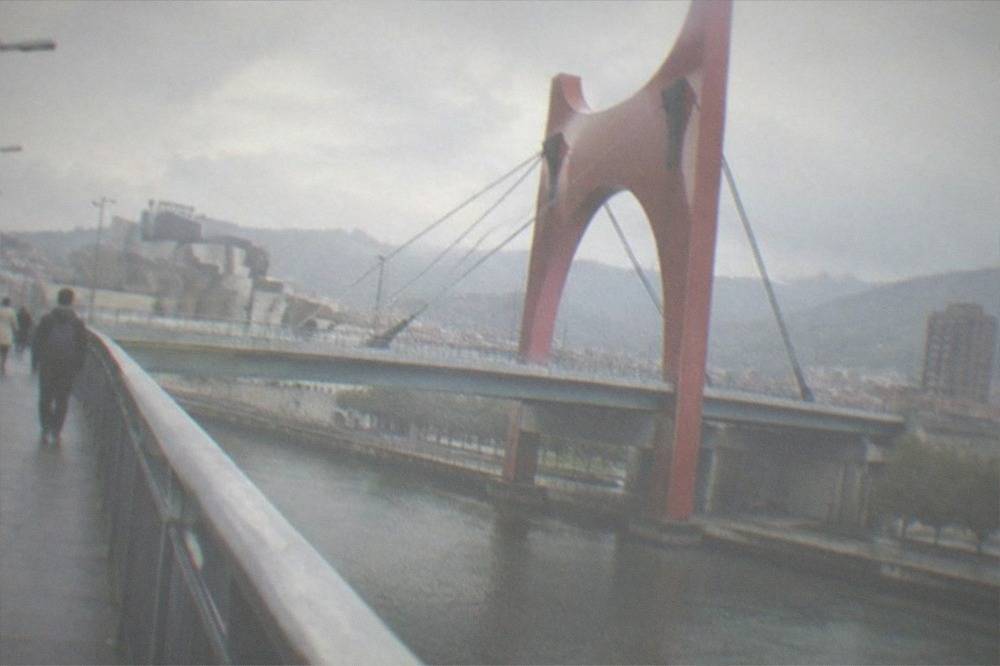
The best months to photograph the Puente de la Salve are July and August for warm, dry, long-light conditions, with June and September close behind as quieter alternatives, while late autumn and winter deliver the most dramatic skies at the price of heavy rain. AEMET's Bilbao Aeropuerto/Loiu station (1082), 1981-2010 normals, show July as the warmest month at 20.4 C mean and the driest at 50 mm, with August nearly as warm at 20.9 C but wetter at 76 mm. November is the wettest month at 147 mm, and the January mean of 9.3 C makes midwinter crossings cold but atmospheric.
Photographically, the bridge rewards two very different approaches. In summer, the late sunset lets you shoot the downstream face of the arch with the Guggenheim in warm side light well into the evening, and the extended museum hours, 20:00 closing from 15 June to 13 September, mean you can pair a late museum visit with a blue-hour walk onto the Salve. In the wetter months, the red steel against fast-moving grey cloud gives you the moody industrial Bilbao look, and the estuary surface holds reflections between showers.
| Season | Conditions | Photographic payoff |
|---|---|---|
| Summer (Jul-Aug) | Warmest, driest, light to ~21:00 | Golden hour on the arch and museum |
| Early autumn (Sep) | 19.2 C mean, 73 mm rain | Softer light, fewer crowds |
| Late autumn (Nov) | 12.4 C mean, 147 mm rain | Dramatic storm skies over the estuary |
| Winter (Jan) | 9.3 C mean, 120 mm rain | Low light, sharp silhouette |
If your trip is built around a boat tour rather than a land walk, the same seasonal logic applies from the water: summer cruises run in the best light, while shoulder-season sailings give you the bridge with the hills green and the decks quieter. Whatever the month, check the forecast rather than the calendar, because Atlantic weather moves fast and a dry window in November can outperform a grey afternoon in July.
Puente De La Salve And The Guggenheim: How To Combine Them
The Puente de la Salve and the Guggenheim Museum sit within roughly five minutes' walk of each other on the same bank of the Nervion estuary, so the standard combination is a museum visit followed by a riverside walk onto the bridge, with the viewing platform giving you the museum's exterior from above the waterline. The museum's own site lists adult admission at EUR18, open Tuesday to Sunday 10:00 to 19:00, extended to 20:00 during Easter week and from 15 June to 13 September, and under-18s enter free. A joint Artean pass with the Bilbao Fine Arts Museum is reported at EUR16 general, though the Fine Arts is closed until its 6 October 2026 reopening.
A workable half-day runs like this: book the Guggenheim for opening time, spend the morning inside, then exit toward the river and walk downstream along the promenade past Jeff Koons' Puppy to the Salve's viewing platform. Cross the bridge for the basilica-side views, then loop back along the opposite bank or continue to the Euskalduna Palace and the Moyua-area sights. The whole loop is flat, paved and free once you are out of the museum.
For visitors who want the estuary itself explained, a guided river cruise is the efficient option: it passes under the Salve within the first stretch and continues past the museum, the Euskalduna and the downstream bridges, with commentary on the city's industrial-to-cultural transformation. The two-hour version continues all the way to Portugalete and the Vizcaya Bridge, the UNESCO World Heritage transporter bridge inscribed in 2006, whose gondola crossing costs EUR0.60 one-way in daytime hours, with the upper walkway reported at EUR11 adult round-trip.
Nearby Sights Around The Puente De La Salve
Within a fifteen-minute walk of the Puente de la Salve you can reach the Guggenheim Museum, the Basilica de Begona uphill, the Euskalduna Palace, the Doña Casilda park, the Azkuna Zentroa cultural centre and the Museum of Fine Arts, making the bridge a natural hub for a walking day in Bilbao. The bridge sits at the seam between the museum district and the hillside neighbourhoods, so a short climb in one direction and a flat stroll in the other cover most of the city's headline sights.
| Sight | Direction from the bridge | Cost |
|---|---|---|
| Guggenheim Museum Bilbao | Downstream, same bank | EUR18 adult |
| Basilica de Begona | Uphill, opposite bank | Free entry |
| Euskalduna Palace | Downstream riverside | Exterior free |
| Parque de Doña Casilda | Short walk south | Free |
| Azkuna Zentroa | Across the estuary | Exterior free |
| Mercado de la Ribera | Upstream, old town side | Free entry |
Uphill from the bridge, the Basilica de Begona closes the devotional loop that gave the Salve its name, and the climb rewards you with roof-level views over the estuary and the Abandoibarra museum district below. Downstream, the promenade threads past the Euskalduna Palace toward the Zubizuri and the Mercado de la Ribera in the old town, one of Europe's largest covered markets. The Museum of Fine Arts Bilbao sits beside Doña Casilda park a few blocks south, worth noting for its 2026 closure and reported 6 October reopening.
Visitors with more time in the region often pair a Salve-and-museum city day with a coastal excursion the next morning. The Gaztelugatxe hermitage, the Game of Thrones filming site on a rocky islet up the coast, requires a free timed reservation only on official controlled-access days, roughly mid-June to about 20 September plus Easter and holiday weekends per the yearly calendar, with a daily cap of 1,462 visitors on controlled days and booking always free via the official platform, up to 10 people per reservation. Guided day tours bundle the islet with Bermeo, Mundaka and Gernika, and the two strongest options in the roster are below.
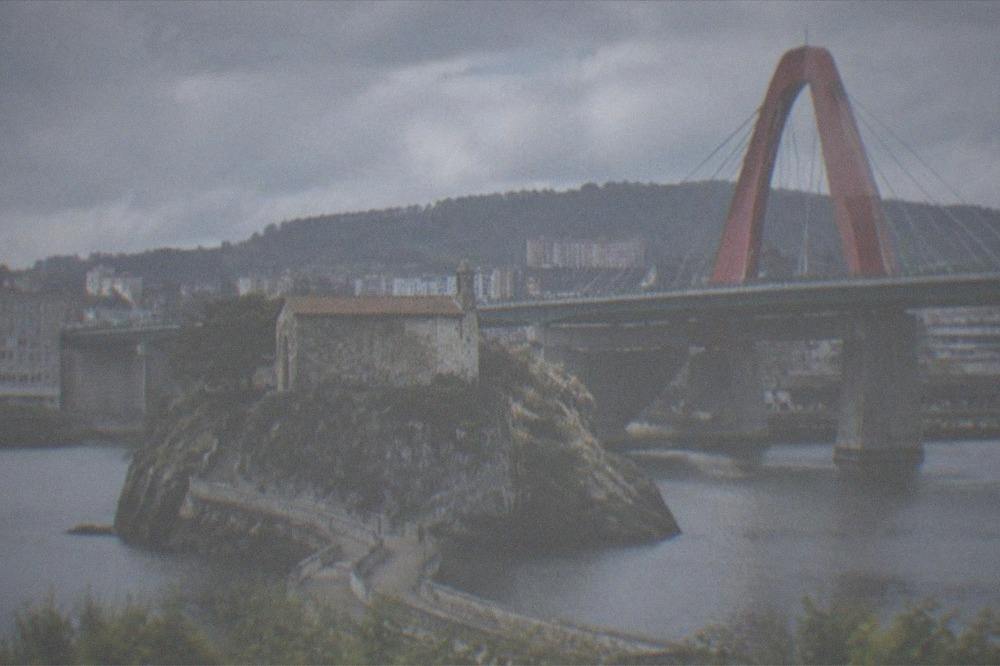
The shorter coastal variant covers Gaztelugatxe, Mundaka and Guernica in a single outing and suits travellers who want the coast without committing a full day to it.
Common Questions About The Puente De La Salve In Bilbao
Is the Puente de la Salve free to visit?
Yes. It is a public road bridge with open sidewalks and a free viewing platform, so you can cross it on foot at any hour without a ticket or any access control.
How far is the Puente de la Salve from the Guggenheim Museum?
The bridge stands within roughly five minutes' walk of the Guggenheim on the same riverside, and the museum's titanium facade is visible directly from the Salve's viewing platform.
Can you walk across the Puente de la Salve?
Yes. The bridge has pedestrian sidewalks along its deck, plus a raised viewing platform on the museum side, and walking across is the standard way visitors experience it.
Why is it called the Salve bridge?
The name comes from the Salve Regina hymn sung by pilgrims who historically crossed the estuary here on their way to the Basilica de Begona on the hill above the left bank.
What is the best time of day to photograph the bridge?
Evening works best in summer, when the light stays strong until late and the Guggenheim's extended 20:00 closing lets you combine a museum visit with a blue-hour crossing; in wetter months, any dry window between showers gives dramatic skies.
Can you see the Puente de la Salve from a boat tour?
Yes. City boat tours on the Nervion estuary pass directly beneath the bridge, showing the full height of the red arch from the water, usually within the first stretch of the sailing.
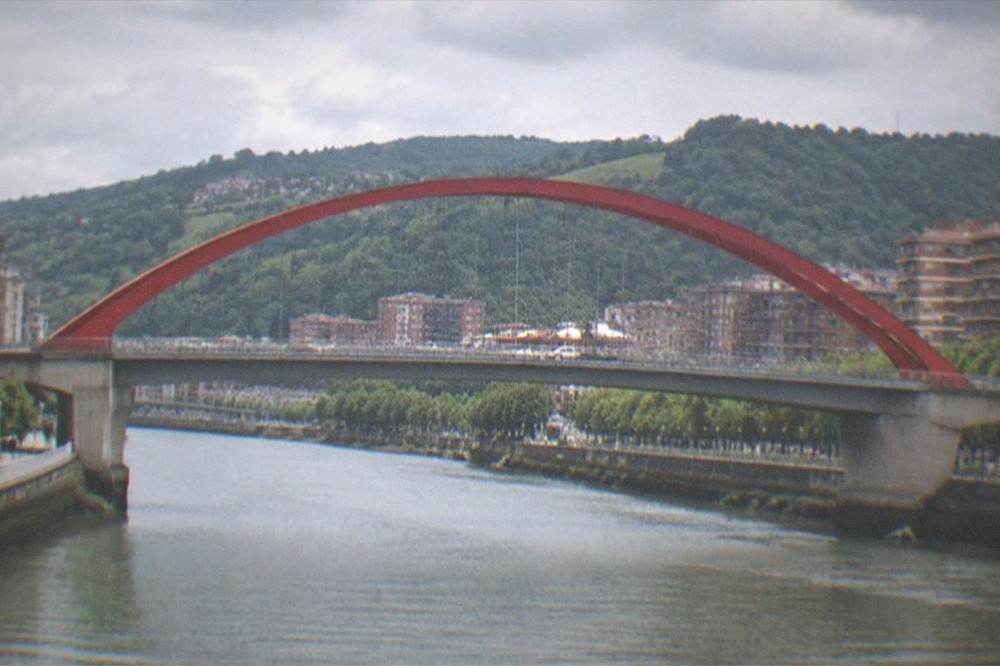
The Puente de la Salve earns its place on any Bilbao itinerary precisely because it asks so little and gives so much: no ticket, no queue, no schedule beyond the daylight you bring to it, and a frame that ties together the city's industrial past, its pilgrimage history and its museum-led present in a single red arch. Cross it once for the view, cross it again after dark for the reflections, and if you have the time, see it from the water, where the bridge and the Guggenheim finally share the stage properly.