Basílica De Begoña
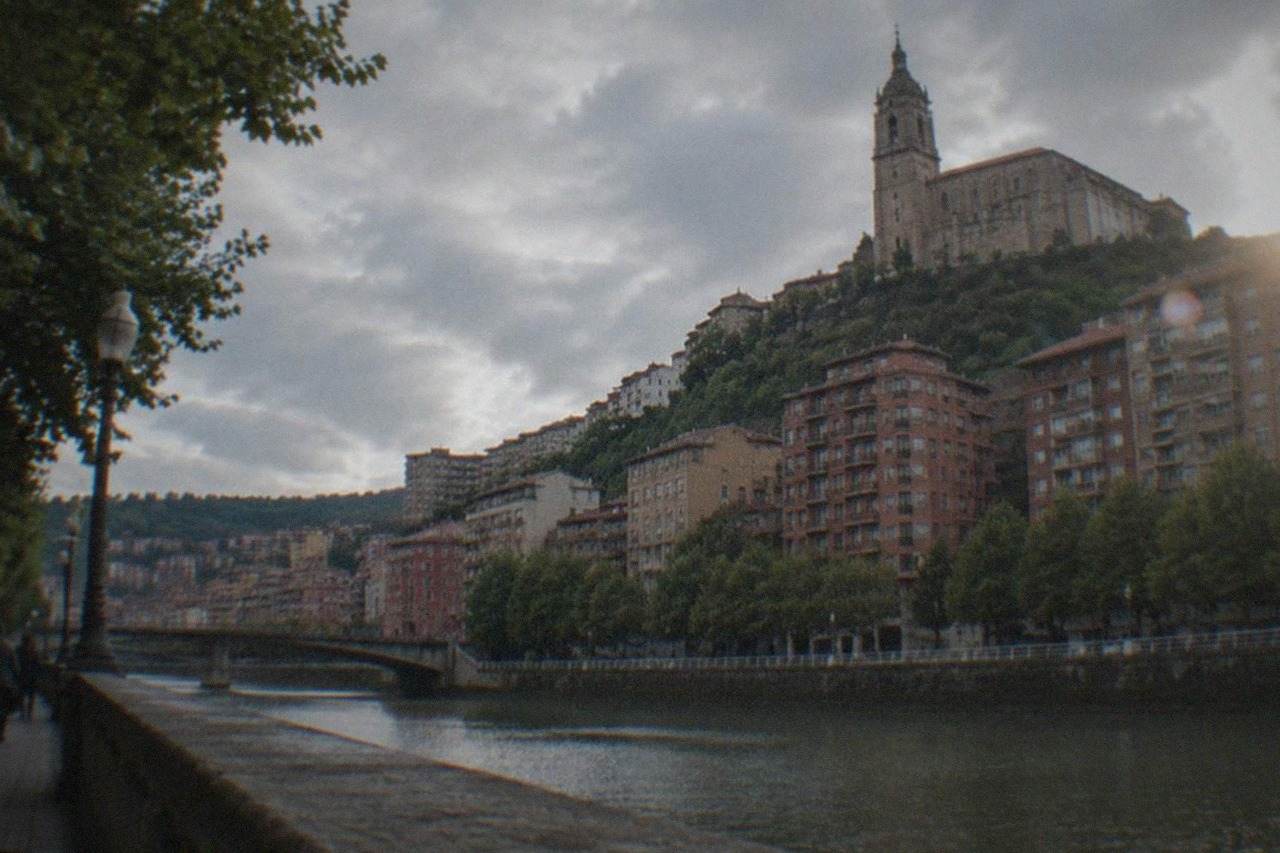
The Basílica de Begoña watches over Bilbao from the hill that separates the Old Town from the Ensanche, and it belongs on any serious walking route through the city.
Short answer
The Basílica de Begoña is a hilltop church in Bilbao, Spain, dedicated to the Virgin Begoña, the patroness of Biscay. It sits on a hill between the Casco Viejo and the Abando side of the city, and most visitors reach it on foot from the Old Town in a short but steep climb.
The Basílica de Begoña stands on a hilltop in Bilbao, in Biscay (Bizkaia) province, Basque Country, northern Spain, and it is the one building in the city that locals treat less as a monument and more as a family matter. Dedicated to the Virgin Begoña, the patroness of Bizkaia, the basilica looks down over the rooftops of the Casco Viejo on one side and the newer streets of the Ensanche on the other, straddling the two halves of the city like a hinge. Pilgrims have climbed this hill for centuries, and even today the paths up from the Old Town carry a steady stream of visitors, parishioners, and people who simply want the view. This guide covers what the basilica is, how to reach it without wasting energy, what to look at once you are up there, and how to fold it into a wider day in Bilbao.
What Is The Basílica De Begoña In Bilbao?
The Basílica de Begoña is a church in Bilbao, Spain, dedicated to the Virgin Begoña, revered as the patroness of the province of Biscay, and it occupies a hilltop between the Casco Viejo and the Ensanche. It functions as a working parish church rather than a ticketed museum, so entry is free, visits are self-guided, and the experience is closer to stepping into a living piece of local devotion than to touring a conventional attraction.
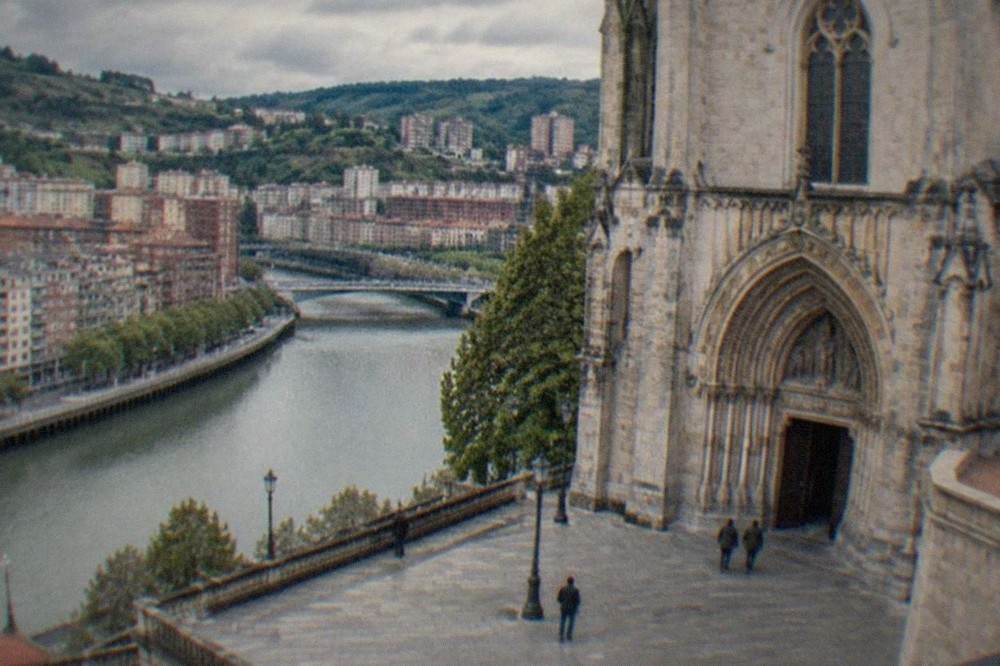
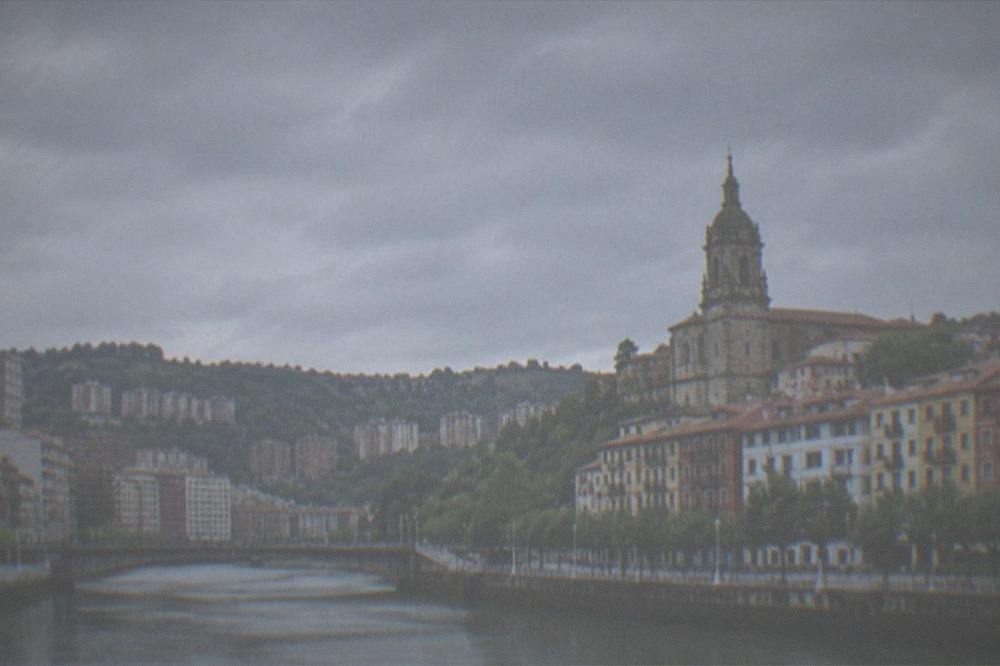
The basilica's position is the whole point. The hill it crowns separates two Bilbaos: the medieval street grid of the Casco Viejo on one slope, and the planned Ensanche district around Moyúa on the other. From the esplanade at the top you can read the city's entire story in a single turn of the head, from the Siete Calles to the towers of the Ensanche and the green folds of the surrounding hills. The building itself mixes Gothic and Renaissance elements, with a sober stone interior that keeps the focus on the image of the Virgin in the high altar, and a bell tower that has become one of the most recognizable silhouettes on the Bilbao skyline.
The Virgin of Begoña matters here in a way that goes beyond architecture. She is the patroness of Bizkaia, and her feast days draw crowds from across the province, including organized romerías that arrive on foot from surrounding towns. Begoña is also one of the most common women's names in the Basque Country, and plenty of Bilbao families will tell you, without prompting, that they were baptized in this church or named after it. That emotional weight is why the basilica stays on local routes even as the city's tourist attention has shifted toward the Guggenheim and the waterfront.
For a visitor, the practical takeaway is simple: this is a quiet, free, unhurried stop that pairs naturally with a morning in the Old Town. It rewards you with the single best vantage point over the Casco Viejo that you can reach without a vehicle, and it costs nothing but the climb.
How Do You Get To The Basílica De Begoña From Central Bilbao?
The usual approach to the Basílica de Begoña is on foot from the Casco Viejo, climbing the Calzadas de Mallona steps from behind the Santiago Cathedral, and the walk takes ten to fifteen minutes at a steady pace. The alternative approach from the Ensanche side is gentler in gradient terms but longer from the main hotel districts, so the Old Town route is the standard one for anyone already exploring the Siete Calles.
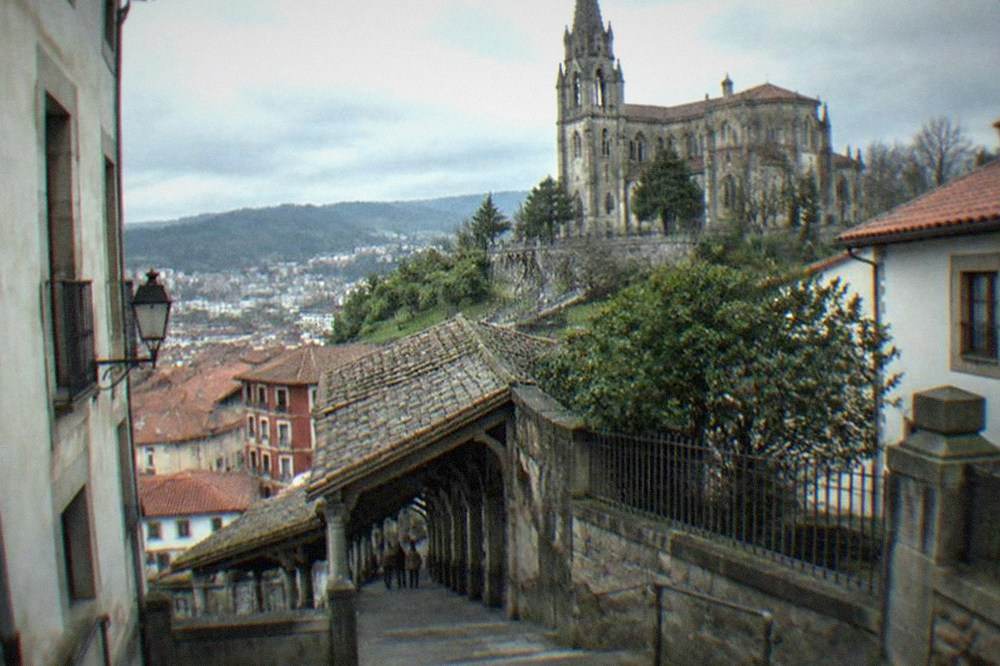
The classic ascent starts at the Cathedral of Santiago in the heart of the Old Town. The steps rise behind the cathedral, and the route is signposted; you emerge at the basilica's esplanade with the Old Town falling away beneath you. Wear sensible shoes, because the steps are old, worn in places, and slick when wet, and Bilbao's climate is temperate oceanic with rain distributed through the year. AEMET's Bilbao Aeropuerto/Loiu (station 1082) normals show rain in every single month, from 50 mm in July to 147 mm in November, so a damp staircase is a realistic scenario in any season.
If steps are not appealing, there is another option entirely: approach from the west using the Artxanda funicular system's neighborhood context, or more practically, take a taxi or rideshare to the basilica's doorstep, since the esplanade is reachable by road. The Artxanda funicular is a separate hill and a separate ride, but the same logic applies: Bilbao is a city of hills, and locals think nothing of using vertical transport to skip a climb. The funicular's own fares, as commonly reported from its official fares page, run about EUR3.50 one-way and EUR6.00 round-trip, though those figures come from a single-source check and should be confirmed on site.
| Approach route | Starting point | Character | Best for |
|---|---|---|---|
| Calzadas de Mallona steps | Behind Santiago Cathedral, Casco Viejo | Short, steep, historic stone staircase | Most visitors already in the Old Town |
| Road approach from the Ensanche | Begoña side streets | Gradual, paved, no steps | Visitors with mobility constraints |
| Taxi or rideshare | Anywhere in central Bilbao | Door-to-door to the esplanade | Families, tired legs, bad weather |
| Guided walking tour | Casco Viejo meeting points | Led, with historical context | First-time visitors who want the stories |
A guided walk is a genuinely good fit for this hill, because the basilica's history is the kind of thing a local guide carries and a plaque does not. The History and Culture small-group walking tour covers the Casco Viejo and its landmark stories, and the basilica sits squarely in that territory. Check availability if that format appeals; the small-group version keeps the pace conversational.
Public transport context is worth knowing even though no metro station sits at the foot of the hill. Bilbao's metro, Bilbobus, tram, and Bizkaibus all run on the integrated Barik system, and the CTB Barik fares page gives Metro Zone 1 at EUR1.02 with a Barik card versus EUR2.00 for a single ticket without one. Casco Viejo metro station on Line 1 or 2 is the natural anchor if you are arriving from further out, and from there the walk to the steps is flat until the climb itself begins.
What Can You See Inside The Basílica De Begoña?
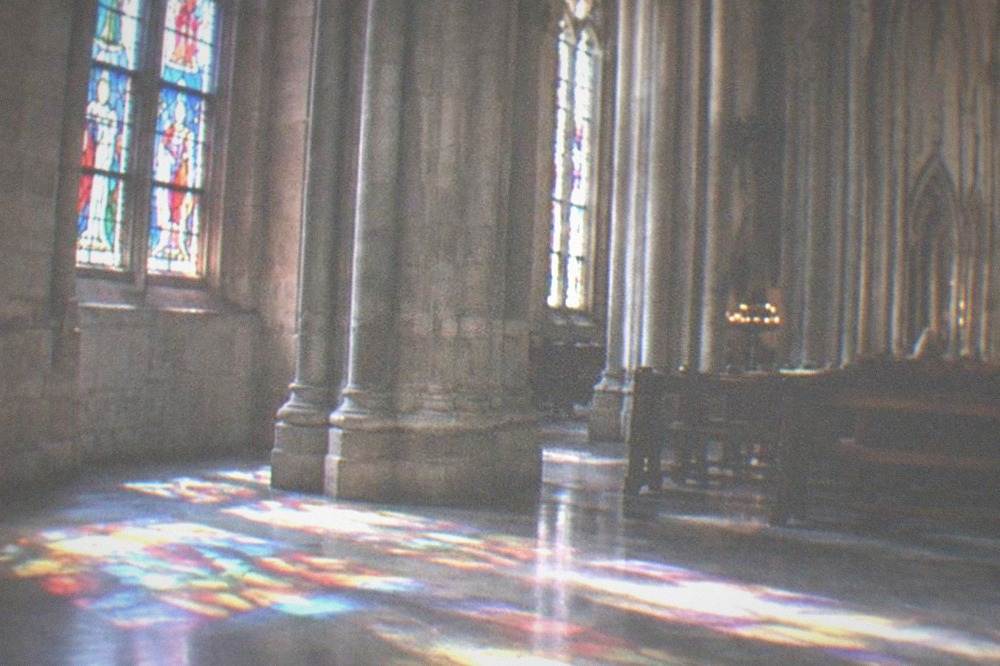
Inside the Basílica de Begoña you can see a spacious Gothic-Renaissance interior of pale stone, the venerated image of the Virgin Begoña in the high altar, stained glass, side chapels funded by Bilbao families over the centuries, and, from the esplanade outside, one of the finest panorama views over the Old Town and the Nervión estuary in the whole city. The interior is modest compared with Spain's great cathedrals, and that modesty is precisely its charm.
The high altar is the emotional center. The image of the Virgin of Begoña is dressed in traditional robes, and it is the object toward which the province's devotion points on feast days. Outside those dates you will usually find the church quiet, with a handful of locals at prayer and light falling through the windows onto the stone floor. Photography is tolerated with common sense, but this is an active parish, so low voices and no flash are the baseline expectations.
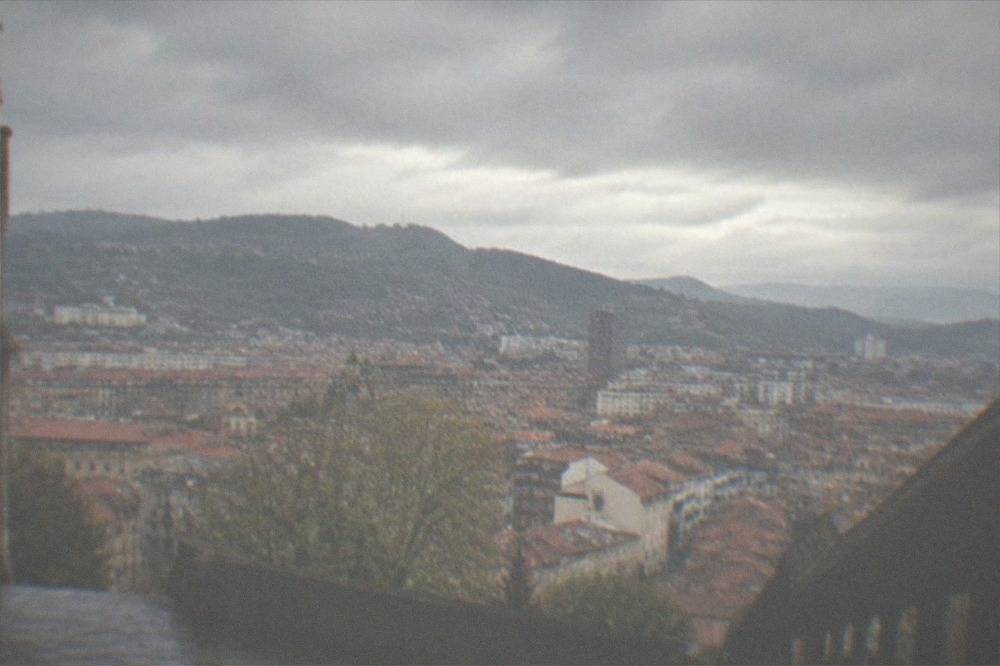
The esplanade deserves as much time as the nave. From the front of the basilica, the Casco Viejo spreads out below in a dense weave of tiled roofs, church towers, and the occasional glimpse of the estuary. Look for the silhouette of the Teatro Arriaga at the edge of the Old Town and the rooftops dropping toward Ribera Market. On clear days the hills beyond the city frame the whole scene. Bring a camera; this is one of the spots featured on any serious Bilbao photography route, and the light in the late afternoon, when the stone of the tower catches the low sun, is the most photogenic of the day.
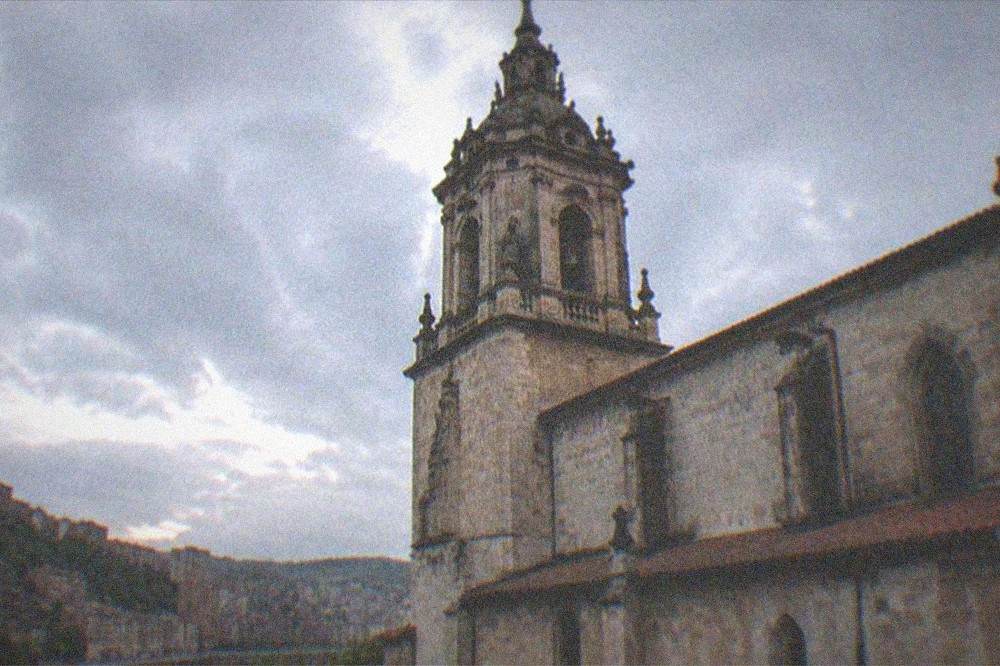
The bell tower is the other visual signature. It stands apart enough from the body of the church to read as its own structure, and it anchors the skyline in views from below, especially from the streets around the Puente de la Salve, where the tower and the bridge's modern arch make an unexpectedly good pairing. If you are planning a photo itinerary, shoot the tower from the Salve bridge area and the panorama from the esplanade; the two compositions bookend each other.
For visitors who want the hill's story told rather than discovered, the Guggenheim Museum 360 free walk on GuruWalk includes the basilica's neighborhood context within a wider city circuit, and it is a pay-what-you-want option that suits a tight budget. The basilica also features on general city history walks, where guides unpack the building's construction phases and the role the Begoña devotion played in Bilbao's identity.
How Much Time Should You Spend At The Basílica De Begoña?
A visit to the Basílica de Begoña typically takes between thirty and sixty minutes, which covers the interior, the side chapels, the esplanade view, and a short rest on the benches at the top. Add another fifteen to twenty minutes if you plan to photograph the tower from the surrounding streets, and budget a full half-day if you intend to combine the basilica with a complete Casco Viejo circuit, which is the pairing most first-time visitors choose.
The climb itself sets the rhythm. Going up, most people pause at least once on the Calzadas de Mallona, and those pauses are part of the experience: the Old Town reveals itself in layers as you rise. Once at the top, the interior rewards a slow lap rather than a dash, because the chapels and glass reward attention. If a service is in progress, wait it out on the esplanade; the view makes the wait pleasant, and services in a working parish take precedence over sightseeing.
| Visit style | Time at the basilica | Add-ons that fit the same block |
|---|---|---|
| Quick photo stop | 20-30 minutes | Esplanade panorama, tower view from below |
| Standard visit | 45-60 minutes | Interior, chapels, esplanade, rest |
| Old Town pairing | 2-3 hours total | Casco Viejo, cathedral, Plaza Nueva |
| Guided walk including the hill | Tour duration plus free time | Depends on the tour's route and pace |
Timing within the day matters more than timing within the week. The basilica is at its most atmospheric in the early morning, when the Casco Viejo below is still quiet and the light is soft, and again in the late afternoon, when the stone glows. Midday in July and August can be warm on the exposed esplanade, though Bilbao's oceanic climate keeps even summer means around 20.4 to 20.9 degrees C per AEMET's normals, so this is rarely an endurance test. The real variable is rain: the same AEMET table shows November as the wettest month at 147 mm, and a wet staircase plus wind on an open hilltop is a different experience from a dry one. Check the forecast and go early if rain is expected.
When Is The Best Time Of Year To Visit The Basílica De Begoña?
The best time to visit the Basílica de Begoña is between June and September, when Bilbao's AEMET-recorded means run from 18.4 to 20.9 degrees C and monthly rainfall sits at its annual lows, making the climb and the open esplanade most comfortable. The feast days around the Virgin of Begoña in mid-August are the most culturally intense dates, though they also bring crowds, and November is the month to avoid for weather.
The summer window aligns neatly with Bilbao's wider calendar. Aste Nagusia, the city's nine-day main festival, runs 22 to 30 August 2026, opening with the txupin rocket at 19:00 in Plaza Arriaga, and the festival atmosphere spills through the whole Old Town, including the streets below the basilica's hill. Visiting the basilica during those days means seeing the city at its most animated, though you should expect the steps and esplanade to be busier than usual and the surrounding bars to be full from afternoon onward.
Shoulder seasons are the connoisseur's choice. May sits at a mild 15.7 degrees C mean with 78 mm of rain, and October at 16.4 degrees C with 111 mm, so both offer workable conditions with thinner crowds. Winter visits are perfectly feasible, at 9.3 to 9.9 degrees C in the January and December means, but the exposed hilltop is genuinely cold when the wind comes up the estuary from the Bay of Biscay, and rain probability is at its annual peak. Whatever the month, go in the morning: the light on the Old Town rooftops is better, and you beat both the tour groups and the weather's usual afternoon turn.
| Month | Mean temperature (C) | Mean rainfall (mm) | Visit character |
|---|---|---|---|
| March | 11.5 | 90 | Quiet, fresh, changeable skies |
| May | 15.7 | 78 | Comfortable shoulder-season pick |
| July | 20.4 | 50 | Driest month, warmest crowds-free window before August |
| August | 20.9 | 76 | Aste Nagusia festival season, busiest and most festive |
| October | 16.4 | 111 | Soft light, autumn tones, thinner crowds |
| November | 12.4 | 147 | Wettest month, least advisable for the exposed climb |
What Else Is Near The Basílica De Begoña In Bilbao?
The Basílica de Begoña sits within a fifteen-to-twenty-minute downhill walk of the entire Casco Viejo, including Santiago Cathedral, Plaza Nueva, Ribera Market, and the Teatro Arriaga, and it is a short metro or tram hop from the Guggenheim Museum, the Ensanche shopping streets, and Doña Casilda Park, which makes it an easy anchor for a half-day Old Town circuit rather than a standalone trip.
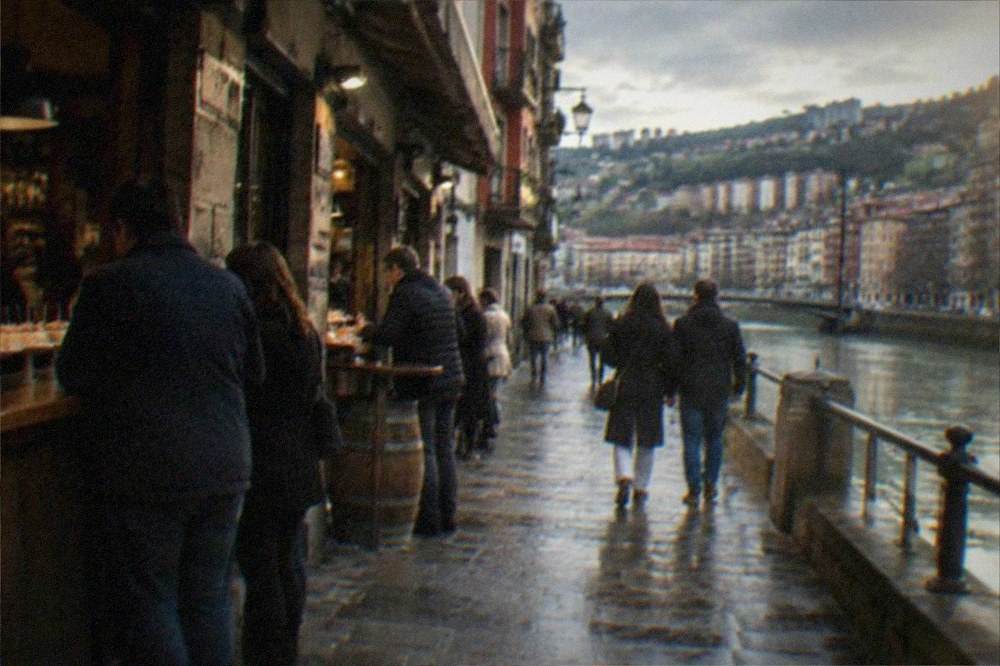
Downhill and to the east, the Siete Calles of the Casco Viejo are the obvious first stop. The Plaza Nueva arcades are the classic pintxos crawl venue, and the fresh-food spectacle of Ribera Market sits at the Old Town's river edge. Recent local food reporting highlights Plaza Nueva institutions like Gure Toki, Sorginzulo, and El Globo, with pintxos typically running a few euros each at traditional bars and a full crawl of four to six items with drinks often landing in the 25 to 45 euro range per person, though prices vary by bar and season, so treat those as planning ranges and check the room.
Cross the estuary and the modern city begins. The Guggenheim Museum Bilbao lists an adult ticket at EUR18 and opens Tuesday to Sunday from 10:00 to 19:00, extending to 20:00 from 15 June to 13 September, so a summer itinerary can pair a morning basilica climb with an afternoon museum visit without rushing either. The Museum of Fine Arts borders Doña Casilda Park, and as reported it is closed for final renovation works until 5 October 2026, reopening on 6 October with a free entry week through 13 October, after which adult general admission is stated at EUR12 with a joint Artean pass with the Guggenheim at EUR16.
| Nearby sight | Direction from the basilica | Suggested time |
|---|---|---|
| Santiago Cathedral | Downhill, Casco Viejo | 30-45 minutes |
| Plaza Nueva pintxos bars | Downhill, Casco Viejo | 1-2 hours with eating |
| Ribera Market | Downhill, river edge | 45 minutes |
| Guggenheim Museum | Across the estuary, tram or metro | 2-3 hours |
| Artxanda funicular viewpoint | Separate hill, west of the Old Town | 1 hour round trip |
For visitors with a full day, the basilica also pairs well with a trip beyond the city. The San Juan de Gaztelugatxe day trip is the region's signature coastal excursion, and a short version like the Gaztelugatxe and Basque Coast walk from Bilbao gets you to the Dragonstone islet and back within a half-day window. Note that Gaztelugatxe requires a free timed reservation only on official controlled-access days, roughly mid-June to about 20 September plus Easter and holiday weekends, with a daily cap of 1,462 visitors on those days and booking via tiketa.eus.
How Does The Basílica De Begoña Fit Into A Bigger Bilbao Itinerary?
The Basílica de Begoña works best as the high point, literally, of a Casco Viejo morning: climb the steps after breakfast, spend an hour at the church and esplanade, then descend into the Siete Calles for pintxos, the cathedral, and Plaza Nueva before crossing to the Guggenheim side of the river in the afternoon. In a one-day Bilbao plan it deserves a full hour; in a two or three-day plan it anchors an entire Old Town half-day.
If you would rather someone else handle the route and the history, two formats cover the hill well. A small-group history walk such as the History and Culture walking tour keeps things conversational, while the e-bike highlights tour lets you cover the basilica's hill, the riverside, and the Ensanche in one loop without the sweat, since the electric assist takes the sting out of Bilbao's gradients.
For a wider sense of the city's full menu, from this hill to the waterfront and the coast, see the compiled things to do in Bilbao page. And if you are weighing a base-city decision, the basilica's neighborhood is a reminder of what Bilbao does best: dense, walkable history within minutes of world-class modern architecture, a combination this Bilbao Travel Guide covers neighborhood by neighborhood.
| Itinerary length | Where the basilica fits |
|---|---|
| One day | Morning Old Town block, 1 hour at the hill |
| Two days | Day one Old Town anchor with a relaxed lunch after |
| Three days | Pair with an Artxanda viewpoint evening on the same day |
| With kids | Short visit plus esplanade snack break, skip the full climb if tired |
| Rainy day | Go early between showers; interior is a genuine rainy-day stop |
Common Questions About The Basílica De Begoña
What Is The Basílica De Begoña In Bilbao?
What is the Basílica de Begoña in Bilbao?
It is a hilltop basilica in Bilbao, Spain, dedicated to the Virgin Begoña, the patroness of the province of Biscay. It is a working parish church with free entry, standing on the hill between the Casco Viejo and the Ensanche, and it is one of the city's most emotionally significant buildings.
How do I get to the Basílica de Begoña?
The standard route is on foot from the Casco Viejo, up the Calzadas de Mallona steps behind Santiago Cathedral, a short steep climb of roughly ten to fifteen minutes. A road approach from the Ensanche side avoids the steps, and taxis can reach the esplanade directly.
Is the Basílica de Begoña free to visit?
Yes. It is an active parish church rather than a ticketed attraction, so entry is free and visits are self-guided. Donations are customary, and normal church etiquette applies, especially when services are in progress.
How long should I spend at the Basílica de Begoña?
Plan on thirty to sixty minutes for the interior, chapels, and esplanade view, plus time for the climb itself. Visitors pairing the basilica with a full Casco Viejo circuit usually budget two to three hours for the combined walk.
When is the best time to visit the Basílica de Begoña?
June through September offers the driest, warmest conditions, with AEMET normals showing monthly means of 18.4 to 20.9 degrees C and rainfall lows of 50 to 76 mm. Mid-August brings the Aste Nagusia festival atmosphere, while November, the wettest month at 147 mm, is the least comfortable for the exposed hilltop.
Is the climb to the Basílica de Begoña difficult?
The Calzadas de Mallona steps are short but steep and can be slick in rain, which falls in every month of the year in Bilbao's oceanic climate. The climb is manageable with sensible footwear and an unhurried pace, and a road approach exists for anyone who prefers to avoid steps.
The Basílica de Begoña earns its place on a Bilbao itinerary not through spectacle but through position, silence, and the view it holds over the Old Town, and any visitor who makes the climb will understand why the people of Bizkaia have been making it for centuries.