Catedral De Santiago
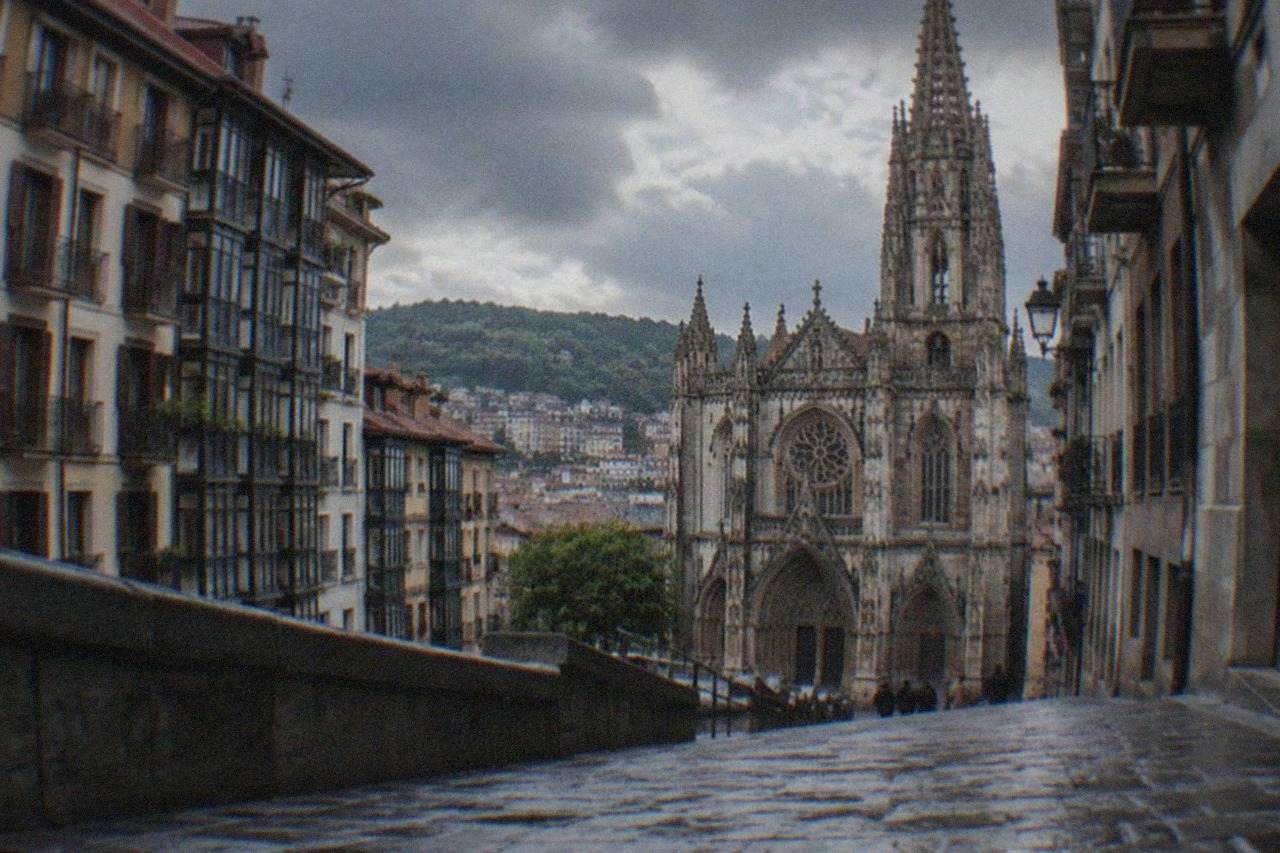
The Catedral de Santiago is the oldest religious building at the centre of Bilbao's Casco Viejo, a Gothic church tied to the pilgrimage route that gave the city its medieval reason to exist. This guide covers what it is, how to reach it by metro or tram, what to look for inside, and how to build a day around it in the Old Town.
Short answer
The Catedral de Santiago is Bilbao's Gothic cathedral, dedicated to Saint James the Apostle, standing in the middle of the Casco Viejo old town in Biscay, Basque Country, northern Spain. It grew from the city's original parish church and sits directly on the Northern Way of the Camino de Santiago, so pilgrims have been arriving at its doors since the Middle Ages.
The Catedral de Santiago is the Gothic cathedral at the heart of Bilbao's Casco Viejo, in Biscay (Bizkaia) province, Basque Country, northern Spain. It is the city's mother church, dedicated to Saint James the Apostle, and it stands on the line of the Northern Way of the Camino de Santiago, the medieval pilgrimage route that ran along this Atlantic coast toward Compostela before Bilbao was anything more than a fishing and trading settlement on the tidal Nervión estuary. Pilgrims still walk past its walls today, which makes it one of the few cathedrals in Spain you can visit both as a tourist and as a waypoint on a thousand-year-old road. Around it, the Seven Streets of the Old Town, the ribera market, and the pintxos bars of Plaza Nueva form one of the most walkable historic quarters in the Basque Country, and this guide, from the Bilbao Travel Guide editorial desk, covers how to see all of it without wasting a step.
What Is The Catedral De Santiago In Bilbao?
The Catedral de Santiago is Bilbao's principal church, a Gothic building dedicated to Saint James the Apostle that grew out of the city's original parish church in the Casco Viejo old town. It sits directly on the Northern Way of the Camino de Santiago pilgrimage route, which is why a church in a modest trading town was built to cathedral scale, and its cloister is widely considered the finest piece of Gothic architecture anywhere in the city.
Bilbao's story and the story told here are one and the same. The town began as a port at the mouth of the Nervión, roughly 15 km up the tidal estuary from the Bay of Biscay, and its first parish church already existed on or near this spot. As the Camino de Santiago's Northern Way brought pilgrims westward along the coast, the church of Saint James became a fixed landmark on the route, and the building was rebuilt and enlarged in Gothic style across the late medieval period. The church was only declared a cathedral in the modern era, when the see of Bilbao was created, which explains a detail that surprises many visitors: it is a cathedral in scale and dignity but a parish church in footprint, squeezed onto a modest square hemmed in by Old Town buildings rather than standing in a grand open close.
The dedication matters more here than in most Spanish cathedrals. Saint James is the patron of the pilgrimage to Santiago de Compostela in Galicia, and the scallop shell, his symbol, appears on pilgrims walking through Bilbao to this day. The Northern Way enters the city from the east, threads through the Casco Viejo, and leaves toward the river, so the cathedral is not a detour for walkers but a stage of the road itself. For ordinary visitors, that means the building is best understood not as a museum piece but as a working landmark that has been receiving arrivals, merchants, pilgrims, and now tourists for seven centuries.
Where Is The Catedral De Santiago And How Do You Get There In Bilbao?
The Catedral de Santiago stands in the middle of the Casco Viejo, Bilbao's Old Town, on the square where the Siete Calles, the Seven Streets, converge, and the fastest way to reach it is Metro Bilbao to Casco Viejo station, a Zone 1 ride that costs EUR1.02 with a Barik card or EUR2.00 as a single ticket. The Abando and Zazpikaleak tram and train stops are also within a short walk of the doors.
The Old Town is compact, so almost any approach ends at the cathedral within a few minutes on foot. From the Abando area and the Gran Vía shopping district, the walk east across the estuary leads into the Seven Streets; from the Guggenheim side, the riverside promenade delivers you to the same quarter in about twenty minutes of flat walking along the water. The CTB Barik fares page gives the Zone 1 metro fare as EUR1.02 with the Barik Creditrans purse and EUR2.00 without, valid for two hours, and the tram runs on a Barik flat fare of EUR0.74 with occasional singles around EUR2.00. If you plan more than a couple of rides, the Bilbao Bizkaia Card, at EUR10 for 24 hours, EUR15 for 48, and EUR20 for 72 per the card's own site, bundles unlimited transport with attraction discounts.
| Transport option | Fare with Barik | Fare without Barik | Notes |
|---|---|---|---|
| Metro Bilbao, Zone 1 (e.g. Abando to Casco Viejo) | EUR1.02 | EUR2.00 | Single ticket valid 2 hours |
| Metro Bilbao, Zone 2 (e.g. Abando to Getxo) | EUR1.19 | EUR2.20 | Coastal day trips |
| Bilbao Tram (Euskotren Tranbia), flat | EUR0.74 | around EUR2.00 | Stops at Abando and Casco Viejo edges |
| Bilbobus city bus, single | EUR0.73 base | EUR1.70 | Whole fleet is low-floor accessible |
| Bizkaibus airport line A3247 | lower with Barik | EUR5 | Every 15 minutes, 15 to 25 minutes to centre |
Once you are in the Casco Viejo, the cathedral is impossible to miss for long. The quarter's grid of medieval streets funnels toward it, and the surrounding lanes hold most of what visitors come to the Old Town for: the Mercado de la Ribera by the river, Plaza Nueva with its arcaded pintxos bars, and the Arriaga theatre at the district's riverside edge. A practical note for drivers: the Old Town's streets are narrow and largely given over to pedestrians, and the city's park-and-ride logic means visitors typically arrive by metro and leave the car behind. The full transport picture, including the funicular up to Artxanda for the post-cathedral panorama, is covered in the Casco Viejo old town area guide.
What Can You See Inside The Catedral De Santiago?
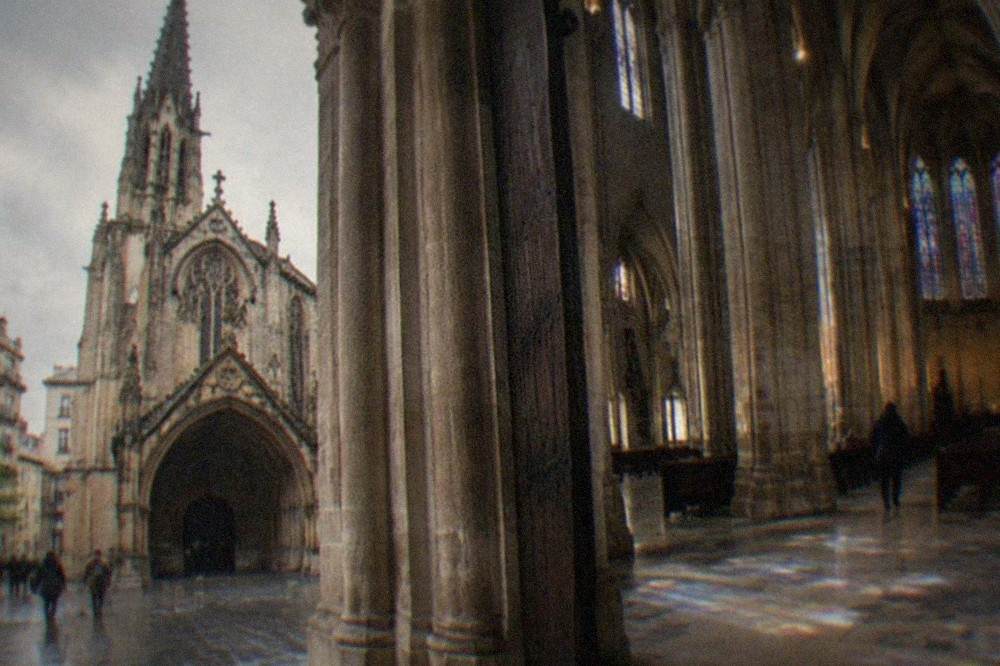
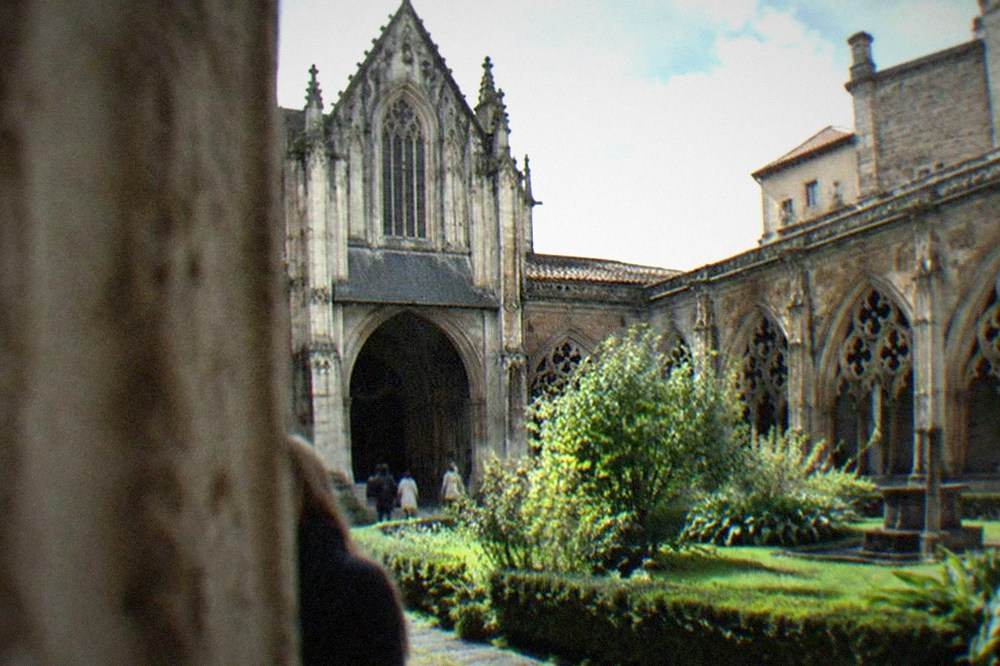
Inside the Catedral de Santiago, the headline sight is the Gothic cloister, a serene arcaded quadrangle that is regarded as the finest Gothic work in Bilbao, followed by the slender nave with its rib vaulting, the main entrance's carved portal, and the small museum space that displays religious art and artifacts tied to the church's history. The building's restrained interior rewards slow looking rather than a checklist, and a typical visit lasts between thirty minutes and an hour inside.
The cloister is the piece people remember. Where the nave is a working parish space, the cloister is pure medieval craft: pointed arches carried on slender columns, enclosing a quiet garden, and lit differently at every hour of the Atlantic-influenced day. Guides to the city consistently single it out as the best Gothic stonework in Bilbao, and it is the clearest surviving link to the church's late-medieval rebuilding. The cathedral's exterior, by contrast, is a patchwork of later eras: the main facade, with its figure of Saint James above the door, was heavily restored in a later period, and the tower that anchors the skyline over the Seven Streets is a later addition rather than original Gothic.
Because the building served pilgrims for centuries, keep an eye out for the Camino markers around it. Scallop shells and yellow arrow waymarks appear on walls and pavements through the Casco Viejo, pointing west, and the flow of walkers with backpacks and staffs is a normal feature of the square outside, especially in the warmer months. The interior also holds works of religious art across several centuries, and the small display areas present pieces connected to the parish's own history rather than a generic collection. Photography is generally welcome in the main space, but as with any working church, check for service times: Masses take priority over sightseeing, and a wedding or a funeral can close the interior to visitors without notice.
After the cathedral, the natural next step is food, because the Casco Viejo is Bilbao's densest pintxos territory and Plaza Nueva is only a couple of streets away. A guided walk saves you the guesswork of picking bars on day one.
The Old Town's bars reward a local's shortlist, and a guided route usually includes the historic squares and the stories behind them between stops. If you would rather browse the options first, the best pintxos in Bilbao guide lists the bars most consistently named in recent local rankings.
When Is The Best Time To Visit The Catedral De Santiago In Bilbao?
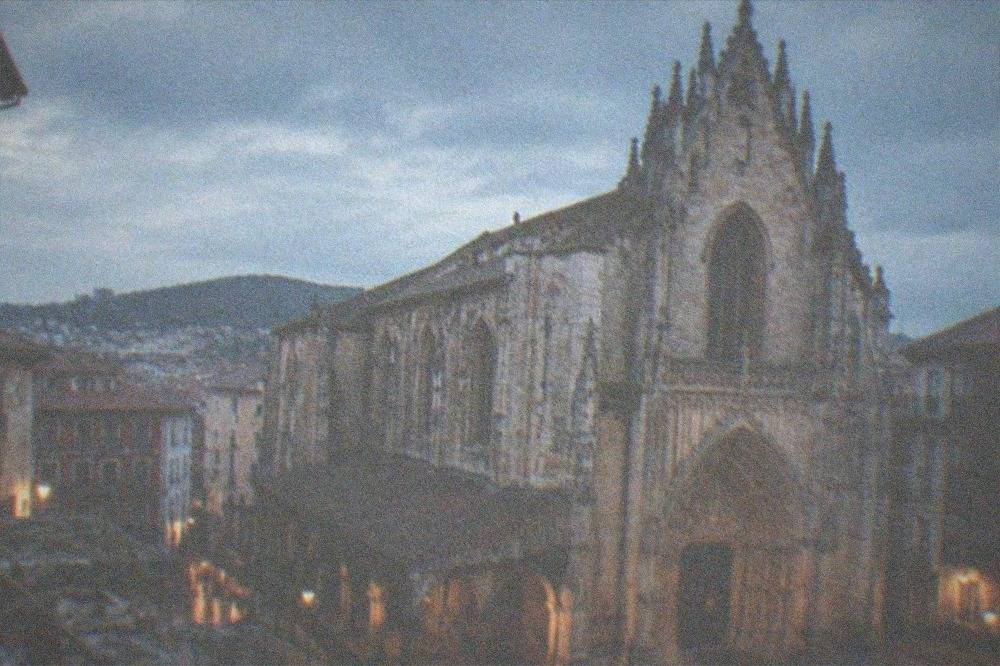
The best time to visit the Catedral de Santiago is in the warmer, drier months from June through September, when AEMET's Bilbao Aeropuerto/Loiu station normals show monthly means of 18.4 to 20.9 C and rainfall of 50 to 76 mm, and the cathedral square and Old Town lanes are at their liveliest. Mornings are quieter than afternoons, and November is the wettest month of the year at 147 mm, so late autumn visits need an umbrella and indoor backup.
Bilbao's climate is temperate oceanic, shaped by the Atlantic a short estuary-ride away, and it rains somewhere in every month of the year: 1,134 mm annually per the AEMET 1981-2010 normals for station 1082. What changes across the year is how much, and how warm the days feel. July and August are the warmest months at 20.4 and 20.9 C mean, with July the driest at 50 mm, and the cathedral's square fills with pilgrims and visitors through those weeks. Winter is mild rather than harsh, with January's mean at 9.3 C, but November's 147 mm of rain makes it the least forgiving month for wandering an outdoor neighbourhood like the Seven Streets.
| Month | Mean temperature (C) | Mean rainfall (mm) | What it means for a cathedral visit |
|---|---|---|---|
| January | 9.3 | 120 | Mild but damp; quiet streets, short days |
| March | 11.5 | 90 | Spring pilgrims begin; variable weather |
| May | 15.7 | 78 | Pleasant walking weather, green estuary banks |
| July | 20.4 | 50 | Warmest, driest; busiest Old Town of the year |
| August | 20.9 | 76 | Aste Nagusia festival runs 22 to 30 August 2026 |
| September | 19.2 | 73 | Warm but calmer; excellent compromise month |
| November | 12.4 | 147 | Wettest month; plan indoor backup stops |
Timing within the day matters as much as the season. Mornings catch the Casco Viejo before the pintxos crowds, the light comes low through the Seven Streets, and the cathedral interior is at its quietest before midday. Late afternoon is when the neighbourhood changes character entirely: bars fill, the txikiteo, the standing bar crawl, gets going, and the square outside the cathedral becomes a meeting point. If your visit lands in late August, the Aste Nagusia festival, confirmed for 22 to 30 August 2026 with the txupin opening at 19:00 in Plaza Arriaga, transforms the whole district with concerts, fireworks, and the txosnas street bars, and the cathedral sits in the middle of it all.
One planning note that applies to any 2027 trip: a Bizkaia-wide tourist tax takes effect on 1 January 2027, with Bilbao's approved municipal rates running from EUR1 per night in pensions to EUR5 in five-star hotels and EUR6.50 for tourist apartments. Visitors in 2026 pay no tourist tax at all. Budget it into next year's accommodation and it will not surprise you at the front desk.
What Else Is Near The Catedral De Santiago In Bilbao?
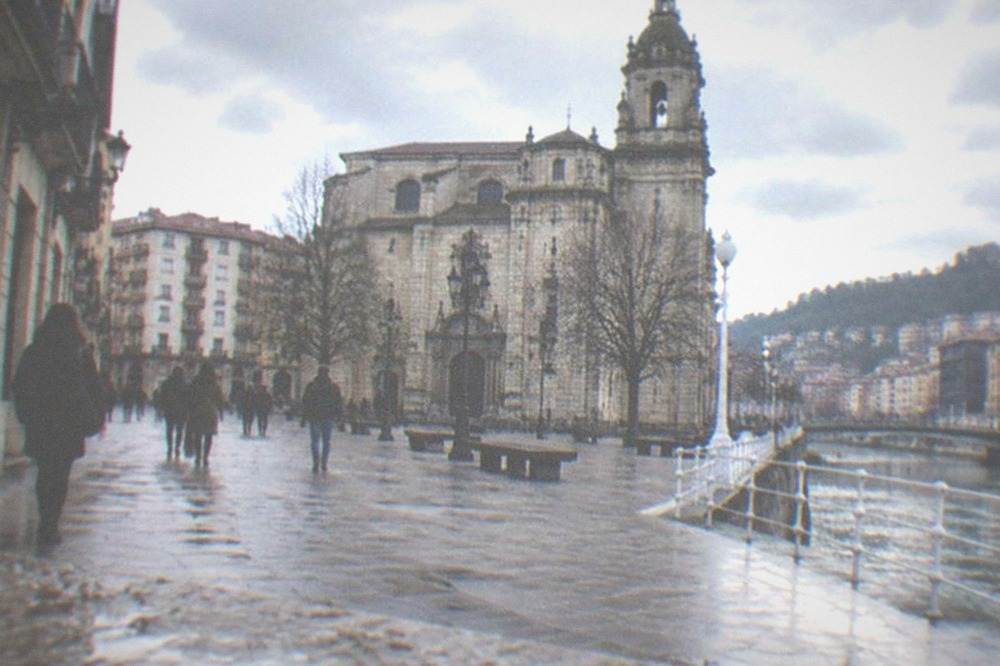
Within a short walk of the Catedral de Santiago you can reach the Mercado de la Ribera on the riverbank, the arcaded Plaza Nueva with its pintxos bars, the Arriaga theatre at the Old Town's edge, the Zubizuri and Puente de la Salve bridges across the estuary, and the Basilica de Begona on the hillside above, so the cathedral works naturally as the anchor of a half-day Old Town circuit rather than a standalone stop.
The Old Town rewards a loose loop. Start at the cathedral square, drift down toward the river to the Mercado de la Ribera, one of the largest covered markets in Europe by floor area and the city's food hub since the Middle Ages, then work back through the Seven Streets to Plaza Nueva for a standing lunch. Cross the water for the modern side of the city when you are ready: the Guggenheim Museum Bilbao, with its EUR18 adult ticket and 10:00 to 19:00 opening hours Tuesday to Sunday as listed on the museum's own site, is a riverside walk away, and the Museum of Fine Arts Bilbao sits beside Doña Casilda park just beyond it.
| Sight | Segment of the city | Best pairing with the cathedral |
|---|---|---|
| Mercado de la Ribera | Casco Viejo, on the riverbank | Morning market wander before the cathedral |
| Plaza Nueva | Casco Viejo | Pintxos lunch after the visit |
| Teatro Arriaga | Casco Viejo, riverside edge | Exterior photos, festival venue in August |
| Basilica de Begona | Hillside above the Old Town | Views over the city and estuary |
| Guggenheim Museum Bilbao | Abandoibarra, across the river | Modern-art afternoon after the Old Town morning |
| Azkuna Zentroa | Ensanche side, near the river | Wine bar and rooftop terrace stop |
For visitors who want the coast as well as the city, the cathedral makes a calm morning before an afternoon or a full following day on the Basque coast. The Dragonstone and Mundaka route pairs the hermitage of San Juan de Gaztelugatxe with the surf town of Mundaka and the historic town of Guernica in one day trip from the city, and it is one of the most-booked coastal options from Bilbao.
Note that Gaztelugatxe itself requires a free timed reservation only on official controlled-access days, roughly mid-June to about 20 September plus certain holiday weekends, with a daily cap of 1,462 visitors on those days and booking through tiketa.eus, always free, up to 10 people per reservation. On all other days access is free without a reservation. The full detail lives in the Gaztelugatxe day trip guide.
Is The Catedral De Santiago Part Of The Camino De Santiago?
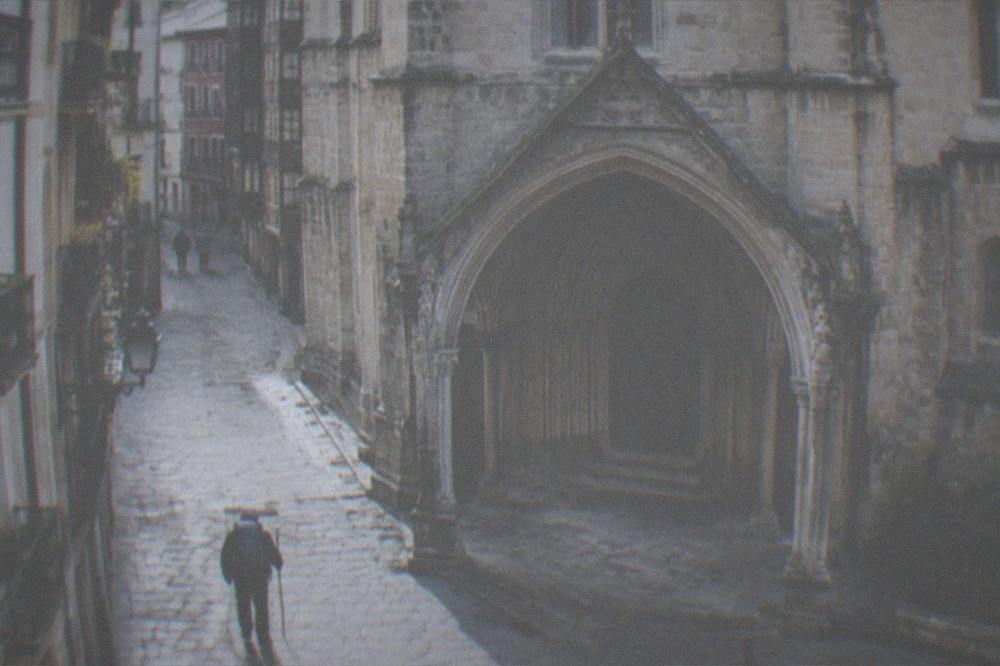
Yes, the Catedral de Santiago sits directly on the Camino del Norte, the Northern Way of the Camino de Santiago, which runs along the Basque and Cantabrian coast toward Santiago de Compostela, and the church has served pilgrims since Bilbao's medieval beginnings. Pilgrims walking the route today still pass the cathedral as they cross the Old Town, and the scallop shell waymarks around the building point them west toward the next stage.
The Northern Way is the older sibling of the better-known French route, traced along the Atlantic coast by medieval pilgrims who preferred the sea roads or feared the inland ones. Bilbao sits at a natural crossing point: the route enters the city from the east, descends into the Casco Viejo, passes the church of Saint James, and continues over the estuary toward Portugalete and the coast westward. That geography is the reason the parish grew with the town, and it is why the dedication to Saint James was never decorative. The church was infrastructure, a waypoint with a purpose.
You do not need to be walking to Compostela to feel it. On any given morning in the season, backpacked pilgrims rest on the benches around the cathedral square, get their credentials stamped in the neighbourhood, and move on. If you are tempted to join them even briefly, the Rioja wine day trip guide shows how the inland Basque and Rioja country east of the city opens up, while the coastal stages westward are covered in the San Sebastian day trip guide. And if a single long day of Basque coast and towns appeals more than a multi-week walk, the Gaztelugatxe loop with wine tasting does the essential coast, Bermeo, Mundaka, and Gernika in one outing.
How Does The Catedral De Santiago Fit Into A Day In Bilbao?
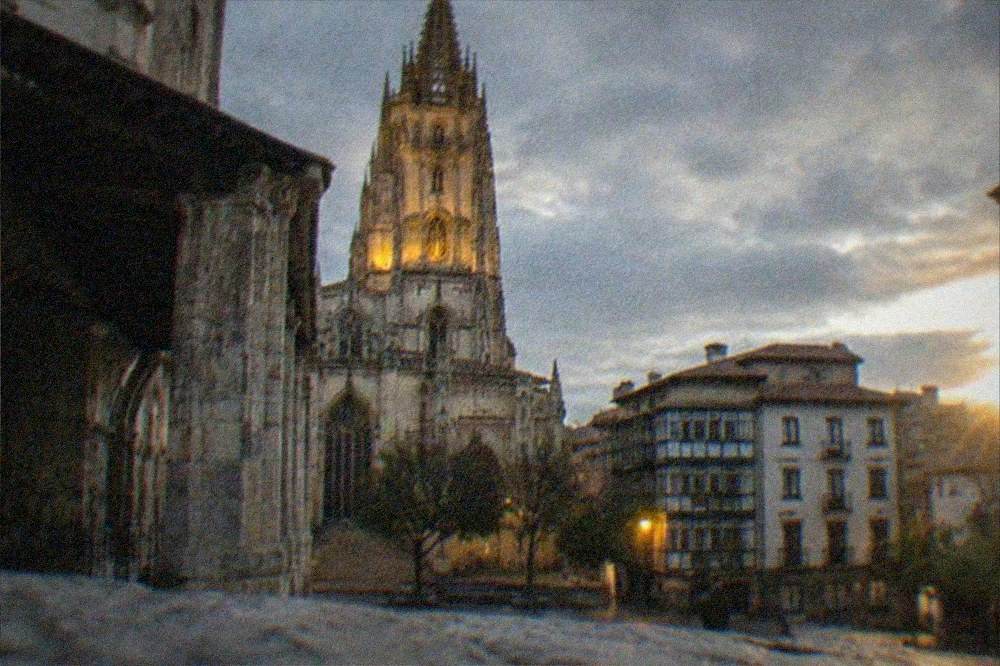
The Catedral de Santiago fits best as the anchor of a Casco Viejo morning: arrive by metro to Casco Viejo station, spend an hour at the cathedral and cloister, wander the Seven Streets and the Mercado de la Ribera, eat pintxos around Plaza Nueva, then cross the river for the Guggenheim and the Abandoibarra district in the afternoon. That single loop covers medieval Bilbao and the modern city in one walkable day, and every stage is reachable on foot or a single Zone 1 metro ride.
Bilbao's layout makes this unusually easy. The city is a linear strip along the estuary, with the Old Town on one side and the Ensanche and the museum district on the other, and the bridges stitch them together in a sequence that makes sense on foot. A first-timer's day can run: cathedral at 10:00, market and Seven Streets until noon, pintxos lunch at Plaza Nueva, the walk across to the Guggenheim for the afternoon, and the riverside or a funicular ride up Artxanda for the sunset panorama. The one day in Bilbao itinerary expands exactly this spine into an hour-by-hour plan, and the first-timers guide covers the practical basics, money, language, and opening rhythms, that a first visit needs.
| Time block | Where | What you do |
|---|---|---|
| 09:00 to 10:00 | Casco Viejo arrival | Metro to Casco Viejo, coffee on the cathedral square |
| 10:00 to 11:00 | Catedral de Santiago | Nave, cloister, Camino waymarks |
| 11:00 to 13:00 | Seven Streets and riverbank | Mercado de la Ribera, riverside lanes |
| 13:00 to 14:30 | Plaza Nueva | Pintxos lunch, standing bar crawl |
| 15:00 to 18:00 | Abandoibarra | Guggenheim, riverside walk, Fine Arts Museum |
| 18:00 onward | Artxanda or the Ensanche | Funicular panorama, dinner in Abando or Indautxu |
The pintxos economics of that lunch stop are worth knowing before you order. Recent local reporting puts traditional bar pintxos at roughly EUR2 to EUR5 each, with drinks typically EUR2 to EUR3.50, and a crawl of four to six items with drinks commonly running EUR25 to EUR45 per person; prices vary by bar, so check the board or the bar display before you commit. Plaza Nueva's classic names, Gure Toki, El Globo, Sorginzulo, and Víctor Montes among them, all appear in the 2025 and 2026 local rankings, and the 2025 Bizkaia traditional pintxo championship was won by La Bodeguita del 12 in nearby Abando.
If your Bilbao stay runs longer than a day, the city also makes an excellent base for the wider Basque Country. The San Sebastián, Hondarribia, and Getaria excursion covers the other great Basque city plus two fishing towns in a single day trip, and it pairs well with an Old Town-and-cathedral day either side of it.
For a longer Basque plan, weigh Bilbao against San Sebastián as a home base before you commit to a hotel, and the things to do in Bilbao overview collects every major sight, the cathedral included, into one ranked list.
Common Questions About The Catedral De Santiago In Bilbao
What is the Catedral de Santiago in Bilbao?
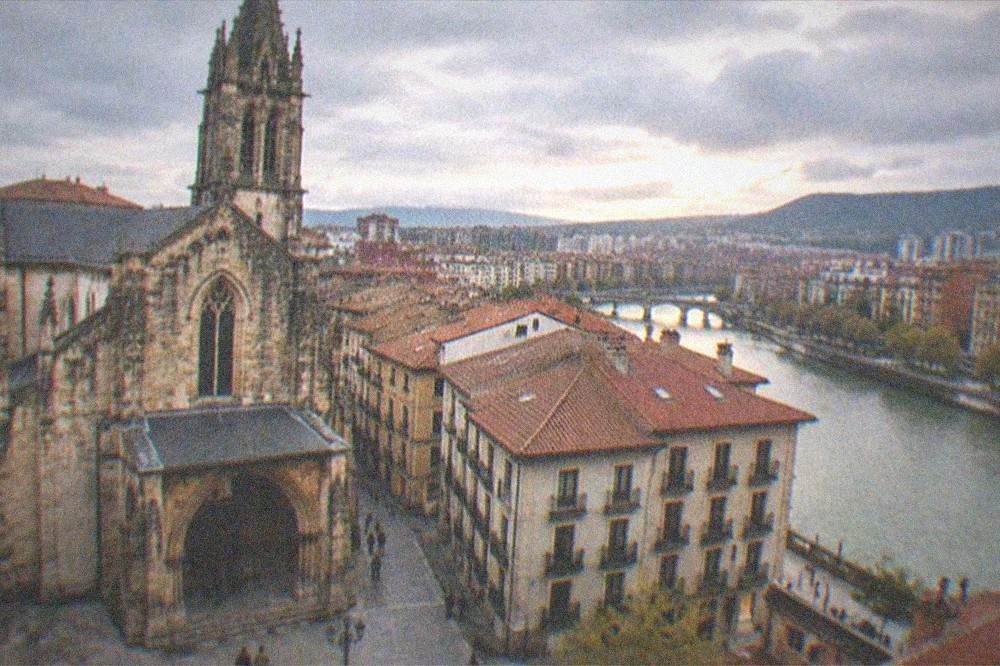
It is Bilbao's cathedral, a Gothic church dedicated to Saint James the Apostle in the middle of the Casco Viejo old town. It grew from the city's original parish church and stands on the Northern Way of the Camino de Santiago pilgrimage route.
How do I get to the Catedral de Santiago?
Take Metro Bilbao to Casco Viejo station, a Zone 1 ride costing EUR1.02 with a Barik card or EUR2.00 as a single ticket, or the tram to the Old Town edge. The cathedral sits where the Seven Streets converge, a short walk from any Casco Viejo entrance.
Is the Catedral de Santiago on the Camino de Santiago?
Yes. The Camino del Norte, the Northern Way, passes directly through the Casco Viejo and by the cathedral on its route along the Atlantic coast toward Santiago de Compostela. Pilgrims with backpacks are a normal sight on the square outside during the walking season.
What is the most notable feature inside the cathedral?
The Gothic cloister, a quiet arcaded quadrangle widely regarded as the finest Gothic stonework in Bilbao. The slender nave with its rib vaulting and the carved portal with Saint James above the door are the other headline sights.
When is the best time to visit the Catedral de Santiago?
June through September, when AEMET's Bilbao normals show monthly means of 18.4 to 20.9 C and the driest weather of the year, with July the driest month at 50 mm of rain. Mornings are quieter than afternoons, and November, the wettest month at 147 mm, calls for indoor backup plans.
What else should I see near the Catedral de Santiago?
The Mercado de la Ribera on the riverbank, Plaza Nueva's pintxos bars, the Arriaga theatre, and the Basilica de Begona above the Old Town are all within a short walk, and the Guggenheim Museum Bilbao sits across the river at the end of a pleasant riverside stroll.
Bilbao's cathedral is small by cathedral standards and central by any standard, and that combination is exactly why it works: one quiet hour inside a seven-century-old pilgrim church, then a hundred bars, one great market, and a titanium museum all within reach on foot.