Torre Iberdrola
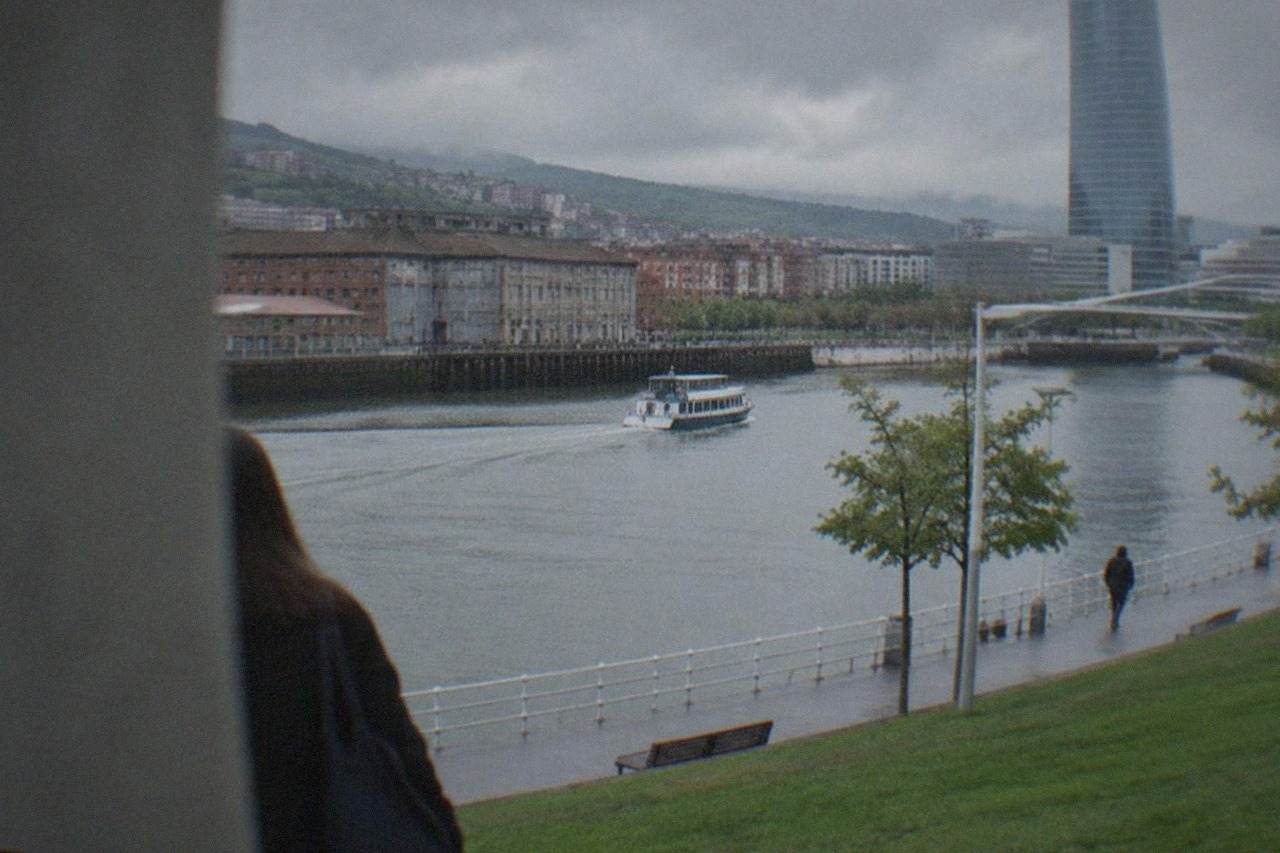
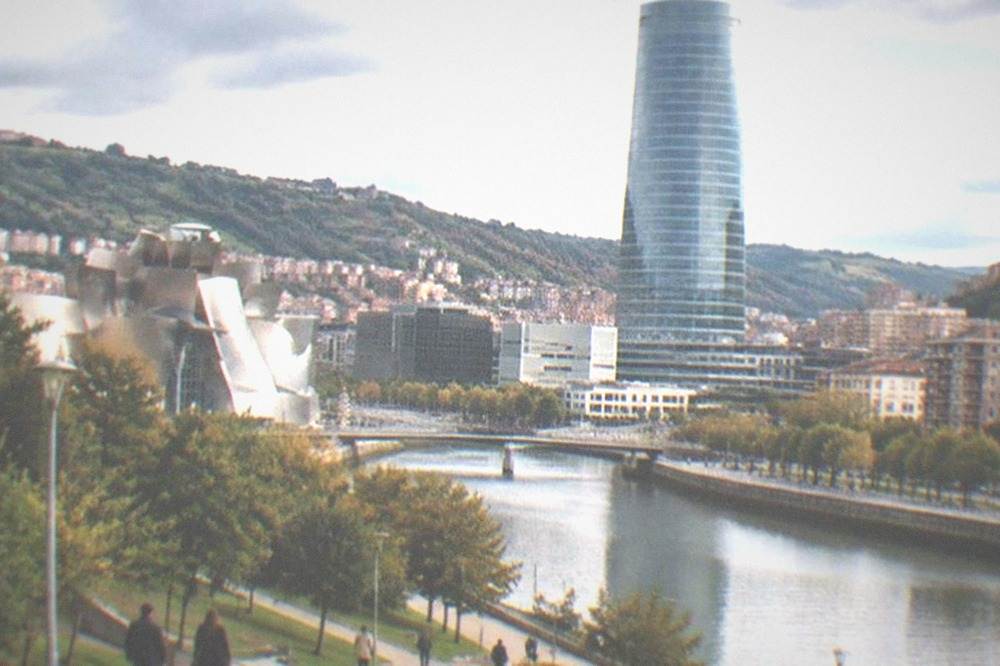
The Torre Iberdrola is the sleek glass headquarters tower that anchors Bilbao's redeveloped Abandoibarra riverfront in the Basque Country, northern Spain, standing among the museums, lawns and walkways that define the city's modern skyline.
Short answer
The Torre Iberdrola is a glass office tower on Bilbao's Abandoibarra riverfront in Biscay, northern Spain, best seen as part of a walk between the Guggenheim Museum, the Euskalduna Palace and Doña Casilda park rather than as a destination you enter.
The Torre Iberdrola is the glass headquarters tower that anchors the Abandoibarra district on the Nervion riverfront in Bilbao, the largest city of the Basque Country (Euskadi) and the capital of Biscay (Bizkaia) province in northern Spain. It belongs to the newest layer of a port city that rebuilt itself around culture and design, and for most visitors it works as a skyline landmark and a wayfinding anchor rather than a ticketed attraction. You will see it from the riverside promenade, from the bridges that cross the estuary, and from the hills that frame the city, and the district at its feet holds several of the sights people actually travel to Bilbao for. This guide, from the editorial desk at Bilbao Travel Guide, covers what the tower is, how to reach it, what surrounds it, and how to fold it into a day in the city.
What Is The Torre Iberdrola In Bilbao?
The Torre Iberdrola is the glass headquarters building of the Spanish energy company Iberdrola, standing on the Abandoibarra riverfront in Bilbao, northern Spain, and it is the structure that most defines the city's modern skyline. It is a working office tower rather than a museum or a public observation attraction, so the visitor experience is architectural: you walk around it, photograph it from the riverbank and the bridges, and use it as the fixed point from which the surrounding cultural district unfolds.
The tower sits in the Abandoibarra district, the strip of former shipyard and rail land between the river and the Ensanche that Bilbao converted into its contemporary core. This is the same district that holds the Guggenheim Museum Bilbao a short stroll downstream and the Euskalduna Palace conference centre next door, and the tower's presence ties the three together into one walkable stretch of lawns, promenades and public art. Bilbao's transformation from industrial port to design city is the context every guide gives for this district, and the tower is its most visible piece of corporate architecture.
Bilbao itself sits on the tidal Nervion/Ibaizabal estuary, roughly 15 km from the open Bay of Biscay, in a green, hilly, Atlantic corner of Spain. The city's municipal population stood at 346,933 on 1 January 2025 according to Eustat's municipal register, and Bilbao Ekintza's own 2025 tourism report counts 1,396,841 visitor entries and 2,723,725 overnight stays across hotels and tourist apartments combined for the year. Those are two different denominators from two different series, and this page keeps them separate: Eustat's hotel-only figures run lower, at roughly 1.2 million visitors and 2.38 million stays.
For orientation, the tower is one of five signature stops that define the Abandoibarra walk, and the table below places it among them.
| Abandoibarra stop | What it is | Character |
|---|---|---|
| Torre Iberdrola | Glass corporate headquarters tower | Skyscraper architecture, best seen from outside |
| Guggenheim Museum Bilbao | Titanium-clad art museum | The district's main ticketed attraction |
| Euskalduna Palace | Conference and concert centre | Culture and events venue beside the tower |
| Doña Casilda park | Historic landscaped park | Gardens, fountains, shaded walks |
| Riverside promenade | Pedestrian walkway along the estuary | Public art, river views, boat departures |
Where Is The Torre Iberdrola In Bilbao And How Do You Get There?
The Torre Iberdrola stands in the Abandoibarra district of Bilbao, northern Spain, between the Euskalduna Palace and the riverfront promenade, a short walk from the Moyua end of the Gran Via and from the Guggenheim Museum. There is no metro station inside the tower itself, but the Abandoibarra tram stop and several Bilbobus and Bizkaibus lines serve the district, and the whole stretch is flat, signposted and easy to cover on foot.
The tram is the most direct public transport option for this part of the riverfront. Euskotren Tranbia runs the Bilbao tram along the Abandoibarra waterfront, and the CTB Barik fares page gives a flat EUR0.74 Creditrans fare with a Barik card, or around EUR2.00 for an occasional single ticket. The Abando area around Abando station, the city's main rail interchange, is also within walking distance, and the walk from there runs through the Ensanche's grid of shops and offices to the tower in a straight, pleasant line.
Metro Bilbao serves the wider city. The CTB's own fares page lists Creditrans fares of EUR1.02 for one zone, EUR1.19 for two zones and EUR1.30 for three zones, with occasional single tickets at EUR2.00, EUR2.20 and EUR2.25 respectively, valid for two hours. Bilbobus city buses charge EUR1.70 for a single, or roughly EUR0.73 with a Barik card before discounts. The Barik card itself is commonly reported to cost EUR3 to buy, non-refundable, though that purchase price comes from secondary sources rather than an official CTB fares page, so treat it as provisional. The Bilbao Bizkaia Card is the tourist alternative: the card's own site lists 24 hours at EUR10, 48 hours at EUR15 and 72 hours at EUR20, covering unlimited transport plus attraction discounts, personal and non-transferable.
| Transport option in Bilbao | Fare with Barik Creditrans | Occasional single |
|---|---|---|
| Metro Bilbao, 1 zone | EUR1.02 | EUR2.00 |
| Metro Bilbao, 2 zones | EUR1.19 | EUR2.20 |
| Metro Bilbao, 3 zones | EUR1.30 | EUR2.25 |
| Bilbao tram (Euskotren Tranbia) | EUR0.74 flat | Around EUR2.00 |
| Bilbobus city bus | Roughly EUR0.73 base | EUR1.70 |
| Bizkaibus interurban bus | EUR1.02 to EUR2.45 by zone | Higher, varies by route |
If you are arriving by air, Bilbao Airport (BIO) has no metro or train link, and the city council's own position is that none arrives before 2035. The Bizkaibus A3247 runs every 15 minutes, roughly 06:10 to 23:40 from the airport and 05:00 to 22:00 from the city, taking 15 to 25 minutes and costing EUR5 without a Barik card. A taxi to the centre runs approximately EUR24 to 29 depending on the fare band, with no airport supplement.
Once you are on the riverfront, the tower is impossible to miss, and the surrounding district rewards the walk itself. For a structured introduction to the city that includes this stretch, a guided walk is a good first-day move.
What Can You See And Do Around The Torre Iberdrola In Bilbao?
The area around the Torre Iberdrola in Bilbao packs the Euskalduna Palace, the Guggenheim Museum Bilbao, Doña Casilda park, the riverside promenade and a cluster of public artworks into one compact, walkable district, so a visit to the tower is really a visit to the whole Abandoibarra cultural quarter. Plan on two to three hours for the core loop on foot, longer if you add a museum, and treat the tower itself as the architectural backdrop to everything around it.
Start with the neighbours. The Guggenheim Museum Bilbao's own site lists adult admission at EUR18, with the museum open Tuesday to Sunday from 10:00 to 19:00, extending to 20:00 during Easter week and again from 15 June to 13 September. Under-18s enter free, and reduced tickets require ID at the desk. Our full Guggenheim Museum Bilbao guide covers tickets, timing and what is inside. The Euskalduna Palace next to the tower, profiled in our Euskalduna Palace guide, hosts concerts and conferences on the old shipyard site, and its terraces look straight up at the tower's glass faces.
Doña Casilda park, a few minutes uphill, is the classic green pause of the district, with fountains, pergolas and the cyprus-lined paths that locals use as a shortcut between the museums. The Fine Arts Museum sits at the park's edge. It is worth knowing that the museum closed on 31 August 2026 for final renovation works and reopens on 6 October 2026 as reported, with a free entry week from 6 to 13 October, after which adult general admission is EUR12 with a EUR6 reduced rate and under-18s free. A joint Artean pass with the Guggenheim is listed at EUR16 general and EUR8 reduced. Our Museum of Fine Arts Bilbao guide tracks the details.
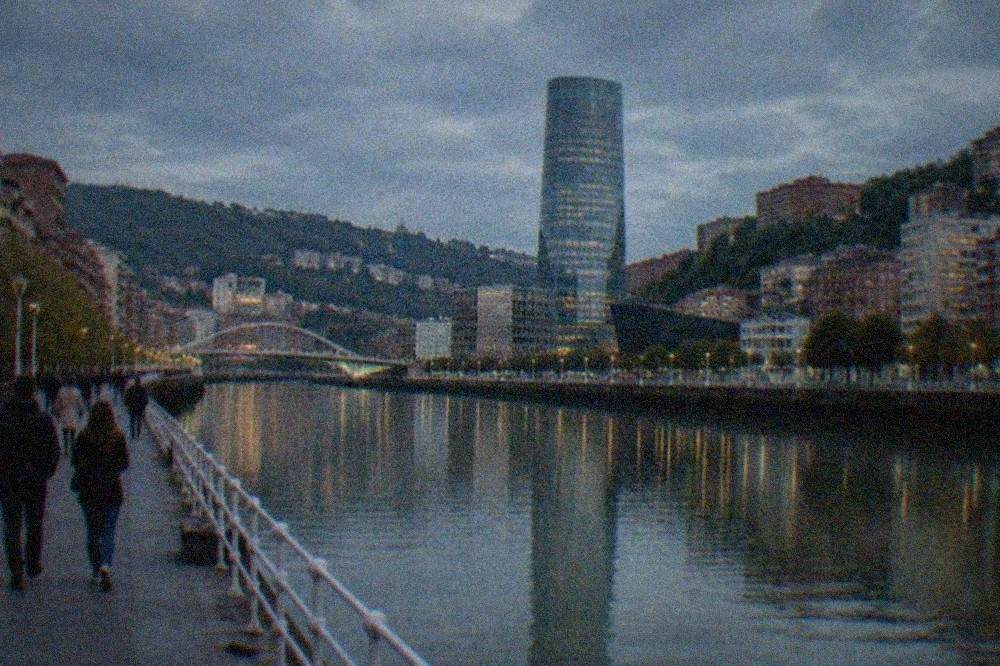
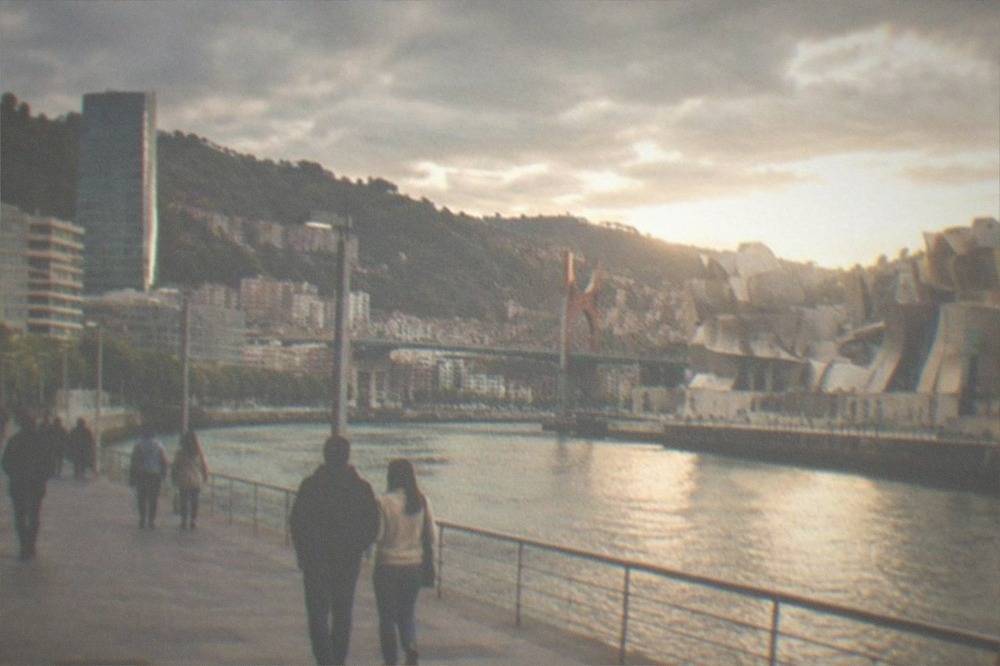
The river itself is part of the experience. The estuary boat trips depart from the Abandoibarra stretch, and the walk from the tower downstream past the Guggenheim to the Puente de la Salve bridge, covered in our Puente de la Salve guide, is the single best skyline walk in the city, with the tower behind you and the museum ahead.
| Sight near the tower | Type | Entry position |
|---|---|---|
| Guggenheim Museum Bilbao | Art museum | EUR18 adult, free under 18 |
| Euskalduna Palace | Concert and congress venue | Entry depends on the event |
| Doña Casilda park | Public park | Free |
| Bilbao Fine Arts Museum | Art museum | EUR12 adult after 14 October 2026, free entry week 6 to 13 October |
| Riverside promenade and public art | Walkway | Free |
| Puente de la Salve | Bridge and viewpoint | Free |
Photographers should work the golden hour here. Morning light comes up the valley and hits the tower's river-facing glass; late afternoon turns the whole Abandoibarra stretch warm and puts the Guggenheim's titanium between the sun and the frame. The promenade is flat and wide, so tripods and slow walkers are both comfortable.
Can You Go Up The Torre Iberdrola In Bilbao?
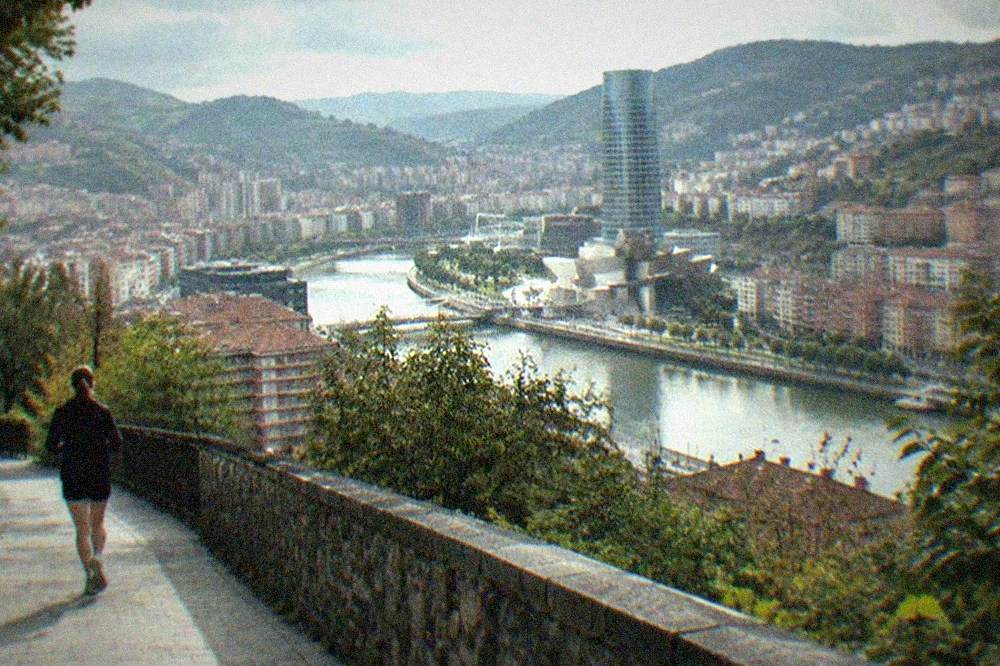
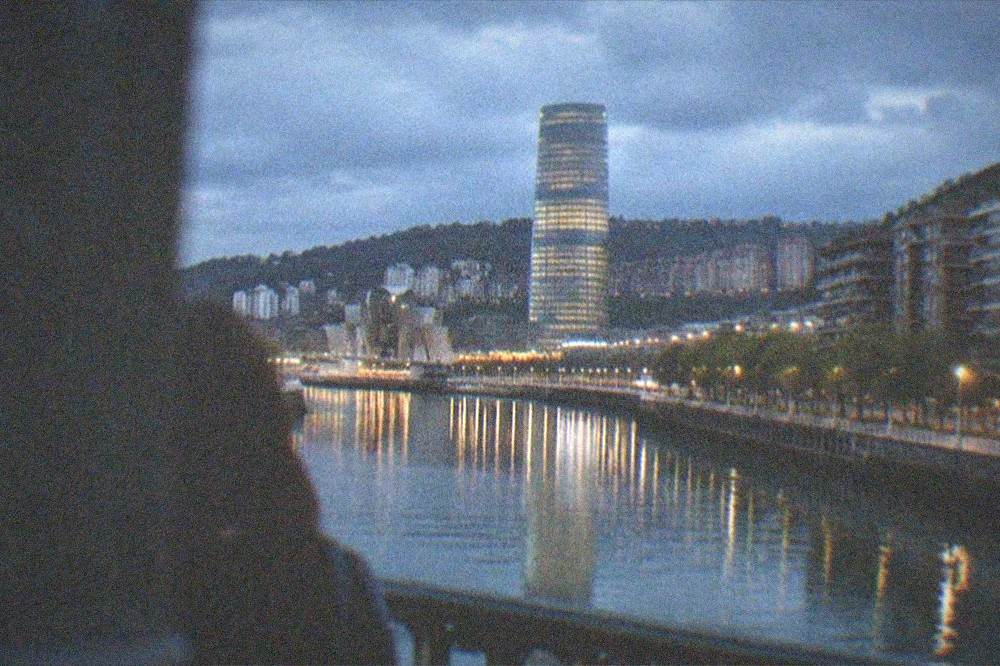
The Torre Iberdrola in Bilbao functions as a corporate headquarters, and it is not set up as a public observation attraction with a ticket desk, a deck or regular visiting hours, so the practical answer for travellers is no. The building is experienced from the streets, lawns and riverbank around it, and the best views of the tower come from the Puente de la Salve bridge, the opposite bank of the estuary, and the Artxanda hillside above the city rather than from inside.
That is not a loss, because Bilbao's best viewpoints are public and free. The Funicular de Artxanda, covered in our Artxanda funicular guide, lifts you to the hillside terrace above the city in about three minutes, with fares commonly reported at EUR3.50 one way and EUR6.00 round trip, and from the top the whole estuary curve reads clearly: the tower, the Guggenheim, the Euskalduna roofline and the old town beyond. The funicular is wheelchair accessible according to Visit Biscay's accessible tourism pages, with ramp access at the lower station and a lift at the upper station, and a companion of a wheelchair user travels free.
For a river-level view of the tower, the estuary boat tour is the other angle worth having. The boat options from Bilbao include a city trip or a cruise downstream to Portugalete, and the tower's glass faces and the Salve bridge frames are the first stretch of both. If you would rather pair the skyline with the coast and the wine country beyond it, a day trip out of the city makes a strong second day.
How Does The Torre Iberdrola Fit Into A Day In Bilbao?
A sensible Bilbao day puts the Torre Iberdrola in the middle of an Abandoibarra loop rather than at the start or end of it: begin in the Casco Viejo old town in the morning, cross to the Ensanche for lunch, then walk the riverfront past the tower and the Guggenheim in the afternoon when the light is best, finishing with pintxos back near Plaza Nueva or the Ensanche bars. The tower needs minutes, not hours, and the district around it fills the rest.
The classic shape of the day looks like this. Morning in the Casco Viejo old town: the Siete Calles, the Santiago Cathedral, the Ribera Market, all compact and walkable before the crowds build. Midday, cross to the Ensanche for the Gran Via and lunch. Afternoon, the Abandoibarra stretch: Doña Casilda park, the Fine Arts Museum if it is open, the Euskalduna Palace, the tower, then the riverside promenade down to the Guggenheim and on to the Salve bridge. Evening, pintxos.
If you have more than a day, the tower's district is also the natural base for day trips, because the tram, metro and Bizkaibus interchanges all sit within a short walk. The province's headline excursion is San Juan de Gaztelugatxe, the hermitage islet on the coast north of Bilbao. A free timed reservation is required only on official controlled access days, roughly mid-June to about 20 September plus Easter and holiday weekends per the yearly calendar, with a daily cap of 1,462 visitors on those days; on all other days access is free without a reservation. Booking is always free through tiketa.eus, with a maximum of 10 people per reservation. Our Gaztelugatxe day trip guide carries the calendar detail.
For second-day options that leave from the city, the wider province is unusually generous.
When Is The Best Time To See The Torre Iberdrola In Bilbao?
The best months to see the Torre Iberdrola and the Abandoibarra riverfront in Bilbao are July and August, when AEMET's normals for the Bilbao airport station show the warmest and driest conditions of the year, with monthly means of 20.4 C and 20.9 C and 50 to 76 mm of rain, though June and September run close behind with fewer visitors. November is the wettest month at around 147 mm, and the Atlantic-influenced climate means a light rain layer is wise at any time of year.
Bilbao's climate is temperate oceanic, Atlantic-influenced, never Mediterranean and never continental. AEMET's Bilbao Aeropuerto/Loiu station (1082), 1981-2010 normals, gives the month-by-month picture below: an annual mean of 14.7 C and 1,134 mm of rain spread across every season. What that means in practice for this district is simple. The riverfront walk is lovely in almost any weather, the park is at its greenest in spring, and the summer light on the tower's glass is the strongest of the year.
| Month | Mean temperature (C) | Mean precipitation (mm) |
|---|---|---|
| January | 9.3 | 120 |
| February | 9.7 | 86 |
| March | 11.5 | 90 |
| April | 12.6 | 107 |
| May | 15.7 | 78 |
| June | 18.4 | 60 |
| July | 20.4 | 50 |
| August | 20.9 | 76 |
| September | 19.2 | 73 |
| October | 16.4 | 111 |
| November | 12.4 | 147 |
| December | 9.9 | 122 |
Two timing notes matter beyond the weather. First, Aste Nagusia, Bilbao's nine-day festival, fills late August, with the 2026 edition running 22 to 30 August and the txupin opening at 19:00 on 22 August in Plaza Arriaga; the riverfront gets busy and festive, which is either a reason to come or to plan around. Second, the tourist tax question: a Bizkaia regional tourist tax under Norma Foral 3/2026 takes effect on 1 January 2027, with Bilbao's own municipal rates approved in September 2026 at EUR5 per night for five-star hotels, EUR4 for four-star, EUR2 for three-star, EUR1.50 for two-star, EUR1 for pensions and EUR6.50 for tourist apartments. Visitors in 2026 pay no tourist tax; visitors from 2027 do, and reservations made before early February 2026 are generally exempt.
Where Do You Eat Near The Torre Iberdrola In Bilbao?
The best eating near the Torre Iberdrola in Bilbao is a short walk away in two directions: the Ensanche and Abando side streets towards the Gran Via for sit-down restaurants and historic bars, and the Casco Viejo and Plaza Nueva for the classic pintxos crawl, with typical pintxo prices running about EUR2 to 5 per piece and drinks around EUR2 to 3.50 at traditional bars. The tower's own immediate block is more lawns and offices than kitchens, so plan to walk ten minutes in either direction.
The pintxos tradition is the reason to eat bar to bar. Plaza Nueva remains the hub of the txikiteo crawl, and the names that recur across recent Basque gastronomy guides include Gure Toki and Sorginzulo on Plaza Nueva itself, El Globo on Diputacion, the historic Café Bar Bilbao, and La Viña del Ensanche, trading since 1927, on the Abando side. La Bodeguita del 12 on Juan Ajuriaguerra Kalea won the 2025 Bizkaia traditional pintxo championship with a black pudding and cornbread creation, which tells you how seriously this city takes its bar food.
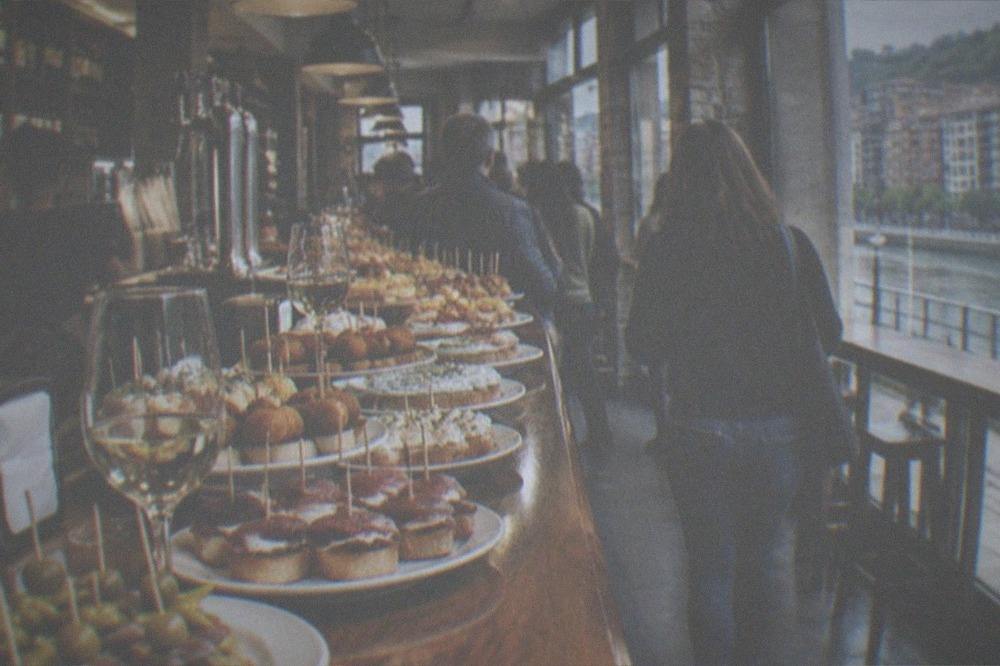
For the full picture, our best pintxos in Bilbao guide and the wider Bilbao food guide break the city down bar by bar. The budget shape of a crawl is predictable: a typical route of four to six pintxos with drinks lands around EUR25 to 45 per person, though premium preparations in the most famous bars can push higher. Check the chalked prices at each counter, because bars price individually and the display is the menu.
| Eating plan near the tower | Where | Typical cost shape |
|---|---|---|
| Pintxos crawl | Plaza Nueva and Casco Viejo bars | About EUR2 to 5 per pintxo, EUR25 to 45 for a full crawl |
| Ensanche sit-down | Gran Via side streets and Abando | Restaurant menus, higher than bar eating |
| Historic bars | La Viña del Ensanche, Café Bar Bilbao | Traditional counter prices |
| Market eating | Ribera Market, Casco Viejo | Stalls and counters, varies by stall |
| Fine dining | Michelin-starred rooms across the city | Tasting-menu level spending |
What Should You Know Before Visiting The Torre Iberdrola Area Of Bilbao?
Before visiting the Torre Iberdrola area of Bilbao, know three practical things: the district is free and always open but its museums are not, so check the Guggenheim's Tuesday-to-Sunday hours before planning an indoor afternoon; the whole stretch is flat, tram-served and wheelchair-friendly, with the funicular offering step-free access to the best skyline viewpoint; and there is no tourist tax in 2026, with the new Bizkaia levy starting 1 January 2027, so current-year hotel bills carry no surprise charge.
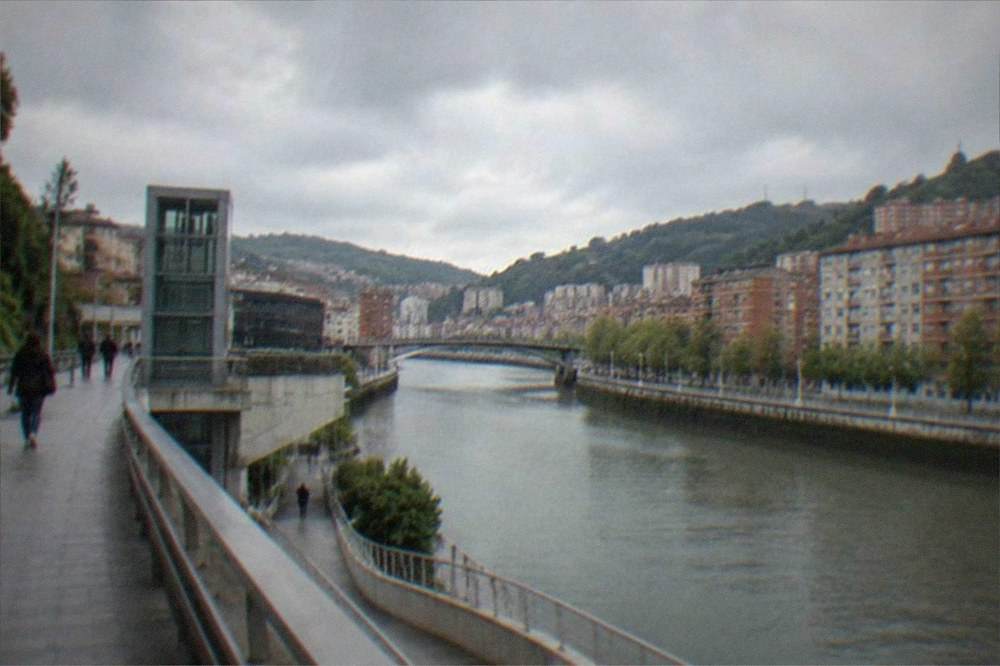
Accessibility across this district is strong. Metro Bilbao's stations feature elevators and tactile paving per its own accessibility documentation, the entire Bilbobus fleet is low-floor with ramps and reserved wheelchair spaces, and the Guggenheim lists two dedicated accessible entrances, loaner wheelchairs at the coatroom and accessible restrooms throughout. The tower's public surroundings, lawns, promenade and bridge walkways, are level and step-free. Our accessibility in Bilbao guide collects the details for reduced-mobility travellers.
Safety is not a planning concern here by the standards of Spanish cities. Bilbao's 2025 crime balance, as reported in local coverage of the municipal data, shows presential crimes slightly down on the year, dominated by low-level theft rather than violence, and the tourist-facing risks are the ordinary ones: keep an eye on bags in crowds and on transport, and check the bill in tourist-heavy bars. Our safety in Bilbao guide has the fuller picture.
Money is straightforward. Spain's currency is the euro, and our currency, tipping and money guide covers cards, cash and the pintxos-bar tipping habit, which is minimal. If you are fitting the tower into a wider Basque Country plan, our first-timer's guide to Bilbao and the root things to do in Bilbao page put this district in the context of everything else the city offers.
Common Questions About The Torre Iberdrola In Bilbao
What is the Torre Iberdrola in Bilbao?
It is the glass headquarters tower of the energy company Iberdrola, standing on the Abandoibarra riverfront in Bilbao, Biscay, northern Spain, and it is the defining piece of the city's modern skyline. It is a working office building rather than a public attraction.
Can you visit inside the Torre Iberdrola in Bilbao?
No. The building functions as corporate offices and has no public observation deck or ticketed entry. Visitors experience it from the surrounding riverfront, the Puente de la Salve bridge and the Artxanda hillside viewpoints.
How do I get to the Torre Iberdrola in Bilbao?
The tower sits in the Abandoibarra district, served by the Bilbao tram along the riverfront, with a Barik Creditrans fare of EUR0.74 or an occasional single around EUR2.00. It is also a short flat walk from Abando station and the Moyua end of the Gran Via.
What is near the Torre Iberdrola in Bilbao?
The Euskalduna Palace next door, the Guggenheim Museum Bilbao downstream, Doña Casilda park uphill, the Bilbao Fine Arts Museum at the park's edge, and the riverside promenade with its public art, all within a compact walk.
When is the best time to photograph the Torre Iberdrola?
July and August bring the warmest, driest weather, with AEMET's Bilbao normals showing monthly means above 20 C and the lowest rainfall of the year. Late afternoon light works the tower's river-facing glass best, and the Artxanda funicular gives the widest skyline frame.
Is there a tourist tax in Bilbao?
Not in 2026. A Bizkaia regional tourist tax takes effect on 1 January 2027, with Bilbao's approved rates running from EUR1 per night in pensions to EUR5 in five-star hotels and EUR6.50 for tourist apartments, so current-year visitors pay nothing.