The Gernika Tree And Basque History: Bilbao's Most Important Day Trip
An oak tree in a small town 35 minutes from Bilbao has sworn in Basque leaders for centuries, survived a war that made it a global symbol, and still gives the Basque Country its law its name. Here is why the Gernika tree matters and how to see it.
Short answer
The Gernika tree is the oak under which medieval lords of Biscay swore to respect Basque liberties, and it remains the symbol of Basque self-government in Spain. Gernika lies in Bizkaia province about 35 km east of Bilbao, and it is the easiest history-focused day trip from the city.
Bilbao, in Biscay (Bizkaia) province in the Basque Country of northern Spain, grew rich on iron and shipping, but the deepest historical symbol of the region stands not in the city itself, in a small town a short drive east. Gernika (Guernica in Spanish) holds an oak tree that Basques have treated as the physical anchor of their liberties for centuries. Lords swore oaths beneath it. Parliaments met around it. A civil war bombing made its name known on every continent, and the modern Basque statute of autonomy is named after the town. For a visitor based in Bilbao, the tree and its surrounding Assembly House are the single most rewarding history excursion within easy reach, and this guide explains what the tree means, what happened to the town, and how the story connects to the Basque identity you will encounter everywhere in the city. For the wider regional context, start with our Bilbao Basque Country primer.
What Is The Gernika Tree And Why Does It Matter To Basque History?
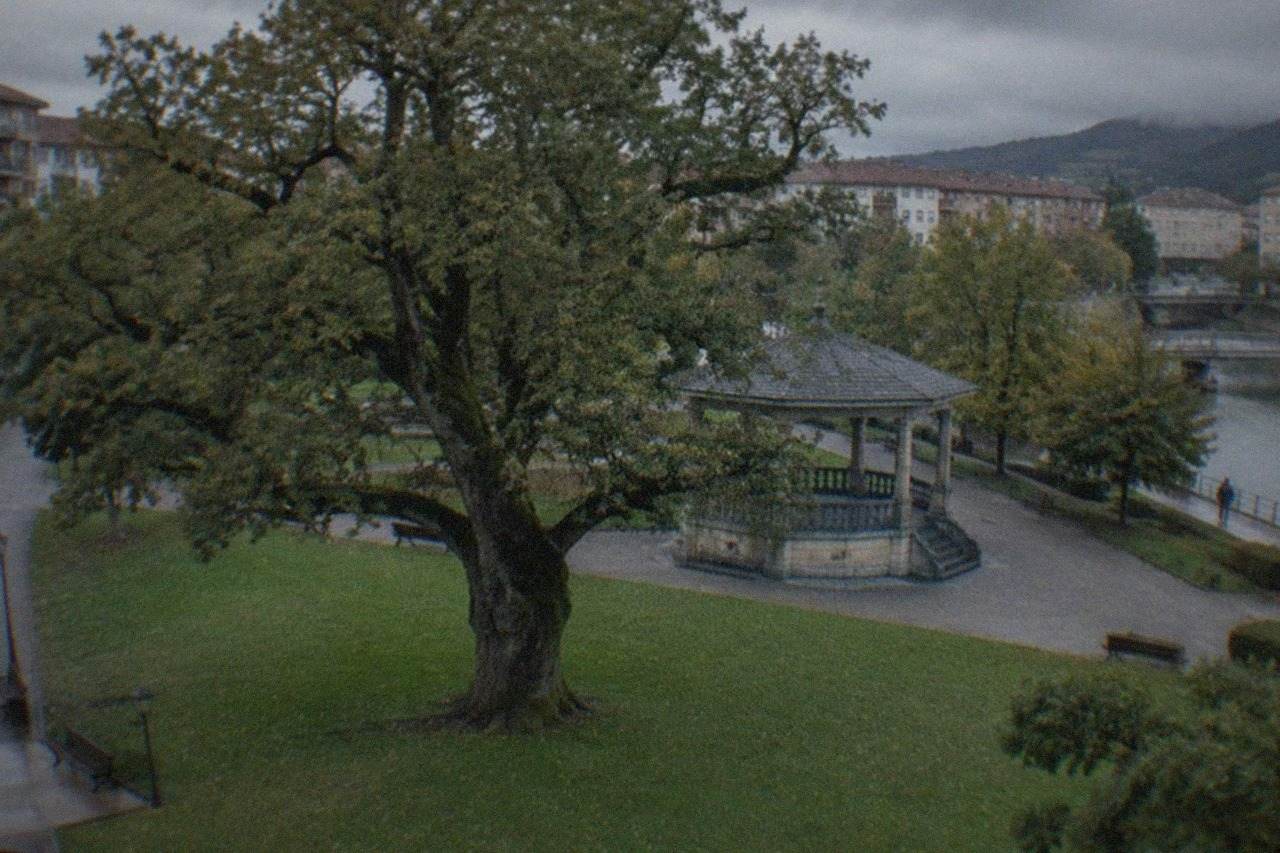
The Gernika tree is the oak under which the lords of Biscay traditionally swore to uphold the Basque fueros, the regional charters of rights, and every lehendakari (Basque president) since autonomy has taken office beneath its successor in the same garden. It is not a decorative monument: it is the working symbol of a political pact between rulers and ruled that Basque history treats as the origin of Basque self-government, which is why the autonomy statute carries the town's name.
The tradition dates to the medieval era, when the assemblies of Bizkaia met in the open air at Gernika rather than in a closed hall. The tree provided shade, a landmark, and a witness. When a new lord took possession of the lordship of Biscay, he came to Gernika and swore the oath: to respect the fueros, the customary laws that governed everything from taxation to inheritance. The formula was blunt. A lord who broke his oath could, in theory, be declared forsaken by the people, and the phrase survives in Basque memory as a reminder that legitimacy flowed upward from the community, not downward from the crown.
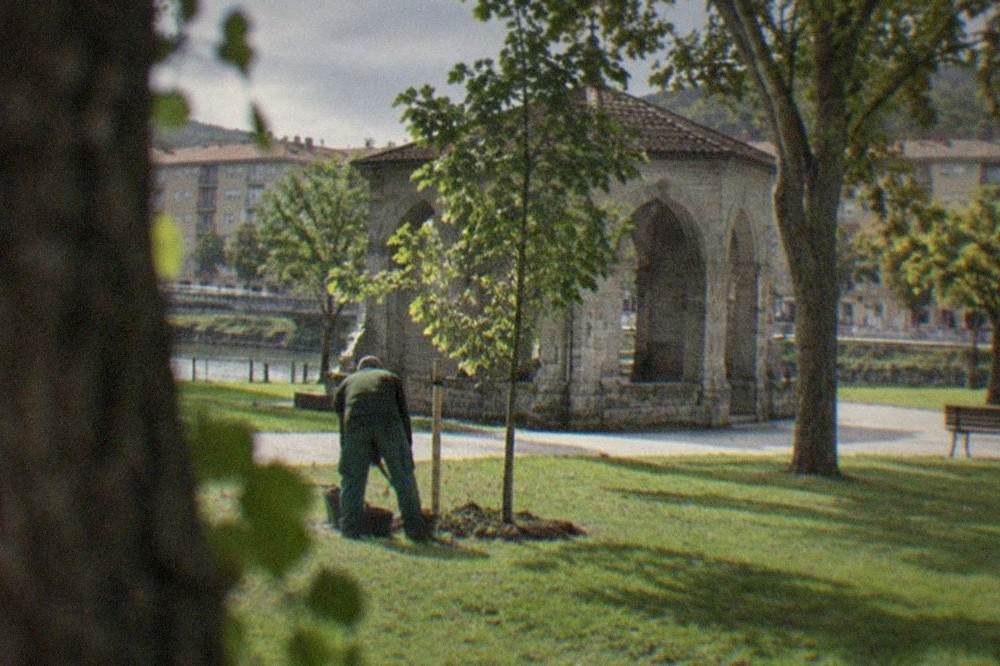
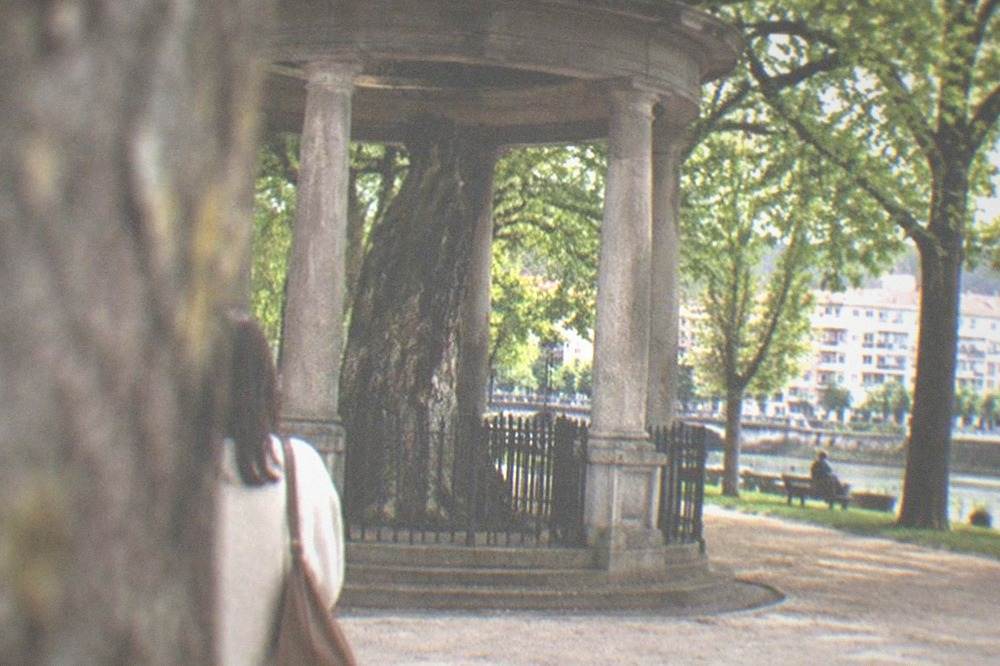
That is the idea visitors should hold onto, because it explains nearly everything else about Basque political culture you will notice around Bilbao. The Basques did not regard their liberties as a gift from Madrid; they regarded them as older than any Spanish state, embodied in a tree. The current tree is a descendant of the originals, planted in the same garden beside the Assembly House (Casa de Juntas), and its predecessors' trunks are preserved in a small neoclassical pavilion you can visit today. The garden is small, free to walk, and quiet, which surprises visitors expecting a grand monument. The point of the tree was never grandeur.
The broader Basque context, language included, is covered in our guide to whether Bilbao speaks Basque or Spanish, and if you are deciding where in the region to base yourself, see our comparison of the best base in the Basque Country.
Where Is Gernika And How Do You Get There From Bilbao?
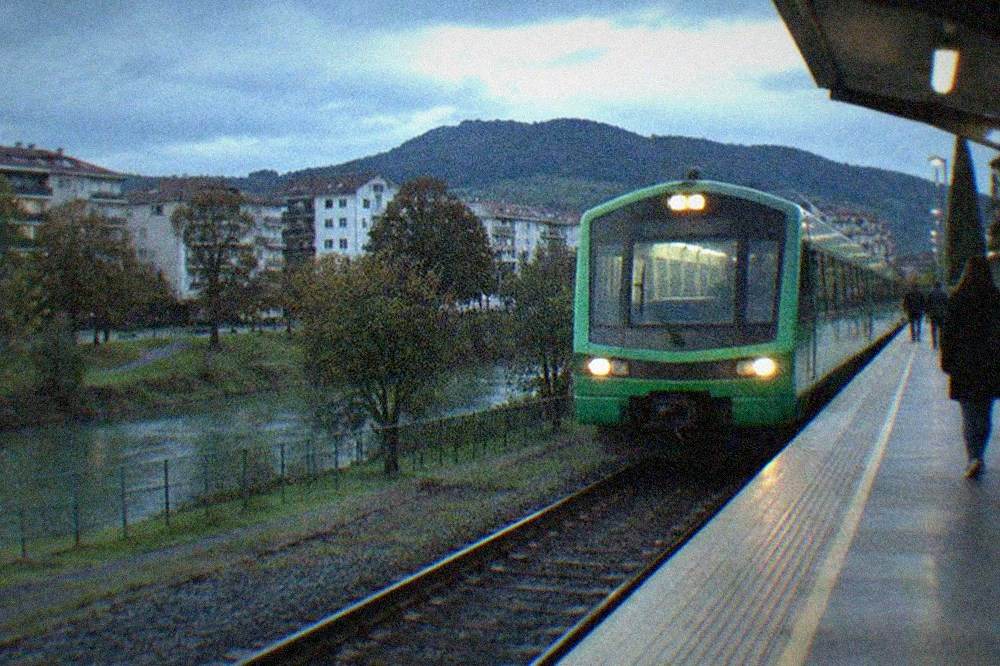
Gernika sits in the province of Bizkaia in the Basque Country of northern Spain, roughly 35 km east of Bilbao, and the practical ways to reach it are the Euskotren regional train from Bilbao's Casco Viejo stations, intercity Bizkaibus services, a self-drive of well under an hour, or a guided day trip that bundles the town with the coast. The train is the simplest car-free option and drops you within a short walk of the Assembly House.
There is no high-speed rail link and no need for one; the regional network covers the journey comfortably. A Barik card works across the Bizkaia transport system, and the CTB Barik fares page gives Creditrans metro and Euskotren zone fares of EUR1.02 for one zone, EUR1.19 for two zones and EUR1.30 for three zones, with occasional tickets bought without a card costing more (a metro single without Barik is EUR2.00 for one zone, valid two hours). The Barik card itself is commonly reported to cost EUR3 to buy, though that purchase price comes from secondary sources rather than an official CTB page. If you plan to criss-cross the region for two or three days, the Bilbao Bizkaia Card is the flat-rate alternative: the card's own site lists 24 hours at EUR10, 48 hours at EUR15 and 72 hours at EUR20, covering unlimited transport plus attraction discounts, personal and non-transferable.
| Transport option | Typical use | Ticket notes |
|---|---|---|
| Euskotren regional train | Casco Viejo area stations toward Gernika | Barik Creditrans zonal fares apply (EUR1.02 to EUR1.30 by zone) |
| Bizkaibus intercity bus | Central Bilbao stops to Gernika | Barik Creditrans accepted; occasional single costs more |
| Rental car | Flexible coast and inland routing | See our renting a car in Bilbao guide context for arrival logistics |
| Guided day trip | Gernika plus Gaztelugatxe, Bermeo or Mundaka | Price and duration render on the operator's live listing |
Many travellers find that Gernika works best not as a standalone stop but as one chapter of a coastal day: the town lies inland, while the celebrated Bizkaia coast with San Juan de Gaztelugatxe, Bermeo and Mundaka is a short drive north, and the two combine naturally. That is exactly the shape of the most popular guided options.
The strongest fit for this itinerary is the Gaztelugatxe, Bermeo, Gernika option, which gives you the hermitage islet, a fishing port and the tree town in one loop from Bilbao. If you would rather compare it directly against the alternatives before deciding:

What Happened To Gernika During The Spanish Civil War?
During the Spanish Civil War, Gernika was bombed in a combined air attack that destroyed the historic town centre and killed civilians on a market day, an event that became a global byword for the suffering of non-combatants and inspired Picasso's painting Guernica. The tree and the Assembly House survived, which sealed the town's symbolic status rather than diminishing it.
The attack came from the air at a time when bombing civilian towns from aircraft was still shocking to the world, and reporting on it shaped how the war was understood far beyond Spain. Journalists who reached the ruins described a town reduced to rubble around its two surviving anchors, the tree garden and the church of Santa Maria. The Basque government's wartime institutions were headquartered in Gernika precisely because of its historic meaning, which made the target's symbolism as heavy as its military value, and historians have argued about the exact intent and casualty count ever since. What is not disputed is the effect: the name Gernika entered the international vocabulary of atrocity, and Picasso, commissioned for the Spanish pavilion at a major international exposition in Paris, produced the monumental black-and-white canvas that now hangs in Madrid and is among the most famous anti-war artworks ever made.
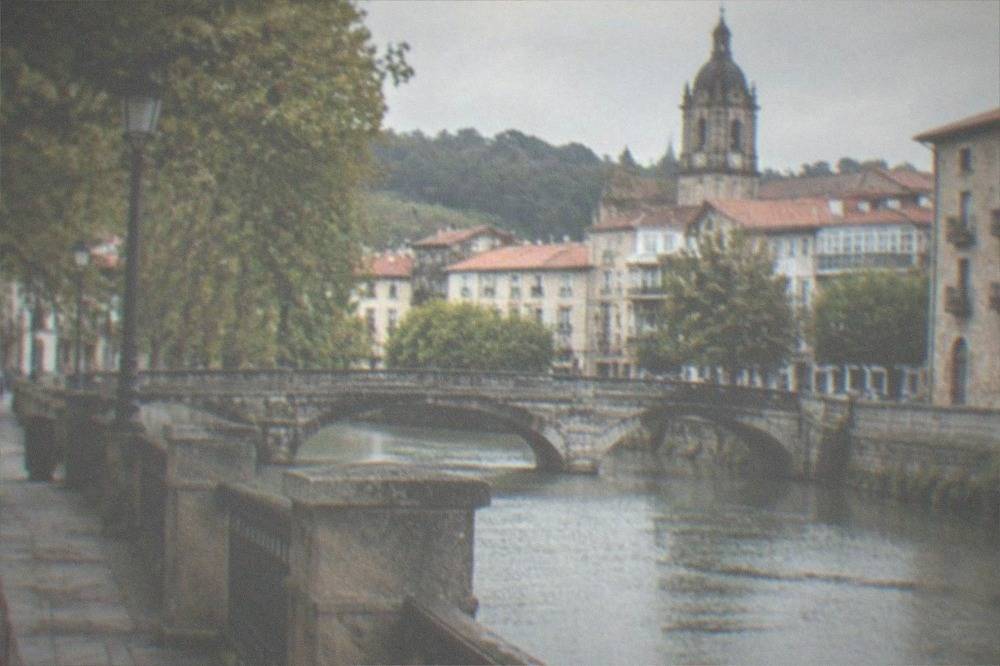
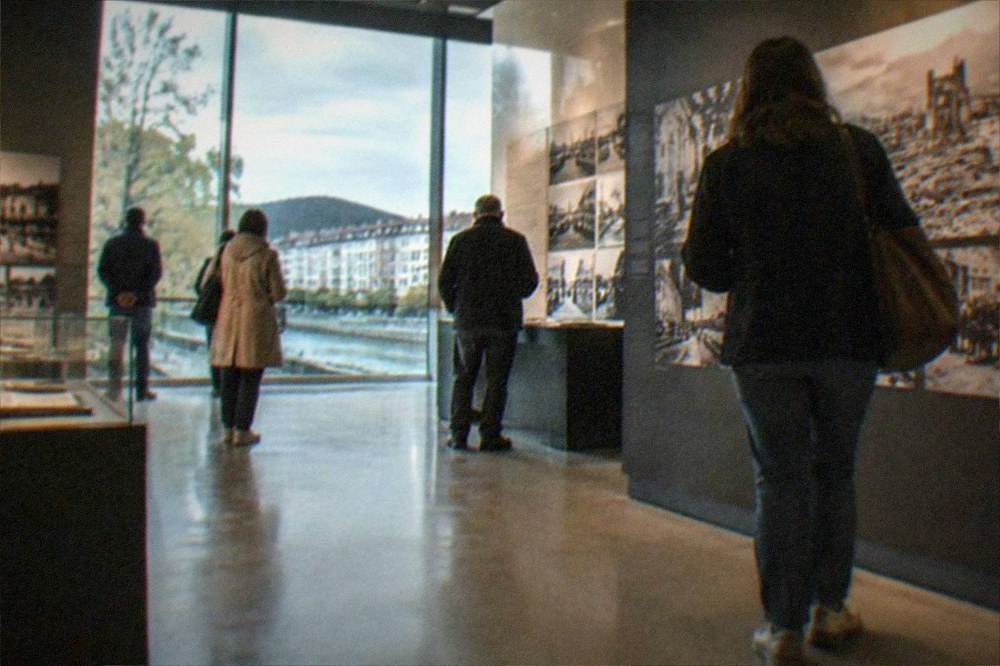
The town rebuilt, and today the visitor experience is deliberately double: the peaceful garden of the tree, and the documentation of destruction. The Gernika Peace Museum (Museo de la Paz) in the town centre covers the bombing, the civil war, and the wider history of peace and reconciliation, and it is the single best stop for putting the tree into context. The Assembly House next to the garden runs guided visits of the chamber where Bizkaia's historic assembly met and where the modern provincial institutions still convene for ceremonial occasions. A full standalone itinerary for the town is in our Gernika day trip guide.
If the history is what draws you, a guide who can unpack the fueros, the bombing and the reconstruction on site changes the visit from a photo stop into the best history lesson in the region, and the operator's live listing carries free-cancellation terms.
The Succession Of Trees In Gernika: A Living Timeline
The Gernika tree you see today is a young descendant in a documented succession: an original medieval oak, a long-lived "Old Tree" whose preserved trunk sits in the garden pavilion, and the current oak planted as a successor from the same lineage. Each tree is treated as the same legal witness, not a replacement.
That continuity is the point. When the Old Tree weakened, its offspring were grown from its acorns so the oath could continue under the same lineage, and the preserved trunk is displayed like a relic precisely because Basques treat the tree as an institution rather than a plant. The garden's small pavilion, built to shelter the trunk, is one of the strangest and most moving small buildings in Spain: a neoclassical temple housing a dead oak as if it were a founding document. Other pages covering the same trip are gathered on Bilbao Travel Guide.
| Tree | Era | Status today |
|---|---|---|
| Original assembly oak | Medieval era, traditional oath site | Gone; commemorated in the garden |
| Later assembly trees | Provincial meetings of later centuries | Gone; site marked |
| The Old Tree | Served the assemblies into recent times | Preserved trunk displayed in the garden pavilion |
| Current tree | Planted as a successor from the same lineage | Standing in the garden, used for ceremonies |
Visitors often ask whether they can touch the current tree. The garden is a public, walkable lawn and the tree is fenced lightly rather than sealed away, but the surrounding Assembly House interior requires joining a visit slot. Budget an hour for the garden, pavilion and church, and two to three hours if you add the Peace Museum. For a fuller plan of the town and the nearby coast, see things to do in Bilbao for how a Gernika half-day slots into a wider itinerary.
Basque Identity, The Fueros, And The Assembly Tradition
The fueros were the customary charters of the Basque provinces, and Gernika was the place where Biscay's version was sworn, giving the town a role in Basque identity comparable to a founding-capital status: the phrase "the liberties of Biscay" and the image of the oak became shorthand for Basque legal distinctiveness that re-emerged in the Statute of Gernika, the modern autonomy law named after the town.
Understanding the fueros explains why Basques speak of their rights with such insistence. These were not abstract freedoms but working legal codes: provincial assemblies (juntas) that met at Gernika, exemptions from military service and certain taxes, and a direct relationship between the community and its lord that bypassed ordinary Spanish administration. When the Spanish state centralised and formally abolished most fueros after the Carlist Wars, the memory of the oath beneath the oak became more important, not less, because it was now the anchor of what had been lost. Basque nationalism and the modern autonomy movement all drew on the same imagery.
After the civil war and the Franco decades, the Basque Country regained self-government through a statute of autonomy approved by referendum and formally named the Statute of Gernika, and every Basque president since has taken office in a ceremony beside the tree. The symbolism is deliberate and continuous: the modern democratic office is legitimated in the same place, under the same lineage of oaks, as the medieval lordship.
| Key moment | Era | Why it matters to the tree's story |
|---|---|---|
| Medieval assemblies at Gernika | Middle Ages | Open-air meetings under the oak; lords swear to respect the fueros |
| Abolition of most fueros | After the Carlist Wars | The oath becomes memory; the tree becomes the symbol of what was lost |
| Bombing of Gernika | Spanish Civil War | The town becomes a global symbol of civilian suffering; the tree survives |
| Statute of Gernika | Modern autonomy era | Basque autonomy restored and named after the town |
| Lehendakari ceremonies | Autonomy era to today | Each Basque president takes office beside the current tree |
If the political and cultural background interests you, the regional overview in is the Basque Country worth visiting and the food angle in Basque Country Michelin restaurants both build on this history, as does the seasonal tradition in our cider txotx season guide.
What To See In Gernika Beyond The Tree
Beyond the tree garden, the essential stops in Gernika are the Assembly House (Casa de Juntas) with its ceremonial chamber, the Gernika Peace Museum covering the bombing and reconciliation, the church of Santa Maria, and the town's market-square core rebuilt after the civil war, all within a compact walkable centre that can be covered in half a day. The Euskal Museoa's Basque culture collections in Bilbao make the ideal before-or-after pairing.
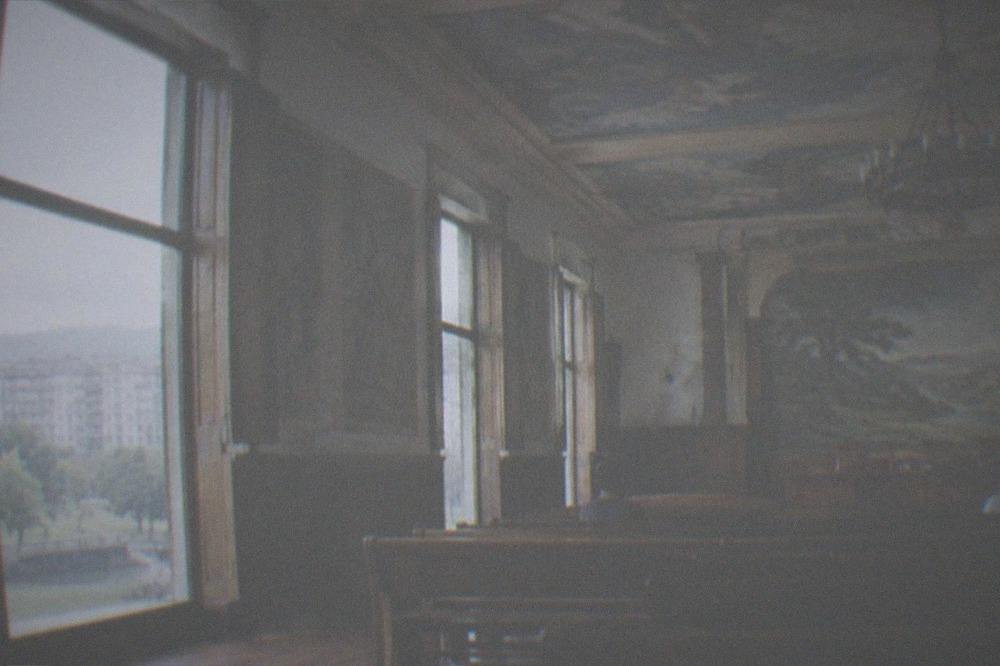
The Assembly House is the working heart: Bizkaia's historic general assembly met here, and the building now serves ceremonial sessions of the provincial institutions, so check whether a guided visit is running on your date. The Peace Museum is the emotional counterweight, treating the bombing through testimony and documentation rather than only artefacts, and it is well labelled for international visitors. Santa Maria, the parish church that survived the bombardment alongside the tree garden, anchors the old core. Around them, the rebuilt town is modest, residential and friendly, with pintxo bars and cafés serving the txakoli and Basque cooking you will know from Bilbao; our best pintxos in Bilbao guide covers the city side of that tradition.
For a coastal pairing, the Gaztelugatxe with Access option adds the Dragonstone islet and Bermeo to the history stop, trading some depth for a spectacular cliff walk. Compare it here:
And if you want Gernika framed with the surf coast instead, the Gaztelugatxe, Mundaka, Guernica tour is the lighter, sea-first version of the same loop:
How Basque History Shapes Bilbao Today
Basque history is visible in everyday Bilbao, from the bilingual Basque and Spanish street signs and the ikurriña flag to the foral institutions, the provincial government of Bizkaia, and the cultural self-confidence that produced the Guggenheim transformation, so the Gernika story is not a detour from the city but the key to reading it. The autonomy the tree symbolises funds and frames much of what visitors come to see.
The Basque Country enjoys one of the most extensive autonomy arrangements in Europe under the Statute of Gernika, including its own tax administration and police, and that institutional weight is why the region feels administratively distinct the moment you arrive. In Bilbao it surfaces in the language policy that puts Basque first on signage, in the provincial Diputación's sponsorship of museums and festivals, and in a civic identity that treats the city's reinvention around the Guggenheim as a Basque achievement rather than merely a Spanish one. The estuary city of about 346,933 residents (Eustat's municipal register, 1 January 2025) is the region's economic capital, and its institutions sit an easy trip from the tree that symbolises them.
A few practical notes for planning the trip around the history. The climate here is temperate oceanic, Atlantic-influenced, never Mediterranean: AEMET's Bilbao Aeropuerto/Loiu station (1082) 1981-2010 normals give an annual mean of 14.7 C and 1,134 mm of rain a year, with the warmest, driest months in July and August and November the wettest, so pack for showers in any season and check our Bilbao weather guide. And note the tax change on the horizon if you are booking ahead: a Bizkaia-wide regional tourist tax (Norma Foral 3/2026) takes effect on 1 January 2027, with Bilbao's approved municipal rates running from EUR1 per night at pensions to EUR5 at five-star hotels and EUR6.50 for tourist apartments; visitors travelling in 2026 pay no tourist tax, as reported and dated by the regional sources covering the approval.
| Month | Mean temp (C) | Mean rainfall (mm) |
|---|---|---|
| January | 9.3 | 120 |
| April | 12.6 | 107 |
| July | 20.4 | 50 |
| August | 20.9 | 76 |
| November | 12.4 | 147 |
Source of the climate figures: AEMET's published normals for station 1082, Bilbao Aeropuerto/Loiu.
| Bilbao Bizkaia Card | Price | Includes |
|---|---|---|
| 24 hours | EUR10 | Unlimited transport plus attraction discounts |
| 48 hours | EUR15 | Same coverage, two days |
| 72 hours | EUR20 | Same coverage, three days |
| Accommodation type | Tourist tax from 1 January 2027 (EUR/night) |
|---|---|
| 5-star hotels | 5 |
| 4-star hotels | 4 |
| 3-star hotels | 2 |
| 2-star hotels | 1.50 |
| Pensions | 1 |
| Tourist apartments (VUT) | 6.50 |
For transport planning across the whole region, our getting around Bilbao transport guide covers the metro, tram, funicular and Barik system in detail, and the Bilbao Bizkaia Card guide works out when the flat-rate card beats pay-as-you-go. History-minded visitors should also pair Gernika with the rowing and regatta tradition in our Basque rowing regattas guide, a sport with its own deep roots in the coastal towns you will pass on the way.
Common Questions About The Gernika Tree And Basque History
Is the original Gernika tree still alive?
No. The original medieval oaks are long gone, and the trunk of the most recent historic tree, the "Old Tree," is preserved inside the stone pavilion in the garden. The standing oak you visit today was planted as a successor from the same lineage and is used for modern ceremonies, so the institution continues under a descendant.
How far is Gernika from Bilbao?
Gernika lies roughly 35 km east of Bilbao in Bizkaia province, reachable in well under an hour by car, by Euskotren regional train, or by intercity bus, and it is commonly combined with the coast at Bermeo, Mundaka and San Juan de Gaztelugatxe on a single day trip.
Why is the Gernika tree important to Basque history?
Because medieval lords of Biscay swore beneath it to respect the fueros, the Basque customary laws, making the oak the physical witness to a pact between ruler and community. That symbolism survived the abolition of the fueros, the civil war bombing, and the Franco decades, and it is why the modern Basque autonomy statute is named the Statute of Gernika and why Basque presidents still take office beside the tree.
Can you visit the Gernika tree for free?
Yes. The tree garden in front of the Assembly House is an open public lawn you can walk at any time, and the preserved trunk is visible through the pavilion. The Assembly House interior and the Gernika Peace Museum charge admission, so a free visit is possible but a paid one is considerably richer.
What is the connection between Gernika and Picasso's Guernica?
Picasso painted Guernica for the Spanish pavilion at a major international exposition in Paris, in direct response to the bombing of Gernika during the Spanish Civil War. The painting became one of the most famous anti-war works in history and carried the town's name, in its Spanish spelling, to a worldwide audience.
Is Gernika worth visiting from Bilbao?
Yes, especially for travellers interested in history. The tree garden, Assembly House and Peace Museum compress centuries of Basque political history into a compact half-day, and the town pairs naturally with the Bizkaia coast on a guided loop. For the standalone town plan, see our Gernika day trip guide.
The Gernika tree is the one excursion from Bilbao where the destination explains the region better than any museum in the city can: stand in the garden, look at the young oak and the preserved trunk beside it, and the flags, the bilingual signs and the confident institutions you saw in Bilbao all click into place.