Bilbao Abando Train Station Guide
Bilbao Abando is the main rail gateway to Bilbao, Biscay province, Basque Country, northern Spain, sitting in the heart of the Ensanche district with metro, tram, bus and pintxos all within a few minutes' reach.
Short answer
Bilbao Abando is the city's main railway station, located in the Abando district of central Bilbao, Spain. Renfe long-distance and regional trains, Metro Bilbao, the tram, Bilbobus city buses and Bizkaibus intercity coaches all connect here or at the adjacent Bilbao Intermodal coach terminal, making it the practical arrival point for most visitors.
Bilbao Abando train station is the main rail gateway to Bilbao, in Biscay (Bizkaia) province, Basque Country, northern Spain. The station sits in the Abando district at the edge of the Ensanche, the planned grid expansion that became the city's commercial heart, roughly 15 km inland from the Bay of Biscay along the tidal Nervion estuary. If you arrive by long-distance rail, you step off the train directly into the centre of a walkable city: the Guggenheim, the Casco Viejo old town and the pintxos bars of Plaza Nueva are all reachable on foot or with a short metro hop. This guide covers what the station is, how to get from its platforms to your hotel, what to do nearby, which day trips run from it, and the fares and cards that matter once you are there.
Where Is Bilbao Abando Train Station, And What Is It For?
Bilbao Abando is the principal railway station of Bilbao, Spain, located in the central Abando district beside the Nervion estuary, and it serves as the city's hub for Renfe long-distance and regional rail services. Metro Bilbao, the Bilbao tram, Bilbobus city buses and the adjacent Bilbao Intermodal coach terminal cluster around it, so almost every onward journey in the Basque Country starts from this one compact area.
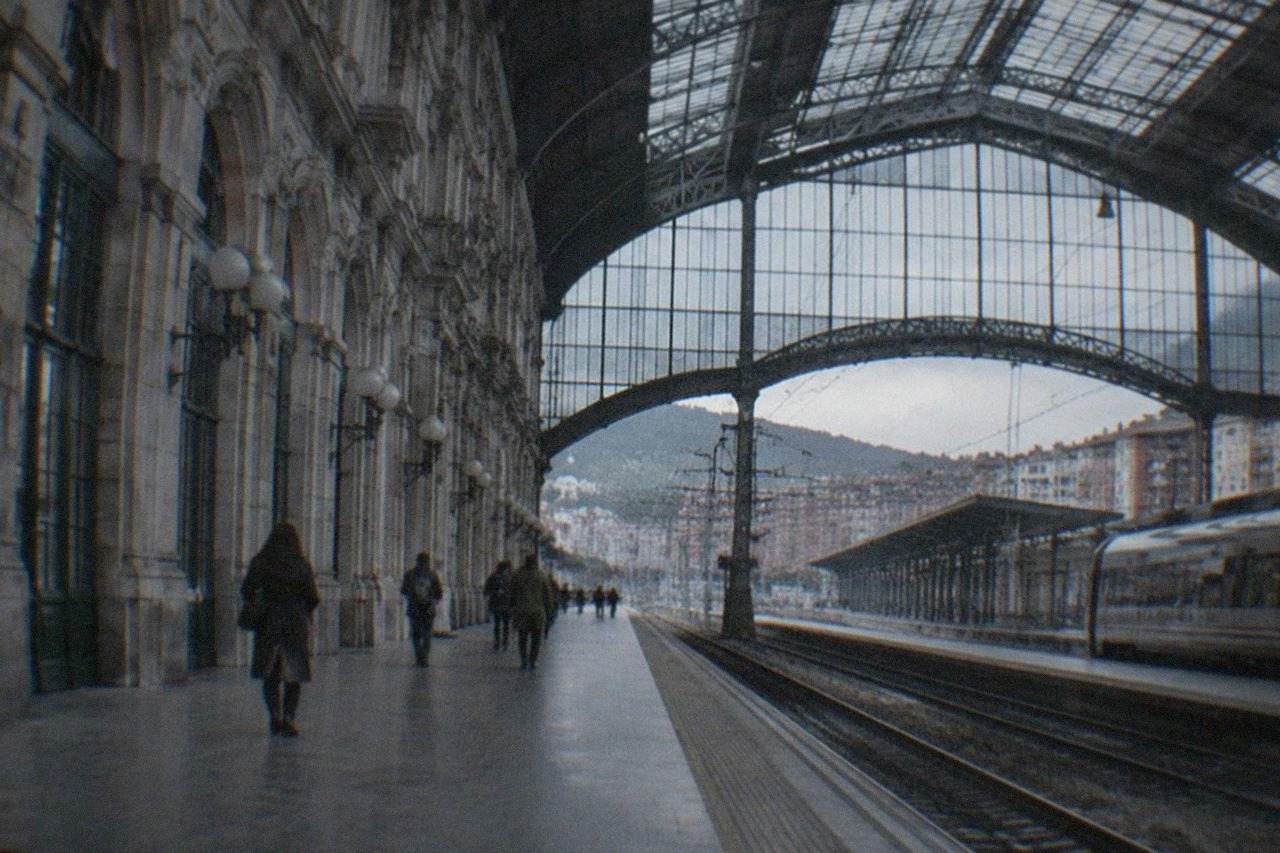
The station's defining feature is its huge single vault, a glass and iron canopy spanning the platforms that survives from an earlier rebuild of the station. Underneath and around it, the complex connects directly into the Moyua-to-Abando spine of the Ensanche, the district covered in the Abando area guide. Practically, that means the walk from platform to the nearest pintxos bar is measured in minutes, not bus rides.
Spain is a founding-era Schengen member, so travellers arriving from within the Schengen area step off domestic and regional trains with no additional border formalities. Long-distance services connect Bilbao with Madrid and other Spanish cities, while regional and commuter trains fan out across Bizkaia and the wider Basque Country. For everything that is not a train, the city's transport options are laid out in the getting around Bilbao transport guide.
A word on naming: the station appears on signage as "Abando Indalecio Prieto" in honour of a Bilbao-born politician, but everyone in the city, and every taxi driver, knows it simply as Abando. The adjacent Bilbao Intermodal terminal handles long-distance coaches, and the two are close enough that a rail arrival and a coach departure can be combined without a real journey across town, a point worth remembering if you are comparing arrival options in the Bilbao bus station guide.
How Do You Get From Bilbao Abando Station To Your Hotel?
Visitors can reach central Bilbao hotels from Abando on foot, because the station sits inside the Ensanche grid within walking distance of the bulk of the city's hotel stock; for anything further out, Metro Bilbao runs from Abando station with Barik fares of 1.02 EUR for one zone, and a taxi rank serves the station forecourt for door-to-door trips. There is no tourist tax to add to a 2026 hotel bill, since the Bizkaia tourist tax does not start until 1 January 2027.
The walking answer is the honest one for most trips. The Ensanche, Indautxu and Abandoibarra hotel clusters all lie within the station's immediate orbit, and the riverside walk toward the Guggenheim passes through the regenerated Abandoibarra district rather than along traffic. If your hotel is in the Casco Viejo, the old town across the estuary, the tram or a short metro ride covers it quickly.
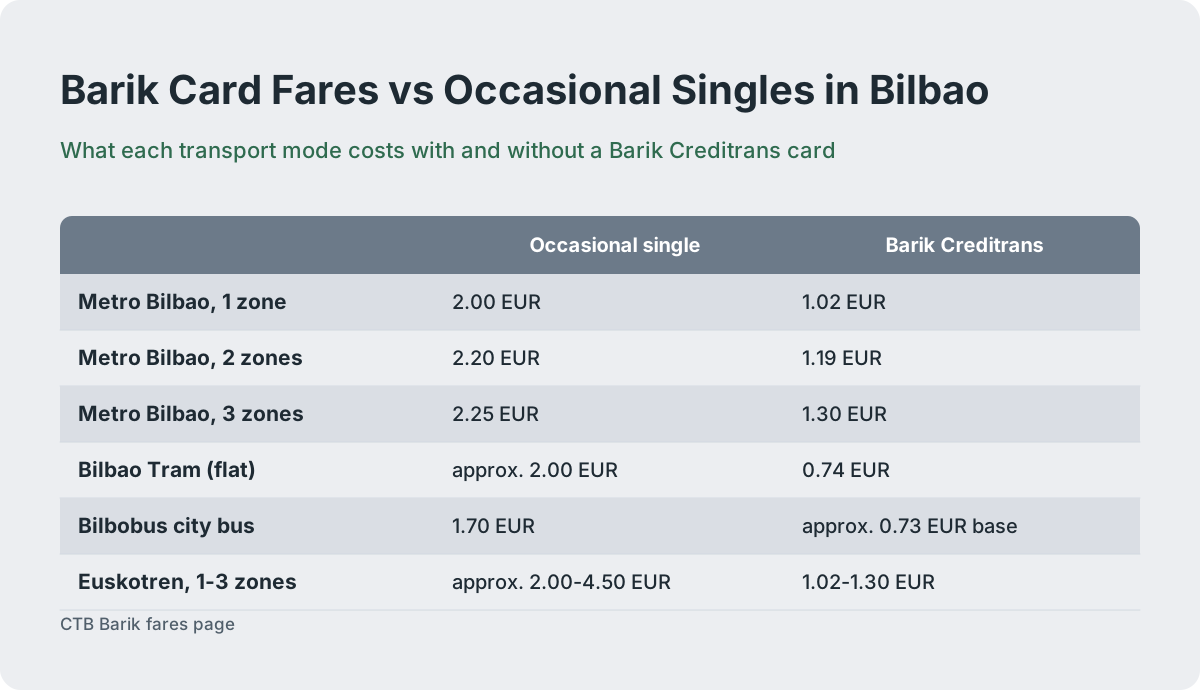
For transit, the numbers come from the CTB Barik fares page: a Metro Zone 1 journey with a Barik Creditrans card costs 1.02 EUR, Zone 2 costs 1.19 EUR and Zone 3 costs 1.30 EUR. Without a Barik card, a metro single costs 2.00 EUR for one zone with two hours of validity. The Bilbao Tram charges a flat 0.74 EUR with Barik, or around 2.00 EUR as an occasional single. Bilbobus city buses cost 1.70 EUR without Barik, roughly 0.73 EUR base with one. The Barik card itself is commonly reported to cost 3 EUR to buy, non-refundable, though that purchase price comes from a secondary source rather than an official CTB page.
The Bilbao Bizkaia Card is the tourist alternative: the card's own site states 24 hours at 10 EUR, 48 hours at 15 EUR and 72 hours at 20 EUR, covering unlimited transport plus attraction discounts, and it is personal and non-transferable. Whether it pays off depends on your pace, and the maths is worked through in the Bilbao Bizkaia Card guide. If you are flying in instead, the airport connection is covered separately in the Bilbao airport guide, since there is no metro or train link to the airport and none is expected before 2035.
What Can You Do Within Walking Distance Of Abando?
The area around Bilbao Abando station packs the Guggenheim Museum Bilbao, the Casco Viejo old town, Plaza Nueva's pintxos bars, the Ribera Market and the Azkuna Zentroa cultural centre into a walkable radius, with the Guggenheim charging 18 EUR adult admission and opening Tuesday to Sunday from 10:00 to 19:00. A first-time visitor can fill a full day without touching public transport at all.
The Guggenheim is the headline, about a riverside stroll away through Abandoibarra. The museum's own site lists the 18 EUR adult ticket, the 9 EUR student and senior rates, free entry for under-18s, and hours of Tuesday to Sunday 10:00 to 19:00, extended to 20:00 during Easter week and from 15 June to 13 September. The Bilbao Fine Arts Museum is a different story in 2026: it is closed from 31 August to 5 October for final renovation works and, as reported, reopens 6 October 2026 with a free entry week from 6 to 13 October, then charges 12 EUR general admission from 14 October. Check current status before planning around it.
The pintxos belt is the other reason the station's location matters. Plaza Nueva, the arcaded square at the edge of the Casco Viejo, holds several of the bars that recur across 2025 and 2026 rankings: Gure Toki and Sorginzulo at number 12, the long-running Café Bar Bilbao, and Víctor Montes, all named square-side. Further into the Ensanche, El Globo on Diputacion street has been an institution since 1997, and La Bodeguita del 12 on Juan Ajuriaguerra Kalea won the 2025 Bizkaia traditional pintxo championship. Typical pintxo prices run roughly 2 to 5 EUR at traditional bars with drinks around 2 to 3.50 EUR, and the bars worth queuing for are covered in the best pintxos in Bilbao guide.
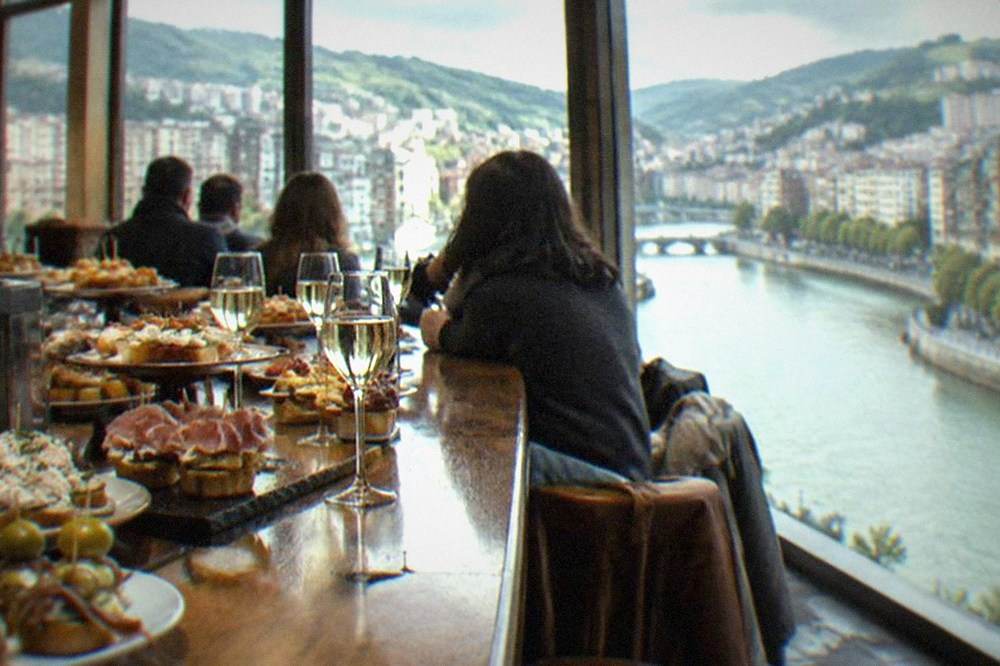
If you would rather have the pintxos route decoded by a local on your first night, a guided walk takes the guesswork out of the txikiteo tradition:
For orientation, a small-group walk with a local guide is the fastest way to map the old town's seven streets against the Ensanche grid, and the station is the natural meeting-point district for both:
And if the Guggenheim's contemporary art is your priority, a small-group VIP visit with an expert guide can be booked around the same riverside walk from the station, with live times and prices on the operator's live listing: Check availability.
Which Day Trips Start From Or Near Abando?
The most practical Bilbao day trips from Abando are San Sebastián by coach in roughly one hour twenty minutes for 8 to 19 EUR, Vitoria-Gasteiz by bus in one to one and a half hours for 6 to 7 EUR, and the Basque coast by Euskotren: Bermeo about one hour twenty-one minutes away for 2 to 5 EUR, Mundaka about one hour sixteen minutes, and Gaztelugatxe best reached by tour or car, with a free timed reservation needed only on controlled-access days.
The coastal trio is the classic excursion. Euskotren trains to Bermeo leave from the Casco Viejo side of the river rather than Abando itself, a short tram or metro hop away, and Bermeo connects onward to Mundaka by a roughly four-minute train ride for about 1.90 EUR. Gaztelugatxe, the hermitage-crowned islet familiar from television, sits inland of Bakio, and the pack's reporting says a free timed reservation is required only on official controlled-access days, roughly mid-June to about 20 September plus Easter and holiday weekends, with a daily cap of 1,462 visitors and booking always free via the official platform for up to 10 people per reservation.
For San Sebastián, the bus is the practical public option: direct coaches from the Bilbao Intermodal terminal next to Abando take roughly one hour twenty minutes and cost about 8 to 19 EUR, running frequently. The Euskotren train alternative is scenic but slow, at roughly two hours forty minutes or more for 6 to 11 EUR. There is no direct high-speed train link, so the coach wins on time. The comparison between the two cities as a base is covered in the Bilbao vs San Sebastian guide.
Guided tours solve the Gaztelugatxe logistics, since they bundle transport, the coastal stops and often the reservation question:
Do You Need A Barik Card For Trains Around Bilbao?
You do not need a Barik card to use trains around Bilbao, Spain, because occasional singles are sold on every mode, but Barik Creditrans cuts the cost sharply: metro and Euskotren trips drop from 2.00 EUR to 1.02 EUR in Zone 1, the tram from about 2.00 EUR to 0.74 EUR flat, and Bilbobus from 1.70 EUR to roughly 0.73 EUR base, so a card pays for itself within a handful of journeys if you stay two days or more.
The CTB Barik fares page gives the full zonal ladder. With Barik Creditrans you pay 1.02 EUR for one zone, 1.19 EUR for two and 1.30 EUR for three on the metro, and Euskotren matches those figures, rising to 2.45 EUR at five zones on its general lines. Bizkaibus intercity coaches charge 1.02 to 2.45 EUR by zone with Barik against higher occasional singles. The card is commonly reported to cost 3 EUR to purchase, non-refundable, often with a 5 EUR minimum top-up, though that purchase price rests on a secondary source rather than an official CTB page, so treat it as provisional.
| Mode | Occasional single (no Barik) | With Barik Creditrans |
|---|---|---|
| Metro Bilbao, 1 zone | 2.00 EUR | 1.02 EUR |
| Metro Bilbao, 2 zones | 2.20 EUR | 1.19 EUR |
| Metro Bilbao, 3 zones | 2.25 EUR | 1.30 EUR |
| Bilbao Tram (flat) | approx. 2.00 EUR | 0.74 EUR |
| Bilbobus city bus | 1.70 EUR | approx. 0.73 EUR base |
| Euskotren, 1-3 zones | approx. 2.00-4.50 EUR | 1.02-1.30 EUR |
Metro occasional tickets carry two hours of validity, which matters if you are hopping between the old town and the Ensanche. Discount structures also apply to many Creditrans titles, with a 40 percent discount noted on several fares and free travel for minors under 15 with a personalised card, running through at least the end of 2026 per the consortium's reporting. For a full transport breakdown beyond the station, the city's transport guide covers every mode, ticket and interchange in detail.
What Should You Know About Day Trip Fares And Times From Bilbao?
The verified public transport day trip fares from Bilbao are 8 to 19 EUR each way to San Sebastián by coach in about one hour twenty minutes, 6 to 7 EUR to Vitoria-Gasteiz by bus in roughly one to one and a half hours, 2 to 5 EUR to Bermeo by Euskotren in about one hour twenty-one minutes, and around 2.70 to 4.50 EUR to Mundaka in about one hour sixteen minutes, with car journeys faster but subject to coastal parking.
These are planning ranges drawn from the site's verified day-trip research, and they are worth checking against live timetables before you commit, since schedules vary by day and season. The table below collects the figures that matter for a station-based traveller.
| Destination | Best public option | Journey time | Fare (one way) |
|---|---|---|---|
| San Sebastián | Direct coach from Bilbao Intermodal | approx. 1 h 20 min | 8-19 EUR |
| San Sebastián | Euskotren train (scenic, slower) | approx. 2 h 40 min or more | 6-11 EUR |
| Vitoria-Gasteiz | Direct bus | approx. 1 h-1 h 32 min | 6-7 EUR |
| Bermeo | Euskotren train | approx. 1 h 21 min | 2-5 EUR |
| Mundaka | Euskotren train (Bermeo line) | approx. 1 h 16 min | 2.70-4.50 EUR |
| Gaztelugatxe | Tour or car, then walk | approx. 30-45 min by car | free entry; timed ticket on controlled days |
Getxo, the seaside town at the mouth of the estuary where the UNESCO-listed Vizcaya Bridge stands, is the easiest half-day hop: Metro Bilbao Line 1 runs from Abando toward the Areeta area in about 28 to 29 minutes for 2 to 3 EUR. The bridge itself, inscribed by UNESCO in 2006 as the first industrial heritage site in Spain on the list, charges 0.60 EUR for the pedestrian gondola crossing, with the elevated walkway ticket reported at 11 EUR adult round trip, a single-source figure to verify on site. The full outing is described in the Getxo guide, and the wider coastal options in the Gaztelugatxe guide.
What Changes Are Coming To Bilbao Transport And Taxes In 2026 And 2027?
The single biggest change for visitors is the Bizkaia tourist tax, which takes effect on 1 January 2027 and not before, with Bilbao's approved municipal rates running from 1 EUR per night for pensions to 5 EUR for five-star hotels and 6.50 EUR for tourist apartments, meaning 2026 arrivals pay nothing; transport-wise, Bizkaia is simplifying its five tariff zones to three and expanding free transfers from 2027, while the airport gains a second bus link from Barakaldo in 2029.
The tax detail deserves the date, always. The regional measure, Norma Foral 3/2026, was published in June 2026, and Bilbao's plenary approved its own rates in September 2026 for the 2027 start. Reservations made before early February 2026 are generally exempt. Reporting puts expected net revenue at slightly over 12 million EUR annually after roughly 15 percent exemptions for minors and medical stays. For a 2026 trip, none of this applies, but anyone booking into 2027 should expect it on the hotel bill, and the cost context is in the is Bilbao expensive guide.
On the transport side, the tariff simplification from five zones to three and the expanded free-transfer regime are the changes a returning visitor will notice most, with pilots running through 2026 and full rollout targeted for 2027. None of it changes the station experience itself, but it should eventually make mixed-mode journeys, metro plus tram plus Euskotren, cheaper to chain together.
Is Bilbao Abando Station And The City Accessible?
Bilbao's transport network is strongly accessible by European standards, with Metro Bilbao stations equipped with elevators at every level, wide validators and reserved wheelchair spaces on trains, the entire 141-bus Bilbobus fleet low-floor with ramps and anchored wheelchair spaces, and the tram described as adapted alongside the metro in official tourism sources, so a traveller with reduced mobility can move between Abando and the city's main sights largely step-free.
The Guggenheim's own accessibility page details what that means at the museum end: two dedicated accessible entrances, large elevators between floors, loaner wheelchairs at the coatroom, accessible restrooms and an induction loop in the auditorium, with a disability discount on proof. The Funicular de Artxanda, the hillside railway that lifts visitors to the viewpoint parks above the city, is wheelchair accessible too, with ramp access at the lower station, level boarding in the first carriage, a lift to street level at the top, and free travel for one companion of a wheelchair user.
The city adds tactile paving, acoustic traffic signals and vertical lifts in its steepest districts, part of a municipal accessibility programme that has earned European recognition. The full picture, including station-by-station notes and the accessible-tourism resources published by the provincial tourism board, is collected in the accessibility in Bilbao guide. Safety-wise, Bilbao ranks among Spain's safer major cities in recent crime-balance reporting, with pickpocketing in crowded areas the main practical risk, a subject covered in the safety in Bilbao guide.
When Is The Best Time To Arrive In Bilbao By Train?
The best months to arrive in Bilbao are July and August, which AEMET's normals for Bilbao Aeropuerto (station 1082) show as the warmest and driest, with mean temperatures of 20.4 and 20.9 C and rainfall of about 50 and 76 mm, while November is the wettest month at 147 mm, and the city's temperate oceanic climate keeps winters mild at a 9.3 C January mean, so there is no bad season, only wet and dry-ish ones.
Bilbao's climate is Atlantic through and through: 1,134 mm of rain a year spread across every month, an annual mean of 14.7 C, and green hills for a reason. That makes an indoor-rich arrival point like Abando more useful than it looks, because the station connects directly to the museums, the covered Ribera Market and the pintxos bars that double as rain shelters. The seasonal detail, including what to pack for the drizzle, is in the Bilbao weather guide.
| Month | Mean temperature (C) | Mean rainfall (mm) |
|---|---|---|
| January | 9.3 | 120 |
| April | 12.6 | 107 |
| July | 20.4 | 50 |
| August | 20.9 | 76 |
| September | 19.2 | 73 |
| November | 12.4 | 147 |
If your train dates are flexible around festivals, Aste Nagusia, the city's nine-day main festival, ran 22 to 30 August 2026 with the txupin opening at 19:00 in Plaza Arriaga, and BBK Live is confirmed for 8 to 10 July 2027 at Kobetamendi with no lineup announced yet. Festival-period trains and hotels fill early, so the Aste Nagusia guide is worth reading before you book.
Common Questions About Bilbao Abando Train Station
Is Bilbao Abando the same station as Bilbao Intermodal?
No. Bilbao Abando is the main railway station in the Abando district, while Bilbao Intermodal is the adjacent long-distance coach terminal. The two sit close together in the same central transport interchange, so a rail arrival and a coach departure can be combined without crossing the city.
How far is Bilbao Abando station from the Guggenheim Museum?
The Guggenheim Museum Bilbao is within walking distance of Abando station, on a riverside route through the Abandoibarra district. The museum's own site lists adult admission at 18 EUR and opening hours of Tuesday to Sunday, 10:00 to 19:00, extended to 20:00 during Easter week and from 15 June to 13 September.
Can I take a train from Bilbao to San Sebastian?
Yes, but the bus is faster. Euskotren trains reach San Sebastián in roughly two hours forty minutes or more for about 6 to 11 EUR on a scenic coastal route, while direct coaches from the Bilbao Intermodal terminal next to Abando take roughly one hour twenty minutes for 8 to 19 EUR. There is no direct high-speed train between the cities.
Do I need a Barik card to use the metro from Abando?
No, occasional tickets are sold, but they cost more: a one-zone metro single is 2.00 EUR without Barik against 1.02 EUR with a Barik Creditrans card. The card is commonly reported to cost 3 EUR to buy, non-refundable, a figure from a secondary source, so it pays off mainly if you will make several journeys.
Is there a tourist tax when arriving at Bilbao Abando?
Not in 2026. The Bizkaia tourist tax under Norma Foral 3/2026 takes effect on 1 January 2027, with Bilbao's approved rates running from 1 EUR per night for pensions to 5 EUR for five-star hotels and 6.50 EUR for tourist apartments. Current-year visitors pay nothing, and reservations made before early February 2026 are generally exempt.
Is Bilbao Abando station accessible for wheelchair users?
Yes. Metro Bilbao stations are equipped with elevators at every level, wide validators and reserved wheelchair spaces on trains, the entire Bilbobus fleet is low-floor with ramps and anchored wheelchair spaces, and the tram is described as adapted in official tourism sources. The Guggenheim and the Artxanda funicular are also fully accessible, with the funicular offering free travel for one companion of a wheelchair user.
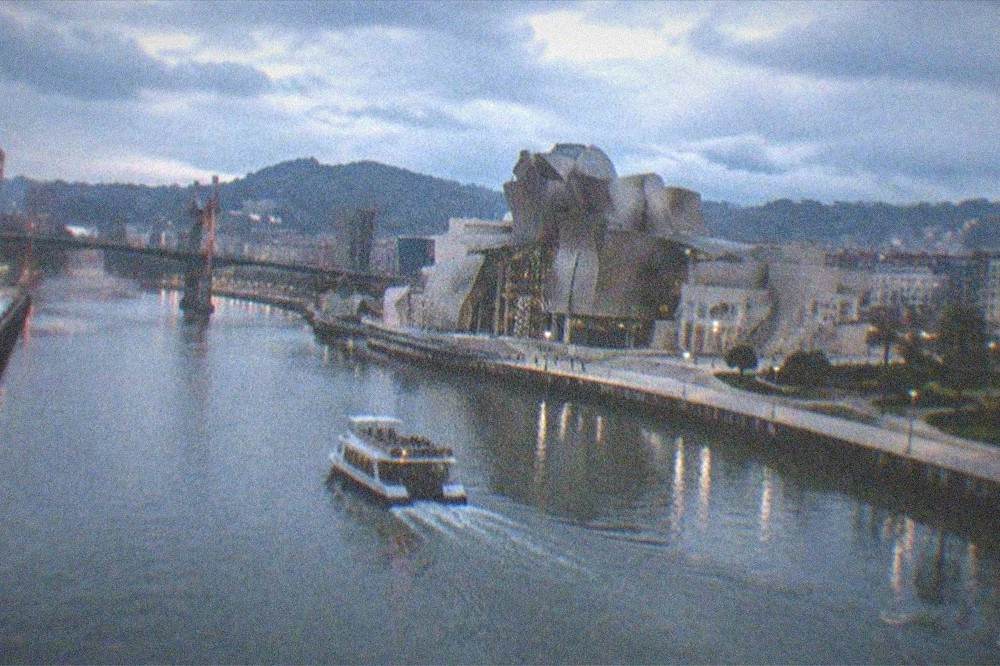
Arriving at Abando puts the whole of Bilbao within a short walk or a one-euro metro ride, and the station's real luxury is location: the pintxos squares, the riverside museums and the coastal trains are all threaded through this one interchange. Plan the first evening around the old town, save the Guggenheim for a morning, and let the station be the base rather than just a doorway, as the Bilbao Travel Guide lays out across its full set of itineraries, from a single day in the city to the deeper regional trips that all begin, in one way or another, at the same platform.