Bakio
Bakio is the Bizkaia coast's most accessible beach and surf town, a short hop from Bilbao in northern Spain and the standard jumping-off point for day trips to San Juan de Gaztelugatxe.
Short answer
Bakio is a small coastal town in Biscay (Bizkaia), Basque Country, northern Spain, roughly half an hour's drive from Bilbao and best known for its sandy beach, its surf scene, and its role as the gateway village for day trips to San Juan de Gaztelugatxe.
Bakio is a small surf-and-beach town on the Bizkaia coast of Biscay province, Basque Country (Euskadi), northern Spain, a short drive up the estuary mouth from Bilbao and the practical gateway to the hermitage of San Juan de Gaztelugatxe. Where Bilbao itself sits about 15 km inland on the tidal Nervion/Ibaizabal estuary, Bakio faces the open Bay of Biscay directly, which gives it a different feel altogether: sand, Atlantic swell, and a low green valley running down to the water. The town is small, genuinely Basque in its everyday language and bar culture, and far less staged for tourism than the better-known stops on the coast. Visitors from Bilbao come for the beach, the surf, or the walk to Gaztelugatxe, and the smartest days combine at least two of the three. This guide lays out how to get there, what the place actually offers, and how to fit it into a wider Bilbao itinerary.
Where Is Bakio And Why Do Bilbao Visitors Go?
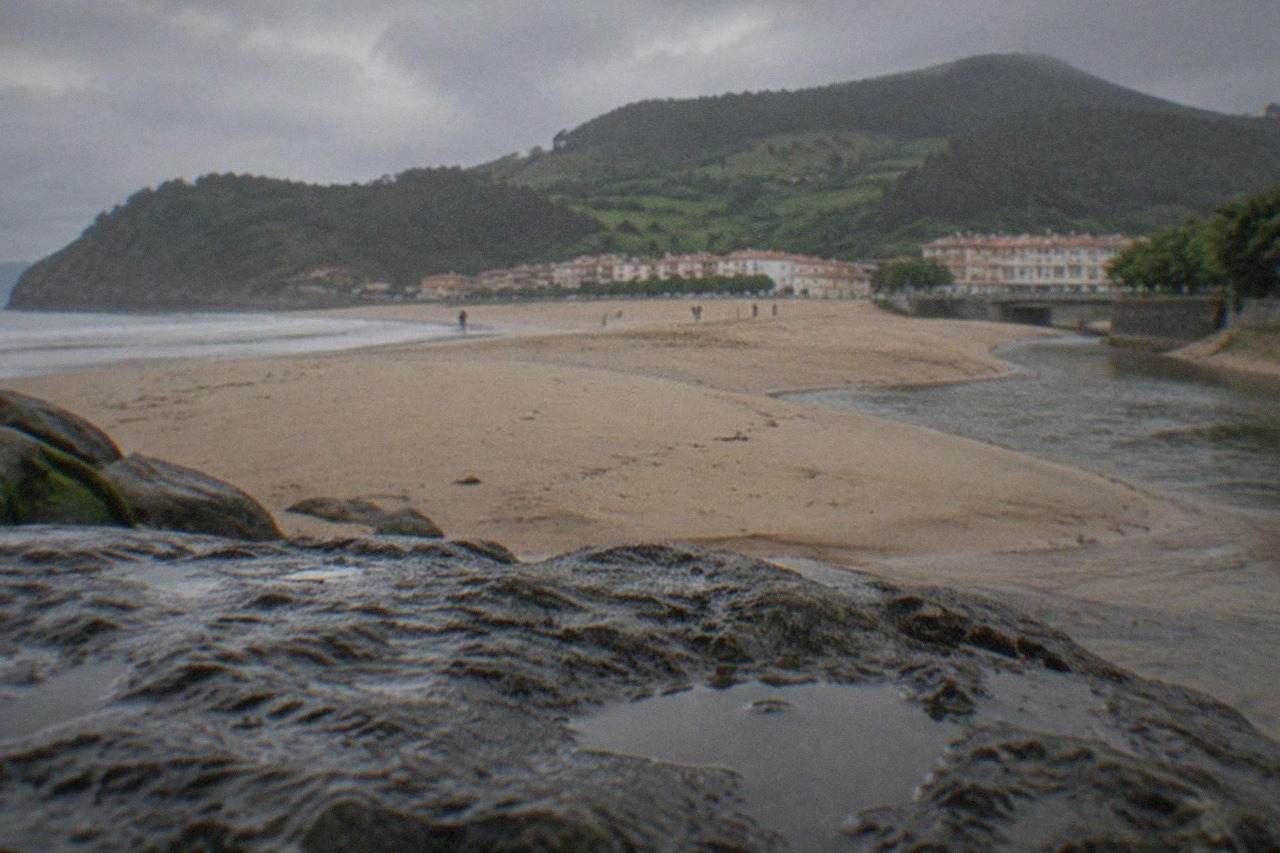
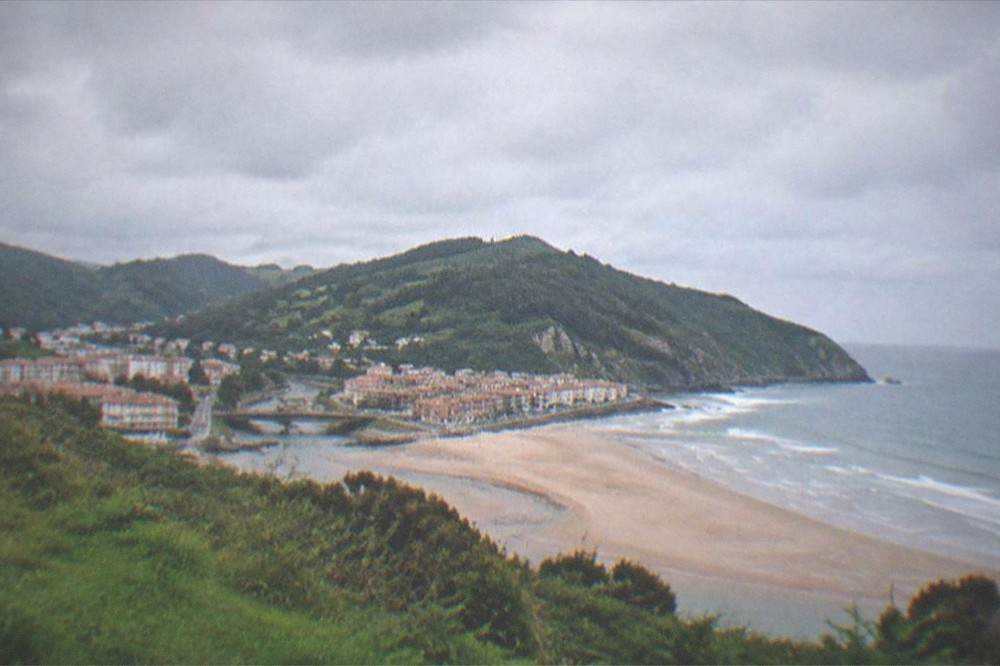
Bakio sits on the Bay of Biscay coast of Biscay (Bizkaia) province in the Basque Country, northern Spain, a short drive from Bilbao, and Bilbao visitors go there for its sandy beach, its surf breaks, and its position as the nearest practical base for walking to San Juan de Gaztelugatxe. It is the closest thing Bilbao has to a home beach with real Atlantic character, and unlike the postcard towns further east it remains a working Basque town first and a visitor destination second. The geography explains the appeal. The Bilbao estuary opens to the sea a handful of kilometres west of the city, and from there the coast runs west through a string of coves, headlands and small towns of which Bakio is one of the largest. Green farmland comes almost down to the sand, which is not something the Mediterranean coast of Spain offers anywhere.
The climate matters here more than most guides admit. Bakio shares Bilbao's temperate oceanic, Atlantic-influenced climate: AEMET's Bilbao Aeropuerto/Loiu station (1082), 1981-2010 normals, put the monthly mean temperature between 9.3 C in January and 20.9 C in August, with 1,134 mm of rain spread across the year. That means warm, pleasant beach weather in July and August, cool but workable shoulder seasons, and wet, dramatic winters in which the Atlantic does its best show. The sea itself stays cool even in summer, because the Bay of Biscay is open ocean, not a sheltered inland sea. Swimmers who expect Mediterranean bathwater will be disappointed; surfers will not.
| Fact | Detail |
|---|---|
| Location | Bay of Biscay coast, Biscay (Bizkaia), Basque Country, northern Spain |
| Nearest major city | Bilbao, on the Nervion/Ibaizabal estuary about 15 km from the open sea |
| Setting | Sandy beach in a green valley, open to the Atlantic |
| Climate | Temperate oceanic, Atlantic-influenced; annual mean 14.7 C, 1,134 mm rain |
| Best-known for | Beach, surf, and gateway access to San Juan de Gaztelugatxe |
| Languages | Basque and Spanish |
The third reason people come, the Gaztelugatxe connection, deserves its own section further down, because it shapes almost every practical decision about a Bakio day: when to come, where to park, and how long to allow. For now the short version is that the famous hermitage on its rocky islet sits on the headland immediately west of Bakio, and the road from Bilbao to the Gaztelugatxe trailhead passes through the town. Plenty of visitors see Bakio only through a car window on the way to the steps. That is a mistake, but an understandable one, and this guide's job is to make sure you do not repeat it.
How Do You Get From Bilbao To Bakio?
The practical public-transport route from Bilbao to the Bakio and Gaztelugatxe coast is a Bizkaibus line of the A3517/A3527 family from central Bilbao, with reported journey times of roughly 1 hour 10 minutes to over 2 hours depending on the exact service and connections, and fares in the 2 to 4 euro range; by car the Gaztelugatxe-coast run takes roughly 30 to 45 minutes over about 22 to 43 km depending on the route. Those figures come from the site's verified day-trip research for the Bilbao-to-Gaztelugatxe journey, and Bakio sits on that same corridor, so they are the honest planning range for this coast rather than a precise timetable for one stop. There is no rail line to Bakio: the Euskotren network runs up the estuary to Plentzia and along a separate inland corridor to Bermeo and Mundaka, but neither serves Bakio itself, so the choice is bus, car, taxi, or an organised tour.
The bus option rewards a little homework. Bizkaibus services in this corridor run from central Bilbao stops, sometimes direct and sometimes with a transfer or a routing via Bakio, and schedules tighten in the shoulder season. A Barik card cuts the fare, as it does across the whole CTB network, and the CTB Barik fares page gives the zonal Creditrans discounts that apply to Bizkaibus lines generally. Check the current timetable on the day you travel, because coastal services adjust several times a year and this site does not carry live schedules. If your whole plan hinges on one specific departure, the safe move is to build in the following service as a fallback.
Driving is what most locals do. The road out of Bilbao follows the estuary toward the sea and then runs the coast west, and the drive itself is half the pleasure: cliffs, small coves, and the first sight of the Gaztelugatxe islet from the headland road. Parking in Bakio is concentrated near the beach and fills quickly on summer weekends, which is the single biggest argument for arriving before midday in July and August. On controlled-access days at Gaztelugatxe the trailhead parking situation is tighter still, and many visitors park in Bakio and walk or take the connecting path from there. If you would rather not think about any of this, a guided day tour from Bilbao removes the driving and the parking question entirely, and the picks below are the ones this site's roster actually carries for the wider region.
One more planning note that belongs here rather than buried later: Bilbao's tourist-tax situation. A Bizkaia-wide regional tourist tax (Norma Foral 3/2026) does not take effect until 1 January 2027, and Bilbao's own approved municipal rates, from 1 euro per night for pensions up to 5 euros for five-star hotels and 6.50 euros for tourist apartments, apply from that date. Visitors in 2026 pay no tourist tax at all. That does not change a day trip to Bakio directly, but it does change the arithmetic of any overnight stay on this coast, and the date is worth knowing before you book anything.
| Option | Reported journey detail | Notes |
|---|---|---|
| Bizkaibus (A3517/A3527 family) | Roughly 1h10m to over 2h, fares around 2-4 EUR | Figures verified for the Bilbao-to-Gaztelugatxe coast run; services vary, check the day's timetable |
| Car | Roughly 30-45 min, about 22-43 km depending on route | Beach-area parking fills on summer weekends |
| Taxi or transfer | Feasible for a day trip at coastal taxi rates | Agree the return pickup in advance |
| Organised tour | Door-to-door from Bilbao | Removes parking and timing decisions |
| Train | Not available to Bakio | Euskotren serves Plentzia and Bermeo/Mundaka on other corridors |
What Can You Actually Do In Bakio For A Day?
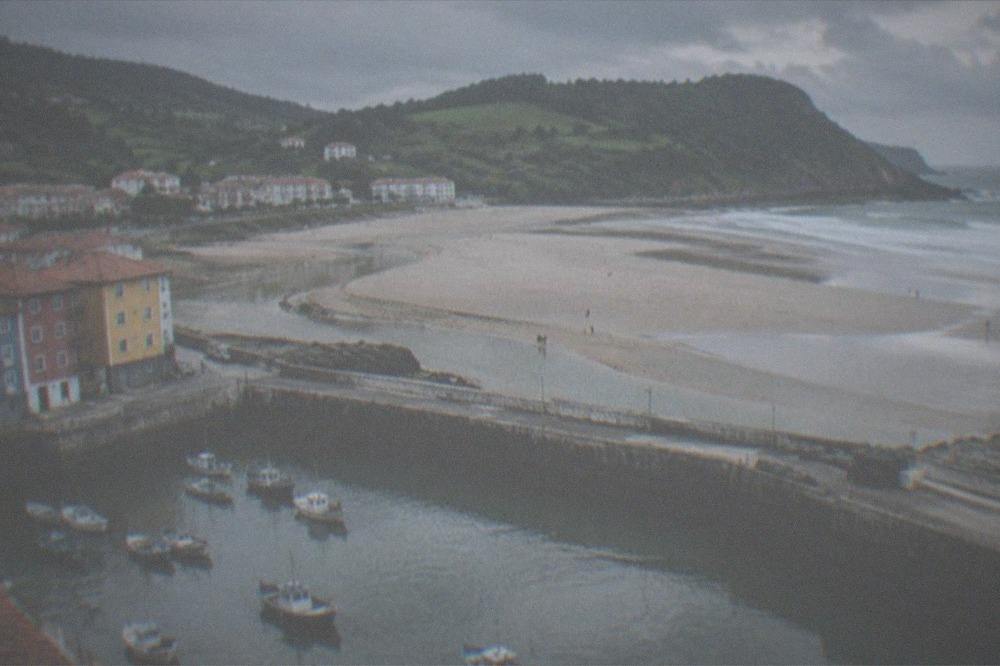
A day in Bakio divides naturally into three parts: the beach and promenade in the town itself, the coastal walks east and west along the clifftops, and the pilgrimage-style hike to San Juan de Gaztelugatxe on the headland immediately to the west, and the town's bar and pintxo scene fills the gaps between them. The beach is the anchor. It is a broad, sandy, west-facing bay with a promenade behind it, and in summer it fills with a mix of local families and Bilbao day-trippers, because this is the nearest big sand to the city on this coast. The surf school ecosystem is real and active: Bakio is one of the standard learner beaches in Bizkaia, with beach breaks that suit beginners in small swells and reward experienced surfers when the Atlantic pushes in something bigger. If surfing is the point of your trip, pair this page with the site's Mundaka surfing and surf beaches guide, which covers the world-famous left at Mundaka further along the same coast.
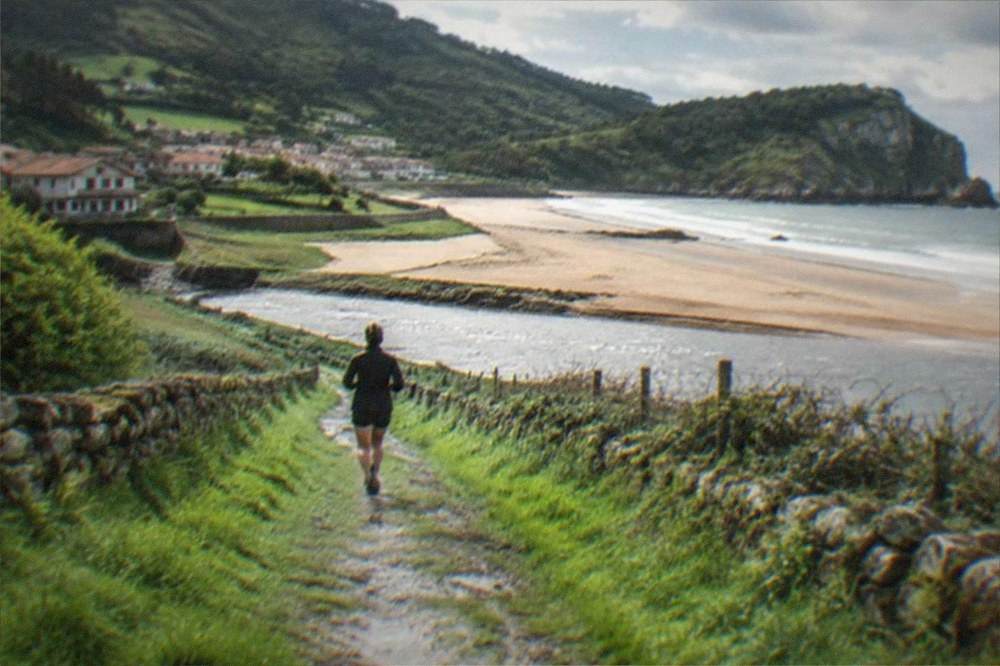
The walking is underrated. The coast path east from Bakio runs along low cliffs toward the next cove, and the route west climbs toward the Gaztelugatxe headland, with the islet's silhouette visible across the water for much of the way. Neither walk needs mountaineering gear, but both need shoes that can handle wet grass and mud, because this is green-coast Bizkaia, not a dry Mediterranean path, and the 1,134 mm of annual rain has to go somewhere. Bring a layer even in August; the Atlantic breeze on an exposed headland is a different temperature from the sheltered beach below it.
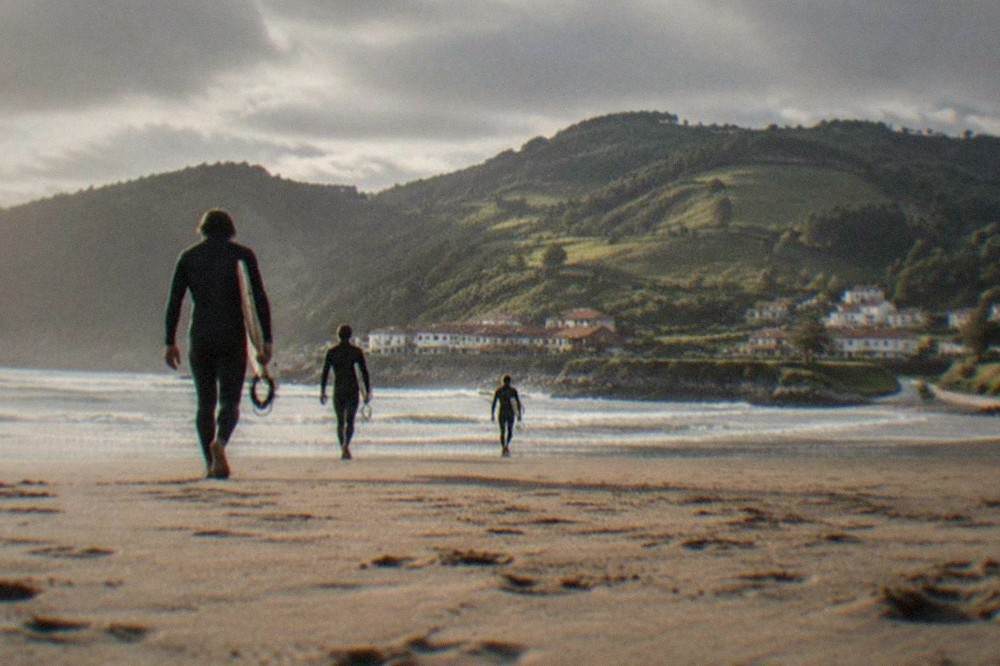
The town itself is small enough to see in an hour and pleasant enough that the hour stretches. There is a church on the hillside, a scatter of bars and restaurants along the beach road, and the particular unhurried atmosphere of a Basque coastal town that has not been rebuilt around visitors. Eating is covered in its own section below, but the headline is txakoli: the green slopes around Bakio and its neighbouring valleys are txakoli country, the lightly sparkling white wine of Bizkaia, and a glass of it looking at the Atlantic is the correct way to end any walk here.
For visitors who want the coast without any of the logistics, the roster on this site includes a guided coastal walk option that reaches the Gaztelugatxe area directly from Bilbao, which suits anyone who would rather not rent a car for a single day.
If a guided coastal walk sounds appealing but your ambitions run further along the Basque coast than this headland, the related pick for this page is the long-haul option: a full-day loop that carries the same coast-first logic all the way to Hondarribia and San Sebastián, with the driving, the timings and the border crossing handled for you. It is a different scale of day, but it answers the same question, how to see this coast without a steering wheel, and the box below lays out what it involves.
Is Bakio A Good Beach Day Trip From Bilbao?
Yes: Bakio is the most convenient proper beach day trip from Bilbao, with a broad sandy bay, a surf scene, and a promenade of bars, all reachable on a straightforward coastal run from the city, and its main limitation is the Atlantic itself, which keeps water and air cooler than Spain's Mediterranean beaches even in high summer. That trade is worth spelling out honestly. If your mental image of a Spanish beach day is 30-degree heat and bath-warm water, Bakio will not deliver it, because AEMET's normals for this coast put August's mean at just 20.9 C and the Bay of Biscay is open ocean. What Bakio delivers instead is a greener, wilder, more northern beach day: fresher air, emptier sand outside peak weekends, and scenery that the southern costas cannot imitate at any price.
| Month | Mean temp (C) | Rain (mm) | Beach verdict |
|---|---|---|---|
| January | 9.3 | 120 | Walks and storm-watching, not swimming |
| February | 9.7 | 86 | Quietest coastal walks of the year |
| March | 11.5 | 90 | Green season, surf still working |
| April | 12.6 | 107 | Changeable; pick your window |
| May | 15.7 | 78 | First pleasant terrace days |
| June | 18.4 | 60 | Start of the beach season |
| July | 20.4 | 50 | Warmest, driest: peak beach month |
| August | 20.9 | 76 | Warmest month, busier sand |
| September | 19.2 | 73 | Local's favourite: warm sea, thin crowds |
| October | 16.4 | 111 | Dramatic Atlantic, good walking |
| November | 12.4 | 147 | Wettest month; indoor-heavy plans |
| December | 9.9 | 122 | Short days, big waves |
Figures are AEMET Bilbao Aeropuerto/Loiu (station 1082) 1981-2010 normals, the inland reference station for this coast, and they describe the climate Bakio shares. The practical reading of the table is simple. July and August are the safe beach months, September is the connoisseur's month with the warmest sea of the year and a fraction of the crowds, and every other month belongs to walking, surfing, and eating rather than lying on sand. November is the wettest month on this coast at 147 mm, which makes it the month to visit Bilbao's museums instead, a trade the rainy day Bilbao guide covers from the other direction.
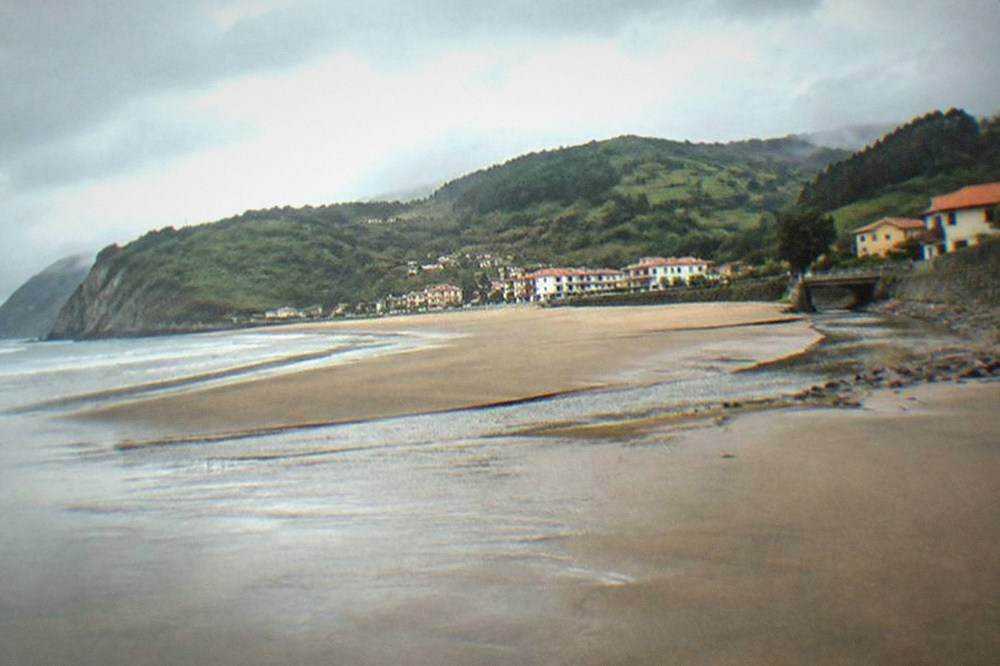
How does Bakio compare with the other sandy options within reach of Bilbao? The honest ranking depends on what you want from the sand. Sopelana is the closest surf-and-beach strip to the city and the easiest by metro, but it is a long open beach rather than a town. Plentzia, at the end of a metro line, is the calmest and most family-friendly of the lot, sitting on the estuary mouth where the swell arrives softened. Getxo offers beaches plus the UNESCO-listed Vizcaya Bridge and a grand old seaside promenade. Bakio is the one that feels most like a destination town in its own right, and the only one that doubles as the Gaztelugatxe gateway, which is why it earns a full day rather than an afternoon.
| Coastal day trip from Bilbao | Character | Best for |
|---|---|---|
| Bakio | Beach town in a green valley, open Atlantic bay | A full beach-plus-walking day and Gaztelugatxe access |
| Sopelana | Long open beach strip closest to the city | Quick surf and sand with minimal travel |
| Plentzia | Sheltered bay at the estuary mouth | Calm water and families |
| Getxo | Grand seaside promenade plus the Vizcaya Bridge | Combining beach with a heritage sight |
| Mundaka | Estuary town with the world-famous left-hand wave | Surf watching and the Urdaibai biosphere |
Can You Combine Bakio With San Juan De Gaztelugatxe?
Yes, and the combination is the single best day trip on this coast: Bakio and San Juan de Gaztelugatxe sit on the same headland corridor west of Bilbao, so one outing covers the town's beach and bars plus the walk across the stone causeway and up the celebrated steps to the hermitage islet, provided you respect the reservation rules that apply on controlled-access days. Those rules matter, so here they are precisely. A free timed reservation is required only on the official controlled-access days in the yearly calendar, roughly mid-June to about 20 September daily plus Easter and holiday weekends, and entry is free without any reservation on all other days. Booking is always free via tiketa.eus, with a maximum of 10 people per individual reservation, and the daily cap on controlled days is 1,462 visitors. As of the most recent reporting, access reverted to free and reservation-free from 21 September 2026 through the end of September, and the calendar is rechecked every season, so verify the current year's dates before you plan around them.
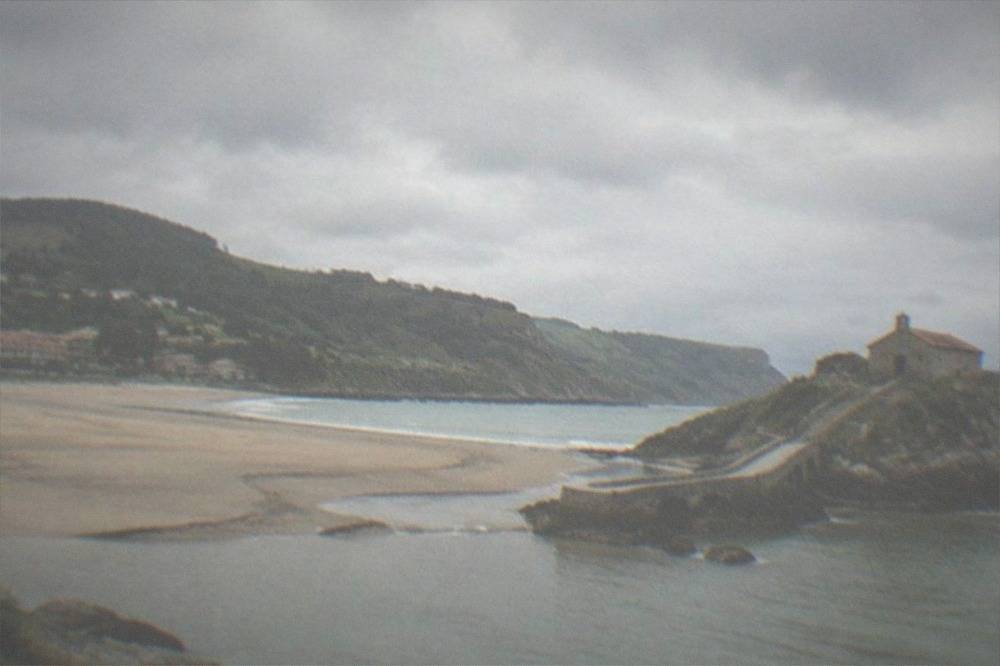
The full Gaztelugatxe picture, including the Game of Thrones connection and the step count, lives in the site's dedicated San Juan de Gaztelugatxe day trip guide, and this page will not duplicate it. What belongs here is the logistics of pairing it with Bakio. The trailhead area and the town share the same coastal road, parking pressure at the trailhead pushes many visitors back into Bakio itself, and the sensible rhythm is Gaztelugatxe first, in the morning, then the beach and a late lunch in town once the day's walking is done. Attempting it in reverse means climbing the long stone staircase in the full afternoon heat of July and August, which is nobody's idea of a holiday.
One respectful note that costs nothing to observe: certain romeria and festival days on the local calendar, including 24 June, 31 July, 29 and 31 August, and 30 December, are reserved for the community's own socio-cultural events at the site, and visitors are asked to choose other dates. There are plenty of them. The coast does not run out.
Guided tours are the stress-free version of this pairing, and the roster carries several that cover the Gaztelugatxe coast with Bakio-area stops, including a full-day option that threads the coast together with Bermeo, Mundaka, Gernika and a txakoli-influenced wine tasting.
Where Should You Eat In And Around Bakio?
Eating around Bakio means Basque coastal bar food, grilled fish and seafood in the town's restaurants along the beach road, pintxos with a glass of local txakoli, and, if your budget stretches, the wider region's celebrated dining scene within an hour's drive, with Bilbao itself holding multiple Michelin-starred rooms including Nerua at the Guggenheim. The town's own offer is honest rather than glamorous: fresh fish, honest portions, and the green Txakoli de Bizkaia wine grown on the slopes you can see from the terrace. Prices at ordinary bars follow the region's norms, and the golden rule of eating anywhere in the Basque Country applies doubly on the coast: where the locals are standing, stand there too.
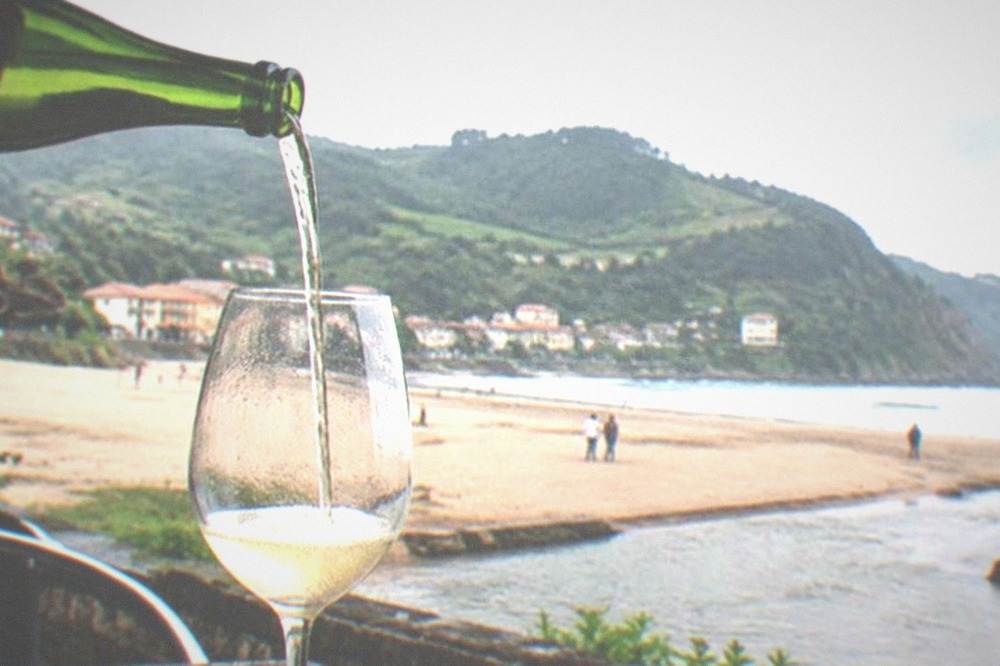
The txakoli deserves its own sentence rather than a passing mention. This is the white wine of the green Atlantic slopes of Bizkaia, lightly sparkling, dry and high in acidity, and the Bakio valley is one of its historic homes. A beachside glass poured high from bottle to glass in the traditional long pour, with a pintxo of something from the sea, is not a tourist ritual here; it is Tuesday. For visitors who want the same experience with a guide translating the culture between bars, the food-tour options in the roster below include the best-rated walks in Bilbao itself, which make a strong evening counterweight to a coast day.
If you are building a food-led itinerary rather than a beach-led one, read the pairing in reverse: spend the morning on this coast, then return to Bilbao for the evening crawl through the Casco Viejo and Plaza Nueva pintxo bars, where the city's txikiteo tradition runs at full volume. The best pintxos in Bilbao guide on this site covers the bar-by-bar detail, and the coastal-and-city combination is exactly how locals spend their summer Saturdays.
Should You Visit Bakio Or Head Further Along The Coast?
Visit Bakio if you want the easiest full beach-and-walking day from Bilbao with Gaztelugatxe attached, and head further along the coast instead if your priority is world-class surf watching at Mundaka, the estuary landscapes of the Urdaibai biosphere reserve, or the grand seaside architecture of Getxo, because each of those needs its own day to do properly. The honest answer is that the coast west of Bilbao is not a checklist to sprint through but a string of distinct days, and the mistake first-time visitors make is trying to combine Bakio, Gaztelugatxe, Bermeo and Mundaka into one frantic circuit. The organised tours do run that circuit comfortably in a day, because someone else is driving, but an independent traveller should choose one anchor per day and enjoy it.
The anchors, in one table:
| Day trip anchor | What defines it | Pairs well with |
|---|---|---|
| Bakio | Sandy Atlantic bay, surf town, valley txakoli | Gaztelugatxe walk, coastal path |
| Bermeo | Working fishing port, harbour bars | Mundaka, the coast road |
| Mundaka | Legendary left-hand wave at the estuary mouth | Urdaibai biosphere, Gernika |
| Gernika | Basque history, the Tree, the peace museum | Bermeo and Mundaka inland loop |
| Getxo | Vizcaya Bridge, promenade, old beach resort | A half-day, closest to the city |
| Sopelana and Plentzia | Metro-reachable beaches | An easy add-on to any Bilbao day |
The wider region rewards a second and third day. The Urdaibai biosphere reserve guide covers the estuary wetlands behind Mundaka, one of the most important bird and nature areas on the Cantabrian coast, and the Gernika guide covers the town whose name carries more historical weight per syllable than almost anywhere in Europe. East of Bilbao, the coast continues through Sopelana toward Plentzia, both reachable without a car, both covered in their own pages. And for visitors with a week rather than a weekend, the three days in Bilbao itinerary shows how to slot a coast day into a fuller Basque stay without rushing the city's museums and bar streets.
For travellers whose ideal day is a long one, the roster's most complete coast-to-France option runs a full loop through Hondarribia and San Sebastián, and it is the related pick for this page because it shows what the Basque coast becomes when you keep driving east.
What Should You Pack For A Bakio Day Trip?
Pack for an Atlantic green-coast day rather than a Mediterranean beach day: swimwear and a towel in summer, but also a windproof layer for the headlands, shoes that can handle wet grass on the coastal paths, a rain shell in every month of the year, and sun protection, because the 1,134 mm of annual rain here arrives in bursts rather than as permanent grey. The single most common packing failure on this coast is assuming that a Spanish beach trip means hot and dry. The second most common is the opposite: arriving in a fleece in August because someone said the north is cold, then sweltering on the sand at two in the afternoon. The truth is changeability, and changeability rewards layers.
| Season | Conditions on this coast | What to bring |
|---|---|---|
| Summer (Jun-Aug) | Warmest months, mean 18.4-20.9 C, lowest rain 50-76 mm | Swimwear, sun protection, light layers, windproof for the headland |
| Autumn (Sep-Nov) | Mild turning wet, rain rising to 147 mm in November | Waterproof shell, walking shoes, warm layer |
| Winter (Dec-Feb) | Cool, mean 9.3-9.9 C, stormy Atlantic | Full waterproofs, warm layers, boots |
| Spring (Mar-May) | Green and changeable, rain 78-107 mm | Layered clothing, rain shell, sturdy shoes |
Two specifics earn their place in the bag. First, proper walking shoes if Gaztelugatxe is on the plan, because the causeway and steps are stone, exposed, and slick after rain. Second, a refillable bottle, because the walk back from the headland on a warm afternoon is longer than it looks on the map. The site's Bilbao packing guide covers the city wardrobe in more depth; the coast version is the same list with more waterproofing and less linen.
How Does Bakio Fit Into A Longer Bilbao Itinerary?
Bakio works best as the coastal day of a three-to-five-day Bilbao stay: day one for the city's Old Town and the Guggenheim, day two for this coast with Gaztelugatxe, day three for either the Rioja wine country to the south or San Sebastián to the east, and Bakio itself can absorb a second visit in summer if the first one was cut short by weather. The logic is simple. Bilbao is one of the few Spanish cities where the urban day and the coastal day are genuinely interchangeable at short notice, because the coast is close and the climate is the same oceanic system on both sides of the trip. A rainy forecast in the city is a rainy forecast in Bakio, so the flexible traveller swaps the beach day and the museum day as the week's weather firms up.
A sample week shows the shape of it. Start with the city: the Casco Viejo's seven streets, the Ribera Market, and the Guggenheim, whose adult ticket is 18 euros and whose hours run 10:00 to 19:00 Tuesday to Sunday, extending to 20:00 from 15 June to 13 September, per the museum's own hours-and-admission page. Hold the Bakio-and-Gaztelugatxe day for the best forecast of the week. Then choose between the inland option, the Rioja wine day trip with its winery towns, or the eastern option, the San Sebastian day trip that adds a second food capital to one holiday. Travellers with a car and a full week can add the French Basque coast, covered in the Saint-Jean-de-Luz and Biarritz guide, and the Getxo guide fills a half-day closest to home.
The one-sentence verdict, for readers who scrolled here first: Bakio is the coast at its most convenient, Gaztelugatxe is the coast at its most spectacular, and a day that does both, morning walk and afternoon sand, is the single best use of a car or a bus ticket out of Bilbao. For everything else on this coast, start from the Bilbao Travel Guide homepage and follow the day-trip index; for booking the guided versions, every tour named on this page links to the operator's live listing through the picks above.
Common Questions About Bakio
Is Bakio worth visiting from Bilbao?
Yes, if a beach, surf or coastal-walking day is on your list: it is the closest proper beach town to Bilbao on the Atlantic coast and the standard gateway for reaching San Juan de Gaztelugatxe, which makes it a two-destination day in one short trip.
How far is Bakio from Bilbao?
Bakio sits on the Bay of Biscay coast west of the Bilbao estuary, on the same corridor as the Gaztelugatxe trailhead, for which the verified driving range is roughly 30 to 45 minutes over about 22 to 43 km depending on the route; the bus run takes roughly 1 hour 10 minutes to over 2 hours. Treat those as the honest planning range for this coast rather than a fixed figure for the town boundary.
Can you swim at Bakio beach?
Yes, in summer: the bay is broad and sandy, but the water is cool Atlantic, not Mediterranean, with August's mean air temperature at just 20.9 C on this coast, so swim in the middle of the day and bring a layer for the evening.
Do you need a reservation for Gaztelugatxe if you go via Bakio?
Only on official controlled-access days, roughly mid-June to about 20 September daily plus Easter and holiday weekends on the yearly calendar; on all other days entry is free with no reservation. Booking is always free via tiketa.eus, with a daily cap of 1,462 visitors on controlled days and up to 10 people per reservation.
Is there a train from Bilbao to Bakio?
No. The Euskotren network serves Plentzia on one corridor and Bermeo and Mundaka on another, but no rail line reaches Bakio; the options are Bizkaibus services, a car, a taxi, or an organised day tour from Bilbao.
When is the best month to visit Bakio?
July and August for the fullest beach weather, September for the warmest sea with thinner crowds, and any month from March to June for green-coast walking and surf, while November, the wettest month on this coast at 147 mm of rain, is better spent indoors in Bilbao's museums.