Bilbao Bus Station Guide
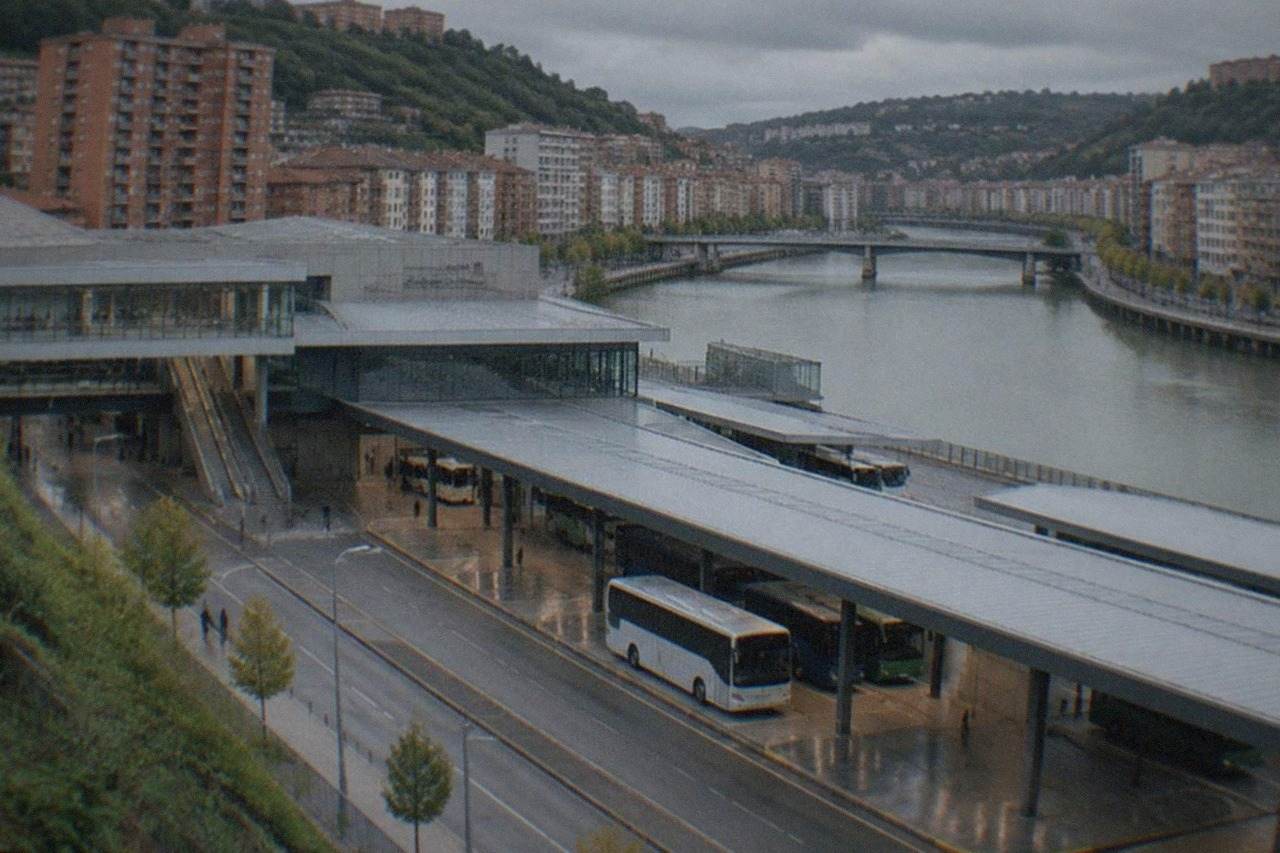
Bilbao's intercity buses leave from the Bilbao Intermodal interchange, the facility long known locally as Termibus. This guide covers the routes you can catch, what tickets cost, and how the station connects to the metro, the tram and the airport.
Short answer
Bilbao's main intercity bus station is Bilbao Intermodal, historically called Termibus, and it is the departure point for long-distance buses such as the Alsa and Avanza services toward San Sebastián. The station sits inside the city's integrated transport system, so a Barik card or a Bilbao Bizkaia Card covers onward metro, tram and Bilbobus travel once you arrive.
Bilbao, in Biscay (Bizkaia) province in the Basque Country of northern Spain, runs its long-distance coach traffic through a single interchange: Bilbao Intermodal, the facility that locals and older timetables still call Termibus. If you arrive by coach from elsewhere in Spain, or you plan to use Bilbao as a base for coastal day trips, this is the building you need to understand. The station is not a standalone terminal in the middle of nowhere; it is part of the city's wider transport web, which means the same fare logic, the same Barik card and the same operators you meet on the metro also shape how you move on from it. This guide lays out the routes that leave from here, what the tickets cost according to the official consortium fare tables, and how the station plugs into the rest of the city, with a few booked day-trip alternatives for travellers who would rather not wrestle with rural bus timetables at all.
Where Is Bilbao Intermodal And Why Do Locals Still Call It Termibus?
Bilbao Intermodal is the city's main intercity bus station, and Termibus is the older commercial name for the same interchange, so the two names refer to one place. Long-distance operators such as Alsa and Avanza list Bilbao Intermodal or Termibus as their Bilbao departure point, and the station doubles as a hub where city and regional transport modes meet, which is why onward connections to the metro, tram and city buses matter as much as the coaches themselves.
The naming overlap trips up plenty of visitors. A ticket confirmation may say one name and a street sign or a local's directions may say the other, and older guidebooks almost always use the older label. Treat them as synonyms and you will save yourself a pointless detour. The "Intermodal" half of the name is the operative word for planning purposes: the station was conceived as a transfer point rather than a mere coach bay, so the practical questions are less about the building and more about which lines touch it.
That intermodal role is what makes the station useful for the day-trip plans most Bilbao visitors have. The Basque coast's headline destinations, from the fishing port of Bermeo to the surf town of Mundaka and the UNESCO-listed Vizcaya Bridge at Getxo and Portugalete, are all reachable on public transport out of Bilbao, and the deep-dive pages in this guide cover each one: see the Gaztelugatxe guide, the Getxo guide and the Mundaka guide for the destination-side detail. The station is also where the long-distance network begins if Bilbao is your first stop in the Basque Country rather than your only one, a comparison covered in Bilbao vs San Sebastian.
Which Destinations Can You Reach By Bus From Bilbao?
The practical intercity bus routes from Bilbao are the Alsa and Avanza Gipuzkoa service to San Sebastián, roughly 1 hour 20 minutes one way at roughly 8 to 19 EUR, plus direct buses to Vitoria-Gasteiz at around 1 hour to 1 hour 32 minutes and roughly 6 to 7 EUR, and Bizkaibus regional lines toward the Biscay coast including Bermeo and the Gaztelugatxe area. Frequencies vary by line, with the San Sebastián corridor running roughly every 30 minutes at busy times.
Those figures come from the schedule aggregations in the site's research pack, and they are planning ranges rather than guarantees: timetables shift with season and demand, so check the operator's live listing or app for the day you travel. The San Sebastián bus is the headline route for most visitors, because there is no direct high-speed train alternative and the coach is the fastest practical public option between the two cities. Vitoria-Gasteiz, the Basque capital, is another frequent choice, and there the bus is often both the cheapest and the quickest public option, since train routings frequently involve a change and run to two or three hours.
| Destination | Typical bus time | Typical one-way fare | Notes |
|---|---|---|---|
| San Sebastián (Donostia) | ~1 h 20 m | 8-19 EUR | Alsa/Avanza Gipuzkoa, frequent departures |
| Vitoria-Gasteiz | ~1 h-1 h 32 m | ~6-7 EUR | Direct options; bus usually beats the train |
| Bermeo | ~1 h 25 m-1 h 35 m | 2-4 EUR | Bizkaibus, roughly hourly |
| Mundaka | ~1 h 34 m | 2-4 EUR | Often via Bermeo connection |
| Getxo (Areeta) | ~25-46 m | 2-4 EUR | Metro Line 1 is usually simpler |
The coastal rows deserve a caveat. Bermeo and Mundaka are also served by Euskotren trains from the Casco Viejo side of the city, which for many travellers is more convenient than hauling luggage out to a bus stop, and the train to Bermeo takes roughly 1 hour 21 minutes at 2 to 5 EUR. Getxo, similarly, is a metro trip more than a bus trip: Metro Bilbao Line 1 reaches the Areeta area in 28 to 29 minutes. The bus station's real strength is the long-distance and regional coach network; for close-in coastal towns the rail and metro options covered in getting around Bilbao usually win on simplicity.
If your plan is Gaztelugatxe, the Dragonstone hermitage on its rocky islet, note that buses toward the site run on Bizkaibus lines that sometimes involve transfers, with journey times from roughly 1 hour 10 minutes to over 2 hours. Many travellers instead book a guided excursion that handles the access logistics, and the pick below is one of the most-reviewed options on that route.
A booked coach excursion is not the same thing as a public bus ticket, and the distinction matters for planning. The listings above include both a long coastal loop toward San Sebastián and Hondarribia and a shorter in-city food walk, because most Bilbao itineraries mix a big day trip with at least one evening of pintxos. The related excursion for this page, the 10-hour San Sebastián, Hondarribia, Hendaye and Getaria loop, is the one that overlaps most directly with what the intercity buses do, minus the timetable stress.
How Much Do Tickets And Local Transport Cost Around Bilbao?
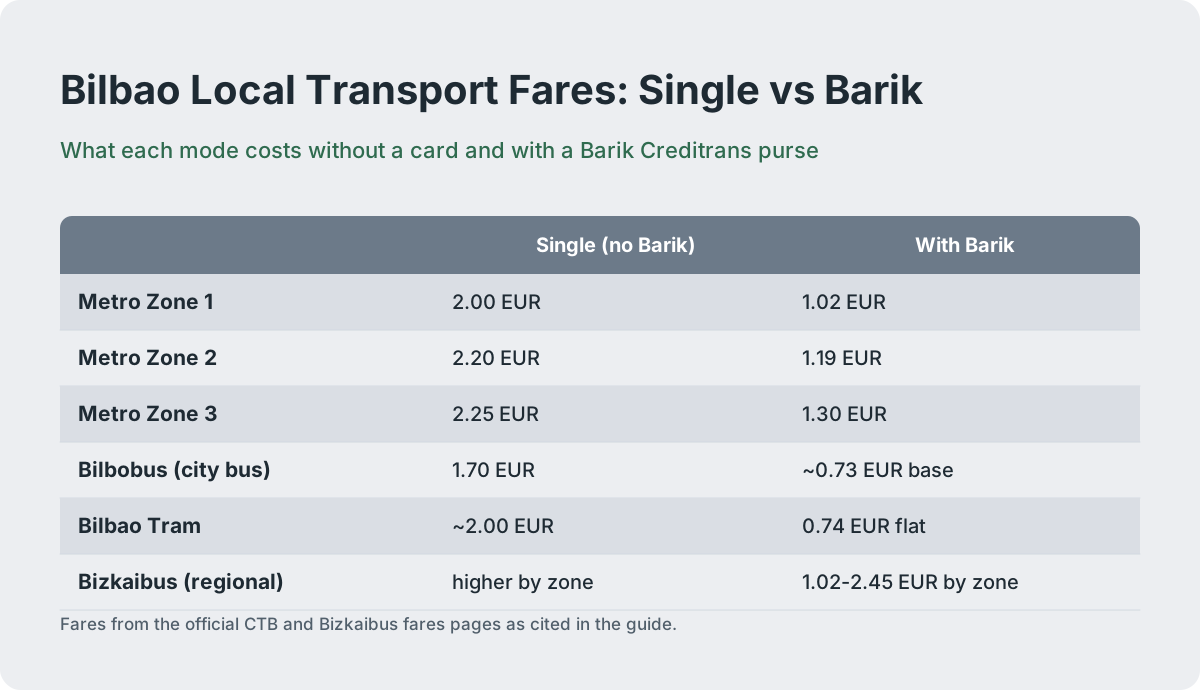
A coach ticket from Bilbao to San Sebastián typically runs 8 to 19 EUR one way, while local transport follows the CTB fare system: metro Zone 1 costs 1.02 EUR with a Barik card or 2.00 EUR as a single, Bilbobus costs 1.70 EUR single or roughly 0.73 EUR base with Barik, and the tram charges 0.74 EUR flat with Barik.
The Barik card itself is commonly reported to cost 3 EUR to buy, though that price is not on the official CTB fares page.
The fare structure rewards anyone who buys a Barik card early in the trip. The official CTB Barik fares page gives the metro Creditrans prices as 1.02 EUR for one zone, 1.19 EUR for two zones and 1.30 EUR for three zones, against 2.00, 2.20 and 2.25 EUR for occasional single tickets. The same Barik purse works across Euskotren trains, the tram, Bilbobus and Bizkaibus, so one card covers essentially every local mode you will touch after stepping off a coach. The 3 EUR purchase price for the card is a weaker-source figure, drawn from a Wikipedia mirror rather than an official CTB page, so treat it as commonly reported rather than official.
| Mode | Single (no Barik) | With Barik Creditrans | Source basis |
|---|---|---|---|
| Metro Zone 1 | 2.00 EUR | 1.02 EUR | Official CTB fares page |
| Metro Zone 2 | 2.20 EUR | 1.19 EUR | Official CTB fares page |
| Metro Zone 3 | 2.25 EUR | 1.30 EUR | Official CTB fares page |
| Bilbobus (city bus) | 1.70 EUR | ~0.73 EUR base | City/CTB-aligned fares |
| Bilbao Tram | ~2.00 EUR | 0.74 EUR flat | CTB Barik fares page |
| Bizkaibus (regional) | higher by zone | 1.02-2.45 EUR by zone | CTB/Bizkaibus fares |
For short visits there is a second option worth weighing. The Bilbao Bizkaia Card, sold at 10 EUR for 24 hours, 15 EUR for 48 hours and 20 EUR for 72 hours per the card's own site, bundles unlimited travel on the associated public transport across Bizkaia, including metro, tram, Bilbobus, Bizkaibus and the funiculars, plus guided tours and museum fast-track benefits. The full breakdown is in the Bilbao Bizkaia Card guide. The arithmetic is simple: if you plan two or more zonal trips a day plus a museum visit, the card usually pays for itself, and if you only ride the metro once, a plain Barik does the job for less.
| Card option | Price | What it covers |
|---|---|---|
| Bilbao Bizkaia Card 24h | 10 EUR | Unlimited associated transport + discounts |
| Bilbao Bizkaia Card 48h | 15 EUR | Same coverage, two days |
| Bilbao Bizkaia Card 72h | 20 EUR | Same coverage, three days |
| Barik Creditrans | pay-as-you-go | Discounted fares on metro, tram, bus, Euskotren |
One planning note that almost no other Bilbao coverage carries: a Bizkaia-wide regional tourist tax under Norma Foral 3/2026 does not take effect until 1 January 2027, and Bilbao's own municipal rates, from 1 EUR per night at pensions up to 5 EUR at 5-star hotels and 6.50 EUR for tourist apartments, were approved in September 2026 for that 2027 start. Visitors travelling in 2026 pay no tourist tax, and reservations made before early February 2026 are generally exempt even once the tax begins. Budget it into 2027 accommodation plans, not this year's.
How Do You Connect From The Bus Station To The Airport And The Rest Of The City?
Bilbao Airport (BIO) has no metro or train link, and the city council's own position is that none arrives before 2035, so the connections that exist are the Bizkaibus A3247 airport bus, running every 15 minutes at 5 EUR without a Barik card, and taxis at roughly 24 to 29 EUR to the centre. Within the city, the metro, tram and Bilbobus network radiates from the interchange area, and every Bilbobus in the 141-bus fleet is low-floor and wheelchair accessible.
The airport bus details come straight from the operator and Aena listings: the A3247 runs roughly every 15 minutes, from about 06:10 to 23:40 outbound from the airport and about 05:00 to 22:00 from the Bilbao side, with a journey time of 15 to 25 minutes depending on traffic. The occasional ticket is 5 EUR, payable to the driver or at the airport Bizkaibus desk, and Barik holders pay less. Taxis, white with a red stripe, take roughly 10 to 15 minutes to the centre at an indicative 24 to 29 EUR, with no airport supplement and the Artxanda tunnel toll included in the guidance prices. The full arrival walkthrough, including where the rank sits, is in the Bilbao airport guide and the step-by-step airport to city center page.
| Airport option | Frequency | Journey | Fare |
|---|---|---|---|
| Bizkaibus A3247 | every 15 min | 15-25 min | 5 EUR (no Barik) |
| Taxi | on demand, rank at Arrivals | ~10-15 min | ~24-29 EUR indicative |
Inside the city, the connections are dense enough that the bus station rarely leaves you stranded. Metro Bilbao stations feature elevators from street to platform, wide validators for wheelchairs and mobility aids, tactile paving and audio announcements, per the operator's own 2025 accessibility materials. The tram is described by official tourism sources as adapted alongside the metro and buses. And the funicular up to the Artxanda viewpoint, covered in its own Artxanda funicular guide, is itself wheelchair accessible, with ramp access at the lower station, a lift to street level at the top, and free travel for one companion of a wheelchair user.
Bus Or Train From Bilbao: Which Is Better For Each Destination?
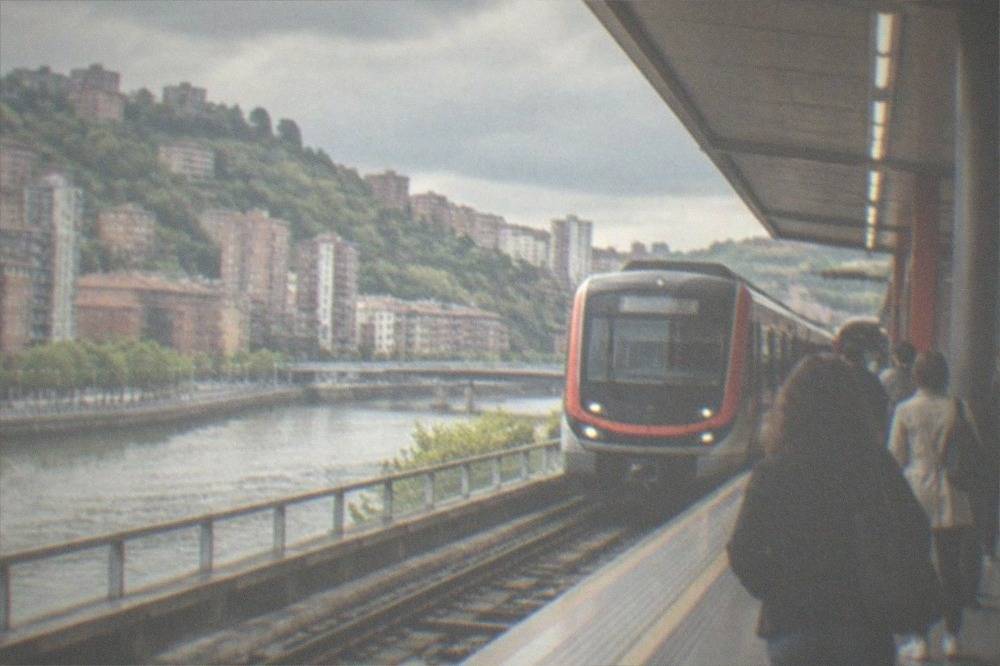
The bus beats the train from Bilbao to San Sebastián, at roughly 1 hour 20 minutes versus 2 hours 40 minutes or more on the Euskotren coastal route, and the bus is also usually the better public option to Vitoria-Gasteiz, where train routings often require a change and take 2 to 3 hours. For Bermeo and Mundaka the situation reverses, because the Euskotren line from the Casco Viejo side reaches Bermeo in roughly 1 hour 21 minutes, often more conveniently than the bus.
The San Sebastián comparison is the one that matters most, because it is the region's most-travelled corridor. The Euskotren service between the two cities is genuinely scenic, hugging the coast for much of its run, but it is a slow, stopping service: aggregators put it at 2 hours 40 minutes to over 3 hours, at 6 to 11 EUR, departing from the Zazpikaleak/Casco Viejo area rather than the main interchange. The coach does the same journey in roughly half the time from Bilbao Intermodal. Travellers with time to spare and a taste for sea views may still prefer the train, and the destination-side detail is in the San Sebastian day trip guide; everyone else should take the bus. The rail-side practicalities, including the main Renfe side of the city's rail offer, are covered in the Bilbao train station guide.
For the Biscay coast the calculus flips. Bermeo's Euskotren station sits a short walk from the harbour, and the train runs roughly every 30 minutes, which beats waiting on an hourly Bizkaibus. Mundaka is four minutes further up the same line. Gaztelugatxe itself has no station at the islet: you reach the area by bus toward Bakio with possible transfers, or as part of a booked excursion, and the access rules, including the free timed reservation required only on official controlled-access days with a 1,462 daily visitor cap, are laid out in the Gaztelugatxe guide.
Is Bilbao Intermodal Accessible For Wheelchair Users And Reduced-Mobility Travellers?
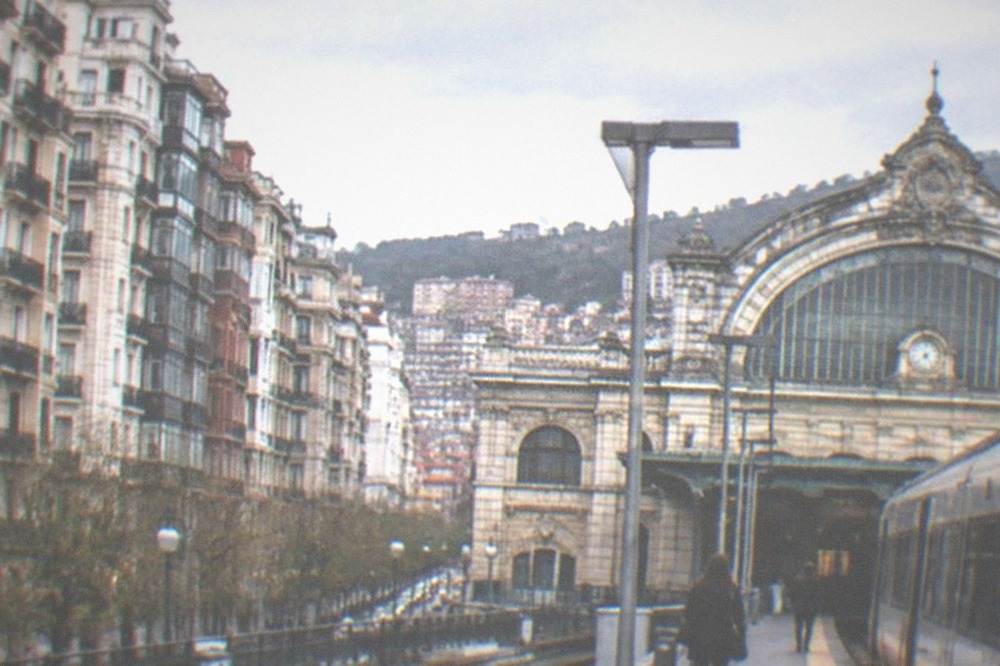
Bilbao's public transport network is one of the more accessible in Spain: every Bilbobus in the 141-bus fleet is low-floor with ramps and a reserved wheelchair space, metro stations carry elevators between street and platform with wide validators and audio announcements, the tram is described as adapted in official tourism sources, and companions of wheelchair users travel free on Bilbobus and the Artxanda funicular. The city also runs tactile paving, acoustic signals and lifts across its steeper districts.
Those specifics come from the municipal and operator accessibility materials in the site's research pack, including Metro Bilbao's own 2025 accessibility brochure and the POLIS Network's member spotlight on the city. For a traveller arriving by long-distance coach, the practical sequence matters: intercity coaches themselves have their own boarding policies set by each operator, so confirm assistance needs with the carrier when booking, but once you are inside Bilbao's local network the step-free chain is unusually complete. The Guggenheim, for its part, is fully wheelchair accessible with two dedicated entrances, loaner wheelchairs at the coatroom and accessible restrooms throughout, per the museum's own accessibility pages.
The broader accessibility picture, including adapted taxis, the city's accessible pedestrian routes and how the steep topography is handled with lifts and escalators, has a dedicated deep-dive on this site: see accessibility in Bilbao. The short version for bus-station purposes is that the onward journey from the interchange is rarely the barrier; the hills of the Casco Viejo are steeper than any transfer you will make.
Should You Book A Guided Day Trip Instead Of Using The Bus Station?
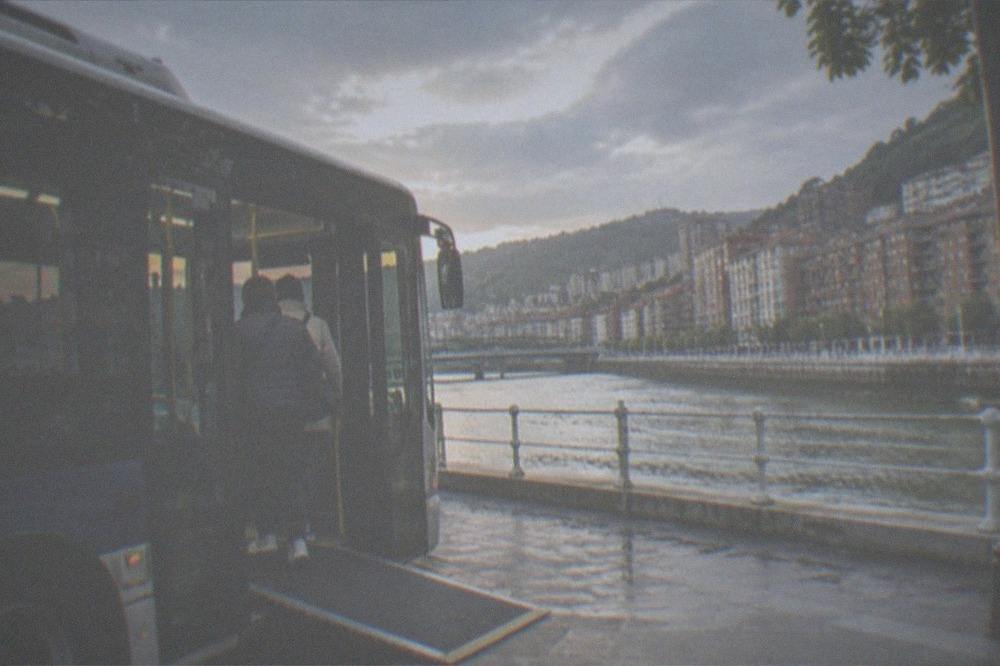
A guided day trip from Bilbao makes sense when the destination is awkward by public bus, and Gaztelugatxe is the clearest case, since reaching it involves Bizkaibus lines with transfers and journey times from roughly 1 hour 10 minutes to over 2 hours, plus a free timed reservation on controlled-access days; for San Sebastián, where a direct frequent coach exists, independent bus travel is straightforward and a guided tour is a comfort choice rather than a necessity.
The economics differ by route. The Rioja wine region, for instance, is a full-day undertaking where a booked excursion with winery visits bundled in removes both the driving and the tasting logistics, and the Rioja wine day trip guide covers the trade-offs. The Basque coast west of the city, from Bermeo's harbour to Mundaka's surf breaks, is reachable by train and bus but rewards a car or a tour if you want to string several stops into one day. And the French Basque Country, Biarritz and Saint-Jean-de-Luz included, sits far enough past San Sebastián that a single booked loop is usually more realistic than three separate public connections.
The three picks below span that spectrum: a long San Sebastián-and-French-Basque loop that mirrors the intercity corridor, the food-and-wine walk for the evenings between day trips, and the shorter Getaria-focused excursion. Durations, ratings and live prices render from each operator's own listing rather than being typed here, because those figures move with the season.
The 10-hour loop is the one this page is built around: it covers San Sebastián, Hondarribia, Hendaye and Getaria in a single day, which by public transport would mean an early coach, at least one connection and a careful watch on the last return. Booking it as an excursion trades flexibility for certainty, and for travellers on a two-night Bilbao stopover, covered in how many days in Bilbao, that trade is often worth making.
For the evenings, the Basque food tour and wine tasting is the complement most first visits call for. Bilbao's pintxos culture rewards a guide on the first night, when you do not yet know which bars on Plaza Nueva are institutions and which are tourist traps, and the bar-by-bar detail for independent eating lives in the best pintxos in Bilbao guide. A guided first evening plus independent crawls afterwards is the pattern most regular visitors land on.
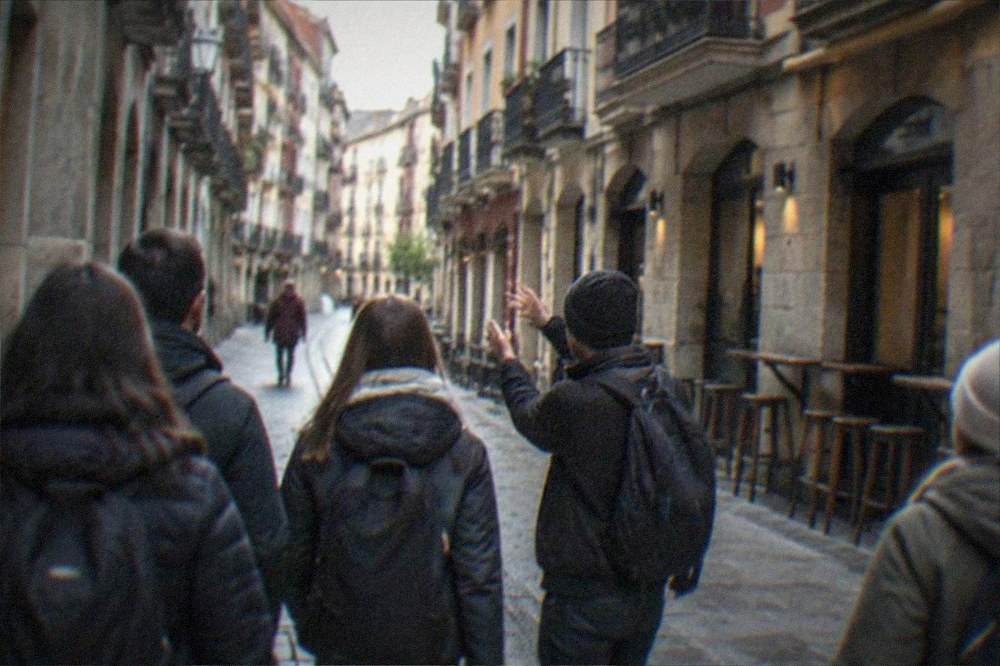
A small-group Old Town walk rounds out the set for travellers who prefer their orientation on foot before striking out alone. The Casco Viejo's seven streets hide their history well, and a local guide tends to save a full afternoon of aimless wandering. The neighbourhood context is in the Casco Viejo guide.
What Should You Know Before Arriving At Bilbao Intermodal?
Before arriving at Bilbao Intermodal, know three things: buy a Barik card or Bilbao Bizkaia Card for onward local travel since occasional tickets cost roughly double, plan your long-distance legs around the San Sebastián coach's roughly 30-minute frequency rather than a fixed timetable you remember from home, and remember that Bilbao's climate is temperate oceanic with 1,134 mm of rain a year, so a waterproof layer belongs in your day bag in any month.
That last point is not a throwaway. AEMET's Bilbao Aeropuerto/Loiu station normals, the 1981-2010 series, show rain in every single month of the year, from 50 mm in July to 147 mm in November, with an annual mean temperature of 14.7 C. Bus stations involve outdoor waiting, and coastal day trips involve exposed headlands, so the packing advice in what to wear in Bilbao and the month-by-month detail in the Bilbao weather guide apply directly to your station plans. July and August are the warmest, driest months; November is the wettest.
| Month | Mean temp C | Mean rain mm | Station-day implication |
|---|---|---|---|
| January | 9.3 | 120 | Cold rain, waterproof needed |
| April | 12.6 | 107 | Showers likely, layers |
| July | 20.4 | 50 | Driest month, lightest risk |
| August | 20.9 | 76 | Warm but not rain-free |
| November | 12.4 | 147 | Wettest month, allow delays |
Money is the second practicality. Spain uses the euro, cards are accepted almost everywhere including the airport bus, and the tipping culture is relaxed by international standards; the details are in the currency and tipping guide. Safety is the third: Bilbao ranks among Spain's safer major cities in the municipal crime reporting, with thefts dominating the statistics and violent crime against visitors rare, though the standard crowded-area caution around the station and the Casco Viejo applies. The full picture, including the scams worth knowing about, is in the safety in Bilbao guide.
For anyone building a wider Basque itinerary around the bus network, the question of where to base yourself, Bilbao, San Sebastián, or a coastal town in between, has its own analysis in the best base in the Basque Country, and the money-page overview of the city's options is at things to do in Bilbao. This page's role is narrower: once you have decided to move, Bilbao Intermodal is almost certainly where you will start from, and it connects to more of the region than its plain concrete suggests. For more on the whole city's transport picture, start with the Bilbao Travel Guide homepage and work outward.
Common Questions About The Bilbao Bus Station
Where Is Bilbao's Main Bus Station?
Bilbao's main intercity bus station is Bilbao Intermodal, the interchange long known as Termibus. Long-distance operators including Alsa and Avanza list it as their Bilbao departure point, and it connects to the city's metro, tram and bus network for onward travel.
How Much Is The Bus From Bilbao To San Sebastian?
The Alsa and Avanza Gipuzkoa coach from Bilbao to San Sebastián typically costs 8 to 19 EUR one way and takes roughly 1 hour 20 minutes, with departures around every 30 minutes at busy times. Fares vary by date and demand, so check the operator's live listing for your travel day.
Is There A Bus From Bilbao Airport To The City?
Yes. The Bizkaibus A3247 runs every 15 minutes between Bilbao Airport and the city, roughly 06:10 to 23:40 from the airport and 05:00 to 22:00 from Bilbao, taking 15 to 25 minutes and costing 5 EUR without a Barik card. There is no metro or train link to the airport, and none is expected before 2035.
Should I Take The Bus Or The Train From Bilbao To San Sebastian?
Take the bus. The coach covers the route in roughly 1 hour 20 minutes, while the Euskotren train takes 2 hours 40 minutes or more along a scenic but slow coastal route. The train is worth it only if you have time to spare and want the sea views.
Do I Need A Barik Card To Use Buses In Bilbao?
You do not need one, but it roughly halves local fares. A metro Zone 1 trip costs 2.00 EUR as an occasional single but 1.02 EUR with Barik Creditrans, and the same purse works on Bilbobus, the tram, Bizkaibus and Euskotren. The card is commonly reported to cost 3 EUR to buy, a figure not stated on the official CTB fares page.
Can I Reach Gaztelugatxe By Bus From Bilbao?
Yes, on Bizkaibus lines toward the Bakio area, sometimes with transfers, at journey times from roughly 1 hour 10 minutes to over 2 hours. Note that on official controlled-access days, roughly mid-June to about 20 September plus Easter and holiday weekends, a free timed reservation via tiketa.eus is required, with a daily cap of 1,462 visitors; on other days access is free without one.