Surfing At Mundaka: The Complete Guide From Bilbao
Mundaka, about an hour from Bilbao by train in Biscay province, Basque Country, northern Spain, is one of Europe's most storied surf towns. This guide covers the wave, the seasons, the journey from Bilbao, and how to build a full day around the Urdaibai estuary.
Short answer
Mundaka sits on the Urdaibai estuary in Biscay, Basque Country, roughly an hour from Bilbao by Euskotren train from the Casco Viejo station. The town is famous worldwide for its long left-hand river-mouth wave, best in autumn and winter swells, and it is an easy half-day or full-day trip from the city.
Mundaka is a small fishing town on the left bank of the Urdaibai estuary in Biscay (Bizkaia) province, Basque Country, northern Spain, and among surfers its name needs no introduction. The town faces the Atlantic across a river mouth whose shifting sandbar produces one of the most photographed left-hand waves in Europe. This guide, written from the editorial desk of Bilbao Travel Guide, covers what the wave is, when it works, how to reach Mundaka from Bilbao by public transport, and how to fold the trip into a bigger day on the Basque coast. Nothing here is first-hand: every figure comes from official operator pages, climate normals and verified reporting, and where a detail is single-source it is flagged as reported rather than certain.
Why Is Mundaka Famous For Surfing, Near Bilbao?
Mundaka's fame rests on a single long left-hand wave that breaks over the sandbar at the mouth of the Urdaibai estuary, roughly an hour from Bilbao by train, and it has carried the town's name through international surf competitions and surf films for decades. The wave works best on a solid Atlantic swell combined with the right tide state, and the town itself, small and built around its fishing harbour, has become one of the Basque Country's best-known surf destinations.
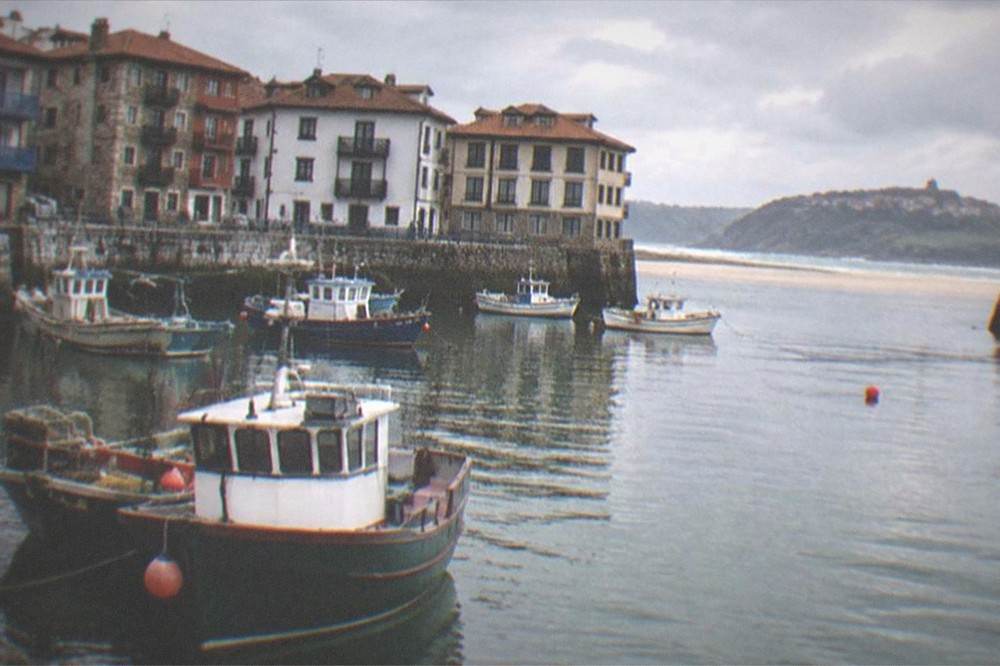
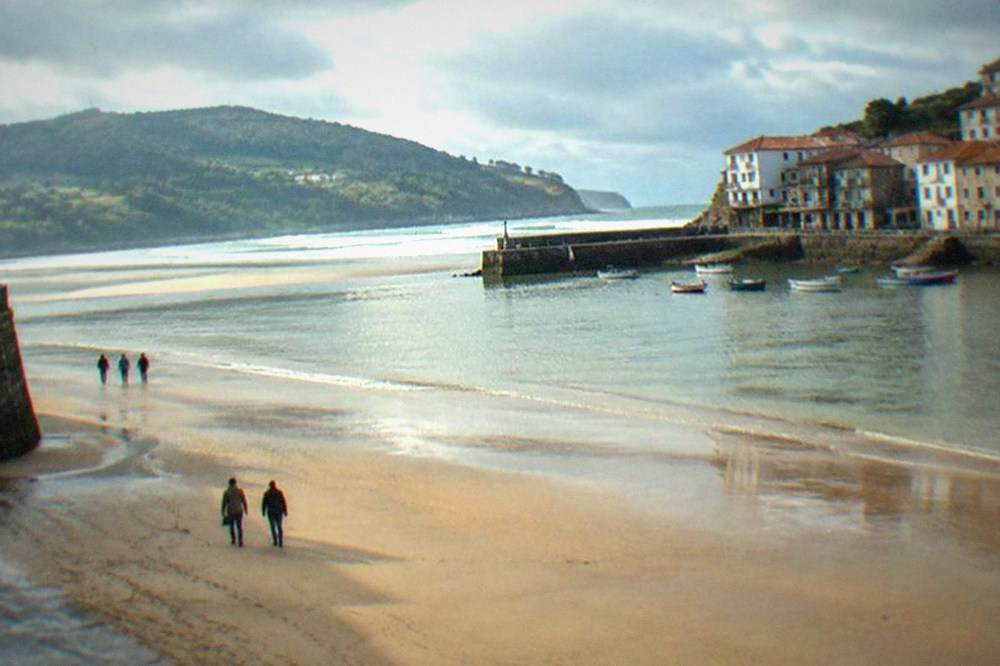
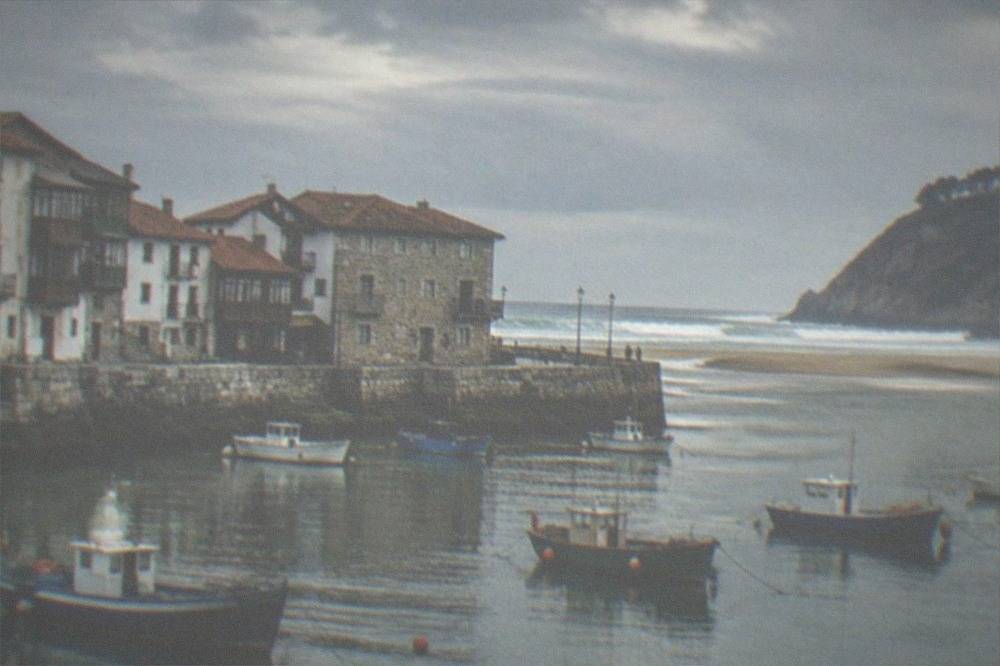
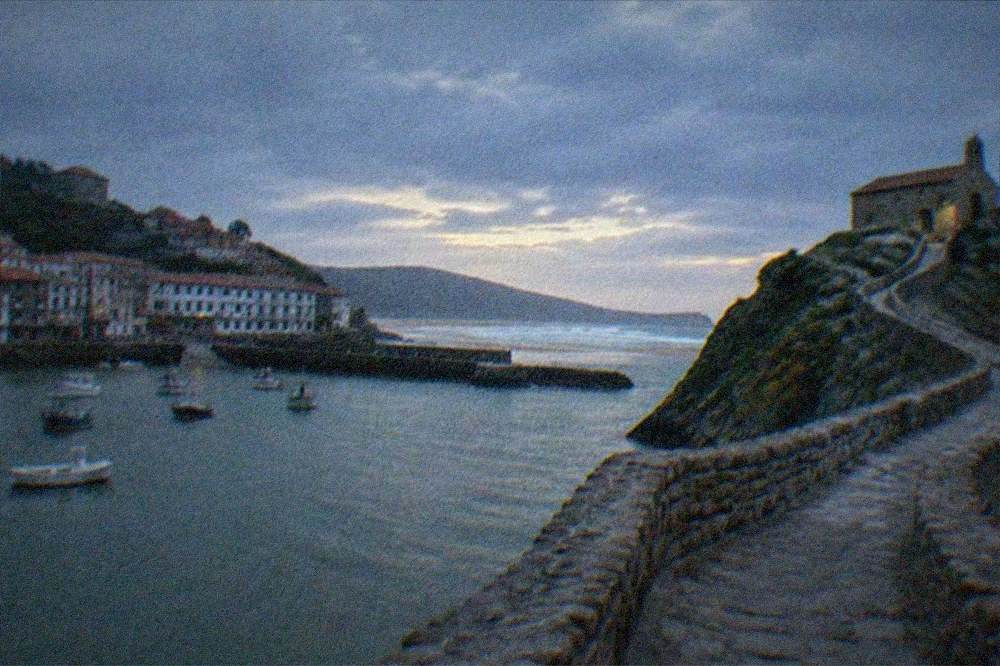
The Urdaibai estuary is a protected biosphere reserve, and that setting is part of what makes a surf day here feel different from a beach day closer to the city. Mundaka perches on a headland above the harbour; the wave breaks across the sandbar in front of the town, visible from the cliffs and the harbour wall. When the swell lines up, the wave peels left along the river mouth for a ride that surfers travel across Europe to catch. When it does not line up, the town is still a handsome base for a coastal walk, a long lunch and a look at one of the greenest corners of Bizkaia. For the neighbouring towns and the wider estuary, read our Mundaka day trip page, and for how the region fits together see the best base in the Basque Country guide.
What follows is practical planning: seasons, transport, and how the pieces fit together from Bilbao.
When Is The Best Season For Surfing At Mundaka?
The best surf at Mundaka generally arrives with the autumn and winter months, when Atlantic low-pressure systems push consistent long-period swell toward the Basque coast, while summer brings smaller, less reliable waves and warmer weather for watching rather than surfing. The town's climate is temperate oceanic, never Mediterranean: AEMET's Bilbao Aeropuerto/Loiu station (1082) normals show an annual mean of 14.7 C and 1,134 mm of rain a year, so a surf trip here is planned around swell, not sunshine.
The climate table matters more for packing than for the wave. The Basque coast is green because it rains, and November is the wettest month in the AEMET 1981-2010 normals at 147 mm, with July and August the driest at 50 and 76 mm. Water temperature is not something the verified pack gives a figure for, so it is not stated here: pack for cool Atlantic water year-round and check a live surf forecast before committing to a date. The Bilbao weather guide carries the full monthly breakdown, and the packing advice guide covers what to bring for a coastal day in Biscay.
| Month | Mean temp (C) | Mean precip (mm) | Surf-season note |
|---|---|---|---|
| July | 20.4 | 50 | Smaller summer surf, best all-round weather |
| August | 20.9 | 76 | Warmest month; swell usually still modest |
| September | 19.2 | 73 | Early autumn swells begin arriving |
| October | 16.4 | 111 | Autumn swell season building |
| November | 12.4 | 147 | Strong swells, wettest month |
| December | 9.9 | 122 | Winter surf, cold conditions |
A note on timing that first pages of search results rarely mention: the same Atlantic systems that light up Mundaka also light up the whole Basque coast, so a flat day in Mundaka is usually a flat day in Sopelana and Bakio too. Check the forecast for the coast, not just the river mouth, before travelling out. If the surf is dead, the museum alternatives in our Bilbao museums guide are a better use of the day than a long journey for nothing.
How Do You Get From Bilbao To Mundaka?
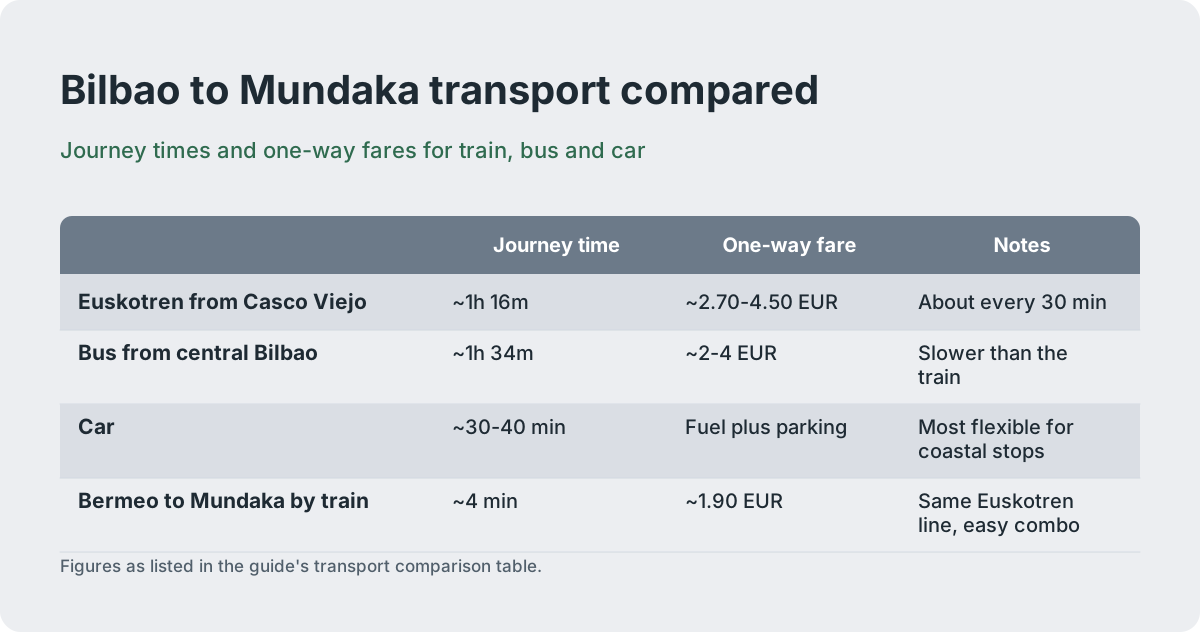
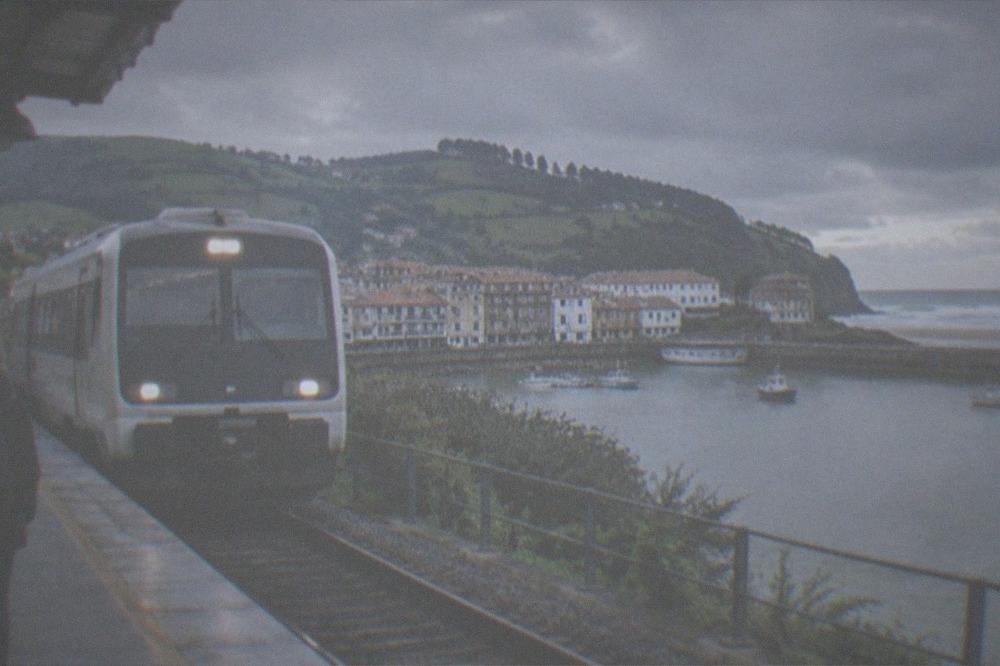
Mundaka is reached from Bilbao by Euskotren train from the Zazpikaleak/Casco Viejo station in the Old Town in roughly an hour and a quarter, with fares around 2.70 to 4.50 EUR each way, and the line runs about every 30 minutes; by car the drive takes roughly 30 to 40 minutes, and by bus the journey is around an hour and a half. The train is the practical choice because it drops you a short walk from the harbour.
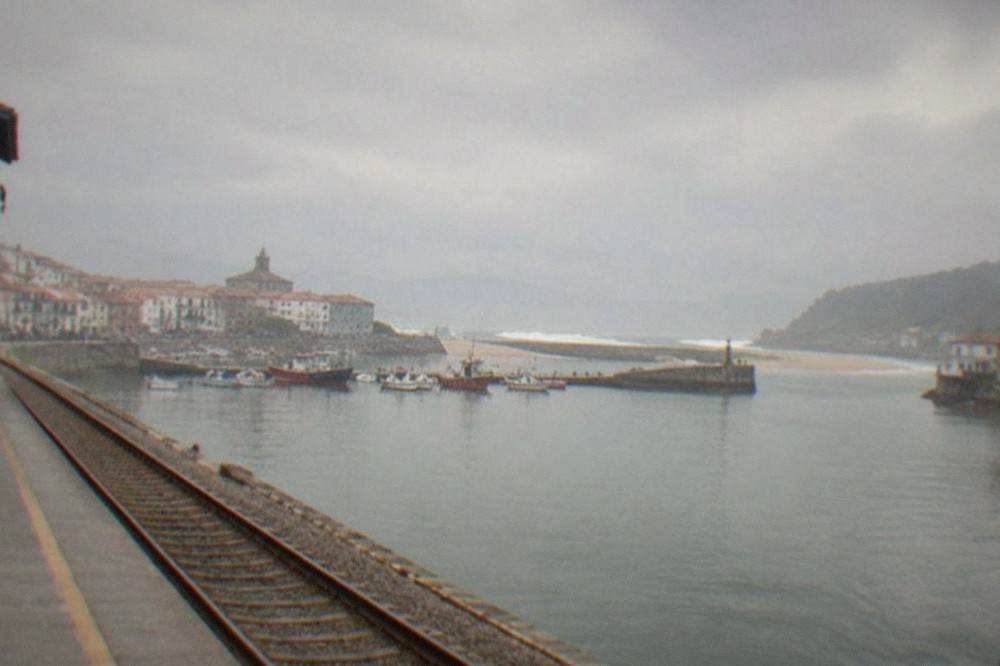
The Euskotren Bermeo line is the backbone of this trip. Trains leave from Zazpikaleak/Casco Viejo, deep in Bilbao's Old Town, and Mundaka sits on the same line as Bermeo and Gernika, which makes a multi-stop day easy: the train between Bermeo and Mundaka takes about four minutes at roughly 1.90 EUR. A Barik card cuts costs on Euskotren: Creditrans fares are 1.02 EUR for one zone, 1.19 EUR for two zones and 1.30 EUR for three zones, against occasional singles of roughly 2.00 to 4.50 EUR depending on zones. The card itself is commonly reported to cost 3 EUR to buy, though that purchase price comes from a secondary source rather than an official CTB page. Full fare detail lives in our getting around Bilbao transport guide, and the Bilbao Bizkaia Card guide covers the 24h/10 EUR, 48h/15 EUR and 72h/20 EUR tourist card option.
Before committing to self-guided logistics, weigh the trade-off honestly. The train is cheap and frequent, but a surfboard on a regional train at peak hours is an awkward companion, and the coastal stops beyond Mundaka, especially Gaztelugatxe, involve bus connections or a taxi hop that eat into a short winter afternoon. A guided day trip trades a little flexibility for a single booking that covers the whole triangle, which is why the option below is worth a look even for travellers who normally avoid tours.
| Option | Typical journey time | Typical one-way fare | Notes |
|---|---|---|---|
| Euskotren from Casco Viejo | ~1h 16m | ~2.70-4.50 EUR | About every 30 min; Barik discounts apply |
| Bus from central Bilbao | ~1h 34m | ~2-4 EUR | Slower than the train for this route |
| Car | ~30-40 min | Fuel plus parking | Most flexible for combining coastal stops |
| Bermeo to Mundaka by train | ~4 min | ~1.90 EUR | Same Euskotren line, easy combo |
If you would rather not plan the coastal logistics yourself, a guided day trip from Bilbao bundles Mundaka with the region's other headline stops. The Gaztelugatxe, Mundaka and Guernica tour is the most direct fit for a surf-town day, and you can Check availability on the operator's live listing.
What Kind Of Wave Is The Mundaka Left, Really?
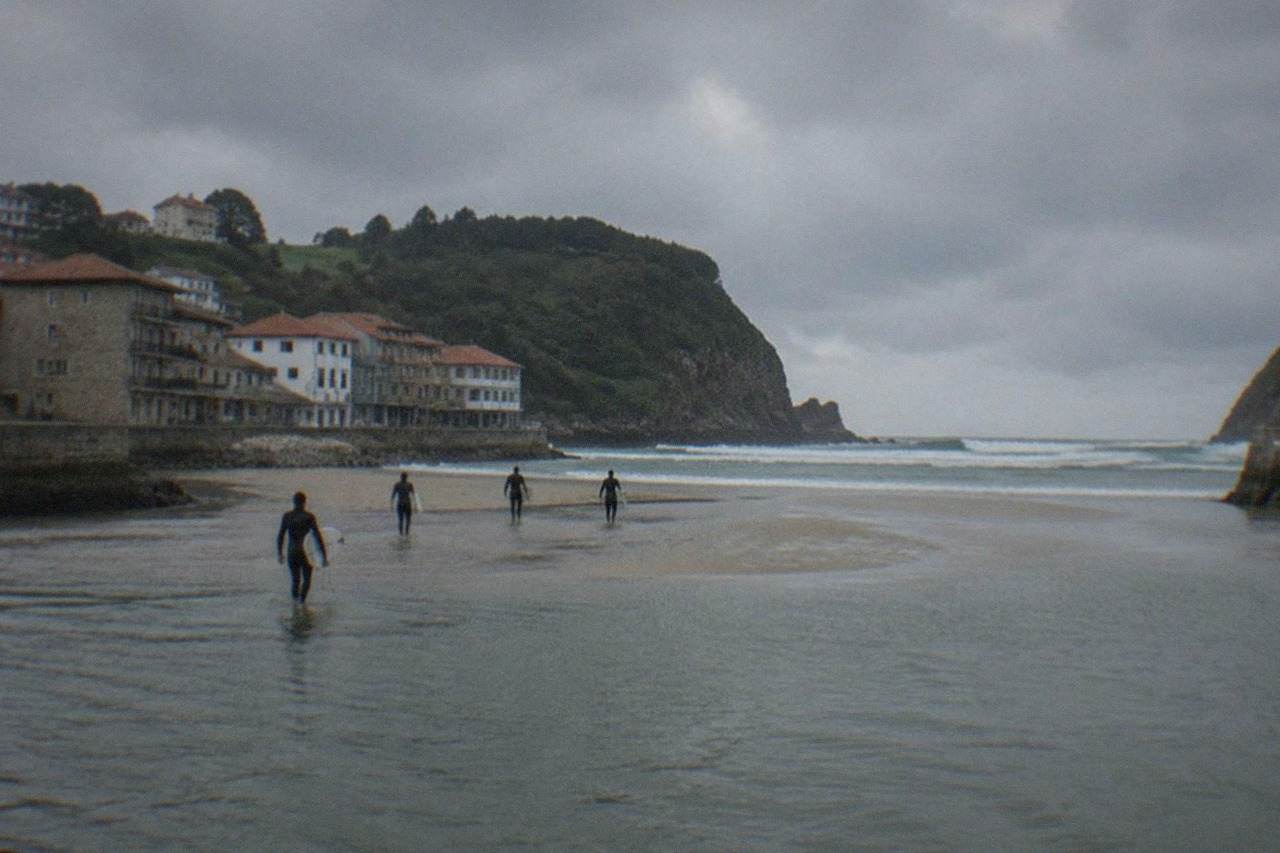
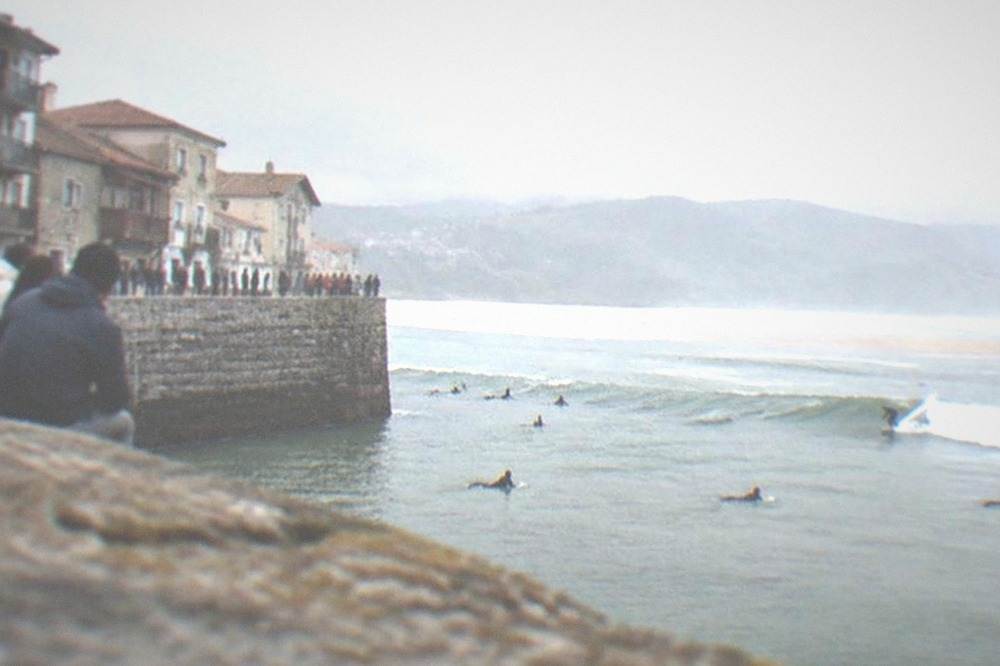
The Mundaka wave is a river-mouth sandbar break that produces a long, fast, hollow left-hand ride when the sandbar shape, the swell direction and the tide all align, and it is regarded as one of the best lefts in Europe on its day; the sandbar shifts with the estuary's sediment, so quality varies between years and even between months rather than staying constant. It is a wave for experienced surfers: shallow water, a fast take-off and a river current all demand competence. Spectators, though, lose nothing. The harbour walls and headland paths give a view of the whole sandbar, and watching a good Mundaka session from dry land is a genuine half-day out in itself.
The honest planning point is that no guide can promise the wave on any given date. The estuary's sandbar is dynamic, and the difference between a legendary day and a closeout can be a few centimetres of tide. Surfers should treat a live surf forecast as the deciding input and this page as the logistics layer. For travellers who surf but are planning a wider Basque trip, our Bilbao versus San Sebastian comparison covers how the two hubs split up, and the best base in the Basque Country guide looks at whether Bilbao, San Sebastián or a coastal town serves a surf-focused itinerary best.
| Factor | What matters at Mundaka | Planning implication |
|---|---|---|
| Swell | Atlantic groundswell in autumn/winter | Best odds September to March |
| Tide | River-mouth break, tide-sensitive | Check tide tables before travelling |
| Sandbar | Shifts with estuary sediment | Wave quality varies year to year |
| Ability | Fast, shallow, experienced-oriented | Beginners should watch, not surf, here |
| Viewing | Harbour and headland overlook the break | Non-surfers still get a full morning |
Can Beginners Or Non-Surfers Enjoy A Mundaka Day Trip?
Beginners should not plan to surf the Mundaka river-mouth break itself, which is an experienced surfer's wave, but a Mundaka day trip still works well for non-surfers and learners: the town, the harbour, the coastal path and the neighbouring breaks at Laida beach on the other side of the estuary offer gentler options, and the whole Urdaibai reserve is a walking and landscape destination in its own right. Laida's broad sandy stretch inside the estuary mouth is the natural learner's alternative, though the pack does not verify surf schools or rental operators in Mundaka, so none are named here: check current operators directly rather than relying on listings.
For many visitors the better framing is a coastal day with surf-watching as one stop among several. Bermeo's fishing harbour, the Gernika history sites and the San Juan de Gaztelugatxe hermitage all sit on the same train line and road corridor, which is why so many guided tours bundle them. Gaztelugatxe carries its own access rule worth knowing before you go: a free timed reservation is required only on official controlled-access days, roughly mid-June to about 20 September daily plus Easter and holiday weekends, with a cap of 1,462 visitors on controlled days, booking via tiketa.eus, always free, up to 10 people per reservation. On all other days access is free without any ticket.
Where Do You Stay And Eat Around Mundaka?
Mundaka itself is small, with a modest stock of guesthouses and holiday apartments rather than large hotels, so day-tripping from Bilbao or staying in nearby Bermeo and Gernika is the practical choice, and eating well is easy: the Urdaibai towns are working fishing ports first, and the pintxo and seafood culture of the Basque coast runs all the way down the estuary. The verified pack does not carry accommodation prices for Mundaka, so none are quoted: treat any nightly rate you see online as unverified until you book. For a longer stay, the where to stay in Bilbao guide explains the city's neighbourhood options if Bilbao is your base instead.
One dated planning note that almost no Bilbao coverage has yet: a Bizkaia-wide regional tourist tax (Norma Foral 3/2026) does not take effect until 1 January 2027, and Bilbao's approved municipal rates run from 1 EUR per night for pensions up to 5 EUR for five-star hotels, with 6.50 EUR for tourist apartments. Visitors travelling in 2026 pay no tourist tax; visitors from 2027 onward should budget for it. Reservations made before early February 2026 are generally reported as exempt. This is reported and dated fact, not a fee in force today.
Eating is the easy part. The best pintxos in Bilbao guide covers the city end of the food chain, and the wider Bilbao food guide explains how pintxo culture works, from the counter etiquette to the txakoli pour. On the coast, expect grilled fish and harbourside bars rather than white-tablecloth dining, and expect kitchens to keep Spanish hours: a 21:00 dinner is normal here, and a long coastal lunch can run well past 15:00.
| Base | Best for | Trade-off |
|---|---|---|
| Mundaka town | Surf-focused stays, dawn sessions | Small stock, books out in peak swell season |
| Bermeo | Harbour hotels, restaurants, 4-min train to Mundaka | 4 km from the wave itself |
| Gernika | History-focused stays, market town | Further from the surf, same train line |
| Bilbao | Day-tripping by train, city amenities | ~1h 15m each way on Euskotren |
How Do You Build A Full Day Around Surfing At Mundaka?
The strongest one-day structure from Bilbao is a morning in Mundaka watching or surfing the river mouth, a midday move to Bermeo for lunch on the harbour, and an afternoon at either Gernika's history sites or the Gaztelugatxe hermitage, all stitched together by the Euskotren line and a short bus or taxi hop, returning to Bilbao in the evening. A car makes the coastal leg more flexible; the train makes the day cheaper and removes parking entirely. A city-side alternative is covered in our how many days in Bilbao guide if the forecast kills the coast plan.
Guided tours compress the same triangle into a single booking. The six-hour Gaztelugatxe, Mundaka and Guernica tour is the closest match to this itinerary, and the ten-hour Gaztelugatxe, Bermeo, Mundaka, Gernika and wine variant stretches it with a txakoli tasting stop. Both are day-trip products operating out of Bilbao, and both render their live price, rating and duration on their own pages. For travellers arriving by air, the Bilbao airport guide covers arrival logistics if Mundaka is day one of the trip rather than a mid-week excursion.
What Should You Know Before Watching The Mundaka Surf?
Spectators should know that the best viewing is from the harbour and the headland path above town, that the wave is tide-dependent so an hour's wait can be the difference between nothing and a full session, and that the Basque coast's oceanic climate means rain is always possible: with 1,134 mm a year in the AEMET normals, a waterproof layer belongs in the bag even on a forecast that looks clear. Footwear matters on the coastal path, which is rocky and slick in places. Water temperature, wetsuit thickness and crowd sizes are live-forecast questions, so none is offered here.
The other spectator detail is respect. The river mouth is a working break with a narrow take-off zone, and local surfers have surfed it for decades. Watching from the walls, keeping the path clear and not drones-over-the-lineup keeps the town welcoming to visitors, which it broadly is. The safety in Bilbao guide covers the general urban side of Basque travel, and the accessibility guide notes that the regional transport network, including Euskotren services, forms part of an integrated accessible system, though Mundaka's headland paths are steep in places and no specific accessibility assessment of them exists in the verified pack.
How Much Does A Mundaka Day Trip From Bilbao Cost?
A self-guided day trip by train is genuinely cheap: roughly 5.40 to 9.00 EUR return on Euskotren at occasional fares, or about 2.20 to 2.60 EUR return with a Barik Creditrans card at two to three zones, plus whatever you spend on food, while the Bilbao Bizkaia Card at 10 EUR for 24 hours covers unlimited regional transport and can pay for itself on a day that stacks several train rides. A guided tour costs more and removes all planning; its price renders live on the tour's own page rather than being typed here. What no 2026 visitor pays is a tourist tax, which does not arrive in Bizkaia until 1 January 2027.
| Item | Cost | Basis |
|---|---|---|
| Euskotren return, occasional fare | ~5.40-9.00 EUR | ~2.70-4.50 EUR each way |
| Euskotren return with Barik | ~2.20-2.60 EUR | 1.10-1.30 EUR each way at 2-3 zones |
| Bilbao Bizkaia Card 24h | 10 EUR | Unlimited transport, personal, non-transferable |
| Bilbao Bizkaia Card 48h | 15 EUR | Same, longer validity |
| Bilbao Bizkaia Card 72h | 20 EUR | Same, longest tier |
| Tourist tax (2026) | 0 EUR | Not in force until 1 January 2027 |
The budgeting angle is covered more broadly in the is Bilbao expensive guide, which prices a full city trip, and the currency, tipping and money guide covers the practical money questions, including that Spain uses the euro and that tipping in pintxo bars is modest by custom.
Common Questions About Surfing At Mundaka
Surfing At Mundaka: How Far Is It From Bilbao?
By train from the Zazpikaleak/Casco Viejo station in Bilbao's Old Town, the Euskotren journey to Mundaka takes roughly an hour and a quarter, at a fare of around 2.70 to 4.50 EUR each way without a Barik card. By car the drive is roughly 30 to 40 minutes.
Do You Need A Reservation To Visit Mundaka?
No. Mundaka is an open town with no entry reservation of any kind. The reservation rule that trips people up belongs to nearby San Juan de Gaztelugatxe, where a free timed ticket is required only on official controlled-access days, roughly mid-June to about 20 September plus Easter and holiday weekends, booked via tiketa.eus with a cap of 1,462 visitors on controlled days.
Is The Mundaka Wave Suitable For Beginner Surfers?
No. The river-mouth left is an experienced surfer's wave: fast, shallow and tide-sensitive. Beginners are better served by the gentler sandy breaks inside the estuary, such as Laida, and by treating Mundaka as a watching destination. The verified pack lists no surf school, so check current operators directly.
When Is Mundaka's Wave At Its Best?
The strongest swells arrive in autumn and winter, when Atlantic low-pressure systems send long-period groundswell toward the Basque coast. The town's oceanic climate means rain is common in those months: AEMET's normals show November as the wettest at 147 mm, against 50 mm in July.
Can You Combine Mundaka With Gaztelugatxe In One Day?
Yes, and most guided tours do exactly that, since the hermitage, Bermeo, Mundaka and Gernika sit along the same coastal corridor from Bilbao. A six-hour guided tour covers the triangle comfortably; a self-guided version by train and car needs a full day and an early start.
Is There A Tourist Tax In Mundaka Or Bilbao In 2026?
No. A Bizkaia-wide regional tourist tax takes effect on 1 January 2027 under Norma Foral 3/2026, with Bilbao's approved rates running from 1 EUR per night for pensions to 5 EUR for five-star hotels and 6.50 EUR for tourist apartments. Visitors travelling in 2026 pay nothing.
Mundaka rewards the traveller who treats it as one piece of the Urdaibai puzzle rather than a destination in isolation: the train line that carries you there also carries you to Bermeo's harbour, Gernika's history and, with a short onward hop, the causeway to Gaztelugatxe, and the same Atlantic swell that draws surfers to the river mouth gives the whole coast its weather, its green cliffs and its reason for being worth the trip from Bilbao in any season.