Gaztelugatxe And Game Of Thrones
The islet of San Juan de Gaztelugatxe, on the Biscay coast about a day trip from Bilbao in northern Spain, became world famous as Dragonstone in Game of Thrones. This guide covers the verified access rules, the walk, and how to plan the trip.
Short answer
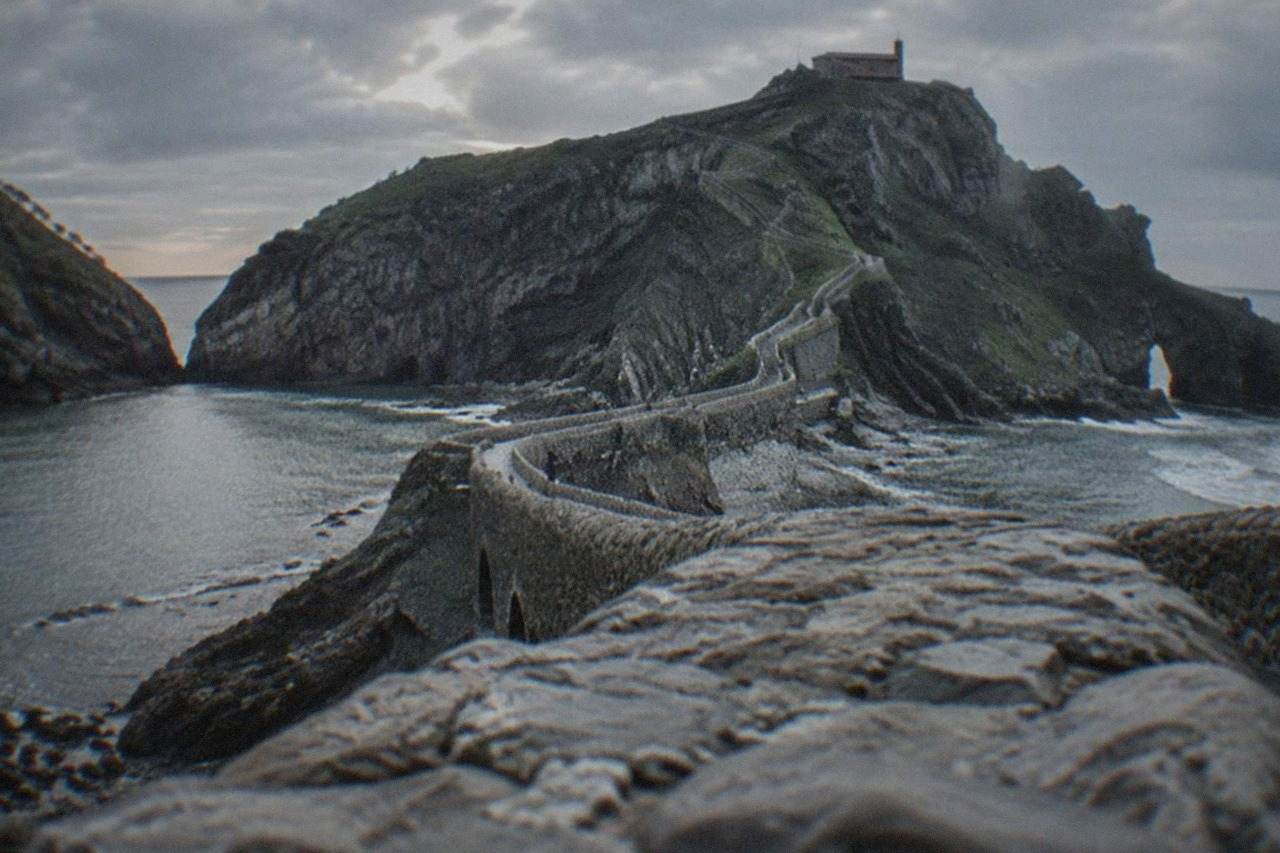
San Juan de Gaztelugatxe is a tidal islet and hermitage on the Biscay coast near Bilbao, Spain, used as Dragonstone in Game of Thrones. A free timed reservation is required only on official controlled access days, roughly mid-June to about 20 September plus Easter and holiday weekends; on all other days entry is free with no booking.
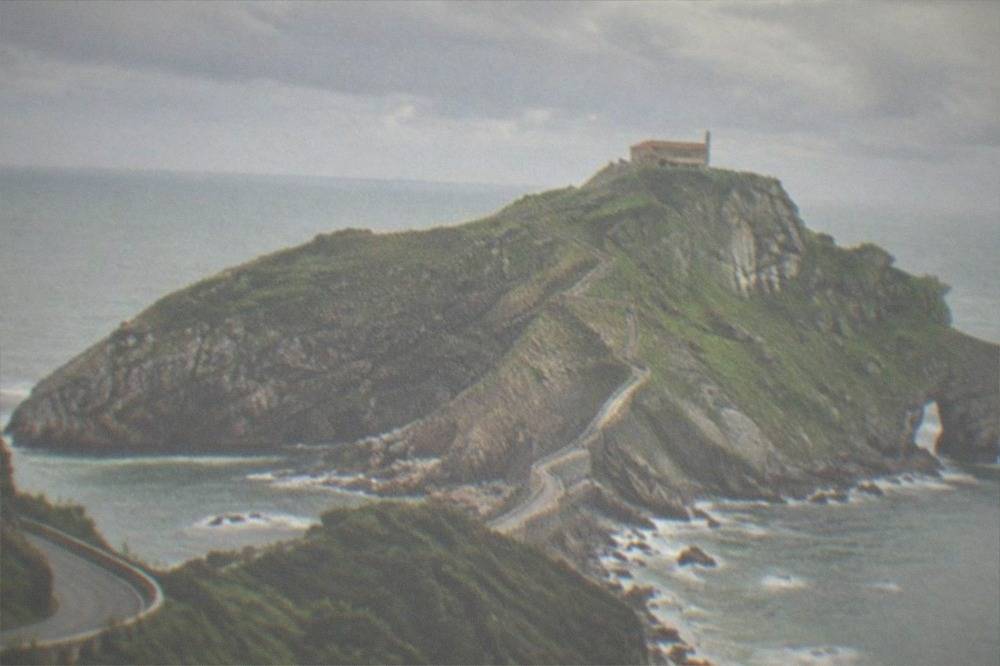
The rocky islet of San Juan de Gaztelugatxe sits on the Atlantic coast of Biscay (Bizkaia province), in the Basque Country of northern Spain, roughly a day trip from Bilbao. A narrow stone causeway links it to the mainland, and a flight of steps climbs to a small hermitage dedicated to John the Baptist. For centuries it was a local pilgrimage site. Then it appeared on television screens worldwide as Dragonstone, the island fortress of House Targaryen in Game of Thrones, and visitor numbers changed permanently. This page from Bilbao Travel Guide covers what is verified about the site, its filming history, the free ticket system, and how to plan the visit from Bilbao.
What Is Gaztelugatxe And Why Did Game Of Thrones Film At It?
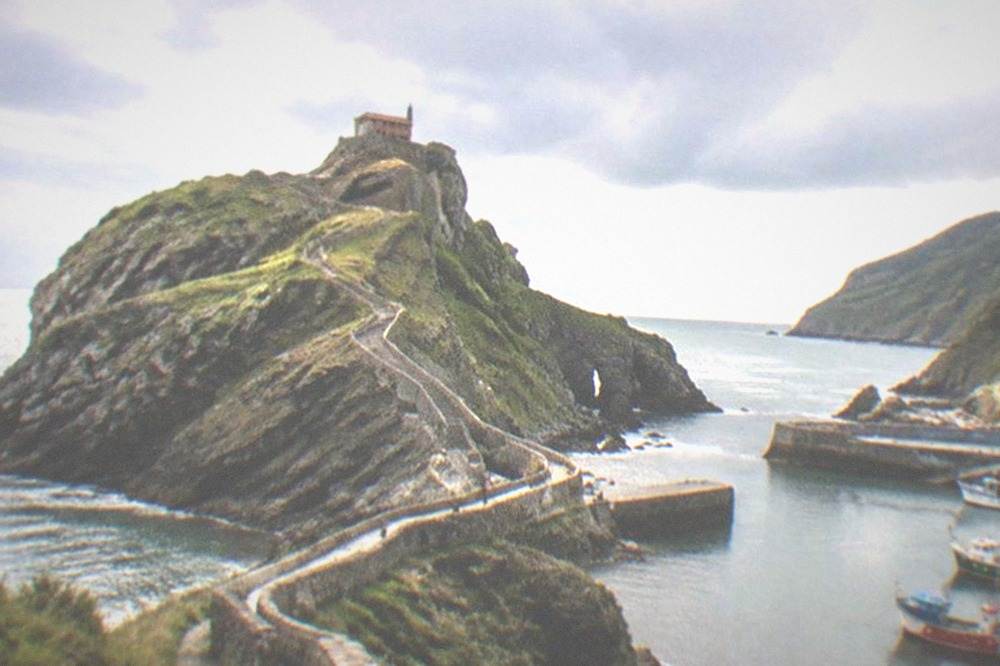
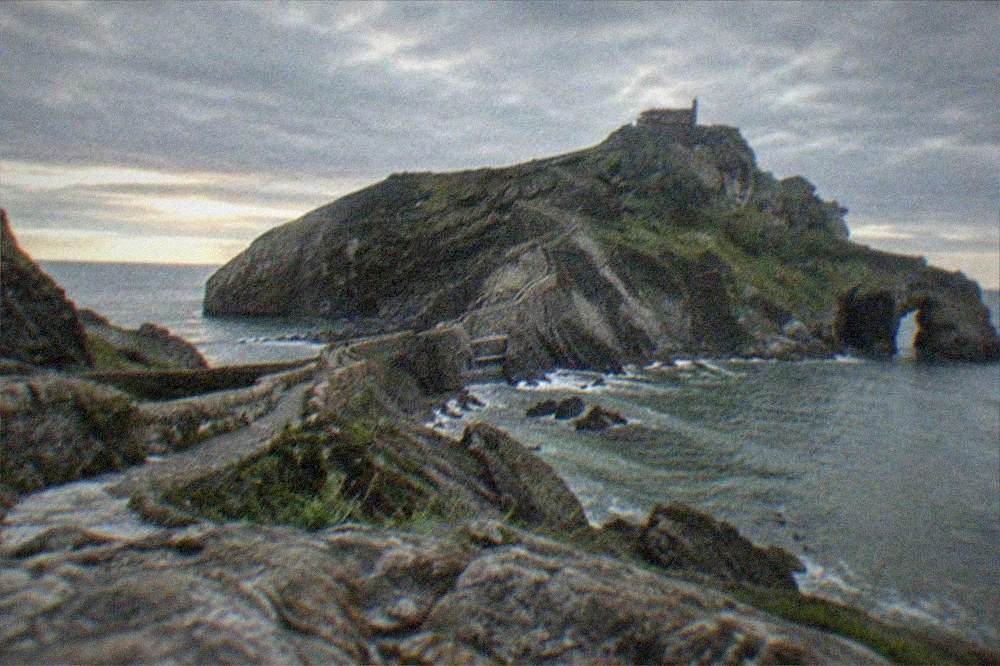
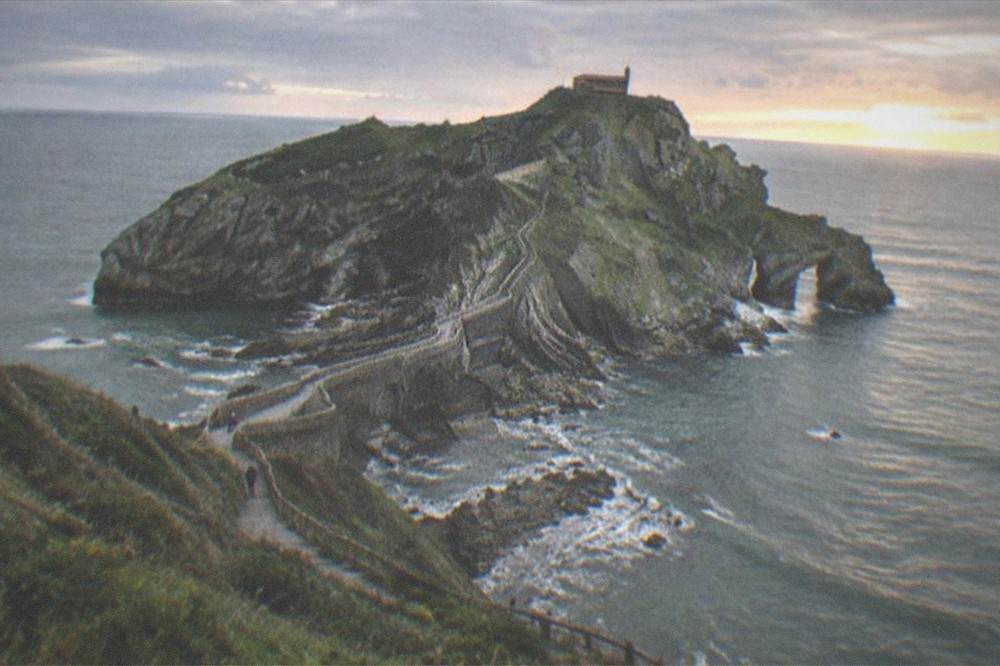
San Juan de Gaztelugatxe is a tidal islet and hermitage on the Biscay coast of the Basque Country, Spain, about a day trip from Bilbao, and HBO used it as the exterior of Dragonstone in Game of Thrones. The production chose the site for its dramatic single-causeway approach and its wind-scoured rock, which read on screen as a fortress island without any digital addition to the landform itself. The steps, the causeway and the hermitage silhouette are all real.
The name is Basque and is usually read as "rock castle" or "craggy castle" (gaztelu, castle; ugatxe, a crag or rough rock). The hermitage on the summit is dedicated to San Juan (Saint John), and the site has been a pilgrimage destination for centuries, tied to the feast of San Juan on 24 June, one of the dates the local community still reserves for its own romeria, a traditional festive pilgrimage. The hermitage building itself has burned and been rebuilt several times over its history, so what stands today is a reconstruction on an ancient site.
Game of Thrones changed the site's audience. Before the show, Gaztelugatxe drew Basque pilgrims, hikers and surfers who knew the Biscay coast. After Dragonstone aired, the provincial authority, the Diputacion Foral de Bizkaia, found itself managing an international visitor flow that the small causeway and its steps were never built for. That management is the reason the controlled access system exists, and it is the single most important thing to understand before planning a trip. The site's fame is also why so many visitors now reach it as part of a wider coastal day, pairing the islet with the fishing port of Bermeo, the surf town of Mundaka and the historic town of Gernika, all covered in our Gaztelugatxe day trip guide.
Do You Need A Ticket For Gaztelugatxe?
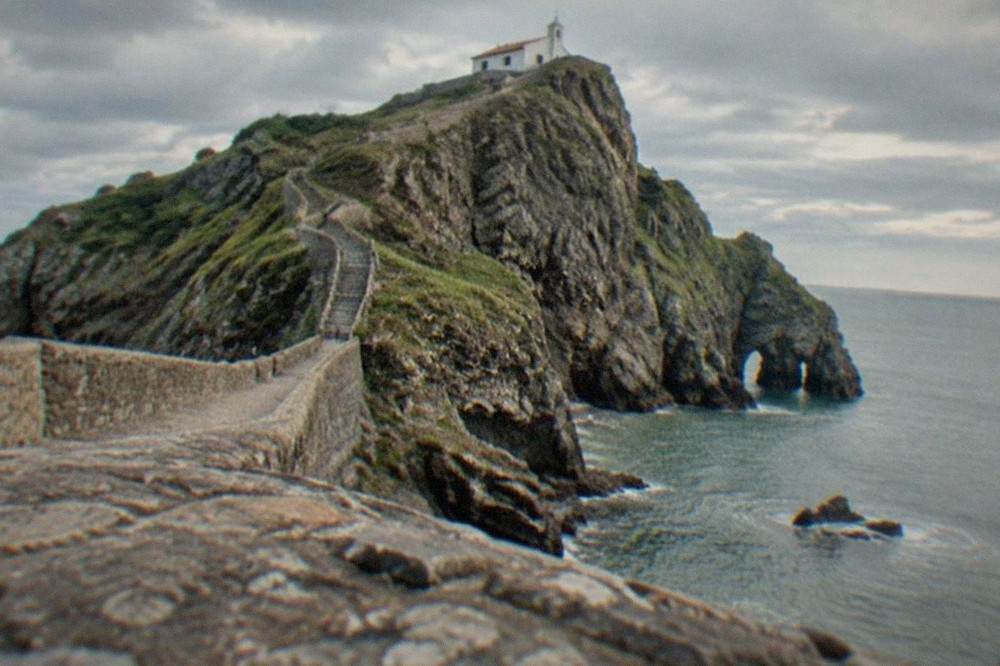
A free timed reservation is required for Gaztelugatxe only on official "controlled access" days: roughly mid-June to about 20 September daily, plus Easter and holiday weekends on the yearly calendar. On every other day of the year, entry is free with no reservation at all. The reservation itself is always free, made through tiketa.eus, with a maximum of 10 people per booking and a daily cap of 1,462 visitors on controlled days.
That cap number, 1,462 people per day, is the figure the Diputacion Foral de Bizkaia publishes for controlled days, and it exists to protect both the site and the visitor experience on the narrow stairway. The booking platform is tiketa.eus, and the reservation is issued as a QR ticket by email, shown at the access control point on arrival. Arriving late matters: reservations are typically cancelled 60 minutes after the slot if you have not checked in. If your plans change, cancel the booking so the slot frees up for someone else.
| Access rule | Detail |
|---|---|
| Controlled access days | Roughly mid-June to about 20 September daily, plus Easter and holiday weekends per the yearly calendar |
| Reservation cost | Always free |
| Booking platform | tiketa.eus |
| Daily cap on controlled days | 1,462 visitors |
| Maximum per booking | 10 people |
| No-show window | Reservation cancelled 60 minutes after the slot |
| All other days | Free entry, no reservation needed |
One dated detail from the most recent reporting: as of 21 September 2026, access reverted to free and unreserved through the end of September, per a live news report covered by regional media. The pattern is that control resumes on certain later dates in the official calendar, so the only reliable approach is to check the current year's calendar on the provincial site before you travel. A handful of local festival dates are reserved for community events and tourists are advised not to visit then; those dates are listed below.
| Reserved local date | What happens |
|---|---|
| 24 June | San Juan romeria, community festival day |
| 31 July | Local festive date |
| 29 August | Local festive date |
| 31 August | Local festive date |
| 30 December | Local festive date |
Guided tours that include Gaztelugatxe typically handle the timing around these windows, and the operator's listing states whether access to the islet itself is included. The Basque Coast, Dragonstone tour is one of the shortest options that reaches the site from Bilbao, and the operator's live listing shows current dates and inclusions.
How Hard Is The Walk To The San Juan De Gaztelugatxe Hermitage?
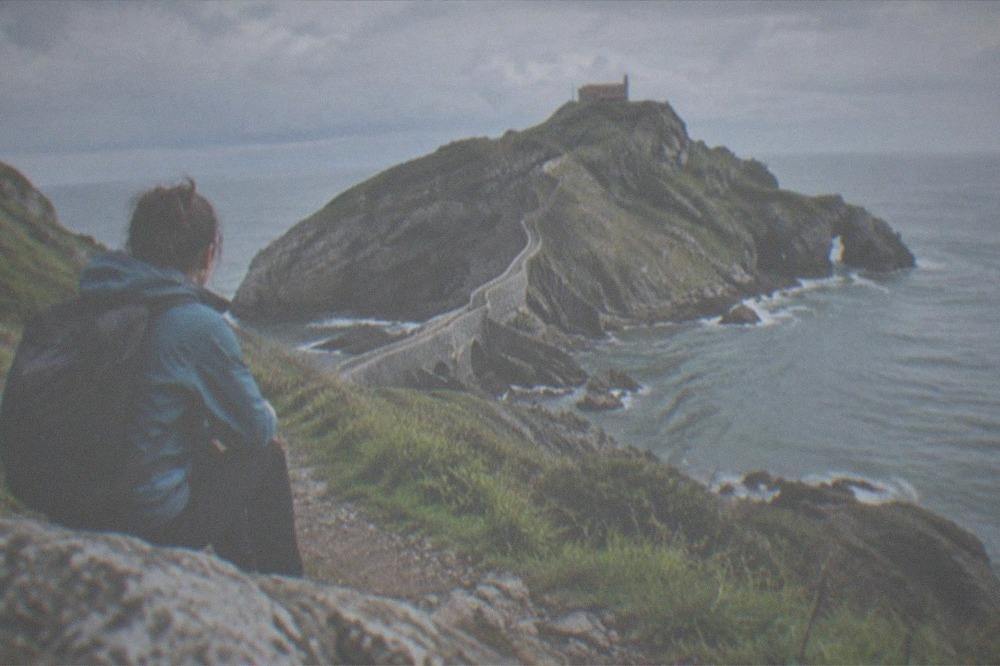
The walk to the hermitage is a genuine coastal hike rather than a stroll: a stone causeway crosses to the islet and then a long flight of steps climbs to the chapel, exposed to Atlantic wind and weather on the way up. There is no shelter on the causeway or the stairway, the surface is uneven natural stone, and the return trip repeats every step in reverse, so visitors with reduced mobility or small children should read the accessibility notes before committing.
The steps are the defining feature. In the Game of Thrones Dragonstone shots, the approach to the fortress is this same stairway, and the show's camera work made it look endless; the reality is demanding but achievable for anyone used to moderate exercise, with the usual caution that wet stone is slippery and the Atlantic weather can turn quickly. The Basque coast here is temperate oceanic, not Mediterranean: AEMET's Bilbao Aeropuerto/Loiu station (1082) normals show rain in every month of the year, from 50 mm in July to 147 mm in November, so a dry path is never guaranteed even in summer.
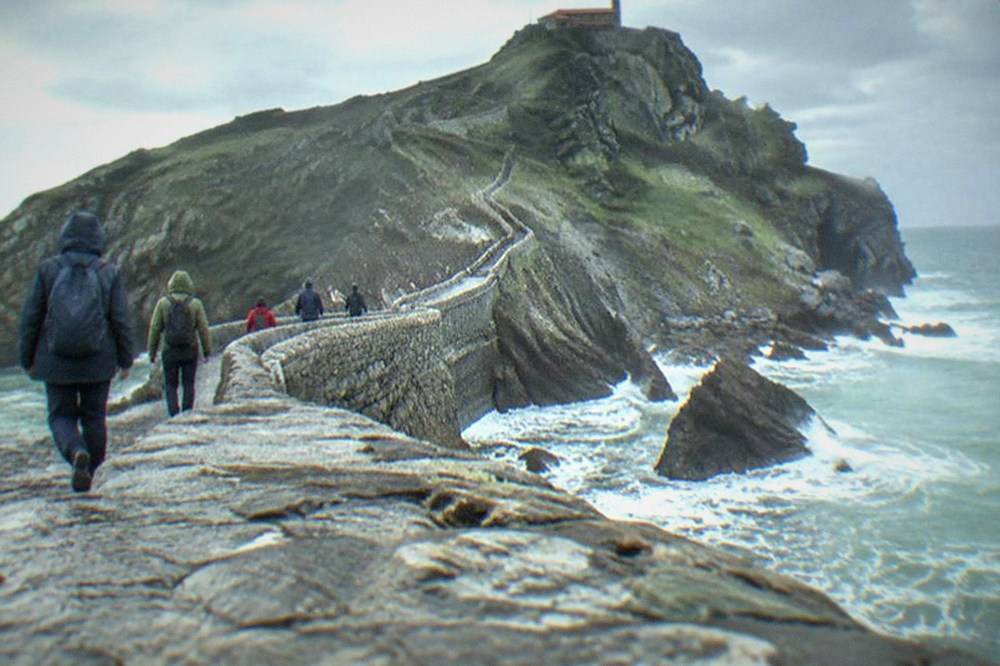
Footwear matters more than fitness. Shoes with grip, a windproof layer and water are the three things every local account of this walk mentions, and the same packing logic applies to the whole Basque coast, which our Bilbao packing guide covers in detail. Visitors who want the coast without the self-drive logistics often book a guided day trip; the trio below is a representative sample of what operates from Bilbao.
Each of those three serves a different traveller: the Gaztelugatxe Loop with wine tasting covers the full coastal arc, the Biarritz Loop adds Hondarribia and a French Basque stop, and the Gourmet Tapas and Pintxos Tour is the city-based evening counterpart for the day you return. Whichever direction the trip takes, the reservation rules at the islet stay the same, and a guided product that lists access will state on its live listing whether the free timed ticket is handled for you.
What Is The Best Time Of Year To Visit Gaztelugatxe From Bilbao?
The best months for Gaztelugatxe are July and August for the warmest, driest weather, and late September through October for fewer people and no reservation requirement, since controlled access typically ends around 20 September. AEMET's 1981-2010 normals for Bilbao Aeropuerto/Loiu (station 1082) show July at a 20.4 C mean with 50 mm of rain, against November at 12.4 C and 147 mm, the wettest month of the year.
The trade-off is simple. Summer gives the best chance of the clear-sky photographs the islet is famous for, but summer is exactly when the controlled access system runs daily, so you need a free tiketa.eus reservation and you share the stairway with up to 1,462 other people per day. Late September and early October remove the booking requirement and thin the crowds, at the price of a higher chance of Atlantic rain. Winter visits are possible and often free of any reservation, but the exposed causeway in a Basque winter storm is not a place to be casual.
| Month | Mean temp (C) | Mean rain (mm) | What it means for Gaztelugatxe |
|---|---|---|---|
| March | 11.5 | 90 | Easter weekends may be controlled access days |
| May | 15.7 | 78 | Shoulder season, holiday weekends may require a free ticket |
| July | 20.4 | 50 | Warmest, driest month; controlled access runs daily |
| August | 20.9 | 76 | Peak season; reservation required, Aste Nagusia fills Bilbao from 22 August |
| September | 19.2 | 73 | Control typically ends about 20 September, then free access |
| November | 12.4 | 147 | Wettest month; quiet but weather-exposed |
Source for the climate figures: AEMET's Bilbao Aeropuerto/Loiu station (1082) 1981-2010 normals, the official published table. The same numbers drive our full Bilbao weather guide, which breaks the year down month by month for the city and the coast.
How Do You Get From Bilbao To Gaztelugatxe?
Gaztelugatxe sits on the Biscay coast and is reached from Bilbao either by rented car, by regional public transport, or by a guided day trip that includes the drive; the reservation rules at the islet are the same whichever way you arrive. There is no metro or rail station at the site itself, so the final approach is by road, and visitors arriving independently should plan the timing around the controlled access windows described above rather than a fixed opening hour.
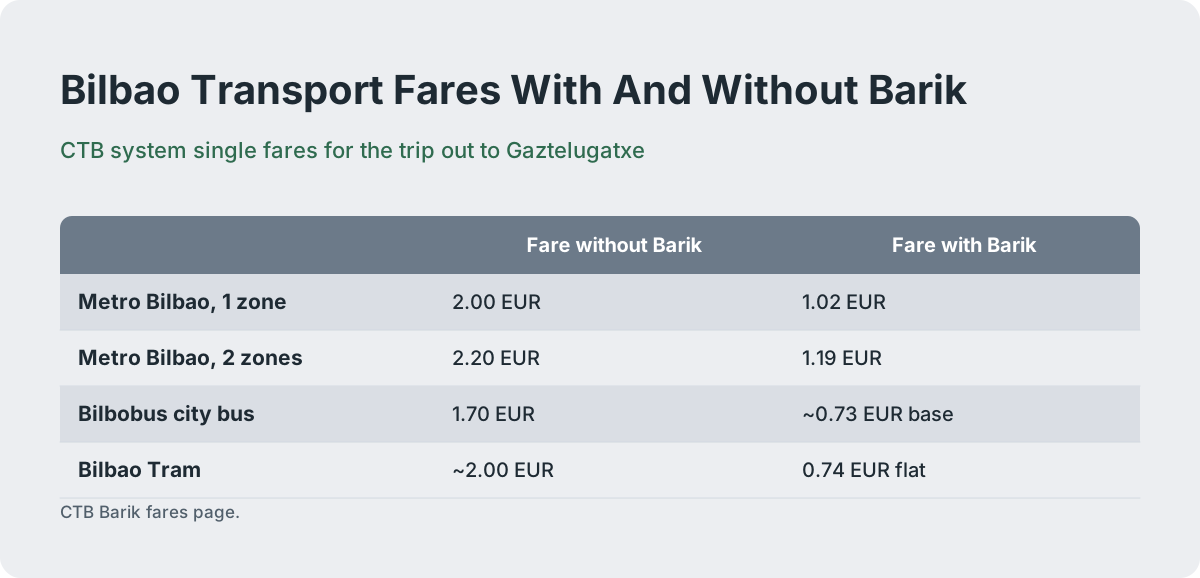
For independent travelers, the practical base is Bilbao's public transport network, covered in depth in our getting around Bilbao transport guide. The Barik card is the payment method across the whole system: the CTB Barik fares page gives Metro Zone 1 at 1.02 EUR with the card against 2.00 EUR without it, Bilbobus at 1.70 EUR single (about 0.73 EUR base with Barik), and the tram at 0.74 EUR flat with Barik. The card itself is commonly reported to cost 3 EUR to buy, a figure that comes from secondary sources rather than an official CTB page, so treat it as provisional.
| Bilbao transport (CTB system) | Fare without Barik | Fare with Barik Creditrans |
|---|---|---|
| Metro Bilbao, 1 zone | 2.00 EUR | 1.02 EUR |
| Metro Bilbao, 2 zones | 2.20 EUR | 1.19 EUR |
| Bilbobus city bus | 1.70 EUR | ~0.73 EUR base |
| Bilbao Tram | ~2.00 EUR | 0.74 EUR flat |
For the coast itself, the guided option removes the most failure-prone step: timing the drive against the reservation window. A tour that lists access to the islet in its inclusions will state on the operator's live listing whether the free reservation is handled for you. The Gaztelugatxe Access, Guided Tour product is one example of a shorter coastal option, and its listing states current dates and departure times.
What Can You Combine With Gaztelugatxe In One Day?
The classic Gaztelugatxe day from Bilbao combines the islet with the fishing port of Bermeo, the surf town of Mundaka on the Urdaibai estuary, and the historic town of Gernika, and most guided tours follow exactly that arc because the three stops sit along one coastal route. The Urdaibai Biosphere Reserve, which wraps around the Mundaka estuary, is the landscape you drive through between them, and Gernika carries the Basque history that gives the day its cultural weight.
Bermeo is the working fishing port, the largest on this stretch of the Biscay coast, with a harbour old town and the nearby San Juan de Gaztelugatxe access road. Mundaka, a short hop along the estuary, is known internationally for its left-hand river-mouth wave, one of Europe's best-known surf breaks, covered in our Mundaka guide. Gernika, inland, is the town whose bombing during the Spanish Civil War inspired Picasso's painting and made it a global symbol, a story with deep Basque roots that repays an hour of any itinerary.
| Stop on the coastal route | What it is known for |
|---|---|
| San Juan de Gaztelugatxe | Dragonstone islet and hermitage, free timed access on controlled days |
| Bermeo | Historic fishing port and harbour old town |
| Mundaka | Surf town on the Urdaibai estuary, famous left-hand wave |
| Gernika | Historic town, the wartime bombing and the Assembly House with the Tree of Gernika |
| Urdaibai Biosphere Reserve | Protected estuary landscape surrounding the Mundaka stretch |
Wine adds a fourth dimension. Several day trips from Bilbao pair the coast with a txakoli, the lightly sparkling Basque white wine, tasting, or push further to the Rioja region; our Bilbao food guide context and the full day-trip planning page cover both. The related tour below is the one this site rates for the full coastal arc, and its listing states the current inclusions and departure times. Check availability to see its live dates.
What Should You Pack And Know Before You Go?
Pack for Atlantic weather, not Mediterranean weather: grippy walking shoes, a windproof and waterproof layer, sun protection for the exposed stairway, and more water than you think you need, because there is nowhere to buy anything on the islet itself. Bilbao's climate is temperate oceanic with rain in every month, an annual mean of 14.7 C and 1,134 mm of rain a year per AEMET's station 1082 normals, so the forecast, not the calendar, decides your day.
A few planning points round out the practical picture. Spain is a founding-era Schengen member, so travellers already inside the Schengen area face no additional visa gate coming to Bilbao or the coast. The Bizkaia tourist tax does not exist yet: it takes effect 1 January 2027, with Bilbao's approved rates from 1 EUR per night in pensions to 5 EUR in 5-star hotels and 6.50 EUR for tourist apartments, so a 2026 visit pays nothing. And if the coast day ends back in Bilbao with energy to spare, the city's pintxos bars, which our best pintxos in Bilbao guide maps out, are the standard evening plan.
For travellers weighing Gaztelugatxe against the region's other headline day trips, the comparison is honest rather than competitive: San Sebastián is the food-and-beach city trip, Rioja is the wine trip, and Gaztelugatxe is the landscape-and-television trip. Our Bilbao versus San Sebastian comparison and the best base in the Basque Country guide cover the trade-offs, and the things to do in Bilbao page lists the full in-city menu for the days you are not on the coast.
Common Questions About Gaztelugatxe And Game Of Thrones
Is Gaztelugatxe the real Dragonstone from Game Of Thrones?
Yes. San Juan de Gaztelugatxe, on the Biscay coast near Bilbao in northern Spain, served as the exterior of Dragonstone in Game of Thrones. The causeway and the stairway to the hermitage are the real features seen on screen.
Do you need a ticket for Gaztelugatxe?
Only on official controlled access days, roughly mid-June to about 20 September daily plus Easter and holiday weekends per the yearly calendar. The reservation is always free via tiketa.eus, with a daily cap of 1,462 visitors and up to 10 people per booking. On all other days entry is free with no reservation.
How do you get from Bilbao to Gaztelugatxe?
By rented car, by regional public transport, or by a guided day trip from Bilbao. There is no metro or rail station at the site, so the final approach is by road, and independent visitors should time arrival around the controlled access windows.
When is the best time to visit Gaztelugatxe?
July and August for the warmest, driest weather, though those are the controlled access days requiring a free reservation. Late September through October offers free access with fewer visitors, at a higher chance of Atlantic rain. November is the wettest month.
How hard is the walk to the hermitage?
It is a moderate coastal hike: a stone causeway and then a long exposed flight of steps to the chapel, with no shelter and uneven stone underfoot. Grippy footwear and a windproof layer are essential, and the return repeats every step.
What else should you see on a Gaztelugatxe day trip from Bilbao?
The fishing port of Bermeo, the surf town of Mundaka on the Urdaibai estuary, and the historic town of Gernika sit along one coastal route and are the standard combination, with several guided tours adding a txakoli wine tasting.
A final planning note: the controlled access calendar is published each year by the Diputacion Foral de Bizkaia, and the only fully reliable check is the current year's official calendar before you commit to a date, because the windows shift with Easter and local festival dates. Everything else, the free ticket, the 1,462 daily cap and the 10-person booking limit, has been stable across recent seasons, which makes Gaztelugatxe one of the most predictable headline sights on the Basque coast once you know the system.