Plentzia
Plentzia is the quiet coastal escape that sits right on Bilbao's own transport network in Biscay province, Basque Country, northern Spain, close enough for a half day and relaxed enough to feel like a different country's summer.
Short answer
Plentzia is a small beach town on the right bank of the Nervion estuary in Biscay, Basque Country, Spain, reachable from central Bilbao by public transport in fare zones 2-3. It is a swimming, walking and seafood day trip, best from June to September, and it pairs naturally with Getxo, Sopelana and the wider Basque coast.
Plentzia is a small seaside town on the right bank of the Nervion estuary in Biscay (Bizkaia) province, Basque Country (Euskadi), northern Spain, a short hop from Bilbao on the region's integrated transport network. Where Bilbao is a city of titanium curves and tidal riverbanks roughly 15 km from the open Bay of Biscay, Plentzia is where the estuary finally gives way to open water, and the mood changes with it. The town is small, the beach is the main event, and the whole point of the visit is to slow down. This guide lays out how to get there, what it costs, when to go, and how to fold it into a wider Basque coastal itinerary, with every fare and figure drawn from official regional sources.
Where Is Plentzia And Why Do Bilbao Visitors Go?
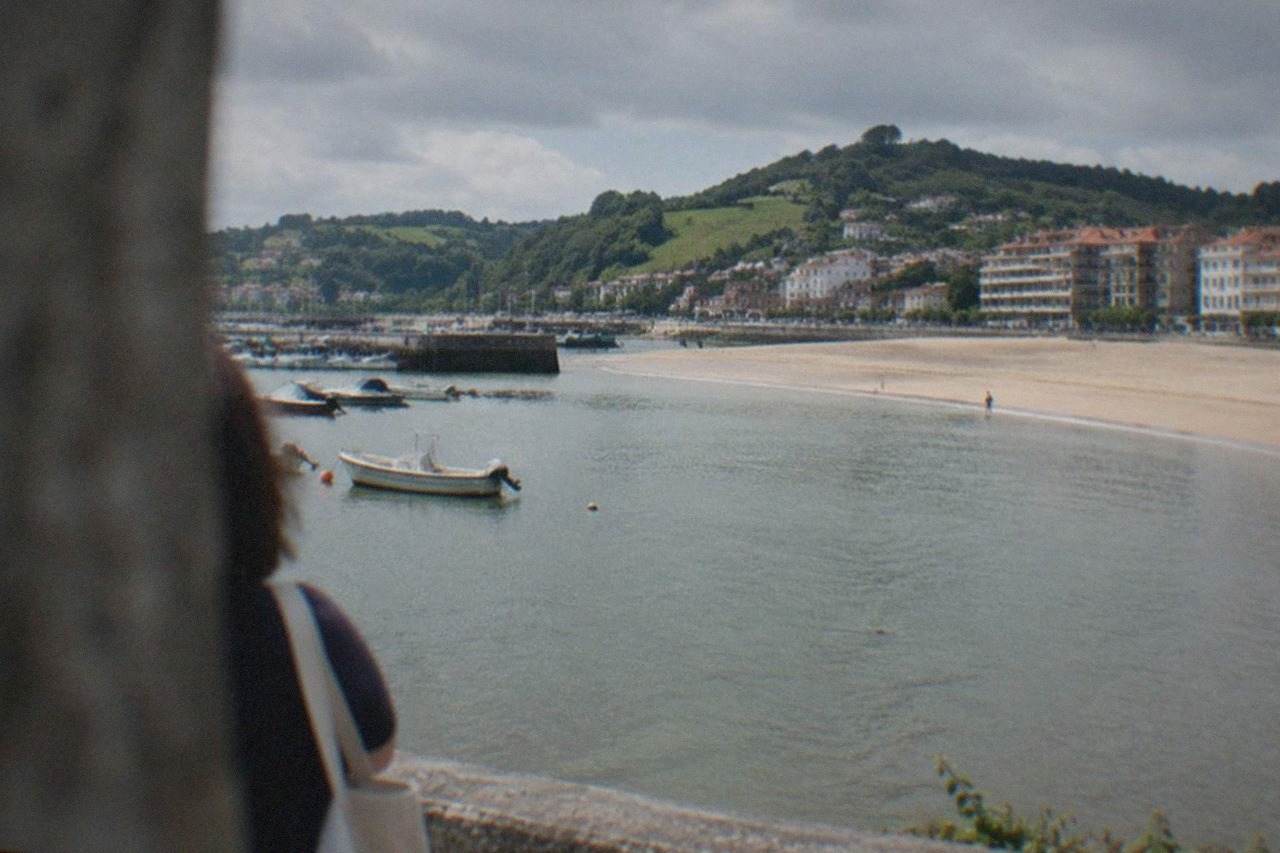
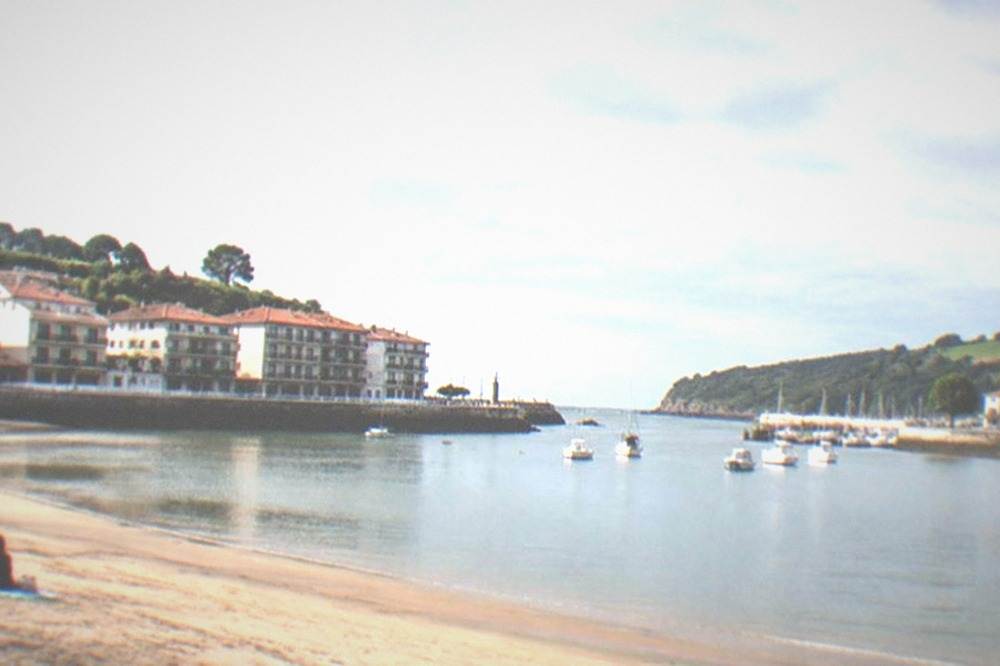
Plentzia sits on the right bank of the Nervion estuary near its mouth on the Bay of Biscay, in Biscay province, Basque Country, northern Spain, and it functions as Bilbao's most low-effort beach day trip, reachable on the same integrated transport card that serves the city centre. The town belongs to the string of coastal settlements that line the estuary's final stretch before the Atlantic, the same shoreline that carries Getxo, Sopelana and, further east, the surf breaks of Mundaka. Bilbao itself is not a beach town; it is an estuary city, tidal and Atlantic-influenced, and Plentzia is one of the nearest places where the water turns from grey-green river to genuine sea. Visitors go for the sand, for the seafront walks, and for the sensation of having left the city without ever really leaving its transport map.
The contrast is the whole appeal. Bilbao's population stands at 346,933 as of 1 January 2025 according to Eustat's municipal register, a mid-sized regional capital with the crowds and traffic that implies. Plentzia is a fraction of that, a place where the day's biggest decisions are which stretch of sand to claim and where to eat. The Bilbao Ekintza 2025 tourism report counted 1,396,841 visitor entries and 2,723,725 overnight stays across Bilbao's hotels and tourist apartments, and a noticeable share of those visitors build at least one coastal escape into the trip. Plentzia is the version of that escape that requires no car, no tour booking and no early alarm.
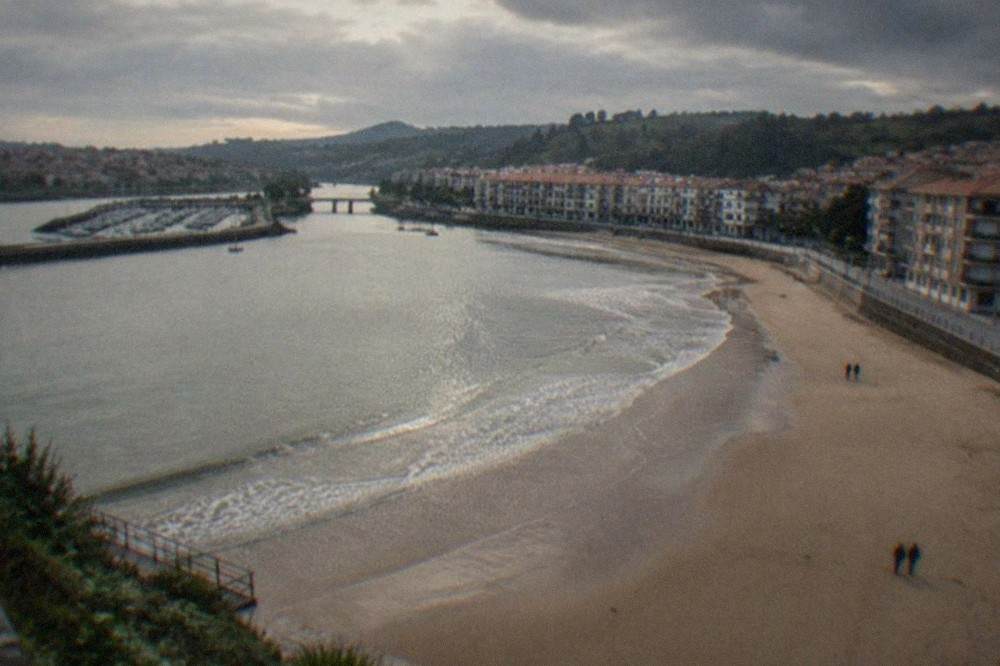
It is worth being honest about scale. Plentzia is not San Sebastián, and it does not try to be. There is no grand crescent bay, no Michelin-dense old town, no international profile. What there is: a sheltered beach, a small historic core, a seafront for slow laps, and an ease of access that more dramatic Basque destinations cannot match. If the goal is spectacle, the coast east of Bilbao toward Gaztelugatxe delivers it; if the goal is a rest day inside a busy Bilbao itinerary, Plentzia is the right tool. For the wider picture of the city itself, start with our overview of things to do in Bilbao.
How Do You Get From Bilbao To Plentzia?
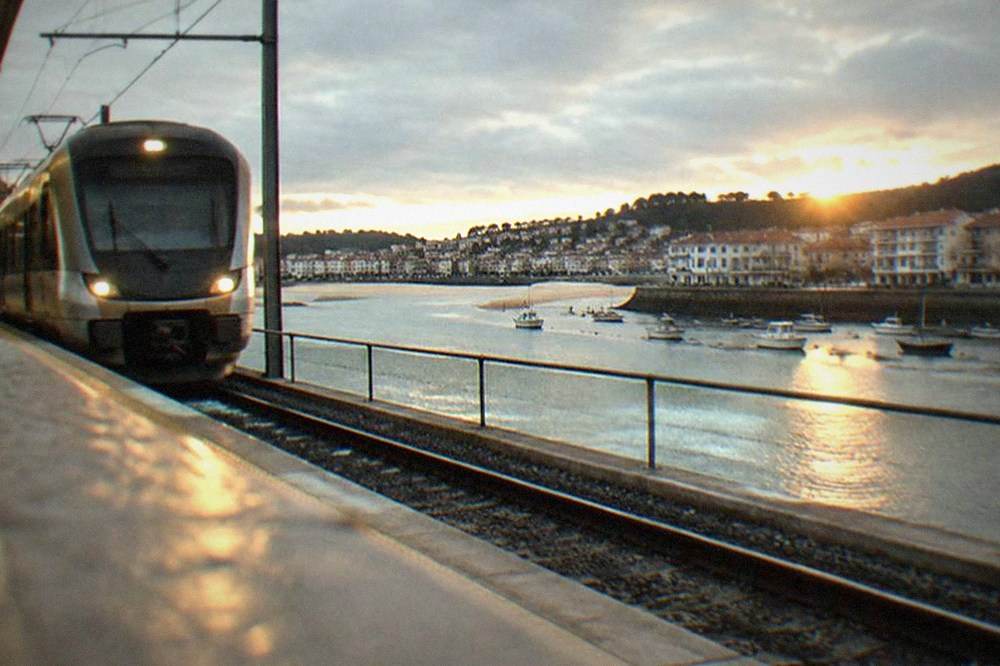
You reach Plentzia on the Bizkaia integrated transport network, with the journey from central Bilbao falling in fare zones 2 to 3, so a Barik Creditrans card pays EUR1.19 to EUR1.30 each way while an occasional metro ticket without one pays EUR2.20 to EUR2.25 with two hours of validity. The CTB Barik fares page gives those exact figures: Zone 2 Creditrans travel is EUR1.19 and Zone 3 is EUR1.30, while occasional metro tickets without a Barik card run EUR2.20 for two zones and EUR2.25 for three, valid for two hours. The Barik card itself is commonly reported to cost EUR3 to buy, non-refundable, though that purchase price comes from secondary sources rather than an official CTB page, so treat it as provisional and confirm at a station machine.
The practical mechanics are simple. Plentzia is on the same right-bank corridor that carries the metro toward Getxo, and the region's trains and buses all accept the same Barik Creditrans purse, so a single card covers the whole round trip. The fresh transport data for the region notes that Getxo and Plentzia routes from central Bilbao typically fall in zones 2-3, which is why the fares above, not the cheaper Zone 1 figures, are the ones that apply. Validate on boarding, keep the card for the return, and the day's transport budget is set before you leave the station.
| Transport option | With Barik Creditrans | Without Barik (occasional) | Validity |
|---|---|---|---|
| Metro, Zone 2 (coastal corridor) | EUR1.19 | EUR2.20 | 2 hours |
| Metro, Zone 3 (coastal corridor) | EUR1.30 | EUR2.25 | 2 hours |
| Bilbobus city bus, single | ~EUR0.73 base (~EUR0.44 after discount) | EUR1.70 | Per ride |
| Bilbao Tram, flat urban fare | EUR0.74 | ~EUR2.00 | Per ride |
| Bizkaibus interurban, 1-5 zones | EUR1.02 to EUR2.45 | Higher occasional fares | Per ride |
For visitors planning several days of movement, the Bilbao Bizkaia Card is the alternative that removes all fare arithmetic. The card's official site lists 24 hours at EUR10, 48 hours at EUR15 and 72 hours at EUR20, personal and non-transferable, and it bundles unlimited travel on the metro, tram, Bilbobus, Bizkaibus, Euskotren and the funiculars with discounts at participating attractions. A two-day Bilbao itinerary that includes Plentzia, Getxo and the Guggenheim can make the 48-hour tier pay for itself in convenience alone, even before the discounts. Our full Bilbao Bizkaia Card guide breaks down the break-even maths.
One planning note that matters more than it looks: there is no taxi shortcut worth taking for this particular trip, and no rail alternative that beats the metro corridor on the right bank. The integrated network is the corridor. Anyone who has read our getting around Bilbao transport guide will recognise the pattern, that in Bizkaia the card in your pocket matters more than the mode you choose, because every mode charges the same zonal purse.
What Can You Actually Do In Plentzia For A Day?
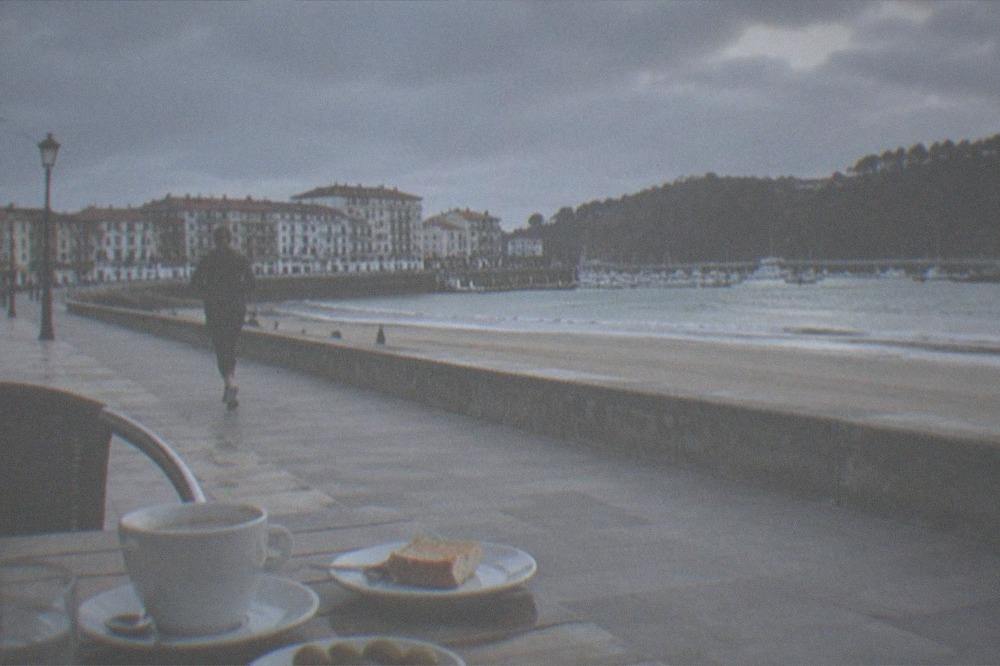
A Plentzia day is built around the beach and the water: swimming and sunbathing in the warm months, seafront walks at any time of year, a slow wander through the small historic core, and a long seafood lunch facing the bay, all connected on foot without a single timetable to obey. The town's shape encourages loops rather than itineraries. The beach and its promenade form one axis, the historic centre a second, and the mouth of the estuary a third, and none of them demands more than an easy stroll between them. This is a place for a towel, a book and an unhurried meal, not a checklist.
The beach is the anchor. Sheltered by the bay's geography, it is one of the calmer swimming beaches on this stretch of coast, which matters if the Atlantic further along the shoreline is doing what the Atlantic usually does. The seafront walk runs along the water's edge with the town on one side and the bay on the other, and it connects naturally toward the headlands at either end of the bay for anyone who wants a longer loop. On clear days the views open across the estuary mouth toward the coast beyond.
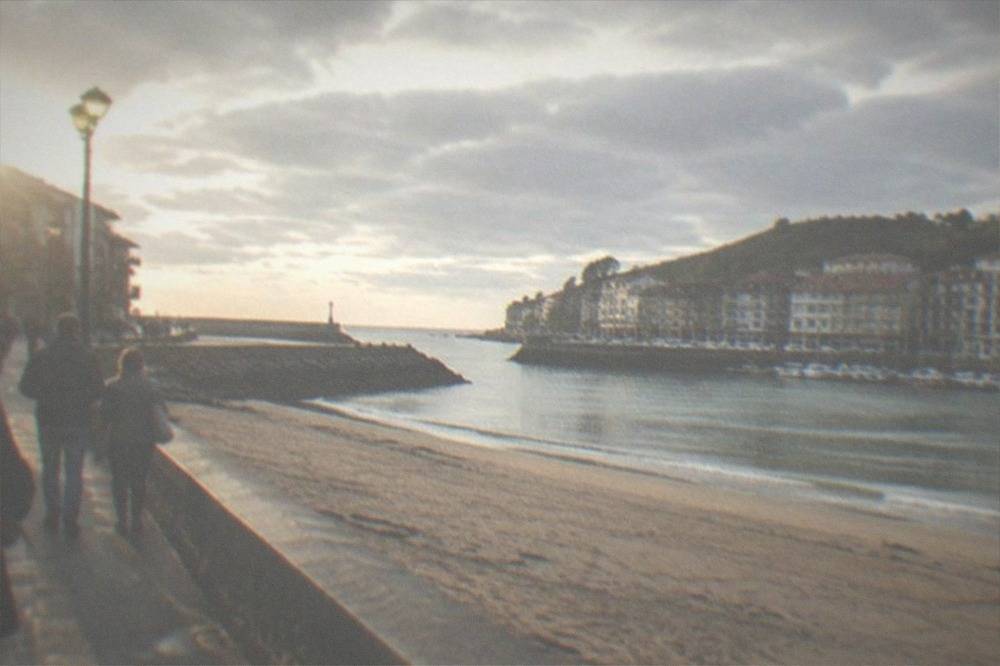
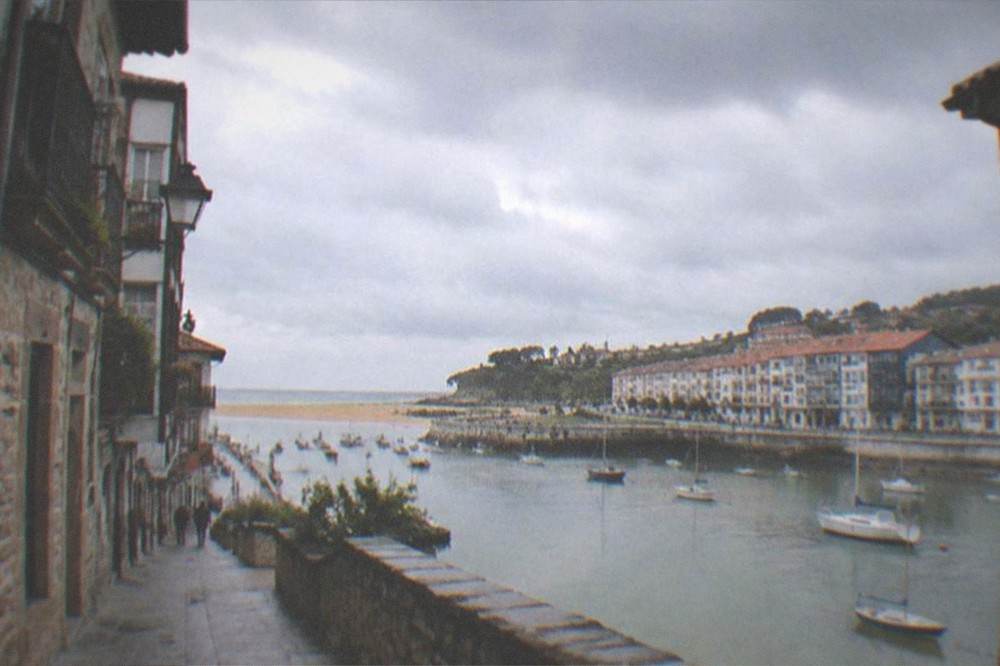
The old centre is small but genuine, the kind of Basque coastal town core where the streets are narrow, the buildings are low, and the pace belongs to the residents rather than the visitors. There is no single monument that demands a detour, and that is the point. Plentzia rewards the visitor who has spent three days in Bilbao absorbing the Guggenheim, the Fine Arts Museum and the Casco Viejo, and now needs a day that asks nothing of them. Families in particular find this balance works, and our Bilbao with kids itinerary uses exactly this kind of coastal pause as a pressure valve.
Eating is the other pillar. The Basque coast eats what the water gives it, and the towns along this shoreline, Plentzia included, run on fish, and on the pintxo culture that Bilbao itself is famous for. Recent 2026 guides put typical pintxo prices at traditional bars around EUR2-5 per piece, with drinks such as txakoli or a small beer typically EUR2-3.50, and a full crawl of four to six items with drinks around EUR25-45 per person, though prices vary by bar and you should always check the board or the counter. A coastal lunch of grilled fish will sit above those bar figures; the room sets the price, so ask before you sit.
When Is The Best Time Of Year To Visit Plentzia?
The best months for a Plentzia beach day are July and August, when AEMET's Bilbao station normals show mean temperatures of 20.4 C and 20.9 C and the lowest rainfall of the year, with June and September close behind as quieter alternatives. The climate here is temperate oceanic, Atlantic-influenced, never Mediterranean: AEMET's Bilbao Aeropuerto/Loiu station (1082), using the 1981-2010 normals, gives an annual mean of 14.7 C and 1,134 mm of rain spread across the year. That means the coast is green for a reason, and even summer carries a chance of showers.
The shoulder logic is straightforward. July and August combine the warmest means with the driest profiles, 50 mm and 76 mm of rain respectively, but they also bring the crowds that every accessible beach absorbs in high summer. June at 18.4 C mean and 60 mm, and September at 19.2 C and 73 mm, sit within a degree or so of the summer peak with noticeably more space on the sand. AEMET's normals show the wettest month is November at 147 mm and the coldest is January at 9.3 C, so the November visitor should pack for weather, not swimming. Everything else covered here is indexed on Bilbao Travel Guide.
| Month | Mean temp (C) | Mean rain (mm) | What it means for Plentzia |
|---|---|---|---|
| May | 15.7 | 78 | Pleasant walking weather, water still cold |
| June | 18.4 | 60 | First proper beach weeks, thinner crowds |
| July | 20.4 | 50 | Peak beach season, warmest start to summer |
| August | 20.9 | 76 | Warmest month, busiest sand, note Aste Nagusia in Bilbao |
| September | 19.2 | 73 | The connoisseur's pick: warm sea, quiet town |
| October | 16.4 | 111 | Walks and lunches, swimming mostly over |
| November | 12.4 | 147 | Wettest month; coastal walks only if dry |
One date-aware note for August travellers: Aste Nagusia, Bilbao's nine-day festival, runs 22-30 August 2026, with the txupin opening at 19:00 on 22 August in Plaza Arriaga. The city fills for those nine days, and a Plentzia beach day is the classic local counter-move when the concerts, fireworks and txosnas get overwhelming. The reverse also holds: anyone visiting Bilbao specifically for Aste Nagusia can use Plentzia as the morning-off plan before heading back for the evening programme. Our Bilbao weather guide carries the full month-by-month picture.
How Much Does A Plentzia Day Trip Cost?
A Plentzia day trip costs very little beyond lunch: the round-trip transport fare is roughly EUR2.40 to EUR2.60 with a Barik card, the beach and seafront cost nothing, and the variable is food, where a bar crawl runs around EUR25-45 per person and a sit-down seafood lunch more. Transport is the fixed part. Two legs at Zone 2-3 Creditrans fares, EUR1.19 to EUR1.30 each way, put the whole return journey at under three euros on the official CTB tariff, and the Bilbao Bizkaia Card covers it entirely if you already hold one for its unlimited-travel window.
The honest budget table looks like this, using only figures the official and verified sources give:
| Item | Cost | Basis |
|---|---|---|
| Return transport, with Barik | EUR2.38-2.60 | CTB Barik fares, Zone 2-3, two legs |
| Return transport, no Barik | EUR4.40-4.50 | CTB occasional metro fares, two legs |
| Barik card purchase (one-off) | EUR3, commonly reported | Secondary source; confirm at station |
| Beach and promenade | Free | Public |
| Pintxo crawl, 4-6 items with drinks | ~EUR25-45 per person | 2026 bar-price guides, varies by bar |
| Bilbao Bizkaia Card 24h (covers transport) | EUR10 | Official card site |
Two cost notes that recur across this site deserve repeating here. First, the tourist tax: there is none in force in 2026. The Bizkaia regional tourist tax under Norma Foral 3/2026, with Bilbao's own municipal rates running from EUR1 per night at pensions to EUR5 at 5-star hotels and EUR6.50 for tourist apartments, does not take effect until 1 January 2027, so a 2026 day visitor pays nothing and even 2027 overnight guests in Bilbao itself should date the charge correctly. Second, product prices: any guided tour's price, rating or duration on this site renders from the live listing, never from a typed number, so the figures above cover only the self-guided day.
Should You Combine Plentzia With Other Basque Coastal Spots?
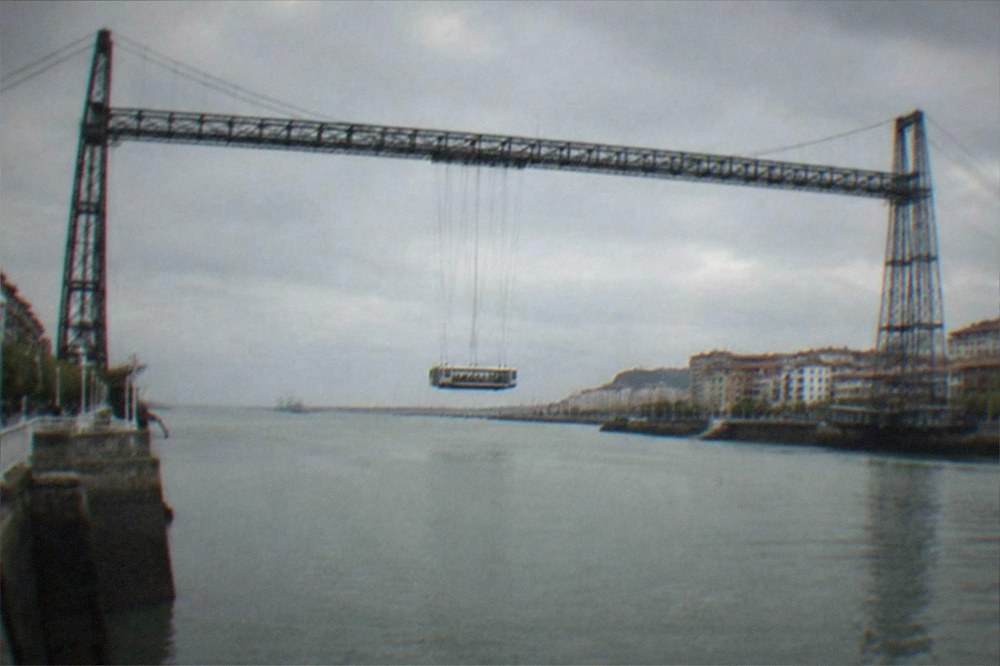
Yes, and the natural pairing is Plentzia with Getxo and the Vizcaya Bridge on a single coastal loop, since all three sit on the same right-bank corridor within fare zones 2 to 3 of one transport card, so the whole combination costs only a few euros and demands no extra planning beyond a glance at the network map. Getxo's metro link from Abando runs 28-29 minutes at EUR2-3, per the regional transport data, and the Vizcaya Bridge at Portugalete, a UNESCO World Heritage Site inscribed in 2006 and the first industrial heritage site in Spain on the list, is a short hop further. The bridge's gondola crossing costs EUR0.60 one-way in daytime hours, and the upper walkway ticket is reported at EUR11 adult round-trip, EUR9 reduced, though that walkway figure is a single-source claim and the bridge's own site should confirm it before you commit.
The fuller coastal menu, with the journey figures the regional data actually gives:
| Coastal destination | Typical public transport from Bilbao | Approx. one-way fare | Signature draw |
|---|---|---|---|
| Getxo | Metro Line 1, 28-29 min | EUR2-3 | Beaches, promenade, cliffside walks |
| Vizcaya Bridge / Portugalete | Metro toward Areeta, ~20-29 min | EUR2-3 | UNESCO transporter bridge, gondola EUR0.60 |
| Sopelana | Metro corridor, right bank | Zone 2-3 fares | Surf beaches, nudist coves |
| Bermeo | Euskotren, ~1h21m | EUR2-5 | Fishing port, Gaztelugatxe gateway |
| Mundaka | Euskotren, ~1h16m | ~EUR2.7-4.5 | World-famous left-hand surf wave |
| Gaztelugatxe | Bizkaibus, ~1h10m-2h+ | EUR2-4 | Hermitage islet, 1,462 daily cap on controlled days |
| San Sebastián | Direct bus, ~1h20m | EUR8-19 | Beaches, pintxos capital |
The pairing logic is about energy, not distance. Plentzia and Getxo make one gentle day on the same transport limb. Add the Vizcaya Bridge and the day gains a world-class monument without any extra planning burden, because the gondola sits on the estuary between them. Push east to Bermeo, Mundaka or Gaztelugatxe and you have changed the character of the day entirely: those are dramatic-coast destinations, and our Gaztelugatxe guide, Mundaka guide and Getxo guide cover each in depth.
If the eastern coast calls but the timetables do not, a guided day trip solves the logistics in one move. The Gaztelugatxe, Bermeo and Gernika circuit is the region's most-reviewed option of its kind, and the operator's live listing carries the current price and availability.
That eastern circuit also stops in Gernika, the town whose name carries far more weight than its size suggests, and whose peace museum and assembly house give the coastal day a historical spine that pure beach towns cannot offer. Our Gernika and Guernica guide covers what the stop adds and why so many coastal itineraries route through it.
For a shorter coastal hit, the Basque Coast tour built around San Juan de Gaztelugatxe, the islet that served as Dragonstone on screen, covers the headline sights in half a day, leaving the afternoon free for a return to the water at Plentzia itself. Check availability on the operator's live listing if that split-day shape appeals.
What Should You Know Before You Go To Plentzia?
Pack for Atlantic weather even in summer, bring the Barik card you will already want in Bilbao, expect everything to close for the afternoon in the traditional way, and do not plan the day around a single must-see, because Plentzia's whole value is its lack of one. The temperate oceanic climate that keeps Biscay green delivers 1,134 mm of rain a year on AEMET's normals, and even August averages 76 mm, so a light rain layer belongs in the bag next to the towel. The sea is the Atlantic: swimmers should expect cool water even at the height of summer.
Opening hours deserve a mention because they shape coastal days. Spain's afternoon closure pattern, which our Bilbao siesta and opening hours guide covers in detail, applies in small coastal towns more strictly than in the capital of the province. Shops close, bars thin out, and the beach fills: the correct response is to adopt the local rhythm rather than fight it. Eat lunch late, let the afternoon dissolve, and treat the return journey as flexible, because the integrated network runs late enough that a sunset walk is not a logistical risk.
Accessibility on this corridor may come as a pleasant surprise. Metro Bilbao's stations feature elevators at street-to-vestibule and vestibule-to-platform levels, wide validators for wheelchairs, tactile paving and audio announcements per the operator's own accessibility documentation, and the entire Bilbobus fleet is low-floor with ramps and reserved wheelchair spaces. The Funicular de Artxanda, for anyone adding a city viewpoint on the same day, is wheelchair accessible with a companion travelling free. Our accessibility in Bilbao guide carries the full detail.
For travellers who prefer a museum anchor on the same ticket, the Guggenheim's own site lists adult admission at EUR18 with opening hours Tuesday to Sunday, 10:00 to 19:00, extending to 20:00 from 15 June to 13 September, which makes a museum-morning, beach-afternoon split entirely feasible in summer. A guided visit adds context the building rewards, and a small-group option below covers the city's headline experiences alongside the coastal ones.
Whichever way the day is shaped, museum morning or beach afternoon, the split only works because the corridor is short and the card is shared. A visitor holding a Barik card can leave the Guggenheim at midday, cross the city to the right-bank corridor, and be on the sand within the hour, which is a claim very few European cities of Bilbao's size can make about a genuine Atlantic beach.
Common Questions About Plentzia
How Do You Get To Plentzia From Bilbao?
How do you get to Plentzia from Bilbao?
By the Bizkaia integrated network, with the journey in fare zones 2-3 from central Bilbao. With a Barik Creditrans card each leg costs EUR1.19 to EUR1.30; without one, an occasional metro ticket costs EUR2.20 to EUR2.25 with two hours of validity.
Is Plentzia worth visiting?
As a beach-and-rest day trip from Bilbao, yes. It is not a spectacle destination like Gaztelugatxe or San Sebastián; its value is a sheltered bay, a small old town and effortless access on the same transport card you use in the city.
When is the best time to visit Plentzia?
July and August are the warmest and driest months on AEMET's Bilbao station normals, at 20.4 C and 20.9 C mean with 50 mm and 76 mm of rain. June and September offer nearly the same warmth with fewer people, while November, the wettest month at 147 mm, suits only wellies-and-coastal-walk plans.
Can you swim at Plentzia?
Yes, in summer. The beach sits inside a sheltered bay near the estuary mouth, which makes it one of the calmer swimming options on this Atlantic-facing coast, though the water is the Bay of Biscay and stays cool even in August.
How much does a Plentzia day trip cost?
Transport runs about EUR2.40 to EUR2.60 return with a Barik card on official CTB fares, the beach is free, and food is the variable: 2026 guides put a pintxo crawl with drinks around EUR25-45 per person, with prices varying by bar, so check the room before ordering.
Is there a tourist tax in Bilbao or Plentzia?
Not in 2026. The Bizkaia regional tourist tax under Norma Foral 3/2026, with Bilbao's municipal rates from EUR1 to EUR5 per night by accommodation category and EUR6.50 for tourist apartments, takes effect on 1 January 2027, and day visitors are outside its scope in any case.
Plentzia is the day trip that proves the point of basing yourself in Bilbao: a genuine Atlantic beach town, reachable for the price of a metro fare, sitting at the end of the same transport network that serves the Guggenheim. Go when the sun is out, go with a Barik card, and let the afternoon close at its own pace.