Store Hours And Siesta In Bilbao
Bilbao, in the Basque Country of northern Spain, keeps different hours from many northern European cities, and the mid-afternoon break still shapes a visit here. This guide separates the verified, published hours of Bilbao's museums, transport, and major attractions from the general shopping patterns no official timetable governs.
Short answer
Bilbao's big museums and attractions publish fixed hours (the Guggenheim runs Tue-Sun 10:00-19:00, later in summer), while smaller shops commonly close for a mid-afternoon break and larger stores run continuous hours. Pintxos bars peak in the evening, transport runs late, and festival weeks rewrite every schedule.
Bilbao, in Biscay (Bizkaia) province, Basque Country, northern Spain, runs on a rhythm that catches some visitors off guard: the biggest attractions keep strict, published timetables, while much of the everyday retail city pauses in the middle of the afternoon. Planning around that pause is the difference between a frustrated afternoon of shuttered storefronts and a well-timed day that flows from museum to market to evening pintxos. This page pulls together the hours that are actually verified and published, flags the patterns that no official timetable governs, and notes the 2026 and 2027 changes that affect when and how you pay.
What Are Typical Store Hours And Siesta Times In Bilbao?
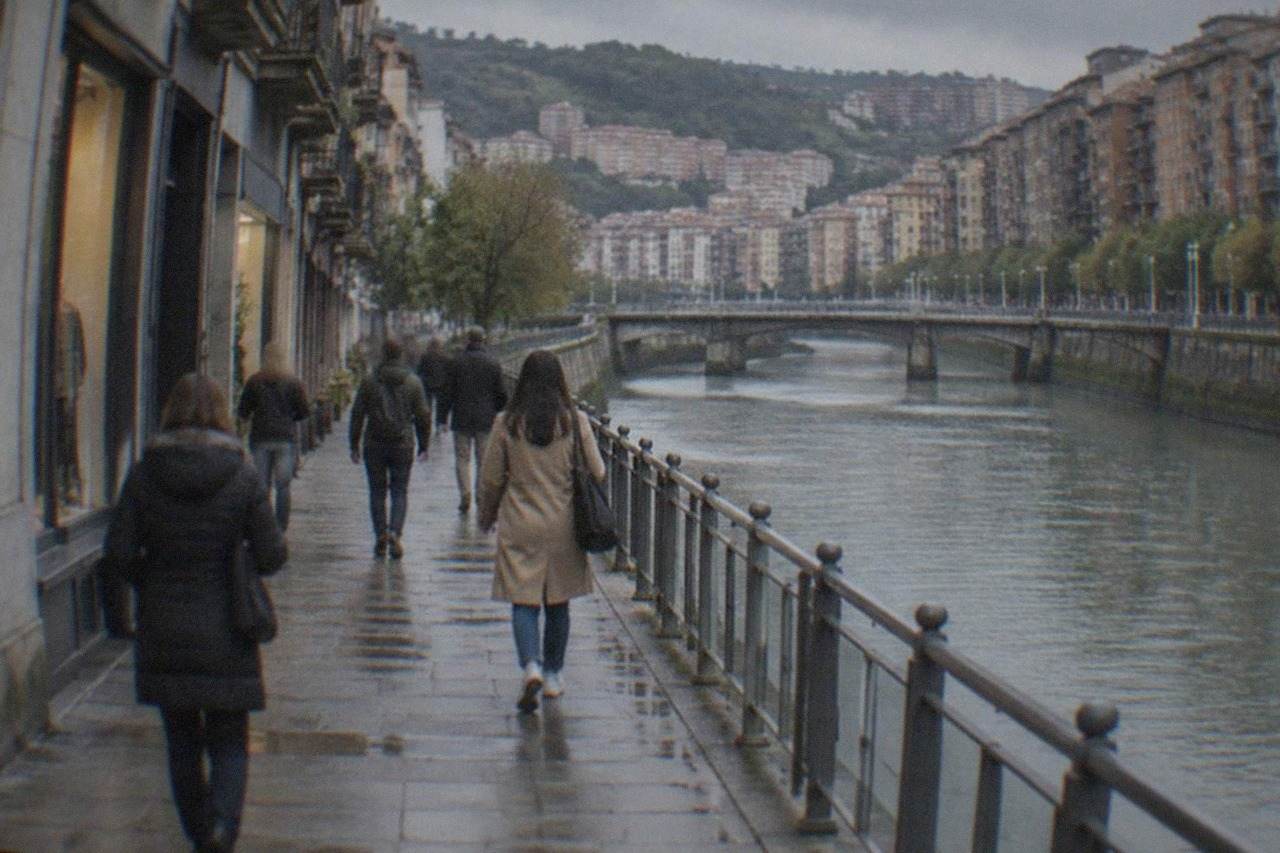
Bilbao does not have a single official siesta timetable: smaller independent shops across Spanish cities commonly close for a mid-afternoon break, while Bilbao's large chains, shopping centres, and supermarkets generally run continuous hours into the evening. The pattern matters most in the Old Town's Seven Streets and in neighbourhood shopping strips, where a late-afternoon walk can meet closed doors. Always check the door or the shop's own listing before building an errand into your day.
The mid-afternoon break is a habit of small proprietor-run businesses rather than a law. A family-run bakery, a boutique in the Casco Viejo, or a specialty food shop has one or two people behind the counter, and closing for a few hours in the afternoon is how those businesses have always balanced a long trading day that stretches into the evening. Big-box retail works differently: Bilbao's malls and chain stores operate on continuous schedules set by head office, so an afternoon visit to a shopping centre runs no risk of a shutter.
The practical consequence for a visitor is scheduling. Do retail-dependent tasks, such as buying a SIM card, picking up hiking gear, or shopping for gifts, in the morning or the early evening. Reserve the mid-afternoon window, roughly the early-to-mid afternoon stretch, for the things that stay open: museums, the riverside walk, the Artxanda funicular viewpoint, or a long lunch, which is itself the reason the break exists. Locals eat lunch later than many visitors expect, and the whole daily clock shifts accordingly: dinner rarely starts before 21:00, and pintxos bars fill from late evening.
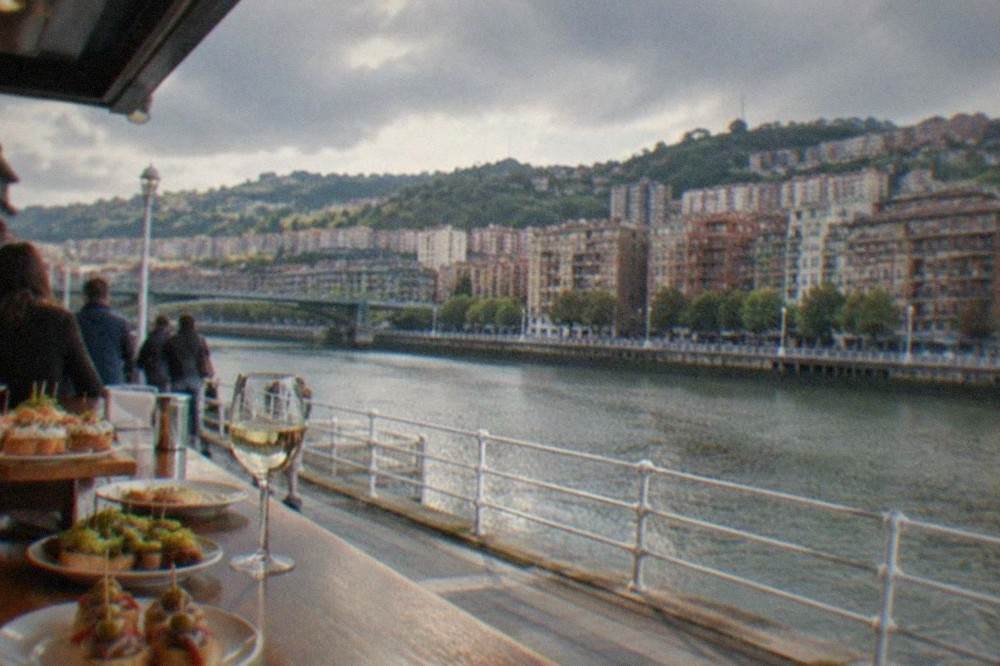
Weather plays a supporting role. AEMET's Bilbao Aeropuerto/Loiu station (1082) normals, 1981-2010, show a temperate oceanic climate with an annual mean of 14.7 C and 1,134 mm of rain a year, with November the wettest month at around 147 mm and July-August the warmest and driest. The mid-afternoon indoor pause is, in late autumn, simply the rainy hour. Our Bilbao weather guide breaks the year down month by month if you are choosing when to come.
Which Bilbao Museums And Attractions Have Confirmed Opening Hours?
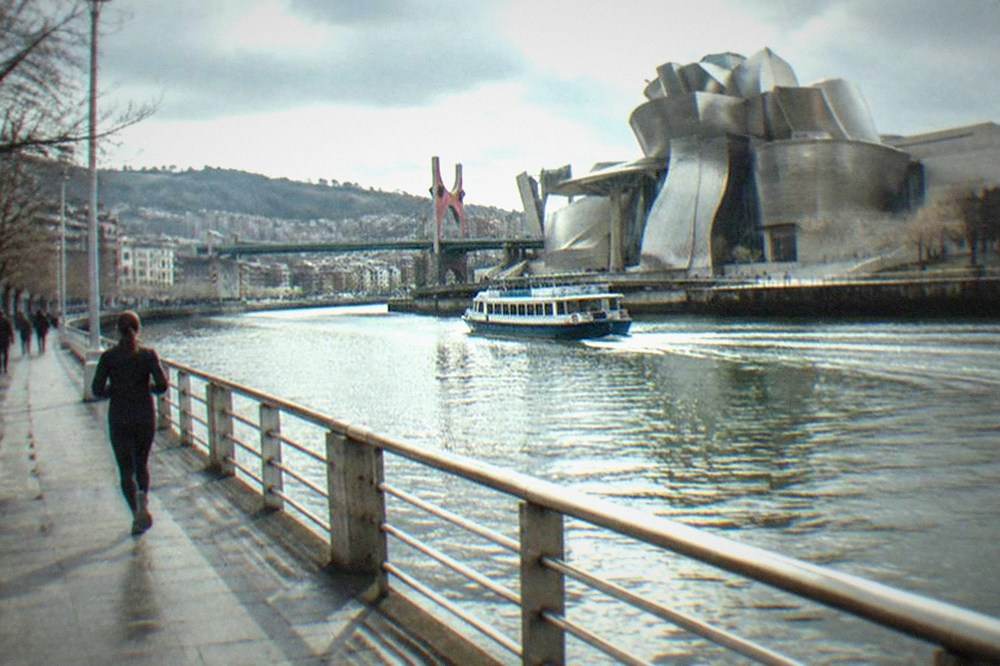
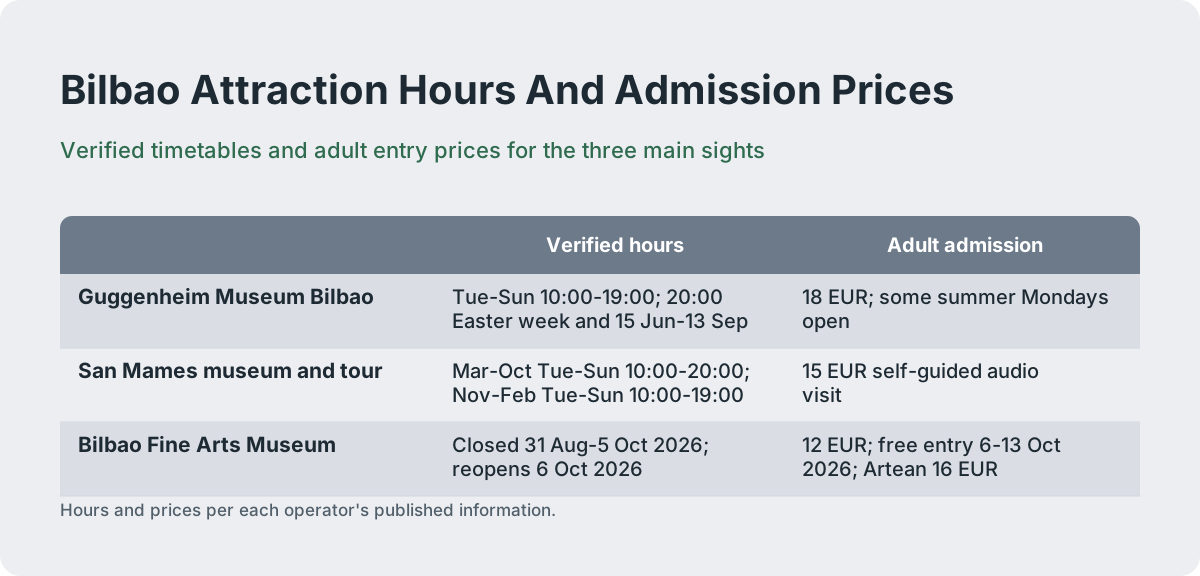
The Guggenheim Museum Bilbao is open Tuesday through Sunday from 10:00 to 19:00, extending to 20:00 during Easter week and again from 15 June to 13 September, with adult admission at 18 EUR. San Mames stadium tours run Tue-Sun 10:00-20:00 from March to October and 10:00-19:00 from November to February, closed Mondays. The Bilbao Fine Arts Museum reopens 6 October 2026 after its renovation closure.
These are the hours you can plan a day around, because each is published by the operator itself. The Guggenheim's own site lists the extended summer closing at 20:00, and it also lists the specific Mondays it opens in summer, which matters if your visit lands on one: the museum's page names Mondays from 15 June to 7 September among its open dates. Ticket desks close 30 minutes before closing and galleries clear 15 minutes before, so a "closing time" visit needs a buffer.
The Fine Arts Museum is the big scheduling story of 2026. As reported, it is closed from 31 August to 5 October 2026 for the final phase of its expansion and reopens on 6 October 2026, with free entry for the first week, 6 to 13 October. From 14 October onward, general adult admission is reported at 12 EUR, with a joint Artean pass with the Guggenheim at 16 EUR. That reopening date is a single-source report, so treat it as reported rather than guaranteed, and check the museum's own page before travelling specifically for it.
| Attraction | Verified hours | Notes |
|---|---|---|
| Guggenheim Museum Bilbao | Tue-Sun 10:00-19:00; 20:00 Easter week and 15 Jun-13 Sep | Adult 18 EUR; some summer Mondays open |
| San Mames museum and tour | Mar-Oct Tue-Sun 10:00-20:00 (daily Jul-Aug); Nov-Feb Tue-Sun 10:00-19:00 | Closed Mondays Nov-Feb; match-day restrictions apply |
| Bilbao Fine Arts Museum | Closed 31 Aug-5 Oct 2026; reopens 6 Oct 2026 | Free entry week 6-13 Oct 2026, as reported |
San Mames, Athletic Club's stadium, keeps museum hours that shift with the football calendar: March to October Tuesday-Sunday 10:00-20:00, daily in July and August, and November to February Tuesday-Sunday 10:00-19:00 with Monday closures. On match days the museum closes hours before kick-off and stadium access is limited, so a tour visit needs a non-match day. Self-guided audio visits list at 15 EUR for adults and guided Museum+Tour visits at 22 EUR, per the club's own practical-information page.
If museums are your main interest, the Bilbao museums guide covers the full set, and the Bilbao Bizkaia Card page explains the tourist pass that bundles unlimited transport with attraction fast passes. The card itself runs 10 EUR, 15 EUR, and 20 EUR, per the card's own site.
A guided visit solves the hours problem outright: a booked tour has a fixed meeting time and a fixed itinerary, so nothing depends on a shopfront's afternoon habits. The semi-private Rioja wineries tour is the strongest example, a full day of three premium wineries that runs entirely on the operator's schedule. Check availability
When Do Pintxos Bars And Restaurants Serve In Bilbao?
Pintxos bars in Bilbao typically open from late morning and peak in the evening, with the serious txikiteo crawl running from roughly 19:00 onward, while sit-down restaurants serve lunch from midday and dinner from around 21:00. Counter prices commonly run about 2 to 5 EUR per pintxo, with drinks around 2 to 3.50 EUR, and a typical crawl of four to six items with drinks lands around 25 to 45 EUR per person.
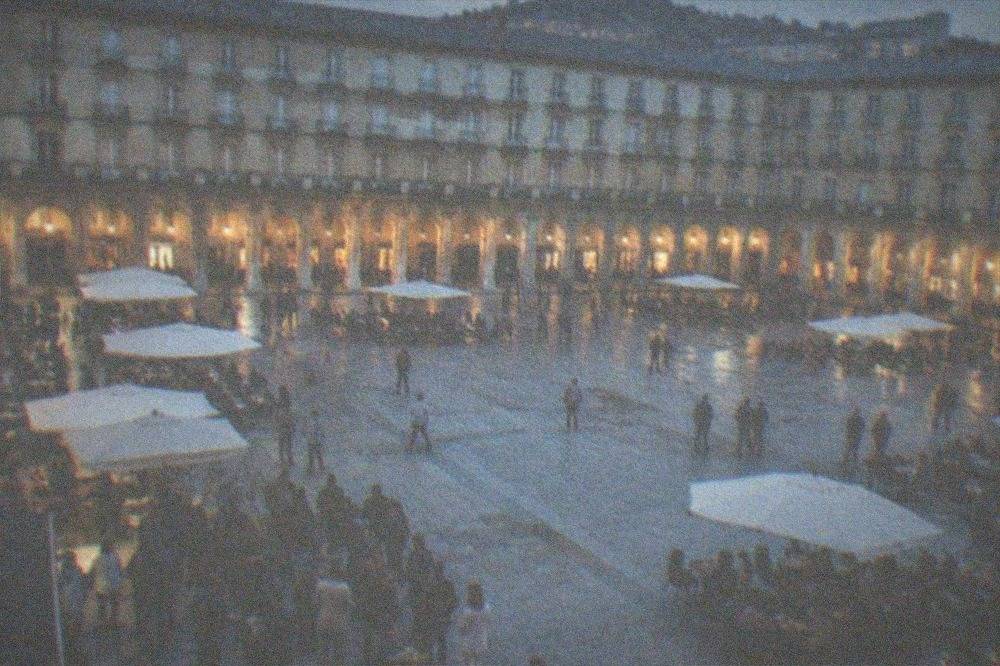
The bar clock matters more than the shop clock for most visitors. A pintxos bar's morning is coffee and tortilla territory; the counters fill again at lunchtime; and the real pressure arrives in the evening, when Plaza Nueva and the Seven Streets bars do their trade. The bars that anchor that scene are well documented in recent local rankings: Gure Toki and Sorginzulo on Plaza Nueva, El Glovo on Diputacion, La Viña del Ensanche in the Abando district, and La Bodeguita del 12, which took the 2025 Bizkaia traditional pintxo championship with a black pudding and cornbread creation.
| Eating moment | What is typically served | Rough timing |
|---|---|---|
| Morning | Coffee, tortilla, simple counter pintxos | From when bars open |
| Lunch | Menus and fuller pintxos counters | Midday onward |
| Evening txikiteo | Bar-to-bar pintxos crawl with txakoli or zurito | Roughly 19:00 onward |
| Restaurant dinner | Sit-down service | Around 21:00 |
Price discipline matters here. Counter pintxos at traditional bars generally run 2 to 5 EUR, with simpler cold items at the low end and elaborate hot preparations higher, sometimes up to 6-8 EUR at premium spots, and drinks typically 2 to 3.50 EUR. Those are planning ranges drawn from current food-guide reporting, not promises: the price is on the chalkboard or the counter card, and a bar that does not display prices is a bar to query before ordering. Our best pintxos in Bilbao guide names the bars worth building an evening around.
A guided food walk compresses the learning curve. The pintxos, drinks and tapas tour with a local hits the bars at the hours they actually work, which is the whole trick of eating well in this city, and it removes the guesswork of which counter to trust at what hour.
How Do Bilbao's Transport Hours Shape Your Day?
Bilbao's airport bus, the Bizkaibus A3247, runs every 15 minutes from roughly 06:10 to 23:40 from the airport and 05:00 to 22:00 from the city, taking 15 to 25 minutes at 5 EUR without a Barik card, and there is no metro or train link to the airport before 2035. Metro and tram fares with a Barik card run from 1.02 EUR for a Zone 1 trip, and the Artxanda funicular runs every 10 minutes at peak times.
Transport hours set the outer boundaries of your day. The airport bus schedule means an early flight out of Bilbao Airport is workable by public transport, with the first departures from the city around 05:00, and a late evening arrival still connects, with airport departures running to about 23:40. A taxi to the centre runs approximately 24 to 29 EUR in the regulated fare bands, with no airport supplement, per the airport guidance. The wider set of guides lives on Bilbao Travel Guide.
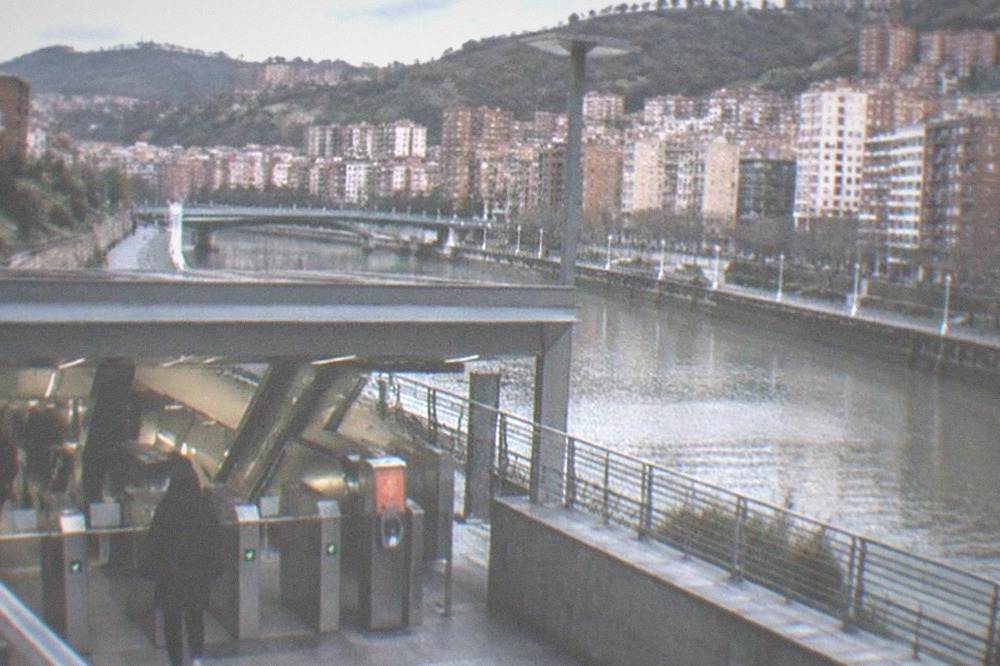
Within the city, the Barik card is the pricing story. The CTB Barik fares page gives Metro Zone 1 at 1.02 EUR with the card against 2.00 EUR without, Zone 2 at 1.19 EUR, and Zone 3 at 1.30 EUR. Bilbobus runs 1.70 EUR for a single without Barik, roughly 0.73 EUR base with it, and the tram charges 0.74 EUR flat with Barik. The card itself is commonly reported to cost 3 EUR to buy and is non-refundable, though that purchase price comes from a secondary source rather than an official CTB page, so treat it as commonly reported.
| Mode | Fare with Barik | Fare without Barik | Source |
|---|---|---|---|
| Metro Zone 1 | 1.02 EUR | 2.00 EUR | CTB Barik fares page |
| Metro Zone 2 | 1.19 EUR | 2.20 EUR | CTB fares page |
| Metro Zone 3 | 1.30 EUR | 2.25 EUR | CTB fares page |
| Bilbobus single | ~0.73 EUR base | 1.70 EUR | Bilbao city fares |
| Tram flat | 0.74 EUR | ~2.00 EUR | CTB Barik fares page |
| Airport bus A3247 | lower with Barik | 5 EUR | Bizkaibus airport page |
The funicular up to the Artxanda viewpoint is a good mid-afternoon filler precisely because it is transport, not retail: it keeps running while the shops pause. Reported fares are 3.50 EUR one-way and 6.00 EUR round-trip, a single-source claim, and the service is described as wheelchair accessible with a lift at the upper station and free travel for a wheelchair user's companion. The accessibility in Bilbao guide covers step-free planning in detail, our getting around Bilbao transport guide covers the rest of the network, and the Bilbao airport guide handles arrival logistics in full.
Do Shops Stay Open On Sundays And Holidays In Bilbao?
Sunday trading in Bilbao is limited compared with the working week: large shopping centres and tourist-facing businesses generally operate on Sundays, while many smaller shops do not, and public holidays follow a similar split. Spanish retail trading rules vary by region and season, so the reliable Sunday constants are museums, bars, restaurants, and the big malls rather than the neighbourhood high street.
The safest Sunday plan is built on the things that publish Sunday hours. The Guggenheim opens Tuesday through Sunday, which makes Sunday a prime museum day. San Mames tours run Tuesday through Sunday outside the November-February Monday closures. Pintxos bars do some of their best weekend trade on Sundays. What you should not assume is a full Old Town shopping experience: independent boutiques are likelier to be shut, and a holiday weekend shifts things further.
Bilbao's public holiday calendar is worth a check before any trip, because a local holiday can close banks, shrink public transport frequency, and fill the Old Town with locals rather than shoppers. Our Bilbao currency and tipping guide covers money matters for a holiday visit, and for holiday timing in general the municipal calendar is the authority. One dated example from the pack: the Gaztelugatxe hermitage, a popular day trip, reserves certain festival days (24 June, 31 July, 29 and 31 August, 30 December) for local romeria events, and tourists are advised not to visit on those dates.
Festival weeks rewrite everything, in a good way. Aste Nagusia 2026, Bilbao's nine-day main festival, runs 22-30 August 2026, opening with the txupin on 22 August at 19:00 in Plaza Arriaga. During those nine days the evening schedule stretches dramatically, with daily concerts and fireworks at 22:30 from 22 to 29 August. Bars and street stalls run late; ordinary shop hours matter less because the city's centre of gravity moves outdoors. Our Aste Nagusia festival guide has the full picture.
| Period | What changes | What to plan around |
|---|---|---|
| Ordinary weekday | Mid-afternoon pause for small shops | Errands in morning or evening |
| Sunday | Small shops often shut; malls and museums open | Museum or pintxos day |
| Public holiday | Reduced services, closures vary | Check municipal calendar |
| Aste Nagusia (22-30 Aug 2026) | Late-night city, fireworks 22:30 | Book accommodation early |
How Should You Time A Day Trip Around Bilbao's Hours?
Day trips from Bilbao work best as morning departures, because the coast and wine-country sights run on daytime schedules and the return evening belongs to pintxos: the San Sebastián excursion runs about 10 hours, the Rioja winery day about 8-9 hours, and the Gaztelugatxe coastal loop 3.5 to 11 hours depending on the variant. Gaztelugatxe itself requires a free timed reservation only on official controlled-access days, capped at 1,462 visitors daily, booked via tiketa.eus.
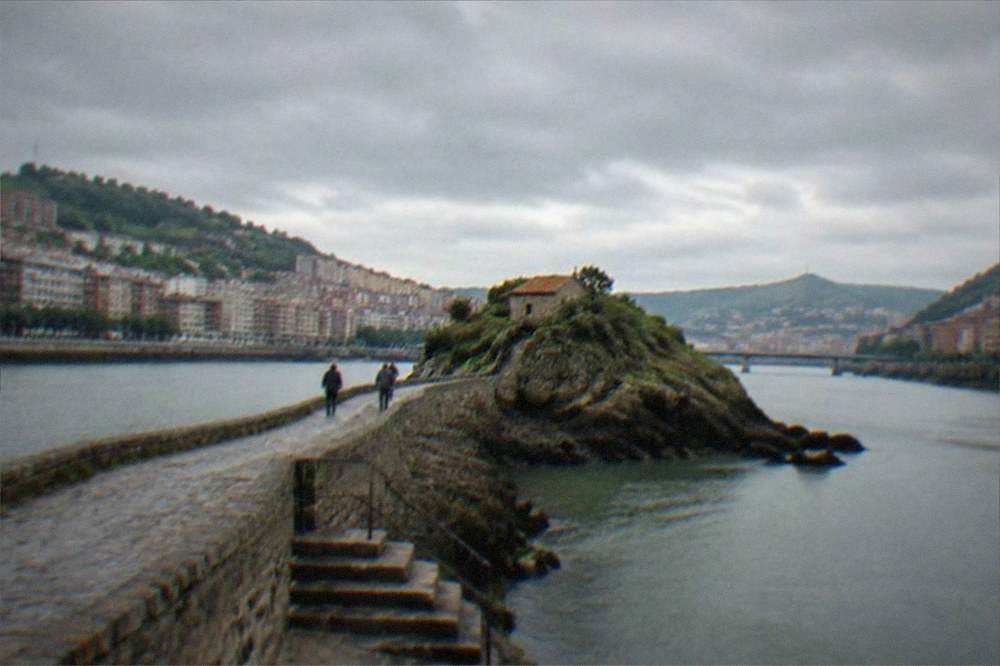
The Gaztelugatxe reservation system is the one day-trip schedule that genuinely needs advance planning. A free timed ticket is required only on the official controlled-access days, roughly daily from mid-June to about 20 September plus Easter and holiday weekends per the yearly calendar; on all other days entry is free without a reservation. Booking is always free through tiketa.eus, with a maximum of 10 people per reservation, and reservations are typically cancelled if you are more than 60 minutes late. As of the most recent reporting, access reverted to free and reservation-free from 21 September 2026 through the end of September.
Winery days in Rioja are the cleanest answer to the siesta question, because the wineries set the clock for you. A semi-private tour of three premium wineries runs the whole day on the operator's itinerary, with transport from Bilbao handled, so the only hours you manage are your own wake-up and your evening return. The Gaztelugatxe guide and the Rioja wine day trip guide break down the options for independent travellers, and the San Sebastian day trip guide covers the biggest excursion of all.
For a coast-and-France day, the Biarritz, Saint-Jean-de-Luz, Hondarribia and San Sebastian tour runs a loop that leaves the timing question entirely to the operator, which is exactly what you want on a day when every other clock in the region is pausing for lunch.
What Should 2026 And 2027 Visitors Know About Costs And Timing?
Visitors in 2026 pay no tourist tax in Bilbao, but from 1 January 2027 a Bizkaia-wide tax (Norma Foral 3/2026) applies at 5 EUR per night in 5-star hotels, 4 EUR in 4-star, 2 EUR in 3-star, 1.50 EUR in 2-star, 1 EUR in pensions, and 6.50 EUR for tourist apartments, with reservations made before early February 2026 generally exempt. Budget your 2027 accommodation accordingly and date any tax mention, because the charge is not yet in force.
This is the single most useful piece of forward planning information for the city right now, and it was approved only in late September 2026, so most existing guides do not carry it. Bilbao's municipal plenary approved its rates in September 2026 for the 2027 start: the tourist-apartment rate of 6.50 EUR is the maximum the regional law allows, and the expected net revenue is reported at slightly over 12 million EUR a year after roughly 15 percent exemptions for minors and medical stays.
Pair the tax date with the cost basics. The is Bilbao expensive guide covers the full budget picture, and the where to stay in Bilbao guide helps pick a neighbourhood before the 2027 rates land. If you are deciding between Bilbao and its coastal rival, the Bilbao vs San Sebastián comparison is the place to start, and the how many days in Bilbao guide sizes the trip. For everything the city offers once the hours are sorted, see the full things to do in Bilbao round-up.
| Item | Figure | Basis |
|---|---|---|
| Tourist tax 2026 | None | Not yet in force |
| Tourist tax 2027, 5-star hotel | 5 EUR/night | Norma Foral 3/2026, Sept 2026 approval |
| Tourist tax 2027, tourist apartment | 6.50 EUR/night | Municipal maximum rate |
| Guggenheim adult ticket | 18 EUR | Museum's own admission page |
| Bilbao Bizkaia Card 24h | 10 EUR | Card's own site |
| Funicular de Artxanda round-trip | 6.00 EUR | Single-source report |
Timing your spending also means timing your transport card. If you are in the city for two or three days and riding Metro and tram regularly, the Bilbao Bizkaia Card's unlimited travel plus museum fast passes usually beats pay-per-ride once you tally the Barik fares above against the card's 10 to 20 EUR tiers, per the card's own site. For a single day of walking the Old Town and the Guggenheim, pay-per-ride is fine.
The same timing logic applies to the bigger spending decisions. A booked excursion carries its own published schedule, so the hours question disappears entirely, and the operators behind the three options below all run fixed departures from central Bilbao meeting points that connect cleanly with the museum hours above.
Common Questions About Store Hours And Siesta In Bilbao
Do shops in Bilbao close for siesta?
Many smaller independent shops in Bilbao follow the Spanish mid-afternoon break pattern and close for a few hours, while large chains, shopping centres, and supermarkets generally run continuous hours. There is no official siesta timetable, so check individual shop doors or listings, and schedule errands for morning or evening.
What time do pintxos bars open in Bilbao?
Pintxos bars typically open from late morning, serve through lunch, and peak in the evening from around 19:00, with the busiest crawl hours after that. Counter prices commonly run about 2 to 5 EUR per pintxo with drinks around 2 to 3.50 EUR, but the price on the counter card is the authority.
Is the Guggenheim open on Mondays in Bilbao?
The Guggenheim Museum Bilbao is open Tuesday through Sunday from 10:00 to 19:00, extended to 20:00 during Easter week and from 15 June to 13 September. The museum's own page lists specific summer Mondays when it does open, including Mondays from 15 June to 7 September, so check your exact date.
Do I need a reservation for Gaztelugatxe?
Only on official controlled-access days, roughly daily from mid-June to about 20 September plus Easter and holiday weekends. The timed ticket is always free, booked via tiketa.eus, with a daily cap of 1,462 visitors and a maximum of 10 people per reservation. On all other days access is free without a reservation.
Is there a tourist tax in Bilbao?
Not in 2026. A Bizkaia-wide tourist tax under Norma Foral 3/2026 takes effect on 1 January 2027, with Bilbao's approved rates ranging from 1 EUR per night in pensions to 5 EUR in 5-star hotels and 6.50 EUR for tourist apartments. Reservations made before early February 2026 are generally exempt.
How late does public transport run in Bilbao?
The airport bus A3247 runs roughly every 15 minutes, from about 06:10 to 23:40 from the airport and 05:00 to 22:00 from the city, at 5 EUR without a Barik card. Within the city, Metro Zone 1 costs 1.02 EUR with Barik against 2.00 EUR without, and the Artxanda funicular runs every 10 minutes at peak times.
Plan the day in three blocks and the siesta question solves itself: museums and attractions in the morning and early afternoon, a proper long Basque lunch when the shops pause, and the evening given over to the bars, which is when Bilbao is at its best anyway.